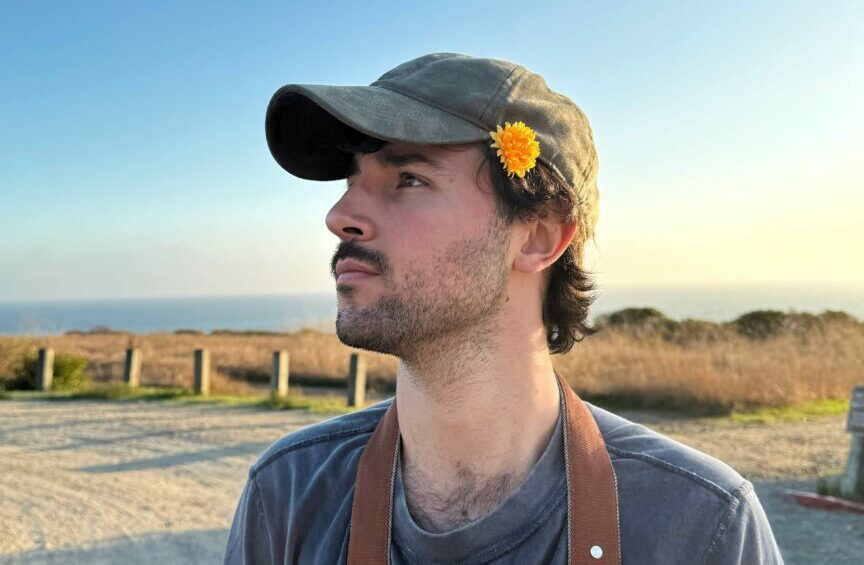
We caught up with the brilliant and insightful Madelaine Gaskey a few weeks ago and have shared our conversation below.
Hi Madelaine, so happy to have you with us today and there is so much we want to ask you about. So many of us go through similar pain points throughout our journeys and so hearing about how others developed certain skills or qualities that we are struggling with can be helpful. Along those lines, we’d love to hear from you about how you developed your ability to take risk?
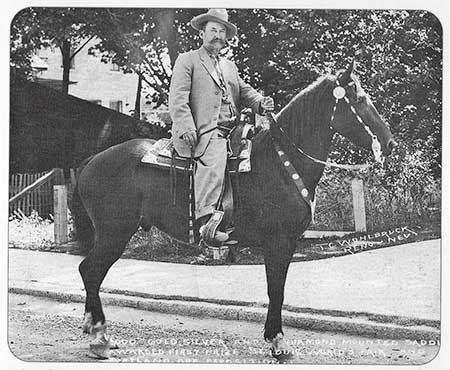
In the world of business, there’s an old adage that captures the essence of entrepreneurial spirit: “You don’t know, if you don’t go.” Few figures embody this philosophy more perfectly than G.S. Garcia, a master saddlemaker whose willingness to take calculated risks transformed him from a teenage apprentice into a legendary businessman of the American West.
Garcia’s journey began in 1880 when, at just 15 years old, he apprenticed under the Arana Saddle Shop in San Luis Obispo, California, while still attending high school. It was there, among the leather and tools of the western trades, that he discovered his calling. The young Garcia didn’t just learn to make saddles—he fell in love with the craft, understanding that quality workmanship could be the foundation of something greater.
By 1882, barely into his late teens, Garcia had already taken his first major risk: opening his own shop. This wasn’t merely youthful ambition—it was a calculated bet on his own abilities. And it paid off. Garcia found great success, establishing himself as a skilled craftsman whose work was sought after by those who lived and worked in the saddle.
But Garcia was more than just a talented saddlemaker—he was a businessman with vision. He understood something that many craftsmen of his era missed: the world was changing. The expansion of the railroad was shifting not just geography, but commerce itself. His client base was evolving, and Garcia recognized that staying put in his successful shop might mean being left behind.
This is where Garcia’s true genius as a risk-taker emerged. Rather than waiting for change to come to him, he decided to meet it head-on. He packed a suitcase full of his handmade goods and took to the rails himself. It was an audacious move—leaving behind the security of an established shop to become a traveling salesman of his own wares. He was betting everything on the quality of his work and his ability to connect with new customers in unfamiliar territory.
The result? He sold out in one evening.
That evening when Garcia sold out his suitcase of gear was only a glimpse into his genius business practices. It revealed a fundamental truth about his approach: opportunity doesn’t come to those who wait—it comes to those willing to step into the unknown with preparation in hand.
Garcia wasn’t a reckless gambler—he was a strategic thinker who did his homework, understood market forces, prepared meticulously, and then had the courage to act.
This pattern of calculated risk-taking would repeat throughout his career, propelling him from a teenage apprentice in San Luis Obispo to a name recognized worldwide in the western trades. His success wasn’t about luck or blind faith—it was about preparation meeting opportunity, skill combined with courage, and understanding that staying still in a changing world is often the biggest risk of all.
Garcia’s story teaches us that true entrepreneurial success isn’t about being fearless—it’s about being prepared, strategic, and then having the courage to act. Because in the end, you don’t know what’s possible if you don’t go find out—especially when you’ve done the work to make success inevitable.
Thanks for sharing that. So, before we get any further into our conversation, can you tell our readers a bit about yourself and what you’re working on?
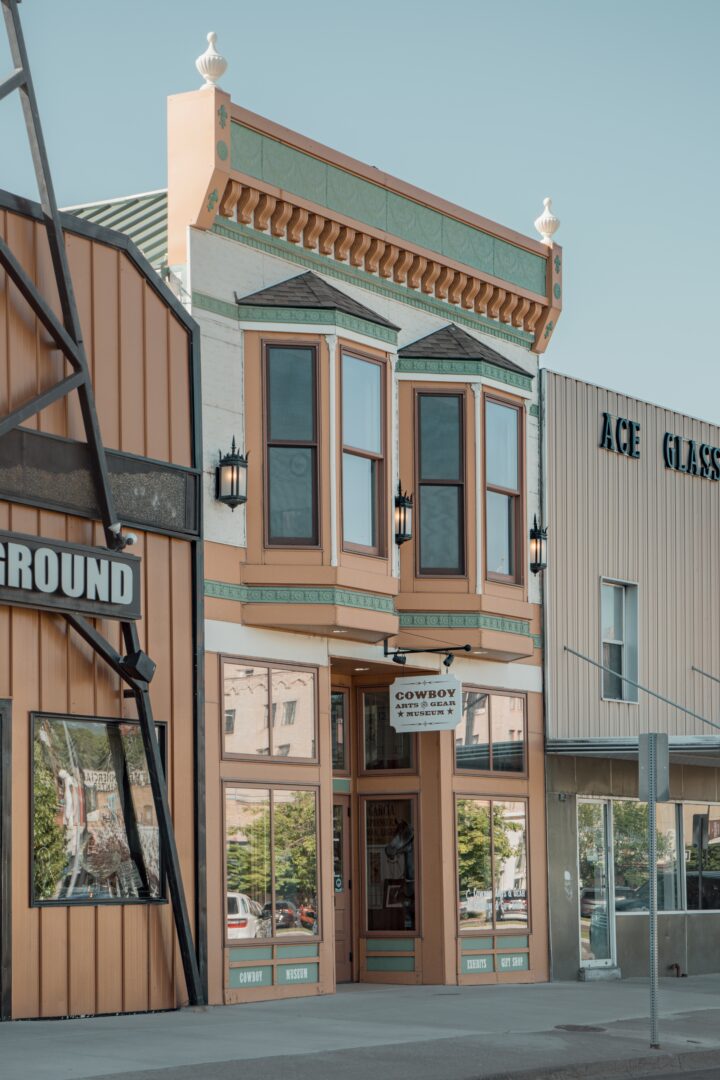
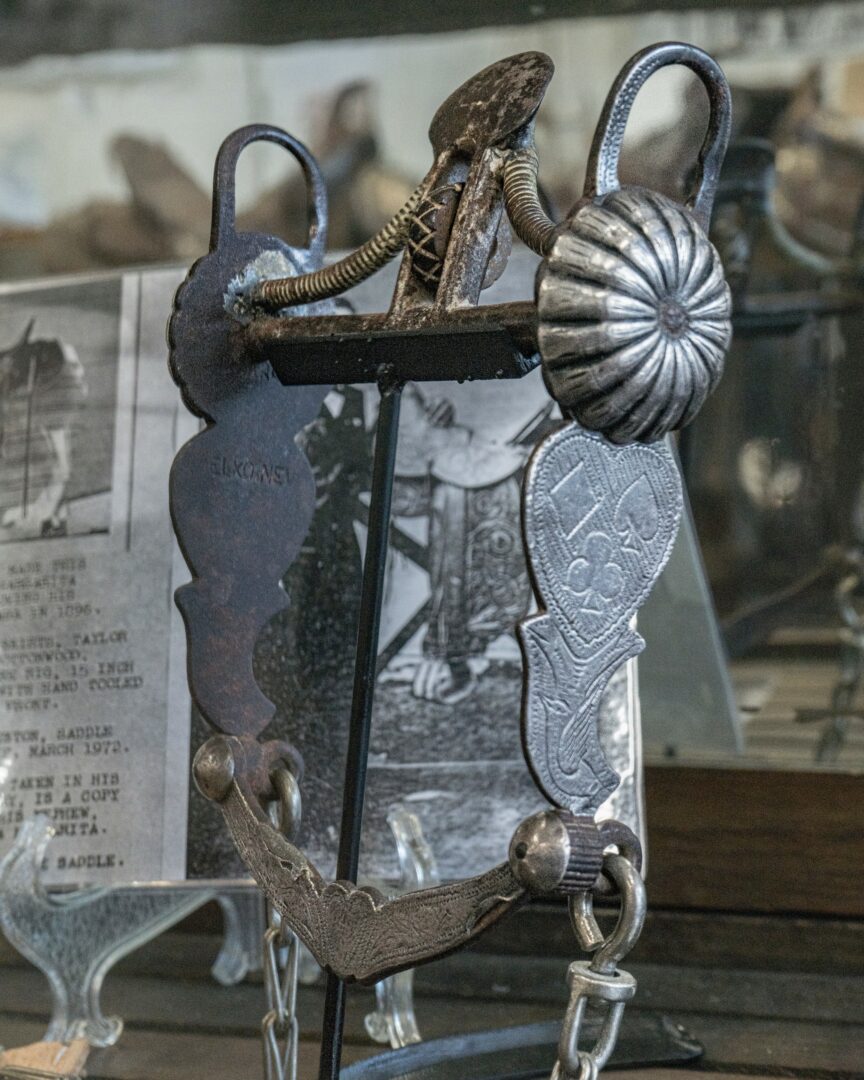
The Cowboy Arts and Gear Museum is housed in the original G.S. Garcia Saddle Shop, built in 1907 in Elko, Nevada—a building now recognized as a Nevada State Historic Site. Garcia originally used the main floor as his workshop, with his family living upstairs, and today that same space serves as a living testament to the western trades he helped pioneer.
As a 501(c)(3) nonprofit organization, our mission is to preserve the rich cultural heritage of the American West and promote the artistry of cowboy gear makers. We celebrate and honor the traditions, craftsmanship, and skills of cowboys and gear makers through exhibitions, educational programs, and community events while ensuring these essential western trades continue to thrive for future generations.
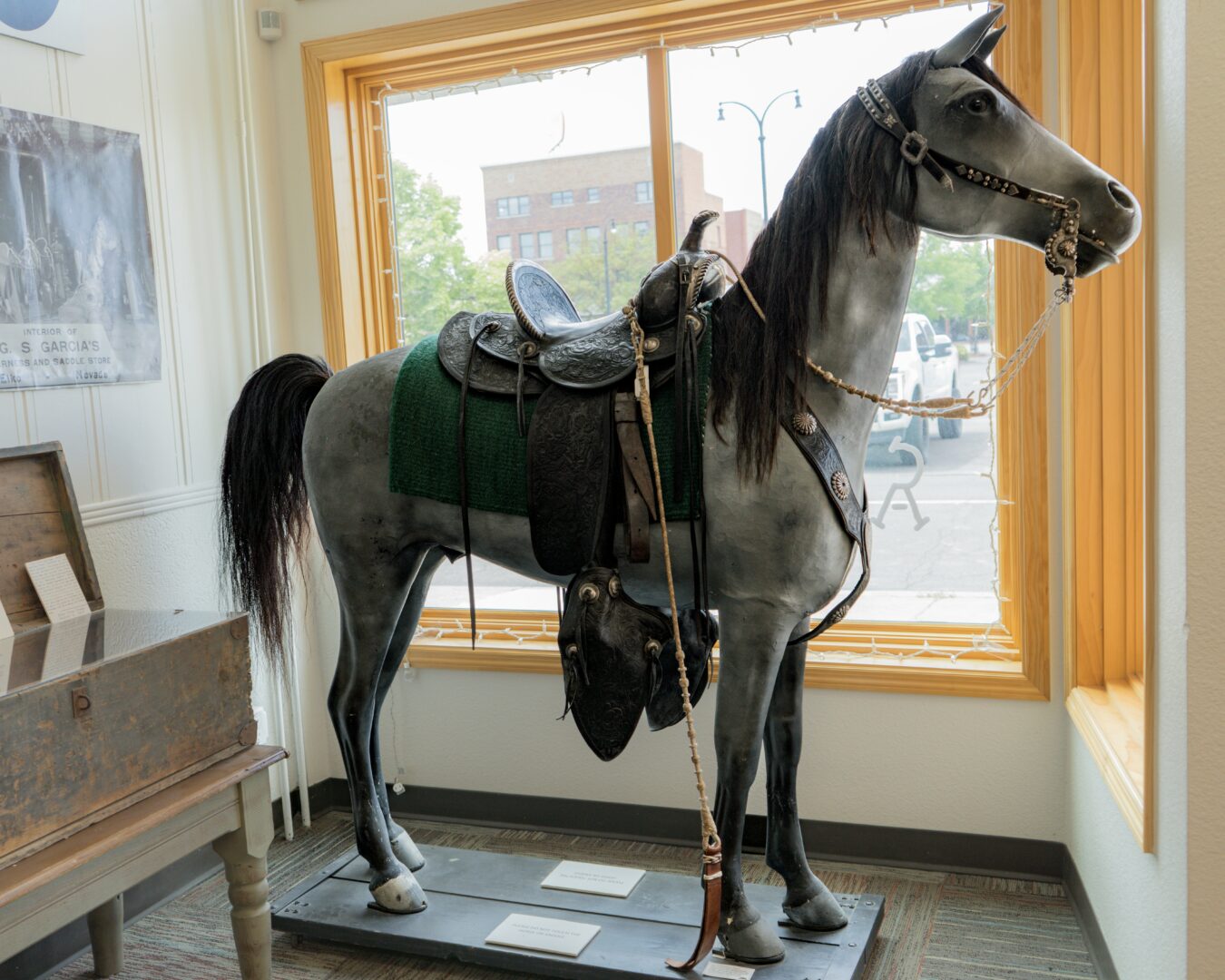
What makes our collection truly special is that it includes not only G.S. Garcia artifacts but also works from other renowned makers. Each piece tells a story of the West and provides a glimpse into why keeping these time-honored traditions alive is so important. What surprises visitors most is discovering that cowboys can be artists too—there’s extraordinary beauty not only in their gear but in how they approach their daily work on the ranch.
We’re passionate about making the western trades accessible to everyone. Throughout the year, we offer workshops in different trades and host contests and auctions so that anyone—not just cowboys—can be involved and become a maker themselves. We’re actively working on incorporating more interactive experiences where visitors can try their hand at leatherworking, rawhide braiding, and other crafts.
Join us this January for our Annual Cowboy Arts and Gear Show, featuring the exceptional work of bit makers and rawhide braiders. Our reception is January 30th and will also be the closing night for our auction, where you can take home these remarkable pieces. The beauty of this auction is that you don’t have to be a cowboy to appreciate a handmade bit or hand-braided reins—these pieces work equally well as functional equipment or stunning display items. Best of all, every purchase supports our mission to preserve these trades.
We invite you to watch our website and social media throughout the year as we continue to roll out workshops and events. Visit us at cowboyartsandgearmuseum.org to see what’s coming up, and come experience the artistry of the American West in the very place where G.S. Garcia himself took those calculated risks that changed his life—and the western trades—forever.
Looking back, what do you think were the three qualities, skills, or areas of knowledge that were most impactful in your journey? What advice do you have for folks who are early in their journey in terms of how they can best develop or improve on these?
Looking at G.S. Garcia’s remarkable journey from a 15-year-old apprentice to a world-renowned name in the western trades, three qualities stand out as most impactful to his success:
1. A Commitment to Lifelong Learning
Garcia didn’t just learn saddle making and call it done—he remained a student throughout his career. He understood that mastery isn’t a destination but a continuous journey. Even as his success grew, he stayed curious, always willing to learn new techniques, understand emerging markets, and adapt to changing times. Stay curious, ask questions, and approach each day as an opportunity to improve your craft and understanding.
2. Generosity and Strategic Mentorship
Garcia understood something many entrepreneurs struggle with: success isn’t a zero-sum game. He knew how to hire people who strengthened his weak areas, but more importantly, he invested in building them up to succeed on their own. He didn’t just employ people—he mentored them, teaching them the trades and putting them in positions to thrive. A perfect example is J.M. Capriola, who apprenticed under Garcia from 1905-1907 and eventually opened his own shop. When Capriola returned to Elko in 1924, Garcia didn’t see him as competition—he sent him business. Garcia’s abundance mindset meant he believed there was enough success to go around, and that lifting others up didn’t diminish his own standing.
Be honest about your strengths and weaknesses, and don’t try to do everything yourself. Hire or partner with people who complement your skills. But go further than that—invest in their growth. Share your knowledge freely. When someone you’ve mentored succeeds, celebrate it rather than feeling threatened by it. The most enduring legacies aren’t built by hoarding opportunities but by creating them for others. Yes, in the short term, helping a competitor might seem counterintuitive. But Garcia understood that a rising tide lifts all boats, and that the reputation you build as someone who genuinely helps others succeed becomes one of your greatest assets. Your job isn’t to be the only successful person in your field—it’s to elevate the entire craft.
3. Resilience Through Adversity
Garcia’s path to success was far from smooth. He faced devastating setbacks—fires that destroyed his work, family losses that would have broken lesser men—yet he continued to move forward. This resilience wasn’t about ignoring pain or pretending hardship didn’t exist; it was about refusing to let circumstances define his future. Each time he was knocked down, he got back up and kept building.
Setbacks aren’t a matter of if, but when. You will face failures, losses, and obstacles that feel insurmountable in the moment. What separates those who succeed from those who don’t isn’t avoiding adversity—it’s how you respond to it. Build resilience by understanding that every successful person you admire has faced their own fires, literally or figuratively. When hardship comes, give yourself permission to feel it, then ask: “What’s my next step forward?” Sometimes that step is small, but forward motion—no matter how slow—builds momentum. Garcia’s worldwide success wasn’t despite his setbacks; it was forged through them.
Okay, so before we go we always love to ask if you are looking for folks to partner or collaborate with?
Just as G.S. Garcia understood that success comes from building others up, we believe the future of the western trades depends on community collaboration. We’re always looking for partners who share our passion for preserving cowboy heritage and keeping these time-honored crafts alive.
For Craftspeople and Artists: If you’re a bit maker, saddle maker, rawhide braider, silversmith, or any other western gear artisan, we’d love to feature your work in our exhibitions or host you for workshops. Garcia believed in mentoring the next generation, and we’re carrying on that tradition by creating opportunities for makers to share their skills and connect with enthusiasts.
For Sponsors and Donors: As a 501(c)(3) nonprofit, we rely on the generosity of those who believe in our mission. Whether you’re an individual who values western heritage or a business looking to support cultural preservation, your sponsorship helps us maintain this historic building, expand our educational programs, and ensure these essential trades continue for future generations. Every contribution—whether large or small—makes a direct impact on keeping this legacy alive.
For Workshop Participants and Students: You don’t have to be a cowboy to appreciate cowboy arts! We welcome anyone interested in learning leatherworking, rawhide braiding, bit making, or other western trades. Our workshops are designed for all skill levels, from curious beginners to experienced makers looking to refine their craft. These hands-on experiences are a perfect way to connect with tradition while developing new skills.
For Collectors and Enthusiasts: Join us at our annual shows, auctions, and events. Whether you’re looking to add to your collection or simply want to support working artists, your participation helps sustain both the museum and the makers we feature.
For Corporate Partners: If your business aligns with western heritage, craftsmanship, quality goods, or cultural preservation, we offer sponsorship opportunities for events, exhibitions, and educational programs. Your support puts your brand alongside a historic institution while making a meaningful difference.
We’re always open to creative partnerships that serve our mission. If you have an idea for collaboration—whether it’s hosting an event, sponsoring a workshop, donating artifacts, or supporting our educational programs—we’d love to hear from you.
Connect with us:
Visit our website: cowboyartsandgearmuseum.org
Follow us on social media to stay updated on workshops, events, and opportunities
Email us to discuss sponsorship opportunities and partnership possibilities – [email protected]
Stop by the museum in Elko, Nevada—we’re always happy to talk about how you can be part of preserving this incredible heritage
Just as Garcia built his success by investing in others, we’re building the future of western trades through collaboration. Whether you want to learn, create, donate, sponsor, or simply be part of this community, there’s a place for you at the Cowboy Arts and Gear Museum.
Contact Info:
- Website: https://cowboyartsandgearmuseum.org/
- Instagram: https://www.instagram.com/cowboyartsandgear/?hl=en
- Facebook: https://www.facebook.com/p/Cowboy-Arts-and-Gear-Museum-100063488683312/
- Other: Email: [email protected]
Cowboy Arts and Gear Museum
542 Commercial St. Elko, NV 89801Museum Hours
Monday, Friday, Saturday: 10am-4pm
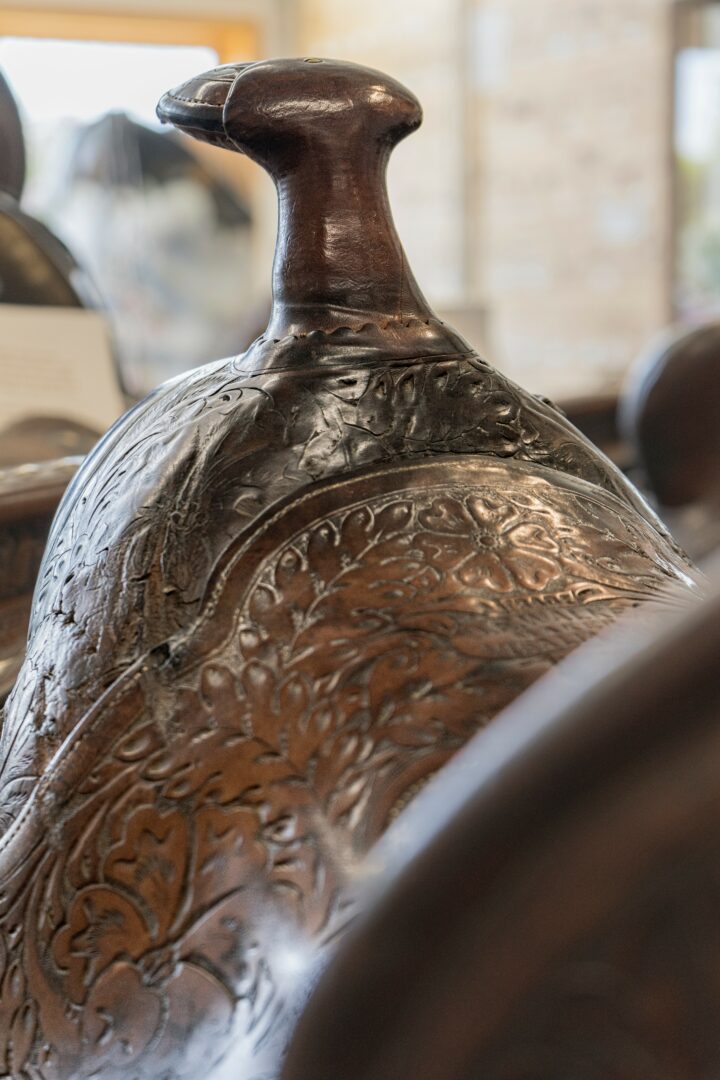
Image Credits
Cowboy Arts and Gear Museum
so if you or someone you know deserves recognition please let us know here.