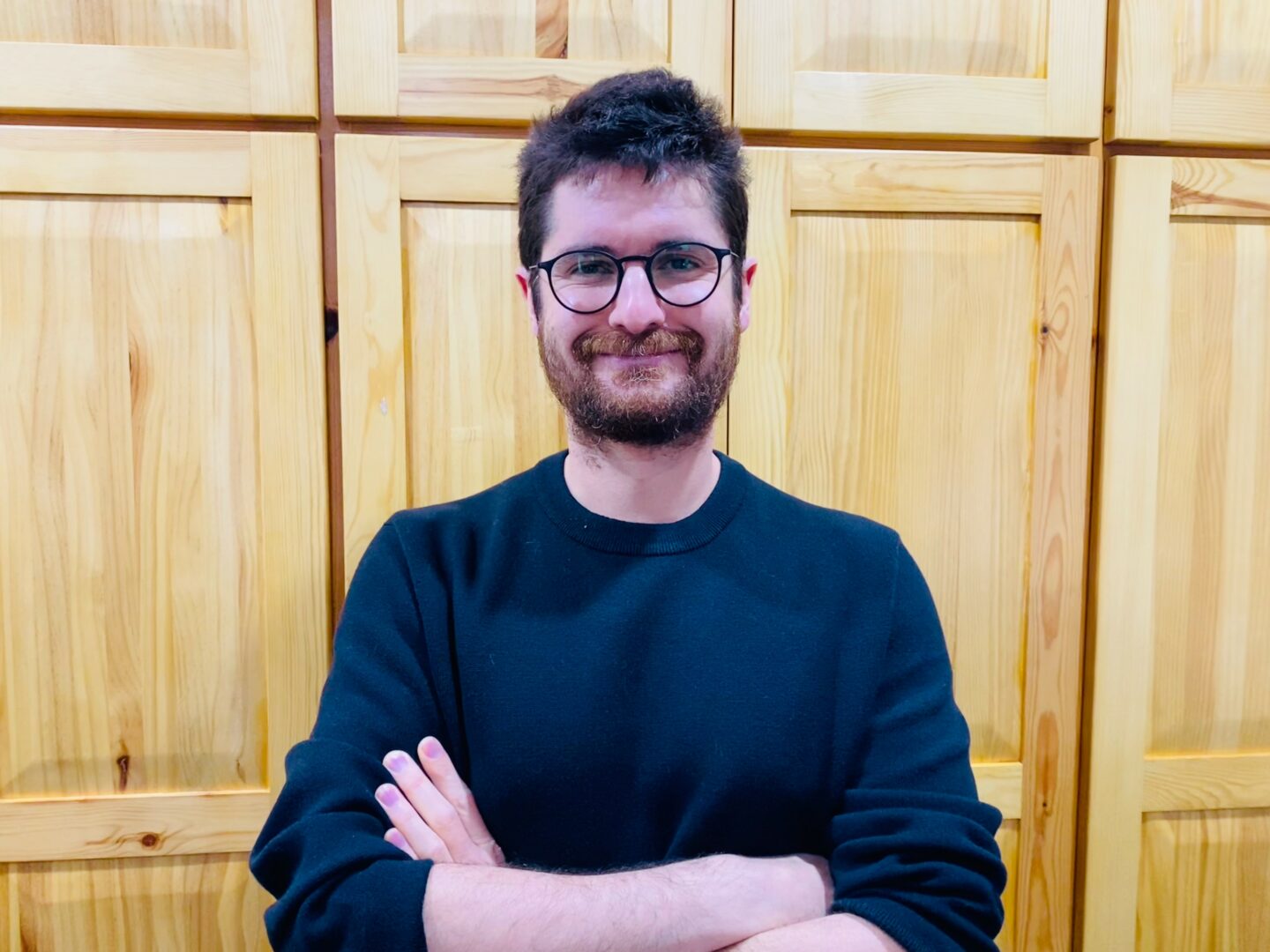
Alright – so today we’ve got the honor of introducing you to Marc Sintes Guardia. We think you’ll enjoy our conversation, we’ve shared it below.
Marc, so great to be with you and I think a lot of folks are going to benefit from hearing your story and lessons and wisdom. Imposter Syndrome is something that we know how words to describe, but it’s something that has held people back forever and so we’re really interested to hear about your story and how you overcame imposter syndrome.
I grew up in Menorca (little island, less than 100.000 people), and went to a small and familiar art school, where everything was kept casual. I remember well, when I started college in Barcelona, and was for first time in touch with really gifted people. There were a few of them (maybe one for one hundred students) but you could see from the beginning that they were on a whole other level, as if they had the arm longer than yours, and getting stuff from places you couldn’t even see.
Process was what made the difference, I had already seen pieces from great artists, but never had a chance to watch them work, and what was terribly irritating, frustrating, and fascinating at the same time, was how effortless it looked from them to achieve amazing results, as if they had been built just to do that. Realizing that in such a clear way was a shock, I had always blindly believed in work over talent. But talent was showing itself before my eyes, and it was quite undeniable.
This may sound pretentious, but I strongly believe that we (for we, I mean everyone) work to make the world better, and hence, the question: “Does it make sense to put your effort and time in something that others do extremely better, and extremely easier?” I don’t know if that’s a book’s imposter syndrome, for me, it was feeling that my art didn’t had the right to exist if it was going to be a second-rate, and that maybe I would be more useful to my fellow humans using my time in something else.
So I try to make my work worth it. I’m pretty sure it’s not what a coach or a psychologist would recommend (and, to be clear, this is not a recommendation…). I’ve been told many times that comparing oneself to others it’s unhealthy and unproductive…, but for me, the only way not to feel like an imposter, it’s trying not to be one. Getting everything into to what I do, and assuming it’s costs. Even knowing that my expressive capacity is still far from other’s, and even knowing that it might remain that way, feeling in the gut that I’ve done my best, allows me to continue working without a trace of shame. I’ve known a lot of talented people in my life, and I keep looking at them with respect and admiration, trying to get myself the right to sit with them at the table.

Great, so let’s take a few minutes and cover your story. What should folks know about you and what you do?
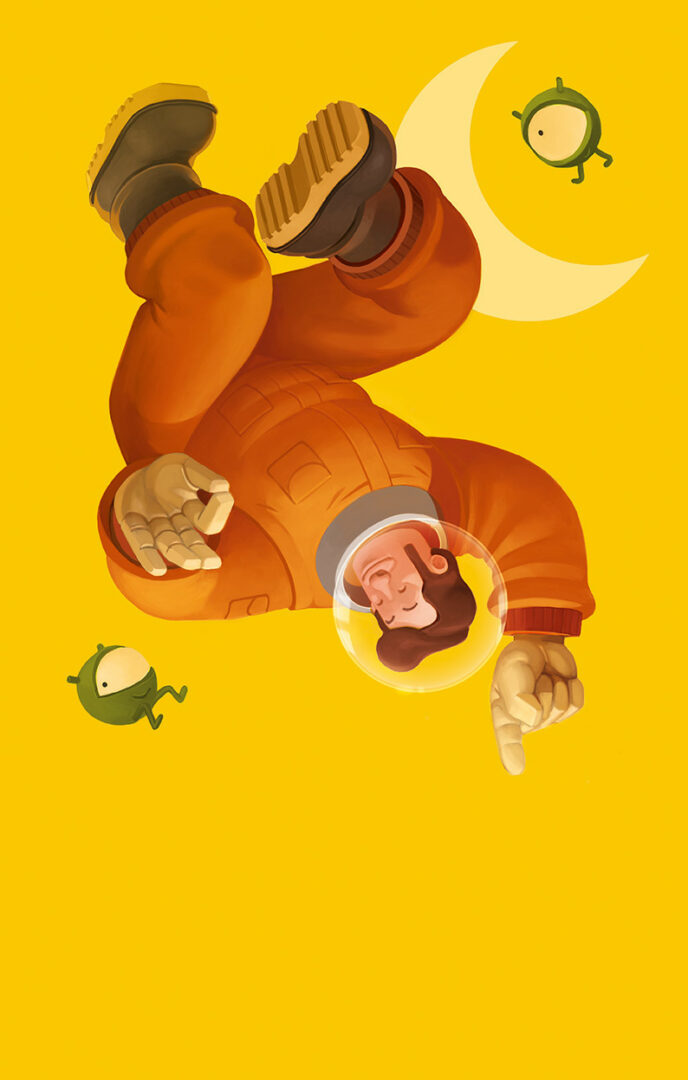
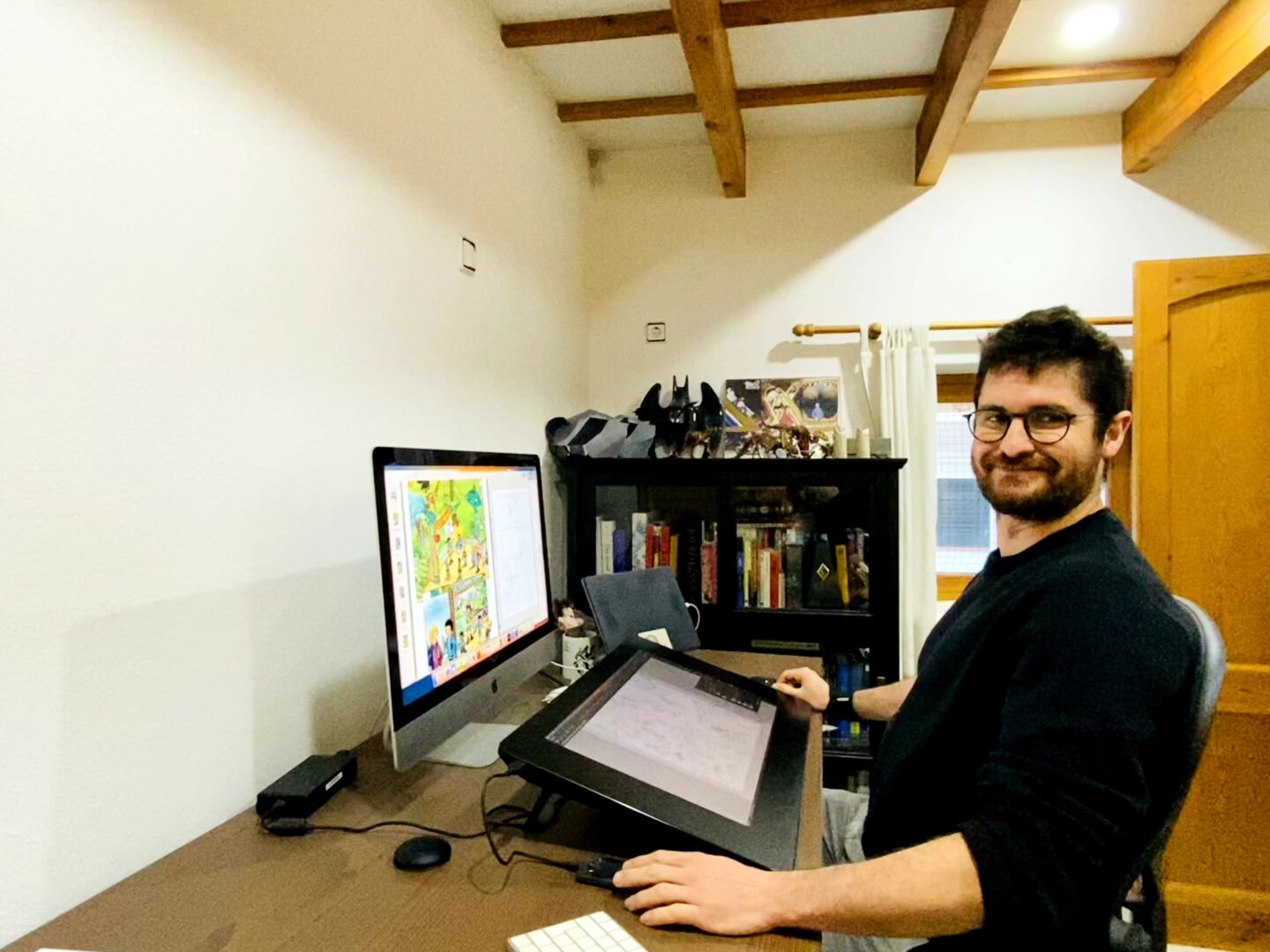
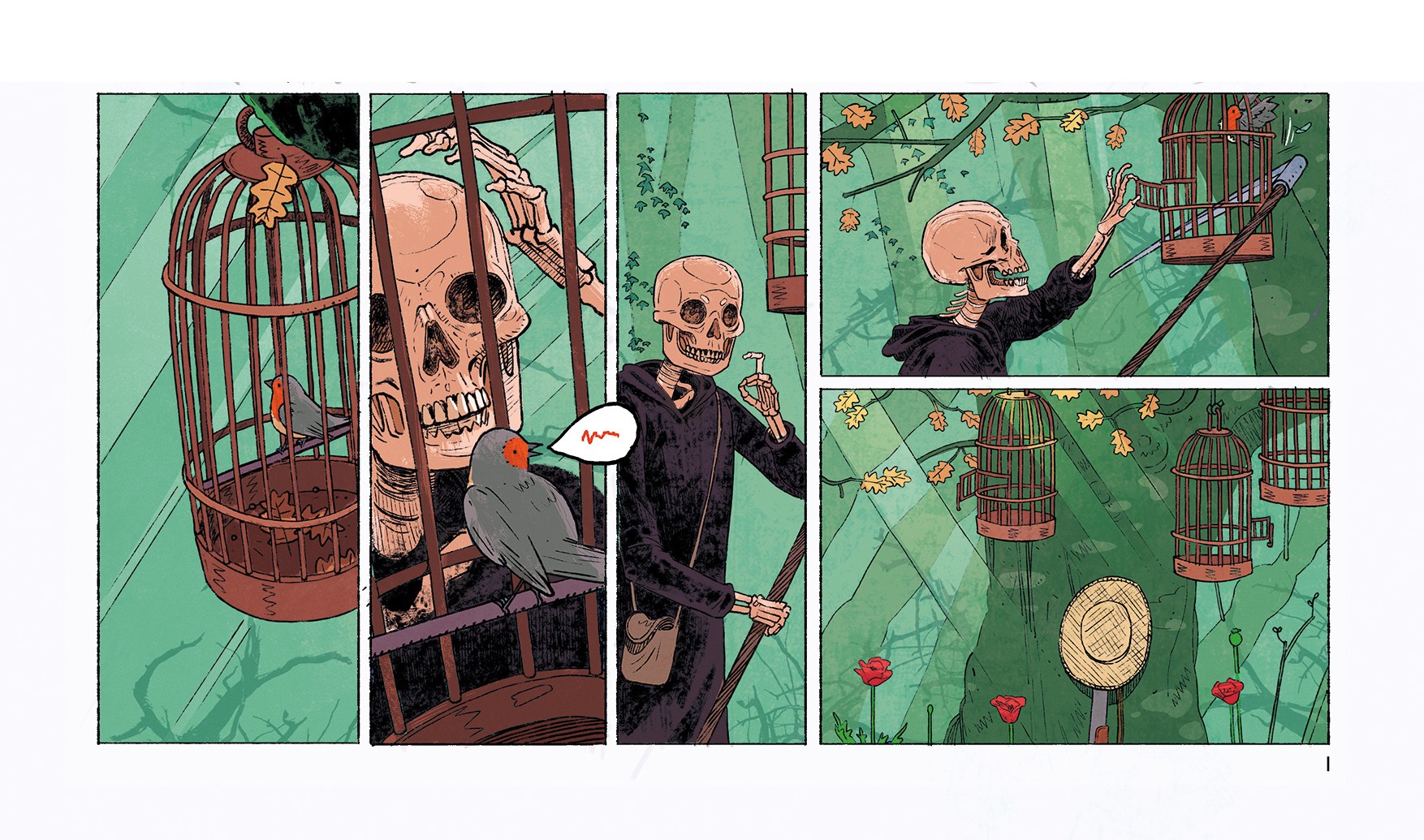
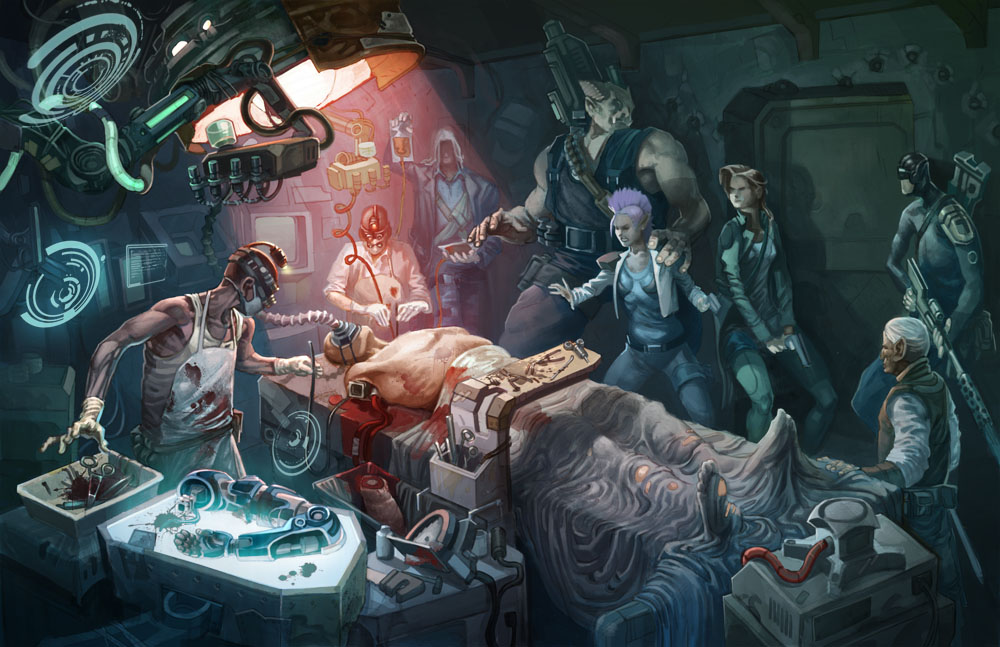
I’m a comic artist and Illustrator working mainly for studio productions (right now we’re working in collaboration with Playmobil in a series of comics).
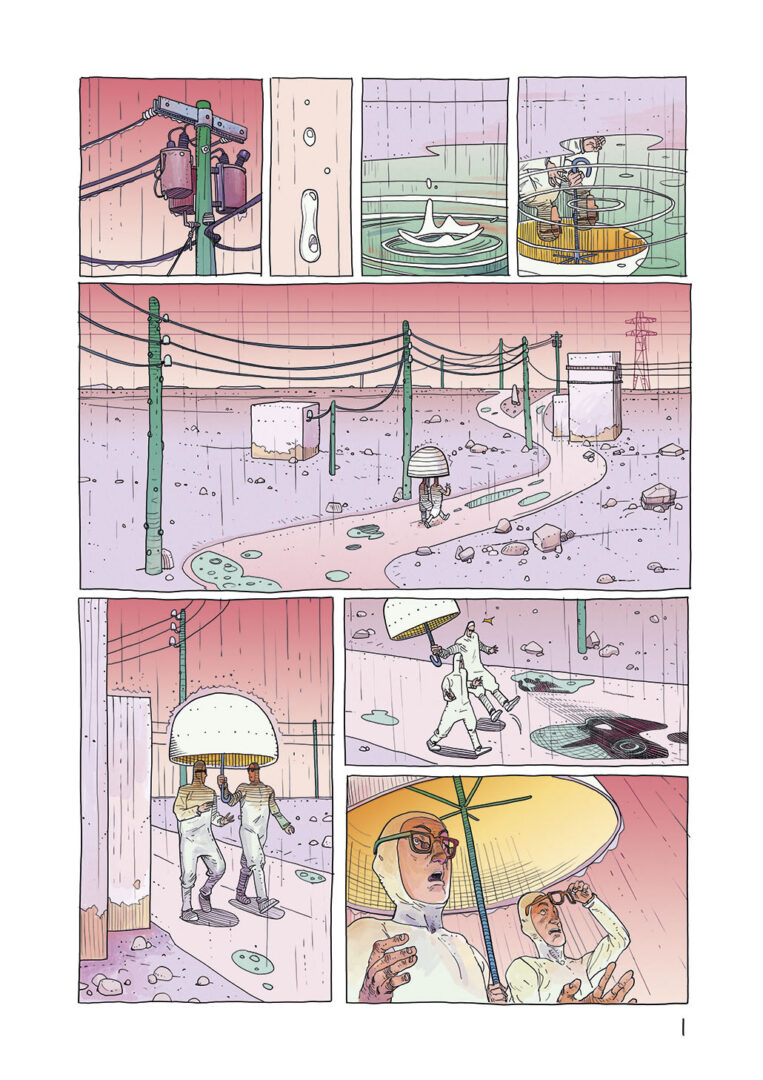
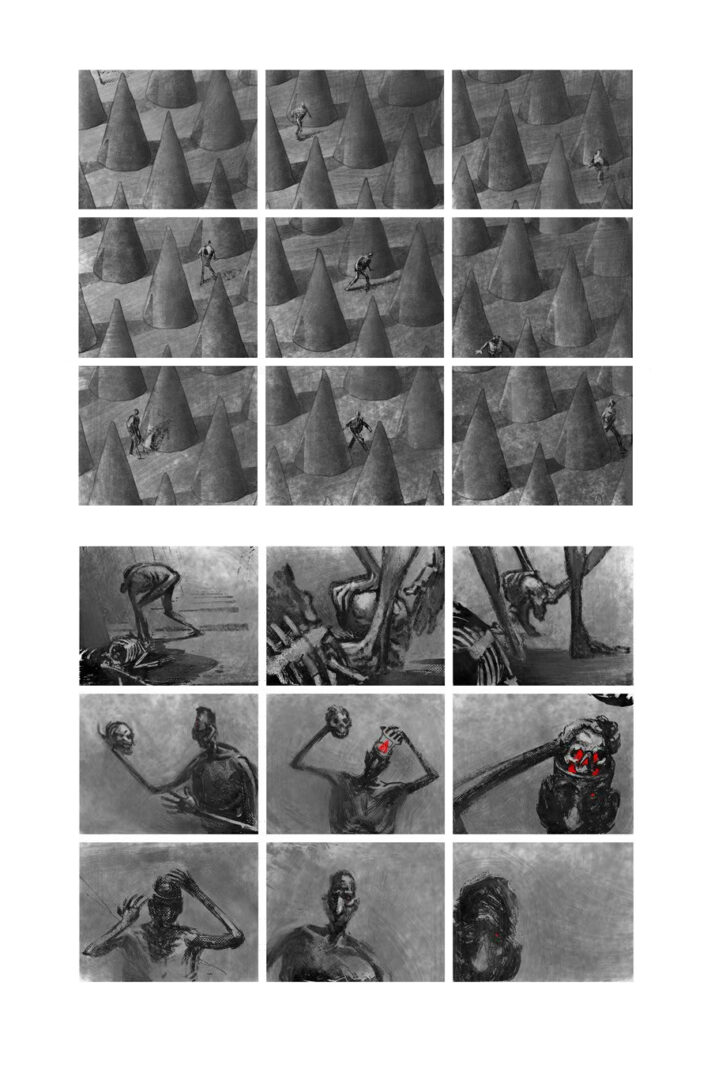
I’m mostly interested in creation in an authorial way, but meanwhile the industry allows me to refine my craft (my thing is reconciling precision and synthesis with expression) while getting fast enough to combine my job as an studio artist with my own projects.
Even when my focus it’s usually outside the industrial creation of comics, y really enjoy my job as an studio artist. It allows me to put my effort not in what I’m drawing, but in the expressivity of the lines (often approaching the process as an abstract work). For me, drawing has become a kind of dancing, I used to envision it as a brainy act, but with time, it has gone more and more physical.
There is so much advice out there about all the different skills and qualities folks need to develop in order to succeed in today’s highly competitive environment and often it can feel overwhelming. So, if we had to break it down to just the three that matter most, which three skills or qualities would you focus on?
I’m not sure I know how to answer that (except for: eating vegetables, make exercise and love your mom). I think qualities are neutral, and useful or harmful depending on the situation. So, not to avoid the question, I’m going to keep talking about myself:
I’m quite stubborn, and that has been useful in a way, but has also slowed me in changing things that did not work (and kept them not working for a long time…).
I’m also obsessive, which keeps you passionate about some things and completely blind to anything else.
And being honest, about yourself, your work, and other’s…, I’m not sure if it’s useful to oneself, but it might be useful to everyone else. (I couldn’t write this one in first person, my ego isn’t there yet…).
As for one advice, here it is:
When you get criticism about your work, or even about you, sometimes your brain tells you: “That has nothing to do with me, this guy doesn’t know what he is saying”. When your brain tells you that, listen to the guy who is talking/criticizing. Our brain has some bias to defend itself, and to avoid being hurt, and it paints a picture where we are always right. That’s a problem in terms of learning or improving anything. And (I’m going to contradict myself a bit…) also don’t do that very often… Sometimes people just doesn’t know what they are saying.

What was the most impactful thing your parents did for you?
When I was 13 I told my father I wanted to become a comic artist. I remember it very well, we always ate together on Wednesdays at the same Chinese restaurant and I came up with the subject during the meal. My father is a mason, and there are no artists (or anything close) in my family, so I was very nervous because I didn’t had a clue about how would he react. I remember he told me: “That’s very well, Marc, and I’m going to support you and help you”. And he did.
And sometimes, when things are hard or I’m about to defeat myself, I remember that conversation, and it really gives me strength to keep going on.
Contact Info:
- Instagram: https://www.instagram.com/marc.sintes.guardia/
- Other: https://www.behance.net/Painters-Kitchen
so if you or someone you know deserves recognition please let us know here.