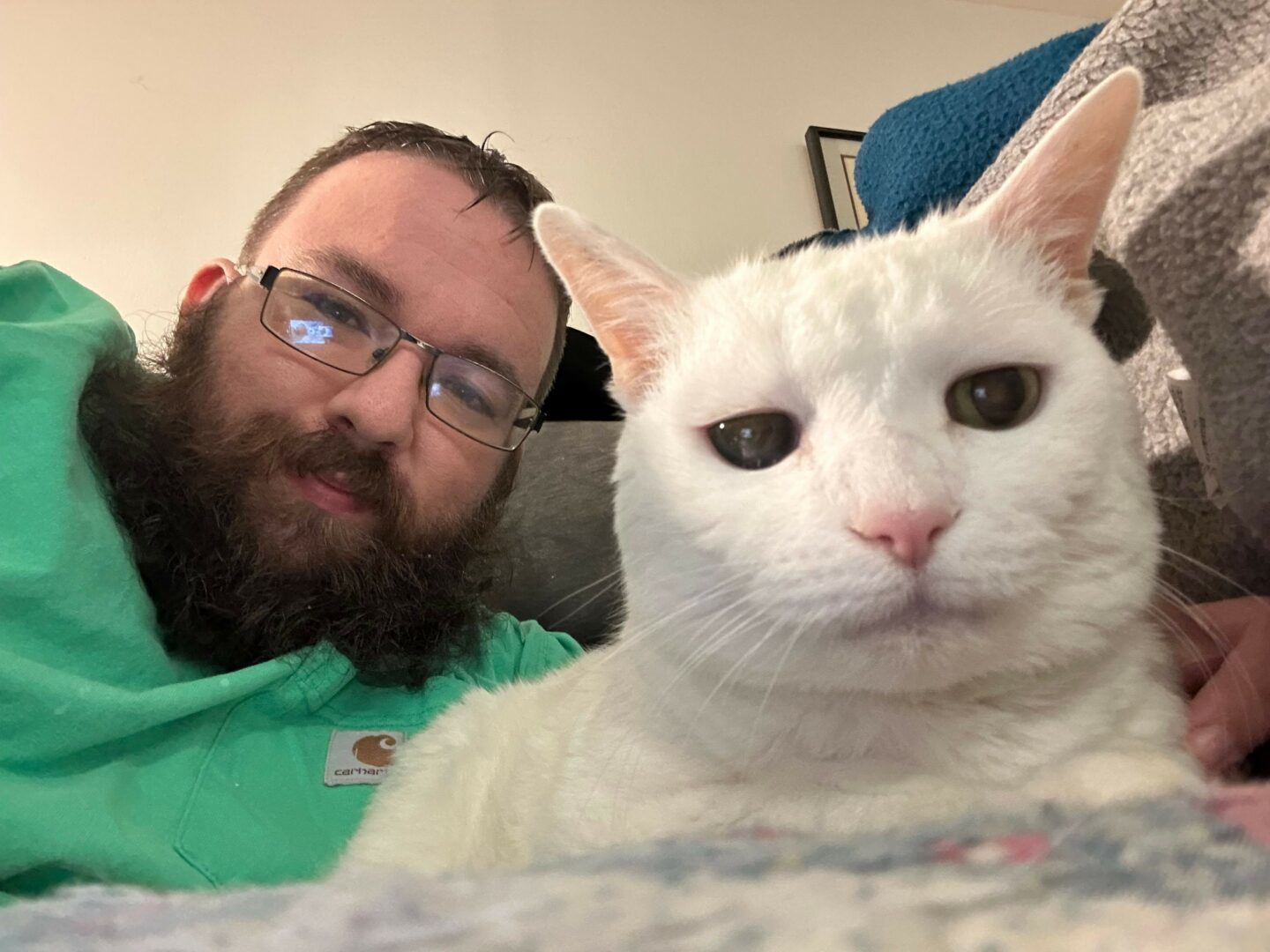
We were lucky to catch up with Marco Carlson recently and have shared our conversation below.
Marco, thrilled to have you on the platform as I think our readers can really benefit from your insights and experiences. In particular, we’d love to hear about how you think about burnout, avoiding or overcoming burnout, etc.
When you do any kind of work, whether it’s artistic or not, it’s extremely important to take breaks. I was at the point, recently, where I had a burnout day every week. I also found myself accomplishing less when I didn’t pace myself. It was only when I started implementing rest days did I see a shift in productivity. I’ll admit it was hard at first. I thought to myself, “What would I even do on a rest day?” Over the last few months, they’ve helped me remember what it’s like to be a kid again. And when I come back to work the next day, I am so much more motivated. I would even go so far as to recommend “rest days” for film casts and crews. Hangout together and enjoy each other’s company. You’ll like working together more than if you’re constrained to working hours.
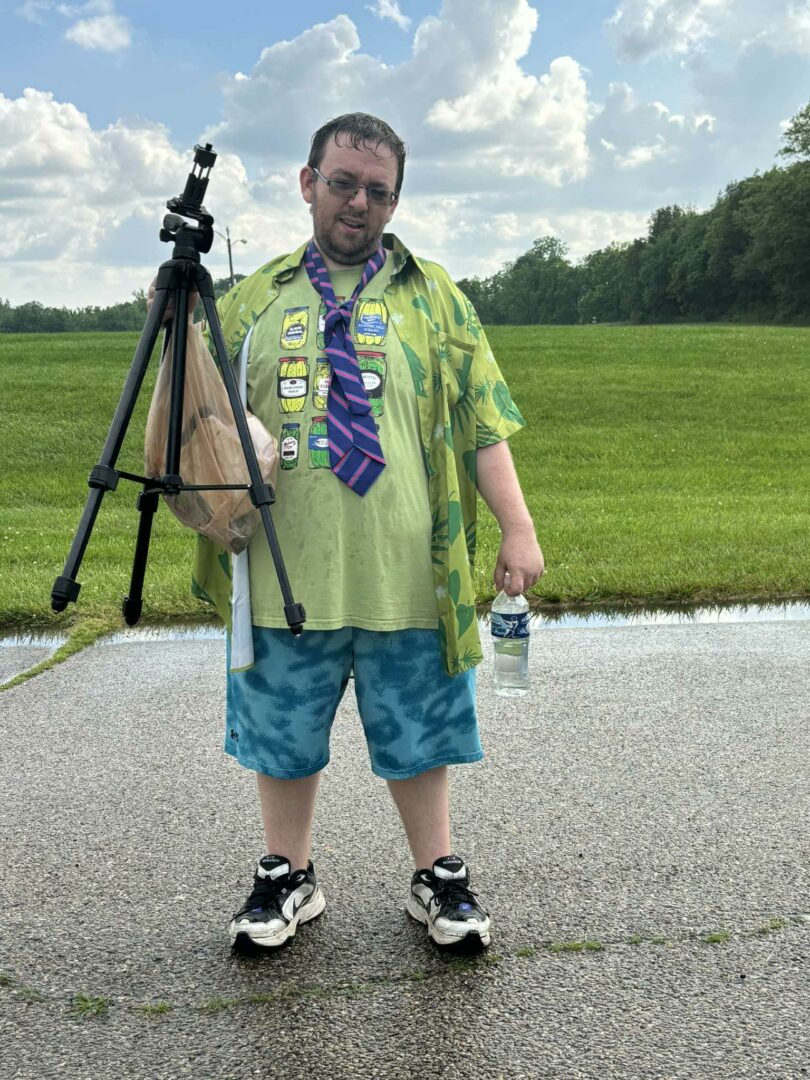
Thanks, so before we move on maybe you can share a bit more about yourself?
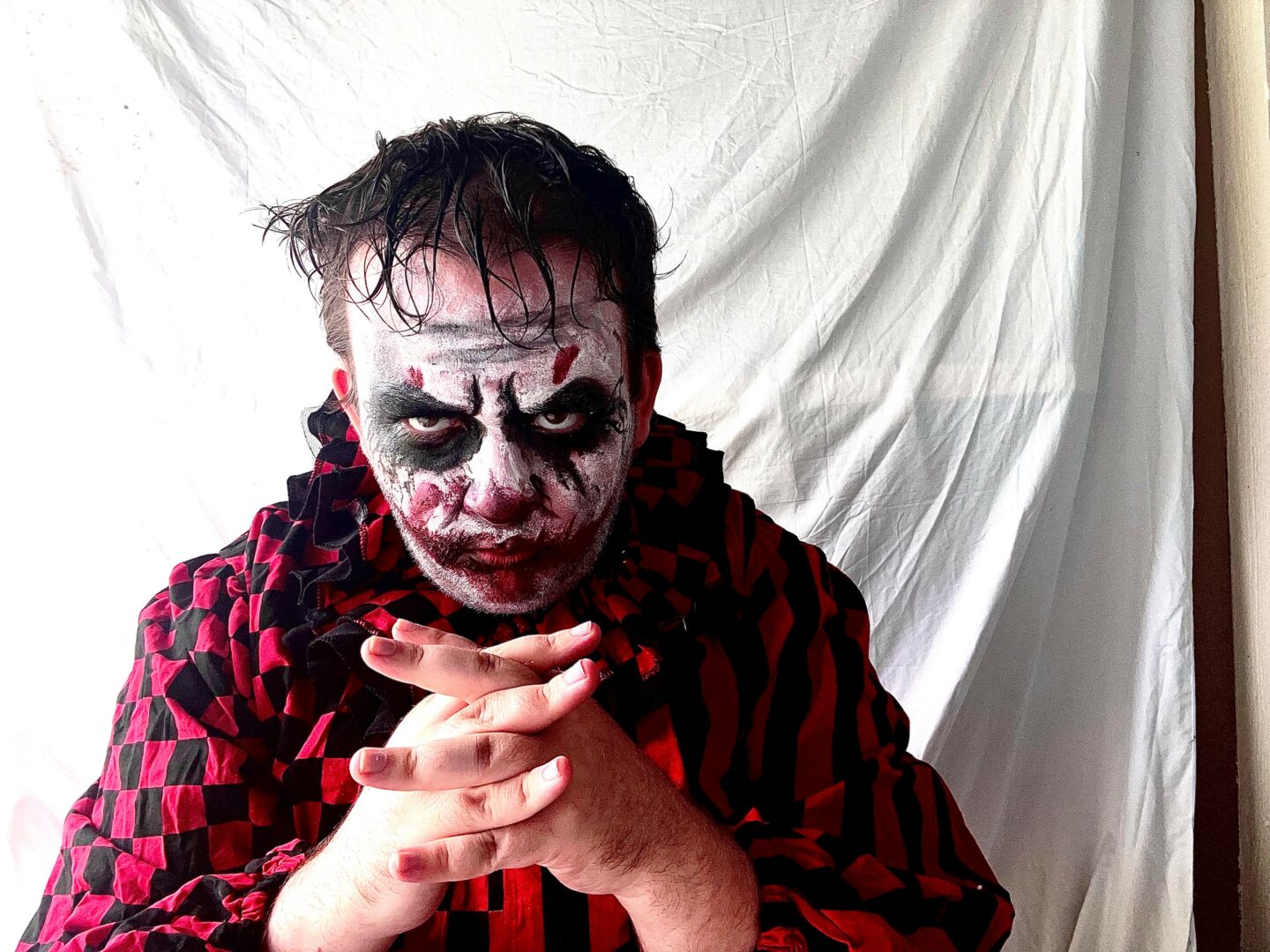
I suppose I can’t tell you much about me without mentioning Frankenstein. I originally wanted to take after the mad scientist’s work (for real) only to pivot to filmmaking instead. Ever since age 7 or 8, I’ve known I’m meant to make films. I think a key part of what makes my work unique is my vision and my handmade style. In my own way, I’m a Doctor Frankenstein of film. I do mostly everything myself, I scrap together junk to make props, and I use what I have to make something spectacular. What you get with me is the full artistic vision- something a lot of modern movies don’t have. I have two debut films coming soon: “Doctor Imperfect and the Perfect Man” (the start of a Frankenstein series) and “People Pleaser” (a vampire romance thriller). I also have a YouTube movie review channel, Safi and Marco Dish Out on Movies, where I am open and honest about my filmmaking process.
Looking back, what do you think were the three qualities, skills, or areas of knowledge that were most impactful in your journey? What advice do you have for folks who are early in their journey in terms of how they can best develop or improve on these?
Persistence. I don’t think anyone gets any desire they have without persisting. I’ve had to learn that the hard way, which I’m all the thankful for. Last year, I waited six months for an old friend to give me a filming location he had access to. He wasn’t responding, and we were supposed to shoot in June-August only. I refused to film without using it and risked losing some actors. In the end, I crafted a beautiful sequence, and I’m so glad I persisted in my efforts to wait for it. It’s one of my favorite things I’ve ever shot.
Vision. I think a lot of modern filmmakers lack their own vision. I know I’ve had my moments where I’m unsure of myself or what I was doing. But being a great artist is knowing what you want and getting it. I think part of it is people don’t want to make mistakes, and they want to do everything “the safe way”. They want to make everyone happy. The problem is making art requires making mistakes. If your movie doesn’t turn out good, at least it’s your vision. Not someone else’s (or AI’s).
Focus. Focus is a superpower. Focus is magic. If you focus on something then there will be a path made to getting it accomplished. As well, focus requires drowning out the negativity and background noise. Anything that doesn’t serve you or your goals should be treated like the plague. I think my strong focused came from learning how to act, as a kid. You have to step into a different life, a different person, a different world. There is no end until the director says “cut”. Basically, all acting is is hyper-focusing. I’ve seen a lot of actors today, who focus on anything but the scenes and the characters. They’re very into themselves, and they project their own insecurities and ideas onto their scene partners. I’d say that’s a huge issue actors need to work on- focus. The ultimate test is improvisation. If you can’t make a mistake (like dropping a prop) work on-camera then you need to practice more.
What’s been one of your main areas of growth this year?
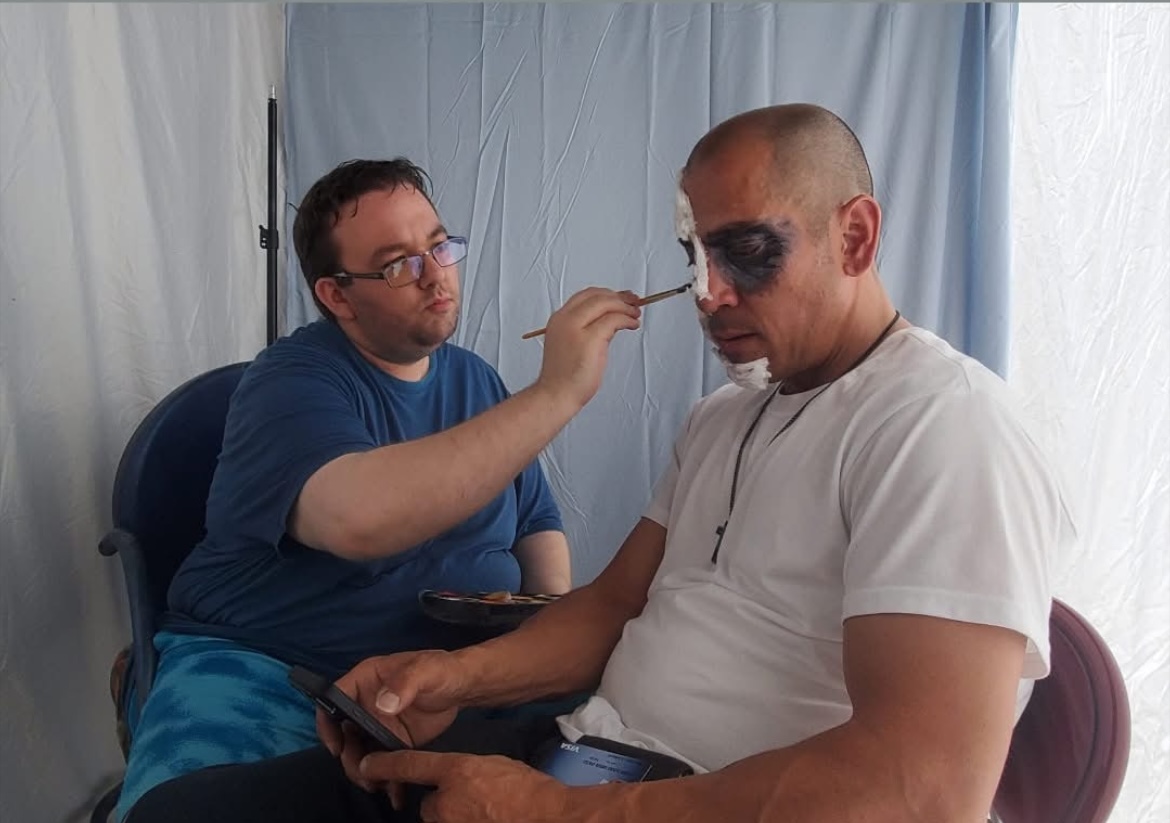
I think this year was a great training year for me. I learned about how I should value and spend my energy. I also learned about what kinds of people I should and shouldn’t accept in my reality. So my biggest accomplishment this year was making a short film, County Fear. In the midst of producing it, I thought of it as a feature film idea. I insisted on making it, as a short, anyways just to make something. Seeing that project through, to the bitter end, helped me realize how important energy expenditure is. Looking back, I regret making it in the first place. I have two films, “Doctor Imperfect and the Perfect Man” and “People Pleaser”, that are just waiting to be made. Let’s compare those two films to a big Thanksgiving dinner. You don’t just leave your house, in the middle of making it, go to someone else’s house, and cook a new one with them. That’s just weird! I think that’s an indie film thing. We wanna be productive and crank movies out, but at what cost to the art? As well, I had to experience a lot of bad behavior this year, with new and old collaborators, which taught me about boundaries. Nothing as bad as last year. But still pretty bad. In my opinion, no matter what you do, you need to not accept bad behavior. Do not accept people mistreating you. A good movie isn’t worth it and the long term mental damage isn’t worth it either.
Contact Info:
- Website: https://www.patreon.com/TheLoneAuteur
- Instagram: https://www.instagram.com/mrriskymovies98?igsh=endiN2pmMW9uN241&utm_source=qr
- Facebook: https://www.facebook.com/share/1Cofgr1WXm/?mibextid=wwXIfr
- Twitter: https://x.com/riskyideasmovie?s=21
- Youtube: https://youtube.com/@safiandmarcodishoutonmovie590?si=rIMNxmN2-4ViOTGW
- Other: https://www.instagram.com/riskyideasmoviesllc?igsh=Yzd6cG03dzVjeGt3&utm_source=qr
so if you or someone you know deserves recognition please let us know here.