We were lucky to catch up with Margaret Elysia Garcia recently and have shared our conversation below.
Margaret Elysia, so many exciting things to discuss, we can’t wait. Thanks for joining us and we appreciate you sharing your wisdom with our readers. So, maybe we can start by discussing optimism and where your optimism comes from?
It’s not easy to be optimistic in a apocalyptic world but it is vital if you want to not wallow in despair or become suicidal. Mine comes from a combination of things. First off my children and grandchild keep me hopeful about the future and the necessity of despite all odds, attempting to create pockets of a better world. It’s useful to turn off the racket of noise on social media about intergenerational strife and look closely at the good the younger generation is doing, their belief systems, etc. I love that so many things that were issues when I was young are not issues to our young–despite my fears of rights being rolled back I see a fight in them and a resourcefulness we can be proud of.
Also despite the racism, we are not hiding who we are the way we did when I was a kid. We aren’t closeted Mexican Americans anymore–that makes me hopeful and optimistic that we are coming to a place where we aren’t surprised when we see brown people with educations or professional jobs. I’m sure that’s what part of the backlash with MAGA racists are. They are starting to become aware that other people make something of themselves and they hate that. I think of how my grandfather was a gardener with a sixth grade education, in the San Gabriel Valley, driving his Chevy to work on white men’s yards in Sierra Madre and Pasadena and Friendly Hills in Whittier every morning–and I–his eldest grandchild with a Master’s degree who has taught young adults from upperclass families. That was always a source of pride for him. But our decades of invisibility means that MAGA racists don’t see the progression. They don’t see Mexican Americans as having been here since 1912 for my family on oneside or from the beginning of time on the other. They merely see a border now and not understanding someone who is not fluent in English and they panic. This is what not being a student of history does. It makes one a stupid uninformed American and the weight of what that is doing to destroy our country is phenomenal. My optimism lies in this–that each of us has the opportunity to engage and learn our history and are obligated to educate the misinformed so that one day hopefully we might see change.
I’m also a wild fire survivor—arguably that may be the craziest thing that has happened to me in my life of crazy things that have happened and I’m still alive and managed to live through it. That gives me strength–especially when i see the re-building and community efforts in my former adopted small town. It warms my heart to see the power of what we can accomplish in mutual aid in small communities when we stand up for each other.
Environmentally I always remember flying into Los Angeles as a kid to visit my grandmother and how brown the sky was and hopeless it looked but our environmental laws, and changes we’ve made over time has contributed substantially to the clearer skies we see today–still polluted but better.
I’m someone who loves stories. I love investigating some corner of the world where people are doing good things for each other or where there are programs helping people. Those do exist and I hold on to them. I teach English as a second language as a living and the stories of survival I hear from my students are always inspirational (sometimes sad but inspirational). That keeps me going toward optimism.
So it’s a combination of things.
Thanks for sharing that. So, before we get any further into our conversation, can you tell our readers a bit about yourself and what you’re working on?
I’m a writer/author/poet and in my own small way an activist. I say small way because I do what I can and try not to get burned out and don’t have the capacity that I used to have for that. I’m focused on telling stories that haven’t been heard –the historical novel I’m working on has an immigration tale in it but it’s not poverty porn the way some immigration stories tend to go–it’s character driven–I allow my characters to make their choices unimpeded by stereotype or expectations. So yeah, the historical novel is about a mining family and how they transition from upper class Mexican life to lower middle class to working class life in the United States. My creative non fiction project explores the rise and fall of body positivity–a subject near and dear to my heart. My next two poetry collections are in flux and one is a series of fire aftermath poems and the other is trying to find community in the suburbs. I don’t have a subject I write about so much as an angle.
My other life is as an instructor and researcher. I teach English as a Second Language at a community college and I’m going back in to incarcerated setting to do arts instruction (creative writing). These are my two favorite populations to teach and in American school settings definitely the least entitled. As a researcher –well I research anything of interest to me. I’m currently finishing a project that I did with the Center for American Wars letters at Chapman University where I read huge banker boxes filled with letters and postcards from World War 2 Italian American soldiers part of the liberation of Italy. Fascinating–especially given how things went down with Japan and Japanese Americans.
Currently working on a series of poems about life during this particular year of 2025 when so much has been flung at us it is sometimes hard to breathe.
If you had to pick three qualities that are most important to develop, which three would you say matter most?
Being the shy kid is not the detriment we are lead to believe. It made me hyper observant and that helps me write even today. Be willing to read and listen. Be willing to be open to new adventures and not saying no to risk is generally good for me–get outside of yourself/outside of myself. I think the biggest thing that holds us back is being provincial about how we see the world. And omg, get out of Los Angeles and see the world. I think that’s helped me the most is seeing where we are similar to others the world over and not getting bogged down in American ideas about things.
What is the number one obstacle or challenge you are currently facing and what are you doing to try to resolve or overcome this challenge?
We are all hanging by a thread financially and that of course has a huge impact. I constantly worry about the world my kids are inheriting and trying to. set up my life so that they have some place to live and won’t be homeless when I die. I didn’t grow up with parents who felt obligated to the next generation so I guess because of that I feel hyper obligated to the next generations.
The current political administration causes so much strife and so much destroying of families that I feel it’s the number one problem in the country and a huge obstacle to peace and prosperity and serenity. I’m just trying to keep my little corner of the world okay.
Contact Info:
- Website: https://www.margaretelysiagarcia.com
- Instagram: @writerchickmama
- Linkedin: https://www.linkedin.com/in/margaret-elysia-garcia-897062238/
- Other: @writerchickmama.bsky.social
Image Credits
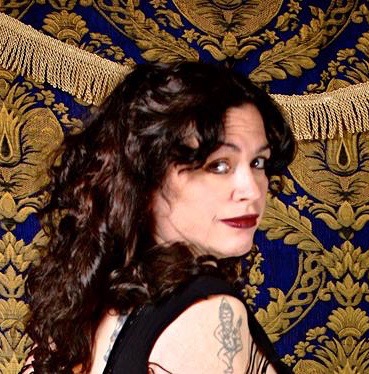
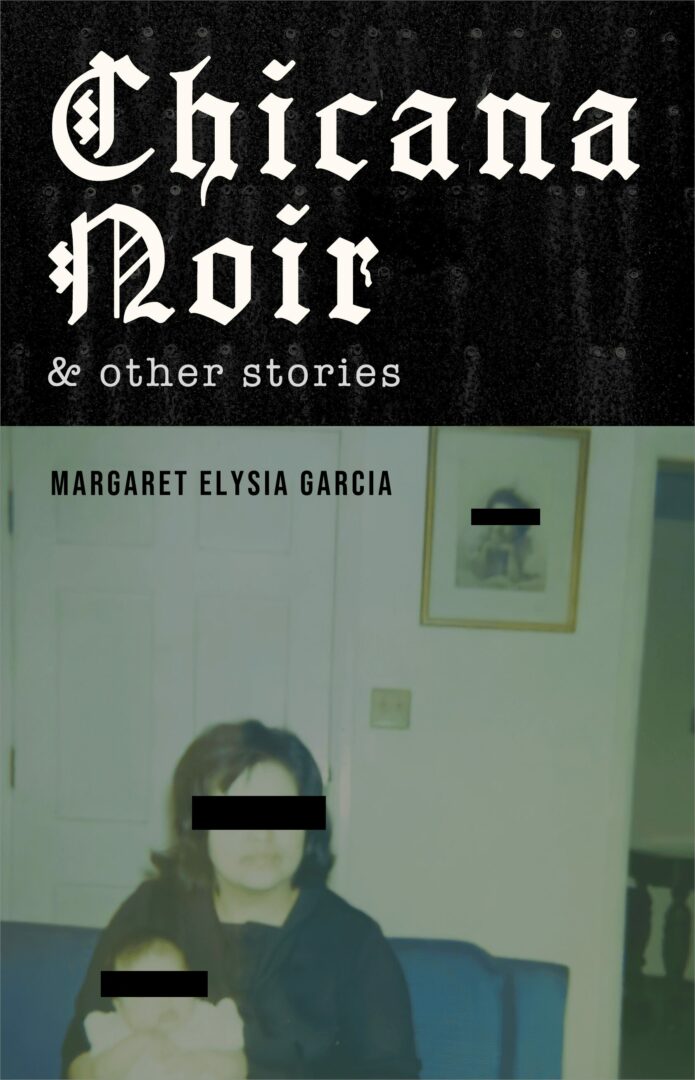
Ross Amador is the designer for all book covers except Red Flag Warning. Ryan Upton did my head shot.
so if you or someone you know deserves recognition please let us know here.