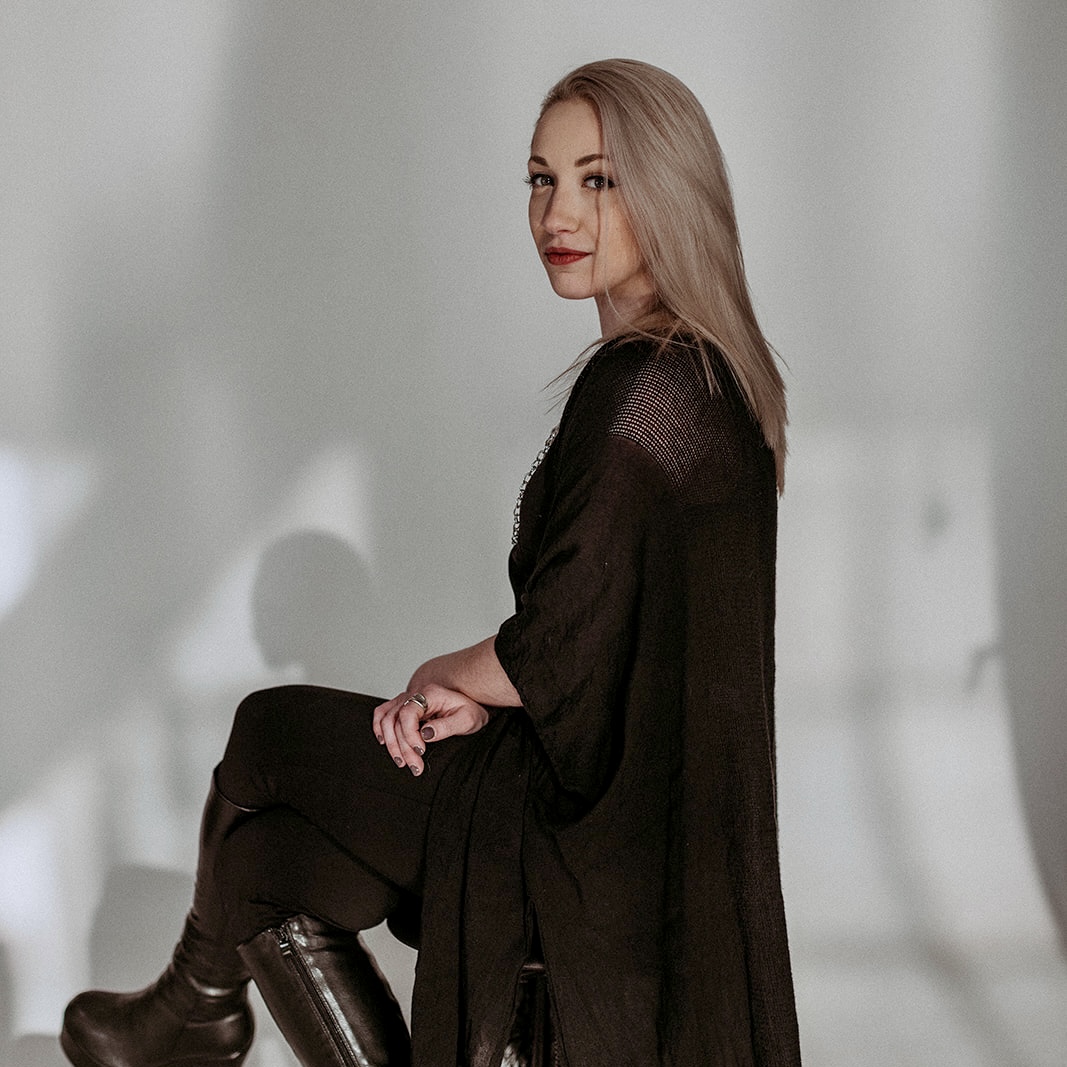
We caught up with the brilliant and insightful Marianna Martino a few weeks ago and have shared our conversation below.
Marianna, we’re thrilled to have you on our platform and we think there is so much folks can learn from you and your story. Something that matters deeply to us is living a life and leading a career filled with purpose and so let’s start by chatting about how you found your purpose.
From a young age, I always knew that my purpose was in the arts. I was fortunate to have two musicians as parents who introduced me to numerous artistic opportunities and encouraged my creativity. My childhood was filled with visits to museums, orchestras, theatres, and libraries, and it’s no wonder that I found joy and meaning in so many forms of artistic expression.
Growing up, I embraced a wide range of artistic pursuits: I took music lessons and theatre classes, danced competitively in various styles, wrote poetry for my school literary magazine, and created a variety of visual artwork. The arts were always my true calling, and I was certain that my future would be rooted in a creative career. I earned a Bachelor’s Degree in Art Education, while simultaneously obtaining a visual arts degree, and then began teaching art to middle school students while continuing to create my own work. Though my ultimate goal was to create art full-time, I cherished the opportunity to share my passion and knowledge with my students.
After five years of teaching and creating, I decided to go deeper into my passion for art history and decided to pursue a Master’s Degree in Art History and Visual Culture. I was captivated by the study of art and architecture across different times and places, and I knew this would be a path I would follow after completing my degree. Soon after earning my second degree, I was presented with an exciting opportunity to join the curatorial team at a local art gallery. I began by assisting with exhibitions before eventually leading my own, which ultimately led to my progression as Curatorial Chair.
Today, I am fortunate to work as a fine artist, a full-time middle school art educator, and an art curator. I am deeply grateful for all the opportunities and experiences that have allowed me to fully pursue my passion for the arts.
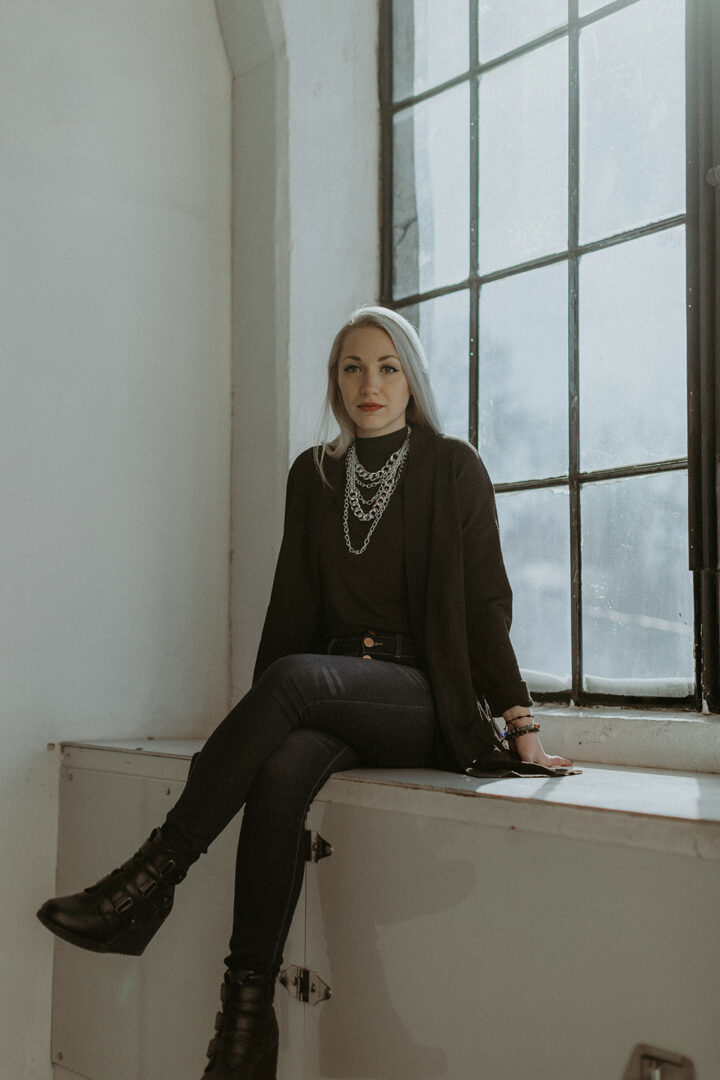
Great, so let’s take a few minutes and cover your story. What should folks know about you and what you do?
Fine Artist:
Although I love to work in various mediums, I am always drawn to drawing and painting. My personal work is deeply rooted in surrealist themes, often exploring the fragility of life. I find inspiration in all types of nature and biology, frequently depicting intricate representations of the human form, flora, and fauna. These themes allow me to delve into the complexities of existence – birth, decay, and the delicate balance of life in the natural world.
My work often blends dreamlike and abstract elements with detailed representations of these themes, creating pieces that invite the viewer to pause and reflect on the deeper connections between life, creation, our vessel, and the environment. I experiment with subjects and ideas that evoke both beauty and unease, mirroring the contradictions and unpredictability of nature itself. There’s a sense of curiosity in my process, reimagining the boundaries between this natural world and the human experience.
My art serves as an invitation for the viewer to look beneath the surface to find the rare, hidden beauty in the depths of life and creation, capturing moments of stillness and tension that speak to both the resilience and vulnerability inherent in this life.
Art Curator:
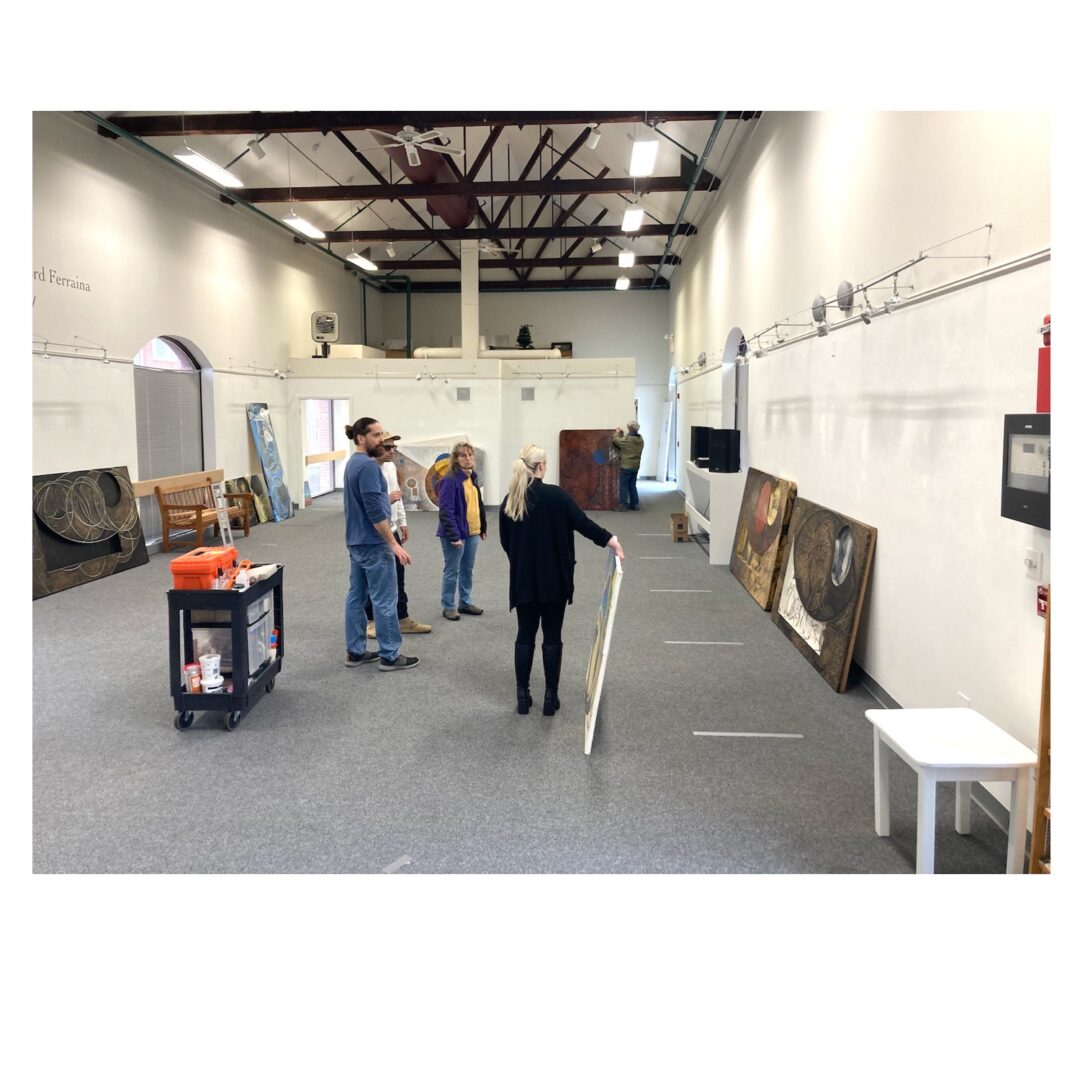
Being an art curator at a gallery is a unique and fulfilling role that requires a lot of organization, creativity, and a deep passion for art. In this position, I am responsible for selecting and organizing exhibitions that showcase a range of works, often from local or emerging artists, while also crafting a narrative or theme for each show.
One of the key aspects of curating is collaborating with artists to select pieces for exhibitions. This involves a lot of research – learning about different artists’ styles, techniques, and cultural significance – and ensuring that the works fit the exhibition’s vision. I also assist with installing the artwork – making sure it’s displayed in a way that highlights each piece and enhances the overall experience for visitors. This can mean working with lighting and space design, as well as planning how the art is arranged to create a cohesive flow.
In addition to curating exhibitions, I also play a part in organizing gallery events such as opening receptions, artist talks, and educational workshops which help connect the community to the art on display. Promoting the gallery and its shows through social media, press releases, and community outreach is also an essential part of the role.
Being a curator in a small gallery offers a lot of creative freedom, but it also means wearing many hats. From coordinating exhibition schedules to hosting panel discussions and engaging with the public, the job is both dynamic and hands-on. The most rewarding part, though, is seeing visitors engage with the art – whether it sparks conversation, reflection, or even personal transformation.
Art Educator:
Being a secondary art teacher is a dynamic and rewarding career that blends creativity, education, and mentorship. Each day, I have the opportunity to guide students as they explore their own artistic abilities and to learn new skills, mediums, and concepts. In the classroom, my job is to teach students not just how to use different materials, but also how to understand artistic concepts including color theory, perspective, and composition. I guide students as they experiment with various art forms – drawing, painting, sculpture, and more – while encouraging them to express themselves and to think critically about the world around them.
Beyond artistic mediums and techniques, I also encourage students to analyze and critique artwork in a constructive way. This teaches students to develop a deeper understanding of visual culture by connecting their own art and ideas to other artists, art, and ideas.
Part of the role also involves creating a supportive and inclusive environment where every student feels comfortable to take risks and share their ideas. I aim to inspire confidence in my students, encouraging them to try and learn through every attempt and to turn mistakes into possibilities. Each day presents a new opportunity to nurture student creativity, foster personal growth, and witness student excitement when they finish an art piece that they’re proud of. It’s a job that requires patience, passion, and a love for helping students discover their artistic potential, and I feel very fortunate to be in the position to inspire young artists on a daily basis.
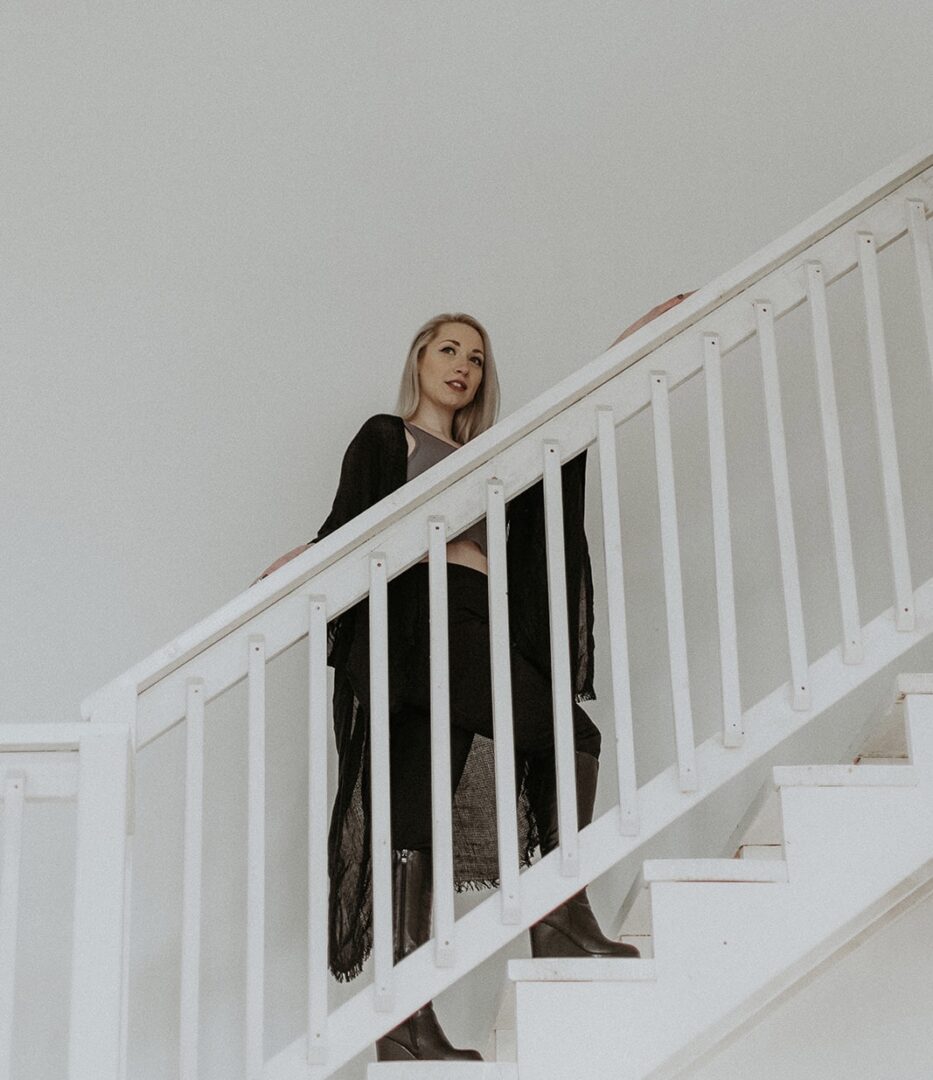
Looking back, what do you think were the three qualities, skills, or areas of knowledge that were most impactful in your journey? What advice do you have for folks who are early in their journey in terms of how they can best develop or improve on these?
1. Creativity:
Creativity is the cornerstone of any artistic career, and its impact is immeasurable. In fields like art, teaching and curating, creativity serves as the driving force behind innovation and expression. It allows us to push boundaries, experiment with new ideas, and offer fresh perspectives, all of which are essential for growth. Creativity helps us to solve problems in unique ways, think outside the box, and approach challenges with a sense of possibility rather than limitation. In my art careers, I have learned that creativity isn’t just about creating aesthetically pleasing work – it’s about communicating complex ideas, emotions, and concepts in ways that resonate with others. It transforms ordinary materials or concepts into something extraordinary, capturing the attention and imagination of audiences. Creativity encourages individuals to embrace failure as part of the process, learn from mistakes, and keep growing.
My advice for anyone pursuing an artistic career is to engage in a creative activity every day in your chosen medium(s) to strengthen your creative muscle.
2. Leadership:
Leadership is incredibly impactful in creative careers because it helps guide innovation, foster collaboration, and form an environment where creativity can thrive. In creative fields, leadership goes beyond administering – it involves inspiring others, setting a vision, and cultivating a culture that encourages exploration and risk-taking. Every leader that I have met in creative careers knows how to motivate and support their teams, whether it’s students, fellow artists, or collaborators in order to create space for new ideas to flourish.
Effective communication and collaboration are essential when developing this skill. Focus on empowering others and building relationships to create an environment where creativity can flourish.
3. Adaptability:
Adaptability is a crucial skill in creative careers because it allows individuals to navigate change, overcome challenges, and strengthen their problem solving skills. Careers like teaching and curating are always evolving, and being adaptable helps keep things running smoothly amidst the chaos. In my art classroom for example – disruptions, unexpected schedule changes, messes, and lesson shifts are frequent, so adaptability is key to maintaining a positive and safe environment for my students. In creative careers, adaptability and flexibility are essential for ensuring efficiency and navigating the ever-changing landscape.
Embrace change as it comes. Adjusting the plan can be tough at times, but recognizing when to pivot in a changing environment helps reduce pressure.
Alright, so before we go we want to ask you to take a moment to reflect and share what you think you would do if you somehow knew you only had a decade of life left?
Time management is certainly one of the biggest challenges when juggling multiple careers, especially in the art field. While each of these roles as an art educator, gallery curator, and artist are fulfilling, the demands of each can feel overwhelming at times. Balancing these responsibilities requires careful planning and prioritization. Setting boundaries, creating dedicated time blocks for my own art, and learning to say no when necessary has helped me stay on track. It also means being flexible – acknowledging that sometimes I may need to adjust my schedule to make room for personal creativity. In the end, finding a balance between work and personal time is crucial, as both my own art and my ability to guide and inspire others are intertwined.
Contact Info:
- Website: https://www.mariannamartino.com/
- Instagram: https://www.instagram.com/swansbones/
- Linkedin: https://www.linkedin.com/in/marianna-martino-a94764214/
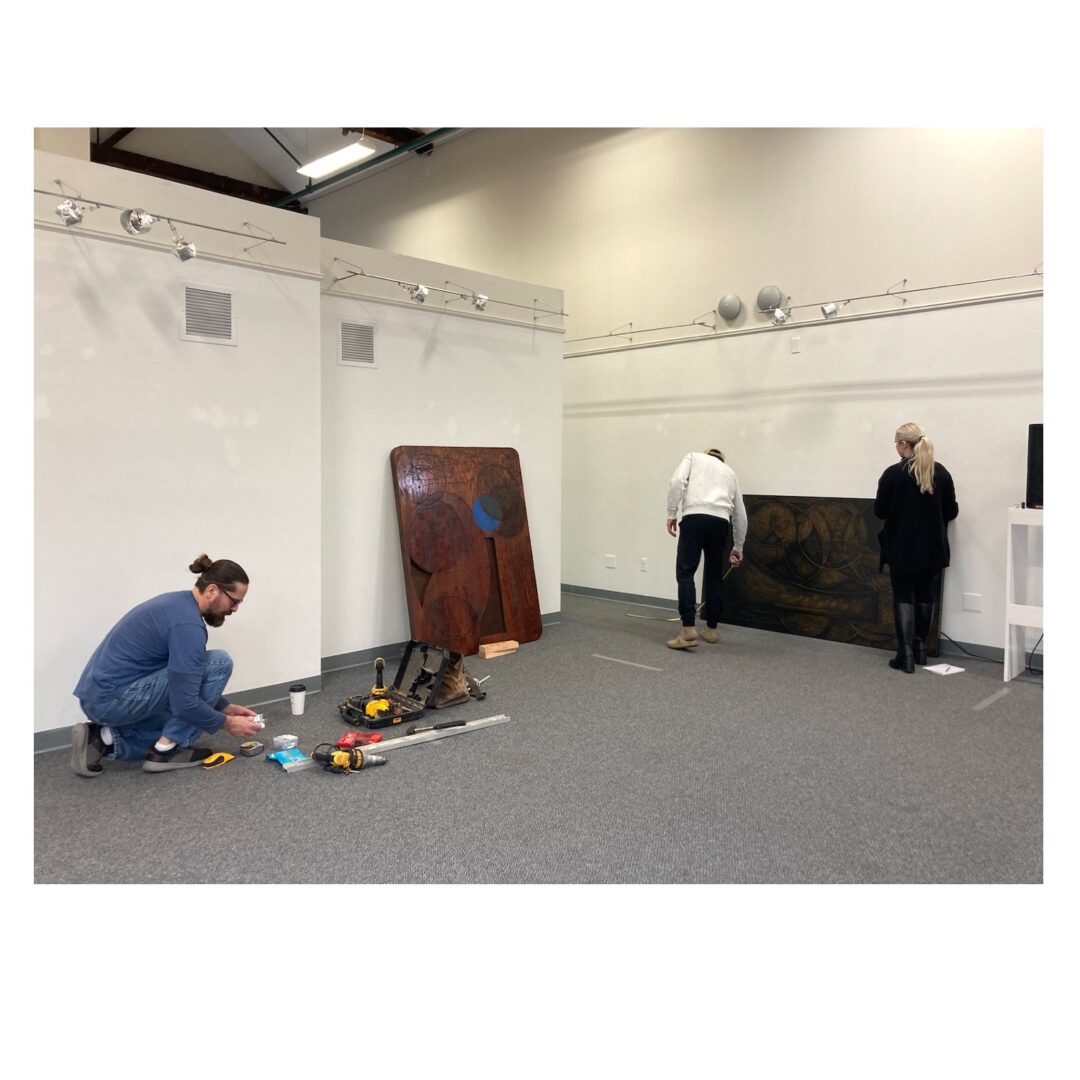
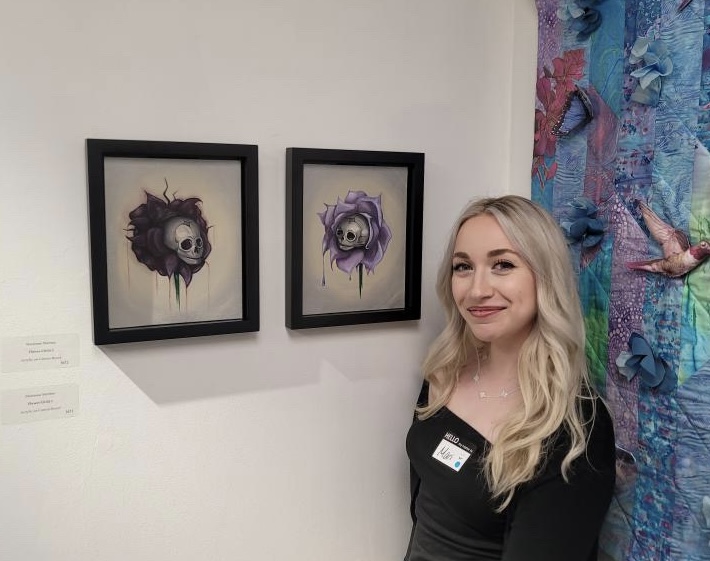
Image Credits
Professional Photos by Farrah Fontano
so if you or someone you know deserves recognition please let us know here.