We were lucky to catch up with Marion Stephens recently and have shared our conversation below.
Alright, so we’re so thrilled to have Marion with us today – welcome and maybe we can jump right into it with a question about one of your qualities that we most admire. How did you develop your work ethic? Where do you think you get it from?
My work ethic is derived from my lifelong desire to help others and do something meaningful. As I have always felt this strong sense of responsibility to contribute to something greater than myself, naturally, this path led me to serve my country. Early in my career, I had a pivotal moment when I was tasked to ensure the security of a critical system, a system that was vital for the safety and security of our nation. I realized that one single oversight on my part could jeopardize the system and the safety of those relying on it. That experience opened my eyes to how much what I do matters. It is not just a task or completing a mission but critical to the lives behind it.
For this reason, it became critical to master my craft. From that point, I made it my goal to go above and beyond what was expected. This included learning my role(s), wearing additional duty hats, and gaining deeper insight into every function interacting with mine. By learning how different roles contribute to the larger picture, I can strategically anticipate needs, solve complex challenges, and deliver seamless solutions. Even when I do not feel 100%, it is still crucial to do my best, especially when so many people rely on me. This mindset stems from my in-depth understanding of the far-reaching impact of my work. Whether it is safeguarding critical systems, ensuring compliance, or managing complex programs, the quality of my efforts directly affects not just the mission but the people who depend on it. Knowing this motivates me to push through challenges and maintain a high standard of excellence, no matter the circumstances.
My work is not just a job; it is my passion. I am deeply committed to cybersecurity, and this understanding is the foundation of my commitment to continuous self-improvement through training, certifications, and advanced education. From certifications ranging from ethical hacker to governance, risk, and compliance to my Master’s degree in Cybersecurity and my current Doctoral program in Strategic Intelligence, alongside recognition through publications and conference engagements, I strive to be fully equipped to provide the best results.
My work ethic is ultimately fueled by knowing that my contributions tie directly to a larger purpose—protecting lives, strengthening defenses, and making a meaningful impact. This understanding inspires me to grow continuously, tackle challenges head-on, and provide value in everything I do. I am deeply committed to ensuring that my work directly benefits those who rely on it, and this commitment is a driving force in both my professional and personal life.
Thanks, so before we move on maybe you can share a bit more about yourself?
As a cybersecurity professional and doctoral student, my unique perspective on cybersecurity and AI, coupled with my love for learning about emerging technologies, drives what I do. I consistently seek to expand my knowledge and growth in these areas. My particular interest is with AI, as this technology not only enhances cybersecurity but also serves as a catalyst for innovation across various fields. As technology evolves at such a rapid pace, it creates endless opportunities to learn and contribute. This constant progression fosters an atmosphere of continuous growth and challenge, which I am excited to embrace. Along with this comes opportunities to contribute to meaningful advancements that make a tangible difference, from defending critical infrastructures to improving user experiences through smarter, more efficient systems.
One must remain committed. For this reason, I strive to go beyond my day-to-day work. I actively engage by speaking at conferences, networking with industry peers, publishing insights, but most importantly, mentoring aspiring professionals and youth. Mentoring is crucial as it not only helps develop the next generation of professionals but also strengthens the critical but minimally staffed cybersecurity field. Additionally, collaboration through mentoring fosters my own growth by exposing me to fresh perspectives. To me, this is one of the most fulfilling ways to contribute to the larger mission of advancing cybersecurity and creating a stronger, more secure future. The emotional reward of this contribution is immense and drives me forward every day.
Looking ahead, I am filled with excitement about the innovative possibilities that technological advancements will bring to the cybersecurity field. By merging research with practical applications, I am committed to driving innovation and contributing to a future where security and accessibility work hand-in-hand to empower individuals and organizations alike.

Looking back, what do you think were the three qualities, skills, or areas of knowledge that were most impactful in your journey? What advice do you have for folks who are early in their journey in terms of how they can best develop or improve on these?
Looking back, my journey’s three most impactful qualities and skills have been resilience, adaptability, and continuous learning. Each of these has played a crucial role in shaping who I am today and enabling me to contribute meaningfully to a rapidly evolving field. Resilience, in particular, has been a beacon of determination, helping me bounce back from setbacks and emerge stronger. Adaptability has allowed me to thrive amidst constant change, and continuous learning has ensured that I grow and remain prepared for future challenges.
When offering advice, do not mindlessly follow the path that others expect you to take. At an early age, everyone seems to focus on the question, “What do you want to be?” But the truth is, life rarely follows a straight path. I remember when I was at a crossroads in my career, and I chose to follow my passion. If you try to stick too tightly to one vision, you may end up on a road that feels unfulfilling. Life often shifts focus to “adulting”—paying bills and simply getting by. What I wish someone had told me is this: follow your dreams, find your passion, and let that guide you.
For me, the key was finding the connection between my work and the impact I wanted to make. That impact became my passion. However, you do not have to know your passion right away—some people discover it at 10, others at 90, and both are perfectly fine. The joy of discovering your passion at any age brings a sense of hope and optimism. Just focus on being happy and being the good you want to see in the world, and your purpose will come. Take time to reflect on what you are doing right now. Ask yourself how it impacts your world and the broader world. Finding that connection will bring you one step closer to fulfillment.
Many things in life contradict each other. For instance, when you exercise, your muscles feel weak, but you are getting stronger, and when you are learning something new, you feel lost, but your mind is expanding. This feeling is also the same as stepping outside your comfort zone, as it is frightening but allows you to grow. These challenging moments are where personal growth happens. These steps help you pursue your inner flame and uncover your potential, empowering you to become the best version of yourself.
The journey can be intimidating, but the personal and professional rewards are immeasurable. Take the first step towards your passion, embrace the challenges, and know that every step outside your comfort zone brings you closer to a growth-filled life.

As we end our chat, is there a book you can leave people with that’s been meaningful to you and your development?
The book that has inspired me the most is “Quiet: The Power of Introverts in a World That Can’t Stop Talking,” by Susan Cain. As someone with an introverted personality, this book not only gave me a deeper insight into what it means to be an introvert but also empowered me to embrace it. While I once felt limited by cultural norms that seemed to favor extroversion, this book helped me reframe my perceptions of weaknesses into some of my greatest strengths.
A key example of this is when Cain discusses Rosa Parks, whose quiet and reserved nature made her act, incredibly powerful. For someone as soft-spoken and kind as Parks, standing firm in that moment commanded attention in a way that a more extroverted personality might not have. Her courage demonstrated that even as an introvert, one still has the ability to make an impact.
I understood that listening, reflection, and thoughtful action were important, but I did not truly realize their importance. I discovered the importance of solitude as a place for creativity and in-depth problem-solving and more than just a way to recharge as it drove many changes and innovations. Then, I related it to my field of cybersecurity, and I found these traits invaluable as they led to careful analysis and a more in-depth understanding.
From Cain’s definition of leadership, I also found that introverted leaders can excel by empowering others, fostering collaboration, and leading with quiet confidence. This led me to research some great introverted leaders and embrace my own natural leadership style rather than conforming to the traditional expectations of extroverted personalities.
This book impacted me by allowing me to discover that being true to myself is fulfilling and can be just as impactful as extroverted personalities. This belief has reinforced the idea that authenticity, introspection, and a thoughtful approach can lead to personally and professionally meaningful change.

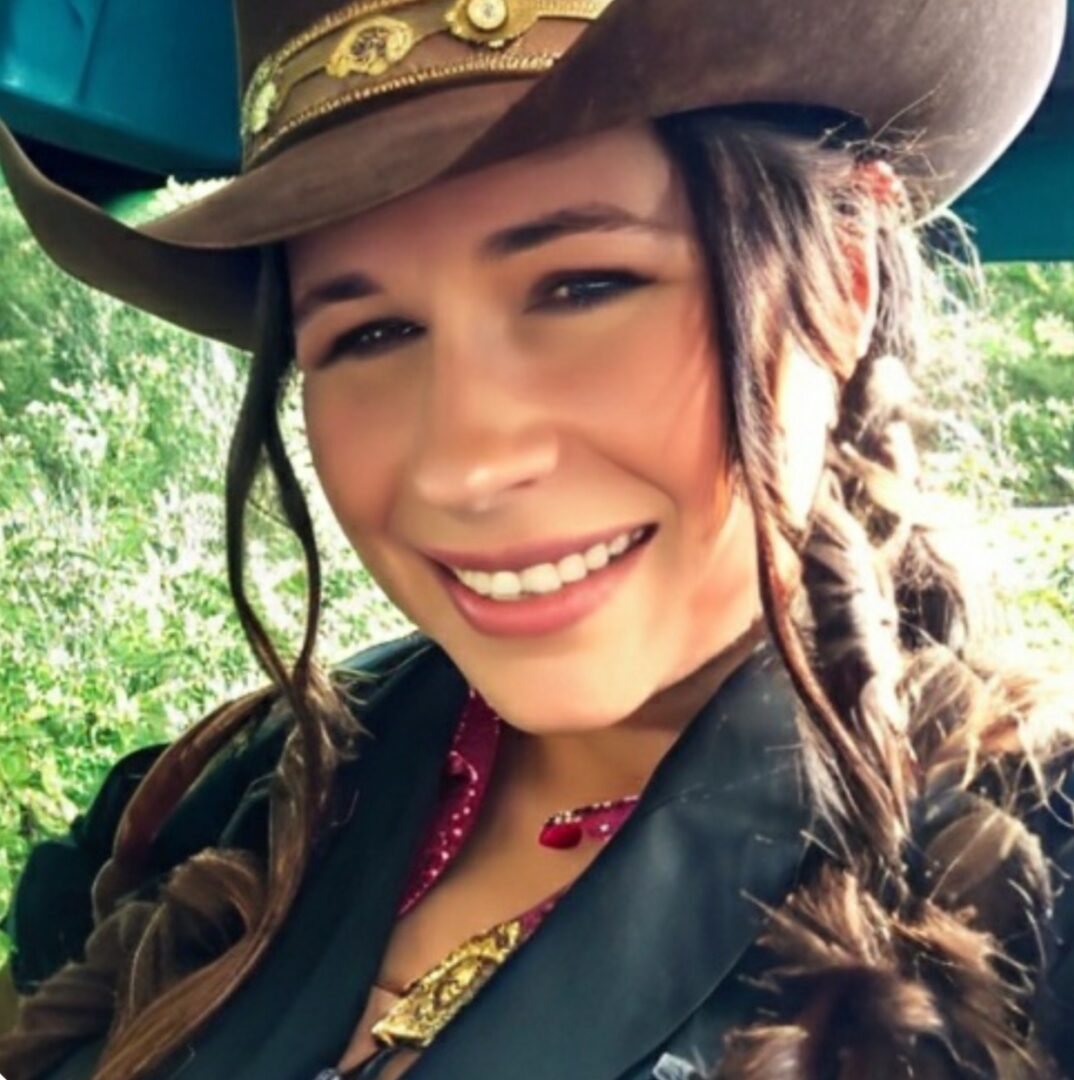

Image Credits
NA
so if you or someone you know deserves recognition please let us know here.