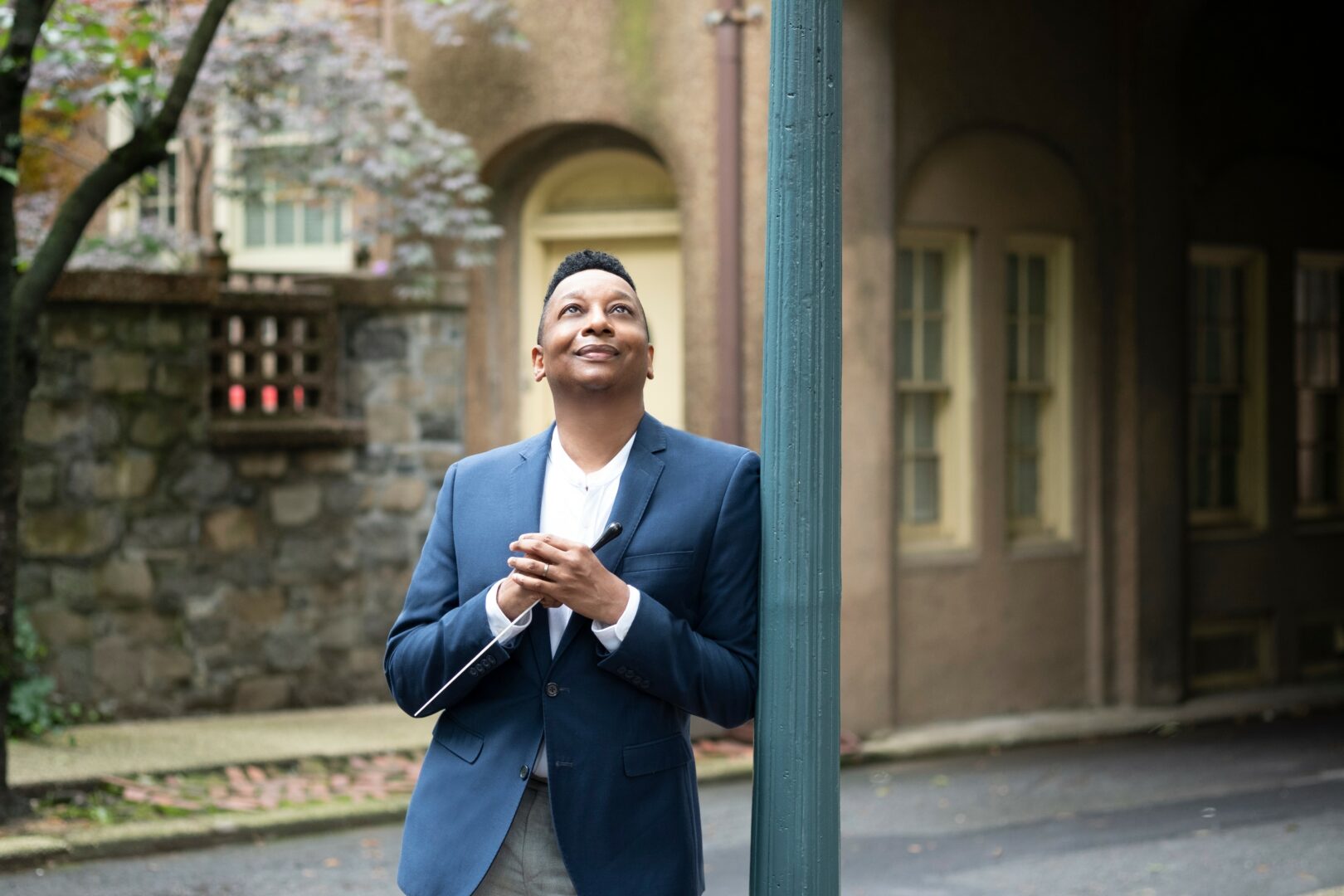
We caught up with the brilliant and insightful Marlon Daniel a few weeks ago and have shared our conversation below.
Marlon, so good to have you with us today. We’ve always been impressed with folks who have a very clear sense of purpose and so maybe we can jump right in and talk about how you found your purpose?
I didn’t stumble upon purpose; I looked for it and it grew with me. As a child I grew up on the infamous West Side of Chicago, a place defined by gangs, drugs, poverty, and violence. If I had stayed, I don’t know if I would be here today. Music became not only my way out but a voice and a way to connect with people. My first step towards purpose was leaving Chicago as soon as I could, with the piano, and later the podium, giving me the vehicle for my escape to new journey. For me music was not just a passion; it was my lifeline, my survival, and ultimately my transformation.
But as I grew musically, I realized that talent alone wasn’t enough. I faced constant barriers, many of them rooted in racism and gatekeeping. I’ll never forget being rejected by a well-known classical music management firm because, as they told me, “you don’t make enough money for us.” That was a brutal but clarifying lesson: in this industry, nurturing artistry often comes second to profit. For someone like me, an African American perusing a career in classical music, the obstacles are even greater.
So, I had to reinvent the rules. I became unapologetically marketable—not for attention or in vanity, but as a craft, a tool for survival. I learned to speak to presenters, funders, press, and audiences, not just to sell myself, but to create a space for the composers and performers I believed in. Along the way I realized that through my continued advocacy and being a champion for these artists, I was creating my own path of discovery and success in music.
This journey led me to Joseph Bologne, Chevalier de Saint-Georges—a brilliant Black composer, violinist and conductor, erased for centuries from the concert hall by racism. When I first heard his music, I recognized its genius but also its absence from the canon. My response was simple: create the space. That’s why I founded Festival International de Musique Saint-Georges in Guadeloupe, his birthplace—a festival that honors his legacy while amplifying underrepresented voices today.
The Festival is now the largest and most prestigious classical music festival in the Caribbean, presenting artists from around the world, commissioning new works, and placing Bologne alongside the canon of great composers, where he belongs. In 2024, I also launched Festival Mahogany in the U.S., a sister festival that continues this mission of promoting marginalized artists on American soil. Both festivals have been tremendously successful and stand as proof that representation and diversity in classical music are not just possible, but transformative.
Purpose for me then is practical: it’s in budgets, rehearsals, commissions, lectures, masterclasses, and above all, relationships. It’s about creating musical movements, not just concerts but also in creating spaces where audiences and artists can experience the universality of music and the possibility of change.
Let’s take a small detour – maybe you can share a bit about yourself before we dive back into some of the other questions we had for you?
Please tell our readers about what you do, what you feel is most exciting or special about it:
What excites me most is creating opportunities. Music itself is powerful, but without access, it can’t transform lives. My work as a conductor and artistic director is about building platforms where overlooked composers, young musicians, and diverse voices can be heard.
Through the Festival International de Musique Saint-Georges in Guadeloupe and Festival Mahogany in the U.S., I’ve seen how these events can be more than performances—they can be movements for cultural diversity, progressive education, and a catalyst for international exchange. I want audiences to experience the beauty of Mozart and Bologne side by side, and to understand that classical music, at its best, tells all of our stories.
BIO
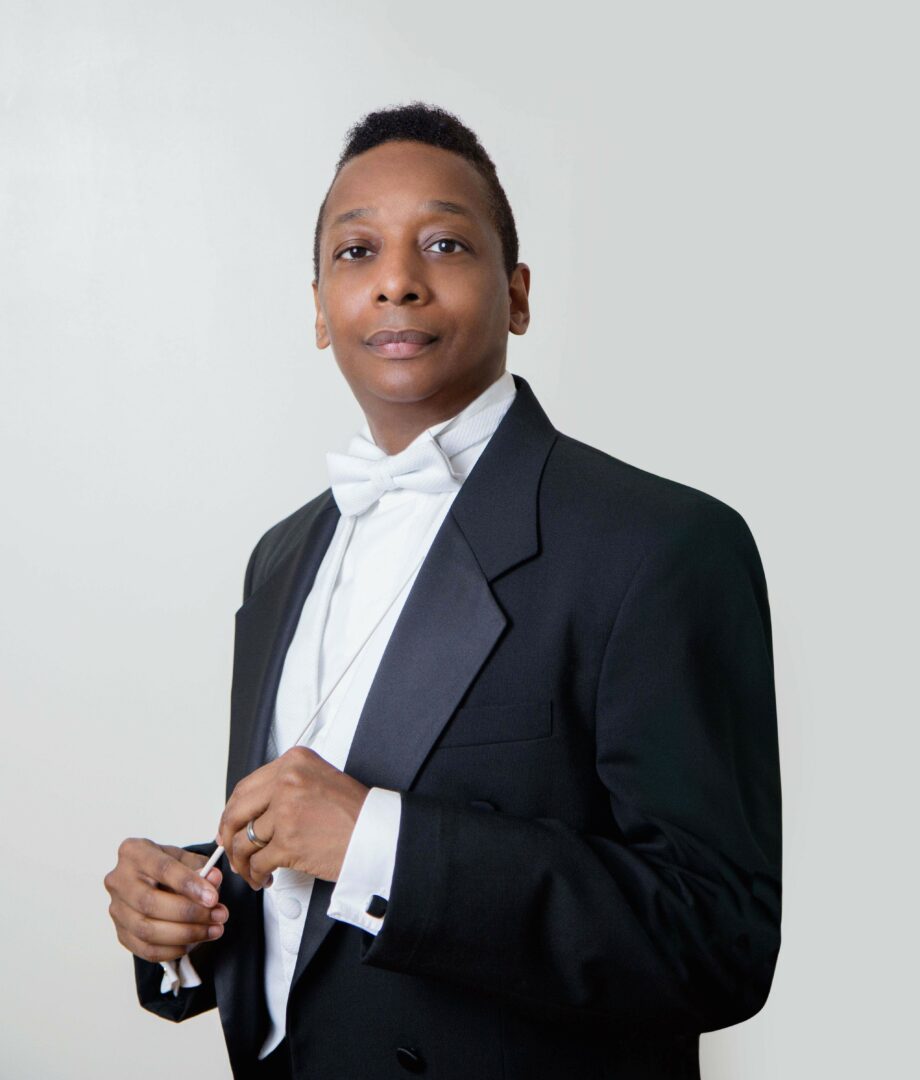
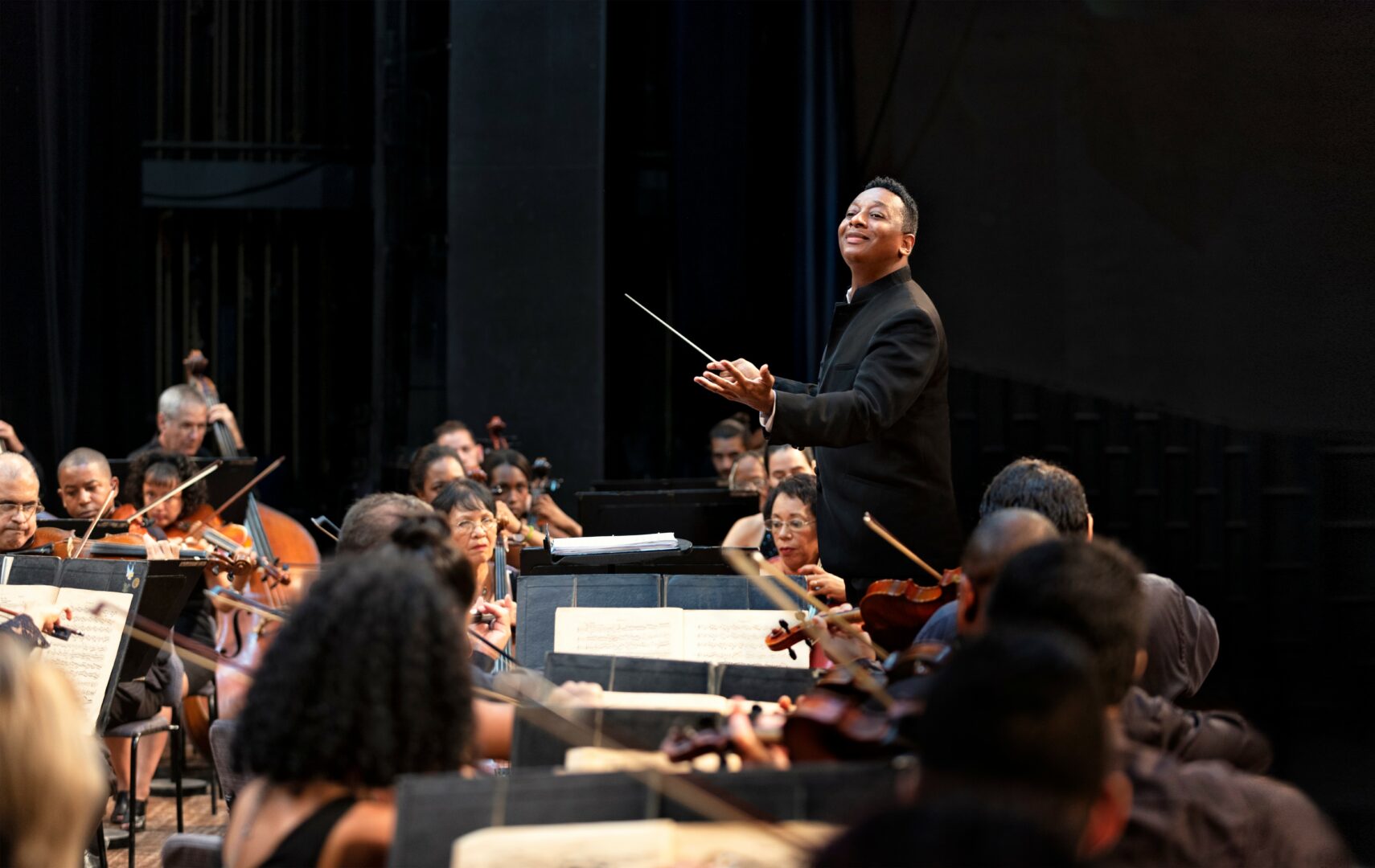
Born in Chicago, Marlon Daniel is recognized as one of the most dynamic and versatile conductors of his generation. Praised by the Chicago Sun-Times as “a natural and enormous talent” and described as “fabulous and exceptional” by Pravda, he has captivated audiences worldwide with his artistry, interpretative depth, and commanding stage presence. A laureate of the 2018 Bucharest Symphony Orchestra International Conducting Competition, Daniel has performed in many of the world’s most prestigious concert halls, including Carnegie Hall in New York, Queen Elizabeth Hall in London and the Rudolfinum in Prague.
A highly sought-after conductor, his engagements have included collaborations with renowned orchestras across Europe, North and South America, and the Caribbean. Daniel has led acclaimed performances with ensembles such as the Chineke! Junior Orchestra, Havana Lyceum Orchestra, Sofia Sinfonietta, and the Tatarstan National Symphony Orchestra, where he conducted the Russian premiere of William Grant Still’s Afro-American Symphony. In 2016, he made history as the first African American to conduct the Orquesta Sinfónica Nacional de Cuba in its sixty-five-year history.
Daniel is recognized as the world’s foremost authority on the life and music of Joseph Bologne, Chevalier de Saint-Georges; he is also a champion of the music of William Grant Still and a dedicated advocate for under-represented and contemporary composers. He has premiered works by Adolphus Hailstork, Giya Kancheli, Libby Larsen, Arturo Márquez, Nkeiru Okoye, Fred Onovwerosuoke, Hampson Sisler, Eino Tamberg, and Pulitzer Prize winners Tania Léon and George Walker, among others. A recipient of the Yvar Mikhashoff Trust for New Music Award, his performances have consistently been lauded for their musical insight and technical precision.
Educated in both the United States and Europe, Daniel studied at the Manhattan School of Music and the Prague Academy, earning additional diplomas from the Conservatoire Américain de Fontainebleau in France and the Centro de Estudios Musicales Isaac Albéniz in Spain. His conducting teachers include Jiří Bělohlávek, David Gilbert, Tomáš Koutník, Miriam Němcová, and Jorma Panula, with whom he maintains a close association. He has also received artistic guidance from Sir Simon Rattle at the Berliner Philharmonie and Iván Fischer at the Beethovenfest Bonn.
Daniel’s work extends beyond the podium, encompassing significant contributions as an artistic leader, educator, and mentor. He has served as inaugural Music Director of the Colour of Music Festival, Associate Conductor of the Praga Sinfonietta, Principal Guest Conductor of the Pazardzhik Symphony Orchestra, Guest Conductor of La Orquesta Filarmónica Municipal de Guayaquil (Ecuador), Guest Conductor of the Sinfónica EAFIT (Colombia), Guest Conductor of Tatarstan National Symphony Orchestra (Russia), Associate Conductor of the Florida Grand Opera and Guest Conductor of the Teatro Lírico Nacional de Cuba.
His dedication to education and diversity in the arts is evident in his academic roles and leadership initiatives. He has been a guest lecturer with Tafelmusik, Opera America, the Lunigiana International Music Festival, and at institutions such as College of Charleston, Columbia University, Rutgers University and Yale University, as well as Drew University and Fordham University, where he served on the faculty as Director of Orchestral Ensembles. He has been a panelist for Opera America and the Sphinx Organization’s SphinxConnect Conference and led projects such as the Diversity in Classical Music Project at Columbia University.
An accomplished opera conductor, Daniel has demonstrated expertise in the operatic repertoire, working with distinguished singers and stage directors across major productions. He is a former Associate Conductor of the Floridia Grand Opera, former Assistant Conductor of the National Opera and Ballet of Bulgaria (Sofia) and a panelist and adjudicator for Opera America and is the founder of the Opera Discovery Project, alongside the opera faculty of the Instituto Superior de Arte (ISA) in Cuba, which provides professional training for emerging artists. Currently, he is a roster of conductors for the Chicago Summer Opera.
He has collaborated with acclaimed artists such as Ifetayo Ali, Rachel Barton-Pine, Yuriy Bekker, J’Nai Bridges, Janinah Burnett, Soloman Howard, Eleomar Cuello, Savion Glover, Soloman Howard, Charlotta Huldt, Michelle Johnson, Sami Junnonen, Koh Gabriel Kameda, Julian Milkis, Magali Léger, Kristin Lewis, Norm Lewis, Chauncey Packer, Limmie Pulliam, Phylicia Rashād, Chita Rivera, Eric Silberger, Karen Slack, Russell Thomas, Cicely Tyson and Deborah Voigt.
Daniel is currently the Artistic and Music Director of the Festival International de Musique Saint-Georges, Artistic Director of Festival Mahogany, Music Director of Ensemble du Monde, and Founder and Music Director of the All Caribbean Youth Orchestra (ACYO). In 2024, he was appointed Artistic Director and Conductor of the Universität Münster Musikhochschule Orchester. His recent projects include a feature on Sony Entertainment’s popular podcast They Did That! and a new recording entitled Total Tango: Music of Ástor Piazzolla with the Havana Lyceum Orchestra.
A passionate advocate for classical music’s transformative power, Daniel continues to shape musical landscapes through his artistry and leadership. This upcoming Season 2026/27 his has been appointed Asociado Artístico of the Orquesta Sinfónica de Matanzas in Cuba and will make his Finnish début with Kuopio Symphony Orchestra.
If you had to pick three qualities that are most important to develop, which three would you say matter most?
• Tenacity. Growing up where I did, giving up would have been easy. Tenacity was survival then, and it’s success now. I learned that the only person who can stop you from achieving your dreams is you.
• Creativity. Critical thinking solves problems, but creativity breaks barriers. If you dare to build it, others will come.
• Honesty. Not just with others, but with yourself. You must know your true motivations—the “why”—even if it’s uncomfortable. This clarity keeps you focused and resilient.
My advice? Never let obstacles define you. Use tenacity to keep moving forward, creativity to find new solutions, and honesty to guide your choices.
Who has been most helpful in helping you overcome challenges or build and develop the essential skills, qualities or knowledge you needed to be successful?
Two people have shaped my life profoundly: my grandmother and the Finnish maestro Jorma Panula.
My grandmother raised me with extraordinary strength. She worked as a domestic her entire life yet found a way to pay for my piano lessons and the very instrument I practiced on. She never finished grammar school, but she was one of the most brilliant people I’ve known. She read whatever her employers read—the New York Times, Time Magazine, Catcher in the Rye, War and Peace—and could finish a crossword puzzle faster than anyone I have ever known. Together we watched Live from Lincoln Center and Great Performances on PBS. She loved the joke, “How do you get to Carnegie Hall?” “Practice!” but for us, that was more than a riddle; it was a pact. Two years after she passed from cancer, I stood on that stage and fulfilled a long awaited promise. Her resilience and resourcefulness live in me; they are the foundation of everything I’ve built.
The other is Jorma Panula, the legendary Finnish pedagogue, one of the most influential conducting teachers alive. I traveled to Finland to study with him when I made the leap from pianist to conductor. I had a lot of knowledge, but not the ability to transform that into the power, leadership and force needed to stand before an orchestra. Panula helped me bridge that gap, both musically and personally. He has taught many of today’s great conductors— Klaus Mäkelä, Esa-Pekka Salonen, Susanna Mälkki, Mikko Franck, and more. His own teacher was Dean Dixon, the pioneering African American conductor who left America because of racism. That lineage—Dixon to Panula to me—is a living reminder that classical music can be exclusionary, even hostile to people of color. Yet it’s also proof that with resilience and the right mentors, we can still overcome adversity and thrive.
Are you looking to collaborate?:
Absolutely. Collaboration is at the heart of everything I do. None of these festivals, concerts, or initiatives could happen without the incredible partners I’ve been fortunate to work with. My closest collaborators and friends, Megan Sesma and Jamshed Turel, are not only extraordinary musicians but also visionary leaders. They are my backbone and proof that it takes a village to create something long-lasting and meaningful.
Through ArtistWorld, the nonprofit we co-founded, we are building a global community of artists and cultural organizations dedicated to prospering in today’s challenging musical landscape. We’re seeking exceptional individuals to collaborate on projects that push the boundaries of what classical music can be and believe, as we do, that art can transform lives. Anyone who shares that vision can connect with us through our website: www.ArtistWorld.org.
Contact Info:
- Website: https://www.marlondaniel.com
- Instagram: @marlondanielmusic
- Facebook: https://www.facebook.com/MaestroNYC/
- Linkedin: https://www.linkedin.com/in/marlon-daniel-1a5a7a3
- Twitter: @MaestroNYC
- Youtube: https://www.youtube.com/@MaestroMarlonDaniel
- Other: www.artistworld.org
https://en.wikipedia.org/wiki/Marlon_Daniel
https://en.wikipedia.org/wiki/Saint-Georges_International_Music_Festival
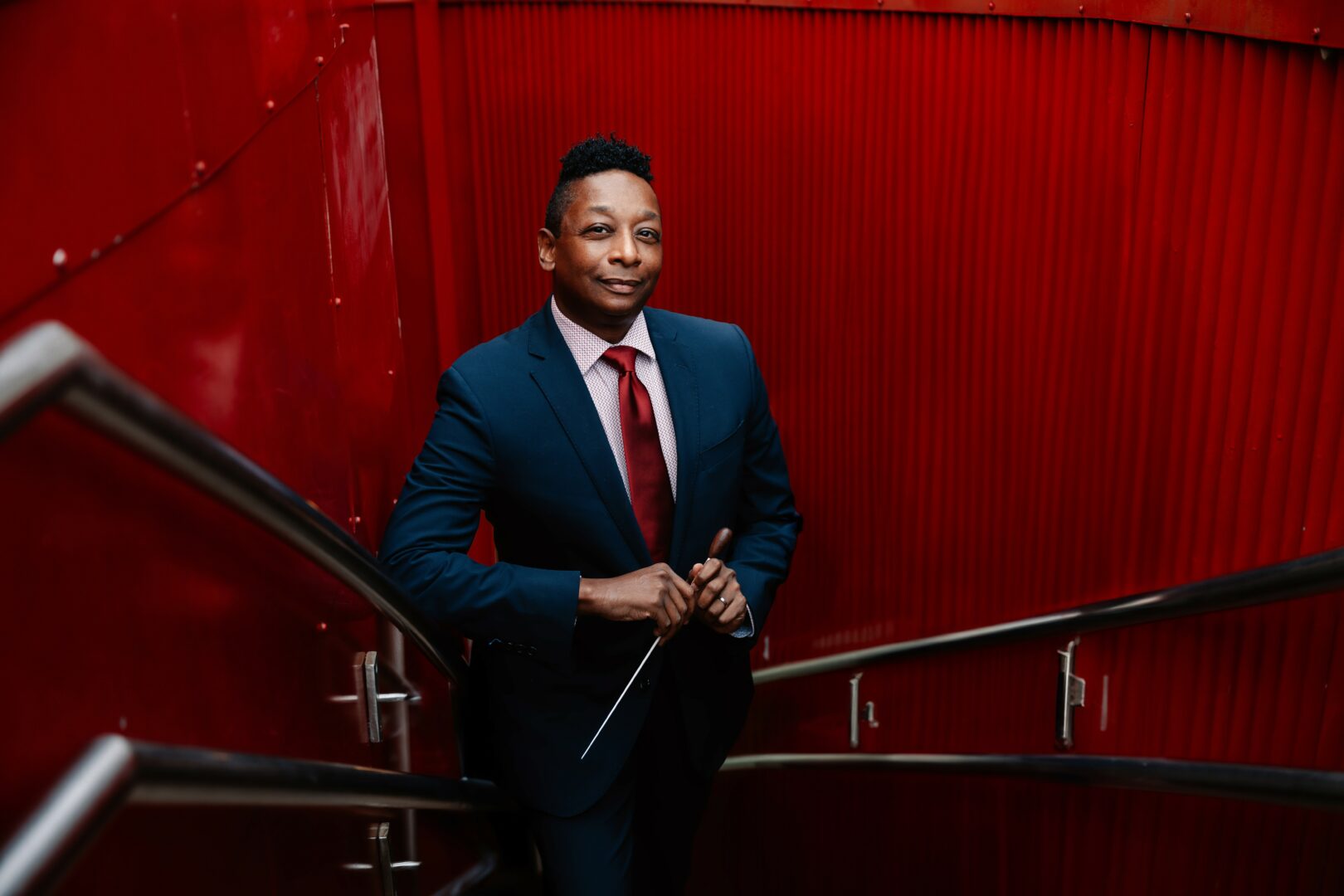
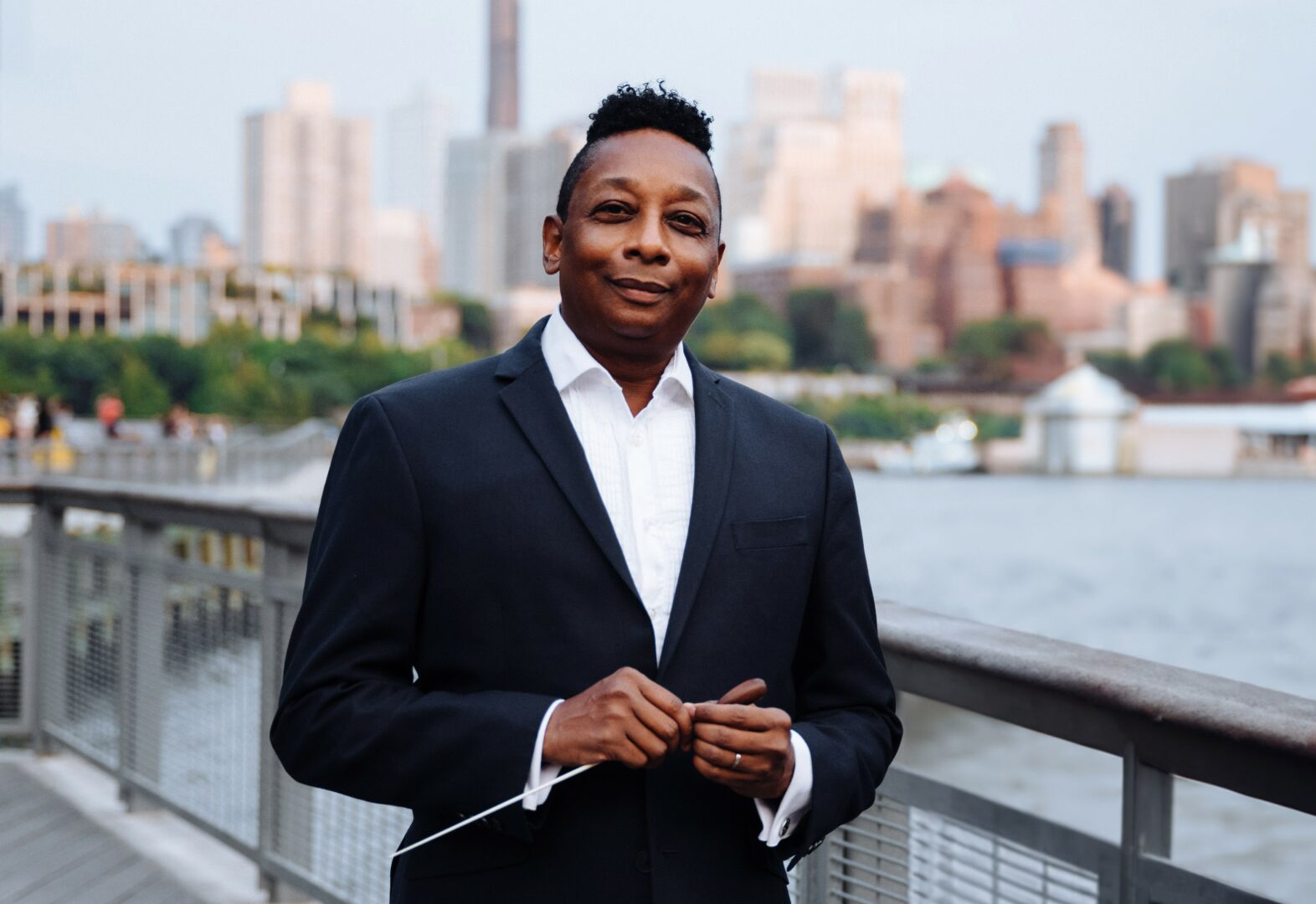
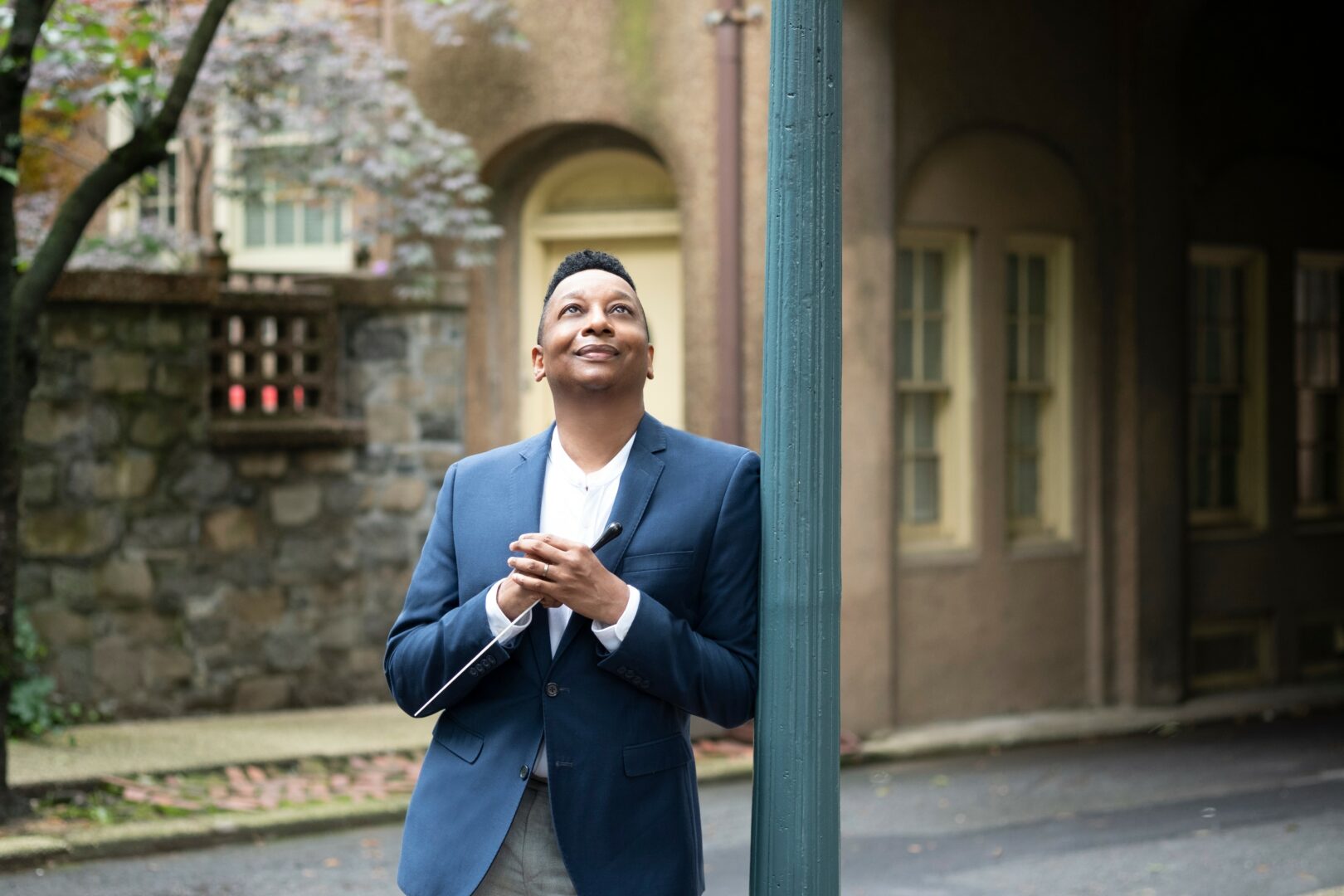
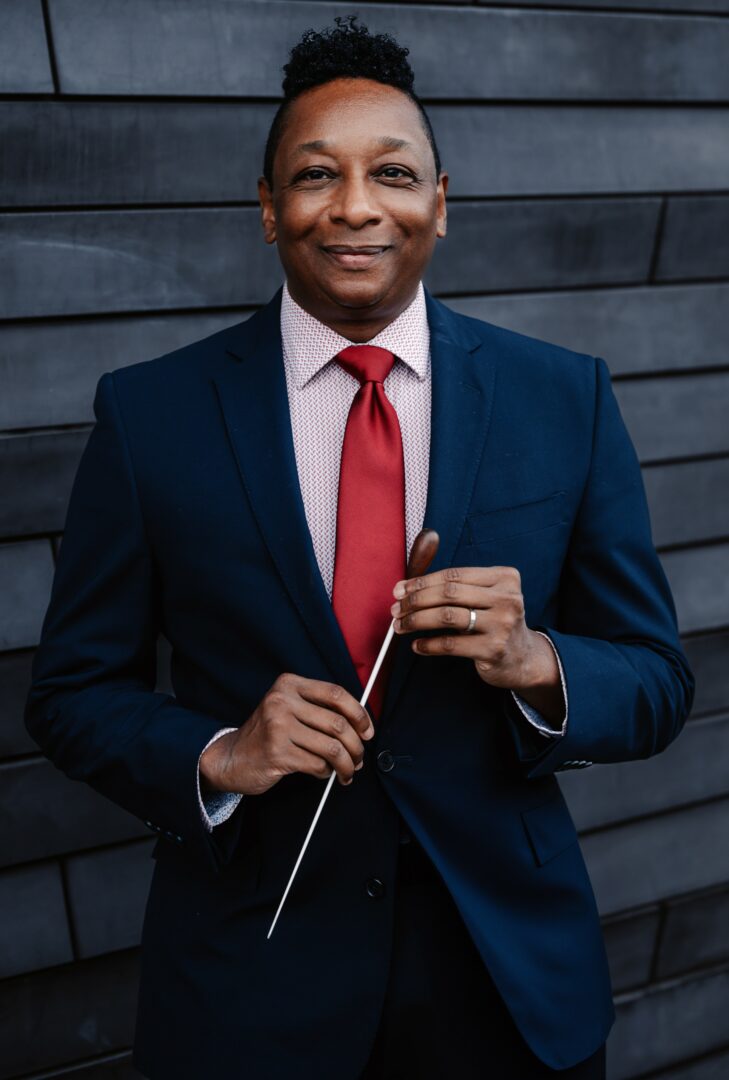
Image Credits
(c) Bob Estremera
(c) Jiyang Chen
(c) AdroF (only photo with orchestra)
all JPEG photos credited
so if you or someone you know deserves recognition please let us know here.