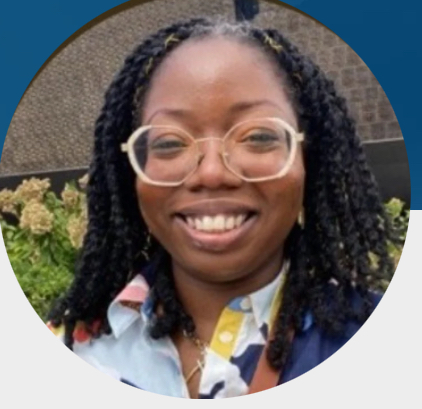
We were lucky to catch up with Martina G. Efeyini Efeyini recently and have shared our conversation below.
Hi Martina G. Efeyini, appreciate you sitting with us today to share your wisdom with our readers. So, let’s start with resilience – where do you get your resilience from?
My resilience comes from a combination of life experiences, growth and changes. Over the course of my life I have faced challenges, hardships, and adversity as a neurodivergent woman and as a Black woman in STEM. Whether it was the way I communicated, the clothing I wore or how I chose to share science; people had something to say about it. It used to bother me then one day I had a “ah ha’ moment. I decided in order to be authentically and unapologetically me I need do what feels natural to me even if others find it weird. Letting that go was not easy, but it was essential not only for my growth but to also thrive.
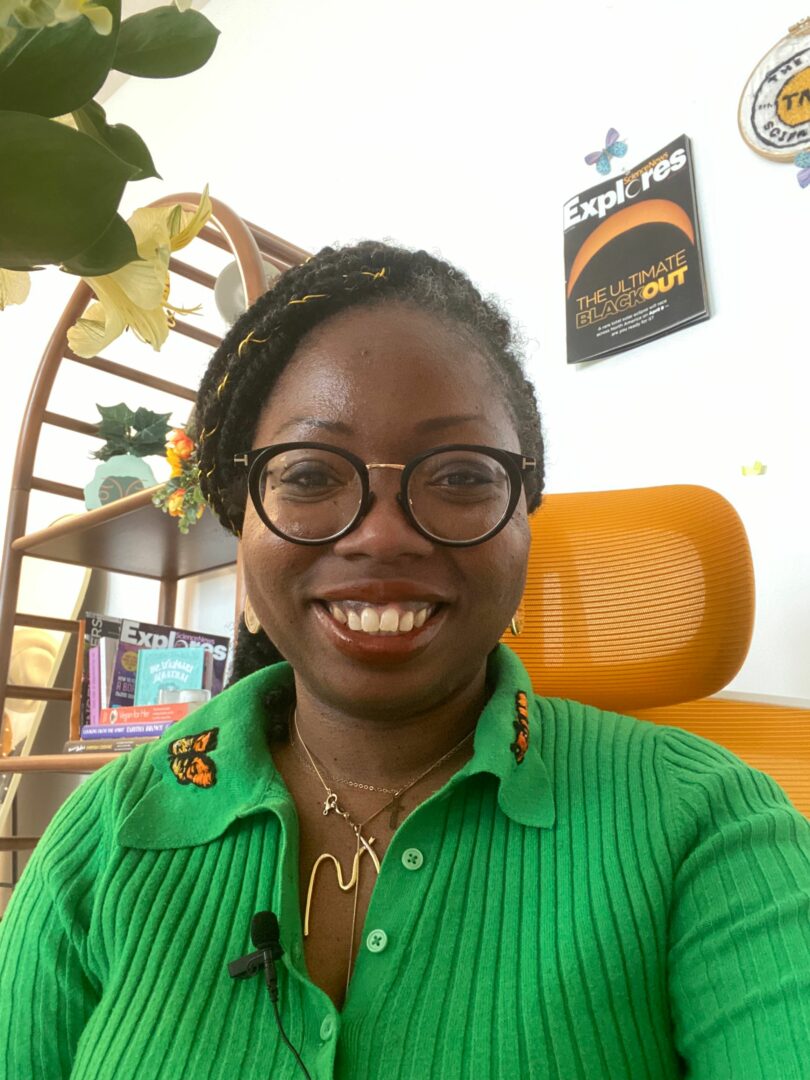
Let’s take a small detour – maybe you can share a bit about yourself before we dive back into some of the other questions we had for you?
I am a Black neurodivergent creative woman who is a science communicator, innovator and trailblazer. Even at five years old I knew I wanted to be a scientist. Then, when I was 17 years old I was selected to attend Cornell University’s Summer College Program. This gave me great insight of college and the possibilities of what a STEM career could be for me.
That experience helped me gain a preview of college life and a string of more great STEM experiences followed. I received the Gates Millennium Scholarship to fully fund my college education and my graduate school. I was able to do research in multiple laboratories which increased my curiosity.
Once I graduated from college and earned my Master’s degree in toxicology, I decided I wanted to use my science degree to create my own pathway to be more creative and jumpstart my science communication career. I created Mademoiselle Scientist to share my journey as a Black woman in STEM. I served as a thought leader and contributed by writing for various scientific professional societies. I focused on STEM career diversity and using social media as a tool to connect science with the public.
In addition, I volunteered focusing on science outreach and mentoring young students of color. Then, a few years later, I rebranded Mademoiselle Scientist to become The NEXT Scientist (TNS). TNS is my science communication service where I focus on consulting, public speaking and creative projects that align with my values of making science, engaging and fun.
I enjoy and love the work that I do. As a science communicator I get to combine my love of STEM, grow my curiosity, be creative and innovative. I created my own career pathway as a science communicator and encourage anyone else who is interested to do the same and let’s work together.
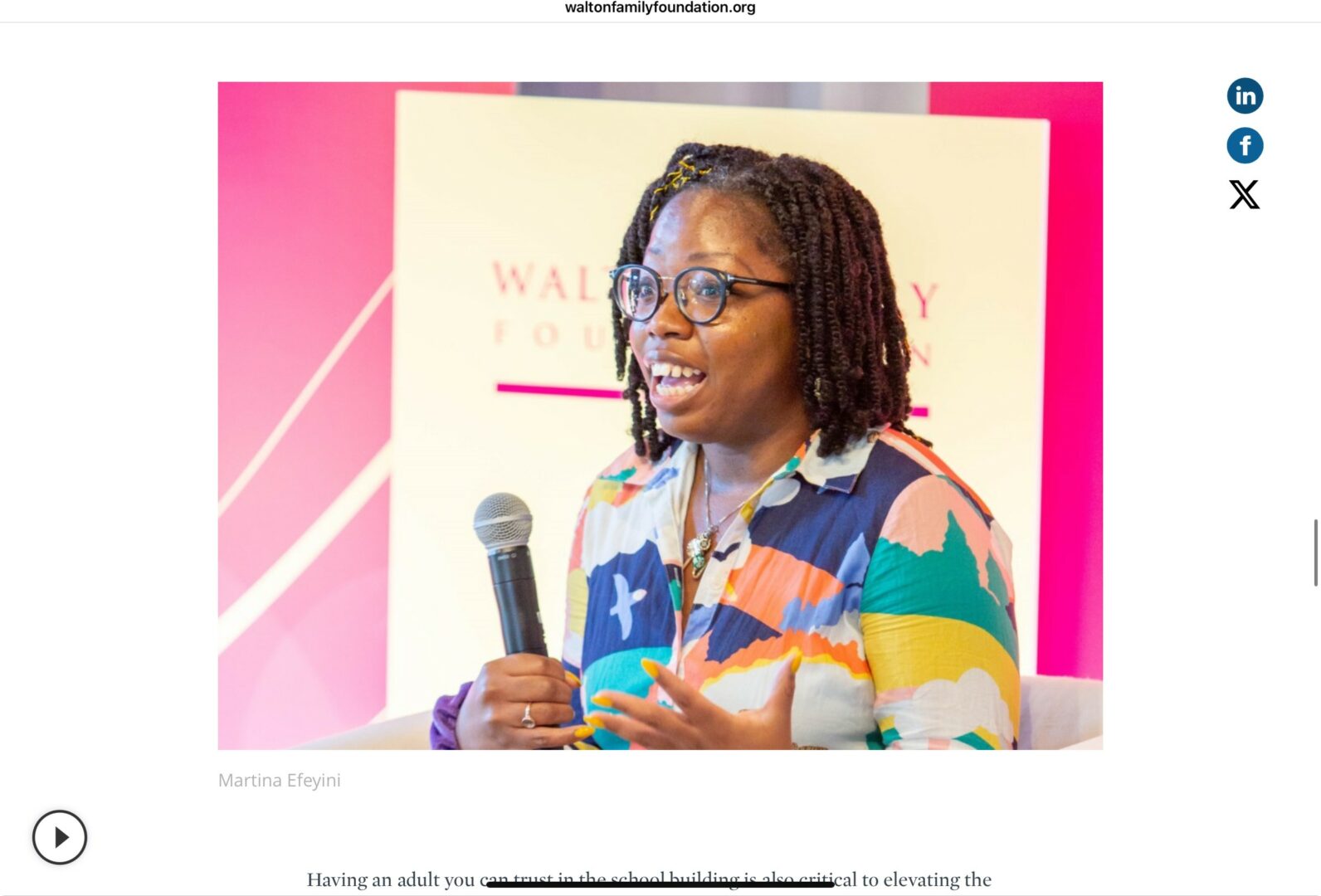
Looking back, what do you think were the three qualities, skills, or areas of knowledge that were most impactful in your journey? What advice do you have for folks who are early in their journey in terms of how they can best develop or improve on these?
Everyone has skills, qualities or areas of knowledge that make them unique. Some people know quickly what they are, while others are trying to discover them. My personal philosophy is to focus on my values, skills, and interests. This helps me find out what stands out to me. After during this type of reflection many times I have learned that my top skills, qualities and areas of knowledge fall into three categories: accessibility, creativity, and curiosity. When I’m doing things that align with these categories I’m happy and it feels the most authentically me.
As a neurodivergent Black woman accessibility is very important to me. Even before I knew I was neurodivergent I was naturally an advocate for finding ways to increase accessibility in science. I am very passionate about science and I enjoy sharing that passion with others. I also understand there is a barrier when it comes to science. Some people do not have access to the science resources and some do not understand the science because it is not written in a way that is neurodivergent friendly. When science is not accessible we are leaving out many people who could pursue science. This is one of the reasons why I became a science communicator and why I do what I do.
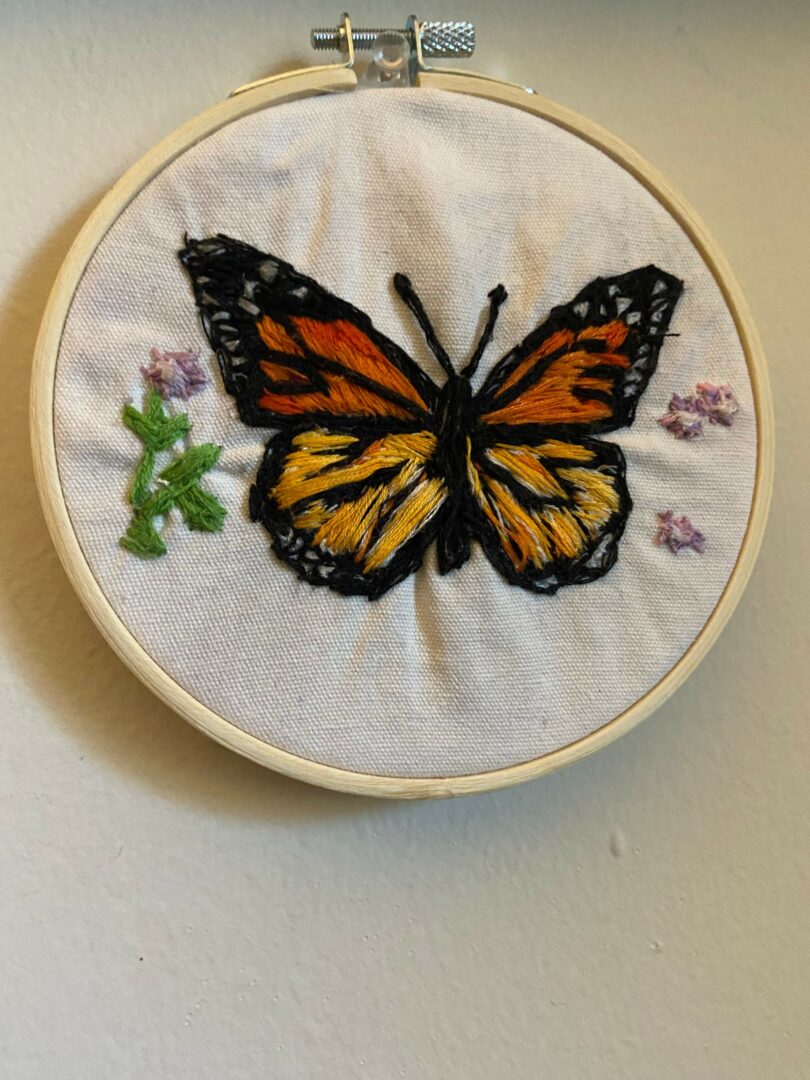
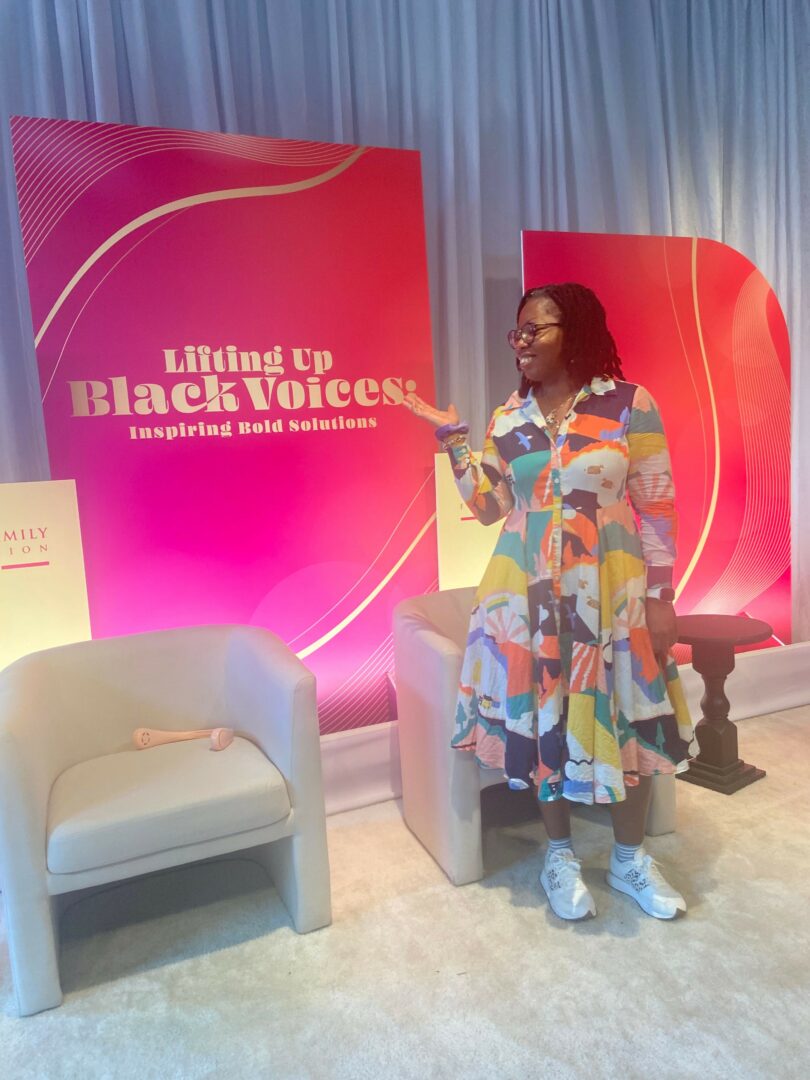
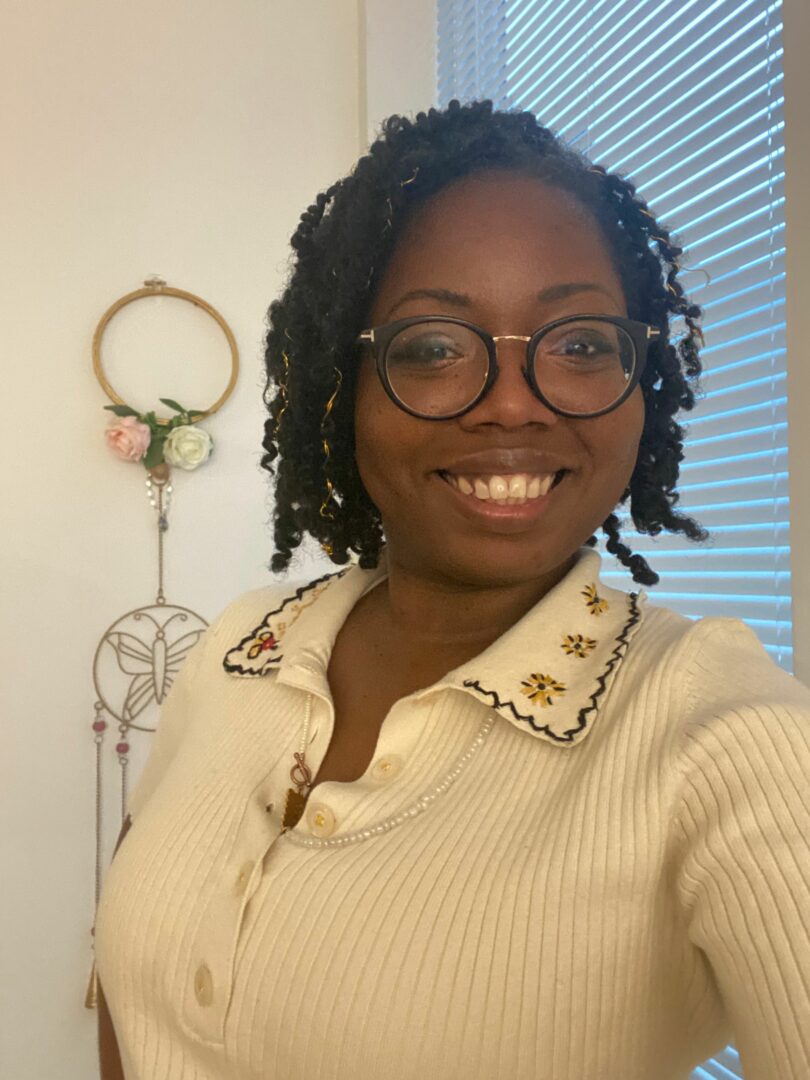
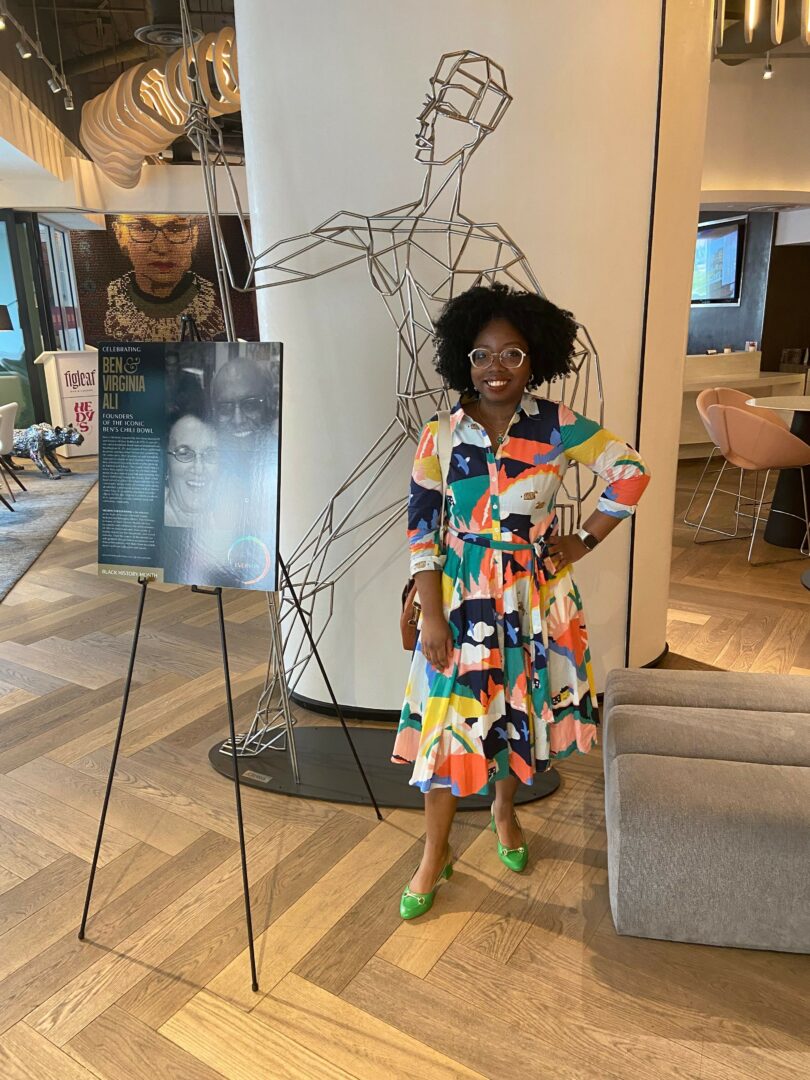
The next category is creativity. Creativity is a form of storytelling and as a science communicator, creativity is one of the ways I also make science accessible and engaging. Whether I’m wearing a colorful bold shirt dress inspired by Ms. Frizzle (one of my first favorite science television shows from childhood) or hand embroidering a monarch butterfly or producing a video for social media, creativity is at the forefront. Science does not have to be boring, long lectures, untouchable or distant. Science is everywhere and by introducing more creativity of science more people get to experience science joy. I love when I get to discover ways of making science fun and engaging and I hope others do as well.
The last category is curiosity. I am a lifelong learner and I encourage you to continue to learn as well. One of the great things I love about being a science communicator is that I get to learn daily, read research, translate it to the public and make engaging content about it. I make it a regular effort to explore new things to learn about science and develop new skills. This helps me develop ways to expand as well as engage diverse audiences. Even if you are not a scientist or science communicator you can start now. Just like how I mentioned earlier take time to reflect on what makes you stand out. What feels natural to you? What brings you joy? What is something that makes you feel inspired? What is your why? After spending time with yourself you will find the answers.
Okay, so before we go we always love to ask if you are looking for folks to partner or collaborate with?
Thank you for reading my BoldJourney Interview. As you have learned I am a Black neurodivergent woman who is a science communicator. I enjoy working with others on collaborative projects that align with my values, skills and interests. As a Black neurodivergent woman in STEM there are not many people who do what I do. I’m looking for people who share similar values of how to make science more engaging, accessible and fun. I’m also looking for people who value neurodivergence from a Black woman’s perspective.
If you are interested you can message me on Instagram, message me via my links on Linktree https://linktr.ee/tnscience and/or send me an email at [email protected] with the subject line: Inquiring about a Collaboration with The NEXT Scientist and include in the message field where you found me and a summary of your project. At the moment, I’m interested in paid collaborative projects and paid public speaking engagements on science communication, my STEM career journey, accessibility and neurodivergence. Also, to see more of my work check out my website: https://thenextscientist.com/
Thank you and I look forward to working with you. I hope you found my interview inspiring.
Contact Info:
- Website: https://thenextscientist.com/
- Instagram: https://www.instagram.com/the_next_scientist_/
- Linkedin: https://www.linkedin.com/in/mefeyini
- Youtube: https://tr.ee/vc4iZWZRLY
- Other: https://linktr.ee/tnscience
Email: [email protected]
Image Credits
1. Only the Pictures from the Walton Family Foundation- the ones that have Walton Family Foundation in the image come from this link below: https://www.waltonfamilyfoundation.org/stories/education/elevating-the-school-experience-for-students-of-color
2. Other Pictures – no credit needed
so if you or someone you know deserves recognition please let us know here.