Alright – so today we’ve got the honor of introducing you to Matt Bilfield. We think you’ll enjoy our conversation, we’ve shared it below.
Hi Matt, great to have you with us today and excited to have you share your wisdom with our readers. Over the years, after speaking with countless do-ers, makers, builders, entrepreneurs, artists and more we’ve noticed that the ability to take risks is central to almost all stories of triumph and so we’re really interested in hearing about your journey with risk and how you developed your risk-taking ability.
Risk comes in many forms as an artist whether it’s taking a leap on a bold new concept, building relationships with new galleries, investing in quality supplies and fabricaiton, or choosing to spend precious time creating art instead of pursuing guaranteed income opportunities. Every day brings a new set of decisions, each with its own balance of uncertainty and potential.
For me, the foundation of taking risks started with the security of a day job. It gave me the freedom to explore my art as a passion without the immediate pressure to monetize it. Over time, as my work gained traction and began generating consistent income, I felt more confident in making art my primary focus.
From a creative standpoint, risk evolves when others become part of the journey. Collaborating with galleries means finding that sweet spot between innovation and consistency. There’s a responsibility to deliver work that resonates with collectors and stays true to the style they expect, while also pushing boundaries and keeping the art fresh and exciting. It’s a delicate dance between honoring your artistic voice and meeting the needs of your audience.
Ultimately, risk is deeply personal and varies for everyone. For me, it’s been a process of time, trial, and error. Each experience along the way has helped me build the confidence to take calculated risks, ones that fuel my creative passion while ensuring I can sleep soundly at night, knowing I’m navigating challenges thoughtfully and sustainably.
Thanks, so before we move on maybe you can share a bit more about yourself?
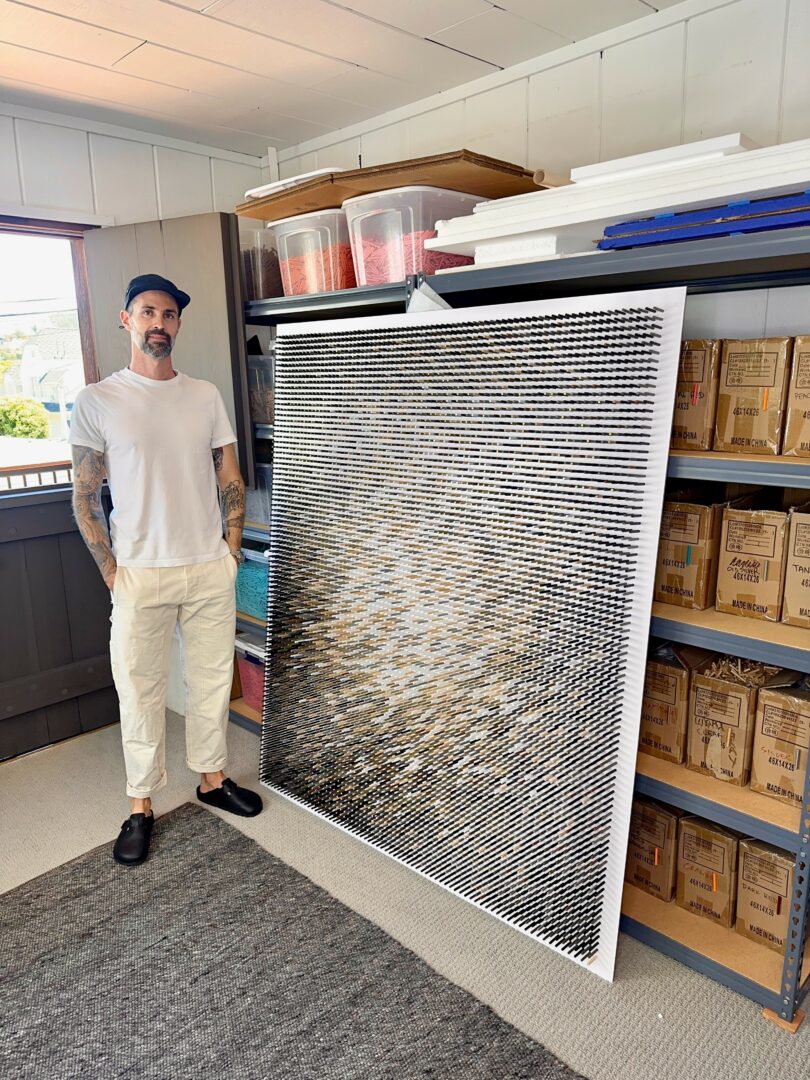
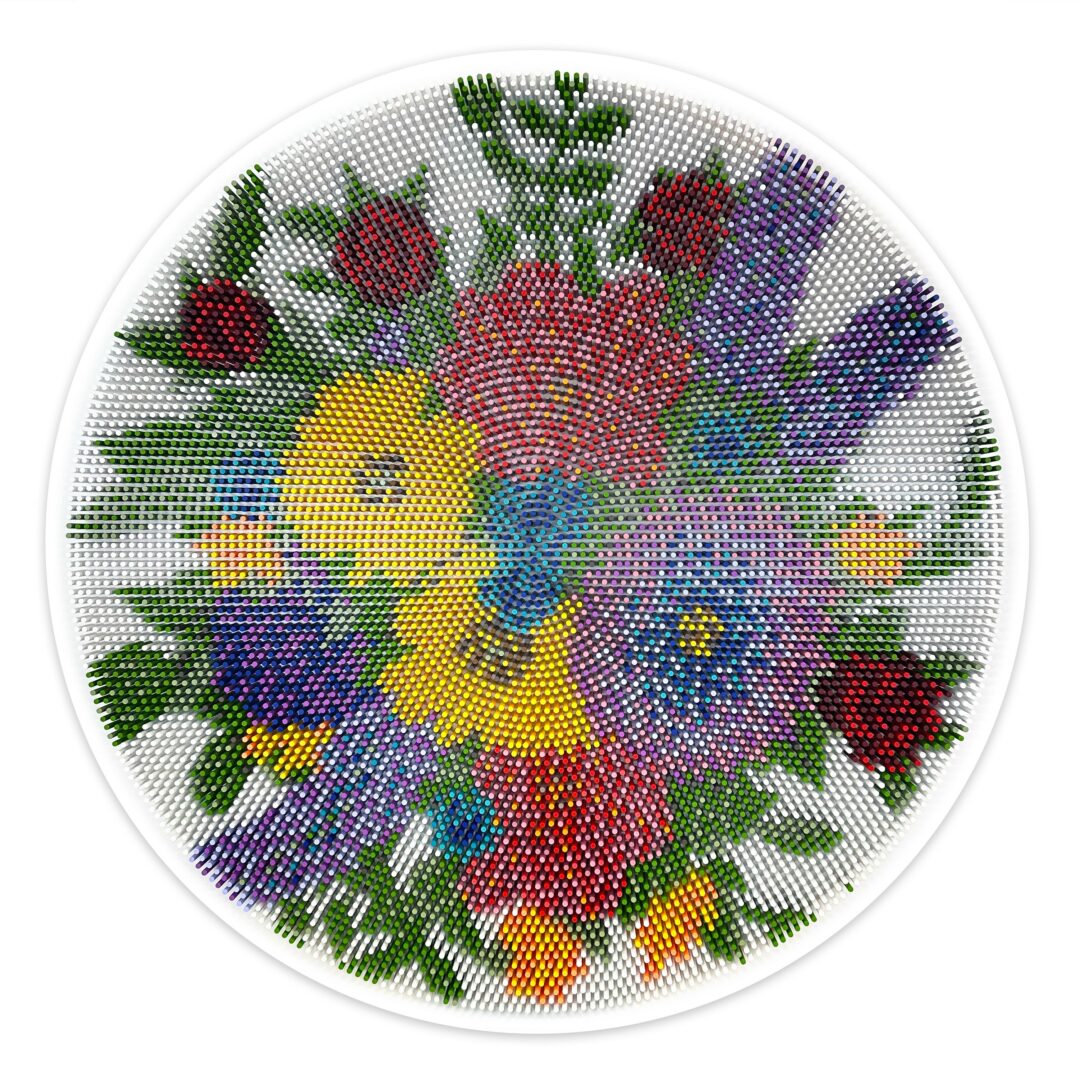
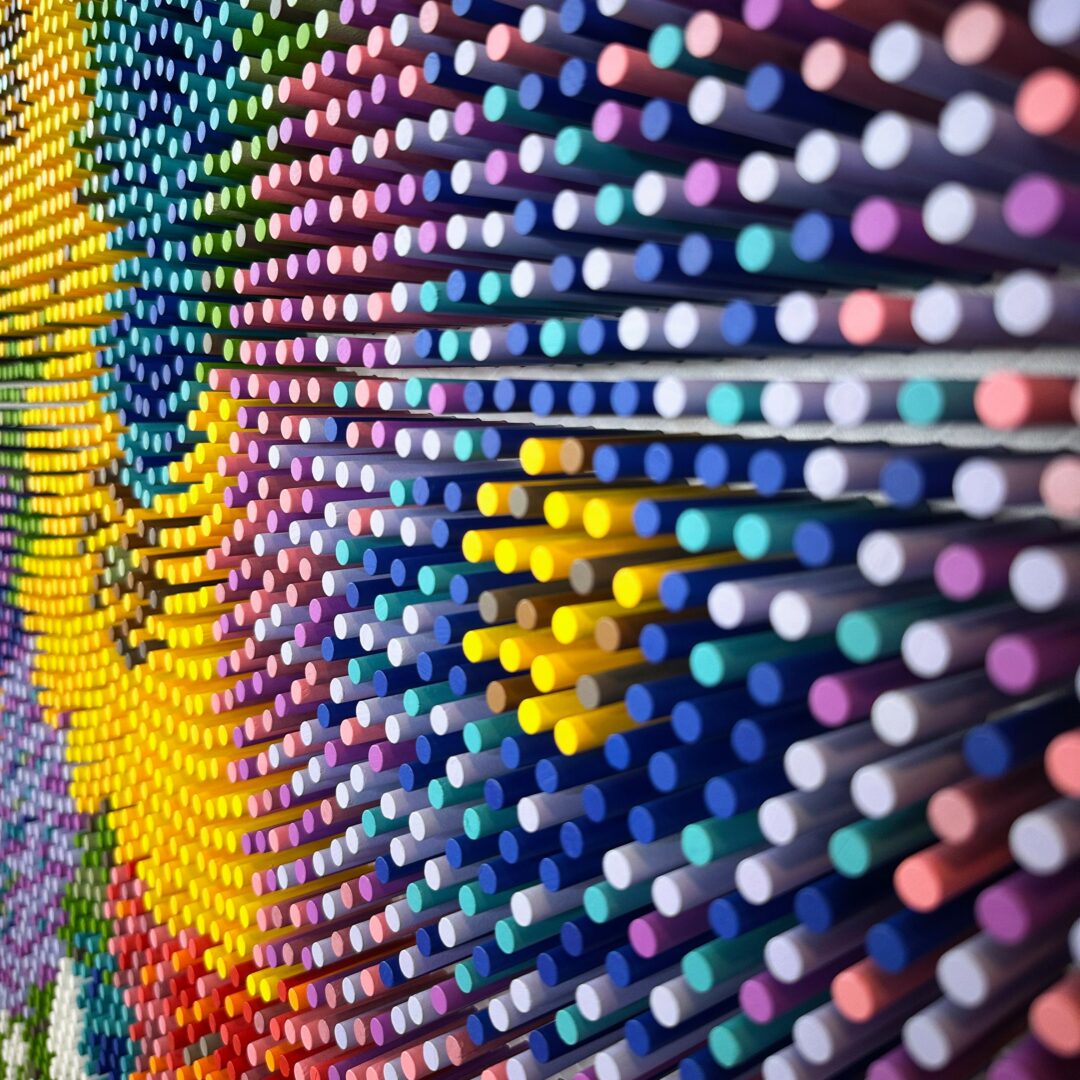
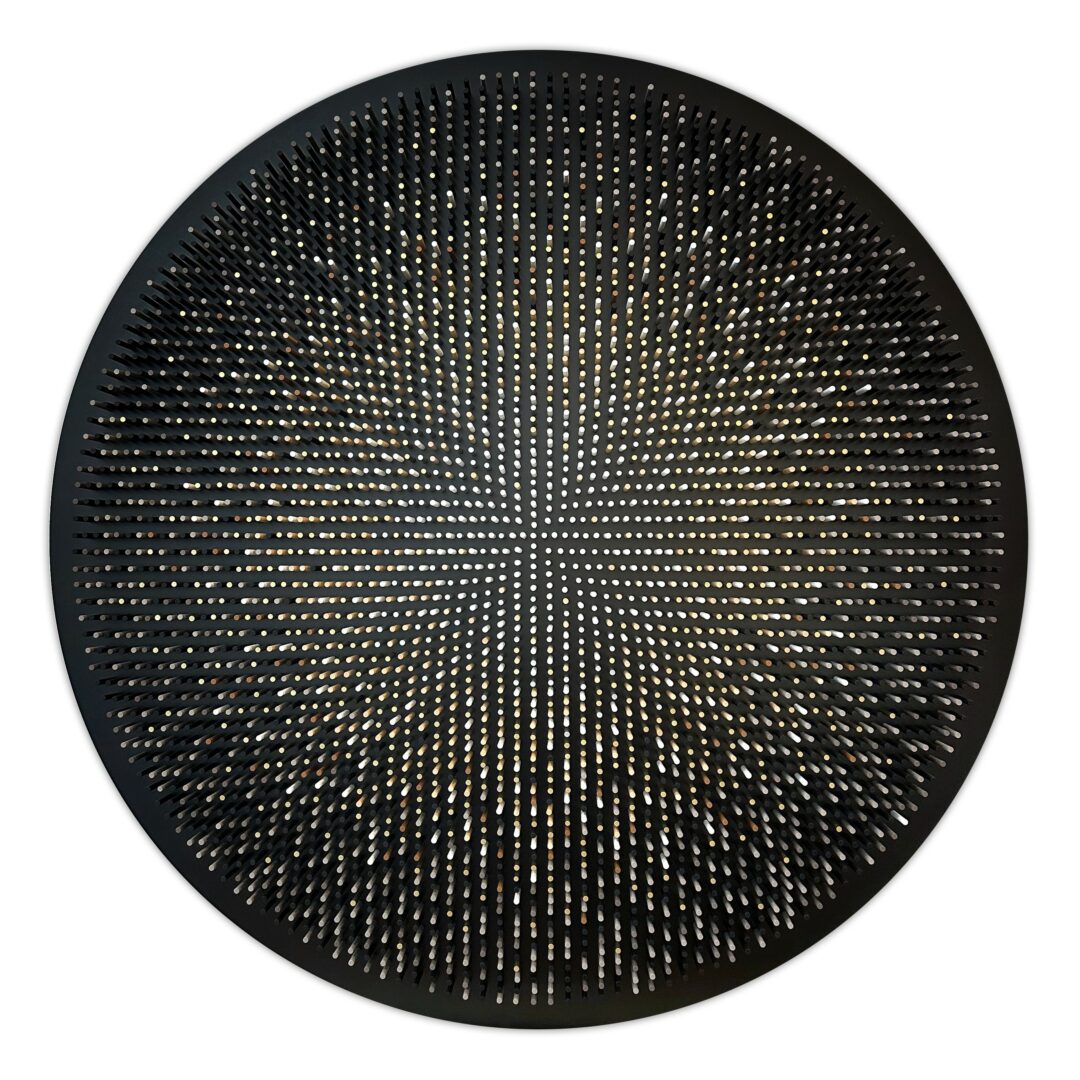
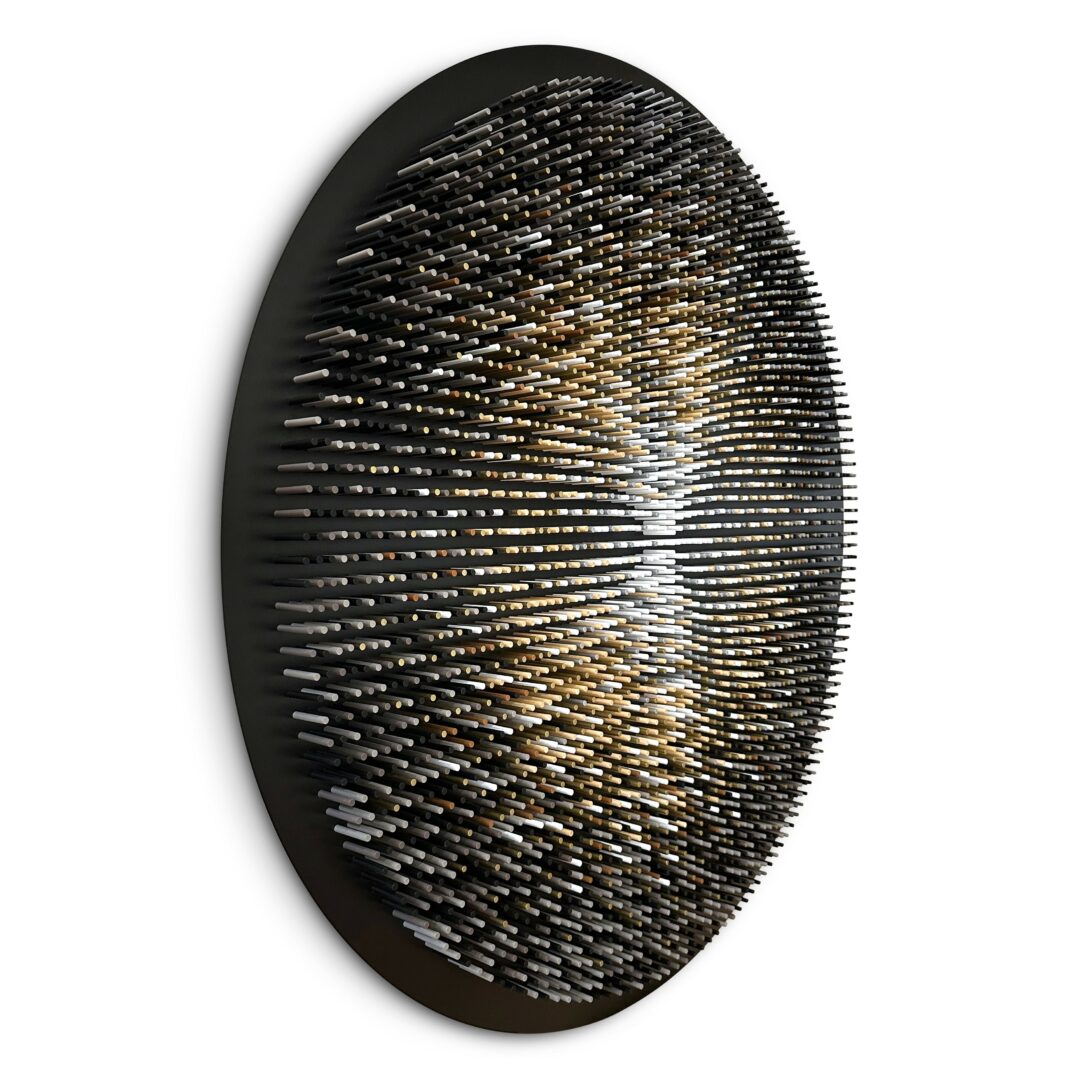
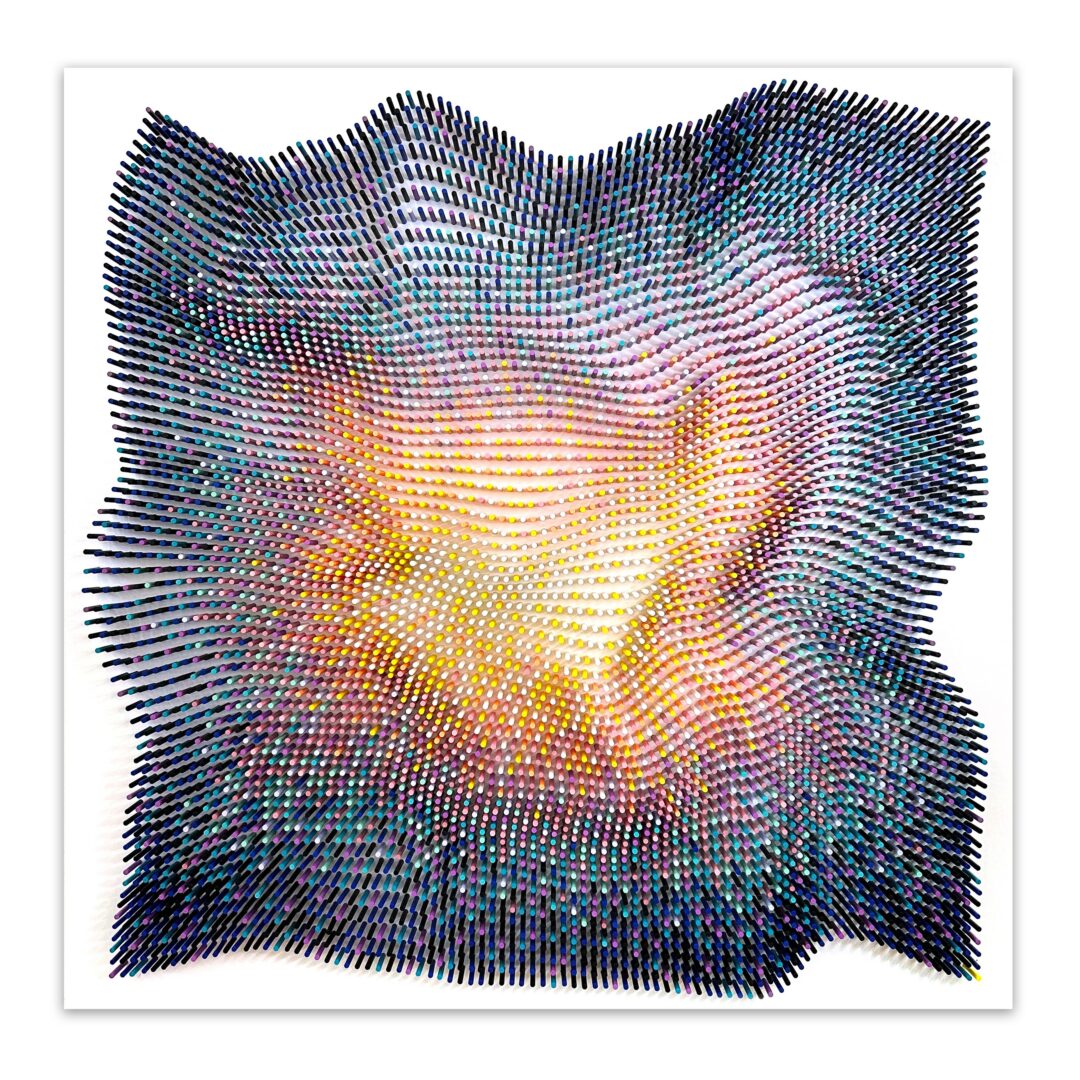
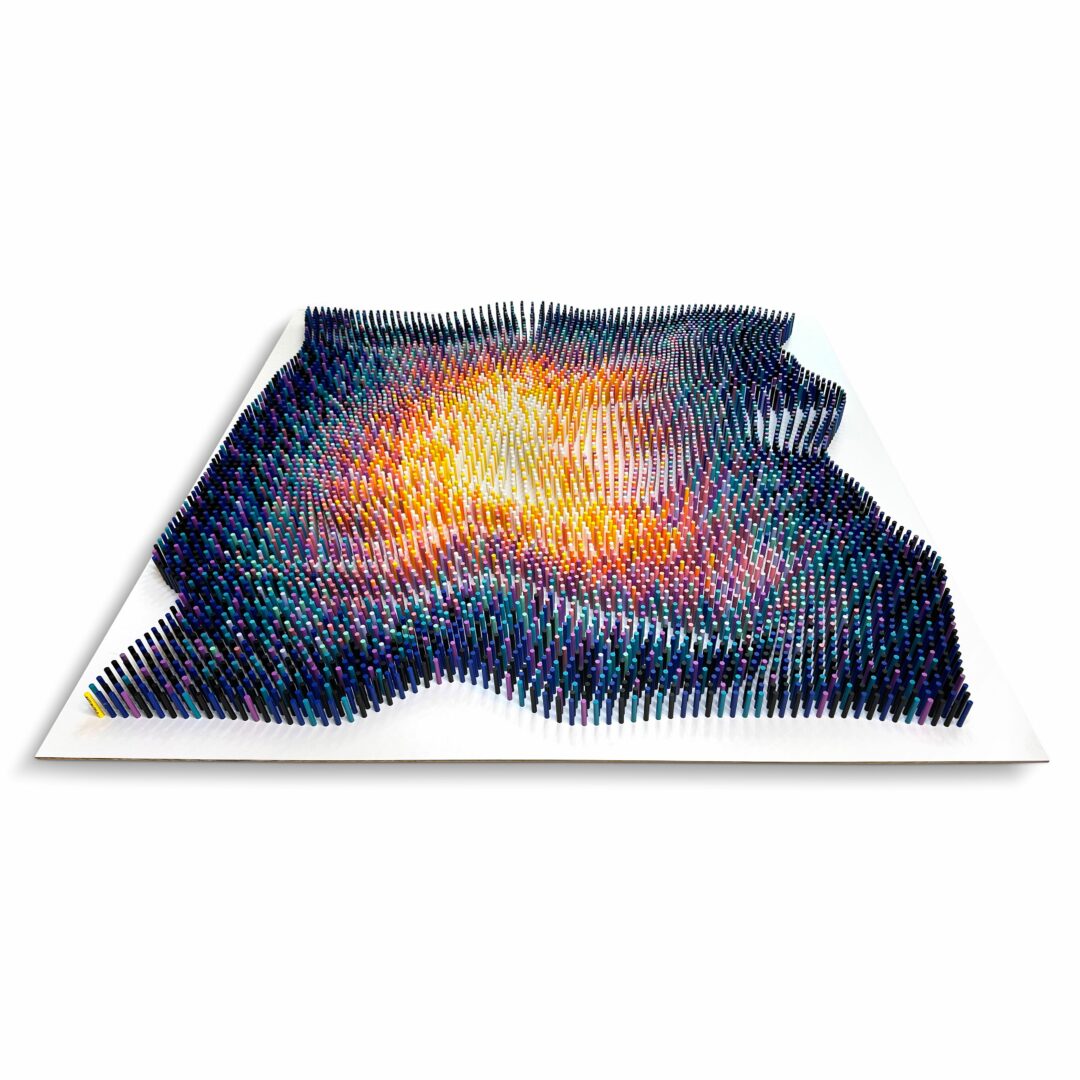
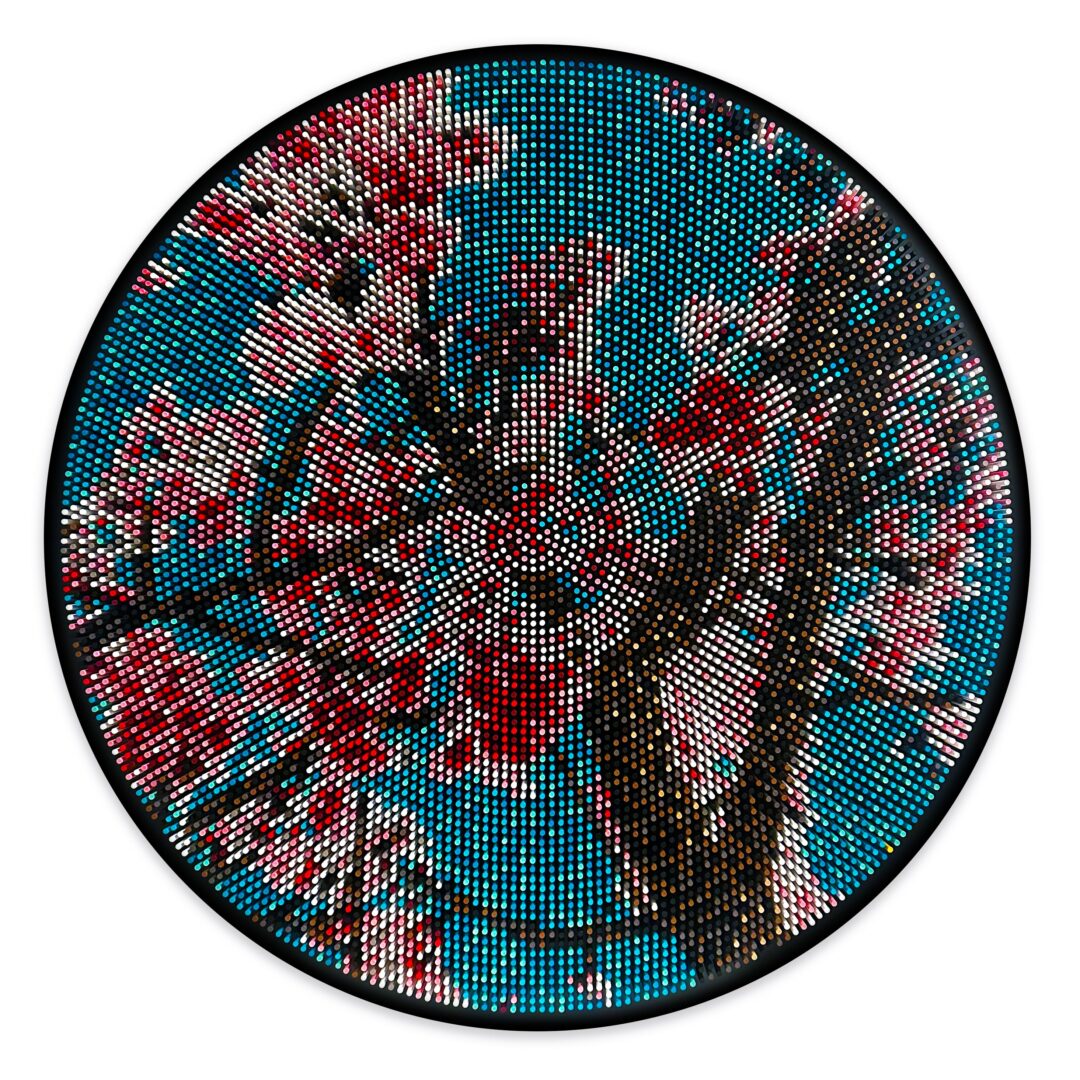
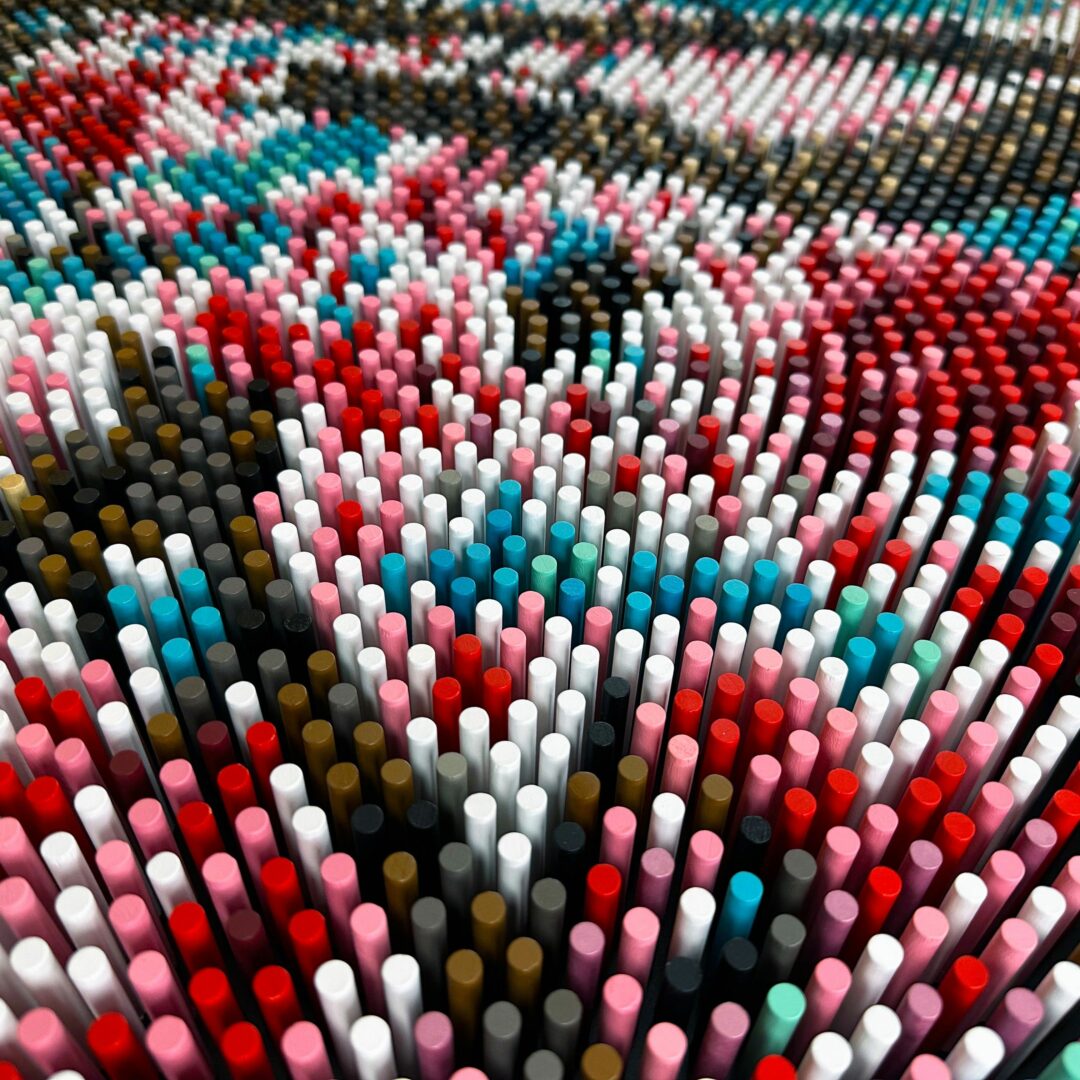
I’m an artist based out of Los Angeles, CA. I’m most known for my creations using thousands of painted wooden dowels and architectural plywood to make gradients of color, representational imagery, and using both space and texture to seamlessly take all the pixels and transform them into something that feels familiar and cohesive, intriguing and magnetic. Since the pegs jet out from the work, light, shadows, viewing angles and perspective all allow each viewer to navigate the pieces to find their favorite vantage points and create their own relationships with the art. My career has been a constant evolution in subject matter with the consistent medium being a unifying thread that has woven together nearly 2 decades of professional art practice. This year, I’m excited to have recently added 3 new galleries to my representation and look forward to reaching new audiences at JoAnne Artman Gallery in Laguna Beach, Chandler Art Gallery in Houston, and Woolff Gallery in London alongside the various other galleries my work is exhibited.
Looking back, what do you think were the three qualities, skills, or areas of knowledge that were most impactful in your journey? What advice do you have for folks who are early in their journey in terms of how they can best develop or improve on these?
While creativity, technique, and the ability to produce compelling art are undeniably important, the three qualities that have been most impactful in my journey as an artist are not strictly art-related. If you’re looking to build a sustainable career in art, I believe the keys are: 1) professionalism, 2) organization, and 3) the ability to understand and trust the advice of those who sell your work.
First and foremost, professionalism is essential. Whether you’re working with galleries, clients, vendors, or fabricators, being a reliable and respectful business partner is as important as the work you create. Galleries, for instance, serve as a bridge between artists and collectors- they gather feedback, share your story when you’re not present, make commitments on your behalf, and put in significant effort to sell the pieces you’ve poured your heart into. Delivering on promises, navigating business negotiations with integrity, and handling the less glamorous aspects such as responding to inquiries, negotiating prices, or managing consignment agreements are all part of building a strong, reputable brand. Your name isn’t just on the art; it’s on the entire experience that collectors and collaborators have with you.
Secondly, organization is crucial, especially as your career grows and the moving parts multiply. Tools like Google Sheets or Excel become invaluable for tracking expenses, inventory, and logistics- knowing what artwork is where, what’s available, what’s in transit, and what sales are paid or pending. You’ll need to manage studio costs, assistants, shipping details, and more. While this may not be the most glamorous side of being an artist, staying organized ensures that your creative process isn’t derailed by preventable logistical issues.
Lastly, one of the most transformative lessons I’ve learned is the importance of trusting and valuing feedback from those who represent and sell your work. Early in my career, I began working with Krause Gallery in New York. Over the years, their feedback played a pivotal role in refining my craft from addressing the weight and shipping challenges of my pieces to fine-tuning the spacing of pegs to enhance visual clarity, improving the durability of back panels for transit, and even adjusting color palettes to resonate with current trends. These insights weren’t just about making the work more sellable; they helped me evolve as an artist. The key is to check your ego at the door and view constructive criticism as an opportunity to elevate your art to new heights.
For those starting, keep in mind that being an artist isn’t solely about creating beautiful work, it’s about building relationships, running a business, and continually growing through feedback. Embrace the journey with an open mind, stay organized, and always uphold professionalism. These qualities will support your creative ambitions and ensure that your art finds its home in the world.
To close, maybe we can chat about your parents and what they did that was particularly impactful for you?
From the very beginning, my parents were incredibly supportive of my art practice. While they naturally had concerns about the financial uncertainty that comes with a creative career, they never let that overshadow their belief in me. They provided perspective when I needed it most, even if it wasn’t always what I wanted to hear at the time. Though I didn’t always take the suggestions, their support showed up in countless other ways- offering up their walls for art storage, helping me navigate sales negotiations and studio leases, bringing their friends to my openings, and stepping in whenever I needed an extra pair of hands.
I’ll never forget how my mom loaded the truck with me for my first solo show in LA or how my dad would drop everything to help me move a massive piece in the studio. To this day, I don’t think I’ve ever sent them a photo of new work without getting a positive response, even if I’m sure they’ve had quiet doubts here and there! Their unwavering support and encouragement have been the backbone of my journey, and I truly couldn’t have done it without them.
Contact Info:
- Website: https://mattbilfield.com
- Instagram: @mattbilfield
- Twitter: @mattbilfield
- Youtube: @mattbilfield
so if you or someone you know deserves recognition please let us know here.