We were lucky to catch up with Matthew J Shobert recently and have shared our conversation below.
Matthew J, sincerely appreciate your selflessness in agreeing to discuss your mental health journey and how you overcame and persisted despite the challenges. Please share with our readers how you overcame. For readers, please note this is not medical advice, we are not doctors, you should always consult professionals for advice and that this is merely one person sharing their story and experience.
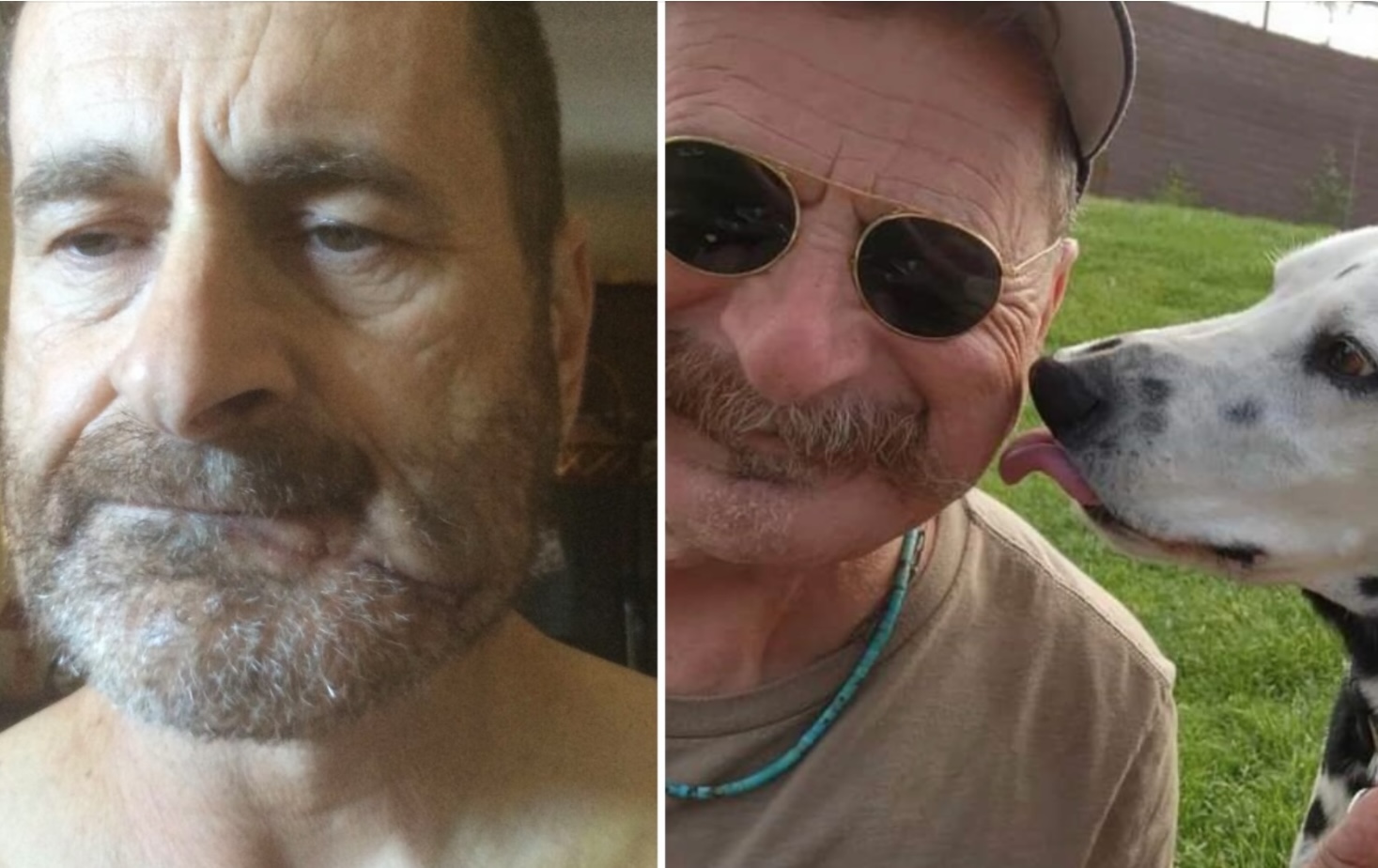
As the youngest of four children in a family full of alcoholics and narcissists, I learned at a very young age, how to fend for myself, despite my relentless guilt for things far beyond my control. My parents were both functioning alcoholics. My mother would wash down her nerve pills (Valium) with a can of beer. My father would verbally abuse my mother and me. Both older brothers married young or joined the military. My sister moved in with a high school friend at 16. So, for nearly a decade it was me and my abusive and neglectful parents. My rugged upbringing, of neglect, abuse, and abandonment would eventually make me a strong fire service candidate. The caretaker and fixer! However, after swearing I would never drink like my parents, at 22, I checked myself into a drug and alcohol treatment program, much to the dismay of my parents. I had embarrassed them. After getting clean and sober, I applied to become a firefighter. Thankfully, in 1985 records, bad records were not as readily available as they are today, and I made it into the fire academy! It was difficult for me, but the discipline, structure, and sense of purpose was just what I needed. I became a good fireman. I became extremely fit. I became a weight lifter, a runner, a cyclist and a swimmer. I loved my new calling. I had begun a successful career, was in great shape, doing good and being good! I never could impress my parents, but I tried. I went back to college. I had flunked out, a few years earlier – due to partying in 1981. I would eventually get my associates degree, bachelors, then masters degrees over the next 15 years. I attended advanced firefighter training. I quickly progressed through the ranks… firefighter, engineer, captain, battalion chief, while in Tucson, AZ. All while attending college, advanced fire training, and competing in local triathlons, and road races. In 2000, I took a job in Sedona as their Deputy Fire Chief. Four years later – I was their Fire Chief. Eight successful years in Sedona, I was recruited to Southern California to become Fire Chief in Hemet, CA. After three years in Hemet, the neighboring city of Murrieta recruited me to become their chief. In my third year there, I was nearly killed in the line-of-duty. While over-seeing a brush clearing operation, due to extreme fire weather, a commercial brush-mower launched a fist-sized rock approximately 55 yards striking me on my left jaw. The impact blew off most of my lower mandible, and rattled my brain. I fell unconscious to the ground, again striking the frontal portion of my skull. My recovery was brutal! Multiple surgeries, brutal pain, forced retirement, and thoughts of suicide – with a plan.
Fire Service suicide is quite common. More firemen die from suicide than in the line-of-duty.
In a split-second, I suffered a career-ending injury – that left me unable to work, and changed who I was. I was lost without my career, job, my IDENTITY! Suicide – became a viable option, a way out, a method to end the despair. I have many colleagues who chose this route, or even worse. My injury left me bed-ridden for several months, and my demos, steadfastly out-paced by my career successes, had finally caught up with me. They were relentless. My abusive childhood, and busy fire career left many ghosts ready to come out of hiding. My plan – get drunk and jump off the Coronado Bridge. Seems ignorant now, but in 2014, it became an option.
I have since learned to – “STRUGGLE WELL,” – and even occasionally – thrive. This was accomplished through white-knuckled hard-work, regular setbacks, brutal honesty, on-going thoughts of killing myself, and chronic vulnerability, – and a myriad of treatment modalities and positive life choices. And a keen realization that I didn’t want to die a young failure, like most in my family.
First-Responder Suicide, PTSD, Depression, Anxiety, Despair – continues to be a huge and growing fire service problem. I have been there.
On July 2, 2014, 08:30 AM, I awoke face-down in the Southern California High-Desert. I was overseeing a brush clearing operation. The last thing I recall was checking my Garmin weather device, to get current ambient temperature, humidity and windspeed. Waking face-down, in a pool of my own blood, alone in the desert, realizing my lower mandible/face/head had been blown off – I thought I had been gunned down. I struggled to stuff a shirt into my face and held my face together – as I radioed a ‘Mayday’ to my crew. They arrived a few minutes later to continue life-saving measures. I would soon be air-lifted to a nearby Level-1 Trauma Center, in ultra-critical condition. My physical recovery involved over 200 procedures, and eventually lead to a TBI/PTSD diagnosis. A few months post-injury, even with my miraculous recovery, I became depressed and suicidal – with a plan.
In the 10-years post-injury, I have learned to ‘Struggle Well.’ There are no short-cuts. I learned that many of my earlier successes and accomplishments had to do with me staying busy, to stay ahead of my childhood, substance abuse and fire service demons.
There are many pitfalls. It takes hard, relentless work, and support from your small circle of family, friends and co-workers. I have completed nearly every treatment-method for PTSD imaginable. The treatments – all-together – helped; these included: Counseling, Meditation, Hypnosis, Reiki, Craniosacral, Journaling, Prayer, Psychiatry, Medication, EMDR, Native American Shaman, Equine Therapy, etc.
Substance Abuse, and Spousal Abuse – would still come into play. An eventual 7-day stay at a Southern AZ, Combat Veteran’s PTSD Camp, with 18-months rigorous follow-up, would point me in a positive direction. I was the first, first-responder accepted into this program. Ten years later – since my injury, I am contented. I have a good marriage, and life is good. Now, I have decided It is time to share, pay-it-foward, and give-back. For the past three years I have traveled the country, with my wife and service dog, speaking at conferences and fire stations to share my story of recovery, perseverance and success, with the ultimate goal of saving one firefighters life!
Let’s take a small detour – maybe you can share a bit about yourself before we dive back into some of the other questions we had for you?
I have been retired for over a decade now. It has been awkward, at best. Going from an adrenaline junkie to couch potato in a split-second is a tough transition. At 63, after a 30-year fire service career, 25-marathons, 50-half marathons, five Ironman Triathlons, and all the associated training, my shoulders are shot, my body is sore, but my resolve is strong!
As previously mentioned I regularly speak all around the country. Vulnerability is strength. Secrets kill. Hard work – works!
My wife of 35 years stood by me. My service dog “Butters” is going on 13, and he is not well. He deserves a good final term. He saved my marriage and my life. He is pure magic. I love him.
Last year I wrote my memoir, available on Amazon.
<b><i>A Little Help Here!: WAITING FOR RESCUE! Alone and Dying in the California High-Desert and A Lifelong Journey of PTSD and Trauma Recovery</i></b> <i>- is the inspirational and harrowing memoir from debut author, and former celebrated fire chief, Matthew Shobert, which follows his transformative journey of recovery after a near-fatal accident which resulted in brain damage, extensive surgeries, and crippling PTSD.
From heartbreaking stories of traumatic calls he has experienced as a life of a firefighter to the gripping retelling of the moments that led up to the frightening event that changed the course of his life and set him on the road to recovery, Matthew’s story is one of courage, perseverance, and hope. As Matthew navigates the challenges of physical and psychological recovery, readers will witness the transformational impact of seeking help and embracing the support from others.
Through the narrator’s voluntary participation in both Eastern and Western programs for recovery, and reflections from his beloved wife, Tami, readers gain insight into the complexities of trauma and the importance of compassion, understanding, and self-care. With heartfelt wisdom and practical advice, the book offers guidance for firefighters and anyone else who is struggling with PTSD and traumatic brain injuries, in hopes that this book can inspire readers to embark on their own journey of healing and hope.
“A Little Help Here!” is a testament to the resilience of the human spirit and the power of community, and a canine companion, while on the road to recovery. Readers will find a heartfelt story that encourages everyone to confront their challenges, seek support, and find hope even in the midst of darkness.</i>
Looking back, what do you think were the three qualities, skills, or areas of knowledge that were most impactful in your journey? What advice do you have for folks who are early in their journey in terms of how they can best develop or improve on these?
Perseverance, tenacity and courage! Life will eat you up, if you let it. Most folks achieve the bare minimum to get by, and think they have struck gold! Then spend their lives steeped in mediocracy.
Raise your bar. Set goals. Achieve them! Where do you want to be in five years!? Adjust this five year plan every three years!
We get one chance at life; take it! Never settle. “Luck is the residue of design!” -unk.
Looking back over the past 12 months or so, what do you think has been your biggest area of improvement or growth?
My writing and speaking about my challenges has changed my life in a good way. I think I am helping others, too. This outreach is also helping me! It fills my cup! It gives me a renewed sense of purpose.
I easily get bored, and boredom is dangerous for people like me! I am thinking about another book. I am fine-tuning my next presentation, and I work-out as I am able. I love my dog – hard!
I cannot stay bored or become stagnant! It is the wide road to trouble. Narrow is the path that leads to life. – Matthew 7: 13,14
Contact Info:
- Facebook: https://www.facebook.com/ButtersthePTSDfiredog
- Linkedin: https://www.linkedin.com/in/matt-shobert-ma-efo-cfo-mifiree-ironman-coach-ironman-6aa40934/
- Other: https://www.amazon.com/Little-Help-Here-California-High-Desert/dp/B0CVSQD3M5/ref=sr_1_1?crid=12QSHB8P30HN9&dib=eyJ2IjoiMSJ9.Cm5r6LEssxe5Wgu8_raoiZ0ceL-iKNI6NKzGe2e5t6FPnclEYTT4sane8WPejQczrQHTyA02zFt3Fte7Y-scfgyHEV5cDmcj8vkMbjQj7friOZ2J9xcPgZl4hvRFE1jW9dsfDWwAs9-ahDOTWmWAoBPmBI8hHV3mwGRMpD2L9i6gUwpAPovKXbGPpEK7ihN2hskYa5lUm-ijbFUIpO-ljXSm1vMMdJqTBsQv8sRt0Ao.jcSE9NUt5Ey0nqaqGGTC7BfCvDcvkVEFVnD8XEP0oao&dib_tag=se&keywords=a+little+help+here+book&qid=1764820107&sprefix=%2Caps%2C145&sr=8-1
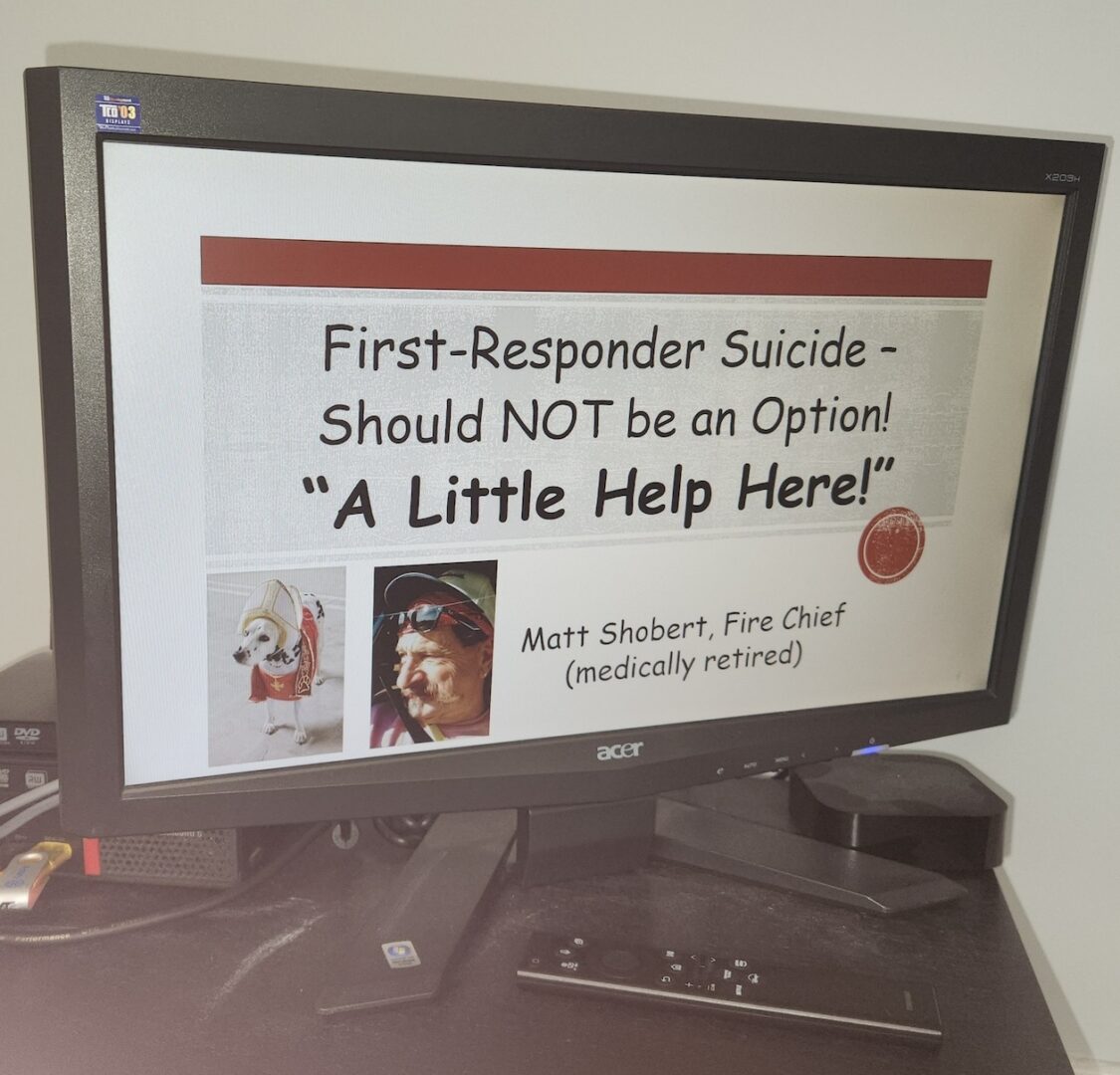
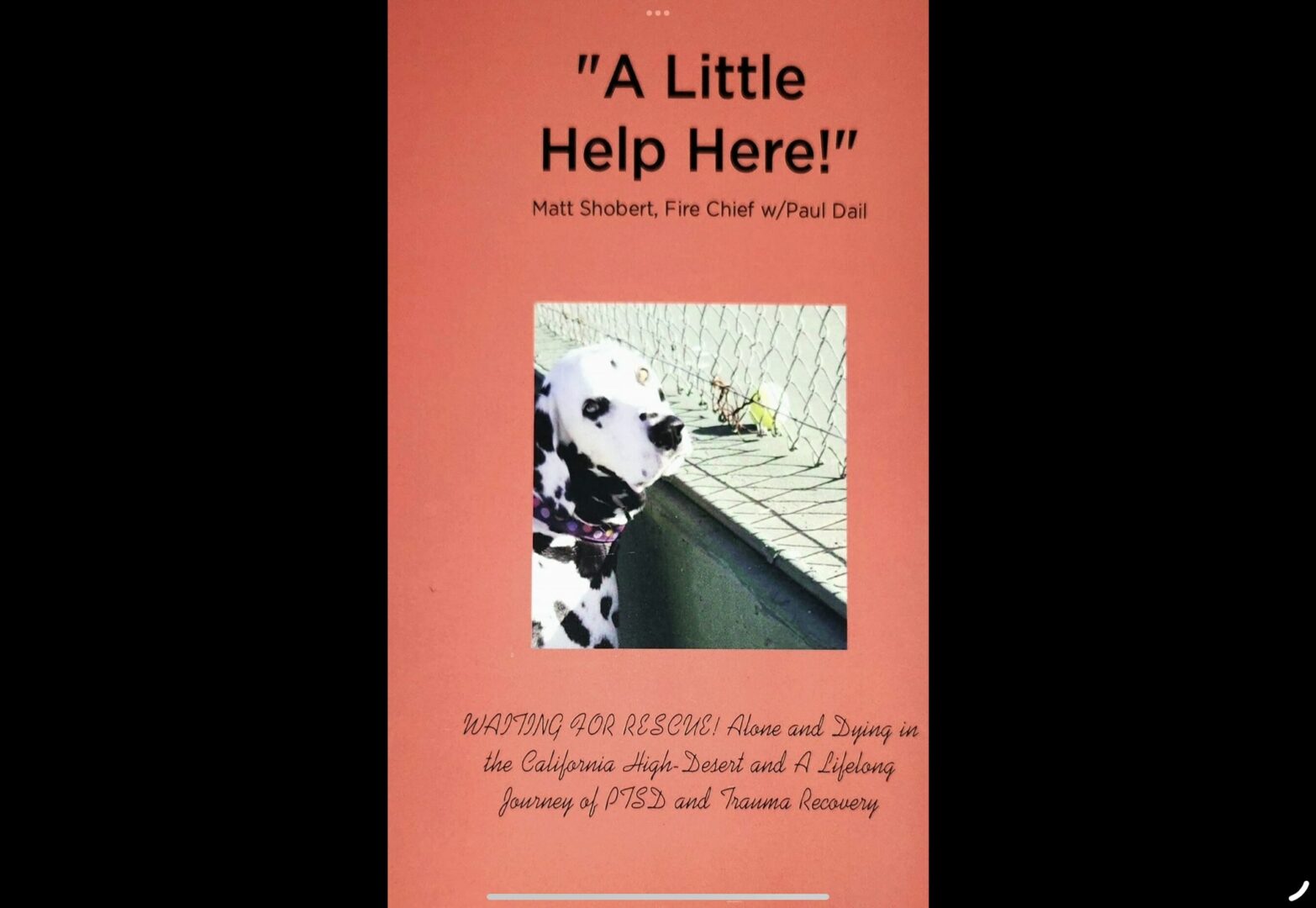
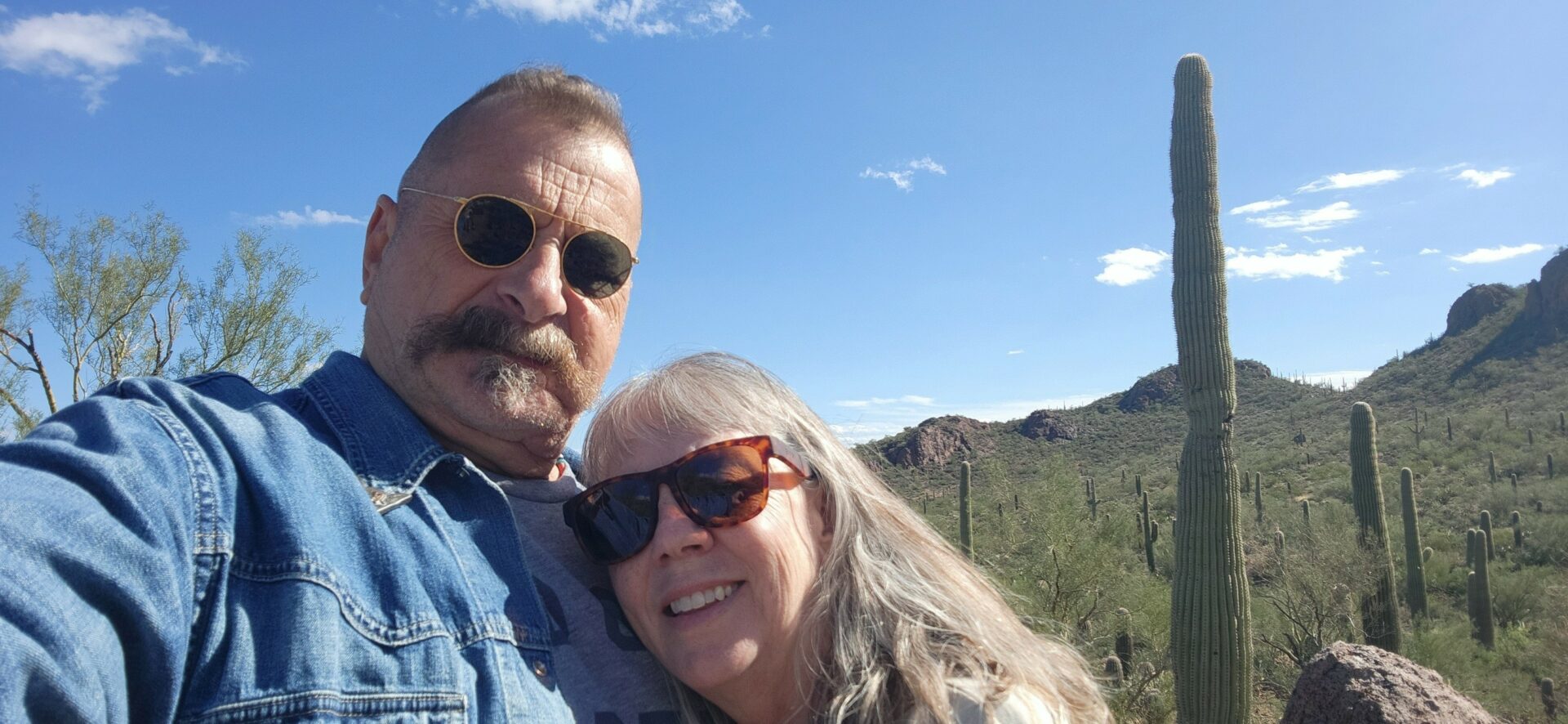

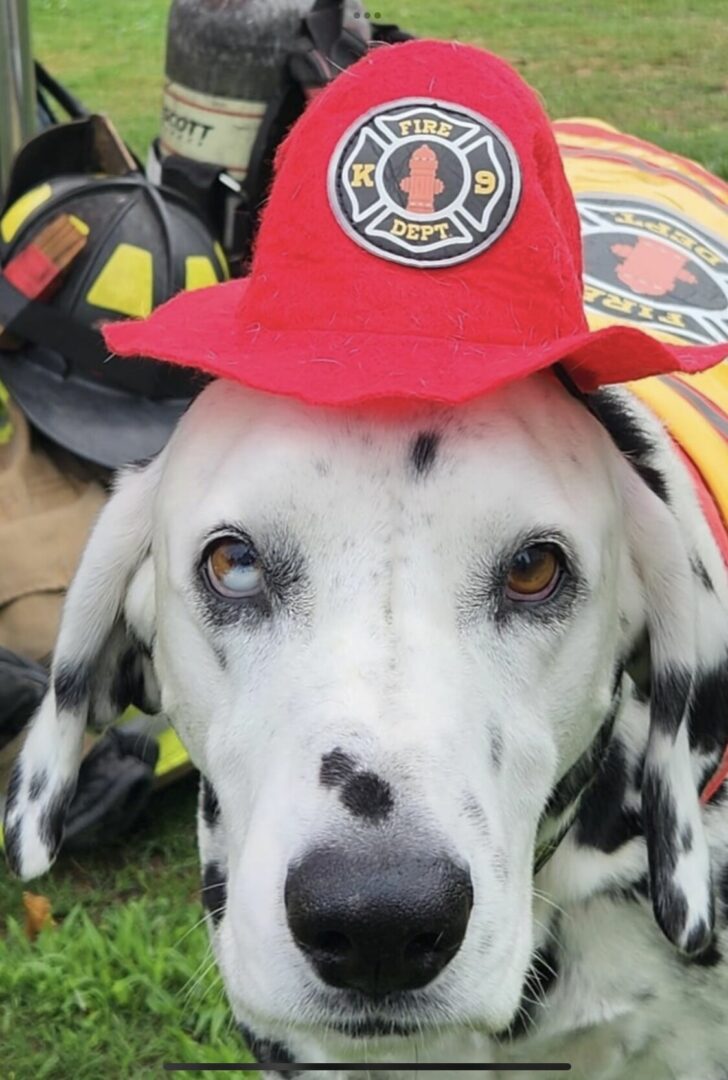
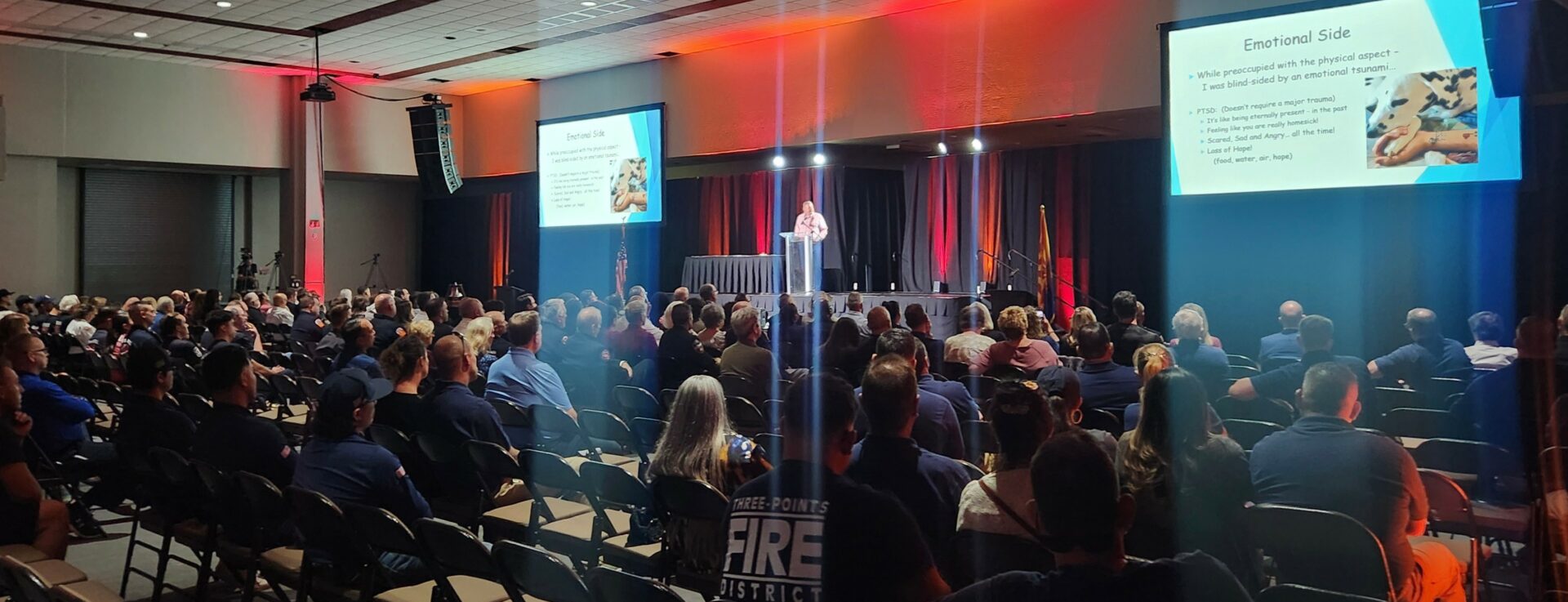
Image Credits
All photos are mine.