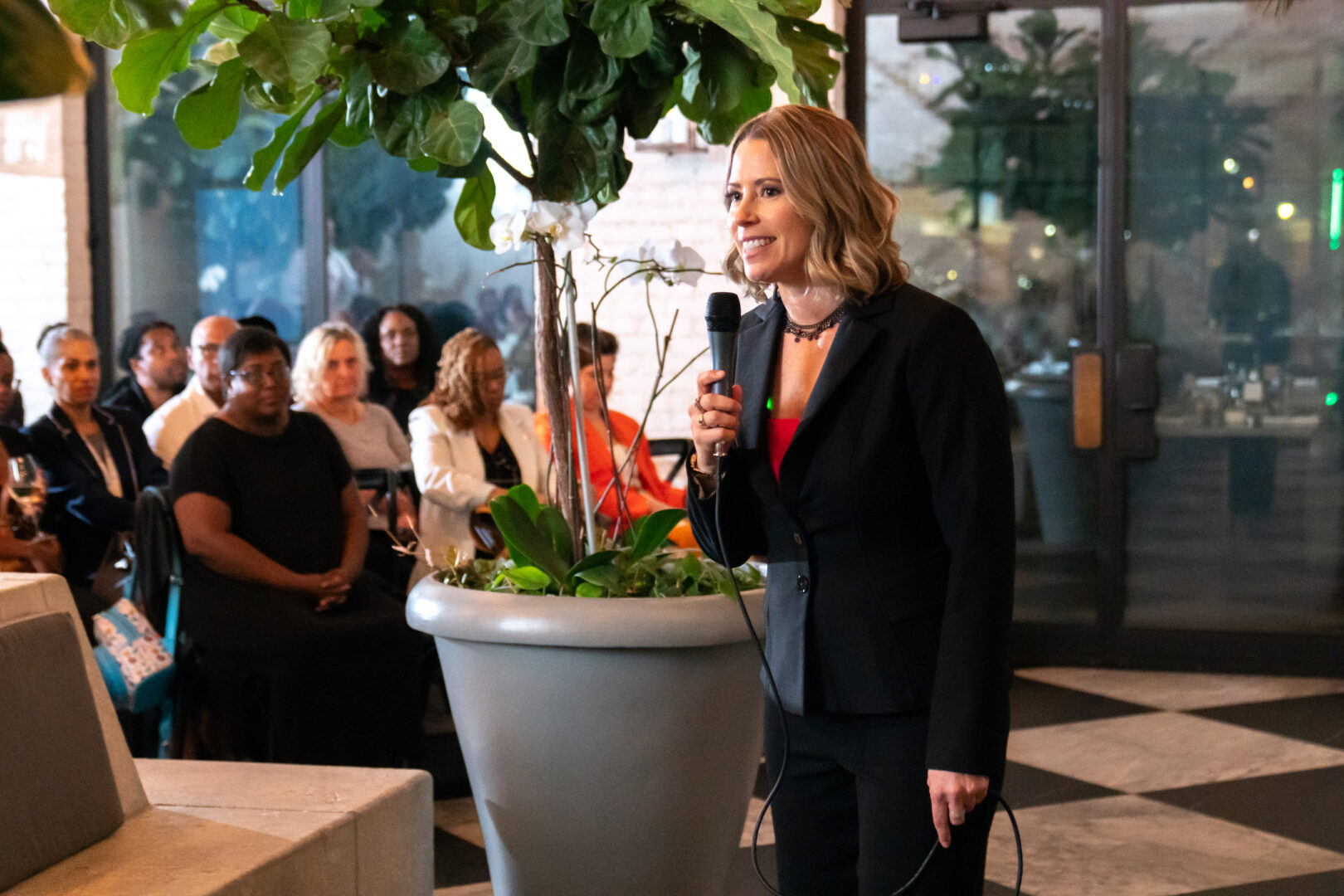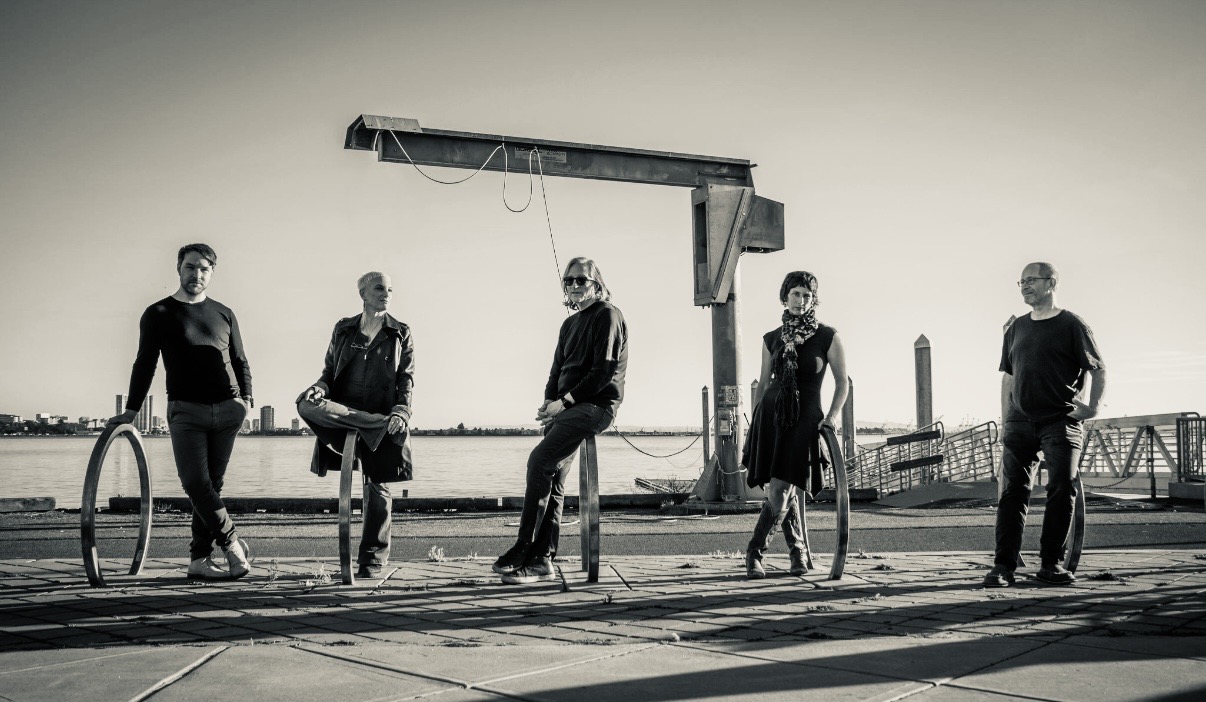
We caught up with the brilliant and insightful May Lee-Yang a few weeks ago and have shared our conversation below.
May , so good to have you with us today. We’ve got so much planned, so let’s jump right into it. We live in such a diverse world, and in many ways the world is getting better and more understanding but it’s far from perfect. There are so many times where folks find themselves in rooms or situations where they are the only ones that look like them – that might mean being the only woman of color in the room or the only person who grew up in a certain environment etc. Can you talk to us about how you’ve managed to thrive even in situations where you were the only one in the room?
I’m an Asian woman living in the Midwest, so when I was growing up, I was often one of the few Asian, Hmong, People of Color in the room. That meant that sometimes I was ignored. Or people questioned if I was in the right room. Or I was asked to speak for a whole group of people. But mostly, I learned about what it means to show up as a compromised version of myself–essentially, to be invisible. Because of this, I spent the second half of my life creating spaces where I and other people can show up as their full selves regardless of who they are and where they come. At my company, Mayhem Games, our vision is that one day, no one will fight to be seen. I truly believe that. These days, when I show up in a room where I am the only person who looks like me–whether that be my identity as a woman, Person of Color, Asian, Midwesterner, artist–I know that part of my job is to advocate for others who may still struggle to be heard and seen. This can be as simple as inviting someone quiet to share their thoughts or reminding the room that someone else has had their hand raised for a while. Or questioning who’s not in the room and why that is.

Let’s take a small detour – maybe you can share a bit about yourself before we dive back into some of the other questions we had for you?
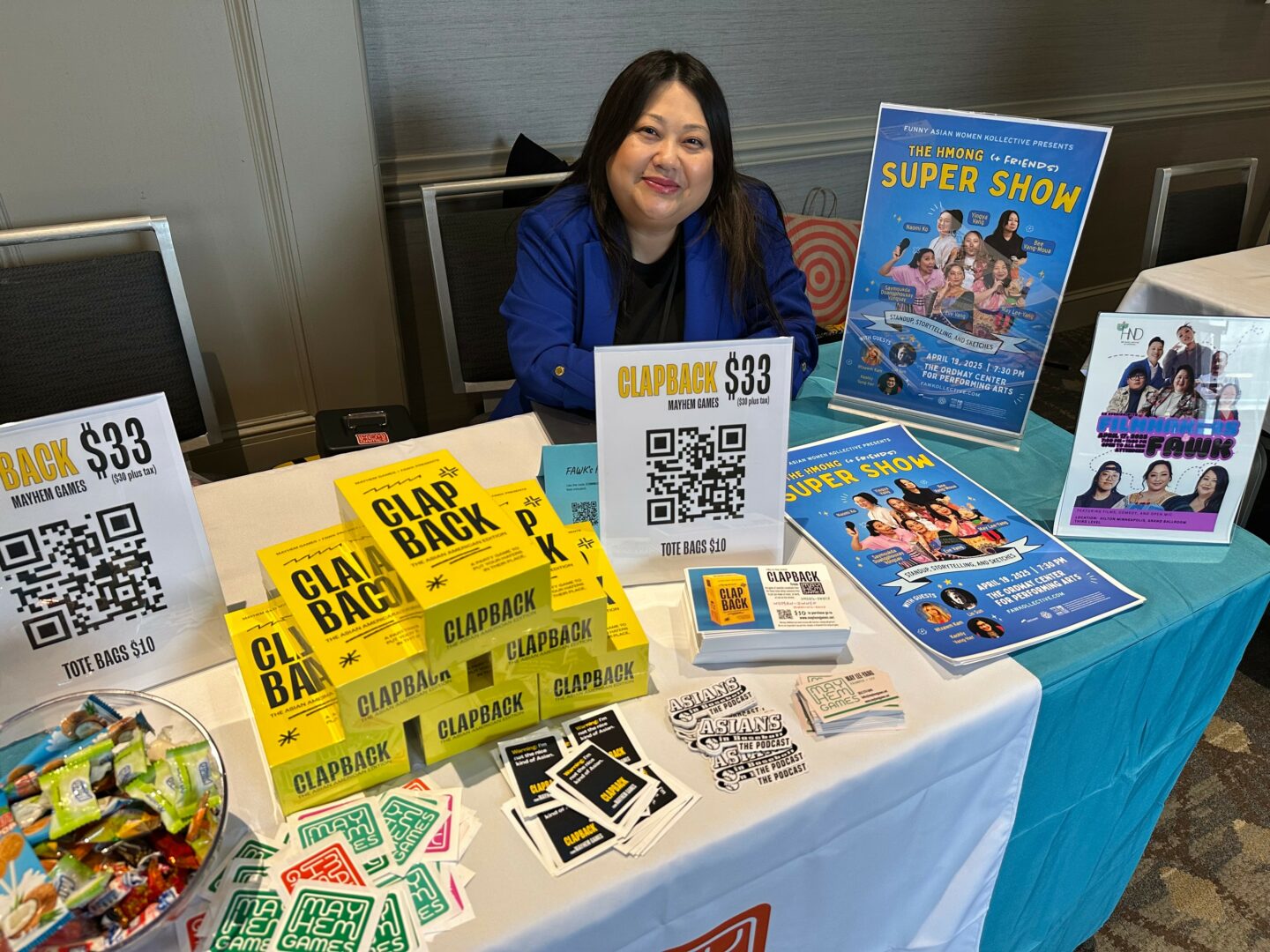
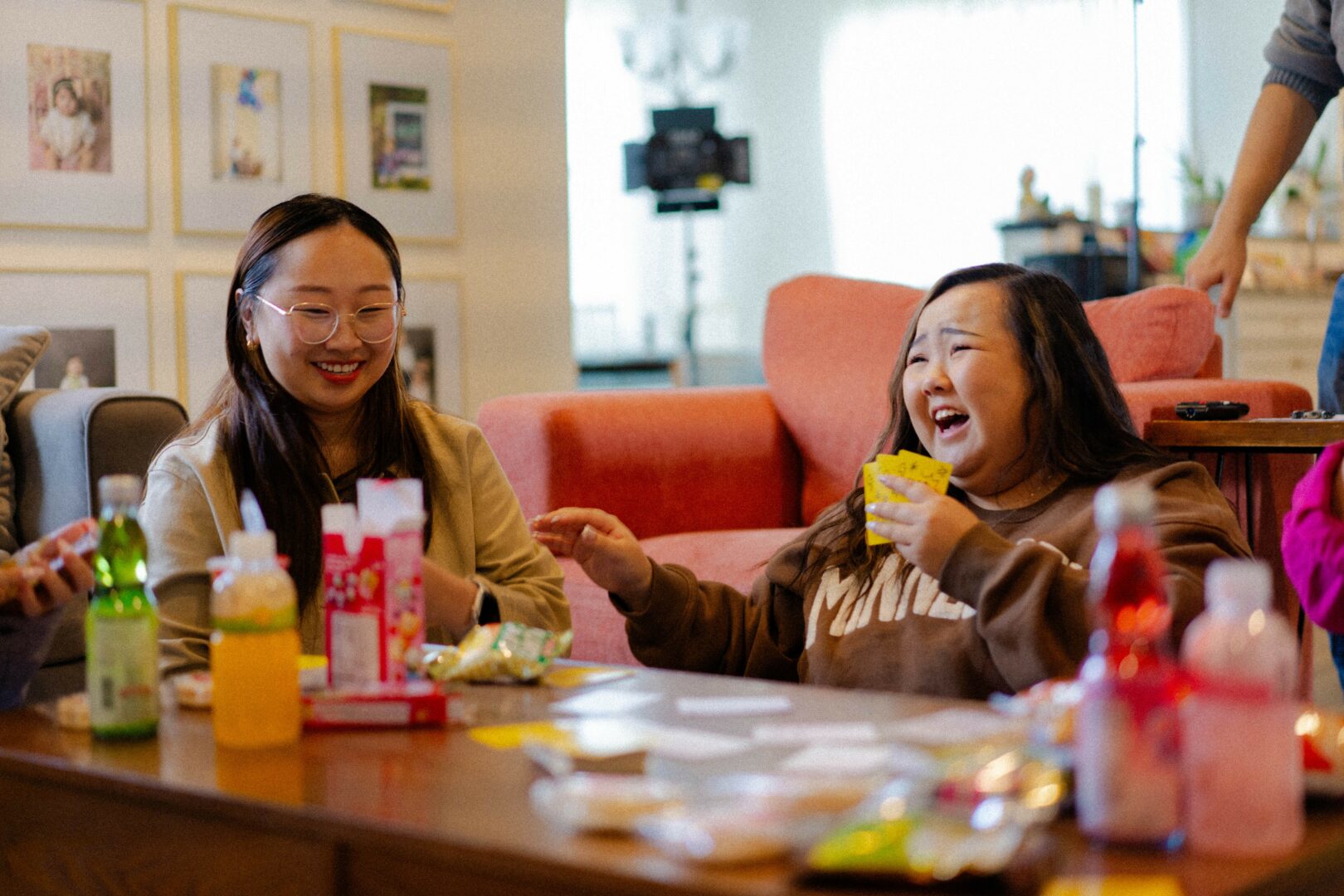
In 2024, I started Mayhem Games (yes, a play on my name). Our mission is to make card and board games that elevate Asian Americans from sidekicks to heroes, so they can POWER UP–on the tabletop and in real life. All my life, I’ve witnessed how Asians in the United States have been treated as outsiders or are just ignored–at school, work, entertainment spaces, and as consumers. The lack of representation has led to misconceptions about who we are or Asians hiding parts of themself in order to survive. I’m on a mission–in my work as a writer, performer, and game company–to center Asian American experiences and lead with joy. Our first game is called Clapback: The Asian American Edition, a game that uses comedic comeback lines to put haters in their place. It’s essentially a game of standing up for yourself and laughing with community along the way. I have plans to develop other versions of Clapback for the workplace and for youth as well as other types of games grounded in Asian cultural pride. But this is where we begin the journey.
If you had to pick three qualities that are most important to develop, which three would you say matter most?
It’s so important to give yourself permission to evolve. As an artist, I write creative nonfiction, fiction, poetry, plays, and screenplays and also perform standup comedy and one-person shows. I’m not a jack-of-all-trades, and I know that I’m stronger in some areas than other. (I’m still a little self-conscious to admit I’m a poet). I ventured into other genres because some ideas needed a different shape. When I was 21, I had an idea and thought it might be a prose piece (it wasn’t). I tried it as a poem (didn’t work out). The best shape was a play. And that’s happened over and over throughout the years. At first, I resistant, telling myself that I was firmly just one type of artist but now, I lean into growing into the disciplines and job titles that organically occur rather than limit myself. That’s how I became a game designer and publisher. Was it a leap from my work as an artist? No. It was an extension, a gamification of what I already do. Two other qualities: Nurture your curiosity. Go down rabbit holes. Learn things. Ask people questions. Lastly, give yourself permission to fail. Only when you lower the stakes can you create, iterate, revise, and refine.
What would you advise – going all in on your strengths or investing on areas where you aren’t as strong to be more well-rounded?
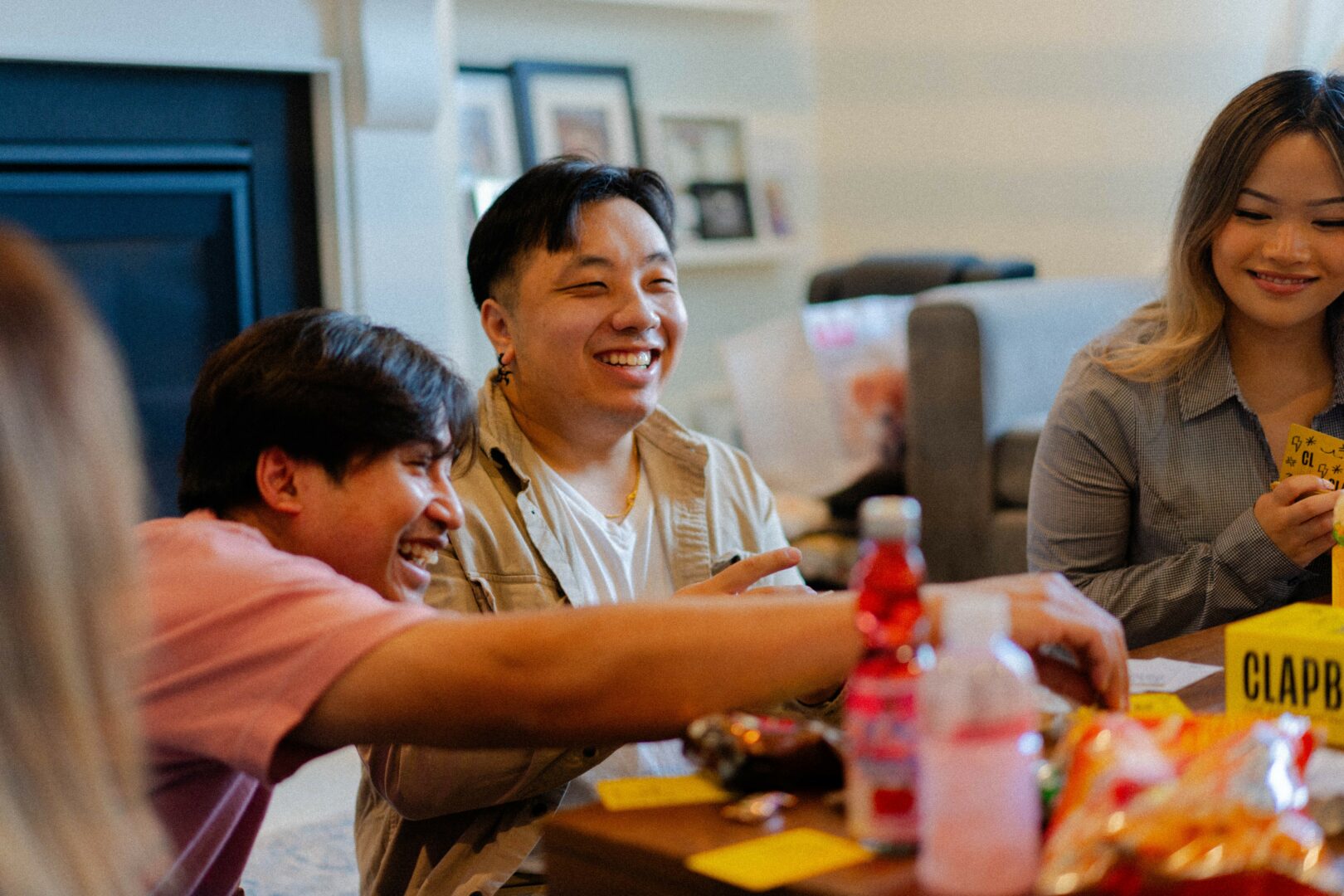
I’m a fan of leadership development and, for me, a lot of that work is about being aware of my own strengths and gaps. I don’t think we need to be well rounded. We should really aim to get to a place where we can mostly do the work we excel at and find folks who can complement us and fill the gap. I’ve been reading Rocket Fuel by Gino Wickman and Mark C. Winters and they talk about how businesses can thrive if you pair a visionary (that’s me) with an integrator (someone who can execute operations). Earlier this year, I was struggling with social media content. It was hard to create content because I’m not a graphic designer, so I bit the bullet and I hired someone to create assets for me. She organized a photo and video shoot and made stock photos for my company, multiple videos of people playing the game, testimonial graphics, and graphics with different engagement goals. I had been bitter about wasting four hours to make a one-minute video and here was someone who created 2-3 months worth of content (with templates I could re-use) because this was her strength. And she was affordable because she was also developing her own portfolio. So collaborate with and invest in emerging leaders who can grow with you.
Contact Info:
- Website: https://www.mayhemgames.net
- Instagram: @asianmayhemgames
- Facebook: https://www.facebook.com/asianmayhemgames
- Linkedin: https://www.linkedin.com/in/mayleeyang/
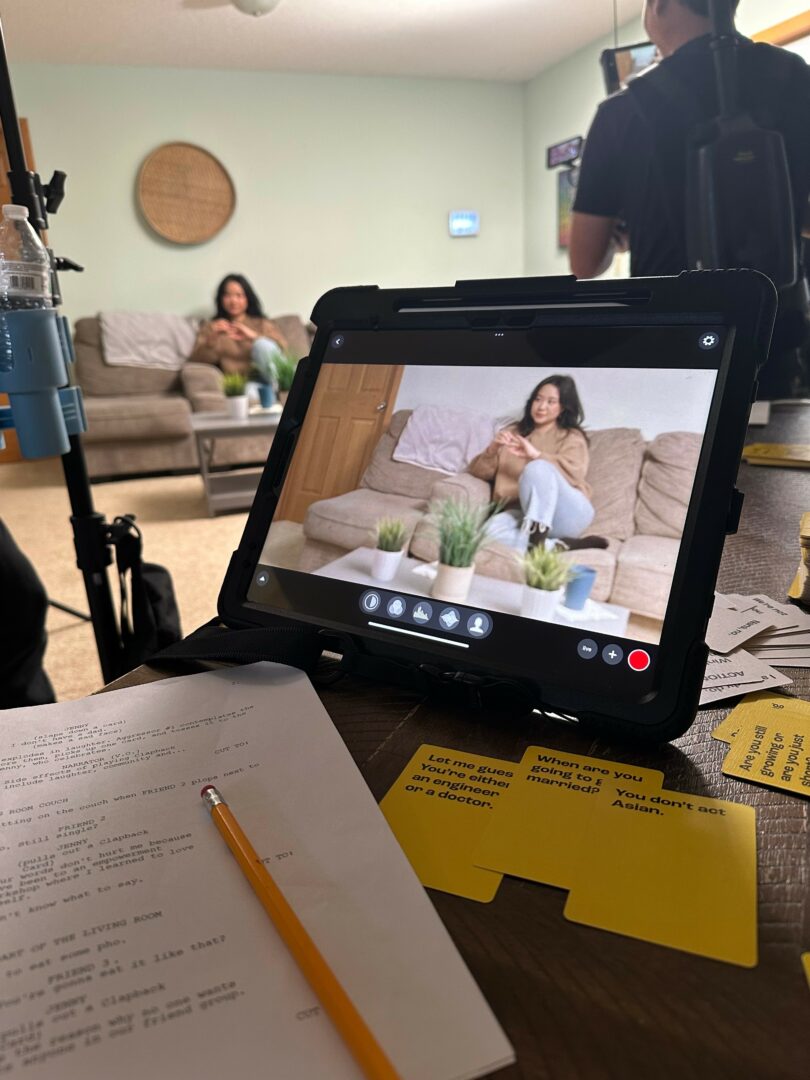
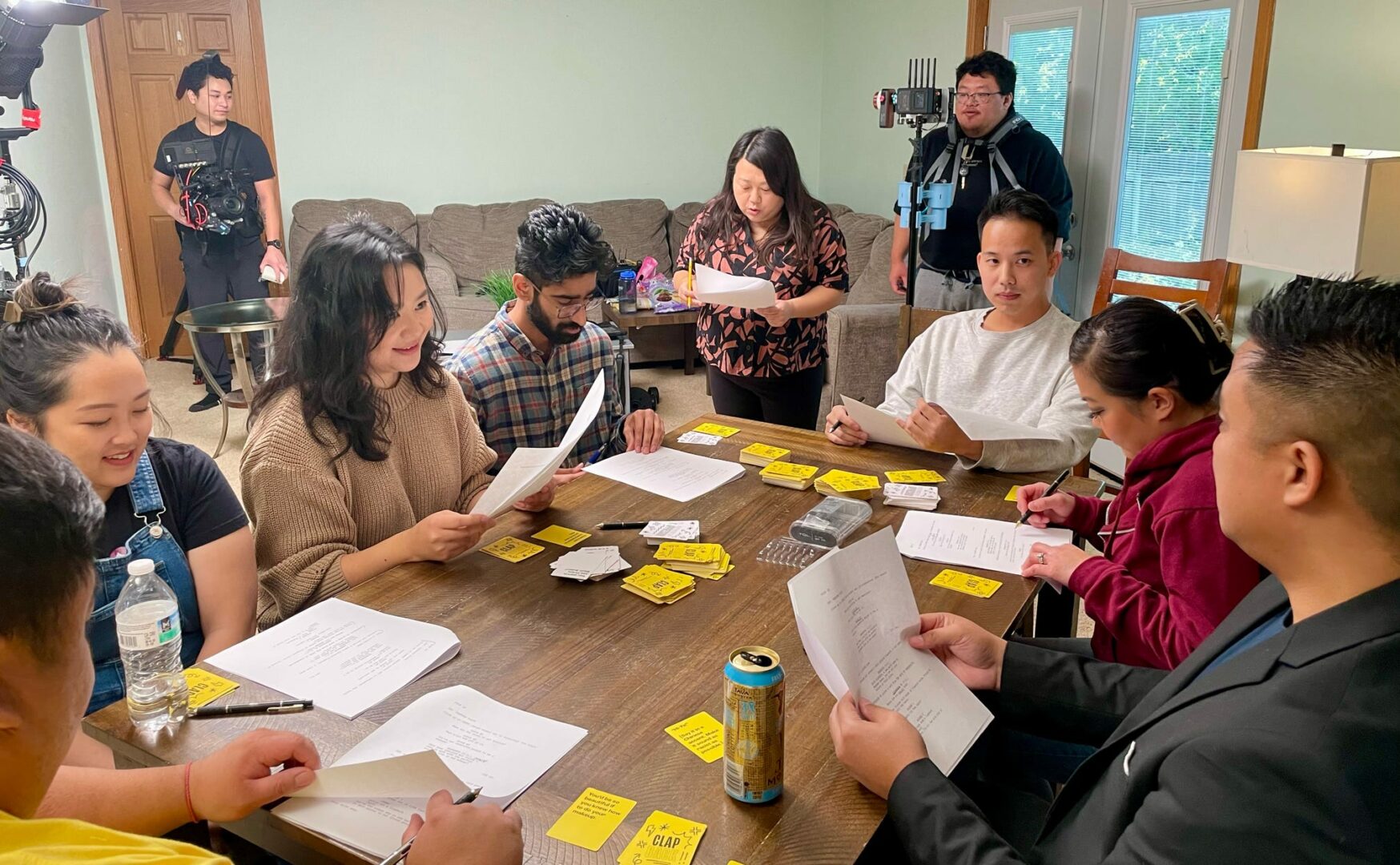
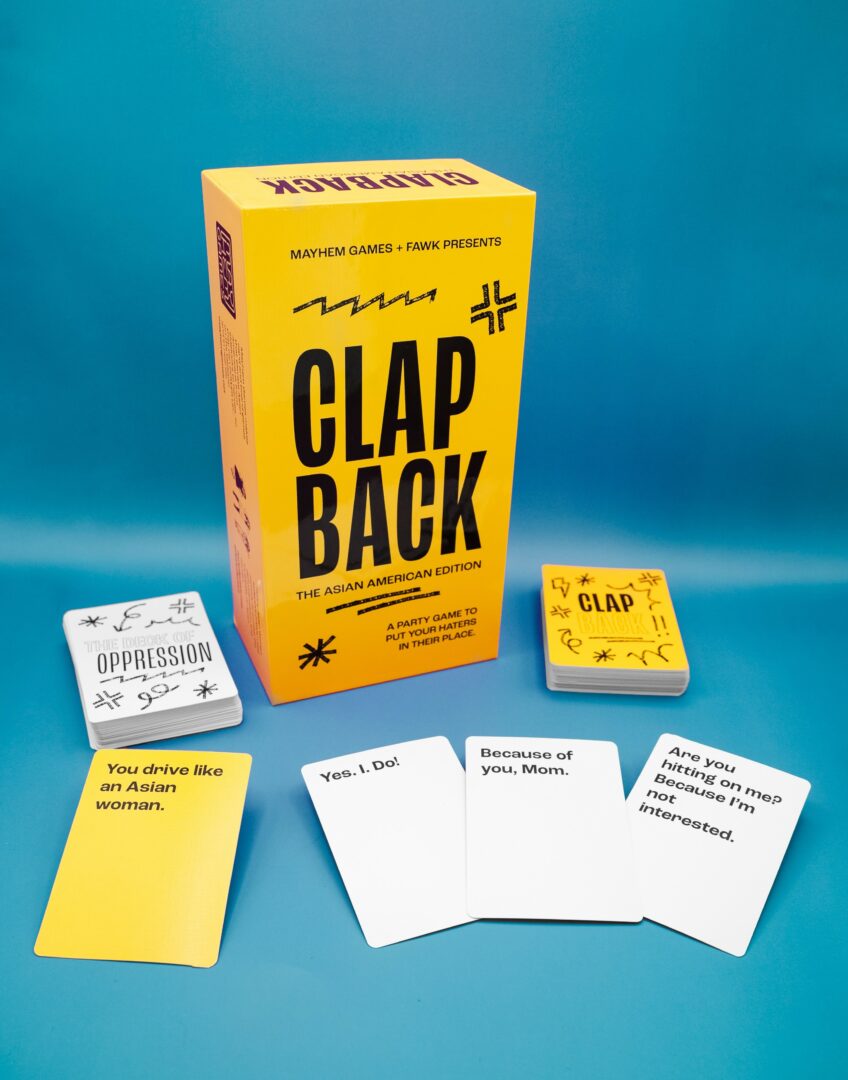
Image Credits
Stock Photos c/o Lucy Vang.
Clapback Game Box on blue background: c/o Kazua Melissa Vang
The more behind-the-scenes photos belong to May Lee-Yang.
Please reach out if you need clarity. Thank you.
so if you or someone you know deserves recognition please let us know here.