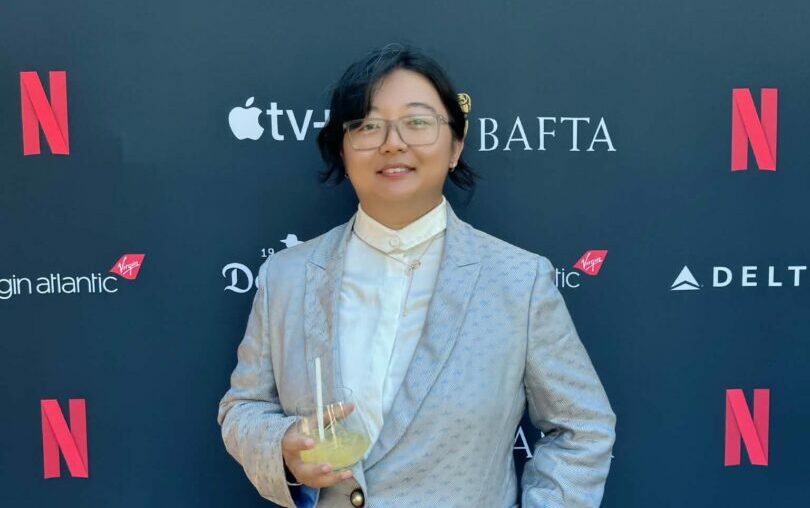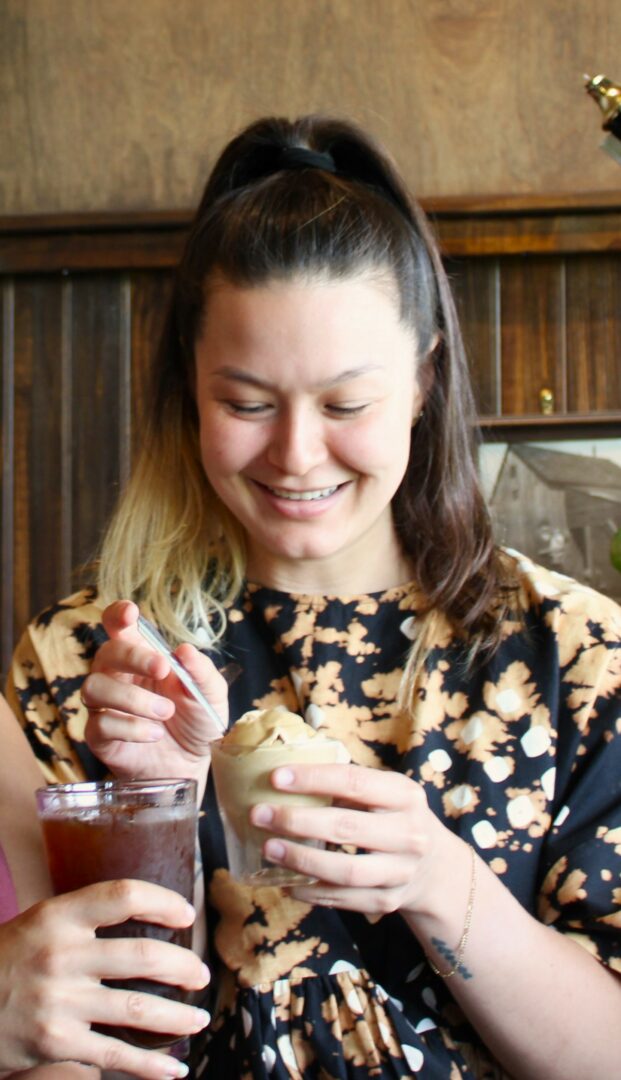
We were lucky to catch up with Maya Nguyen recently and have shared our conversation below.
Maya, we are so happy that our community is going to have a chance to learn more about you, your story and hopefully even take in some of the lessons you’ve learned along the way. Let’s start with self-care – what do you do for self-care and has it had any impact on your effectiveness?
As a leader, especially in the hospitality industry where a lot of us are drawn to it because we are natural caretakers, learning to prioritize myself has had a huge impact on my effectiveness. Over the years, I’ve gone up and down with self care and I’ve found that there’s a direct correlation between my effectiveness as a manager and the way I’m taking care of myself. These days, that means going to the gym even if I’m tired, cooking for myself as much as I can, and walking away from relationships that are not healthy for me.
I never expected this, but getting divorced and leaving a relationship that was causing me background stress every day made me a better leader. When I started getting what I needed from my life and living in an environment that was healthier for me, my staff and my peers started responding to me better. I was able to show up for them more since I wasn’t devoting energy to trying to manage issues at home. I’ve learned a lot from that experience and the way I navigate my interpersonal relationships today (as well as my understanding of myself and what I need to succeed and be happy) is very different from during my marriage.
One of my self care challenges has been chronic pain since I was 23 years old. This changed the way I was able to move, how much energy I had, and took a toll on my mental health because I was coming to terms with having physical limitations. I spent a long time trying to seek a diagnosis for my pain and I hit a lot of frustrating walls doing so. Once I started the divorce process, I was struggling to deal with stress and I decided to give running (an old hobby I had dropped when the pain started) another shot. Even though I still have pain, I have learned how to manage it a lot better than I knew how to do 9 years ago, so I was able to return to this joyful hobby. It has helped me clear my mind in more ways than just dealing with the stresses of my personal life, as well. It gives me some time to just let my mind wander and focus on something unrelated to my day-to-day stresses, thus providing me the distance to gain perspective on them.
Starting therapy has also been huge for me. As a small business owner, this was very difficult in the first several years of business, since I was making very little money. To be honest, it’s still difficult, but it has helped every facet of my life. I’ve always been a goal-driven person, but achieving a high level of organization of thought and consistently working to become a better person are self care.
On a final, silly note, I also love to get a paraffin pedicure when my feet hurt from working shifts at the cafe :).
Thanks for sharing that. So, before we get any further into our conversation, can you tell our readers a bit about yourself and what you’re working on?
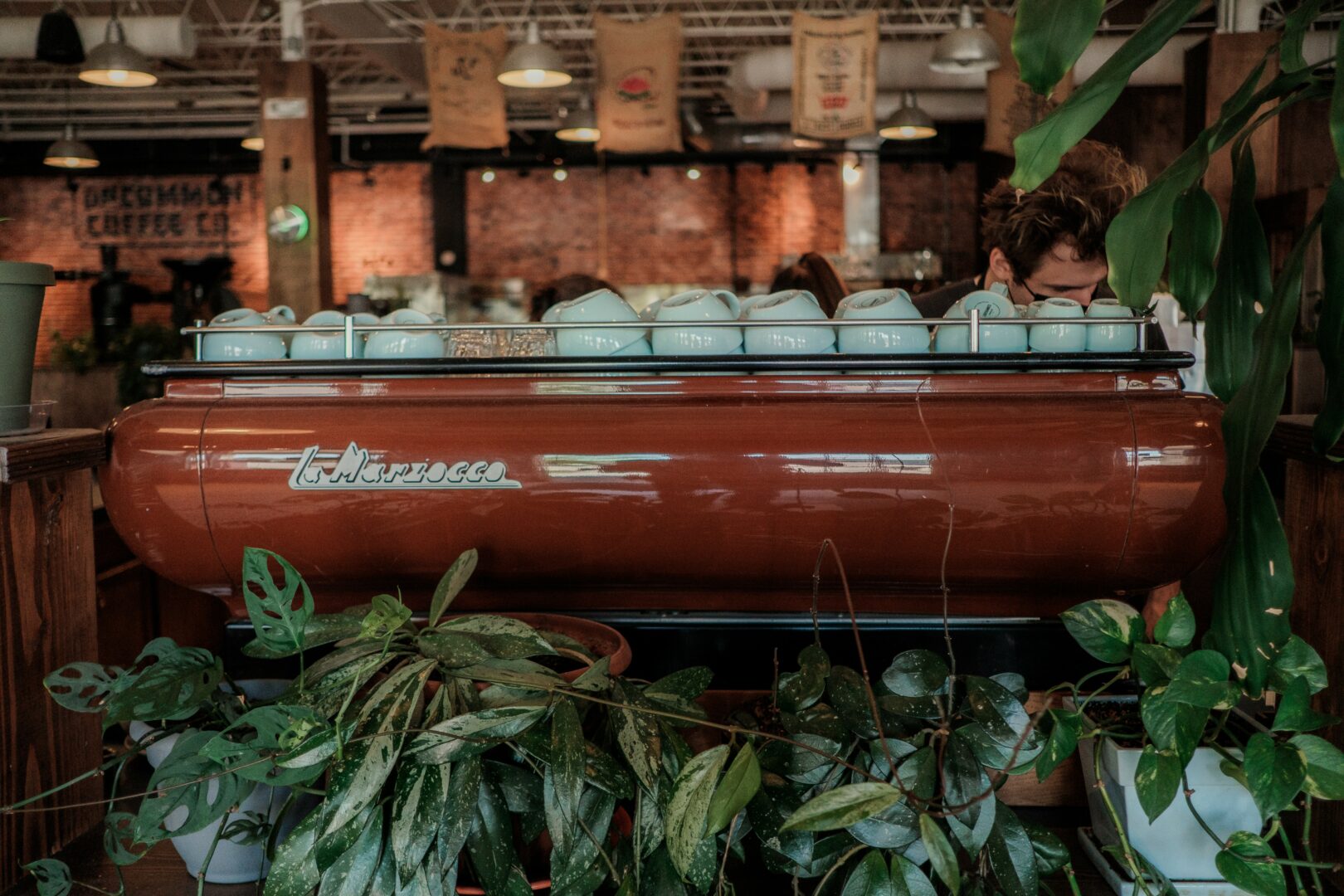
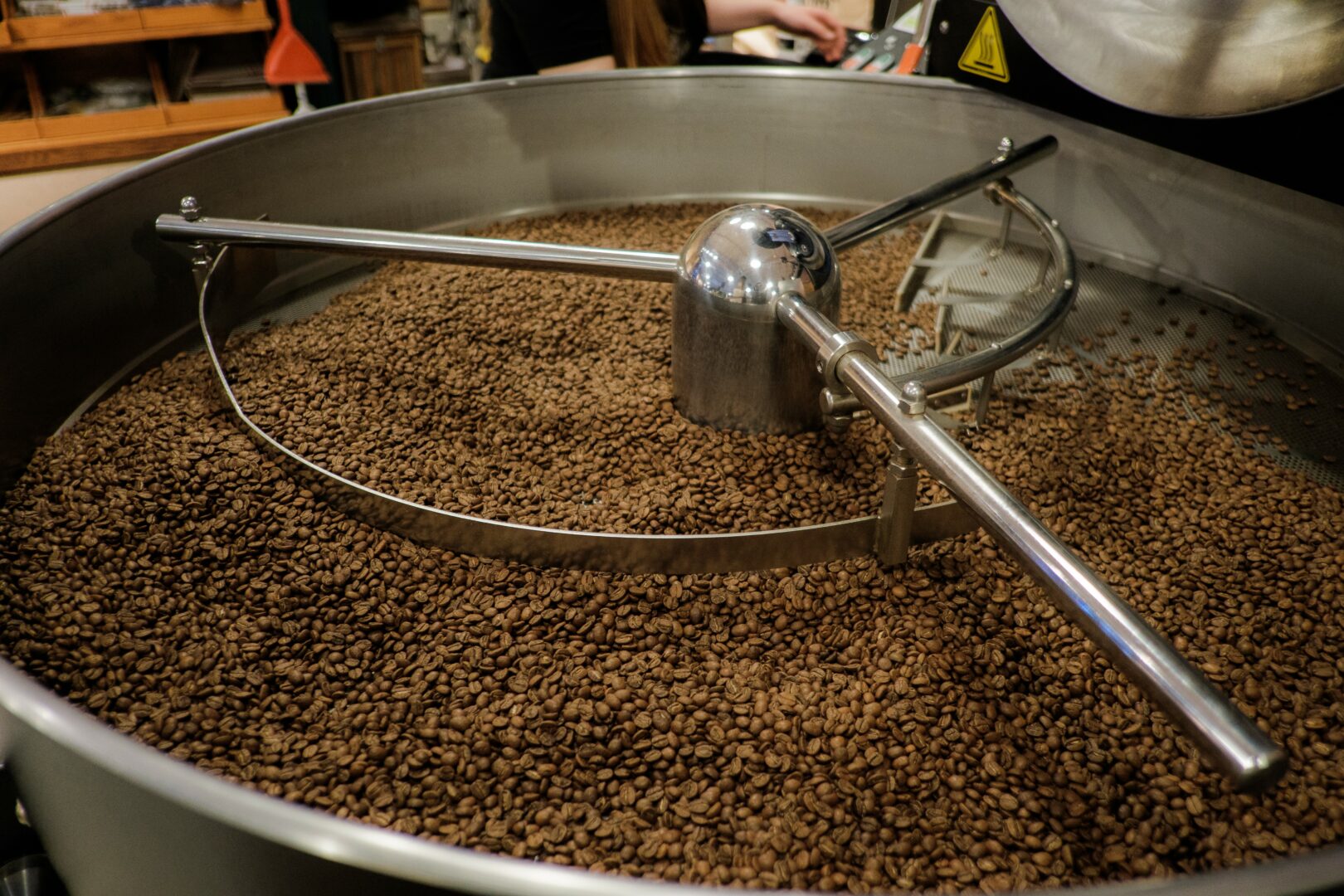
My cafe, Uncommon Coffee, is the successor business of a cafe/roastery that was around in Burlington, Vermont for 25 years, so we had a huge legacy to live up to when we opened. We moved out of that space into my hometown of Essex. Essex is close to my heart because it’s where my dad settled with a foster family when he first came to the US as a Vietnamese refugee and where I was raised. Being back here is great; I love being able to connect with the community and provide a comfy place for people to congregate.
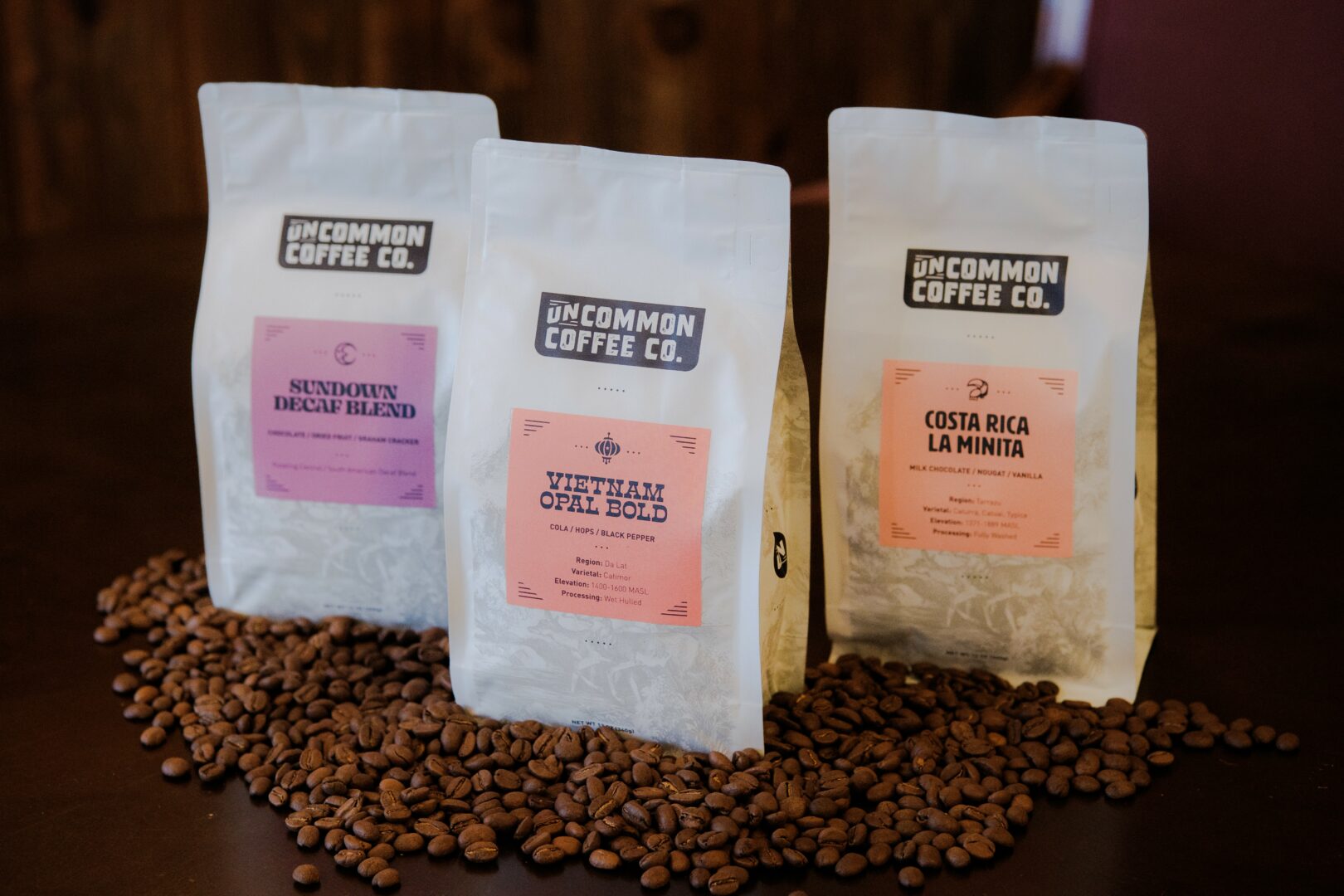
My niche within specialty coffee, is working with robusta, which is the less commonly spoken about, but very widely available species of coffee. Interestingly, there’s a strong narrative within coffee that robusta is inherently lower quality than arabica coffee. The reason for this narrative is closely tied to Vietnam’s history with coffee, which is what got me interested in robusta in the first place. I wanted to connect with my culture more and I found that there was a vast and powerful community of Vietnamese people who work in specialty coffee and are focused on bringing Vietnamese coffee to the forefront of coffee in the US. Vietnam produces the second largest quantity of coffee of any country in the world, but it’s not heavily featured by specialty coffee roasters or cafes. Vietnam only scaled up their coffee production in the 1980’s, which is very recent compared to most countries who export a large quantity of coffee. Because their coffee production growth happened within the last 50 years, they have fewer multi-generational coffee farms. Right after they started producing a high volume of coffee, the US, Australia, and other countries who primarily consume coffee, started leaning into what we now know as specialty coffee. So, while Vietnam was producing a high volume of poor quality coffee, most of which was robusta, people in consuming countries were trying it and assumed that all robusta was poor quality. Additionally, the Vietnamese government of that era forced coffee growers to sell coffee at a fixed price, so there was no incentive to produce high quality coffee. The landscape now is vastly different in Vietnam, largely thanks to their cities consuming a lot of coffee and developing incredibly advanced specialty coffee consuming cultures. This lead to a very short feedback loop between consumers, baristas, and coffee farmers, meaning that farmers were very invested in producing high quality coffee and staying on the cutting edge of innovation within coffee. Today, Vietnamese coffee is starting to be known for it’s unique characteristics that are reflective of the terroir and processing, as well as coffee drinks that are innovative and reflective of the ingredients and culture of the area.
Getting back to my connection to all of that, I was honored to be the first barista in the US to qualify for the US Barista Championship Nationals with a 100% robusta routine. Not only did preparing for this competition connect me to my culture and to a lot of people with similar interests, but it pushed me professionally and made me a better leader and a better barista. Today, I’m proud to offer limited releases of specialty grade robusta through my cafe at least once a year and continue educating the public and coffee professionals alike on how to taste this species of coffee.
We have an upcoming release of a Vietnamese robusta within the next few months, but we were only able to get a very small amount of it, so it won’t be around for very long.
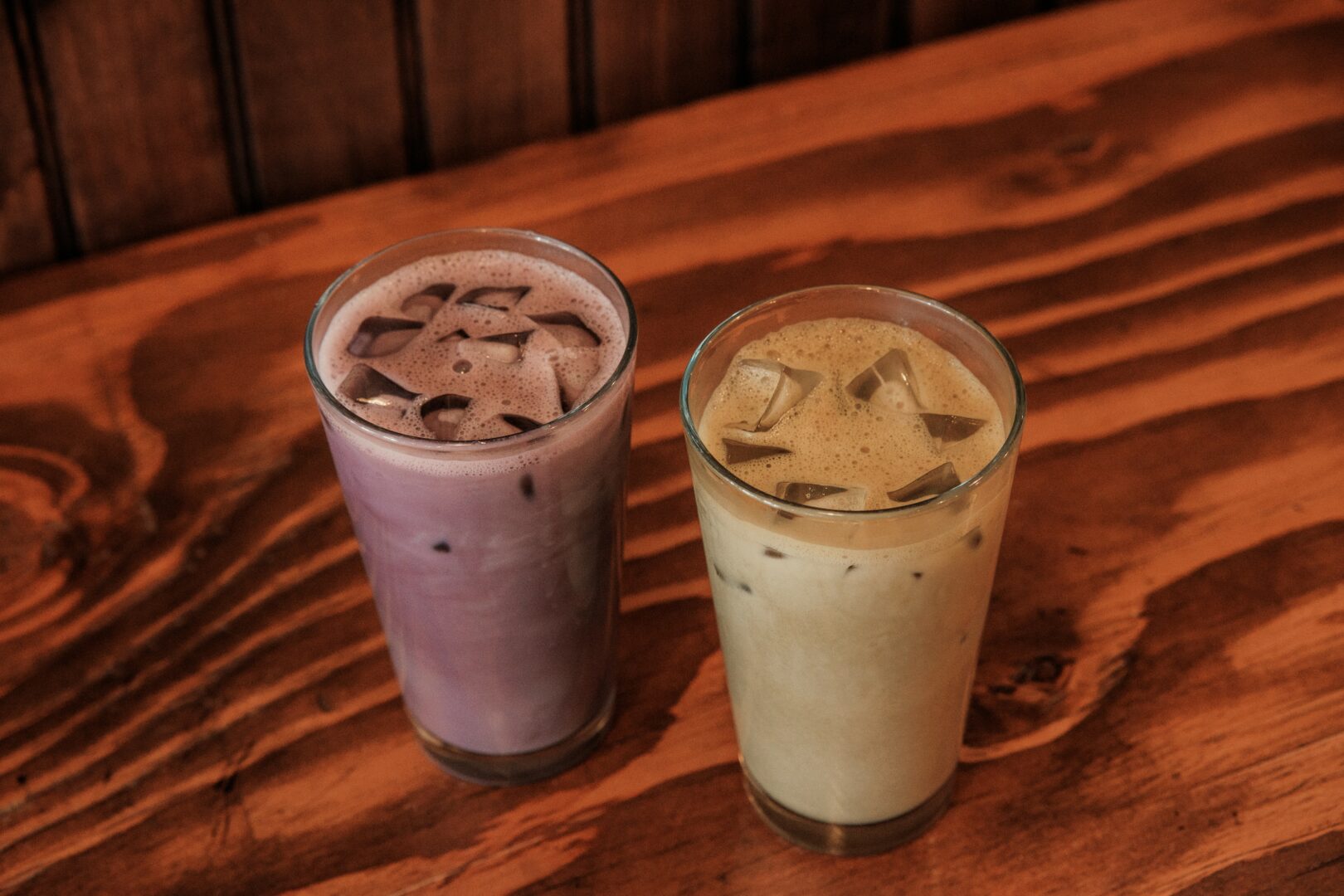
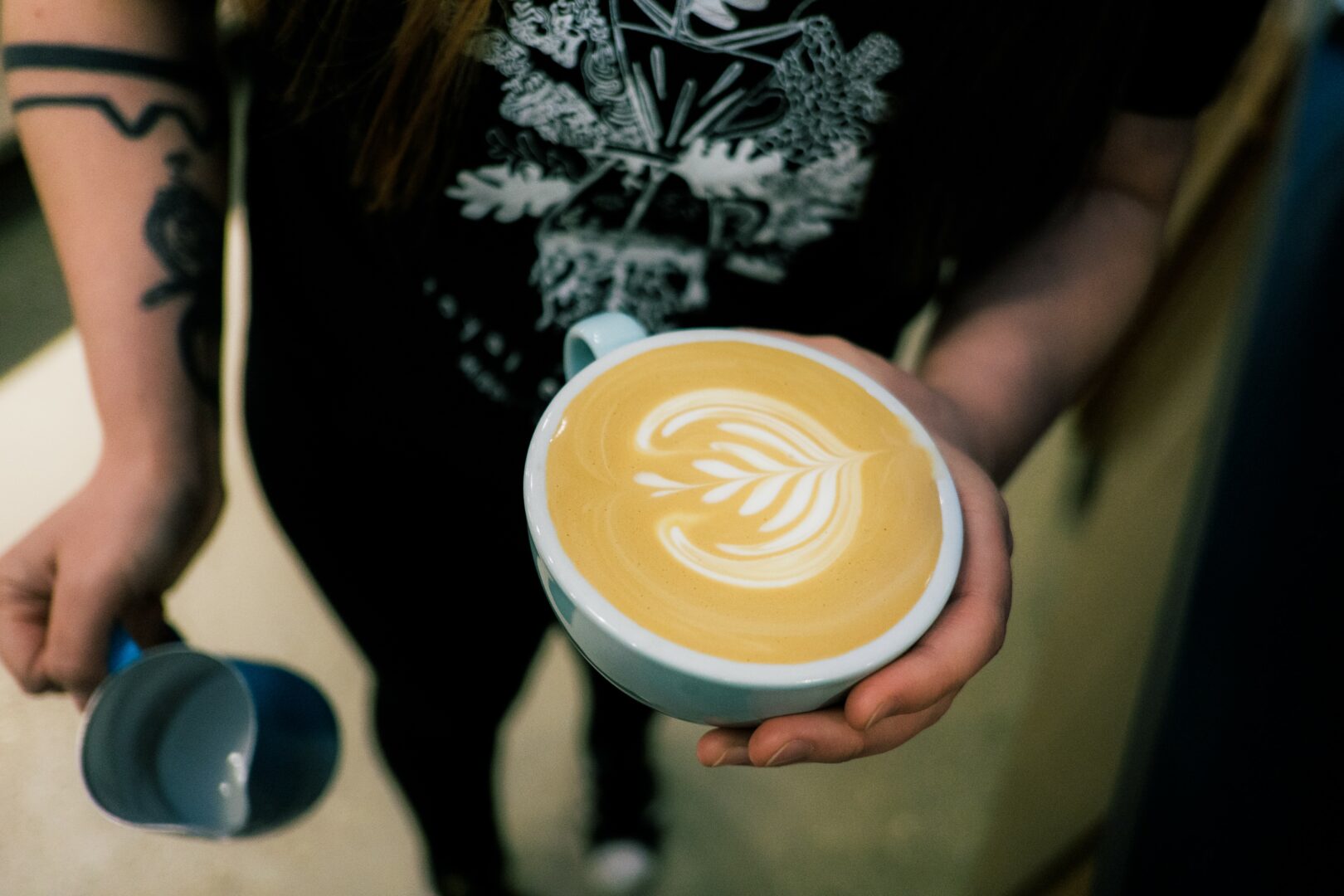
Even when we don’t have robusta available in the cafe, we always like to have a drink that features Southeast Asian flavors, like a condensed milk latte or an ube latte. That is paramount to the ethos of my business and is important to me in honoring my culture.
Looking back, what do you think were the three qualities, skills, or areas of knowledge that were most impactful in your journey? What advice do you have for folks who are early in their journey in terms of how they can best develop or improve on these?
Drive, leading with empathy, and learning situational awareness were the most impactful things on my career.
I would not be able to function at the level I do if it weren’t for many mentors along the way. From when I first started working full time at the age of 19, I was very driven to learn as much as I could from my boss at a burrito shop that I had no intention of staying at long-term. The skills I learned in that job and the opportunities I was able to get from that experience are something I will always be grateful for. I can remember a time when I had just started and every day I would ask my boss to give me a written test or written information sheet on one of the things that I could do to get a better job at that company. I’m thankful that they had very clear pathways to advancement for a small chain. Drive is something that’s always been a part of my personality and I really believe that that’s genetic; my dad is also extremely driven. Being persistent in striving to learn new things and intentionally surrounding yourself with people who you respect is game-changing. Once I was done with my time in foodservice and I had moved onto coffee, I used to volunteer many hours a week, which lead me to make professional relationships that would also be paramount to my growth. Positive role models will inspire you to be better, to reconsider the way you think about things, and show you a different way of behaving which will lead to different results. I never aim to be the most experienced person in the room and focus on listening more thank talking (I love to yap, so this is very difficult for me).
Leading with empathy is huge for me as well. If you can put yourself in someone else’s shoes and understand their motivation and their point of view, you will do a better job of meeting their needs, they will be happier, and you’ll work together better. I don’t mean that I don’t believe in accountability, but I do mean that we all need to be able to connect on a human level in order to create healthy workplaces. Personal emotional discipline is really important in this as well–your peers and your staff should see you as human, but your life will be more difficult if your staff is afraid of how you will react to something. Listening calmly and working to think about where they’re coming from, even if they are telling you they did something wrong or something bad is paramount.
Lastly, situational awareness was a big lesson for me. I can remember back in my restaurant days I had an area manager who would constantly ask me to pivot my view from my workstation into a different area of the restaurant and it taught me to have a more holistic perspective of what was going on around me and helped me learn to anticipate problems before they arose. I would encourage anyone who works with others to try to zoom out of the task they’re working on as regularly as possible.
Before we go, maybe you can tell us a bit about your parents and what you feel was the most impactful thing they did for you?
The most impactful thing my parents did for me was support me no matter what. It helped me lean into things that I thought were the right thing to do even if they were scary because I knew I would have their support. I want to be clear that when I say my parents I mean my mom and my step-dad Jon, who raised me.
Contact Info:
- Website: https://uncommonvt.com/
so if you or someone you know deserves recognition please let us know here.