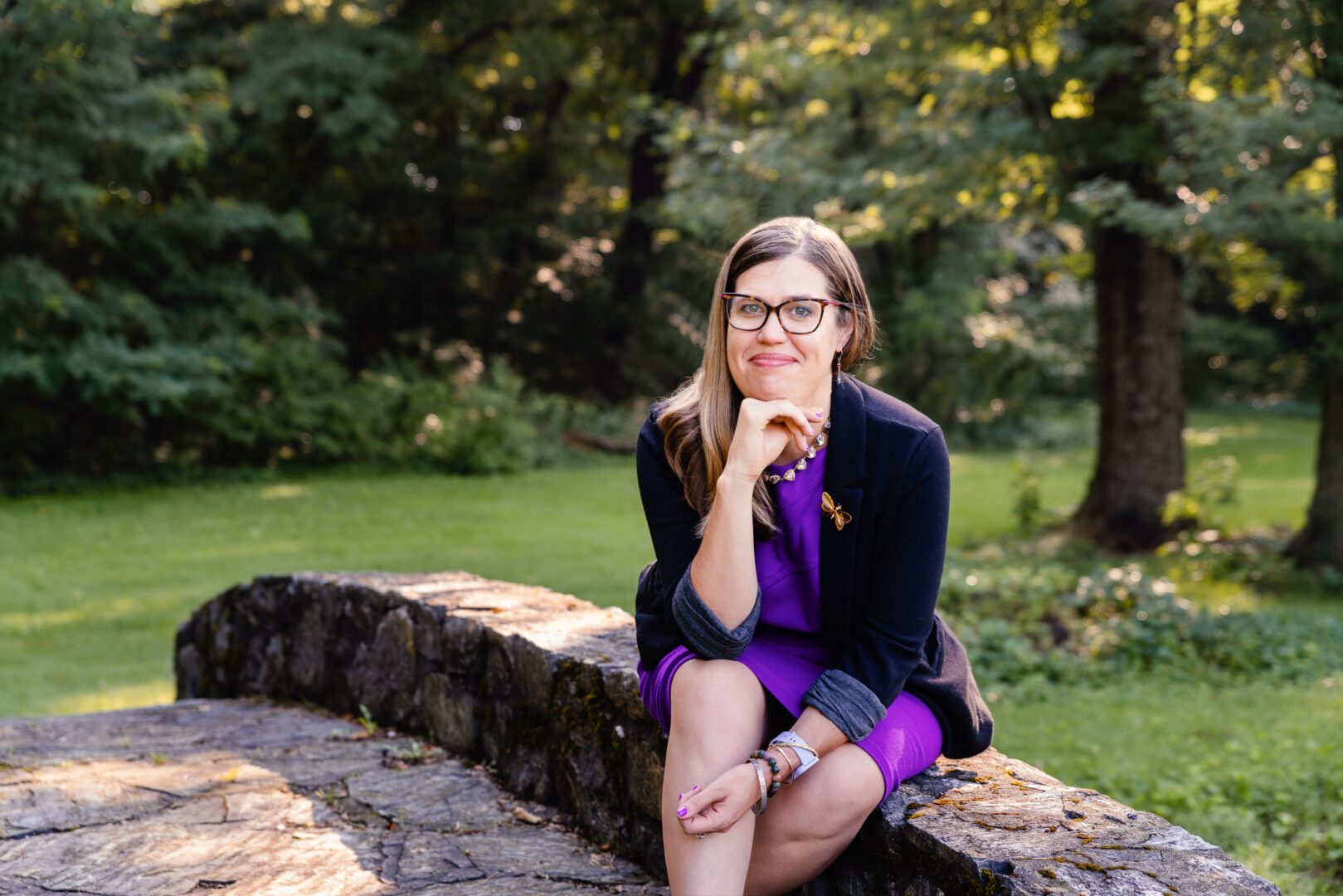
We’re excited to introduce you to the always interesting and insightful Megan Malick. We hope you’ll enjoy our conversation with Megan below.
Megan, so good to have you with us today. We’ve always been impressed with folks who have a very clear sense of purpose and so maybe we can jump right in and talk about how you found your purpose?
My purpose found me through a lifetime of navigating loss, transformation, and resilience. I carry a legacy of grief that has shaped who I am today—starting with a house fire at 17, which abruptly changed everything I knew about home and security. In my late 20s, I experienced divorce, which felt like another kind of loss, forcing me to reimagine my future. Healing childhood trauma has been another piece of my journey, as has facing infertility and undergoing a hysterectomy in my 30s, closing a door I hadn’t expected to close.
Life also guided me through two significant career changes, each reshaping my understanding of purpose and direction. Then came the unexpected deaths of my parents within three months of one another. This profound loss brought with it layers of grief and the weighty responsibility of settling their affairs. Working through the logistics of their estates—those small but monumental tasks—was a deeply spiritual experience, where I began to see each detail as a bridge to honor their lives.
These experiences taught me that the logistical side of loss, the endless list of tasks, is often where our emotions surface, and healing can begin. In the quiet, often mundane work of organizing and planning, I found a sense of purpose. I realized that these tasks are more than administrative; they’re a part of honoring legacies and creating meaning. Now, I’m here to help others navigate those same spaces, supporting heart-led Gen-Xers and Millennials in planning and organizing their legacies and guiding them through the complexities of loss, from the practical to the deeply personal.


Great, so let’s take a few minutes and cover your story. What should folks know about you and what you do?
My work centers on helping people navigate the complex, often overwhelming terrain of loss, legacy, and end-of-life planning. Through A New Path, I support those facing loss and life transitions, guiding them through the practical and emotional aspects of peace planning. I’m passionate about easing the burden that loved ones often carry, whether by helping individuals create emergency and end-of-life plans and organization with group support or supporting them through early grief with practical resources that they can access digitally.
What I find most meaningful—and perhaps most unique—about this work is how it integrates these different layers. Emergency, end-of-life, and legacy planning and organizing involve so much more than paperwork; they are also deeply emotional and can even be spiritual journeys. This work invites us to consider our values, what we hold dear, and how we most want to live and love.
I run Planning for Peace groups that provide a supportive community for participants to prepare their own emergency and end-of-life plans. These groups foster connection and allow participants to organize their wishes, so their loved ones won’t be left searching for answers in the midst of a crisis.
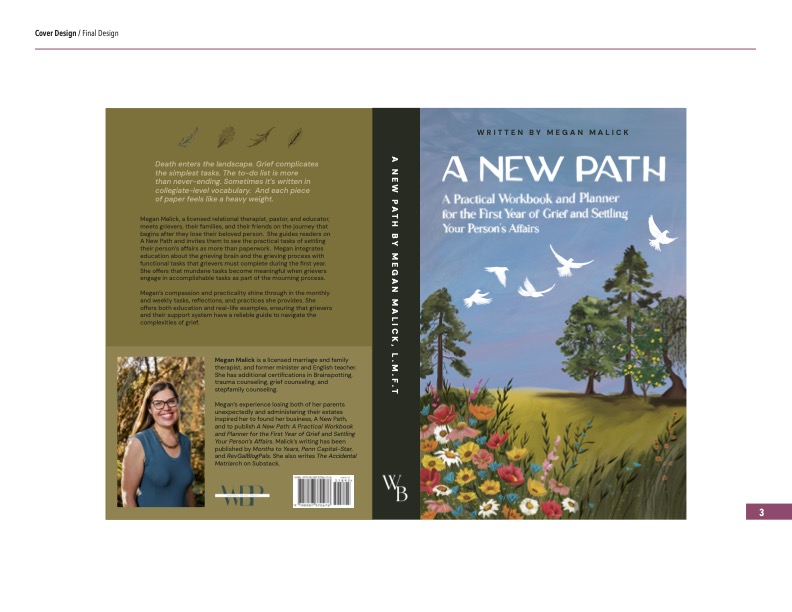
This coming February 19, 2025, I’ll be launching my first book, A New Path: A Practical Workbook and Planner for Your First Year of Grief and Settling Your Person’s Affairs. The book is a comprehensive guide designed to walk readers through the logistics and emotions of early grief, providing support, structure, and encouragement in a very practical format.
For those needing immediate support in the early days of grief, I’ve also created an email series called 21 Days of Support, offering daily encouragement, guidance, and gentle prompts for the first three weeks after a loss. My goal is to ensure that no one feels alone in this challenging time, and I am here to help people find meaning, even within the smallest of tasks.
I’d love to connect with groups interested in Planning for Peace or talk with professionals serving grieving clients to collaborate for serving and supporting grieving clients. Whether it’s through workshops, events, or public speaking, I’m excited to expand these conversations and bring more peace and understanding into the process of loss and legacy.

If you had to pick three qualities that are most important to develop, which three would you say matter most?
Looking back, I’d say three qualities have been especially impactful: resilience, empathy, and the ability to navigate complex systems with patience and clarity. Each one has helped me find purpose in my work and grow personally through challenging experiences.
1. Resilience: My journey has included its share of loss and hardship, which has shown me that resilience is not about being unaffected by challenges—it’s about finding ways to keep going, even when the path feels impossible. For those starting out, resilience builds over time, through facing discomfort and learning from it. I’d encourage taking small, brave steps when things feel uncertain and trusting that every challenge is an opportunity to grow stronger.
2. Empathy: My background in ministry, education, and mental health trained me to truly listen and be present with others. But empathy is more than a skill; it’s a mindset of openness and non-judgment. If you’re early in your journey, practice deep listening. Try to be with others without rushing to fix or advise, especially in difficult conversations. Empathy grows from being willing to sit with others in their vulnerability and, by doing so, expanding your own capacity for connection.
3. Navigational Patience and Clarity: Practical knowledge of systems—from understanding complex paperwork to organizing end-of-life details—has been essential. Developing patience with these processes can be challenging, especially when they’re emotionally charged. For anyone beginning this journey, I’d recommend taking time to learn the basics of organizational systems, whether it’s financial, legal, or healthcare. Break big tasks into manageable steps, and seek resources that offer clear guidance. This clarity will serve both you and those you support in navigating complex moments with less overwhelm.
For anyone early on this path, know that these qualities and skills develop through experience and commitment. It’s okay to start small, to be gentle with yourself, and to recognize that growth often comes in ways we least expect. Embrace learning as a process—each step forward is part of becoming the person you’re meant to be.
One of our goals is to help like-minded folks with similar goals connect and so before we go we want to ask if you are looking to partner or collab with others – and if so, what would make the ideal collaborator or partner?
Yes, I’m very much open to partnering and collaborating! I’m especially interested in working with professionals and organizations who share a commitment to supporting people through grief, end-of-life planning, and legacy work. Here’s a bit more about who I’m looking to collaborate with:
Therapists, Counselors, and Grief Support Specialists: I’d love to connect with mental health professionals who focus on grief or end-of-life support. Together, we could offer workshops or support groups that bridge both the emotional and practical needs of people navigating loss.
Financial Advisors and Estate Planners: These professionals often work with clients who are beginning to think about legacy and end-of-life planning. I’d welcome partnerships where I can complement their work by providing clients with compassionate, practical support for the logistical and emotional sides of legacy planning.
Hospice Workers and Palliative Care Providers: Hospice and palliative care professionals work closely with families during life transitions. Collaborating with them would be meaningful, allowing me to share my Planning for Peace groups, early grief support series, and practical resources with families needing both structure and support.
Faith Leaders and Spiritual Directors: I’d be thrilled to connect with spiritual leaders who support individuals and families during loss or crisis. Working together, we could create educational sessions around grief, legacy, and meaning-making, integrating spiritual and practical guidance.
Community Organizations and Nonprofits Focused on Aging or End-of-Life Issues: For organizations dedicated to aging or end-of-life care, a collaboration would allow us to offer workshops or resources tailored to their communities, expanding access to holistic support for legacy planning and grief.
If you’re interested in collaborating or think our work might align, please reach out! You can connect with me via email or through my website, where I’d be glad to discuss how we might work together better to serve individuals and families in times of transition.
Contact Info:
- Website: https://www.a-new-path.com
- Instagram: https://www.instagram.com/meganatthewell/
- Facebook: https://www.facebook.com/revmeganmalick
- Linkedin: https://www.linkedin.com/in/revmeganmalick/
- Other: https://meganmalick.substack.com/
Image Credits
Heike Martin Photography
so if you or someone you know deserves recognition please let us know here.