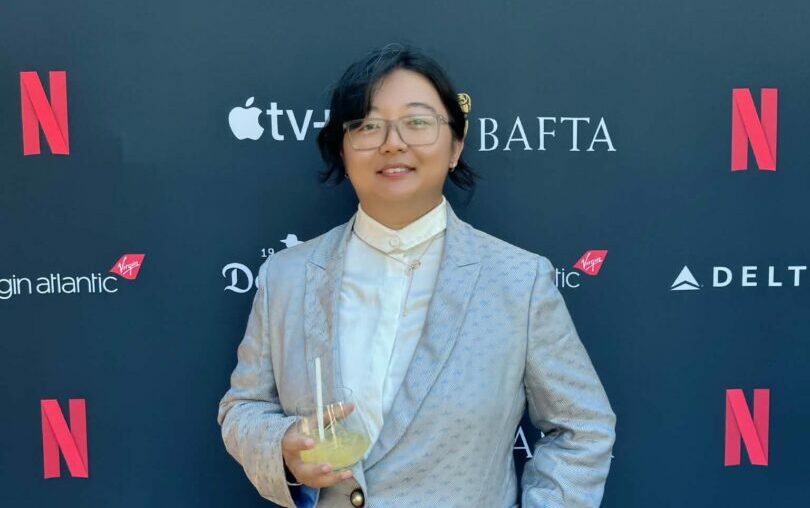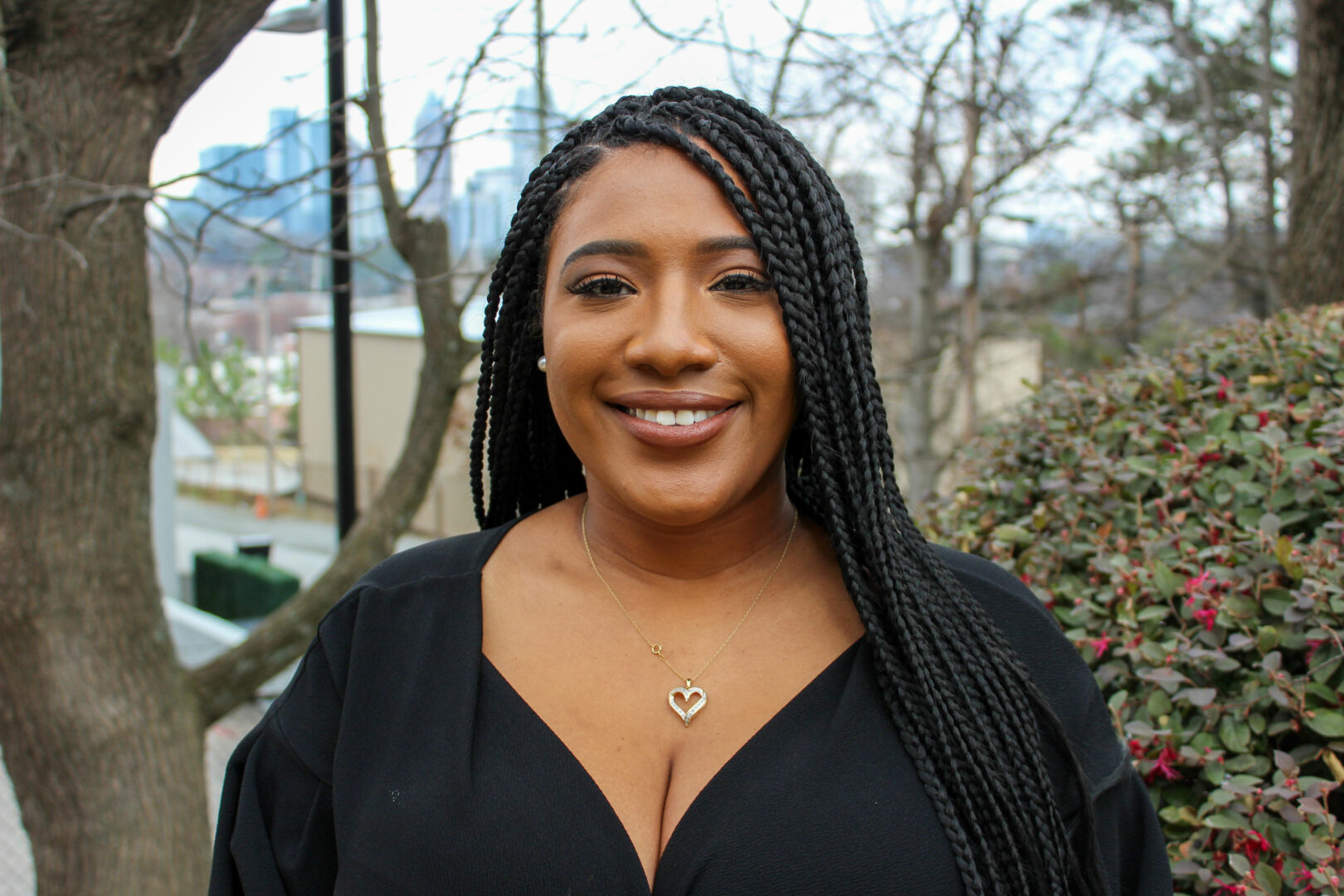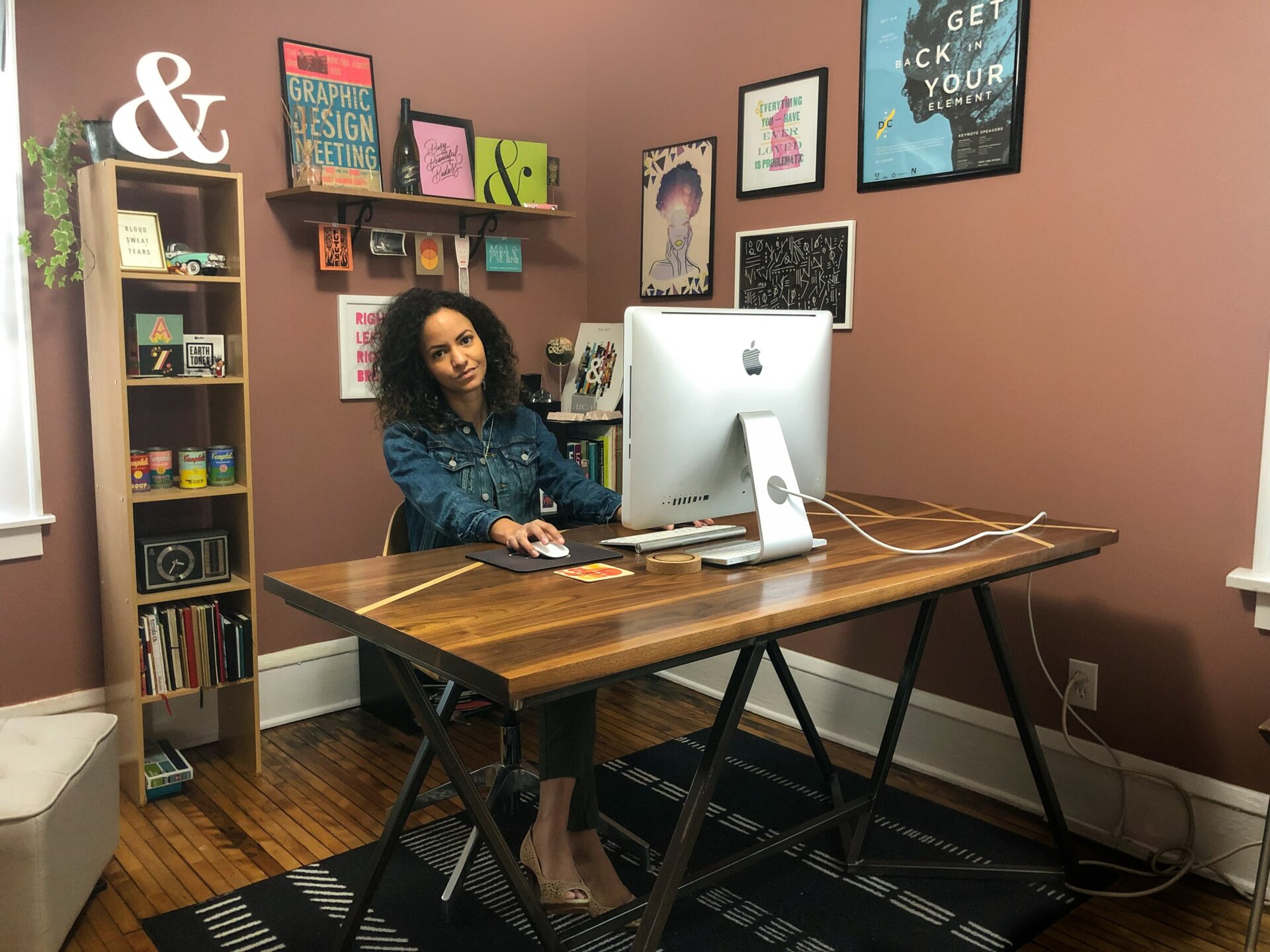
We caught up with the brilliant and insightful Melanie Walby a few weeks ago and have shared our conversation below.
Melanie, so great to have you on the platform and excited to have you share your wisdom with our community today. Communication skills often play a powerful role in our ability to be effective and so we’d love to hear about how you developed your communication skills.
Studying graphic design at The Art Institutes International Minnesota, working in advertising and design, and regularly attending design conferences has trained me how to communicate effectively — not just in my work but in my life. The practice of design has offered me an outlet to take my slow time thinking about what I really want people to understand about me, about the world, and about all of our roles in making this a better place to live.
Design is all about understanding the audience, their current attitude, the desired attitude we want for the audience and then how to shape the messaging so it resonates with the audience in ways that will actually get them to do the call to action. That means you really have to care about people. You have to get to know them and listen to them and hear why they are the way they are. Then, you can use that knowledge to think about how to reach them in ways that could change their hearts and minds. Every aesthetic decision that’s made, every tactical decision — will this be a website or a poster? Will it be on ad space or social media? If both, how are they different and what should one say over the other? All of those things are based on who you’re talking to, what you’re trying to say, and what you want them to do with the information.
Design is often reduced to aesthetics but that’s not what I learned in school. Design requires a strategic mind because it is visual storytelling. Design has intention. “Where is it going to live” and “Why is it going to live there” are two questions I always ask on every project. Knowing who you want to see it will get you the right answer every time.
Our field used to be called communication arts because that’s what it is. What it’s taught me is that I often have more power and efficacy if I’m willing to wait. To put my desires into art instead of energy into debate. To communicate with art.
Let’s take a small detour – maybe you can share a bit about yourself before we dive back into some of the other questions we had for you?
I spent the first half of my career — almost a decade — working at various design agencies and firms across Minneapolis. In 2010, I was a design intern at SpinIt where I primarily worked on websites under the direction of the two owners. After SpinIt, I interned at Vision Van Gogh, a design agency whose primary focus was band merch. As a college student, I had hit the jackpot to be able to spend my days making posters and CD covers. We assembled and printed everything in-house between the four of us which is where I first learned how to set up files properly for different styles of printing. I recall the agency allowing me to print my senior show materials for free which saved me hundreds of dollars. Money was such a huge barrier for me in school that I’ve spent years speaking out about what could make hiring based on talent an actual reality.
My first full-time job as a designer was at an agency called Vetta-Zelo where I worked on a lot of environmental graphics for Cat Paving, their largest client at the time. VZ hired me right out of my senior show and had a really cool space in North Loop which, back in 2011–2012, wasn’t as built out as it is now. I worked there with a team of mostly designers and creative directors, project managers, an account exec and a giant great dane named Diesel.
After VZ, I I worked at FLM+ as an Art Director for two years. In that role, I was able to lead illustration, design and branding. I was traveling a lot to direct photoshoots. FLM+ works with a wide range of companies that all have a relationship to agriculture, lawyers, farmers, soybean councils, advocacy groups and research. I would be sent to Lincoln Nebraska for a tradeshow where attendees would contribute to paint-by-letter murals I designed one month and be in Iowa for a photoshoot in a cornfield for another. I have a great story I love to tell students (and one epic photo) of a rental van that caught fire in the middle of a wheat field in South Dakota. Thankfully no one got hurt and the agency made a donation to the volunteer fire department.
I was laid off from FLM+ amid a new job search so thankfully, I was already in a second round of interviews at Media Loft. illustration and branding under the art direction of my first female boss, Michelle Sollie, who I adore. She treated me like a human, showed me grace when I made mistakes and explained my mistakes by training me so I would not repeat them. To this day, I think of her whenever I have to resolve conflict with someone who reports to me and I hope their experience with me feels how mine did with her.
Media Loft’s work is in corporate events, video production, motion graphics and speaker support. My role was to come up with the overall branding and concept in collaboration with my Art Director and Creative Director. From there, the art assets I made would go to motion graphic designers and video editors, speaker support artists who would design the presentations for the conferences, and various print and digital assets needed for each event. After two years at Media Loft, I worked as a designer at Ideas That Kick. They specialize in design and branding for pet packaging but also have a variety of clients in other fields. The work was a lot of really fun design, branding and illustration. We also did a lot of our own product photography so I learned a ton about staging work for clients and agency case studies.
The whole time I worked at all of those agencies, I was also involved with the Sustainable Design Committee for AIGA Minnesota. Our committee was about getting different people from different fields in space together to learn how sustainable design can get us all as close to zero waste as possible. Throughout the seven years I was volunteering with that group I served as a member, a committee chair and later the Associate Director with voting privileges on the board of directors for AIGA Minnesota. While it was volunteer, that work was what I enjoyed the most. I love event design and all the experiences you get to create for attendees that come with it, I love curating speakers, vendors and sponsors and I love building community around a shared topic. It was about midway through 2016 that I started to wonder if I could make what I was doing for AIGA as a volunteer into a full-time job.
Around that same time I had connected with Juxtaposition Arts and Pollen Midwest to be part of one of my AIGA initiatives, Design Impact Series. Through that introduction, I discovered both orgs were already doing what I wanted to try. So I left AIGA and advertising to pursue a design career in the social sector. For a year, I split my time between the two org working as a designer at Pollen and the communication manager at JXTA. I went to Pollen full-time mid-2018 and have worked there ever since as a designer, Art Director and now, Creative Director.
The work I get to do at Pollen is the work I want to do forever. Homogenous teams dominate the creative field whether it be design, advertising, publishing, media or communication positions at nonprofit organizations. It has been my norm for six years to work with majority BIPOC on creative projects that tell our stories. Homogenous teams dominate the creative field whether it be design, advertising, publishing, media or communication positions at nonprofit organizations. Doing what we do at the scale we get to do it is something I don’t take for granted because I ws the only Black woman at every other place I worked. A media company led by BIPOC artists and designers doing work about social justice at the same scale that agencies do work about selling products does not currently exist. My wildest dreams for Pollen is that our editorial someday becomes as big as Nylon magazine and our merch store as big as Rifle Paper.
Pollen’s work inspires my personal and vice versa. Throughout my time at this organization, I’ve been working on a collection of illustrations and designs that, when read in order, take the reader through an intimate and deeply spiritual conversation between two sisters. Written in 2019, designed in 2020 and displayed in 2021 at UWEC Gallery in Eau Claire Wisconsin, Clear Water Exhibit has become a piece of me that I will probably be reprinting and redistrubting for the rest of my life. Currently, I am planning to publish it as a book and am fundraising through Kickstarter to be able to afford the printing, distribution, marketing and payments to my collaborators as well as purchasing ad space to get the content up in front of as many people as possible: kickstarter.com/projects/clearwaterbook/clear-water
All of my jobs have taught me how to put something somewhere unexpected in front of people who may not otherwise see it to get their attention, to tell them a story, and to inspire action. Whether it be, “buy this product, attend this event, vote, or donate” the design process, steps and time required are exactly the same. It’s all communication arts.
If you had to pick three qualities that are most important to develop, which three would you say matter most?
I think my three would be grace, humility and forgiveness.
A culture of grace is way more powerful than one of blame. You are going to mess up. I have messed up and I am going to mess up again. As a designer, your mistakes can cost thousands — sometimes hundreds of thousands of dollars. It ca cost people time which costs people their well-being — people are stressed when they’re rushed and in this work, they will take that out on you. Even if it wasn’t you that made things late.
Remember that you are not expected to be perfect because that’s not possible. In giving and receiving feedback, we can all demonstrate to each other our humanness and truly overcome any conflict, adversity or mistake. One of my favorite preachers, Adam Shaulter, once said, “People who don’t know they’re forgiven are dangerous.” I always try to remember that I’m either forgiven or that I could be.
Say sorry for your mistakes by changing your actions and behaviors. Give other people the chance to do the same. That builds trust and heals everyone.
As we end our chat, is there a book you can leave people with that’s been meaningful to you and your development?
I love to call out Green Graphic Design by Brian Dougherty. When I volunteered with AIGA, I was the Director of Sustainable Design and got to put on conferences with people across the country dedicating their work to teaching about the social, environmental and economic impacts of being a creator in a world facing a climate crisis and environmental racism.
Brian’s book gets at the root of how we see our role as designers and inspires a different alternative. From there, then I think people are ready to jump into activism but they first must learn to see their life is already related to what they may not think they’re causing.
Though it came out in 2008, I think it’s a great starting point for everyone in the field of design to change their own narratives about our responsibility as people making new things on an earth that already has enough. I refer it often.
For personal, War of Art by Steven Pressfield and This Here Flesh by Cole Arthur Riley changed my life. Read both.
Contact Info:
- Website: melaniewalby.com
- Instagram: https://www.instagram.com/lemaniegrace/
- Twitter: https://twitter.com/LemanieGrace
- Youtube: https://www.youtube.com/channel/UCj4XNCRBLyeWpouFmu7S4pA
- Other: https://www.kickstarter.com/projects/clearwaterbook/clear-water?ref=user_menu
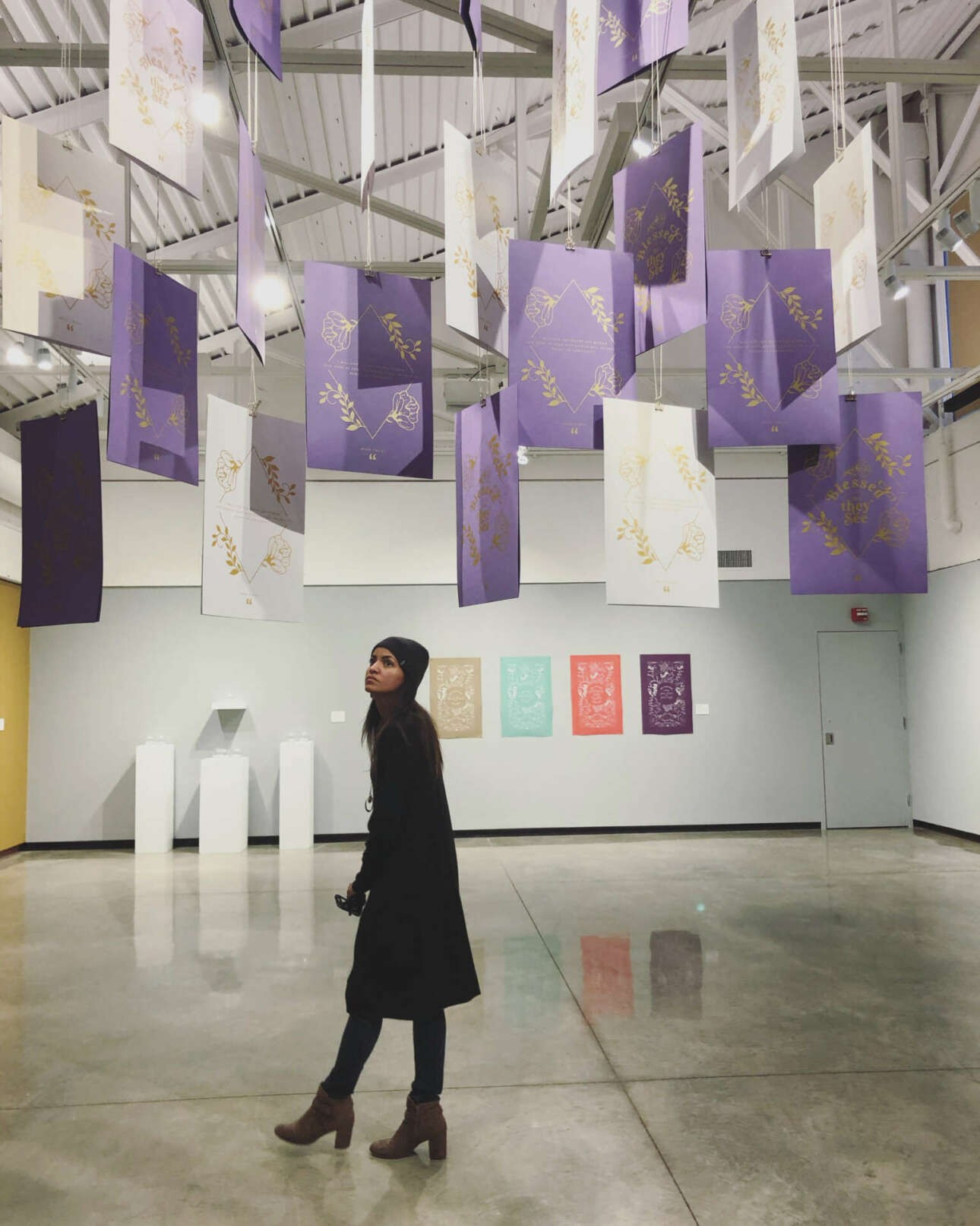
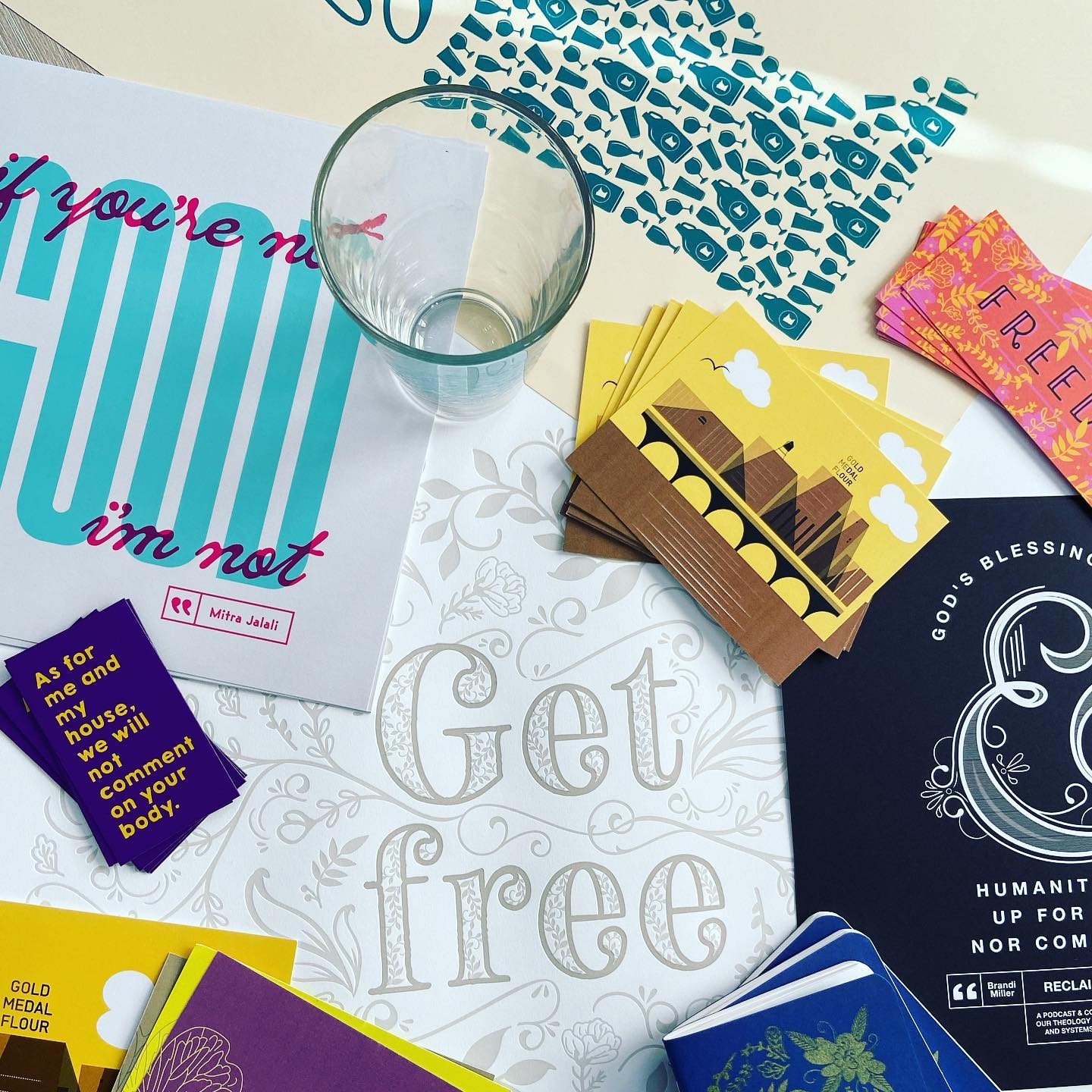
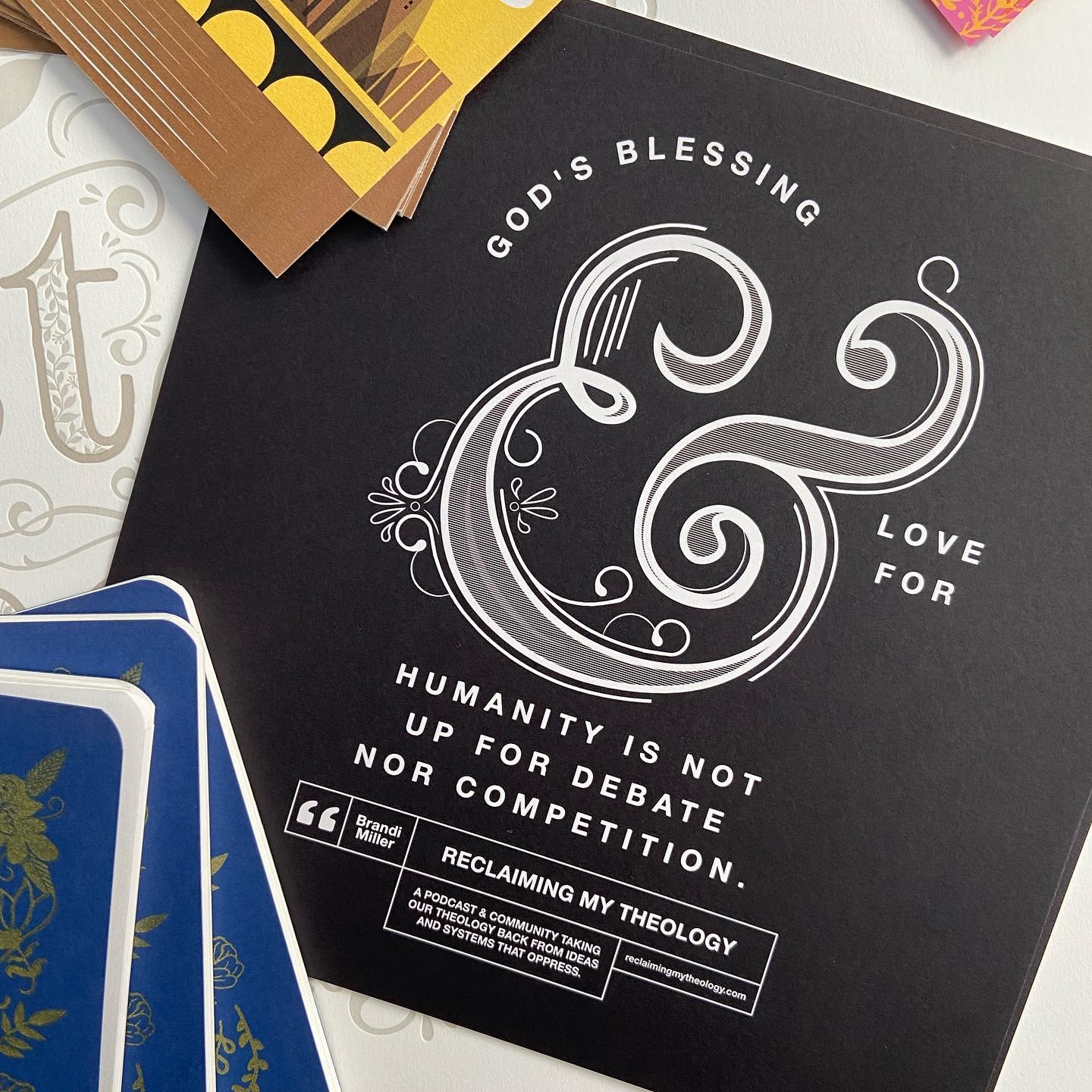
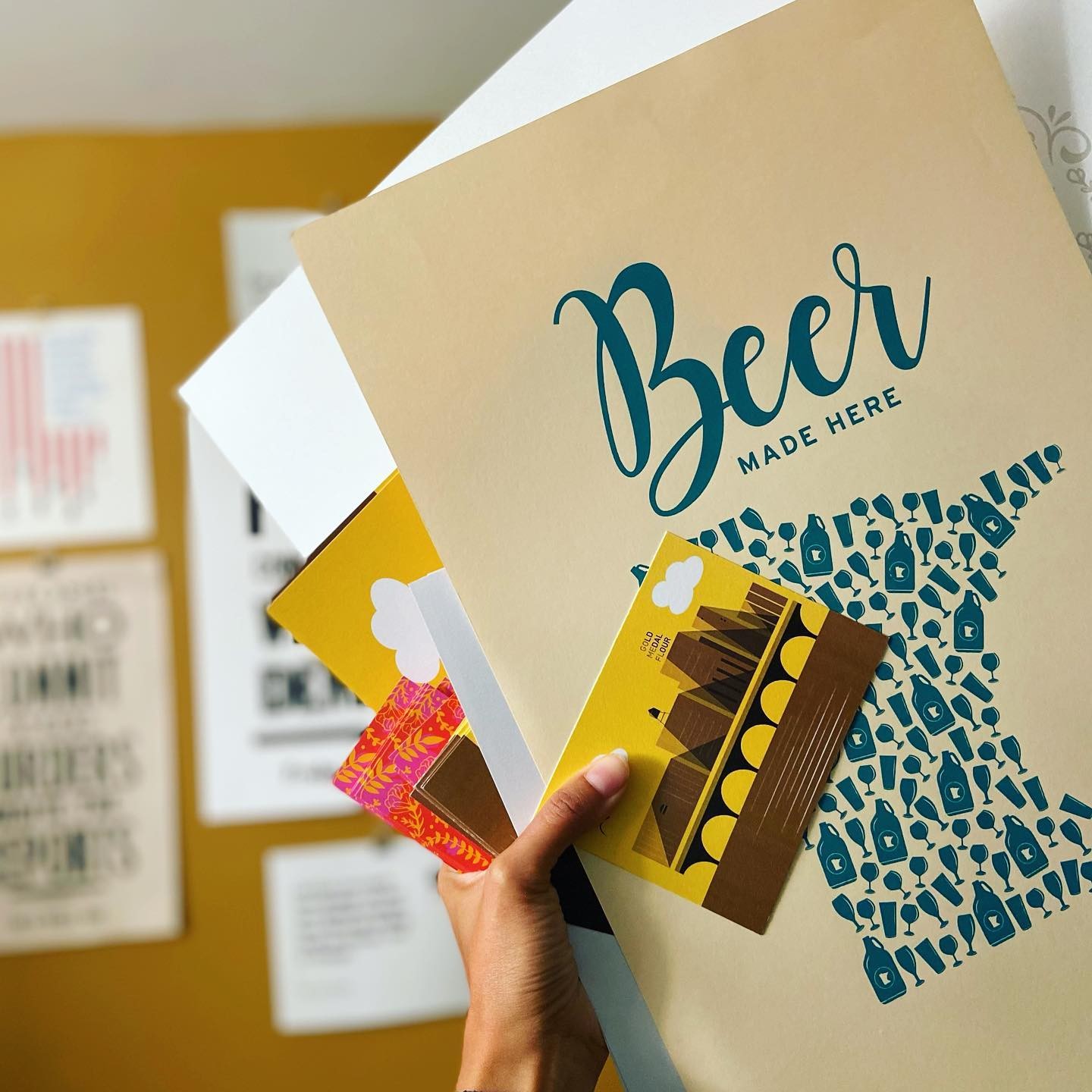
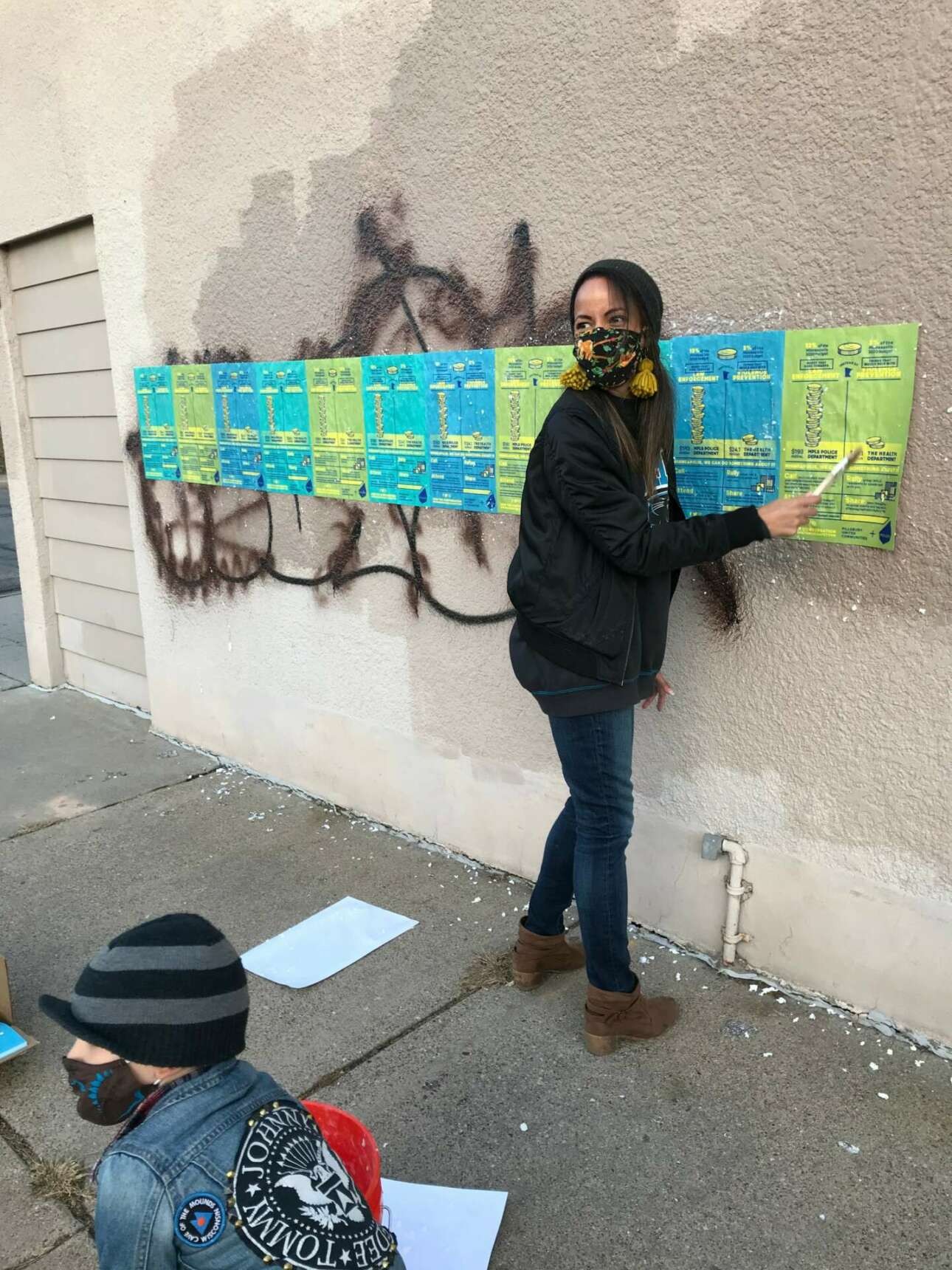
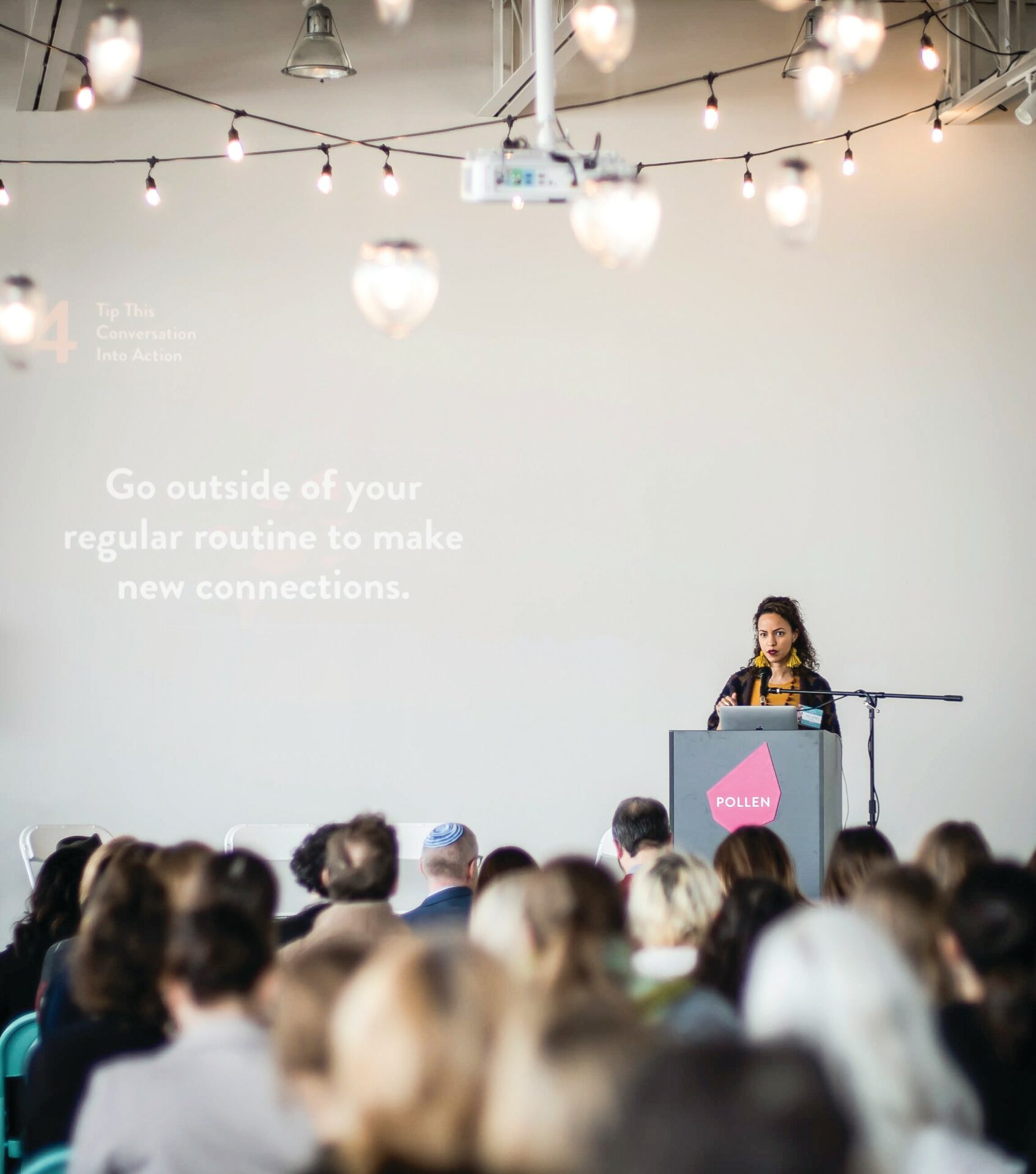
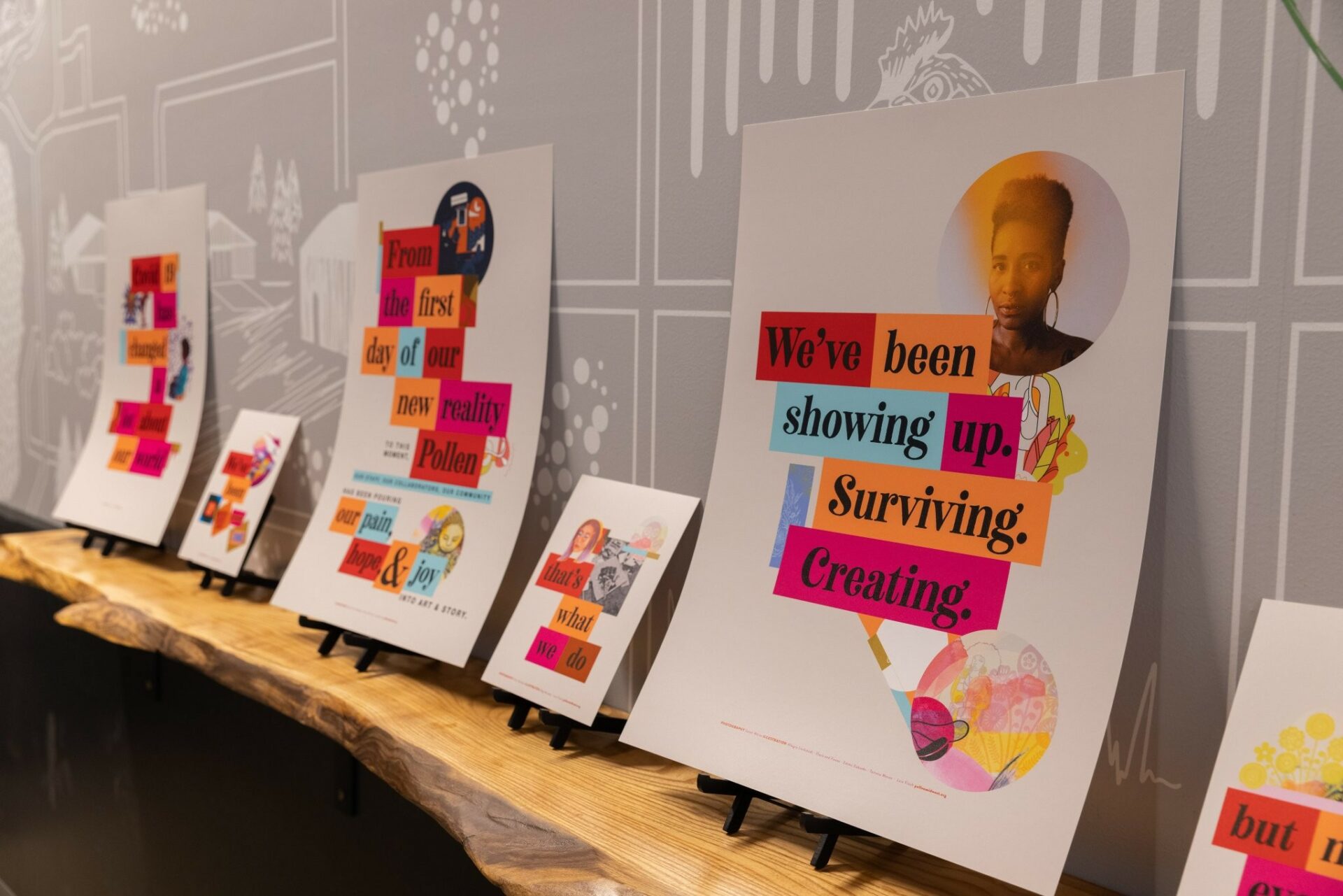
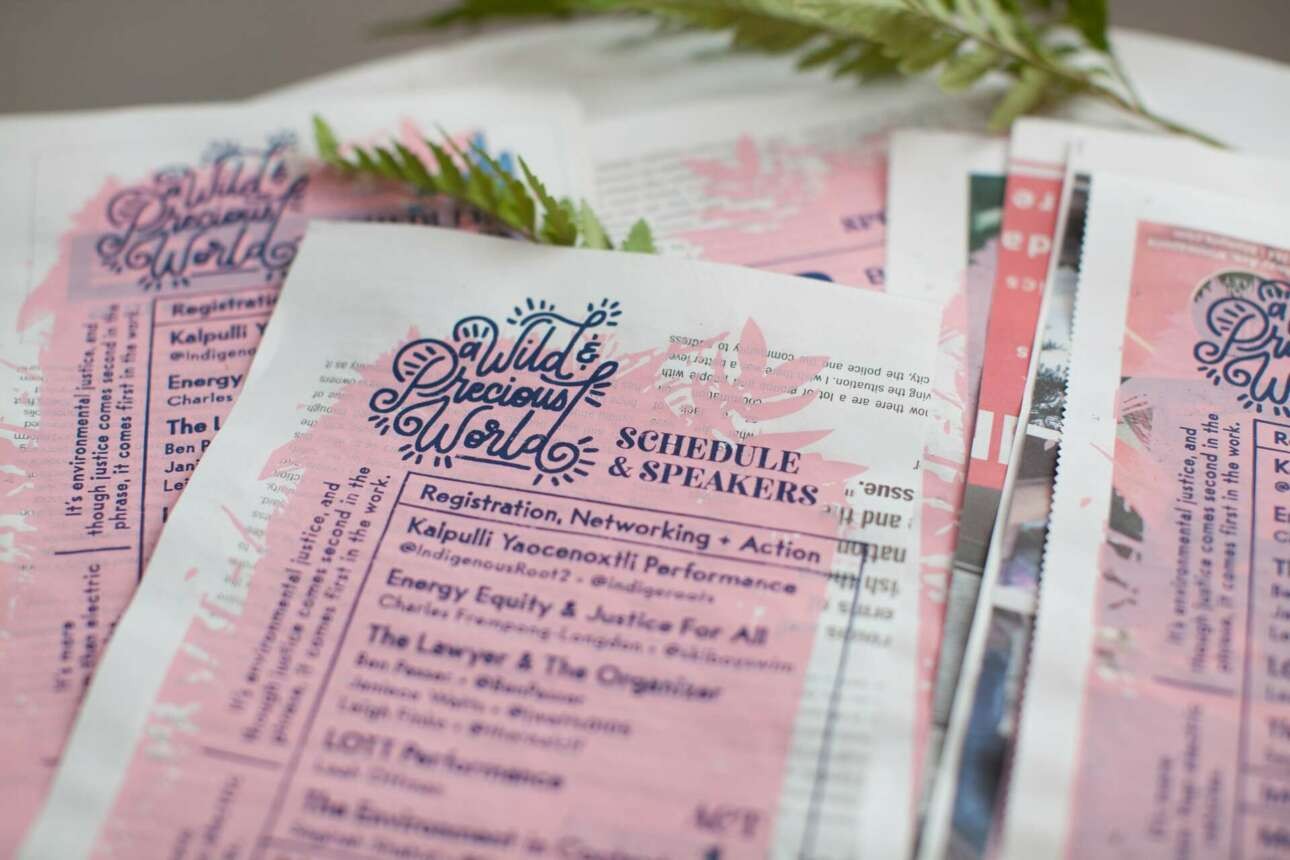
Image Credits
Photography by Emily Barrera, Adja Gildersleve, and Jaida Grey Eagle