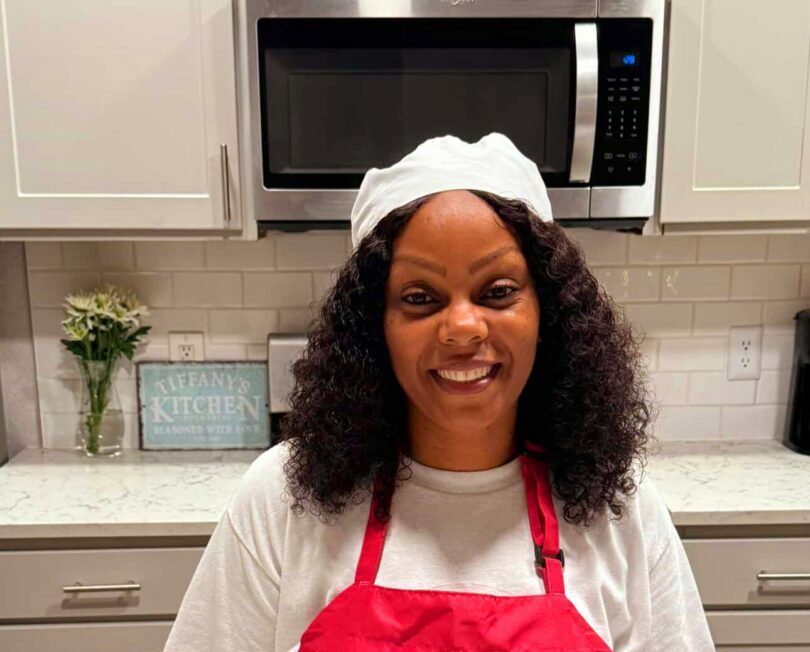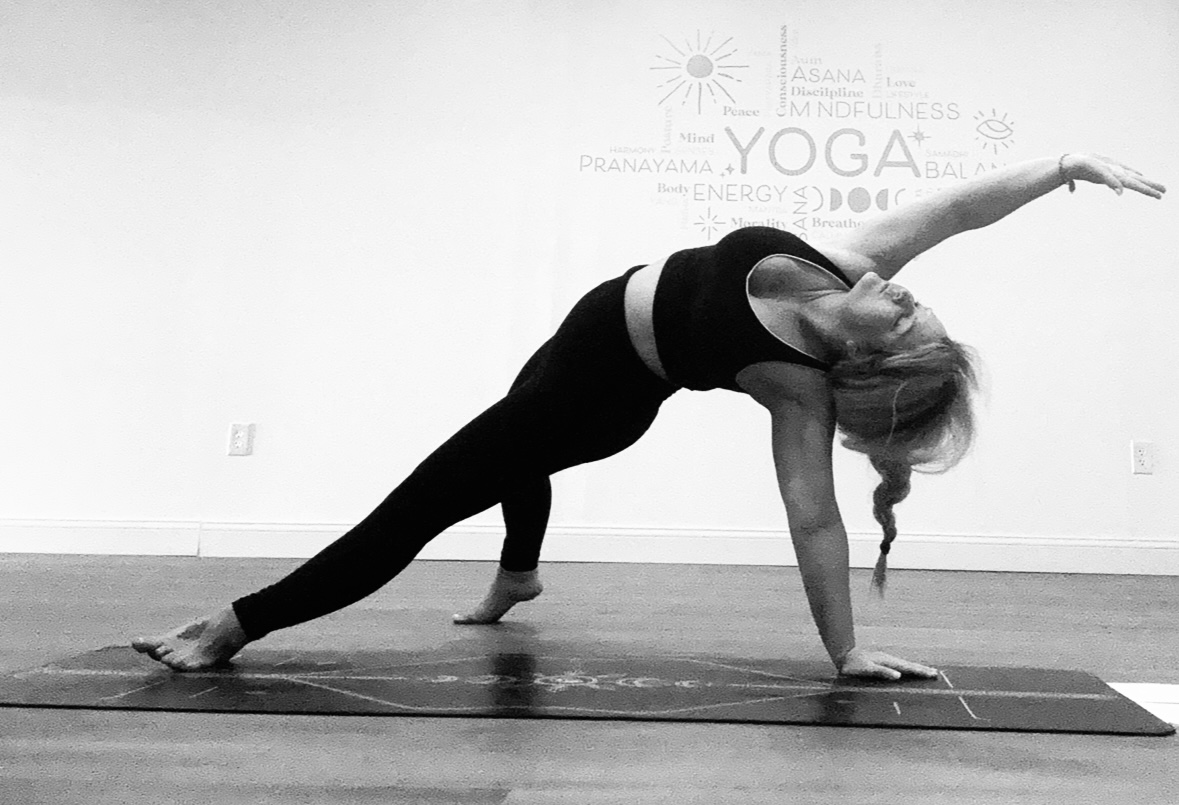
Alright – so today we’ve got the honor of introducing you to Mia Fusco-robinson. We think you’ll enjoy our conversation, we’ve shared it below.
Mia , we’re thrilled to have you on our platform and we think there is so much folks can learn from you and your story. Something that matters deeply to us is living a life and leading a career filled with purpose and so let’s start by chatting about how you found your purpose.
I found my purpose through a combination of my academic background and diverse professional experiences, all of which led me to work with children in a variety of settings. After college, I worked in a before-and-after school care program, where I really enjoyed engaging kids in educational games and activities. This hands-on experience sparked my passion for supporting children’s growth and development, which led me to a role as a technology assistant teaching computer skills to elementary students. That job required a lot of patience and creativity, which made me realize how important it is to find innovative ways to engage kids.
Motivated by this, I went back to school for my Master’s in School Counseling. During grad school, I worked as a paraprofessional with the Special School District, supporting students with special needs. This experience gave me a deep understanding of the unique challenges that some students face, and reinforced my commitment to helping them succeed. After completing my Master’s, I worked as an elementary school counselor in a rural district with lower SES students and later moved to an urban middle school, where I spent five years helping 6th-8th graders navigate their academic and emotional challenges.
Along the way, I also spent ten summers working at a camp for kids with autism, which further solidified my passion for supporting children with diverse needs. Throughout my career, I have found that social-emotional learning is an area that can have an enormous impact on students’ lives, and I discovered that yoga and mindfulness are incredibly effective tools in helping kids develop these skills. My own yoga and mindfulness practices naturally began to spill over into my work, and I saw how these strategies could help students in a creative, engaging, and impactful way.
In all of these experiences, I realized my purpose is to help build social and emotional skills in children through innovative and fun strategies, like yoga and mindfulness. I believe these tools not only help students in the moment but also provide them with skills they can use throughout their lives.
Let’s take a small detour – maybe you can share a bit about yourself before we dive back into some of the other questions we had for you?
I’m a former school counselor with 13 years of experience in education, and throughout my career, I discovered that my true passion lies in supporting students’ emotional and social development. However, I realized that, in my previous role as a school counselor, I wasn’t able to make the level of impact I wanted on a broader scale. That’s when I transitioned into teaching yoga, focusing on using yoga and mindfulness to support kids, teens, and tweens in building social-emotional skills, relationship-building, and self-awareness.
After completing my 200-hour yoga teacher certification, I launched my own business, Little Trees Yoga, where I blend my background as a school counselor with the benefits of yoga to create programming that promotes emotional well-being for children. The combination of my counseling experience and yoga training allows me to offer something truly unique, creating a space where kids not only learn physical movement but also gain essential skills in mindfulness, focus, emotional regulation, and self-awareness. These tools are invaluable in helping children develop the emotional intelligence and resilience they need to thrive in both school and life.
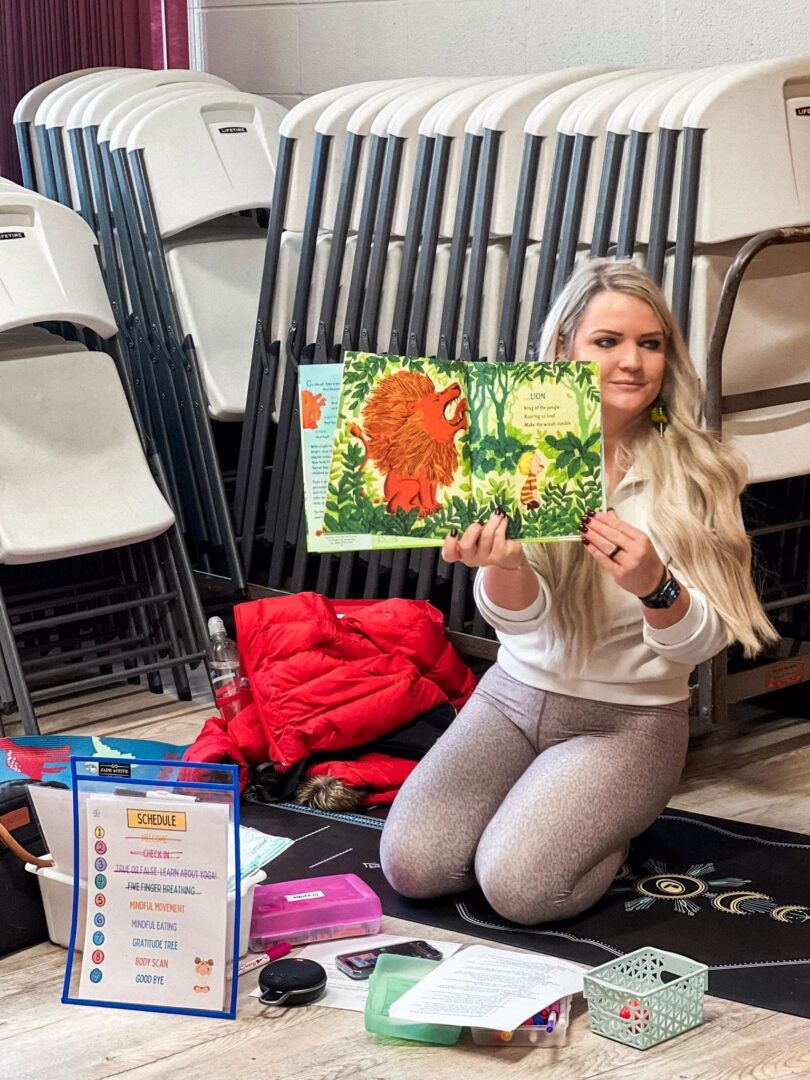
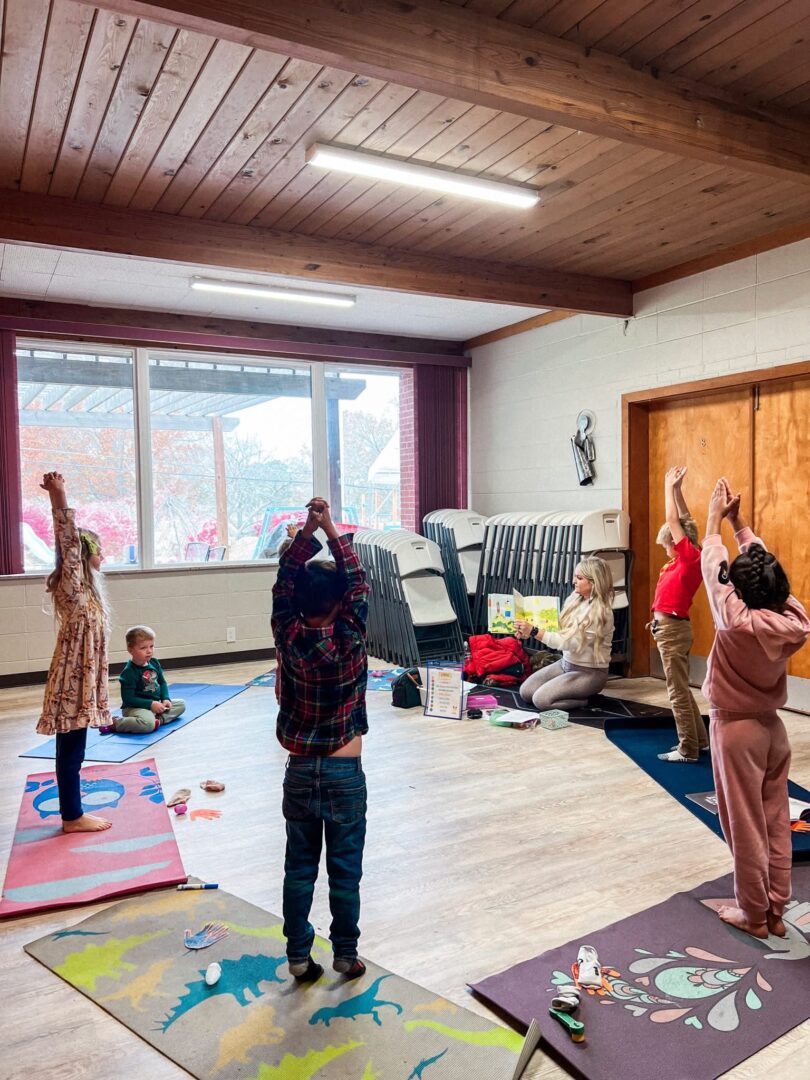
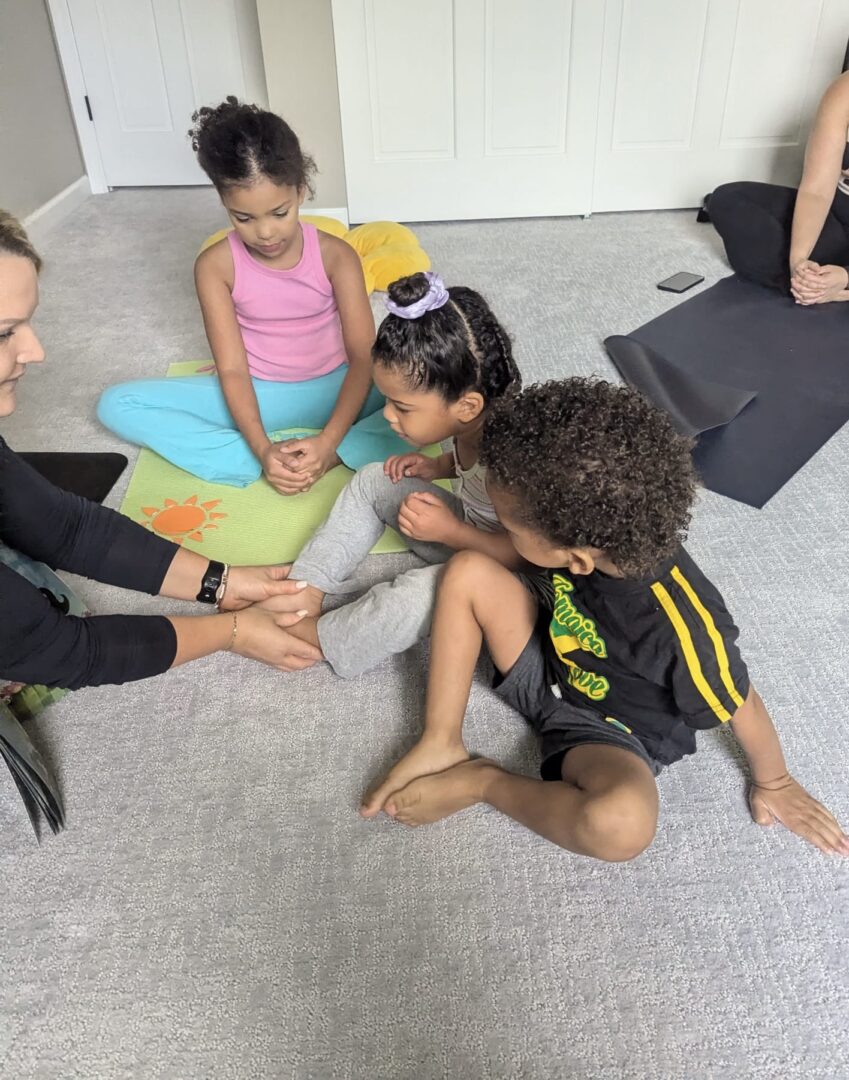
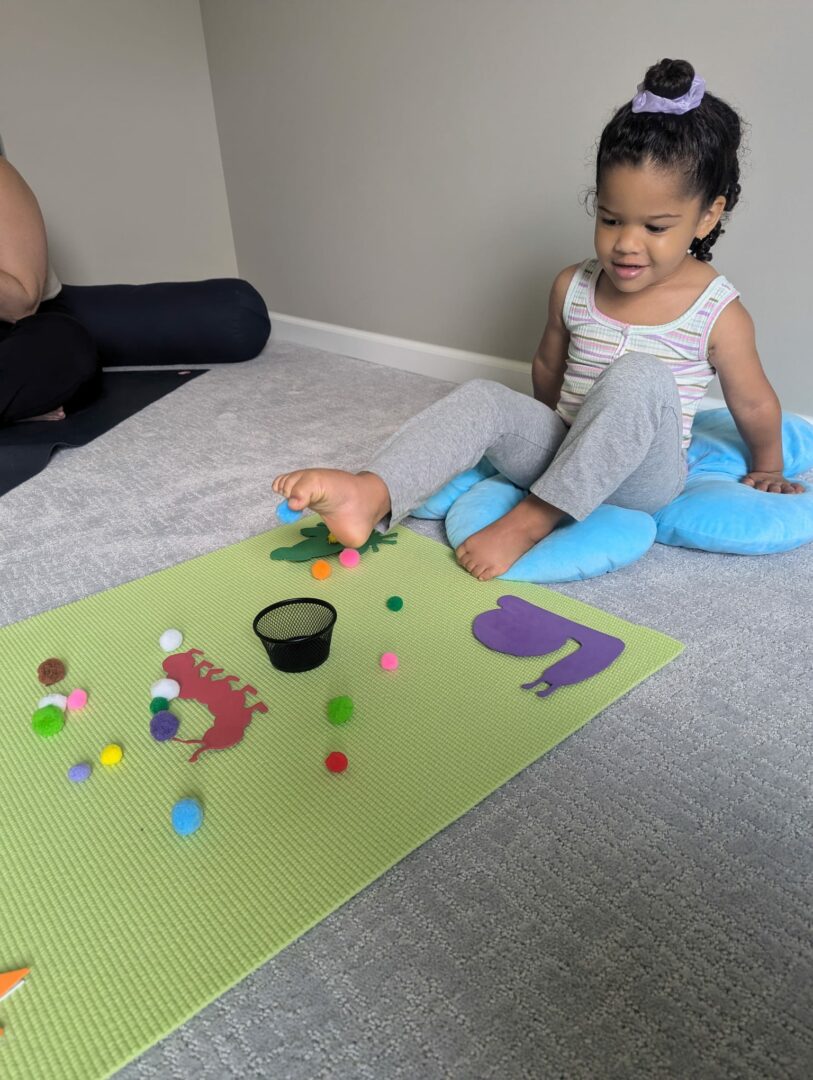
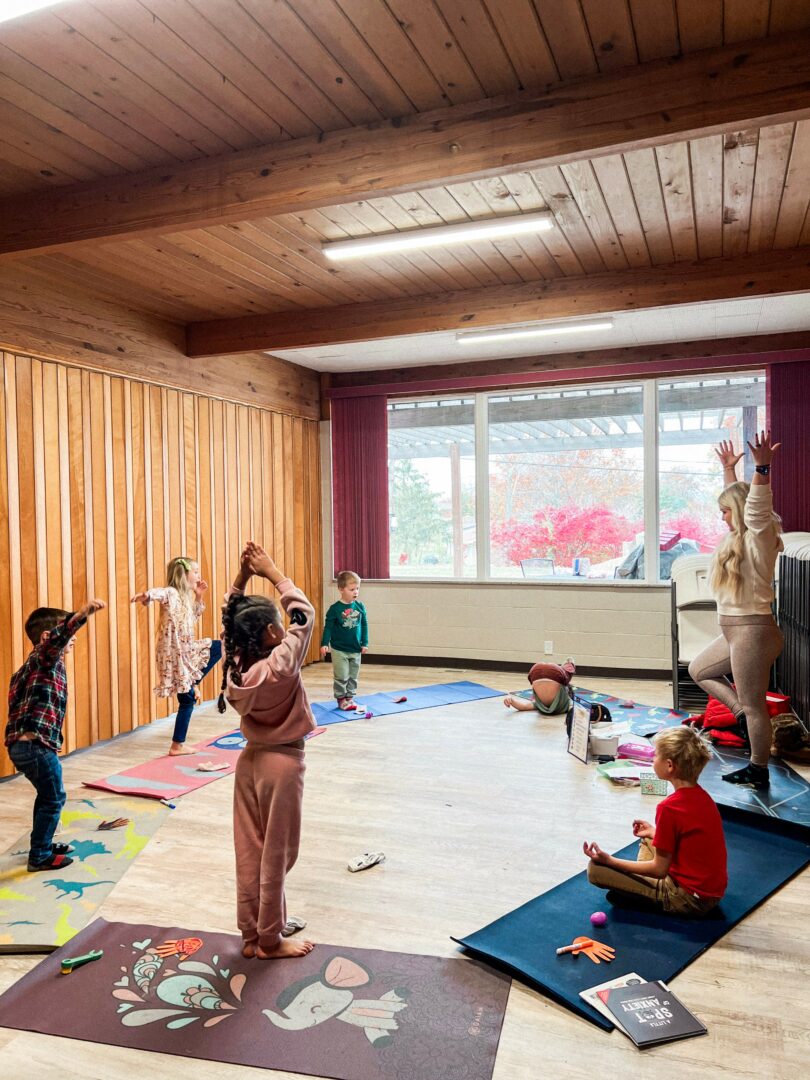
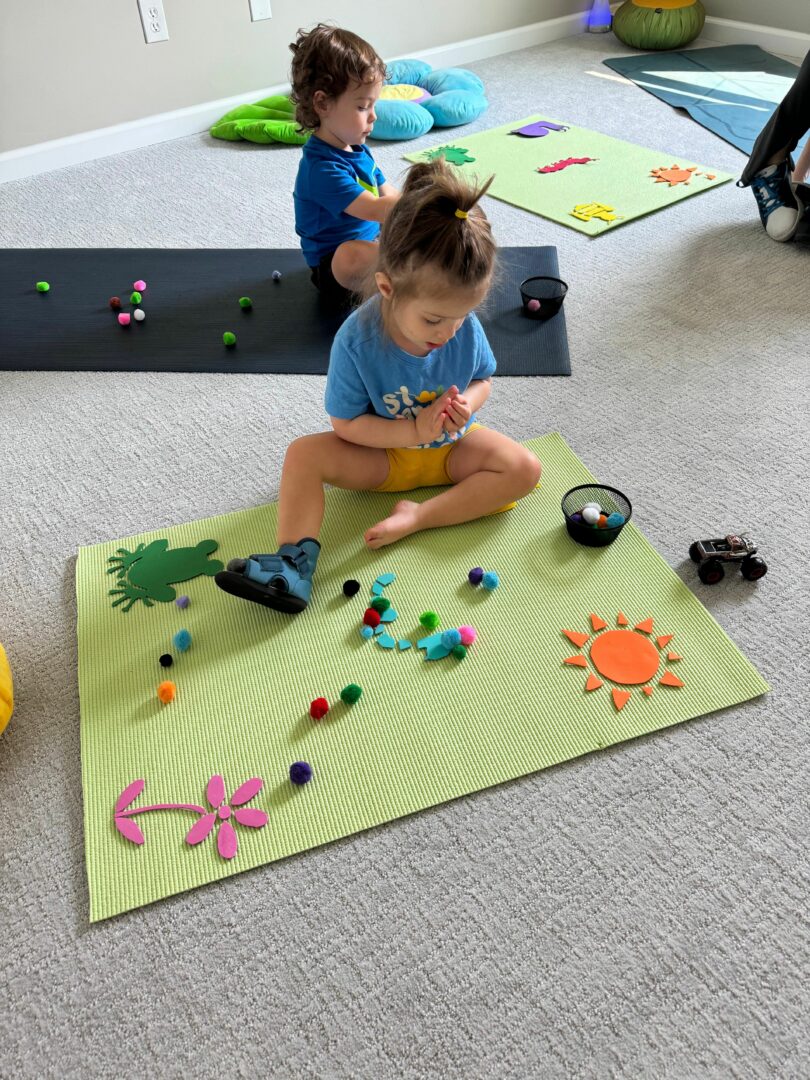
One of the most exciting things about Little Trees Yoga is the impact I’ve been able to make in schools and communities. For example, I’ve implemented an 8-week after-school yoga series at a local school, designed for different age groups: PreK-K, 1st-3rd, and 4th-6th. These sessions include yoga, mindfulness, and creative expression, all while helping students develop relationship skills through teamwork and communication. Many of the lessons and tools I teach in these sessions are also great strategies for use in the classroom or for families to use at home, helping them foster emotional well-being and connection in their daily lives. As part of my 8-week programming, I also send out weekly newsletters to families, summarizing what we did during the week and offering ideas for activities they can try at home. This keeps the practice alive and accessible for families to use beyond the classroom or studio.
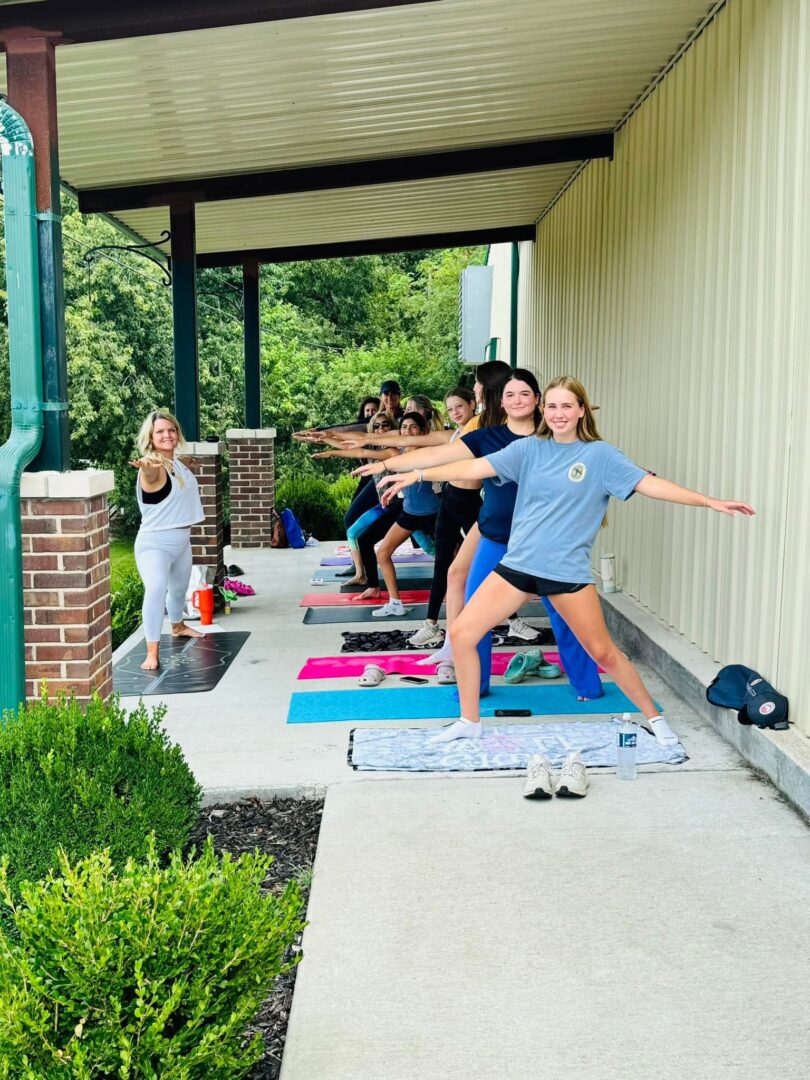
I’ve also conducted pop-up events at schools and yoga studios, bringing yoga to a broader audience. Recently, I had the opportunity to provide a professional development session at the Missouri School Counselor Association fall conference and will be offering a workshop at a nearby school district in February to their school counselors.
I’m also really excited about the resources I offer through my Teachers Pay Teachers store, where I publish resources for educators, families, and yoga teachers. I’m in the soft launch stage of a Little Trees Yoga app that will provide accessible resources for kids, families, educators, and yoga instructors to use in their practices.
Looking ahead, I’m excited to launch another 8-week after-school yoga series this spring and continue collaborating with yoga studios for pop-up events and workshops. I’m also thrilled to share that I’ll be stepping into the role of Director of Kids Programming at Namaste Yoga Studio in Kirkwood, MO! In this new role, I’ll be developing a children’s division that offers a variety of programs, including in-studio yoga classes for kids, educator workshops, children’s yoga teacher training for yoga teachers, and school partnerships to bring yoga directly into classrooms. As part of this expansion, I’ve been creating a comprehensive curriculum for school yoga programs, along with training sessions and resources for educators to integrate yoga and mindfulness into their teaching practices.
What makes Little Trees Yoga special is my ability to combine my educational background with my yoga practice to create accessible, attainable, and effective programs for schools. I understand, as a former educator, that many teachers and school counselors want to incorporate yoga and mindfulness into their classrooms but often feel short on time or expertise to do so. By providing educators with training, curriculum, and resources, I can make these tools accessible and easy to implement. I truly believe that bringing yoga and mindfulness into school communities will benefit not only the students but also the staff, creating a more supportive environment where everyone can build stronger relationships and develop greater self-awareness.
I’m incredibly excited about the growth of Little Trees Yoga and the impact I can continue to make by helping kids, families, and educators build social-emotional skills, improve relationship skills, and enhance self-awareness in a fun, engaging, and creative way. The ability to provide these tools for lifelong wellness, positive community-building, and strategies that families can use at home is what truly fuels my purpose.
Looking back, what do you think were the three qualities, skills, or areas of knowledge that were most impactful in your journey? What advice do you have for folks who are early in their journey in terms of how they can best develop or improve on these?
Looking back, I believe the three most impactful qualities, skills, or areas of knowledge that have shaped my journey are:
Empathy and Emotional Intelligence: As a former school counselor, the ability to truly understand and connect with others, especially children, was crucial in my work. This allowed me to create safe spaces where students could open up and explore their emotions. I also learned how important it is to recognize and manage my own emotions, which has been vital in all of my work, whether teaching yoga, or working with students and educators. It’s important to practice your own self-check-ins and self-care to be aware of your own feelings and how you interact with others. This self-awareness is key to understanding the impact you have on those around you. My advice to those early in their journey would be to practice empathy and actively listen to others. Emotional intelligence can be developed through mindful reflection and seeking out experiences that challenge you to connect deeply with others.
Creativity and Adaptability: In both counseling and teaching, creativity was essential. I needed to develop new ways to engage students, especially in a school setting where resources or time might be limited. This creativity also led me to explore yoga and mindfulness as tools for social-emotional learning. To those just starting out, I would encourage them to embrace their curiosity and think outside the box. Don’t be afraid to experiment with new ideas, and learn to adapt when something doesn’t work as planned. Flexibility in your approach allows you to continue growing and finding better ways to support others.
Commitment to Lifelong Learning: My journey has involved continuous education—whether it was pursuing a master’s in school counseling, getting my yoga certification, or learning more about mindfulness practices. I believe that every experience offers an opportunity to learn and grow. For anyone starting their journey, my advice is to always stay curious and seek out opportunities to expand your knowledge. Whether it’s through formal education, workshops, or simply reading and exploring new ideas, lifelong learning keeps your passion alive and your skills sharp.
For those early in their journey, I would say: be patient with yourself, embrace challenges as opportunities for growth, and surround yourself with people who inspire you. Developing these qualities takes time, but with perseverance and openness, you’ll continue to build a fulfilling path.
What do you do when you feel overwhelmed? Any advice or strategies?
First and foremost, I take proactive steps to prevent feeling overwhelmed or burnt out. This includes staying incredibly organized with to-do lists, detailed planning, and a clear calendar to ensure I don’t overbook myself. I also break larger tasks into smaller, more manageable chunks. This helps me avoid the trap of trying to complete one big project all at once, which can feel daunting. The smaller tasks feel more achievable and reduce the pressure on me.
However, despite all my efforts, feeling overwhelmed is a part of life, and it’s totally normal—especially when we’re passionate about what we do. When we’re deeply invested in something, we naturally pour a lot of ourselves into it, and that can create pressure. It’s important to recognize that this is a sign of dedication and not necessarily a flaw. That said, when I do feel overwhelmed, I’ve learned to give myself permission to step back and take a break. It’s okay to pause and do something that replenishes me, whether it’s going for a walk, practicing mindfulness, or engaging in something creative or restful.
Another strategy I use is to reflect on what might be causing the stress. Often, taking time to pause and process can provide clarity. Sometimes, this reflection helps me recognize that I may need to adjust my expectations, reprioritize tasks, or even let something go. If I realize that a certain project or task isn’t aligned with my goals or values anymore, I’m okay with deciding to remove it from my plate. This process helps me free up mental space and energy to focus on what truly matters.
One of the most important things I’ve learned is to trust that it’s okay to not be 100% all the time. Overwhelm often happens when we try to do everything perfectly or take on too much. I also remind myself that taking a break doesn’t mean I’m not being productive; it’s actually a form of self-care that enables me to come back with renewed focus and energy.
For anyone feeling overwhelmed, my advice is to create boundaries for yourself and schedule regular breaks to recharge. Consider adopting a mindset where you’re not just managing tasks but also honoring your own well-being. Sometimes the most productive thing you can do is step away, reassess, and come back with a fresh perspective.
Contact Info:
- Website: https://www.littletreesyogastl.com/
- Instagram: https://www.instagram.com/little_trees_yoga/
- Facebook: https://www.facebook.com/profile.php?id=61558658375782
- Linkedin: https://www.linkedin.com/in/mia-robinson-ed-s-ncc-8b6a472a7/
- Other: https://app.jotform.com/243457915497168

so if you or someone you know deserves recognition please let us know here.