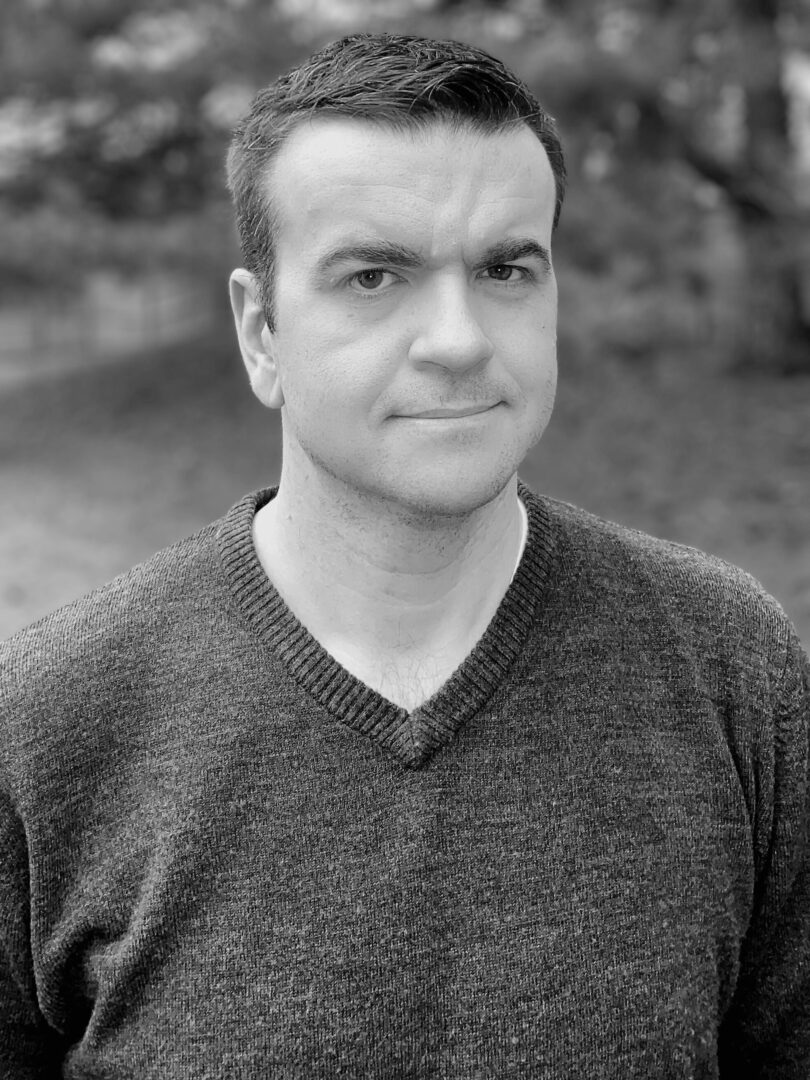
We’re excited to introduce you to the always interesting and insightful Michael Allen. We hope you’ll enjoy our conversation with Michael below.
Hi Michael, thank you so much for opening up with us about some important, but sometimes personal topics. One that really matters to us is overcoming Imposter Syndrome because we’ve seen how so many people are held back in life because of this and so we’d really appreciate hearing about how you overcame Imposter Syndrome.
By admitting to myself it’s something I’ll probably never completely overcome. If I’m always looking to push myself into new areas and attempt things I haven’t done before I’m going to have those moments, where I transition from “new and learning” to “doing and teaching”, that I have to ask myself what qualifies me to be doing this? Usually, that answer is “because I’m doing it, I’ve worked hard to learn it, and I’m pretty honest with what my credentials and goals are”. If I was positioning myself as an authority on publishing or actively marketing myself to attract writers, I think I’d experience that more than if I’m honest about being a guy that learned enough about writing books and self-publishing that I wanted to remove hurdles for other authors, so I started a publishing company. By doing that, I’ve learned a ton and failed just as often as won, but my skills continue to grow. This cycle will always appear, whether you’re talking about your job, parenthood, or just your friend group. If you’re honest with yourself and with others, it actually becomes easier to grow into that role. I’ve always been honest with my kids, telling them “Look, we don’t know what we’re doing either. Everyone is scared and making it up as they go.” It helped them be more forgiving when we screw up, and made them not be as hard on themselves when they screw up, which is a great end result despite admitting the imposter syndrome.
Let’s take a small detour – maybe you can share a bit about yourself before we dive back into some of the other questions we had for you?
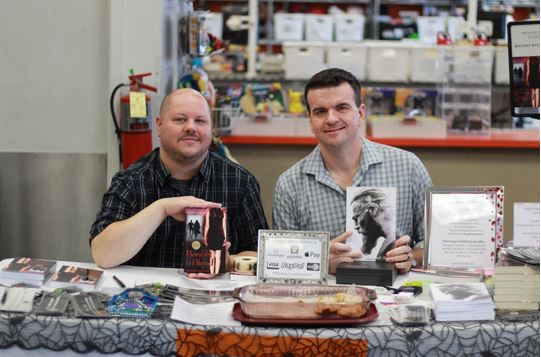
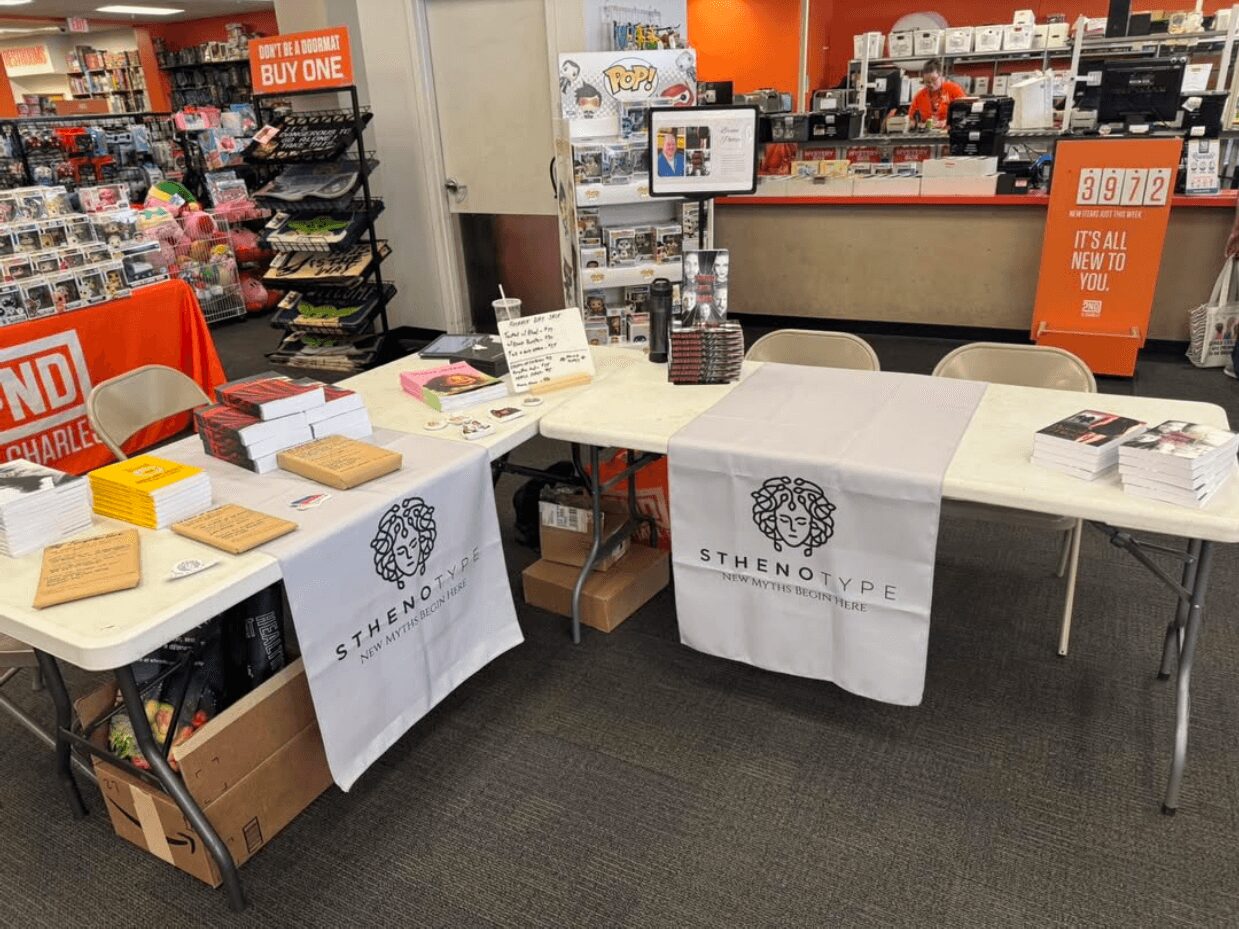
I started SthenoType in late 2020 after completing my first novel. This was peak Covid, a lot of people were working their way through creative endeavors. I had been researching self-publishing and talking to some other creative friends about the experience. I realized that I was in a good position to help, and sent a laptop to a friend to get him writing and started a publishing company to release my book under. A few months later we released his book and we’ve since brought on 4 more authors that have released with a couple more in various stages of their own releases.
We did a writing sprint in October and are planning to make that an annual thing, titled SthenoSprint, where we helped authors write a novel rough draft in 30 days. Since then we’ve been focused on helping authors take their manuscript from rough draft to finished work via videos on social media.
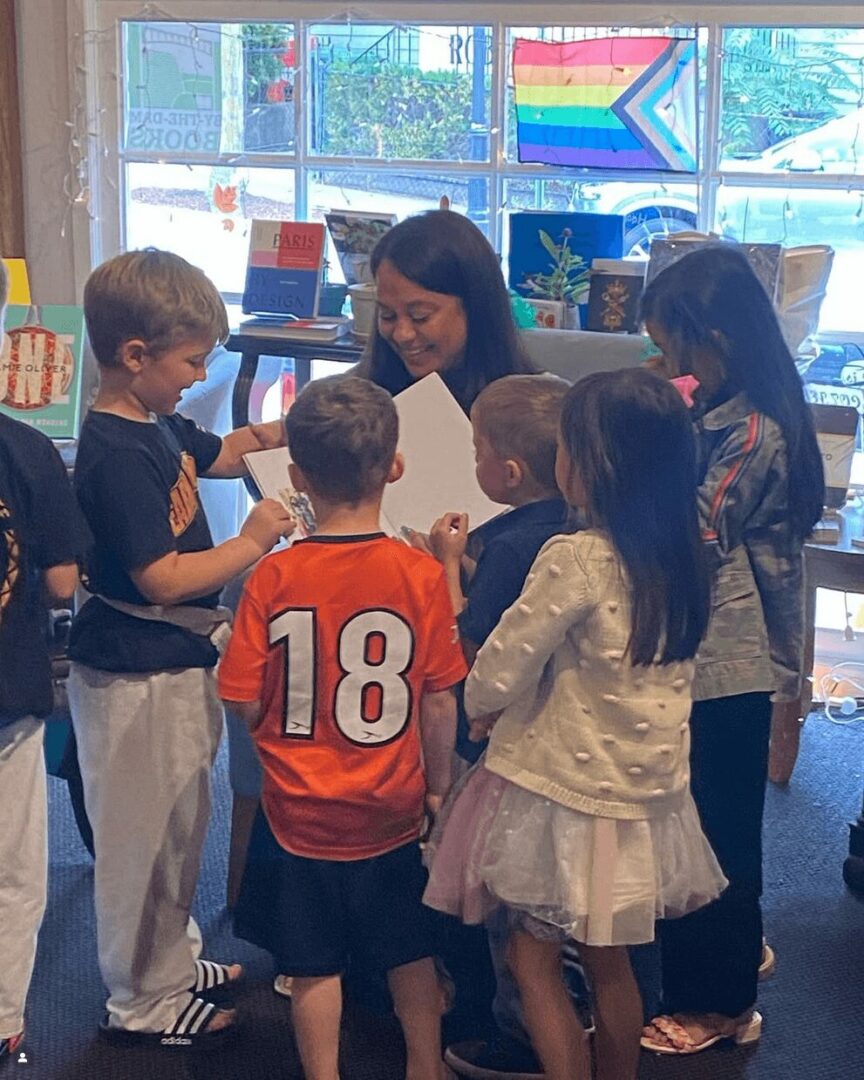
We’ve also begun working with independent bookstores to stock our books, either on consignment or purchase, which has been exciting to see our books on shelves.
We remain focused on helping newer authors get their stories told and giving advice and tools to make it the best version of their stories. Every book we’ve released has been one that I’ve personally enjoyed and I want to make sure we keep that level of quality so that we can build a brand that people trust and are willing to take chances on our catalog. We’re passionate about helping people tell their stories and make sure that authors are paid fairly from the first book that sells, with royalties skewing heavily in favor of the authors.
Looking back, what do you think were the three qualities, skills, or areas of knowledge that were most impactful in your journey? What advice do you have for folks who are early in their journey in terms of how they can best develop or improve on these?
Patience. I learned through my career that not everyone sees things the way I do, or they may not learn things the same way I do. If I’m trying to illustrate something to an author and they resubmit it with the same problems, I need to find a different way to get that across. Or maybe I need to reevaluate what I’m seeing, which brings me to my next point
Not adding too much value. Everything doesn’t need to have my fingerprint. Is their dialogue different than they way I’d write it? Probably, but it’s not my voice. Does it degrade the quality of the story or is it written in a way that’ll disengage the reader? If not, there’s nothing needed from me. This is a lesson for anyone in a position of leadership or authority, and it happens in very subtle ways. Don’t stifle the creativity and agency of your people – they’ll often surprise you.
But, make sure you’re adding the right value. Do you know what your people need or want? Are you only giving them just enough to be good at their current task or are you setting them up for the next thing? With publishing I make sure to talk to my authors about every step of the process, and get feedback on how much they want to learn or be involved. If they want to learn how I lay books out for print proofs in Adobe InDesign or how I make covers in Photoshop, I make sure to teach them. If they want to learn what I look for in editing, I’ll put a video call together and screen share as I’m working through it so the next book they submit to me, or someone else, is stronger. If they didn’t improve by working with me, I didn’t do my job.
We’ve all got limited resources, time, energy, focus etc – so if you had to choose between going all in on your strengths or working on areas where you aren’t as strong, what would you choose?
I’m a big advocate of the idea that you should always be investing in areas you’re weak in, especially if they reinforce areas you’re already strong in. I call myself a serial hobbyist, I’m constantly taking on new hobbies or learning new skills. I may move on from them once I’ve gotten a grasp on them, but it’s amazing how often the things I learned come in handy in other aspects of my life. What does being a magician have to do with writing books? I have experience walking people down a garden path and using storytelling and the environment to hide the payoff. I’ve been interested in mythology all my life, but I knew my Norse knowledge was lacking so I started researching and had the idea for my first novel. I can take lessons I’ve learned at every job since I was teenager and relate them to my current role, even if it’s just knowing what it’s like to be on the other side of a conversation. I think there’s many things that you can invest your time into that make you a more complete version of you. If it’s something you thought would be interesting and you’d like to learn but it scares you – that’s a great sign that it’s something you should probably do.
Contact Info:
- Website: Sthenotype.com
- Instagram: https://www.instagram.com/sthenotype/
- Facebook: https://www.facebook.com/people/SthenoType/100088392597326/
- Other: https://www.tiktok.com/@sthenotype