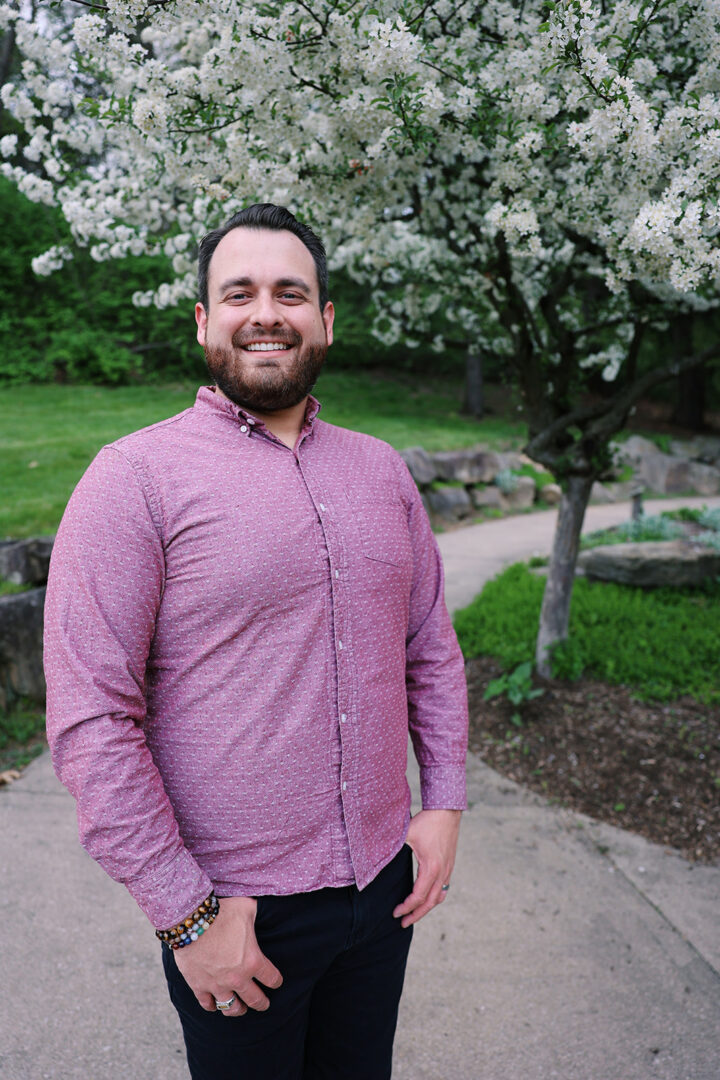
We’re excited to introduce you to the always interesting and insightful Michael Desposito. We hope you’ll enjoy our conversation with Michael below.
Michael, thanks so much for taking the time to share your insights and lessons with us today. We’re particularly interested in hearing about how you became such a resilient person. Where do you get your resilience from?
Resilience is one of the most important strengths because it acknowledges the human condition and story of why I got into my field. While I have been in the mental health field for many years, I initially had plans to go into cardiac medicine. Since most of my family was in the medical field and several of my family members struggled with chronic medical issues, I spent most of my high school and early college studying pre-medicine. As an only child from a divorced home and working class parents, much of my early childhood was spent dreaming of finding a way to make the world a better place since I knew from my own experience to never judge someone by their appearance as people often hid their pain. I was blessed to get the opportunity to attend a college preparatory high school that exposed me to new ideas and experiences that further fueled my belief in a servant’s heart.
These dreams changed when I received the call that my mother experienced her first mental health crisis episode, leading to a dramatic change in my understanding and growth in empathy. What was most difficult for me was the lack of support for someone my age trying to understand the changes to my family unit. I remember attending National Alliance on Mental Illness (NAMI) support groups as the only “adult child” with the majority of members being my “parents’ age,” making it difficult to feel like I fit in when trying to get an answer for how something like this could happen. However, what I did find was a group of compassionate individuals who all could share in the experience. I remember the group leader, we called him Dr. Bob, placed his hand on my shoulder and said “everyone suffers, but no one has to suffer alone.” I switched my major to psychology and I continue my path now as a professional counselor. No matter who comes into my office, I often share Dr. Bob’s words with my clients because it taught me that you don’t need all the answers, you just have to acknowledge someone else’s dignity to build hope.
Let’s take a small detour – maybe you can share a bit about yourself before we dive back into some of the other questions we had for you?
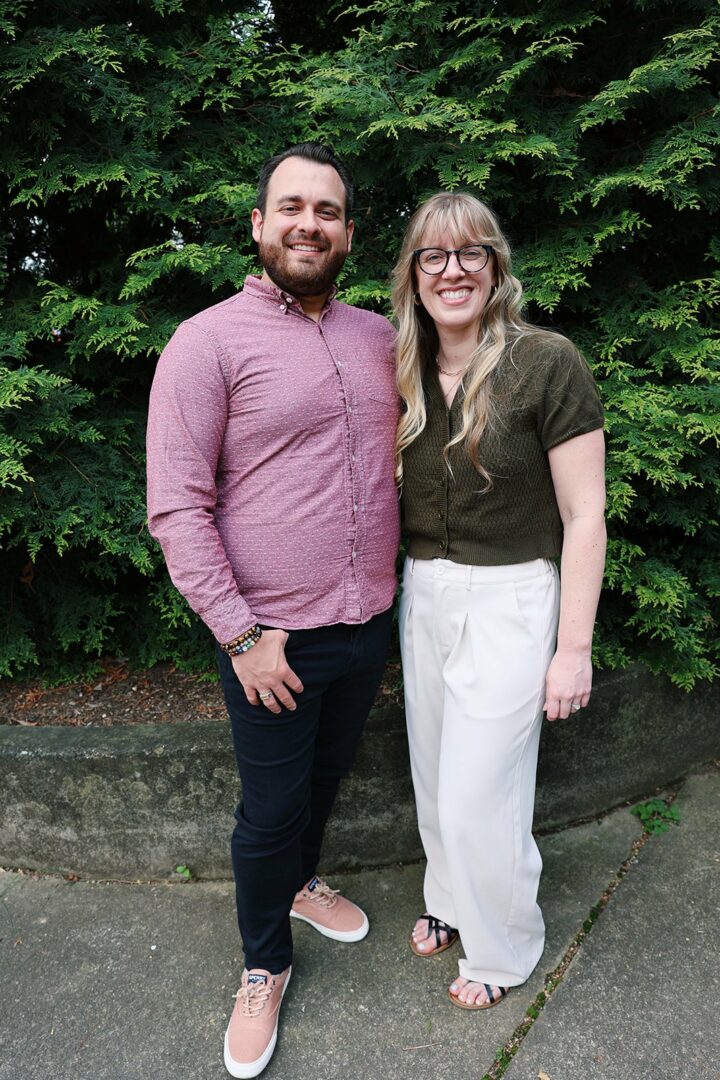
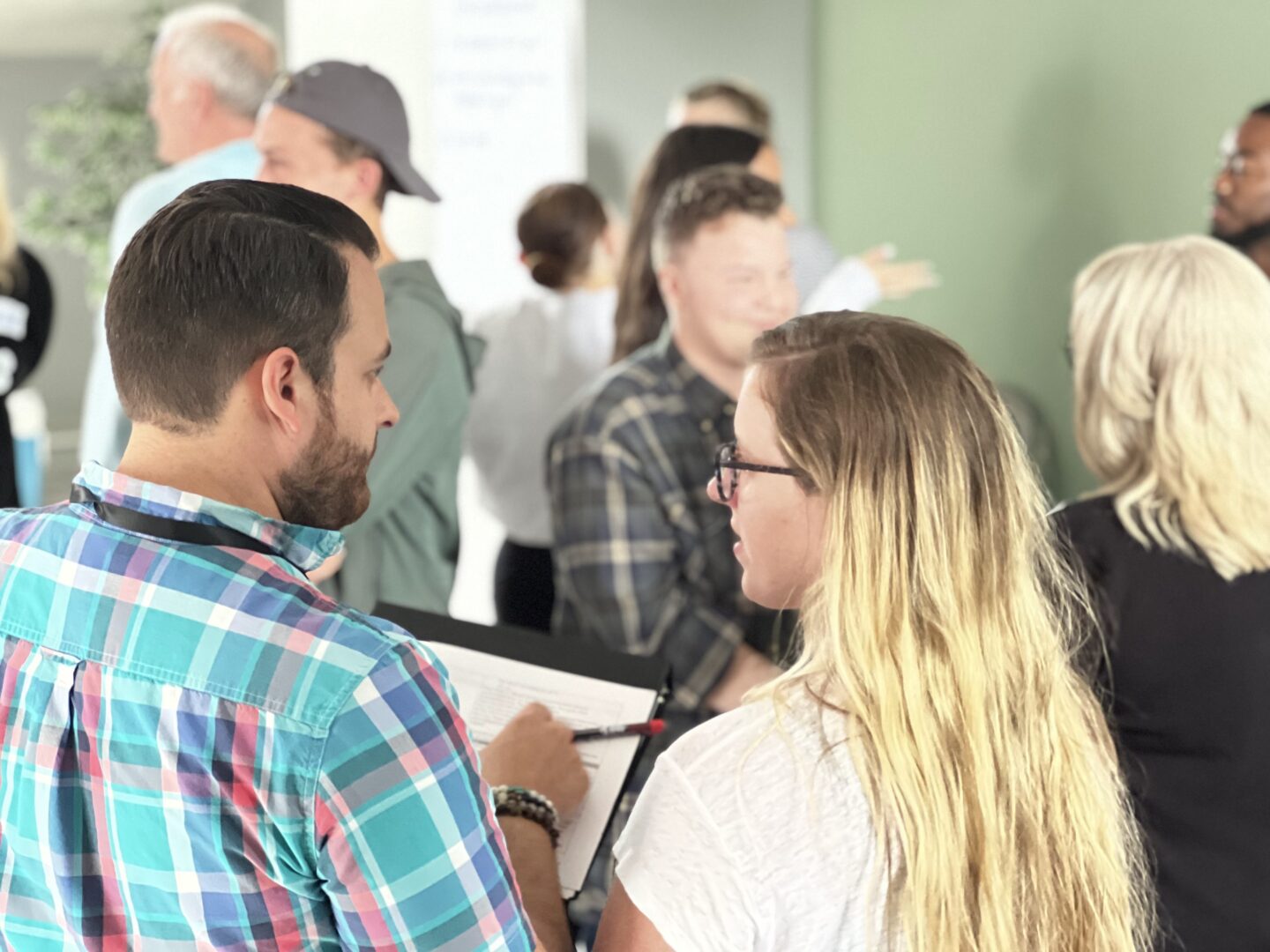
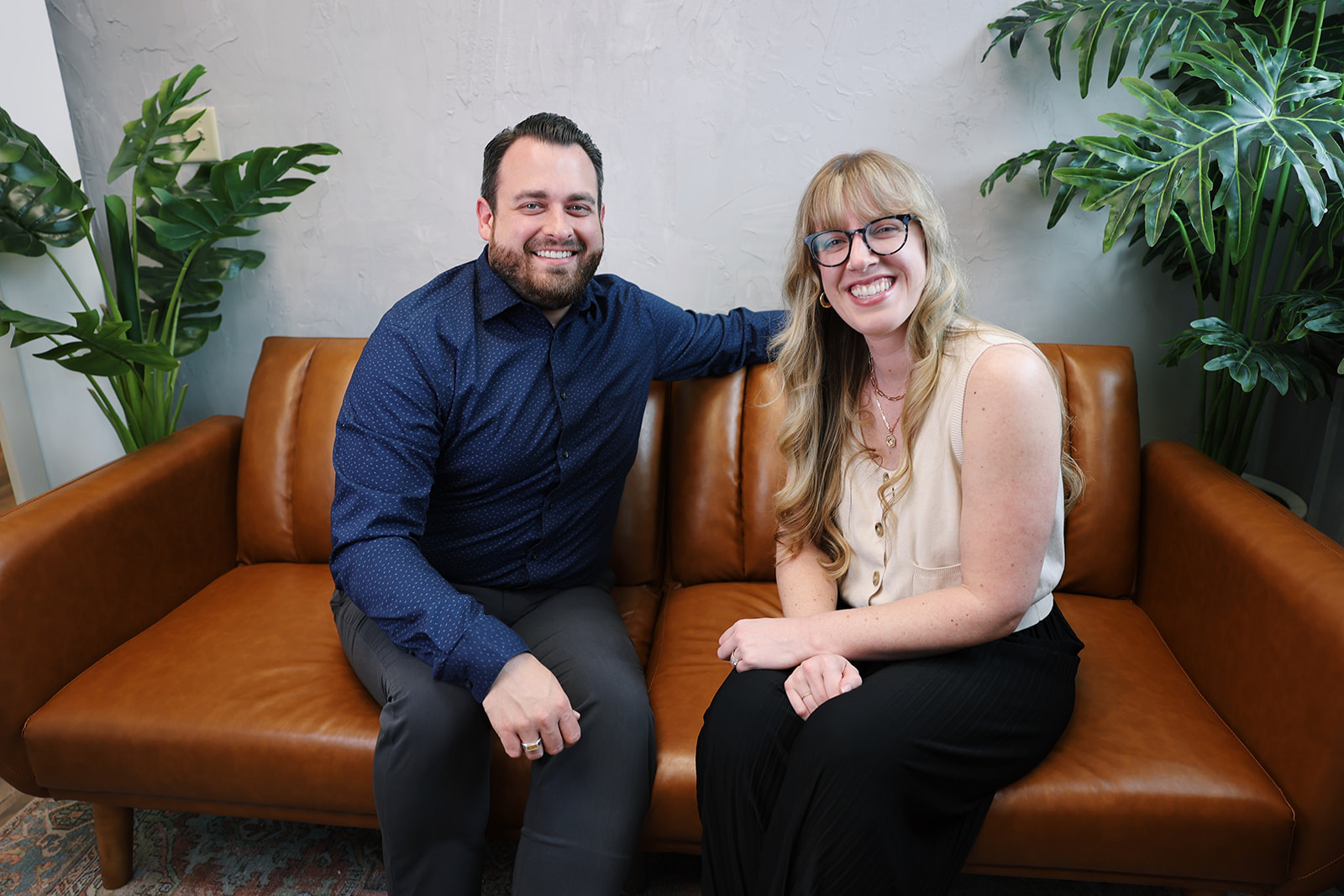
I am a Licensed Professional Clinical Counselor with Supervisory Designation in the state of Ohio, a certified professional coach, and certified DBT therapist that co-owns a small business private practice in Canton, Ohio called The Wellife. While there are many different counseling practices, our practice is dedicated to “wellness in a different way” in that it isn’t another thing to chase, but a return to wholeness and meaningful belonging. The business has recently as of 2025 had its 10 year anniversary. Originating in Toledo, Ohio, the business name occurred through direct conversations with counseling clients trying to do more than standard symptom reduction that often occurs in the medical field. My partner and I would often ask the question, what would make you have a “well life,” which would open the conversation to often several meaningful directions that standard medical questioning alone would not address. Hence, we decided to combine the words and create the Wellife as a place for people seeking more than just a reduction of symptoms, but a true change to their life holistically. In 2019, my partner and I moved to Canton, Ohio for a job leading us to pack up our business and move as well. In 2022, after the pandemic lock-downs lifted, we re-launched the Wellife in its fullness and have had continued success up to this point. What is different between our original model in Toledo to now in Canton, is we have added development of other small businesses as a core component of our business model. Not only do we train other clinicians on how to build their own small business vision, but we rent our space to other wellness practitioners to build a more integrated wellness network.
Our practice focuses on evidence-based practice (EBP), integration of technology, wellness philosophy, and integration of community care to improve client experiences at each step of their journey. The use of EBP for any service offers tangible value and trust that our services provide tangible results. Integration of technology offers clients autonomy in their scheduling, communication, reminders for appointments, and a compliant and safe way to keep client records available should clients request them. Wellness philosophy is difficult to define in the current US business landscape, but we define it as “a way of life oriented towards optimal health and well-being” as defined by the professional counseling profession’s evidence based model developed by Myers and Sweeney (2008). This is more than just “physical fitness” but a focus on a way of life that orients towards a person’s potential. A way to create deeper meanings for a person in a world with so much information and mental “chatter,” often a guidepost towards a person’s purpose and how that purpose impacts themselves, others, and overall society. Finally, we include community care within our model because we believe a person can only be as “well” as the community they live in. We have learned that intervention often works best when people feel they can get quality services in the communities they live.This provides clients resources that our business may not be able to provide and also helps the client better connect to their community to improve different areas they feel need improvement. Examples may include finances, physical health, safety, medical care, or support services.
In 2026, our vision for the Wellife is to begin growth towards improving on our model to continue to provide quality care for clients and those who work in our business. This will include both improvements to the quality of services we provide by our Wellife providers but also working to build a strong wellness culture among the allied practitioners in our space. Since any positive change in our practice is good for everyone, the goal is to work together to make any improvements to the space that honor wellness and business goals.
If you had to pick three qualities that are most important to develop, which three would you say matter most?
Three qualities, skills, or areas of knowledge that were the most impactful for me are creative intuition, mutuality, and commitment to human-centered service. I find these three components outline how I overall view wellness in a different way for myself and how I support others in their own journey.
Creative intuition is something I find deeply meaningful for me as it has helped me cast a forward vision for what I wanted in my life and capture my imagination to truly build my desire into a reality. While many business leaders speak about vision, I find the beginning of understanding oneself starts with going inward towards the internal quiet and contemplation to find the spark of insight that supports authentic purpose. I often practice several different types of meditation since I am certified in a therapy that integrates mindfulness at its core as well as seek ways to promote wellness in beautifying the environment and settings around me and others to create the fertile soil for this movement. One of the ideas that came from this process was a stairwell art gallery I created for my business to beautify a mundane stairwell at my business. It was so meaningful, the local art museum supported the idea with feedback and insights on how to do the exhibit in a way that represented different artists and styles that honored the artists, the art, and the people who perceive the art on their journey up and down the stairwell. Many of the initiatives I have developed at my business to the advocacy work I have done in my county or for counselors in my state and beyond have come from these moments. I often find my view of wellness is colored by this perspective since wellness is more about a person’s unique point of view versus conforming to the expectations of another or society.
Mutuality is one of the unique aspects of how we have established the Wellife, as it focuses on each member or coordinated business as a building block of the greater “well” whole. While systems-level thinking is sometimes a buzzword in my field, I like to define my perspective as mutuality as the impact of one ripples across all levels and vice versa. The Wellife model is based on the visual representation of the coral reef, where each living organism is supportive and additive to the others in a healthy ecosystem. This mutual cooperation supports the larger goal of improving the lives of others while also maintaining a healthy professional culture. I find this defines my wellness paradigm and a holistic understanding of a problem often provides multiple ways to think outside the box that often leads to grid-lock in problem-solving.
Human-Centered service is not unique in the therapy field, but its implementation as a core value of a business is radical given the many structures that treat health as a reductive or even separated focus. This is best seen in how behavioral health is often carved out of some medical insurance billing or when mental health may not even be covered by an insurance provider. To assume a person is only a brain or only a body is like missing the forest for the treeline as people are uniquely connected within themselves and society. This has an echo effect where many therapists are underpaid for their life saving services and that negative experience can foster a belief in dehumanization of the client, the therapist, and overall society. Human-centered services focus on prioritizing human holistic well-being (wellness), designing experiences that reduce human suffering, making systems more mutual and compassionate, and ensuring the inherent dignity of others through making people feel seen, heard, and supported. When I say “wellness in a different way,” I find human-centered care emphasizes human well-being as a complimentary and valued goal in addition to financial profit. Not only does this positively incentivize an individual’s healing holistically, it supports a more thriving “well” community that builds and supports the unique strengths of others.
What advice do you have for folks who are early in their journey in terms of how they can best develop or improve on these?
Probably the best advice I could give is to treat your path as both a development and a process. Give yourself time to explore your own creative intuition with what drives your inner genius. Engage in ways that expand this process, whether through mindfulness, art, or being open to new experiences. Intuition grows in spaciousness, not pressure. I would recommend when feeling stuck, zoom out (and often). Learn how the human experience is shaped by multiple forces and systems and seek to find the connections between them. Whether in your work, leadership, running a business, or advocacy, these patterns will come from listening widely and refusing to simplify complex realities. Find ways to honor mutuality within these patterns as it will maximize the support needed to do your work. Finally, person-centered care focuses on being genuinely present and authentic in your current experience. Whether with clients, coworkers, employees, or beyond, honoring the inherent dignity of others is the foundation to true well-being in others, systems, and society.
How can folks who want to work with you connect?
In honoring the value of mutuality, I believe that we all do better work when we work together. The Wellife not only serves clients through professional counseling and coaching, but we also provide consultation to counselors and therapists seeking to launch their own business in their community. Other medical professionals are always welcome to coordinate care for clients who may need wrap-around care. We work with wellness-minded complementary health alternative (CHA) practitioners such as massage therapists, yoga instructors, and beyond to promote health and wellness in ways that support the community on multiple fronts and build meaningful wellness businesses to further promote wellness in the community. We also partner with several community organizations such as financial services and community social services should people need additional support from their community.
If someone is dedicated to wellness for themselves, in their profession, or in their community we share a similar mission to improve the lives of others. While the Wellife is specific to counseling, coaching, and community care, we also rent space to other wellness businesses that are just starting their businesses so they can benefit from a culture of mutuality. Additionally, we work with several businesses across the state and in several other states that share a similar vision and want to build person-centered care structures. One goal of the Wellife is to build a network of wellness organizations to model a larger system of mutuality. If someone would like to reach out and learn more about one of these ways of connection, reach out to [email protected] or call our office number 419-581-9835 so we can connect.
Contact Info:
- Website: https://thewellife.com/
- Instagram: https://www.instagram.com/thewellife/
- Facebook: https://www.facebook.com/people/The-Wellife/61573790251624/
- Linkedin: https://www.linkedin.com/company/the-wellife/
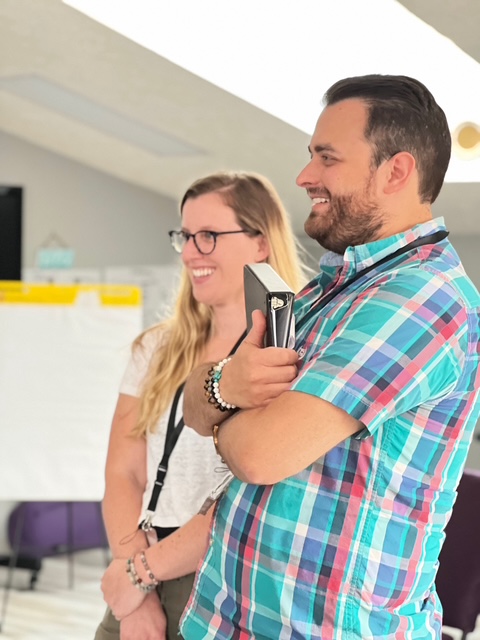
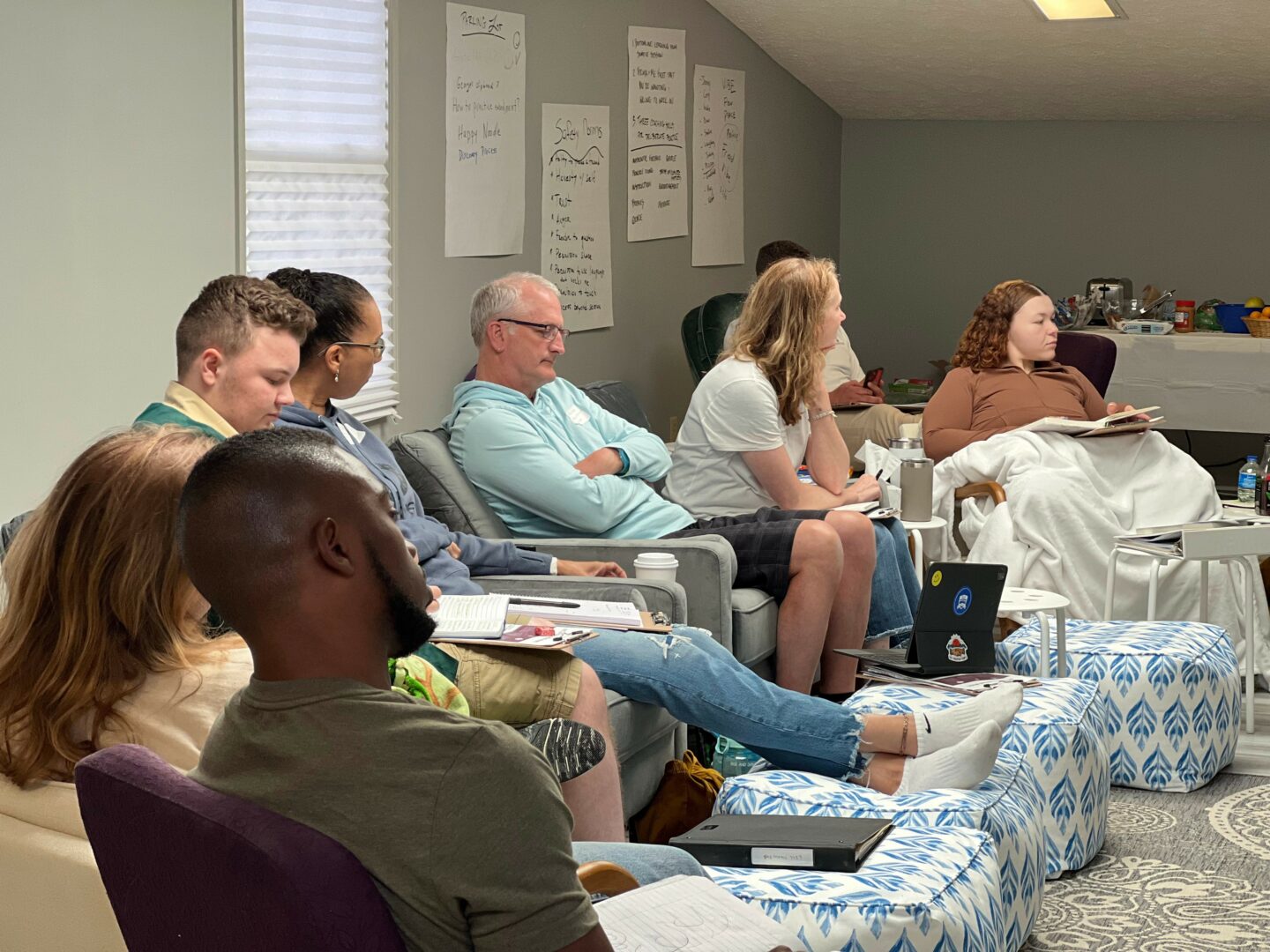
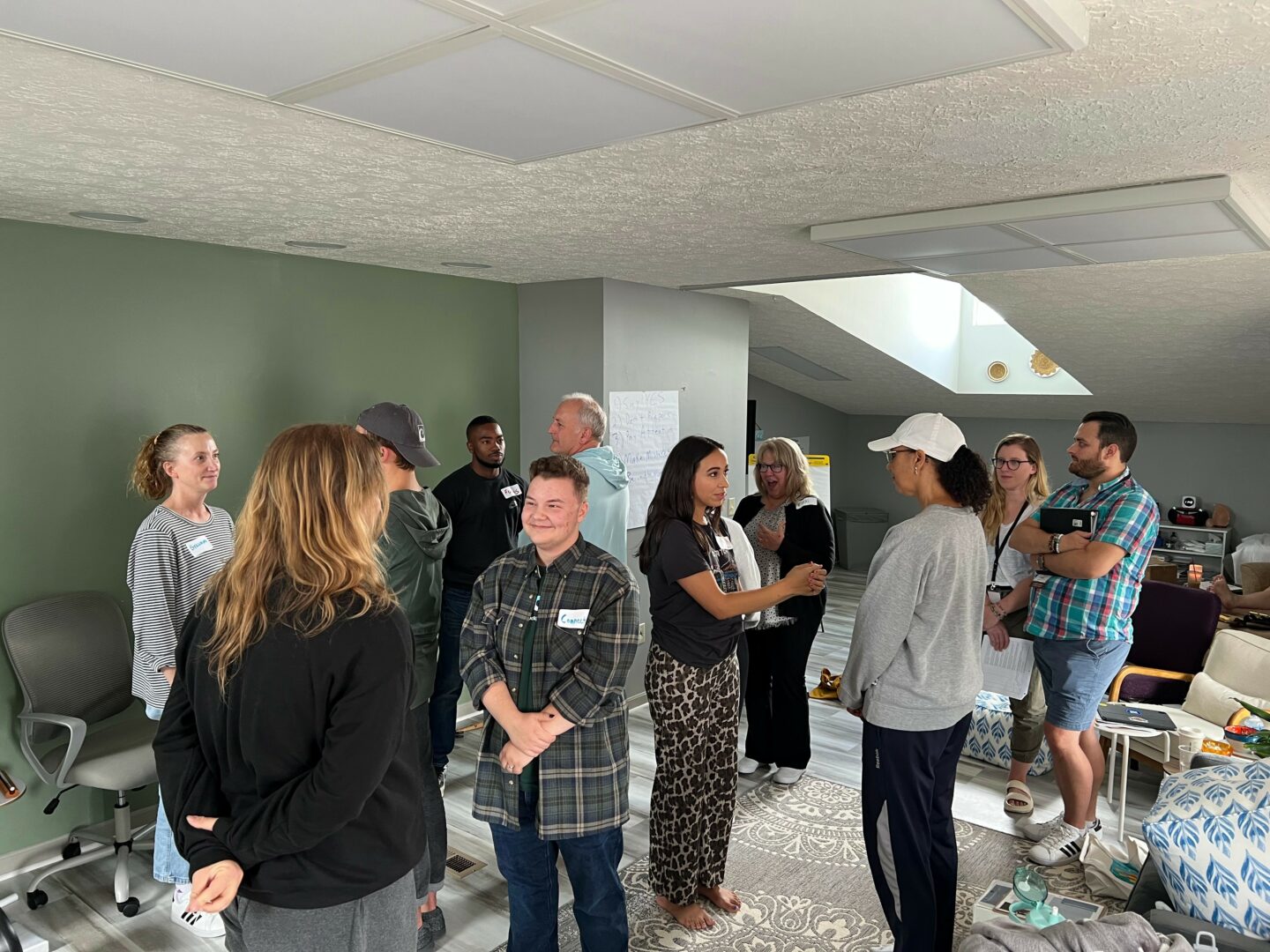
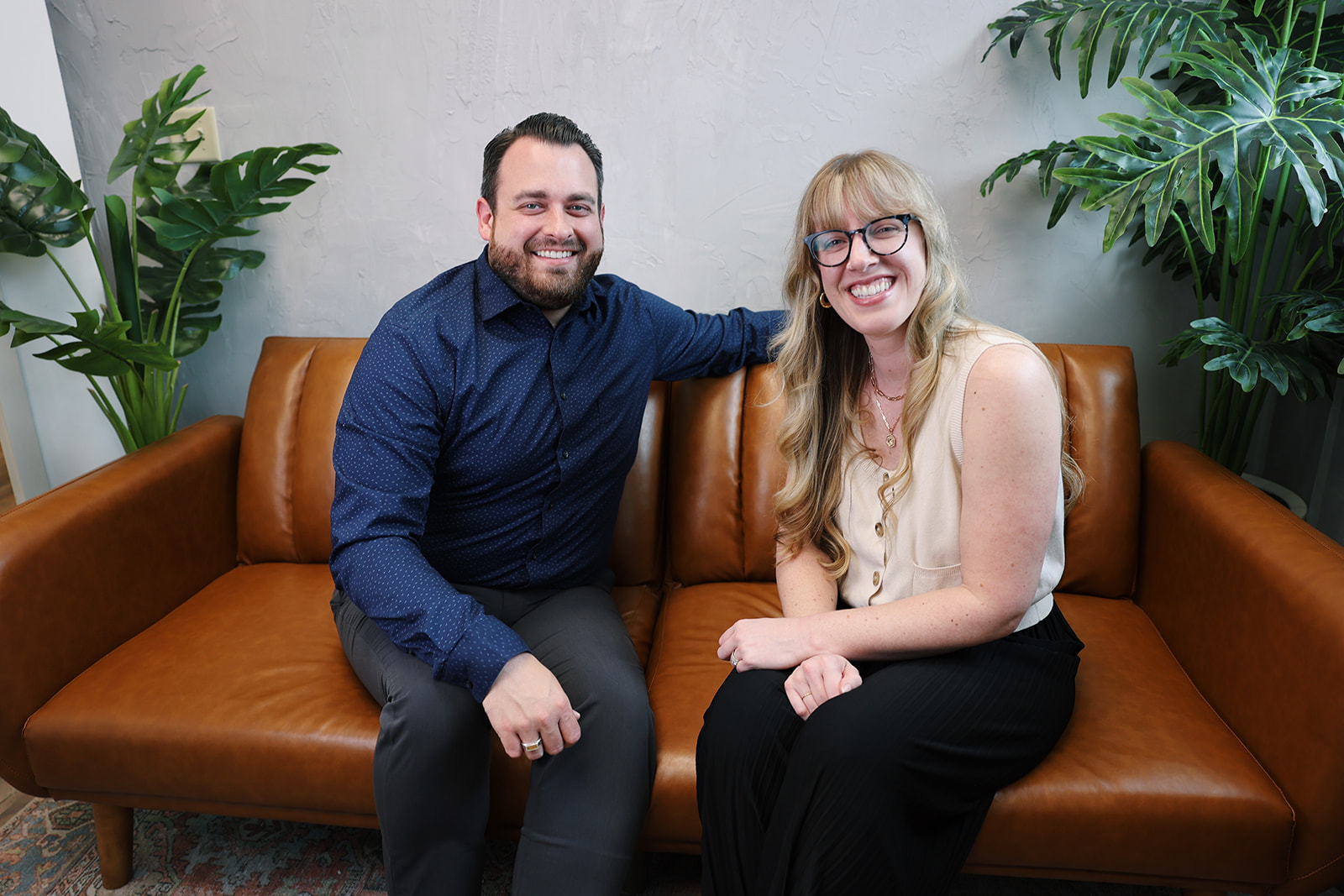
Image Credits
Dr. Katie Gamby
so if you or someone you know deserves recognition please let us know here.