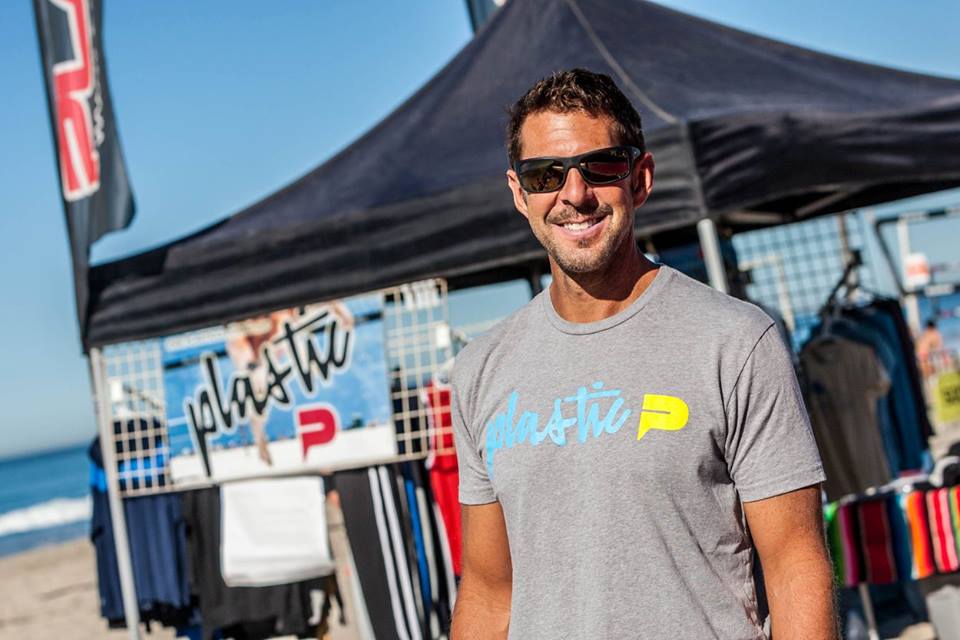
We were lucky to catch up with Michael Graham recently and have shared our conversation below.
Hi Michael, appreciate you sitting with us today to share your wisdom with our readers. So, let’s start with resilience – where do you get your resilience from?
I think resilience is built over time, it is not a trait that is easily obtained. Our experiences and how we choose to grow from them determines the level of resilience we have. For me my life as a whole has made me resilient. Being adopted at an early age by a family member. No contact with my biological parents until I was 14 and 18 years old. If you want to survive and eventually thrive you have to be able to overcome extremely difficult situations. Your resilience is also dependent on your perspective the way you are able to see the obstacles before you. ” The opportunity of a lifetime, must be seized in the lifetime of the opportunity.”
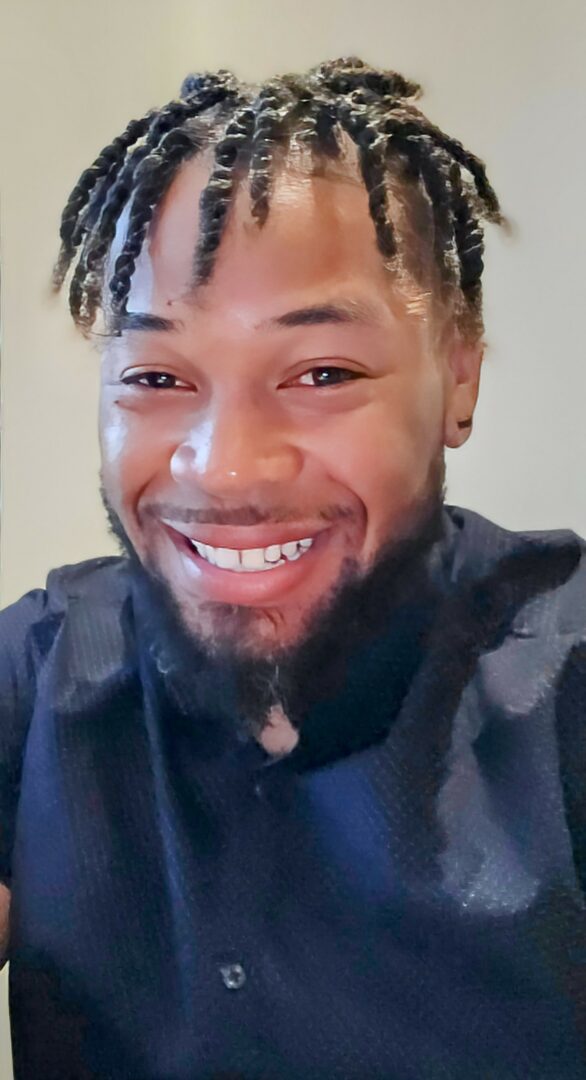
Appreciate the insights and wisdom. Before we dig deeper and ask you about the skills that matter and more, maybe you can tell our readers about yourself?
I am a dynamic entrepreneur with a unique and inspiring journey. Beginning my career as a Navy engineer, I honed technical expertise and a problem-solving mindset while serving their country. Transitioning from the military to the education sector, I became an elementary school dean, where they cultivated leadership skills and a deep understanding of mentorship and community building.
Driven by an entrepreneurial spirit, I have since embarked on a new chapter, channeling my diverse experiences into innovative ventures. My story reflects resilience, adaptability, and a passion for making an impact in every endeavor I pursue.
While teaching, I founded a lemonade brand to support an after-school mentorship program they started called Energy Boys. Through sales of lemonade, pound cake, and T-shirts, I raised funds to provide running gear for the boys, fostering discipline, teamwork, and self-confidence. The program thrived for three years prior to COVID, leaving a lasting impact on the community.
Now an entrepreneur, I continue to channel creativity, resilience, and purpose into new ventures.
There is so much advice out there about all the different skills and qualities folks need to develop in order to succeed in today’s highly competitive environment and often it can feel overwhelming. So, if we had to break it down to just the three that matter most, which three skills or qualities would you focus on?
Creativity: I approach challenges and opportunities with innovative ideas and original thinking, always looking for unique solutions and fresh perspectives.
Resilience: I have the strength to bounce back from setbacks, adapt to change, and persevere even when facing difficulties. My resilience is what keeps me moving forward with determination.
Fearlessness: I embrace challenges and risks without hesitation, confident in my ability to navigate uncertainty and thrive in any situation.
Together, these qualities drive my success and inspire others.Resilience
Shift Your Perspective:
Reframe challenges as opportunities for growth. Ask, “What can I learn from this?”
Build a Support Network:
Surround yourself with people who encourage you, but also hold you accountable. Share experiences and lean on others for strength when needed.
Practice Self-Compassion:
When setbacks happen, avoid harsh self-criticism. Treat yourself like you’d treat a close friend facing difficulty.
Set Small, Achievable Goals:
Break big challenges into smaller tasks. Each success builds confidence and mental toughness.
Develop Healthy Habits:
Regular exercise, sleep, and mindfulness practices (like meditation or journaling) improve emotional regulation and resilience over time.
Fearlessness
Start Small, But Start:
Confront minor fears to build confidence. Each small victory will give you the courage to take on bigger challenges.
Redefine Failure:
Treat failure as feedback. Reflect on what went wrong, adjust, and try again. Fearlessness isn’t about not failing—it’s about not letting fear stop you.
Visualize Success:
Picture yourself succeeding before you start. This trains your brain to focus on positive outcomes rather than worst-case scenarios.
Take Calculated Risks:
Research and prepare before taking leaps. Knowing you’ve done your homework can reduce fear and build courage.
Surround Yourself With Bold People:
Being around others who take risks and embrace challenges inspires fearlessness in yourself.
Creativity
Be Curious:
Ask “why” and “what if” questions. Explore new ideas, hobbies, or fields outside your comfort zone. Creativity thrives on diverse inputs.
Embrace Play and Experimentation:
Creativity often emerges when you’re relaxed and open to trying things without judgment. Experiment, make mistakes, and have fun.
Seek Inspiration Everywhere:
Look at how others solve problems, especially in different industries or areas. Stepping outside your field can spark innovative ideas.
Limitations Spark Innovation:
Instead of seeing constraints as obstacles, treat them as challenges to work around. Some of the best ideas are born under pressure.
Create Consistently:
Don’t wait for inspiration—start creating regularly. The more you practice, the more creative you become.
General Tips
Reflect Often: Journaling can help you understand your growth and keep track of small wins.
Celebrate Progress: Acknowledge even small milestones to reinforce positive habits.
Stay Adaptable: Be willing to pivot or adjust strategies. Resilience, fearlessness, and creativity all require flexibility.

Thanks so much for sharing all these insights with us today. Before we go, is there a book that’s played in important role in your development?
John C. Maxwell’s book Failing Forward: Turning Mistakes Into Stepping Stones for Success emphasizes that failure is not the opposite of success but a necessary part of the journey toward achieving greatness. Maxwell challenges the conventional fear of failure, showing readers how to view setbacks as opportunities to learn, grow, and ultimately move forward.
Key Concepts:
Failure Is Not Fatal: Maxwell explains that failure is a natural part of life and is often misunderstood. Instead of avoiding it, individuals should embrace failure as an opportunity to gain wisdom.
Change Your Perspective: By reframing how you think about failure, you can see it as a stepping stone instead of a roadblock. The key is not to avoid failure but to fail intelligently—learning from mistakes and applying those lessons.
Responsibility and Ownership: To grow from failure, you need to take responsibility for your actions. Blaming others or external circumstances prevents learning and personal development.
The Power of Resilience: Success is largely determined by how you respond to challenges and setbacks. People who persevere despite failures are those who ultimately succeed.
Failing Forward vs. Failing Backward:
Failing Forward: Learning from the failure, taking action, and moving forward.
Failing Backward: Becoming discouraged, giving up, or allowing failure to define you.
Attitude Over Aptitude: A positive mindset, more than natural talent or intelligence, is what determines how well someone can bounce back from failure.
Practical Steps: The book provides actionable advice, such as setting realistic goals, maintaining a positive attitude, and building a support system to keep you motivated during tough times.
Impact:
Maxwell’s philosophy encourages readers to redefine their relationship with failure, making it a key part of their personal and professional growth. By adopting a mindset that sees failure as feedback rather than defeat, people can build resilience and achieve their potential.
If you’re drawn to entrepreneurial or leadership development themes, Failing Forward is a powerful resource to transform setbacks into powerful opportunities.
Contact Info:
- Website: https://o.orderwithflavor.com/order/groups/gainesvillecityfoodhall
- Instagram: Teachersade_2018
- Other: https://theteachersade.com/
so if you or someone you know deserves recognition please let us know here.