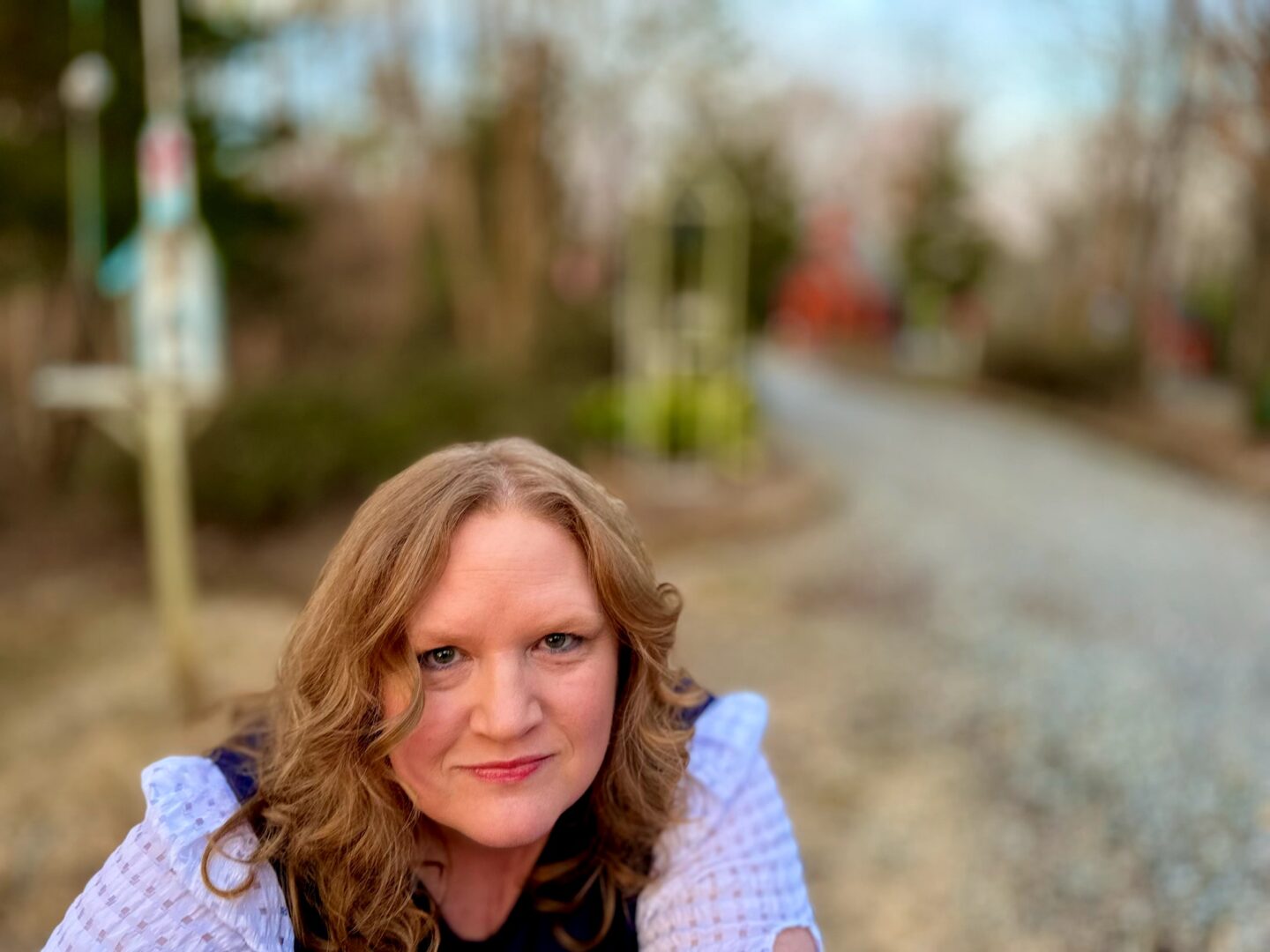
Alright – so today we’ve got the honor of introducing you to Michelle McMillan-Holifield. We think you’ll enjoy our conversation, we’ve shared it below.
Michelle, we’re so excited for our community to get to know you and learn from your journey and the wisdom you’ve acquired over time. Let’s kick things off with a discussion on self-confidence and self-esteem. How did you develop yours?
In 3rd grade there was one girl who made decisions for the entire class; at recess we played basketball because she wanted to play basketball; we slathered on lip gloss when she put hers on; when she sang “Material Girl” we went home and asked our moms to buy the cassette tape of Madonna’s new album. She was a natural leader. For every person like her there are 1,585.4128 people who struggle with decision making, who don’t know their life’s purpose for a really long time, or who have dreams they are too afraid to start living out; their self-discovery is beleaguered with doubt, second-guessing, and fear of failure: less Carnival Cruise and more Man vs. Wild. I am one of those 1,585.4128.
Writing is all I ever really wanted to do (I wrote my first poem when I was eleven), but when I graduated college with an English degree, I had to do something to make money; poetry took a back seat as I entered the corporate world. I still wrote, but I grew so far removed from others who had that same passion, that I lost my focus for almost two decades. Sometime in my late 30s, I went through a sort of midlife crisis. I had struggled for many years to have a child, and I realized that was never going to happen. After experiencing the grief of infertility, my inner writer began to itch with panicked urgency: if my poems were ever going to be read by anyone other than my close circle of family, I had to get serious about writing.
Eventually I started submitting my poems to journals, reviews, and magazines; as much as I reminded myself rejection is an inevitable part of submitting, each rejection email would mentally derail me. I felt like a fraud and a failure. I was disappointed with myself and my writing and experienced a whole other level of grief. And then . . . I fell in love with the Lord. That change in me altered everything about my writing. Focusing on Him changed my sounds, my images, my rhythm, and my diction. I lightened up. I let myself breathe. I stopped beating myself up. I craved constructive criticism to push myself and my writing in ways I alone couldn’t. Once I was able to accept that not every rejection is failure, not every “no” means the poem is bad—it just might not be a good fit—I gained confidence to send more and more poems out, to join groups of other writers and accept their feedback, and to sign up for conferences. It took more than 25 years of writing poetry to walk into a room with other writers and feel like I could truly contribute. I absolutely believe had I not encountered the Lord, I would still be unequipped to handle rejection.
Appreciate the insights and wisdom. Before we dig deeper and ask you about the skills that matter and more, maybe you can tell our readers about yourself?
I’m honored to have over 160 poems, fiction, creative nonfiction, and book reviews published in over 75 journals and anthologies. Most recently my work can be found or is forthcoming in Barely South Review, Bear Review, Gyroscope Review, Nelle, Permafrost, Rust & Moth, and Whale Road Review. I have also been blessed to have a Best of the Net and multiple Pushcart nominations.
My current focus is my poetry manuscript which has, to date, been longlisted for the Dzanc Poetry Prize and most recently a finalist for the Wheelbarrow Books Poetry Prize. One of the challenges of working in the corporate world versus being in academia is not knowing when and where to start with trying to find the right publisher. What presses are considered respectable, what scams should I look out for, how do I get my foot in the door? When I tell my husband, “I’m going to write tonight,” that means a multitude of tasks: writing, researching, and reading journals and reviews, seeking out places where my work will best fit, and searching for a publisher that might one day love my manuscript.
There is so much advice out there about all the different skills and qualities folks need to develop in order to succeed in today’s highly competitive environment and often it can feel overwhelming. So, if we had to break it down to just the three that matter most, which three skills or qualities would you focus on?
First, don’t be afraid to edit your work. Maybe you’re like me and the first version of a poem is always my literary masterpiece, always the best thing I’ve ever written. On the second or third read through I may still think, “Yes, chef’s kiss.” But a few weeks, a few months later when I’ve put some distance between my “poetic epiphanies” and a new way of looking at the poem, I may cut words or images; there may be sound devices that are too heavy or forced. Heck, I may even scrap the entire first stanza. A non-stanza poem might need some white space, some breathing room. A stanz’d poem might actually work better as one unit or maybe sections. When you edit, you’re not being untrue to the original feelings you exerienced when you initially wrote the poem. You’re layering your masterpiece with new textures, new genius.
Second, push yourself to your writing limits. Writing as a hobby is fun. Writing as a craft is dang hard work and takes time to master. There was a social media trend not too long ago where the woman told her followers, “Say the weird thing.” I’d advise, “Do the hard thing.” Only you can burst that bubble you built around yourself. Since I’m an introvert, I made myself attend open mics where I read my poetry aloud to strangers. I enrolled in (and attended several semesters of) a non-residency, online MFA program. Eventually my corporate workload became too much to juggle, so I put my MFA dream on hiatus. Rather than beat myself up, I applied what I learned from those professors and then searched out ways to delve deeper. I’d suggest signing up for generative poetry classes taught online by established poets. If you normally write poetry in forms, start writing free verse till you’ve mastered that. If you normally write rhyme, get out of that habit for a while. If poetry is your thing, try flash fiction or creative nonfiction to get your mind thinking in different patterns. Most importantly, become part of a group with writers who are better than you. If you are always the smartest person in the room, you’ll never learn anything new.
Last, be a rhinoceros. You have to have a thick hide if you’re going to put yourself out there. Getting rejected is like getting kicked in the gut over and over and picking yourself back up. Every. Single. Time. Also, sometimes you have to charge with the fierceness of a rhino after that thing you want. Do you want to be published in a top-tiered magazine? Write. Write again. Write more. Read the magazine. Read more. Get rejected. Submit again. Do it again. Do it again. Even if it’s hard.
Before we go, any advice you can share with people who are feeling overwhelmed?
I break the project into more manageable pieces that I can move around to make something new. I apply this to lines or stanzas when I’m editing a poem, but I found this method is vital as I assemble my manuscript. Because of the larger scale, I want to be able to see the whole manuscript from start to finish versus one poem at a time. To help, I purchased software that allows me to drag entire poems or sections around, so I can visualize how those changes alter the flow and structure. I have also heard of poets laying their entire manuscript out on the floor and physically moving the pages around to create something different.
So, break down your goals into smaller, accomplishable tasks. Also, whatever the task, celebrate even the smallest victories. Celebrate a finished poem. Celebrate when you hit submit to send it out. Celebrate when you receive a rejection letter because that means someone besides you has read your work. Celebrate when you finally receive a personal rejection letter versus a form rejection. Celebrate a compliment from another writer. Celebrate a publication. Those small victories will accumulate over time.
Contact Info:
- Website: https://www.michellemcmillanholifield.com/
- Instagram: https://www.instagram.com/holifieldpoetry/
- Facebook: https://www.facebook.com/michelle.mcmillan.holifield
- Twitter: https://x.com/HolifieldPoetry
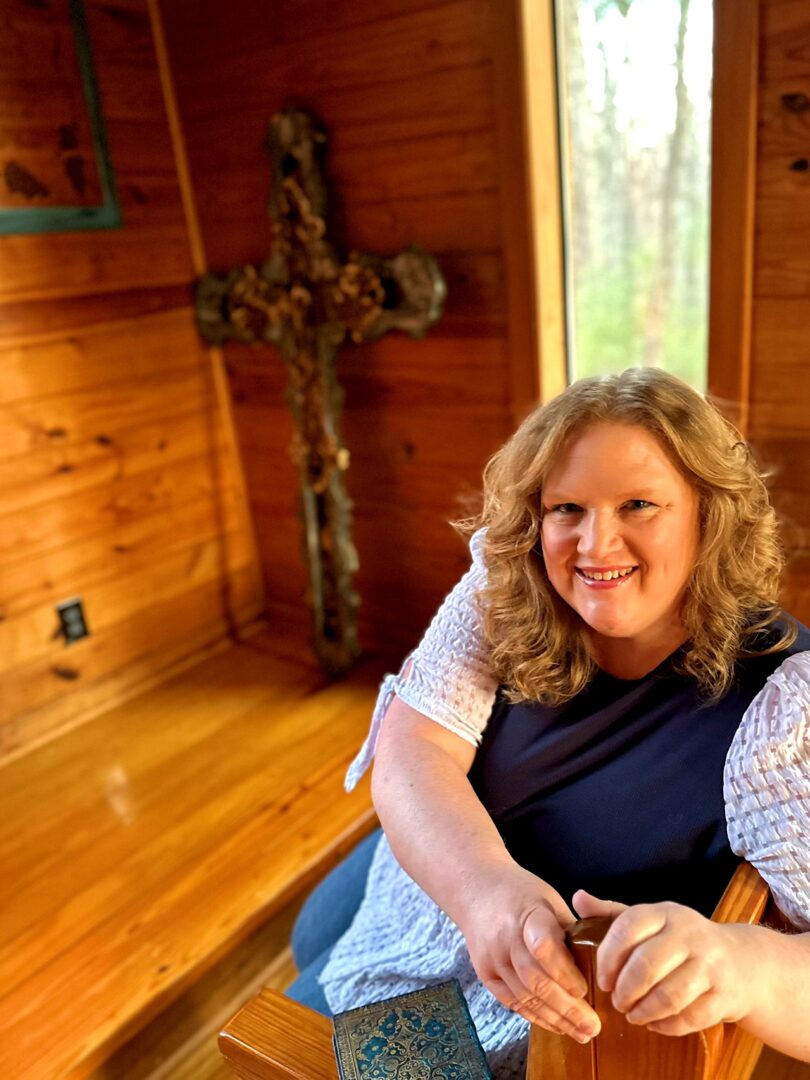
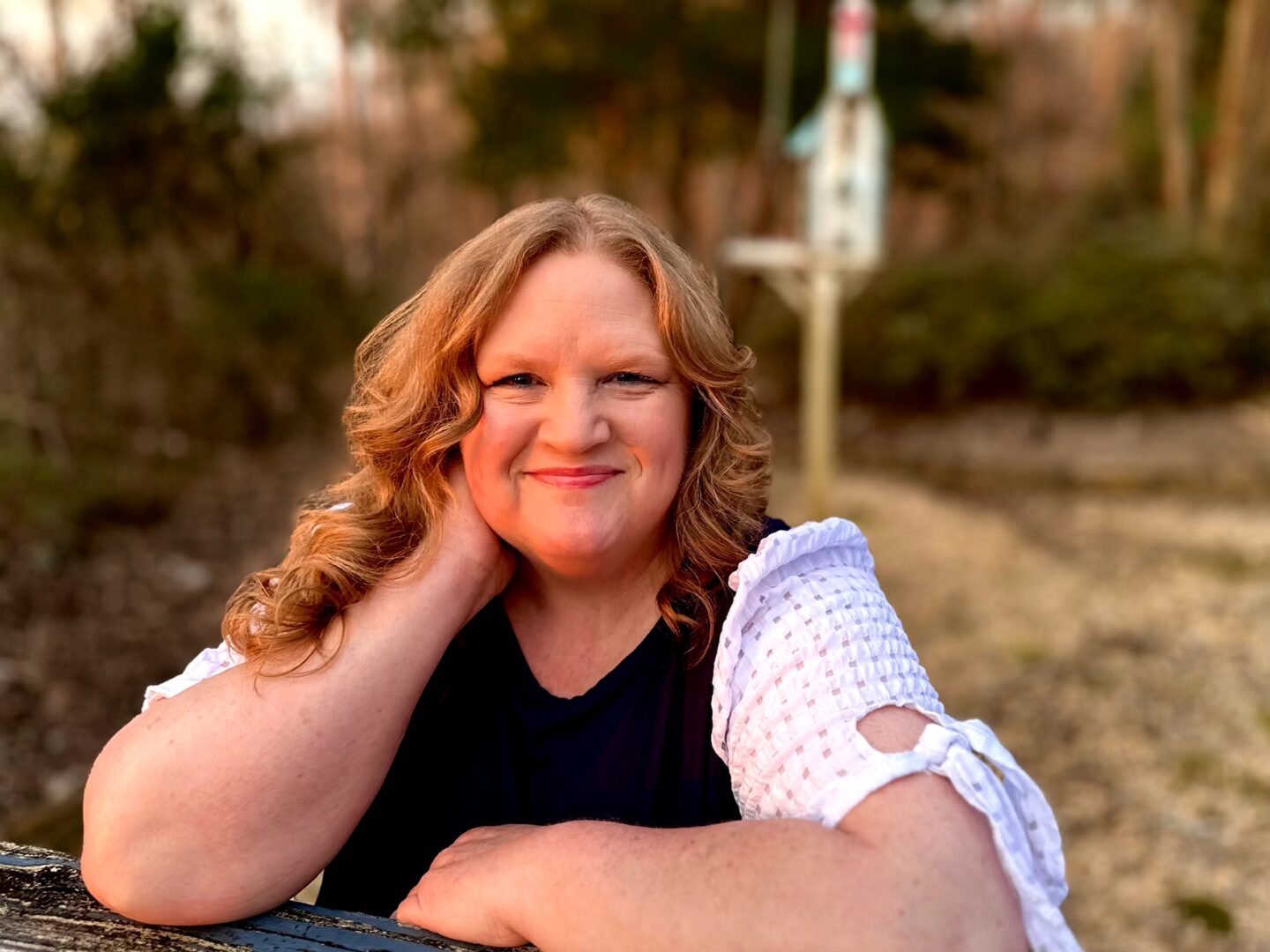
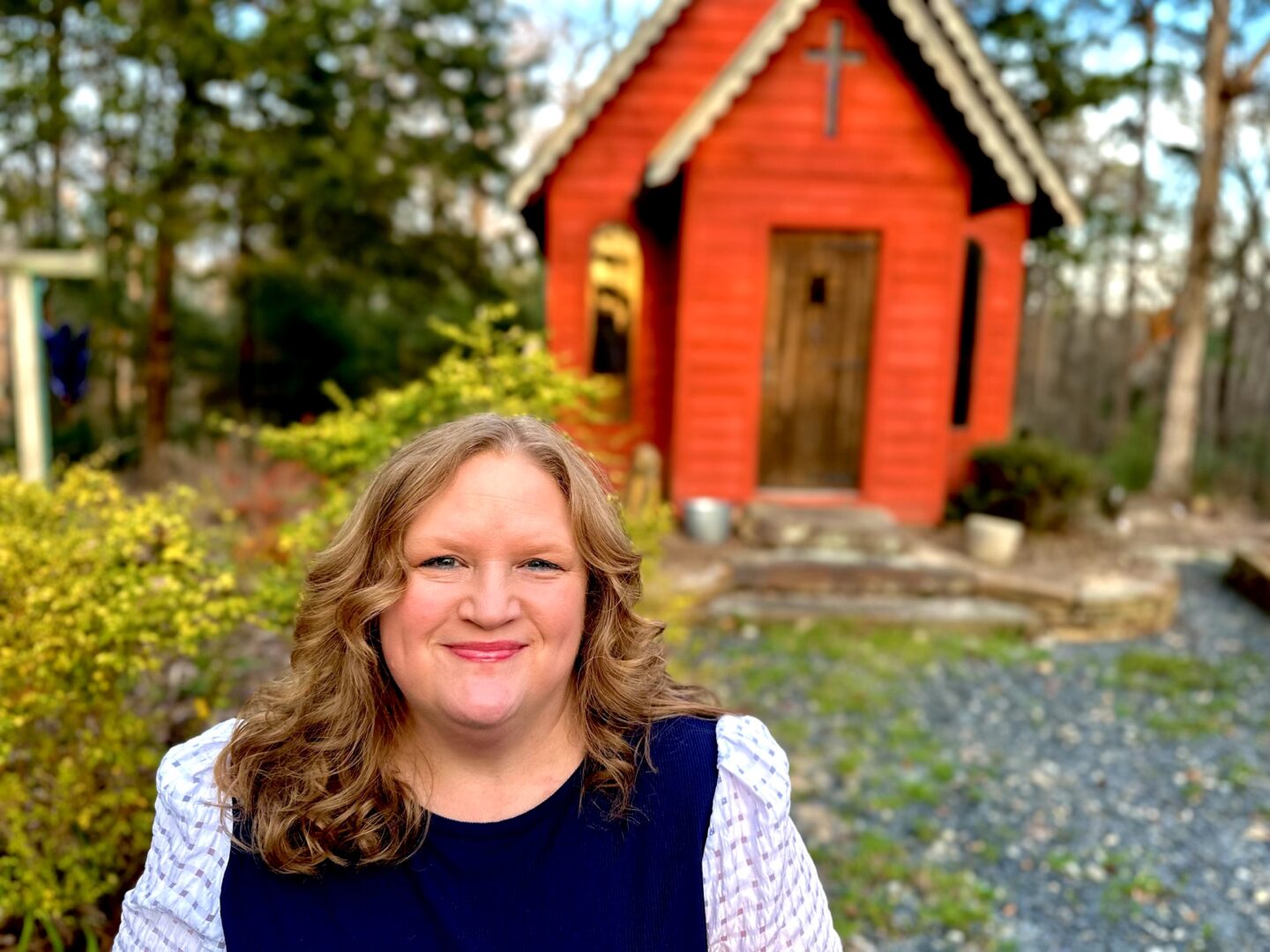
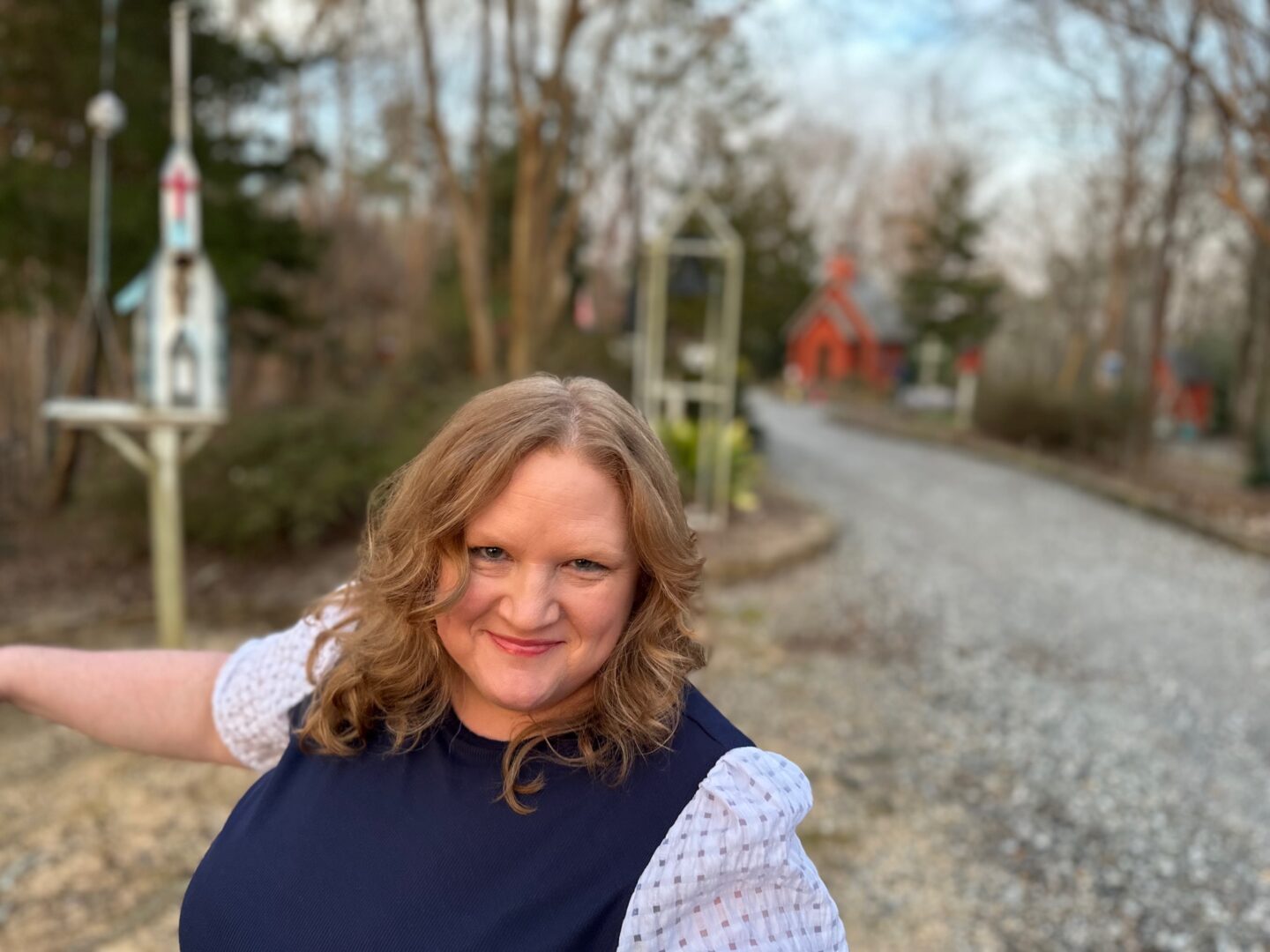
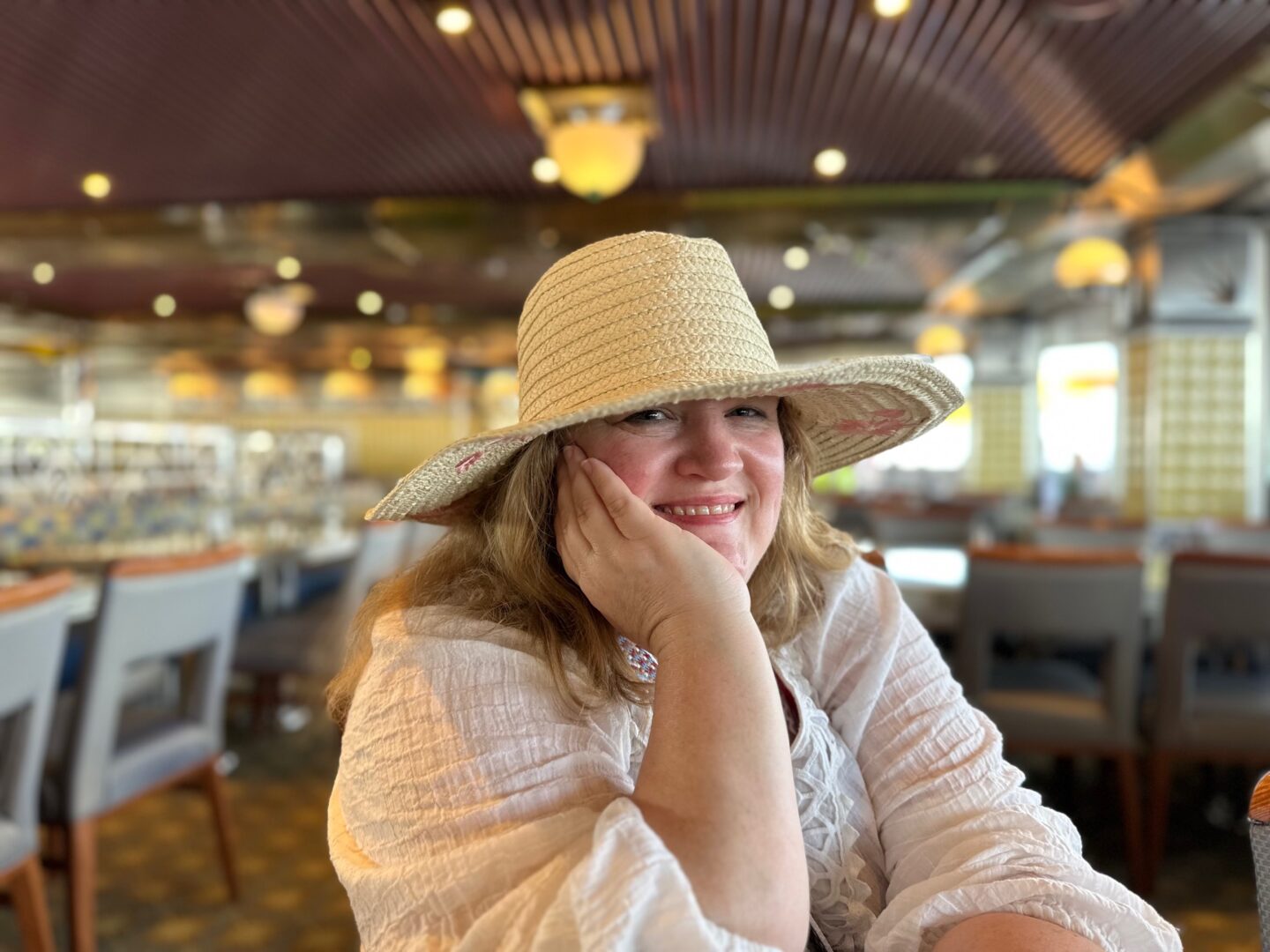
Image Credits
Jody Holifield