We caught up with the brilliant and insightful Michelle Natalya Moore a few weeks ago and have shared our conversation below.
Michelle Natalya, so good to have you with us today. We’ve always been impressed with folks who have a very clear sense of purpose and so maybe we can jump right in and talk about how you found your purpose?
My purpose falls in the category of helping women improve productivity along with wellbeing. More specifically, I am working in a new field of digital wellbeing which is about having a productive, healthy relationship with technology, one which protects attention and enables us to sustain high performance with burnout or mental stress.
Why do I care about productivity and digital wellbeing?
After 20+ years in management and tech consulting, including as a partner in both PricewaterhouseCoopers and Ernst Young, I was used to juggling multiple roles, travel and priding myself on high performance. I thought I was excellent at multitasking.
However, in 2010, after I got a Blackberry, and especially in 2016 when I started using an iPhone, my task switching increased rapidly. I had the illusion of better, phone enabled productivity and did not notice any adverse effects. (I only learned later that multitasking does not exist.)
During travels, I started to notice how my phone created a barrier between me and authentically connecting to new places and people. This led me to pilot a device free travel experience with friends. In 2019, I co-created* the 10-day “Finding Awe in Armenia” trip…slow tourism from the inside out including mindful experiences and authentic connection with locals. Everyone agreed to be device free (with a photographer / videographer documenting the trip.) However, upon arrival in Armenia, the group did not wish to ditch their phones!…so I became the only “tech free” tourist and sat back and observed. I was fascinated and began dive into research on attention and awe. Upon returning home to Toronto, I began to observe my own and my colleagues’ relationship with technology. When was it useful, when was it distracting?
The next phase of my curiosity about the human-tech relationship started in 2020. Not only did I become aware of hours lost on-line. It was worse than just losing time. I noticed decline in my own intellectual capacity after COVID hit. I had become a Zoom addict almost overnight. My consulting work, which was mostly in person, moved 100% online. In addition, I attended any and every 2020 on-line event that came my way.
All of a sudden my mindfulness practice, my yoga practice, massage, and workouts stopped. I don’t even really understand why as much of that was doable at home. My head was stuck in a screen all day long.
Not only did my brain suffer, my body started to suffer too. In July 2020, I lost movement in my right arm due to repetitive mousing. I couldn’t use a keyboard other than pecking at keys with my left head. That forced me stop and reflect. I returned to the portfolio of “woo-woo” practices that I had studied, starting in my 20s. This included yoga, yoga teacher certification, awareness based systems change, creative play, embodied facilitation and mindfulness practice.
I returned to those practices that summer of 2020 and, in the process, became fascinated with the research around attention as an asset and attention management. Further, I started following the humane tech movement. I began to look for answers to the following questions
1. How do we protect our most valuable asset, our brain power, our attention?
2. How do we protect ourselves as knowledge workers, as women in tech and entrepreneurship?
3. How are we going to succeed….. with ease?
4. As high achievers, how can we maintain a state of wellbeing with ourselves, clients and in personal life?
5. How can we be fully present in life and achieve all our our goals, enjoy these beautiful things we are creating?
6. How can we build and maintain meaningful connections and relationships, personally and professionally?
7. How can we protect vulnerable children youth from on-line sex trafficking, on-line bullying, erosion of brainpower, intellect?
I believe that the solution is about creating an intentional relationship with technology.
It takes effort to be intentional about our personal professional relationships, our work, our higher purpose. A lot has been written about that and we speak about it in professional and personal circles. We have coaches, therapists, leadership development and many other resources to help us.
However, as a society, as working professionals, talking about our relationship with technology is not common place. We think mindfulness apps will solve the problem of digital overwhelm. Talking about digital wellbeing is not mainstream.
If we don’t start talking about and designing work (and life) to mitigate the negative impacts of digital tech, will not remain the masters of our tools. Instead, we will become slaves to our digital tools. Our risk of burnout will increase. Our creativity may decline and we can lose the ability to be fully present in our lives. Will we be able to fulfill our higher purpose, reach full potential?
We have this huge opportunity to use tech to its fullest advantage without harming ourselves.
That is how I found my purpose…… which is to help people have digital wellbeing by designing work (life) to harness brainpower, creative capacity and meaningful connection. I work on the for profit and not for profit side of this new, digital wellbeing profession.
– On the for profit side, I help experts in technology and professional services improve productivity and focus better. Ultimately, they can have high performance without the burnout. How? Through work (life) design strategies that protect and harness attention….and minimize distractions.
– On the non-profit side, I raise funds to help protect vulnerable children and youth from the adverse harms of technology. These harms include on-line sex trafficking, on-line bullying, social media overuse induced anxiety and brainpower erosion from unrestrained use of dopamine inducing apps.
*with my daughter, Sashka Avanyan, who was living in Armenia at the time
Great, so let’s take a few minutes and cover your story. What should folks know about you and what you do?
I am a productivity consultant and work designer who emphasizes strategies that enable digital wellbeing at work and in life. This is exciting because the field of digital wellbeing is very new! I am also a non-profit leader helping vulnerable children and youth also have digital wellbeing.
Humans can experience digital wellbeing when the large majority of our interactions with digital technology help us innovate, create, connect meaningfully and enable our success with ease, in both work and in life.
I care deeply about helping “keep humans human” in this digital age of relentless busyness and overwhelm. I believe digital wellbeing is a critical success factor for a generative, whole society.
Vulnerable children youth as well as experts working in technology and other “knowledge work” professions, feel the adverse effects of the harmful sides of digital tech. Negative impacts include inability to focus, overtime, wasting hours ingesting meaningless content, decreased brainpower, bandwidth, creative intellectual capacity. Poor mental health is another harmful side of tech overuse such as anxiety, overwhelm, higher stress, negative body image, just to mention a few.
That is why I work in digital wellbeing in a business and non profit capacity.
Business
My consulting business (MichelleNatalyaMoore.com) helps experts in tech and professional services improve productivity, WITH wellbeing while protecting brainpower and creative capacity at the same time. How? Through work (and life) design that fosters an intentional relationship with technology. The result is high performance without the burnout along with the ability to be present in life.
Non-Profit
I am also co-founder of the registered Canadian Charity, the Inspired Children Youth Foundation, dedicated to helping reverse the rapid and continued decline in vulnerable children’s mental health. Harmful tech use, in particular is having a negative impact on children’s mental health from lower self-esteem, increased anxiety to higher stress levels as well as decreased cognitive capacity, lack of outdoor play, low exposure to nature, increased learning disabilities.
I am excited to work in the new field of Digital Wellbeing. I believe it is a critical success factor in the ability to create, innovate and make the world a better, humane and human centered place.
In support of digital wellbeing, I recently launched the Orlando Offline Club, a private, invite only space for device free experiences. The launch event in September 2024 was a “Tech Free Tea” for women working in technology and entrepreneurship. The first “Disconnect to Connect” half day women’s retreat was held in October 2024 just outside Orlando.
In 2025 I am launching 1-on-1 consulting as well as group coaching for women in tech professional services. I continue to offer device free experiences at the Orlando Offline Club as fundraisers for the charity. All event fees go to the Inspired Children Youth Foundation.
If you had to pick three qualities that are most important to develop, which three would you say matter most?
Curiosity, embodiment and exposure to different cultures.
1. Curiosity:
I was fortunate to have parents that encouraged and fed my natural childlike curiosity, from exposure to nature, various types of play, music training as well as books, cultural, educational and travel experiences. I was never bored and always exploring, both as a child, in young adulthood and to the present day.
I believe curiosity has been key to my ability to be interested in and learn new things. Research shows that curiosity is key for creative problem solving, achieving goals and feeling satisfaction.
2. Embodiment:
As a child I loved to climb trees, ride horses, build things and I learned violin at an early age. Exposure to TV was minimal and of course, from 1967 to the early 2000’s, my face was NOT stuck in a screen. I grew up in a play-based childhood….. which is a lot about being in your body (in contrast to today’s phone-based childhood.)
Later, in my 40’s, I trained formally as a yoga teacher, in mindfulness and completed advanced studies in embodied facilitation.
These practices help me get out of my head and back in my body and today, in this world of digital overwhelm, living and working as an embodied human being is a critical success factor for high performance, innovation and wellbeing.
3. Exposure to Different Cultures:
I was raised in a bi-lingual German-English household and lived, and later studied, in both Texas and Germany. As a family we traveled extensively in the U.S. and Europe. Further, having an adopted sister of Iranian descent made me aware of the discrimination a brown body faces.
After college, I worked in Germany, then 15 years in Russia and 15 years in Canada before moving again to the US in 2022. My ex-husband is Russian / Armenian and we raised our daughter bilingually in English and Russian. I later married an Indian (Punjabi) man in Canada. Thus, I was further exposed to two new cultures.
As a voluntary “country switcher” I adapted well to change and new places. In fact, I like change and practice it often. I am sure this experience and love of change helped me professionally because a large part of my work is in transformation / change management.
Here are some ideas to improve curiosity, embodiment and exposure to different cultures.
1. Curiosity.
Notice if you are naturally curious or used to be. If curiosity has been largely absent in adulthood and/or in your professional life, you can train this skill, just by trying out new things or going places you haven’t been before (close or far away from home.)
I highly recommend two books by Michael Bungay Stanier, “The Coaching Habit” and “The Advice Trap”, “Be Humble, Stay Curious, Change the Way you Lead Forever. “The Coaching Habit” gives you 7 essential questions to help you stay curious longer.
2. Embodiment. Here are some ideas to improve embodiment….and thus have more wellbeing as well as better access to creativity and wisdom.
Take time out to walk in nature and feel the ground beneath your feet. Engage in any movement practice, from yoga to tennis to horseback riding. Notice your surroundings and how your body is in relationship with Earth, self, others, and the space you are in. I recommend the book, “The Art of Making a True Move,” by Arawana Hayashi, my teacher and the leading expert on embodied movement through the practices of Social Presencing Theater.
3. Exposure to different cultures, some ideas to improve….
If you live in a medium to large city, likely, there is a lot of diversity and many opportunities to attend social and cultural happenings organized by different cultures. At your next networking event, talk to people who are least like you and learn about their backgrounds and experiences. Try a new ethnic restaurant each month and/or cook a dish from another country, noticing the history and unique spices of the dish.
Of course the obvious is, “Travel as much as you can”, locally, internationally. To learn about new cultures you might want to avoid cruises which can keep you sheltered in large groups of your own kind. Instead plan your travel to interact with locals authentically (not just buying souvenirs or food from them.)
If you are more adventurous, look for a work assignment overseas or spend a month or longer living in a foreign country. My experience working in four different countries for long periods of time had a huge, positive impact on who I am today.
Thanks so much for sharing all these insights with us today. Before we go, is there a book that’s played an important role in your development?
In my adult development, Yuval Noah Harari’s book, “Homo Deus: A Brief History of Tomorrow” plays an important role.
Harari examines the shifts in human priorities after solving challenges like famine, disease, and war. He believes humanity is now focused on three new goals:
1. Immortality – Overcoming aging and extending human lifespan indefinitely.
2. Happiness – Using biotechnology and psychology to achieve perpetual well-being.
3. God-like Power – Enhancing human capabilities and creating new forms of life through artificial intelligence and genetic engineering.
Harari is warning us of the dangers inherent in these new goals.
The nugget of wisdom in these warnings is that the quality of our relationship with technology is the key to whether we retain our humanness or give it up. If we stop being the “master of our tools” and cede control to AI, the beauty of humanity could be lost.
Threats to Humanness
1. Data. The danger that humans will value data over all else, removing our human intelligence from decision making
2. Humanism. The danger that machines will outperform us, resulting in over reliance on AI without input of human feelings and emotions.
3. Tech inequality. The danger that a small group of people will form an elite class of super humans, i.e. those with access to new AI, biotech and genetic engineering. The rest of us would be left behind.
4. Loss of purpose. The danger that we would lose our sense of purpose in a world where machines do everything better than we can.
Loss of human control over what it means to be as we are. The danger that AI surpasses human intelligence and even creativity, labor and decision-making become automated.
5. Loss of ethics. The danger that AI will be prioritized over humans causing social collapse and our irrelevance.
6. End of humans. The danger that we might create new forms of life via genetic modification and AI.
As you read about the above threats, what are you noticing about your own relationship with technology, both positive and negative, in work and in life?
Know this, you can have “easy productivity”…. sustained, high performance and accomplishment with ease. Find out how to design work (and life) for digital wellbeing. www.MichelleNatalyaMoore.com
Contact Info:
- Website: www.michellenatalyamoore.com
- Instagram: not applicable
- Facebook: not applicable
- Linkedin: https://www.linkedin.com/in/michellenmoore
- Twitter: not applicable
- Youtube: www.youtube.com/@MichelleNMoore
- Yelp: not applicable
- SoundCloud: not applicable
- Other: https://www.linkedin.com/company/inspired-children-youth-foundation/ https://www.linkedin.com/company/mindequityinc/
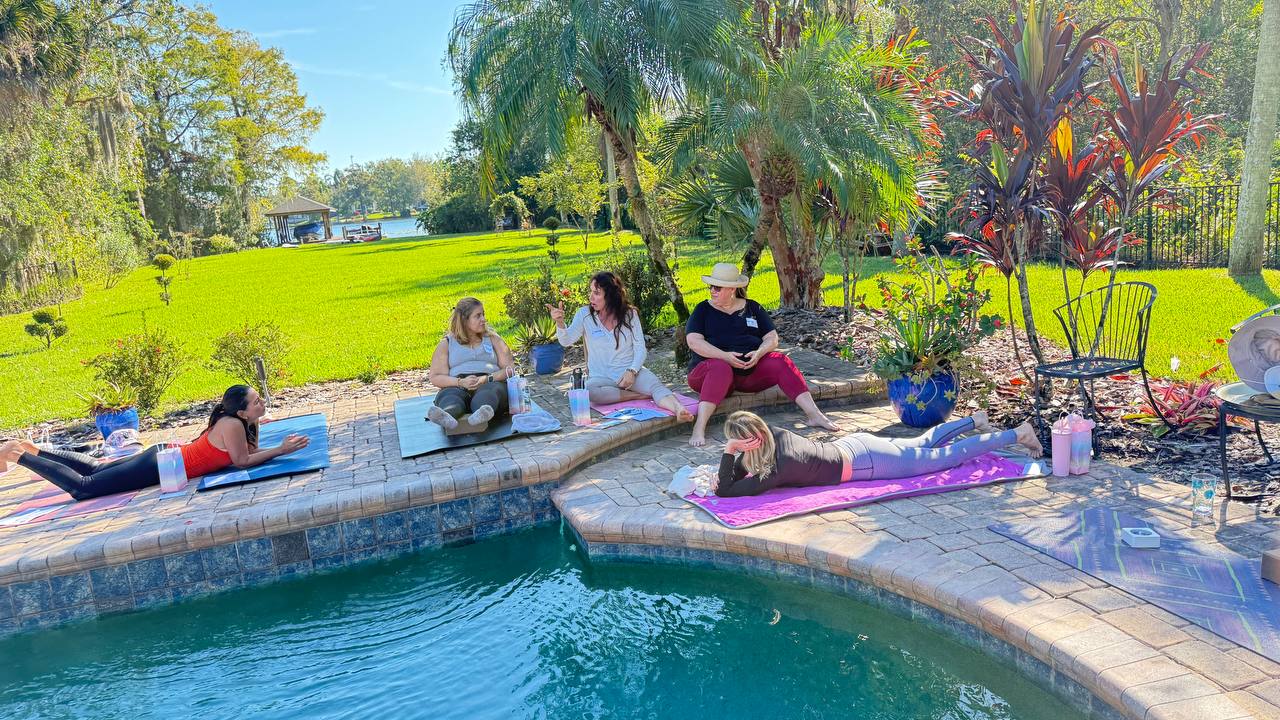
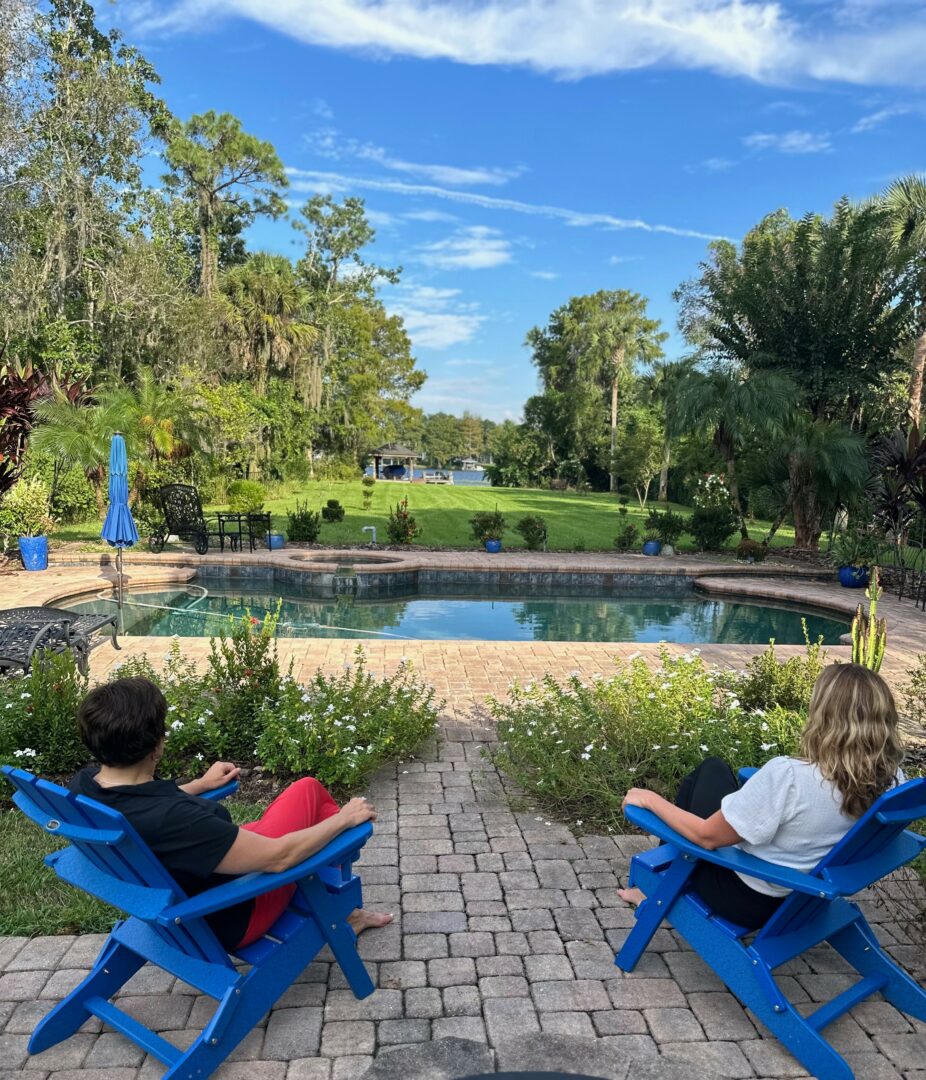
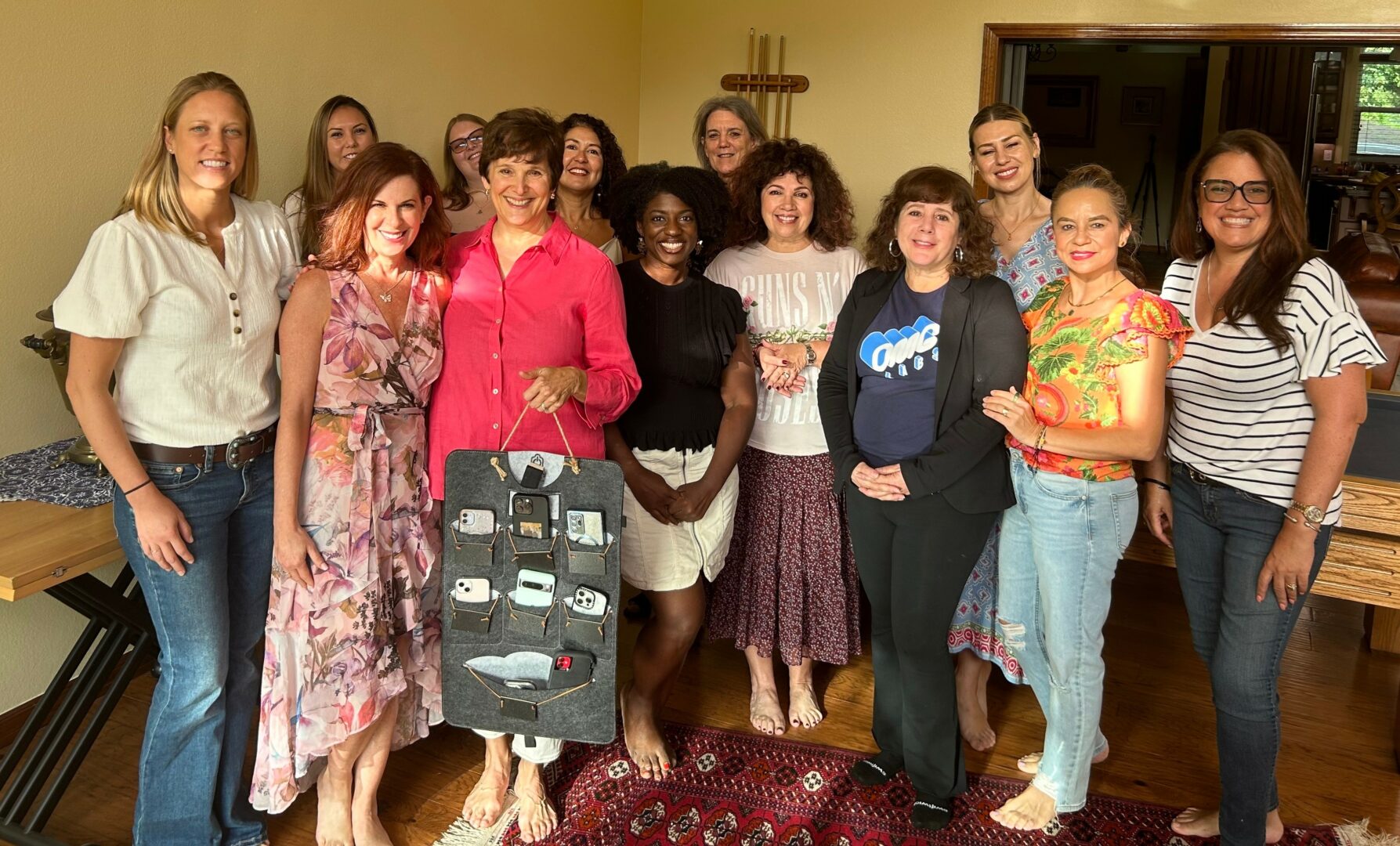
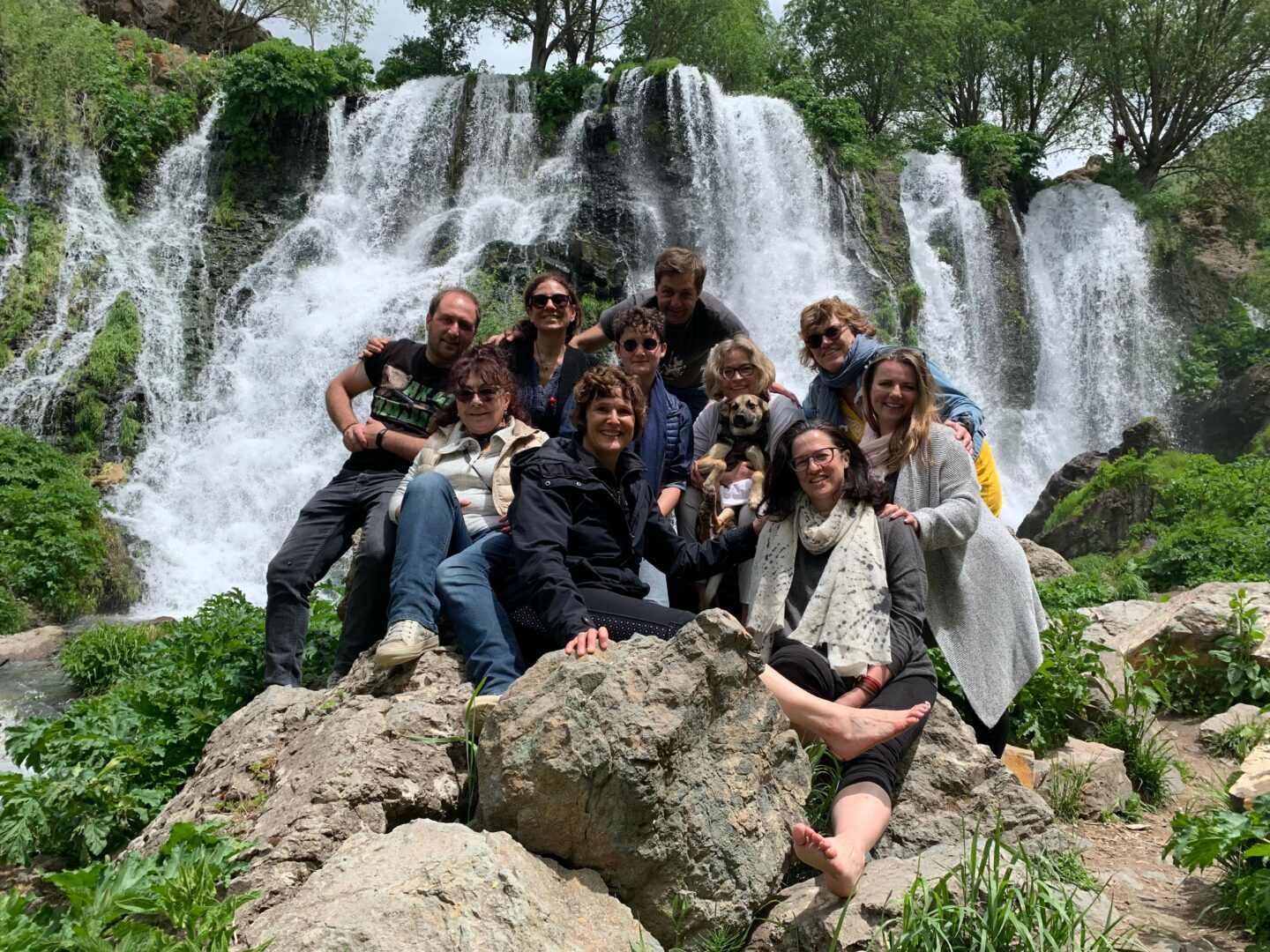
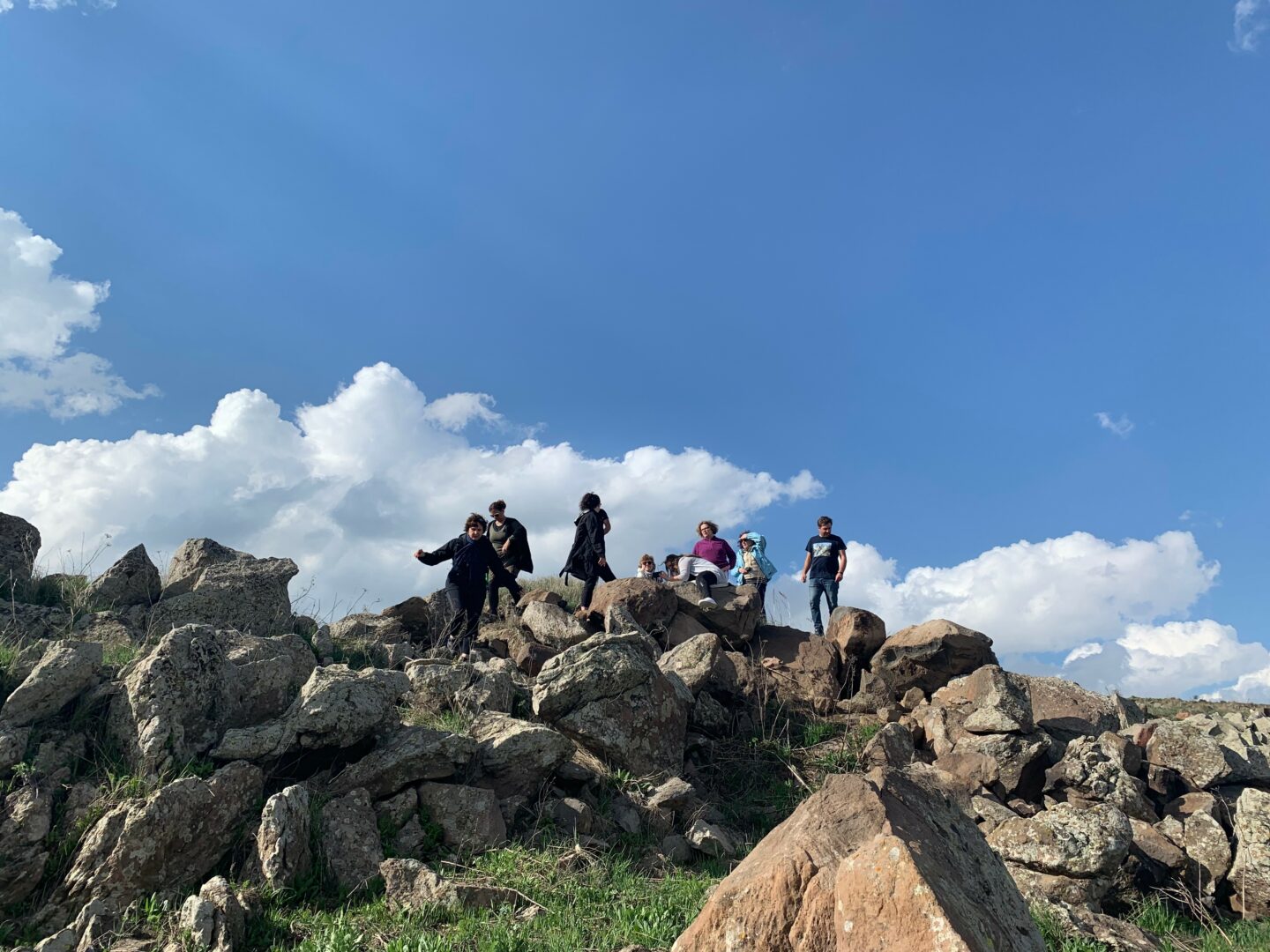
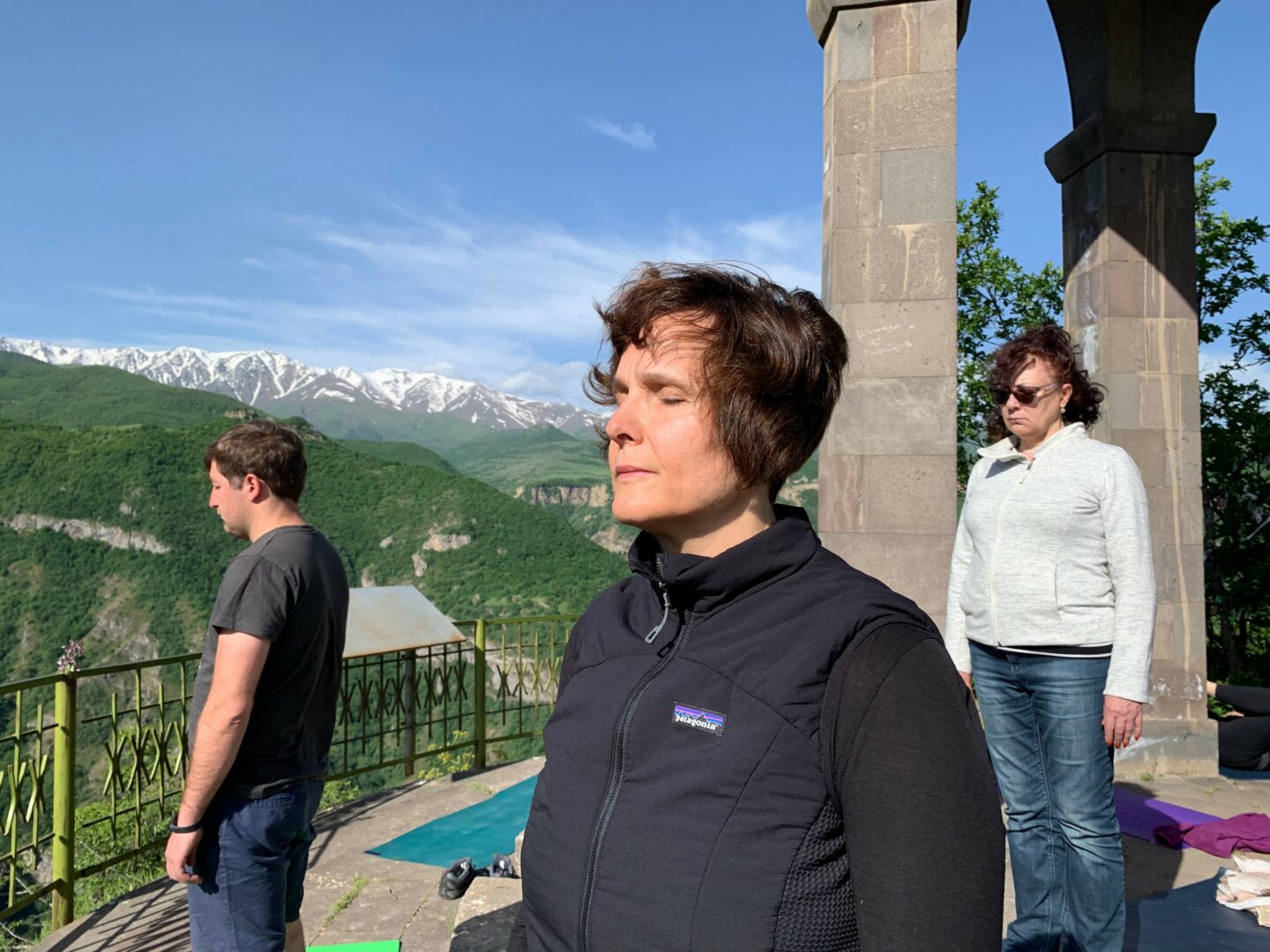
Image Credits
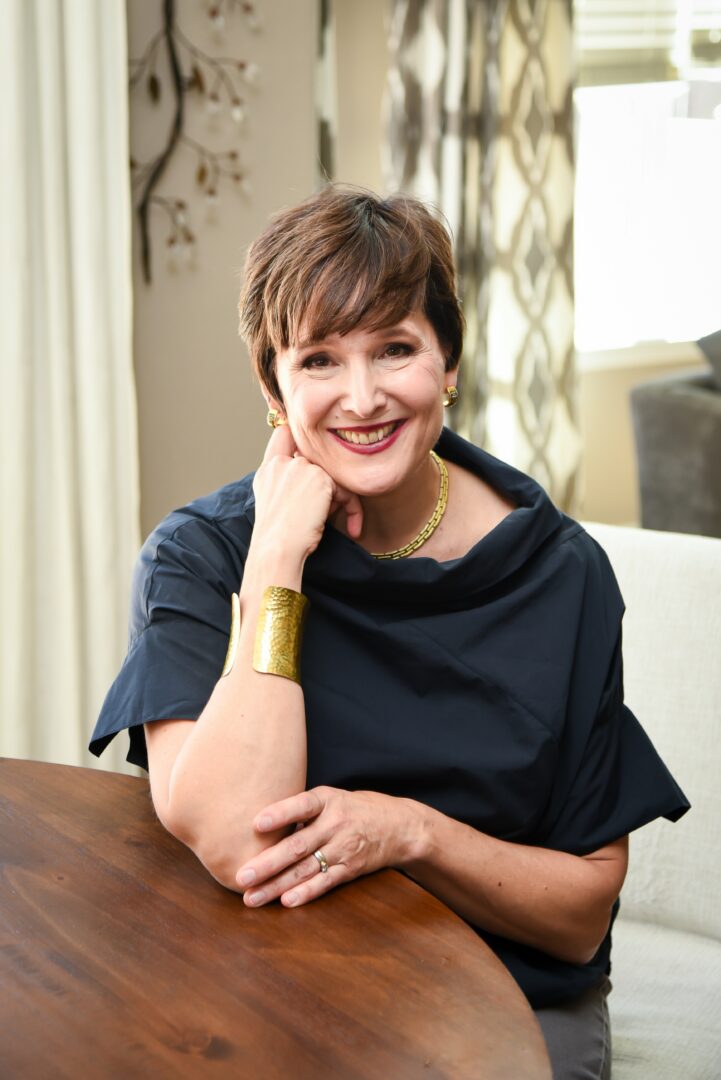
Photo credit Daria Tischenko, outdoor shots Photo credit Daniel Uhl, indoor portraits