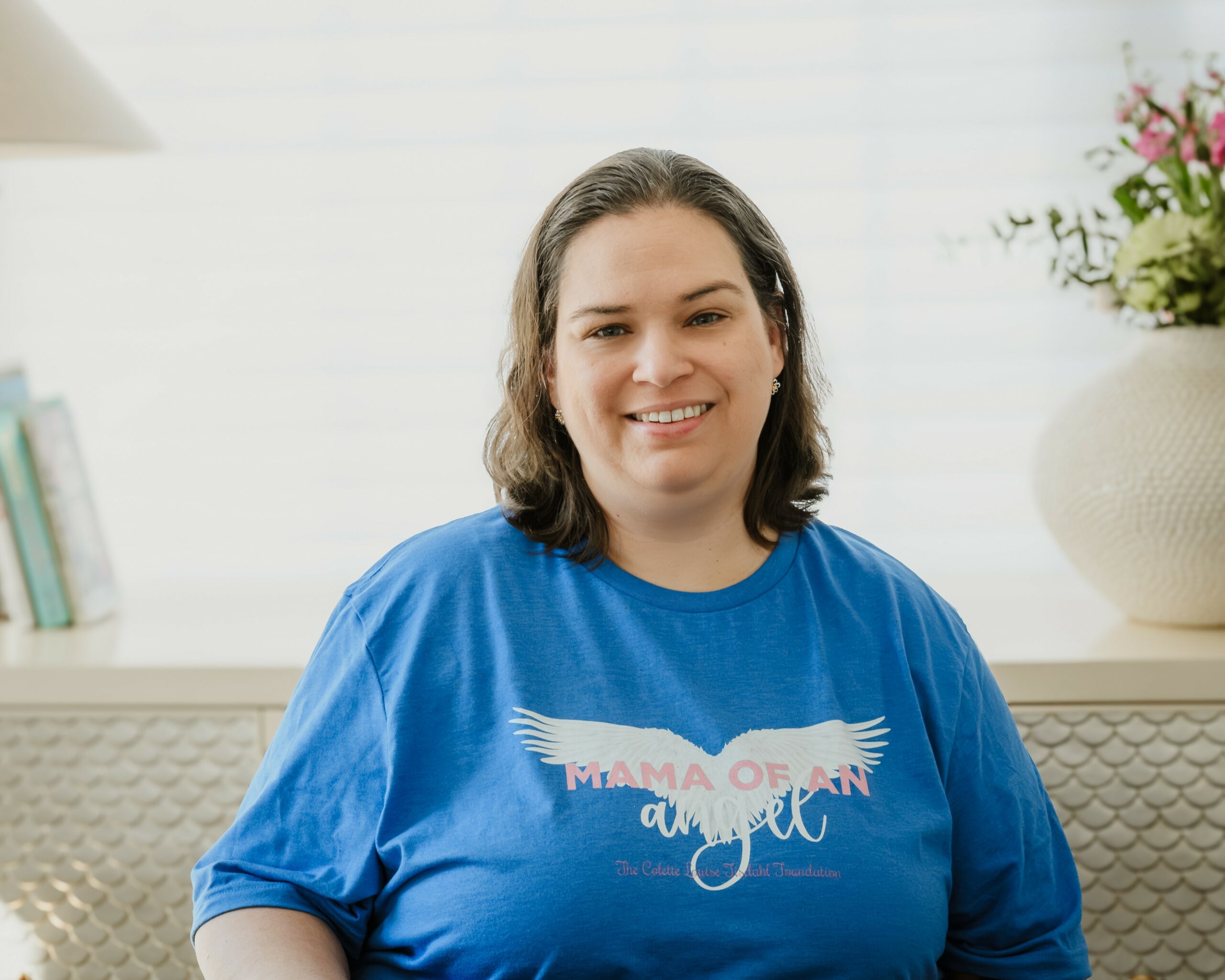
We caught up with the brilliant and insightful Michelle Valiukenas a few weeks ago and have shared our conversation below.
Michelle, thanks so much for taking the time to share your insights and lessons with us today. We’re particularly interested in hearing about how you became such a resilient person. Where do you get your resilience from?
“Thank God we don’t look like what we’ve been through.”
A few years back, a friend said this to me, seemingly complimenting me for surviving the unimaginable. I understood what she meant and appreciated her saying it because inside, I did not feel very put together. My daughter had died just a few months before, after nine days in the nicu, me in the hospital for over three weeks, and a road to parenthood that had been bumpy and filled with huge potholes, not unlike the ones that were fodder for political rants and complaints in my hometown of Chicago.
I was tired, I was lost, I was stressed, I was grieving, I was angry, I was frustrated, and I was sad. Every day waking up in a world where my daughter was not felt like a punch to the gut and as I tried to figure out what my next steps were and who I was after such tragedy, I often did not feel like I could go on. The words of one of my favorite musicals, Hamilton, sang in my head, “There are moments when you’re in so deep, it feels easier to just swim down,” and to say that I did not often wish to just “swim down” or to let the water envelop me would be a lie.
That was how I felt in June 2018, after my daughter died on May 31. I struggled to wonder how I would ever survive and then slowly, the days where it felt like getting out of bed required more strength and energy than running a marathon came less often and the good days began to string together. The days, weeks, and months passed and as I write this almost six years after the very worst happened, I realize that I survive this every single day.
I often hear questions like “How did you survive that?” Others will tell me how strong I am. But, the truth is that I survived because it was my only choice, it was the life that was handed to me, and no amount of prayer, wishing, denial, anger, or any other emotion or tactic would change that.
It was not that I was strong, it was that I was resilient. I am resilient because while life kicked me down, I got back up. I did not leap back up and often I wanted to stay down, to let the world end around me. But, I got back up.
Resiliency has many definitions and explanations, but the one I like the most comes from the American Psychological Association (APA), which defines it as “the process and outcome of successfully adapting to difficult or challenging life experiences, especially through mental, emotional, and behavioral flexibility and adjustment to external and internal demands.” For me, that has meant having a toolkit that works for all the different days, the possibilities that may happen.
The toolkit I had had before Colette died no longer worked so I worked on building a new toolkit. My world had shattered, nothing made sense anymore, the rules that I believed so strongly in had not protected me or Colette, and I had to come up with a new strategy to embrace my new normal.
I continued going to therapy, increasing sessions as I needed. I talked about the grief, shame, and self-blame that were all too common in my every day. I said things about how I wish I had done x or y differently so as to save Colette and then was challenged by my therapist who would say things like, okay, so let’s say you had done that, is there any guarantee that things would have gone differently. I began to break down those emotions that weighed so heavily on my mind, to work through all the whys, and how to reframe all the inner voices that were holding me back.
I spoke about my daughter and my experience because that was what helped me. Those close to me were not always comfortable with this, but I needed it and therefore, needed them to adjust. Most did, most sat in the uncomfortableness of it all, who learned to cope with what I shared. Others could not and they become secondary losses of the experience, those who no longer belonged in my life.
I wrote about my daughter, words that gushed out of me because I had so much to say. I threw my energy, my motherly instincts, everything of me into setting up a nonprofit in her name, in order to help other families who were in similar situations, but did not have our privilege of being able to afford all the twists and turns we had experienced.
I forced some people to take in the ick, the mess, the reality of my life, as well as so many others before and after me. I refused to stay quiet and made others aware of baby loss, grief, and parenting after loss. Whoever was willing to listen, I was willing to talk, and often I spoke to those who did not really want to listen, but did anyways.
I ensured I had support, from friends, family, loved ones, and then went further by finding a support group that I still attend to this day. The loss parents I have met from that group as well as from my work get what we have gone through and who we are now as a result. Those that I have only known a few years are now amongst my very best friends because there is no hiding how I feel, nothing to hide. They know me through it all, the good, the okay, and the terrible days. We are there for the whole rollercoaster, there for the birthdays, the anniversaries, the living children we have, for the glimmers, the triggers, the great days, the okay days, and the days that make us feel like we have gone all the way back to the initial days.
Does the toolkit work 100% of the time? Of course not, but I still rely on it and as things change, I adapt and look for new tools to help me. I want to survive and thrive because while my life was in danger, I survived. So what is it that gets me to keep working, to keep putting in the time? It is my kids plain and simple. It is Colette and Elliott, my rainbow that keep me motivated, that remind me that I have work left to do to help create a better world for them. I survive every day because of them and for them, bouncing back from the hits, staying resilient and adaptable. Oh, and I try my darndest to be kind to myself and even on the days I cannot, I surround myself with others who remind me and who do it for me.
Appreciate the insights and wisdom. Before we dig deeper and ask you about the skills that matter and more, maybe you can tell our readers about yourself?
We got pregnant with our daughter Colette on our third round of IVF. I was so thrilled, but I hated being pregnant. My dreams of being pregnant felt like they were just lies. I kept saying that I was going to write a book called, “Where the Hell is My Glow?” Other than that, the pregnancy was going well and I was excited as we got closer to the end of the pregnancy. When I was 21 weeks pregnant, my mom instinct told me I should go to the OB. Despite the nurses trying to call and tell me I did not need to come in, I stayed true to my instincts and went. That instinct saved me and my daughter. My blood pressure was 188/110 and my OB sent me straight to the hospital. I was admitted for severe preeclampsia and told I would be there until I delivered. While it felt like my whole world had stopped, the world around us kept going and I was trying to stay in. I also began questioning everything I had done or not done to land me here.
After three weeks in the hospital, doctors recommended delivery so at 24 weeks and 5 days, just barely over a pound, my sweet daughter Colette entered the world. She was whisked straight off to NICU, where she spent her short life of 9 days. I loved sitting by her isolette and watching her as she, even while so small, tried to move and fight. She was tiny, but ferocious and determined. She would try and pull the tubes out of her mouth and nose. Then after trying, she would put down one hand and try the other. I loved her, but I felt such guilt over how tiny she was and that my body had failed her, a sentiment I still struggle with sometimes.
When Colette died, I was lost. For the first time ever, my planner self just could not show up. My sister was amazing, stepping up in every way possible. Without her, I am not sure if Colette would ever had a memorial service. I was a mom in every sense of the world, but I did not have a baby to show for it.
I also became obsessed with the idea I had had in the hospital about providing financial assistance to families who experienced similar issues as we did. I did not intend to start a nonprofit and in fact, was very much against what I had always said—I will never, ever start a nonprofit of my own. But, as I did my research, as I talked to those who worked on the front lines, I realized I had to start this. It became my purpose, the reason why I had survived this terrible ordeal, and the way I would parent Colette.
I figured the concept was easy. I would communicate with hospitals, tell them I had this resource, and families would flock to us. But, as I would quickly learn, hospitals were filled with red tape, bureaucracy, and suddenly I had to be creative. I spent lots of time on social media, posting and commenting in groups, scouring Go Fund Me looking for cases where we could help and sharing our information. For the first six months to a year of operation, if someone was willing to listen, I was willing to talk. People were impressed by what we had created and what we were doing, but we did not see the applications roll in. I felt like a failure, I felt like banging my head against the wall, and worst of all, I felt like once again, I was failing Colette. I kept having to pivot, to push, to come up with new and creative ways to connect with others who may need services.
In November 2018, almost three months after we launched, we had our first application and I was thrilled to provide some financial support for the family. But, the number of applications remained low for probably a year or so, and in the meantime, I kept doing what I had done—making connections, looking for who could best be an ambassador, a connector, and more.
Early 2020 was when we started to really see the impact and the need. It started to explode and today, a little over five years from our beginning, we have helped more than 2,200 families in 50 states, giving away more than $1.5 million in assistance. While it is becoming harder to meet the demand, with the need growing, is to remember how much work we are doing.
We are always looking to expand and be able to help more families so we are looking for ambassadors and donors.
Looking back, what do you think were the three qualities, skills, or areas of knowledge that were most impactful in your journey? What advice do you have for folks who are early in their journey in terms of how they can best develop or improve on these?
1. Dedication 2. Flexibility/adaptability
3. Communication
I think the best lesson boils down to it is not going to go 100% the way you expect so you need to remain dedicated to your goal, to be flexible and adapt as things change and obstacles are put in your way, and continue to communicate. I also think it is important to remember that you do not know everything, despite what you think or may want, so ask questions, surround yourself with people who know better, and continue to learn.
Okay, so before we go we always love to ask if you are looking for folks to partner or collaborate with?
Yes, we are a nationwide organization and are looking to increase and diversify our funding so that we can continue to help families and grow to help even more. The need for financial assistance for families in crisis due to high-risk and complicated pregnancies, NICU stays, and loss so we are looking for ambassadors to help us spread the word, make us more visible, and connect us to the right people and companies to partner with them.
As an ambassador, you would serve as a passionate advocate for our organization, ensuring that we are reaching the right people and growing our programs. Participation is voluntary and your time commitment and involvement depend on your schedule and capacity.
Some things that ambassadors may do include but are not limited to sharing information about our services, engaging on social media, contacting possible donors, writing a guest blog, announcing our work or events in your local community or within your networks, or hosting a small fundraiser.
Contact Info:
- Website: www.colettelouise.com
- Instagram: https://www.instagram.com/colettelouisetisdahl/
- Facebook: https://www.facebook.com/colettetisdahl
- Linkedin: https://www.linkedin.com/company/the-colette-louise-tisdahl-foundation/
- Twitter: https://twitter.com/TheTisdahl
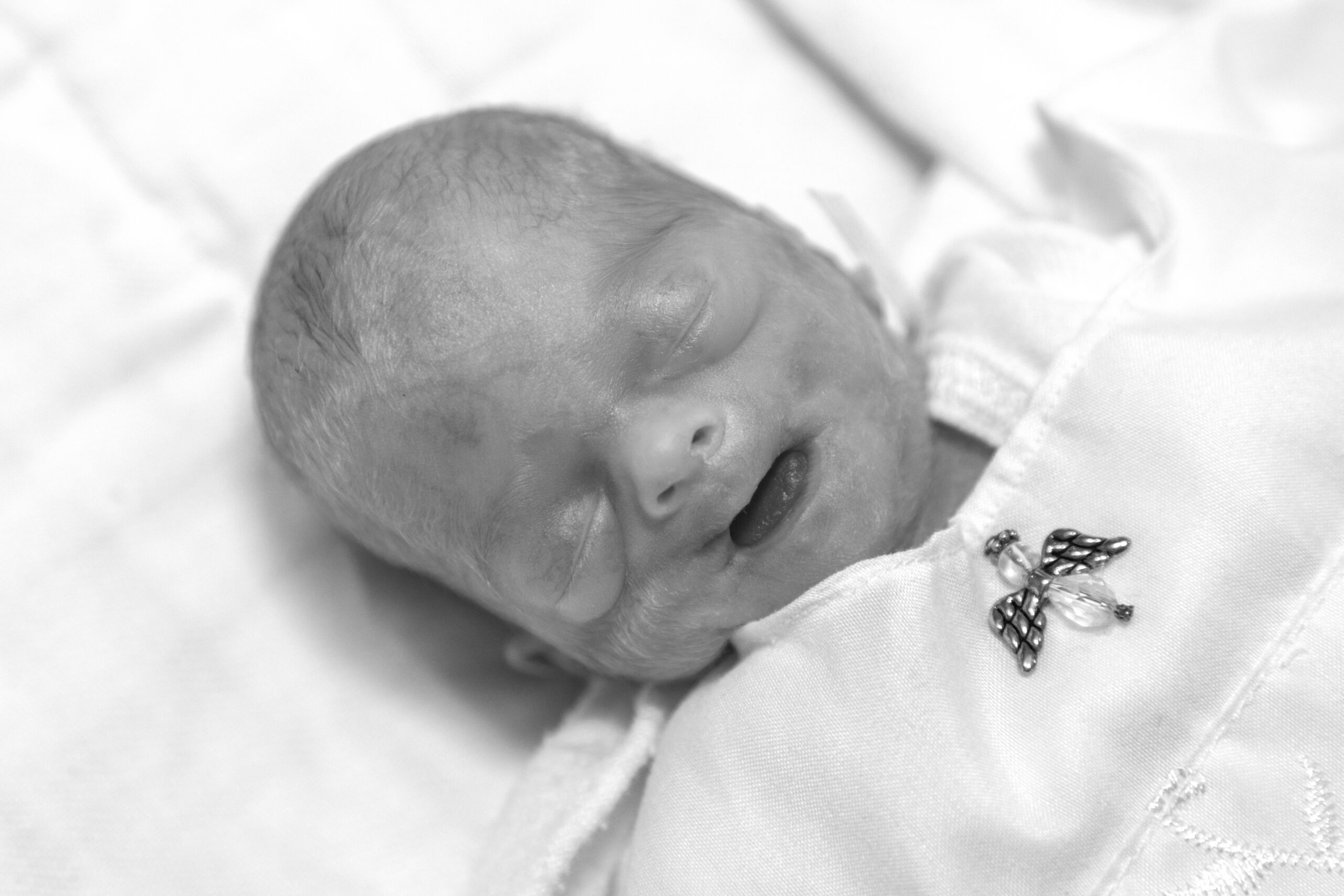
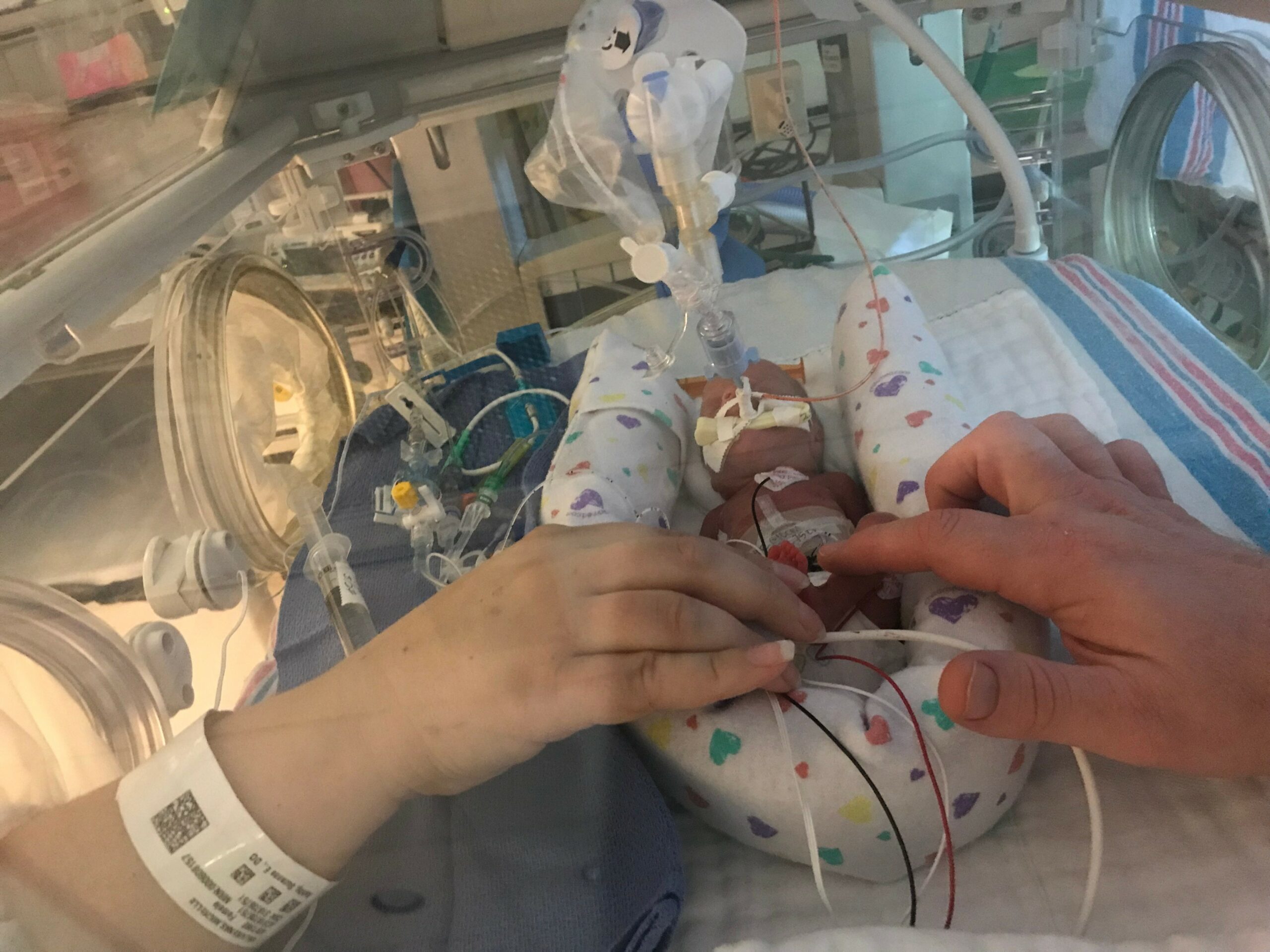
Image Credits
Stephanie T. Adams Photography Tiffany Chiappetta Photography Now I Lay Me Down to Sleep