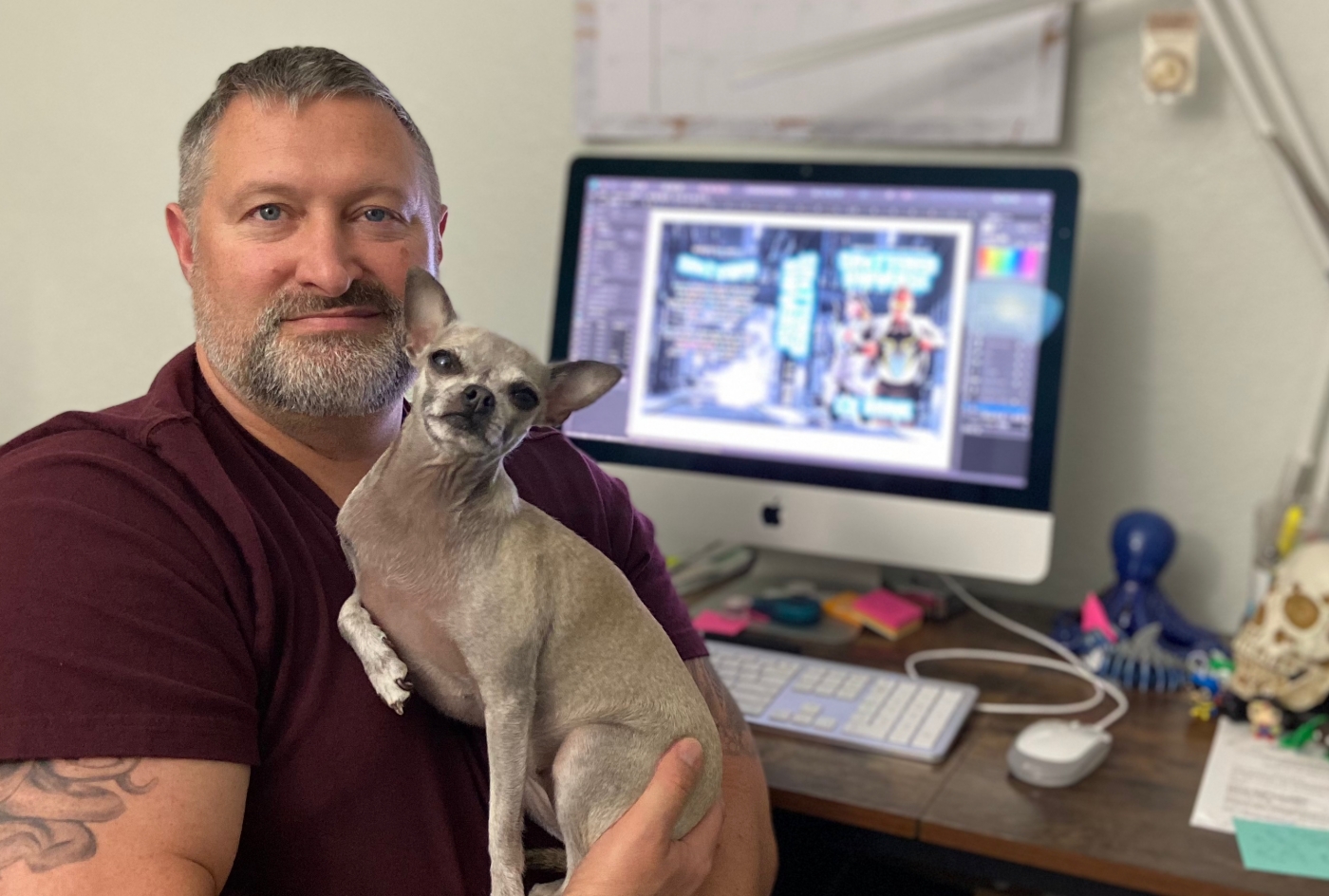
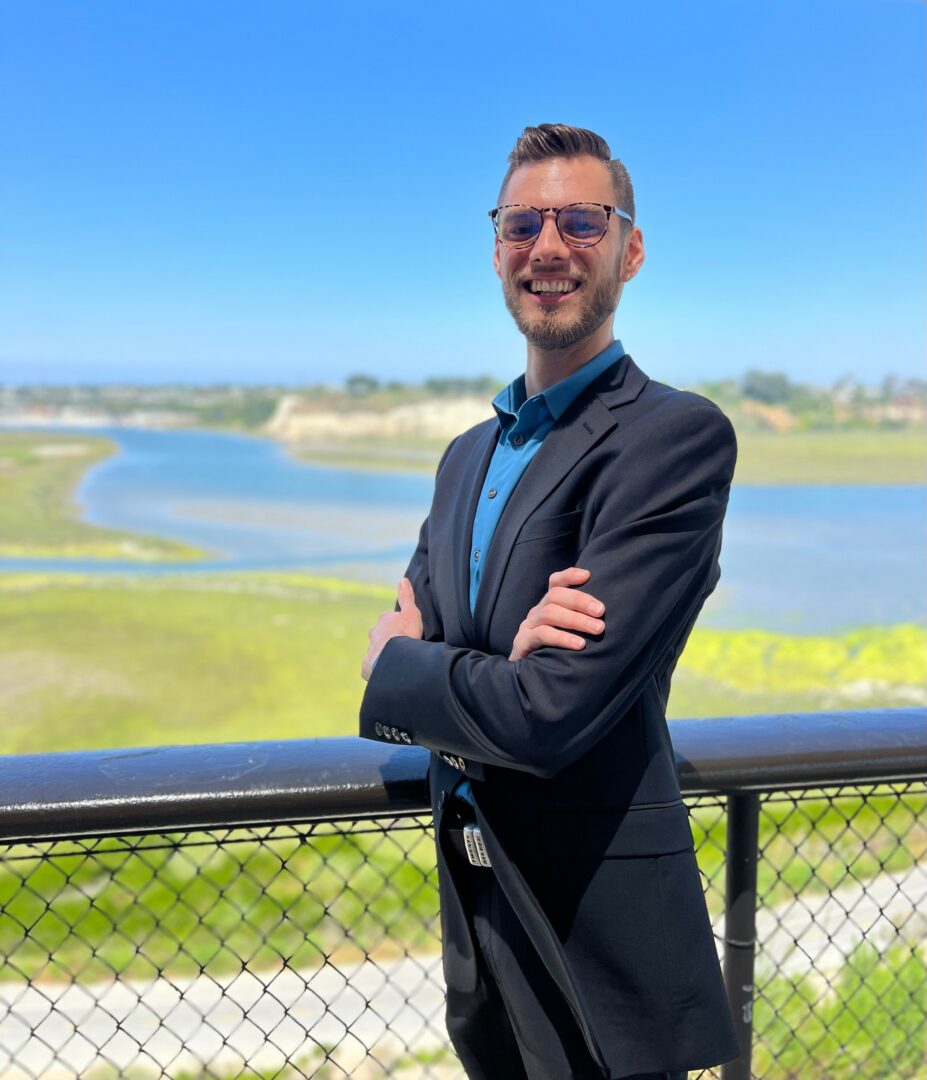
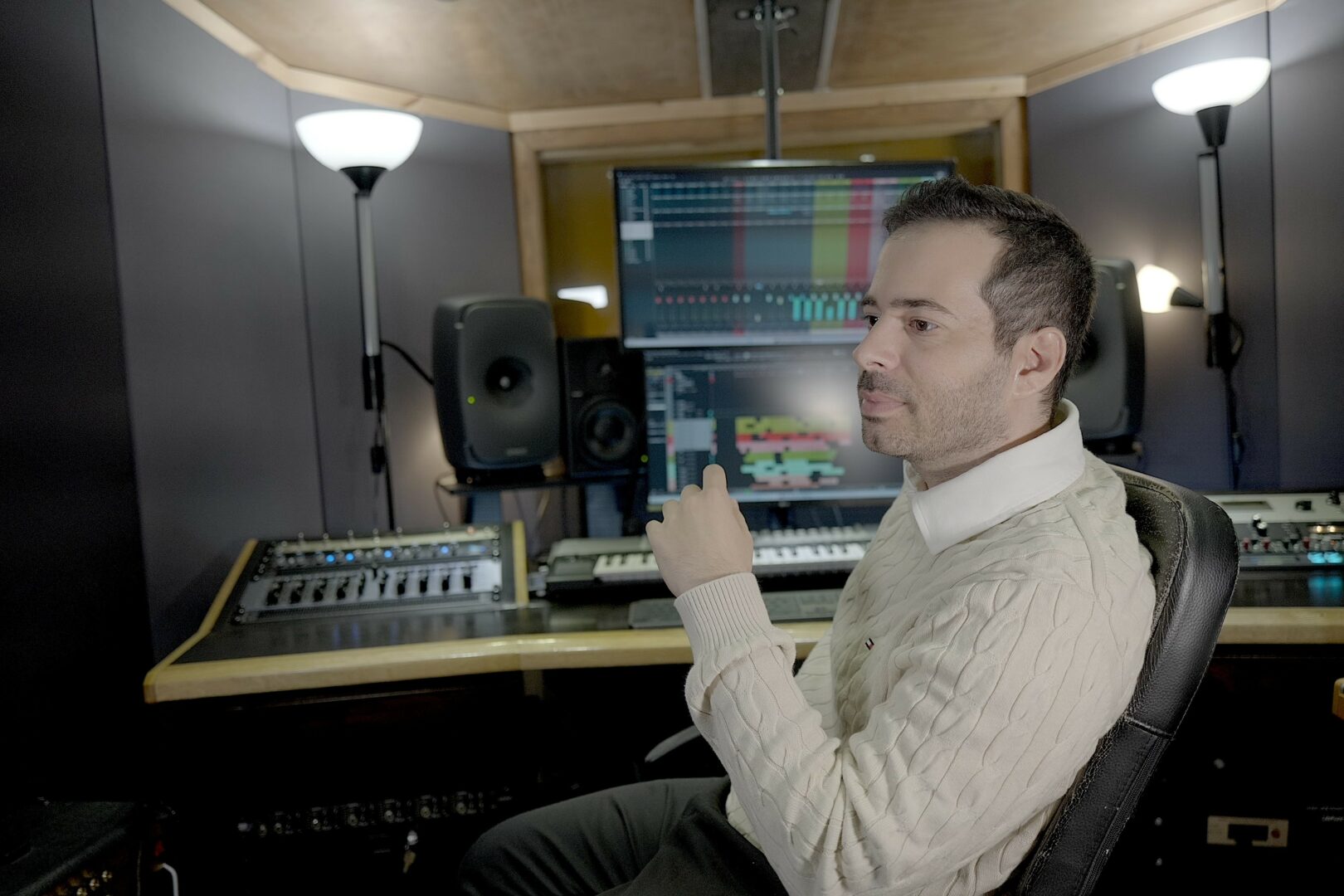
We caught up with the brilliant and insightful Miguel Duran a few weeks ago and have shared our conversation below.
Miguel , looking forward to learning from your journey. You’ve got an amazing story and before we dive into that, let’s start with an important building block. Where do you get your work ethic from?
I get my work ethic from my Mexican parents. They always told me that if you want something in life, you have to work for it—nothing in this world is free. I remember times when money was tight or when we needed extra income for a big purchase; my father would sell food on the weekends to make ends meet. My parents are hustlers, and they instilled that hustle-and-grind mentality in me and my siblings. We’re all hard workers. I over-prepare for all of my projects, and that drive comes directly from them.
Thanks, so before we move on maybe you can share a bit more about yourself?
I’m one of the lucky ones—I knew I wanted to make movies since I was a child. When I was five, my parents took me to see *La Bamba*, the story of Chicano rocker Ritchie Valens. Little did they know that moment, in that darkened theater, would inspire that little kid to become a filmmaker. From that day on, I was hooked.
I went to the movies almost every weekend. I read filmmaking books, watched TV and films constantly, and soaked in everything I could. At one point, I lived just a block from a movie theater, and I’d pay for one film and sneak into the others. For those hours in the cinema, I felt safe—transported to different worlds and cultures—and I absolutely loved it.
In high school, I finally got the chance to make my first short films, and that’s when it clicked: I wanted to be behind the scenes. I wanted to write, direct, and edit movies. From that moment until now, I haven’t stopped. I love telling all kinds of stories—action, comedy, horror. Great stories come from every genre, and the ones that move us deeply are the ones that resonate. That’s what I strive for.
Today, we’re constantly bombarded with screens, and people have become desensitized. The challenge is: how do you break through the noise and stand out? For me, it’s about creating an emotional response—whether that’s a tear, a laugh, or a scare. My goal is always to make the audience feel something, to invest them in the story. I think about this every time I write a script or work through a scene with an actor. I’m always searching for the heart and humanity in every moment.
Cinema is one of the most powerful tools we have to create positive change in the world, and I feel truly blessed to make movies for a living and hopefully inspire people through my work.
Currently, I’m developing my feature *Spellcaster*, a supernatural story about a modern-day witch on a mission to bring her father back from the dead—a thrilling and emotional story about accepting loss. I’m in the process of building my team so we can bring the film to life next year.

There is so much advice out there about all the different skills and qualities folks need to develop in order to succeed in today’s highly competitive environment and often it can feel overwhelming. So, if we had to break it down to just the three that matter most, which three skills or qualities would you focus on?
Three skills or characteristics that have made me successful are persistence, compassion, and listening.
Persistence has been essential throughout my filmmaking journey. From receiving countless “no’s” from studios to personally funding my own projects, persistence has played a huge part in my success. Every project I’ve helmed exists because I was at the forefront pushing it forward. I’ve worked on all kinds of projects—with or without money. If a story moves me, I’ll do everything I can to bring it to life.
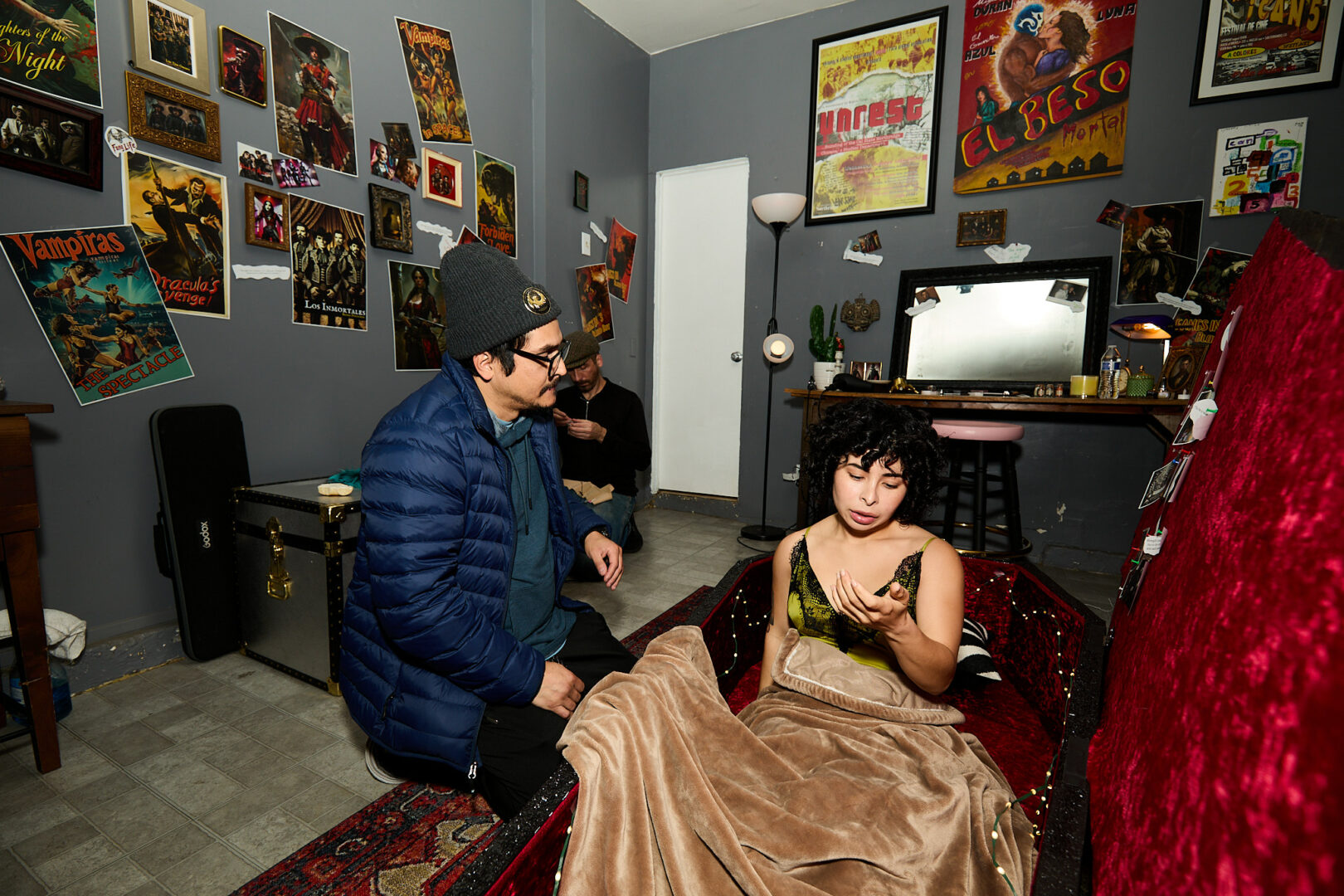
Compassion is another core strength of mine. If I see someone having a rough day on set or struggling with something, I do what I can to lift their spirits. Sometimes a few encouraging words are all we need. By having a big heart and genuinely caring about people, I help create a positive environment on set—one where everyone feels safe, supported, and free to play and create. The energy on set matters, and compassion sets the tone.
Listening is a skill I’ve worked hard to develop. Filmmaking is teamwork—there are no islands here. When an actor or crew member has a concern, I listen. They might have a better idea than the one I originally had. Listening also means trusting yourself. There are moments when you must fight for a scene or an idea, even if you’re butting heads with a studio. If your gut is telling you something, listen and stand your ground.
For me, listening, persistence, and compassion have been instrumental in my growth as a filmmaker. And if an aspiring filmmaker can harness these skills, they’ll already be miles ahead of their counterparts.
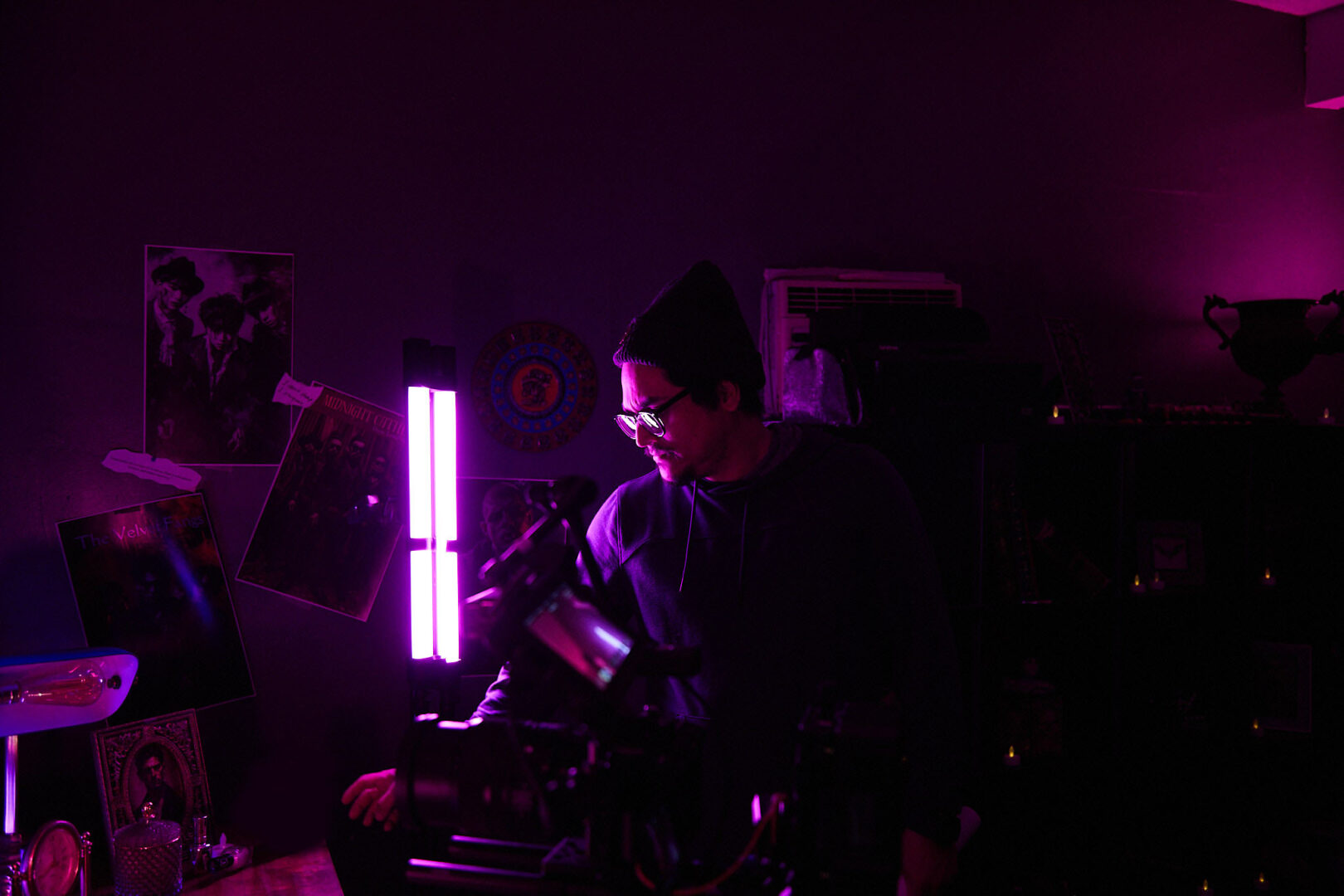
All the wisdom you’ve shared today is sincerely appreciated. Before we go, can you tell us about the main challenge you are currently facing?
The biggest challenge I’m facing right now is securing financing for my feature film. In filmmaking, finding the money is always the hardest part because we’re essentially trying to convince people that our films are a worthwhile investment. It doesn’t matter if you’re a major filmmaker or an indie creator—financing is always a challenge.
At the moment, I’m meeting with several producers to see if they’d like to come on board and help me secure the funding I need. I’m also building my core team so that when I meet with potential financiers, I can show them that I have a strong, ready-to-work crew in place. In addition, I’m exploring alternative ways of raising capital, including platforms like WeFunder, to help bring this project to life.
Contact Info:
- Website: https://miguel-duran.com/
- Instagram: https://www.instagram.com/itsmiguelduran
- Facebook: https://www.facebook.com/miguelangelduran84
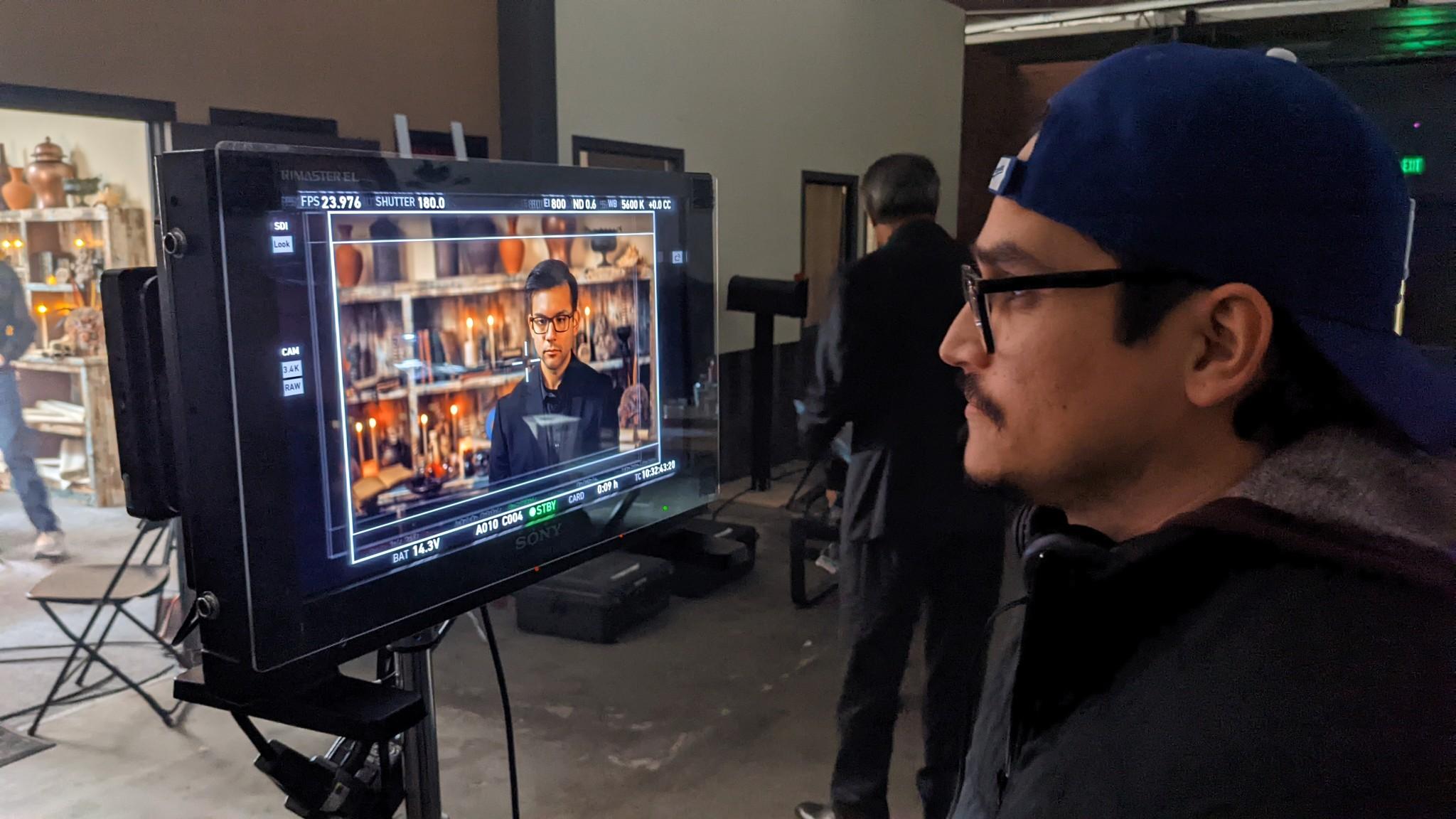
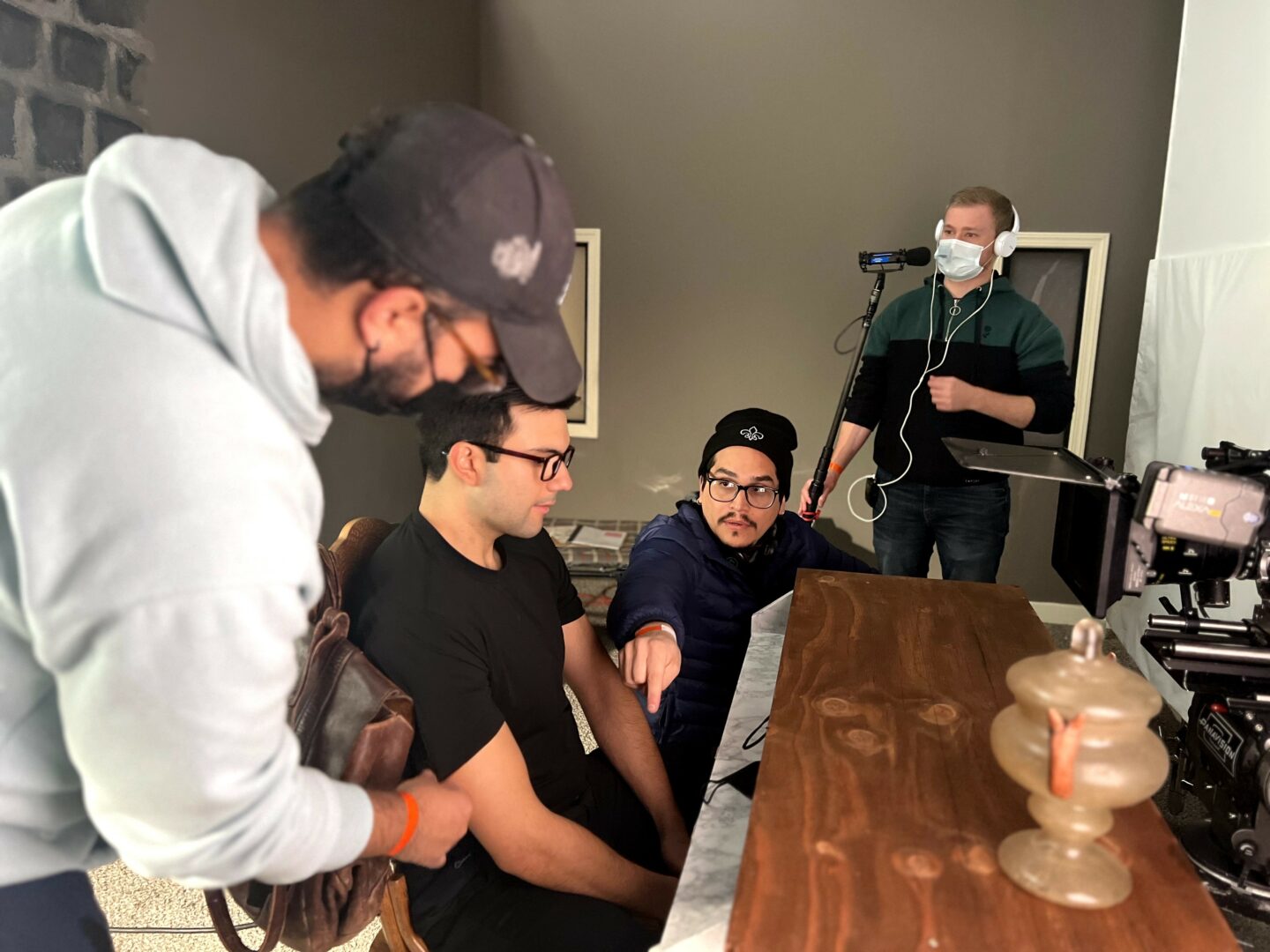
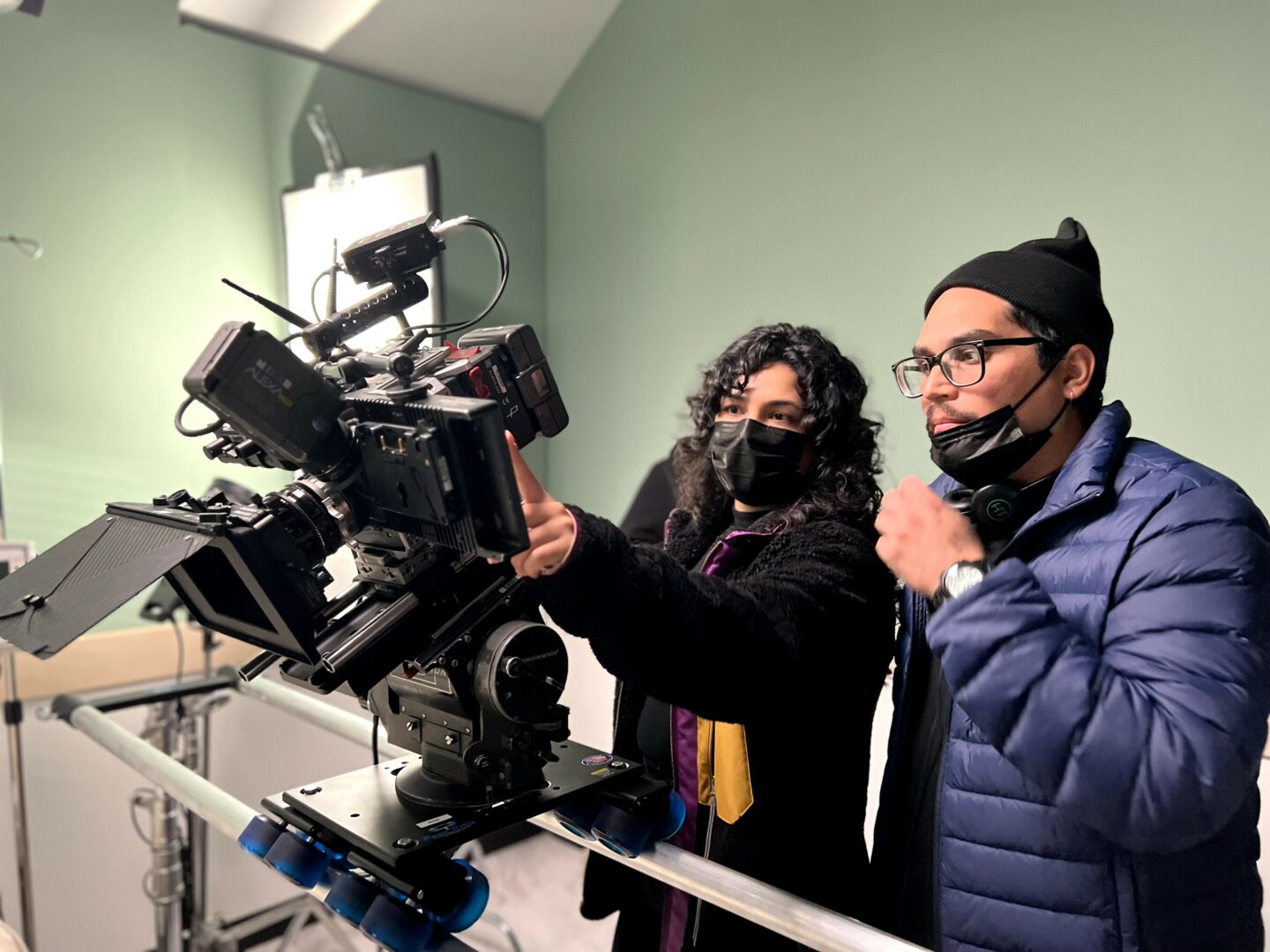
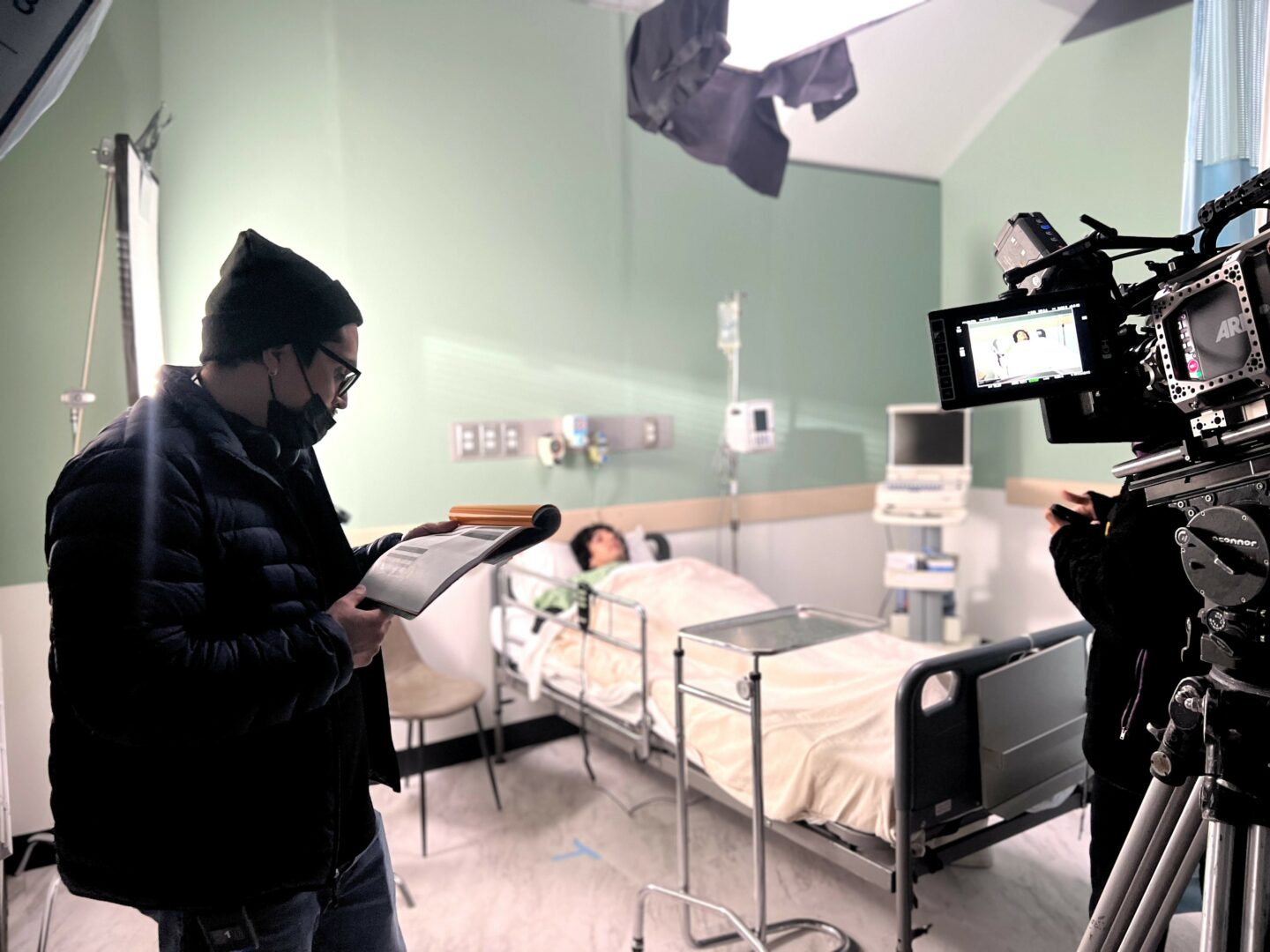
Image Credits
Photos By Jared Treviño
so if you or someone you know deserves recognition please let us know here.