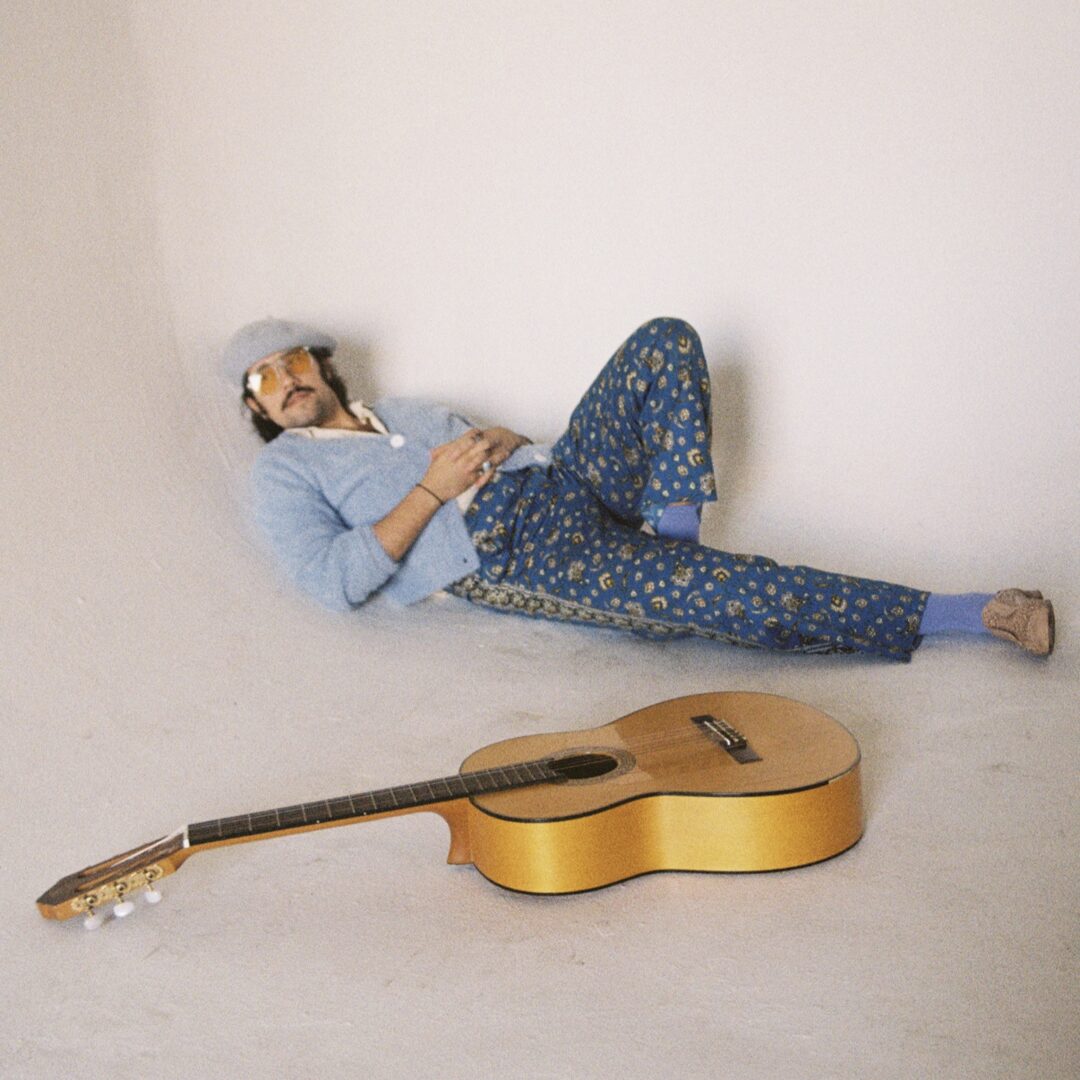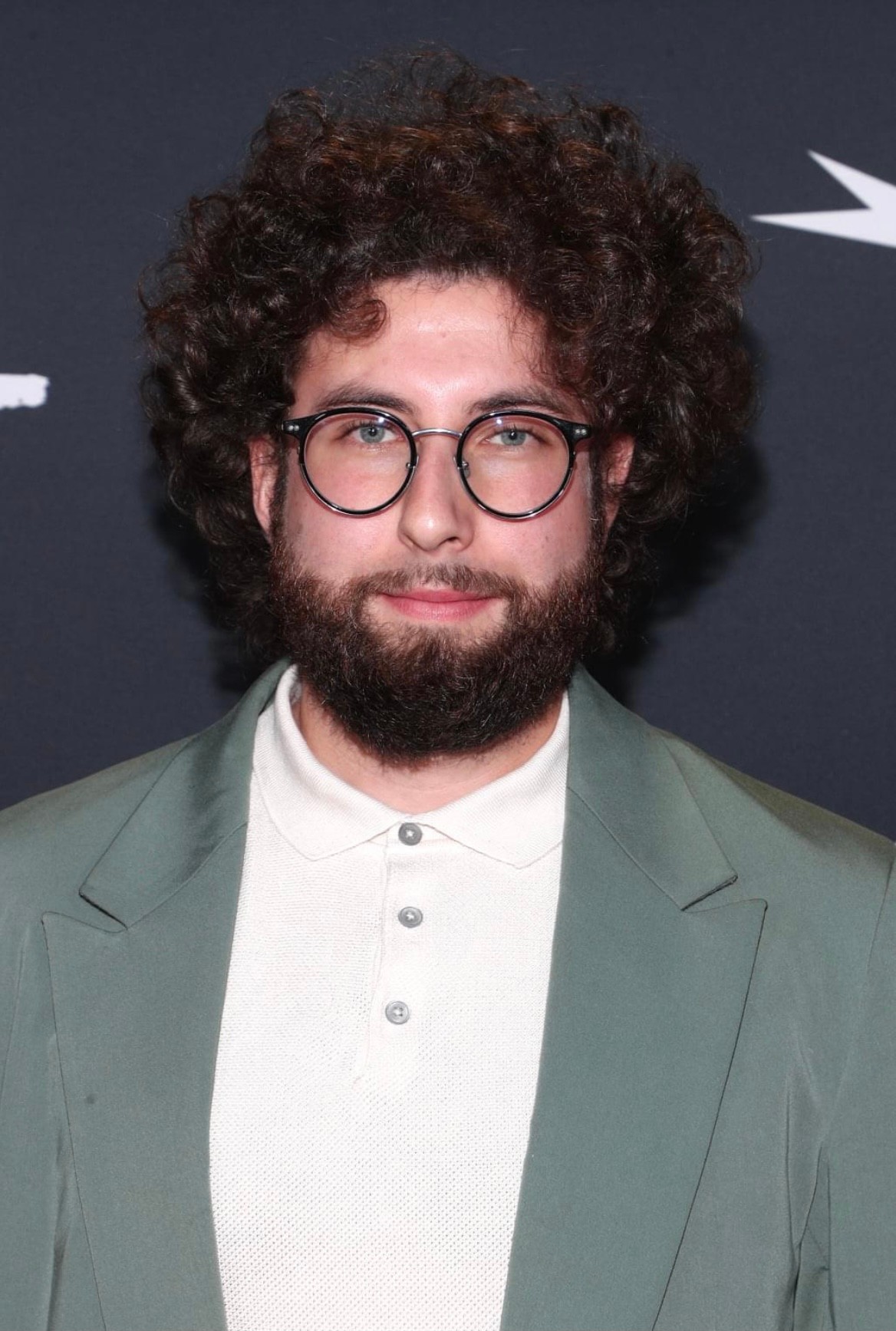
We recently connected with Mikhail Saburov and have shared our conversation below.
Hi Mikhail, so happy to have you on the platform and I think our readers are in for a treat because you’ve got such an interesting story and so much insight and wisdom. So, let’s start with a topic that is relevant to everyone, regardless of industry etc. What do you do for self-care and how has it impacted you?
First off, let me tell you what not to do for self-care — ignore it. I did that for years and ended up with clinical depression and OCD. Yeah, the shock and horror from the war with Ukraine played a part in my mental slide (being Russian), but I clearly set the groundwork myself years earlier. There’s a certain irony around mental health issues in the film industry: we talk so much about the importance of being “yourself” and “authentic” in the way we tell stories, yet most of us can’t even spend a day alone because unplugging from the professional community and work is terrifying. The issue I’ve come to understand over the years is the ‘dream of making it big in film’ is often a mechanism of distraction from deep insecurities and pain rather than a true desire for professional self-realization. Work becomes a sort of therapy. Only it doesn’t work that way. It’s not a release, but a suppression. By the laws of physics, you can’t apply pressure to something indefinitely – eventually, it’s gonna blow.
The big game-changer for me? Realizing, after a year on antidepressants and extensive therapy, that filmmaking is just my job. It’s not who I am, it’s not my life’s calling. The world doesn’t begin and end with it. I came to see that I’d been sold ‘the dream’ — something the US does best. The idea that hard (and often exploitative) work pays off. It does, but usually for those who hire you, not for you. Wonder why the strikes are happening right now… oh wait.
Once I accepted that I might never be as successful as I dreamt or was sold to be, I felt instant relief. Instead of constantly chasing checkmarks on my to-do list, I let myself just be. And did this hurt my work? Quite the opposite. I became more effective, more creative, because I wasn’t terrified of failure anymore.
Enough with the venting, though 🙂 Let’s get practical. I’ve recently started using Andrew D. Huberman’s (a Neuroscientist from Stanford) morning routines and specifically, 90-minute working cycles.
Basically my morning looks like this: I wake up at 6 am (the toughest but most important part is to not check my phone), take a 20 minute walk, then work 90 minutes without distractions, take a break, drink my first coffee and do some yoga. Then back to work – this time checking socials, emails, all that. After spending some time on my phone I lock it in a different room for half of the day. Breakfast around 11 then on and off work in 90 minute cycles. Works like magic. Soon after I got into this routine I found out that I manage to do more work really focusing for 90 minutes than I often would “working” the entire day.
And the big secret to managing anxiety? THROW YOUR PHONE THE **** OUT. Our brains are just not wired for processing so much information on a daily basis. That’s why we often feel tired, burnt out, and anxious. By reducing info intake, we free up mental energy for what really matters (and no, I don’t mean just work).
Great, so let’s take a few minutes and cover your story. What should folks know about you and what you do?
I’m part of a collective known as Common Artists, and we’re engaged in a number of intriguing projects. Currently, we’re developing an AI short for White Mirror, alongside a feature film that has been in the works for some time.
Common Artists is committed to melding unique visual language with a profound philosophical approach to our themes. Through our collaborations with directors, writers, artists, musicians, and philosophers, we aim to explore new frontiers in narrative filmmaking.
In addition to this, I spend time teaching screenwriting and serving as a script advisor to other screenwriters. I’ve always been intrigued by both Eastern and Western dramaturgy, and I find great fulfillment in applying this knowledge to assist others in developing their projects.
Don’t forget to check out my platform (https://screenwriting.pro) for useful tips on the craft! And if you’re wrestling with writer’s block, don’t hesitate to book a consultation—I’d be glad to lend a hand.
There is so much advice out there about all the different skills and qualities folks need to develop in order to succeed in today’s highly competitive environment and often it can feel overwhelming. So, if we had to break it down to just the three that matter most, which three skills or qualities would you focus on?
Firstly, withholding judgment when interacting with others has been invaluable. While it’s impossible to prevent emotional reactions to first impressions, it is feasible to avoid reacting negatively to ideas you may disagree with. I’ve always been a learner, and I believe that if you dismiss ideas simply because they don’t align with your own worldview or because you don’t favor the person presenting them, you limit your perspective and risk narrowing your field of view. This could eventually lead to radicalism — and I’m not talking just about political views. Imagine a world where people ACTUALLY listened to each other. What a place that would be!
Secondly, it’s essential to constantly scrutinize your own beliefs. Having grown up in a country known for its propaganda and then moved to the “land of freedom” (the amount of propaganda is roughly the same, by the way), I’ve made it a habit to question the origin of my thoughts and assumptions. Are they genuinely mine, or are they influenced by what I’ve recently read, heard, or discussed? It’s astonishing when you realize how many of your views aren’t entirely your own. The reason being, under stressful events that shape our personalities, our brains create a theory of control that structures the chaotic reality around us. This could be religion, personal beliefs, political views, or even how to shoot a scene. This has nothing to do with reality but with our existential dread of the absence of order. Even storytelling itself — having a beginning, middle, and end, and a certain theme or message — is nothing more than a way to make sense of what’s around us. Naturally, we look for patterns and fit things in the boxes that don’t even exist. I found the only way for me to become better at what I do, and how I behave and react to people, is to constantly reevaluate my views.
Thirdly, don’t strive for originality; strive for knowledge. How does an original idea form? Let’s take filmmaking as an example. When I prep for a film as a director, I go through myriad references, research, personal experiences, works of literature, art, etc., to create an original visual approach to a film. So, originality is just a unique synthesis of pre-existing ideas and memories. Science works the same way — we make new discoveries based on a pre-existing body of science.
If your conscious and subconscious mind lack sufficient reference material, you’re likely to generate ideas that others have already conceived. Therefore, the key to creating truly original work lies in amassing as much knowledge as possible.
What would you advise – going all in on your strengths or investing on areas where you aren’t as strong to be more well-rounded?
One of my biggest passions in life has been soccer. I was a goalkeeper for university teams and I was good at it – I had fantastic reflexes, decent positioning, and no fear of getting injured. But I’m a 5’10 man. The goal is 8 feet tall. No matter how hard I worked, the goal hasn’t become shorter.
There’s a fundamental difference in how the US and Russian parents raise children. In the US, children are often told that they can be anything they want to be. In Russia, children are frequently told the opposite. Both approaches have major flaws. If my mother had told me I could play in the Premier League, I would have ended up with a shattered dream, so I appreciate learning the truth early on.
That doesn’t mean we should never take risks, of course. However, the most crucial type of honesty is self-honesty. It’s important to understand your strengths and limitations. Ignoring the latter can lead to depression. We all strive for validation, love, and status, but understanding our core motivation is equally, if not more important. Why are we willing to work 16-hour days or take on unpaid work? It’s because we want to achieve our dreams. But why? What emotional need are we fulfilling? That is the question.
It’s not just about capitalizing on your strengths. It’s also about evaluating whether you want your day-to-day life to revolve around the professional sphere you’re applying your strengths to. My wife, for instance, is a naturally gifted writer, far better than me. However, she struggled with whether to continue working in tech or switch to writing. After observing me write day in, day out, she realized that while she loves writing, she would hate for it to become a job. Now, she still utilizes her storytelling strengths, but as a product manager — a role she genuinely enjoys.
So, to answer your question — should we focus on our strengths or become well-rounded? I would say strengths. But always remember to ask yourself: are you willing to sacrifice your day-to-day happiness for fleeting moments of success? Is it worth being miserable 363 days a year for those brief moments of triumph? I would argue no. We would all be more fulfilled if we viewed work as just one part of life, rather than its entirety.
Contact Info:
- Website: https://saburov.film
- Instagram: @mikhail_d_saburov
- Twitter: @MikhailSaburov_
- Other: https://screenwriting.pro https://commonartists.co
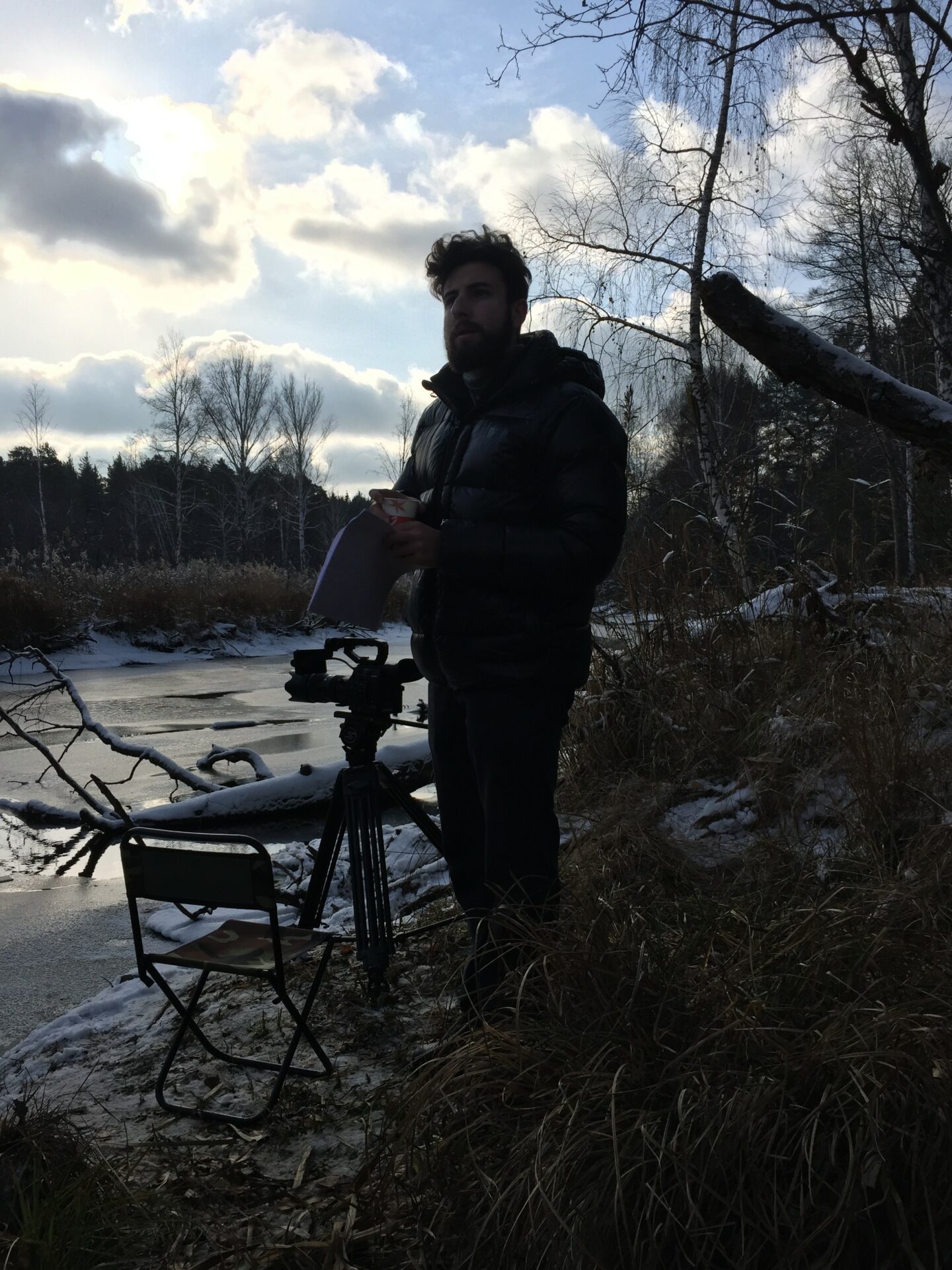
Image Credits
Slava Makarov