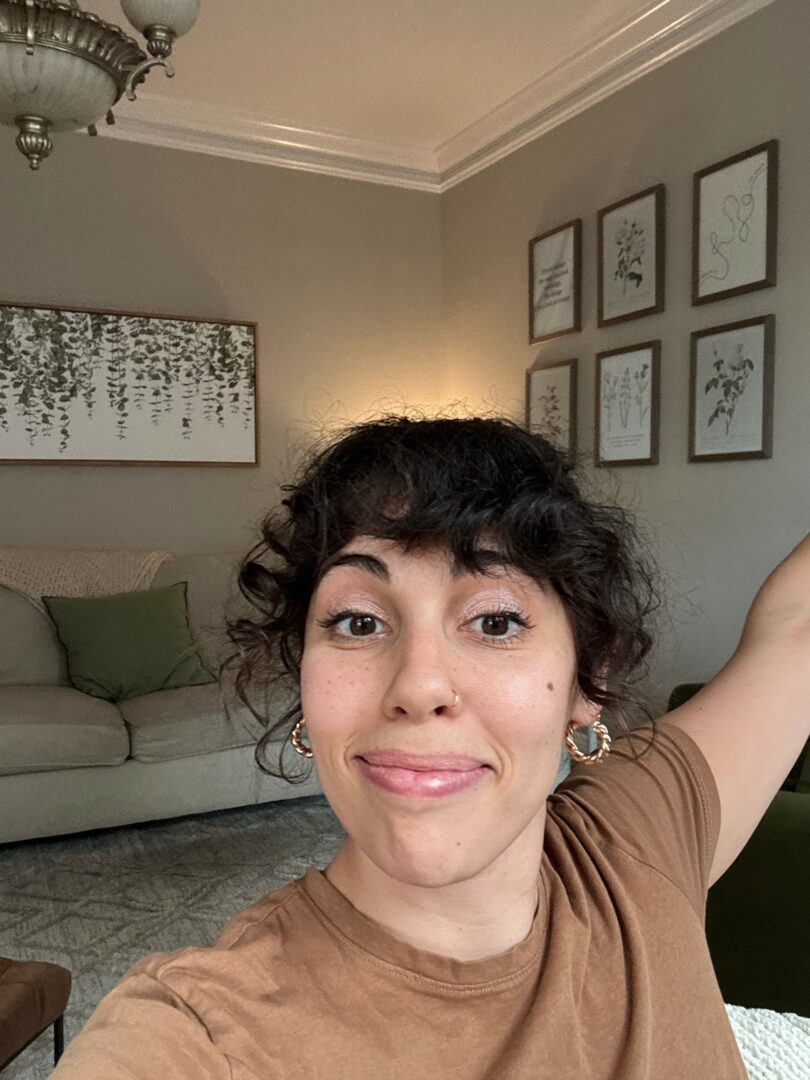
We recently connected with Mikki Warszawski and have shared our conversation below.
Hi Mikki, appreciate you sitting with us today to share your wisdom with our readers. So, let’s start with resilience – where do you get your resilience from?
As a therapist, I’m constantly assessing my clients’ experiences for moments of resilience, or the ability to withstand and recover from distressing circumstances. Most people associate therapy with problems, but inner strengths are just as significant. When I reflect on personal resilience, I think of my family and my heritage. My paternal grandparents were Holocaust survivors who met at a refugee camp following the end of the war. Their son, my father, unexpectedly died twelve days before I was born. When my dad passed, my mom had an almost 10-year-old and a newborn. She didn’t have the luxury to be paralyzed by depression; she had a newborn to feed and a 10-year-old to walk to the bus stop. As the grandchild of Holocaust survivors and as a Jewish woman, resilience is built into my DNA; exemplified by Hebrew words like Tikkun Olam, Teshuvah, Chesed, and Hineini:
Tikkun Olam – “repairing the world,” the responsibility to show up with love and compassion to heal the world
Teshuvah – “to return,” most commonly known as repentance and practiced during the High Holy Days, but more deeply about returning and realigning with your truest self and one’s relationship with God (I personally align more with Universe)
Chesed – “loving kindness,” a guiding value in relationships
Hineini – “Here I am,” an expression of emotional and spiritual presence and openness to growth even when difficult
My resilience comes from my ancestors, my family, and the values that I continue to live my life by, centered in pouring love and light back into the world as a therapist, an educator, and as a human.
Thanks, so before we move on maybe you can share a bit more about yourself?
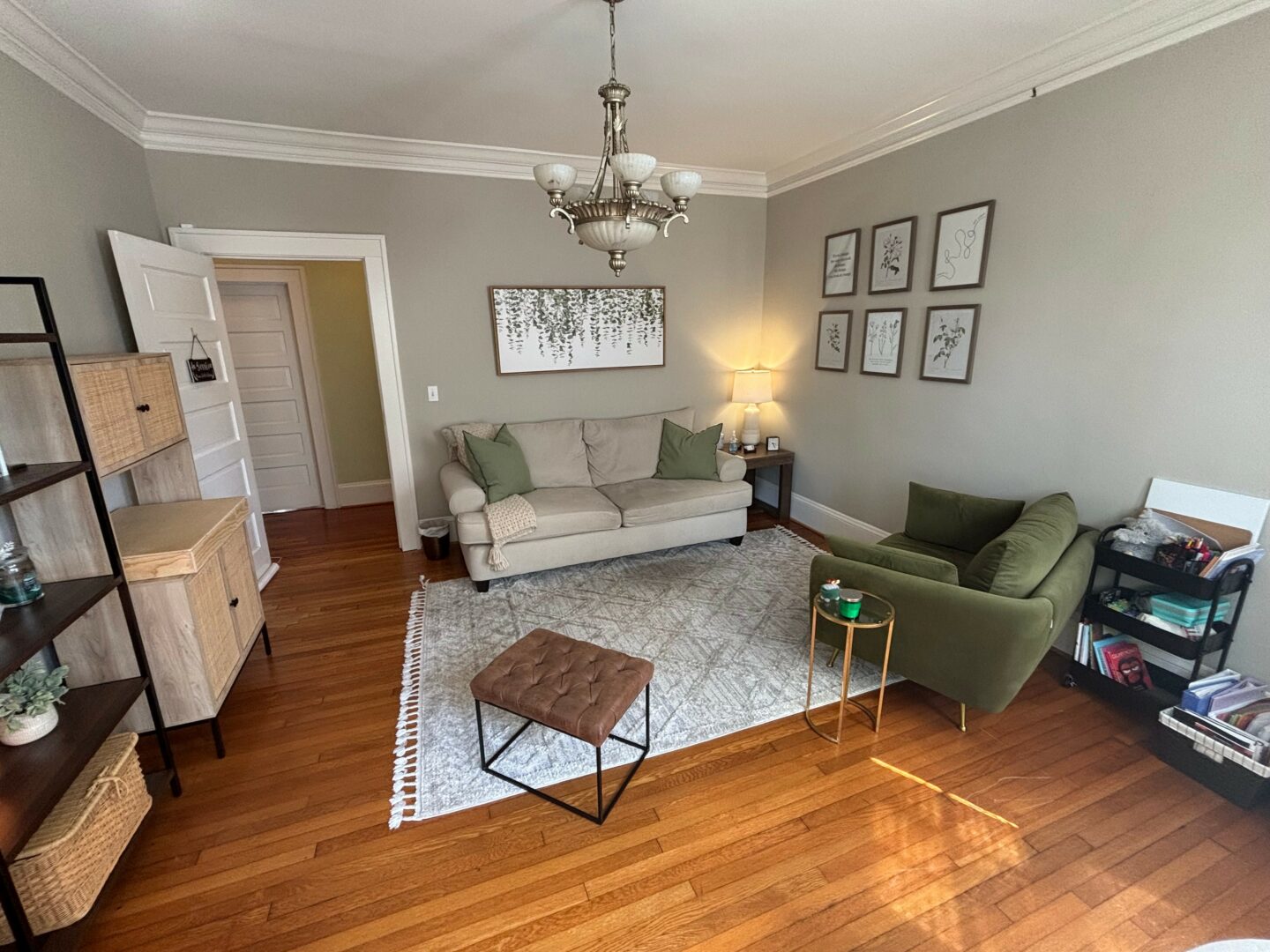
I’m a Licensed Clinical Mental Health Counselor (LCMHC) in North Carolina, specializing in grief and trauma. I’m also certified in EMDR, a trauma therapy that has been personally and professionally transformative in my life. Less than two years into my career, I opened my own practice, Hineini Counseling PLLC.
The Hebrew word Hineini [hee-nay-nee] translates to “Here I am” and represents a mental, emotional, and spiritual presence; a readiness to grow into one’s true purpose. Opening Hineini gave me permission to practice in a way that deeply aligned with who I was growing into as a therapist. Not long after opening, clients began commenting on the noticeable shift in energy in the new space, affirming that authenticity matters. Since opening in May 2022, the practice has expanded to include six incredibly talented and diverse therapists, ranging in approaches and areas of expertise.
This fall, I also began my PhD in Counselor Education and Supervision, hoping to teach future therapists in topics related to grief, trauma, and spirituality. While I expected stimulating discussions and inspiration, I was not prepared for the pressure to perform, self-doubt, and intense vulnerability. Through the chaos of transition, I was forced to get honest with myself, about what I could handle and where I was overextending myself. I completed my first semester two weeks ago; it was both the hardest and most rewarding season of my life.
Ultimately, this degree will allow me to create a broader ripple effect, supporting clients, mentoring clinicians within my practice, teaching future counselors, and contributing to the field through research.
Looking back, what do you think were the three qualities, skills, or areas of knowledge that were most impactful in your journey? What advice do you have for folks who are early in their journey in terms of how they can best develop or improve on these?
Humility, curiosity, and authenticity.
Humility isn’t just modesty—it’s a willingness to learn. Throughout my journey, I’ve found that the more open I was to what I needed to learn, both within myself and clinically, the more effective I became as a therapist. When students or clinicians struggle to remain open to feedback or lack humility, they may unintentionally cause harm to themselves or others.
Curiosity has been the most essential mindset in my growth. It’s the desire to learn, ask questions, and gather information. The more curious I was in my own therapy and in exploring my clients’ experiences, the more progress was made. When curiosity felt inaccessible, I learned that fear was often getting in the way. The sooner we could listen to what that fear was trying to communicate, the sooner it felt acknowledged enough for curiosity to return.
Finally, authenticity. If I have one piece of advice for those early in their journey, it’s to get quiet enough with yourself to listen for what feels most true to your own experience. It doesn’t need to be flashy or groundbreaking, just honest. When you find that authentic part of yourself and what truly lights it up, it becomes a guiding force not only in your career, but in your life.
Thanks so much for sharing all these insights with us today. Before we go, is there a book that’s played in important role in your development?
Tiny Beautiful Things by Cheryl Strayed. If you haven’t read that book, I urge you to run to your local book store and give yourself a week to devour it because it singlehandedly changed my life. The book is a collection of “Dear Sugar” advice columns, each one is brave, honest, and poignant about the human experience ranging from grieving a parent to leaving a partner. The most valuable message I received was from her chapter “The Ordinary Miraculous,” that we can never truly understand how things will manifest in our lives until they do, and there’s magic in that. She emphasized the importance of a life over a career, which is now foundational to how I live my life. She goes on to say:
“Don’t lament so much about how your career is going to turn out. You don’t have a career. You have a life. Do the work. Keep the faith. Be true blue. You are a writer because you write. Keep writing and quit your bitching. Your book has a birthday. You don’t know what it is yet” (p. 351).
Contact Info:
- Website: https://www.hineinicounseling.com
- Linkedin: https://linkedin.com/in/mikki-warszawski-599a94106
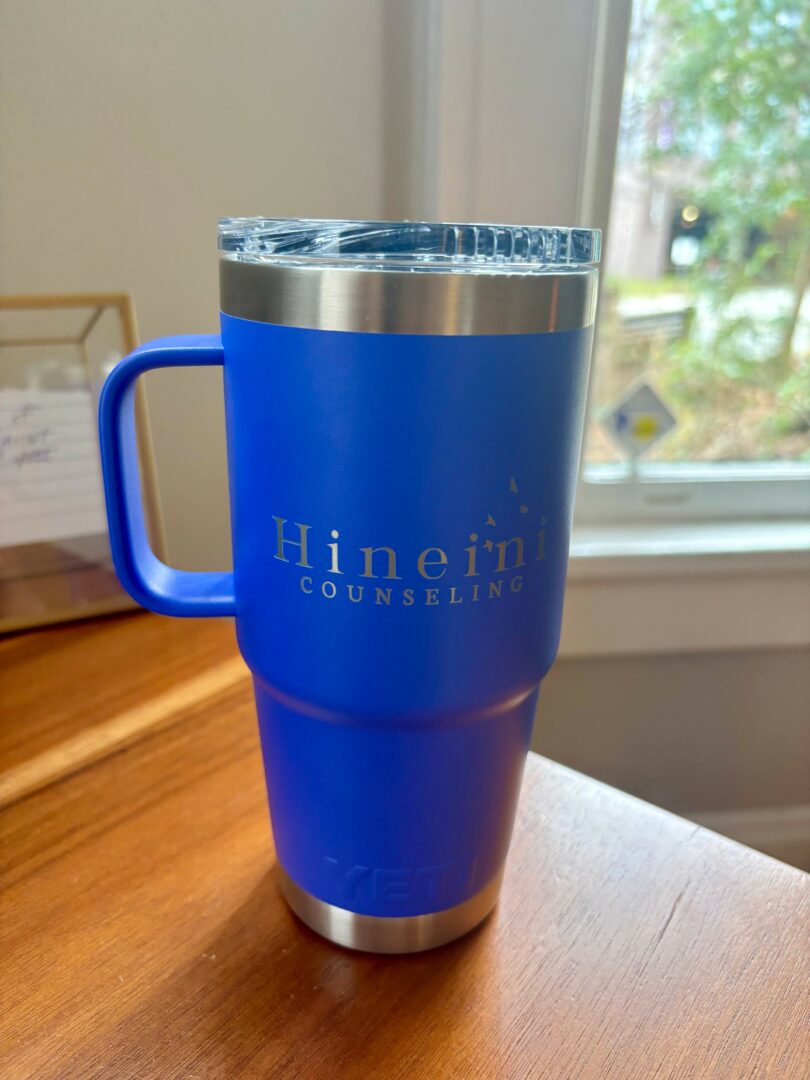
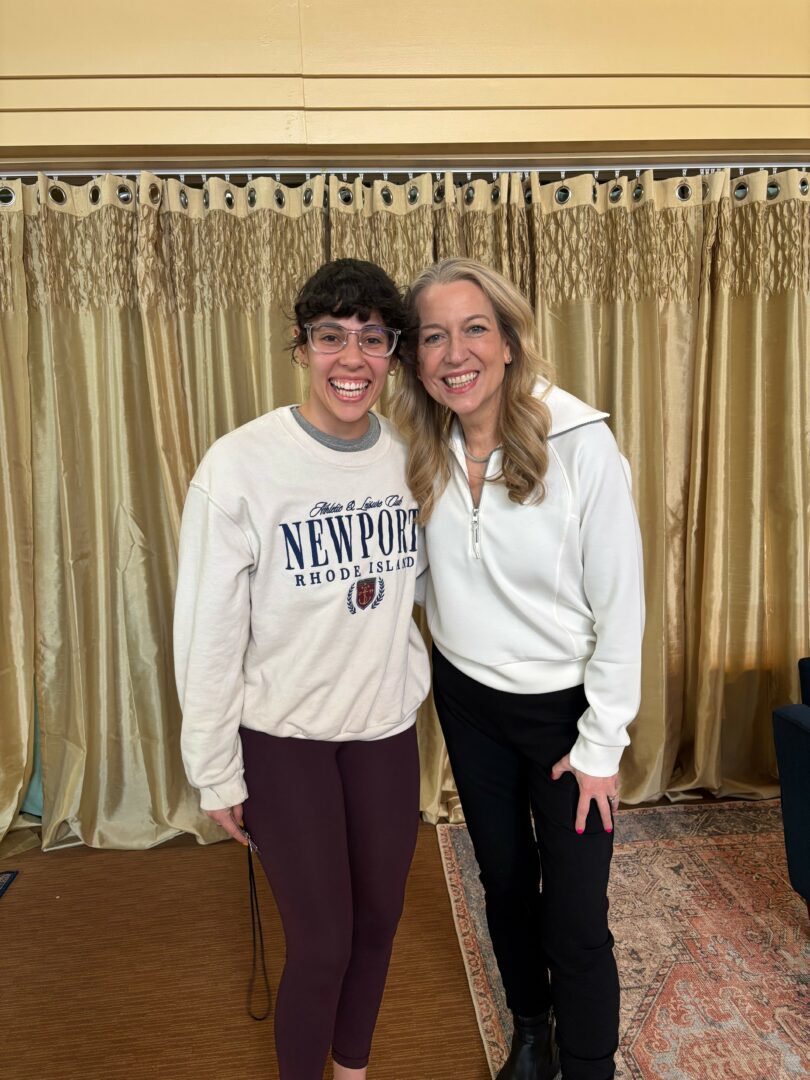
Image Credits
Ruthie Shultz – first photo
so if you or someone you know deserves recognition please let us know here.