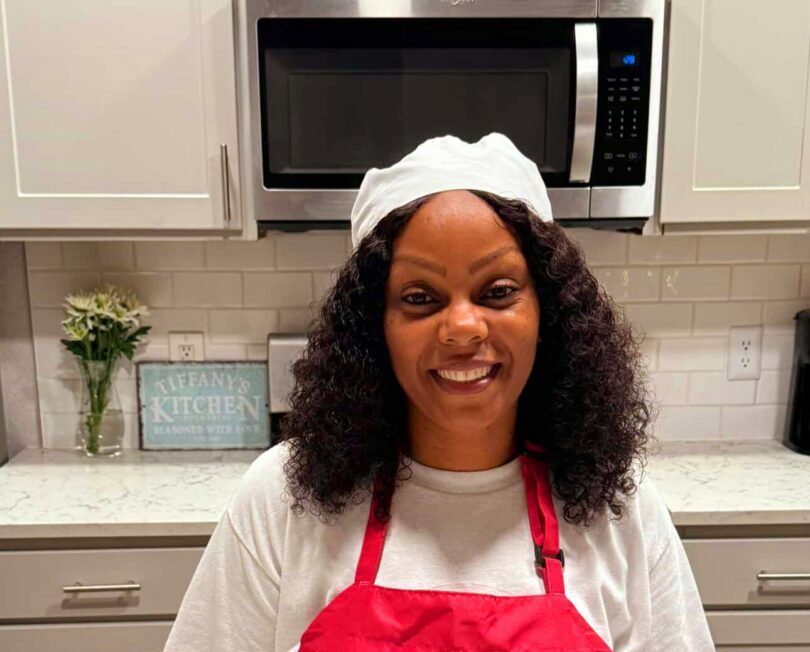
We were lucky to catch up with Mitra Gruwell recently and have shared our conversation below.
Mitra, appreciate you making time for us and sharing your wisdom with the community. So many of us go through similar pain points throughout our journeys and so hearing about how others overcame obstacles can be helpful. One of those struggles is keeping creativity alive despite all the stresses, challenges and problems we might be dealing with. How do you keep your creativity alive?
As a fashion designer focused on upcycling, sustainable event producer, educator/program developer and serial entrepreneur, I keep my creativity alive by constantly checking in with my WHY. Although I’m not formally educated in anything I do, I’ve built all of my experiences around identifying unmet community needs and designing creative ways to meet those needs. This applies to everything I do from designing a product from a discarded garment, all the way to a program, workshop or community event. I learned about Design thinking many years after I was already doing it, but this model really captures how I go about doing things. Empathizing with the end user or need for something is a huge driver of my creativity and innovation.
Thanks for sharing that. So, before we get any further into our conversation, can you tell our readers a bit about yourself and what you’re working on?
When I tell people I have 5 jobs they think I am crazy, or desperate? In fact, this is the result of a very intentional effort on my part to create work that checks some very particular boxes.
1. To bring my best offering to the world and use my creativity.
2. Have the highest impact on people in planet.
3. Work that is intrinsically enjoyable.
In 2023 at age 48 I had a bit of a midlife reckoning. I had done so many things over my career life and was struggling to find my path forward. I tried a lot of things that year, including applying to 12 jobs but really wanted work that checked the three boxes mentioned above. The result was my five jobs.
1. I produce Fix-it Fairs for Lane County and the city of Eugene. These are community events where people get things fixed for free! These both give back to the community and highlight the benefits of the repair economy.
2. I am a sewist (someone who sews + artist) for a local business, doing leather work, repairs, and custom design.
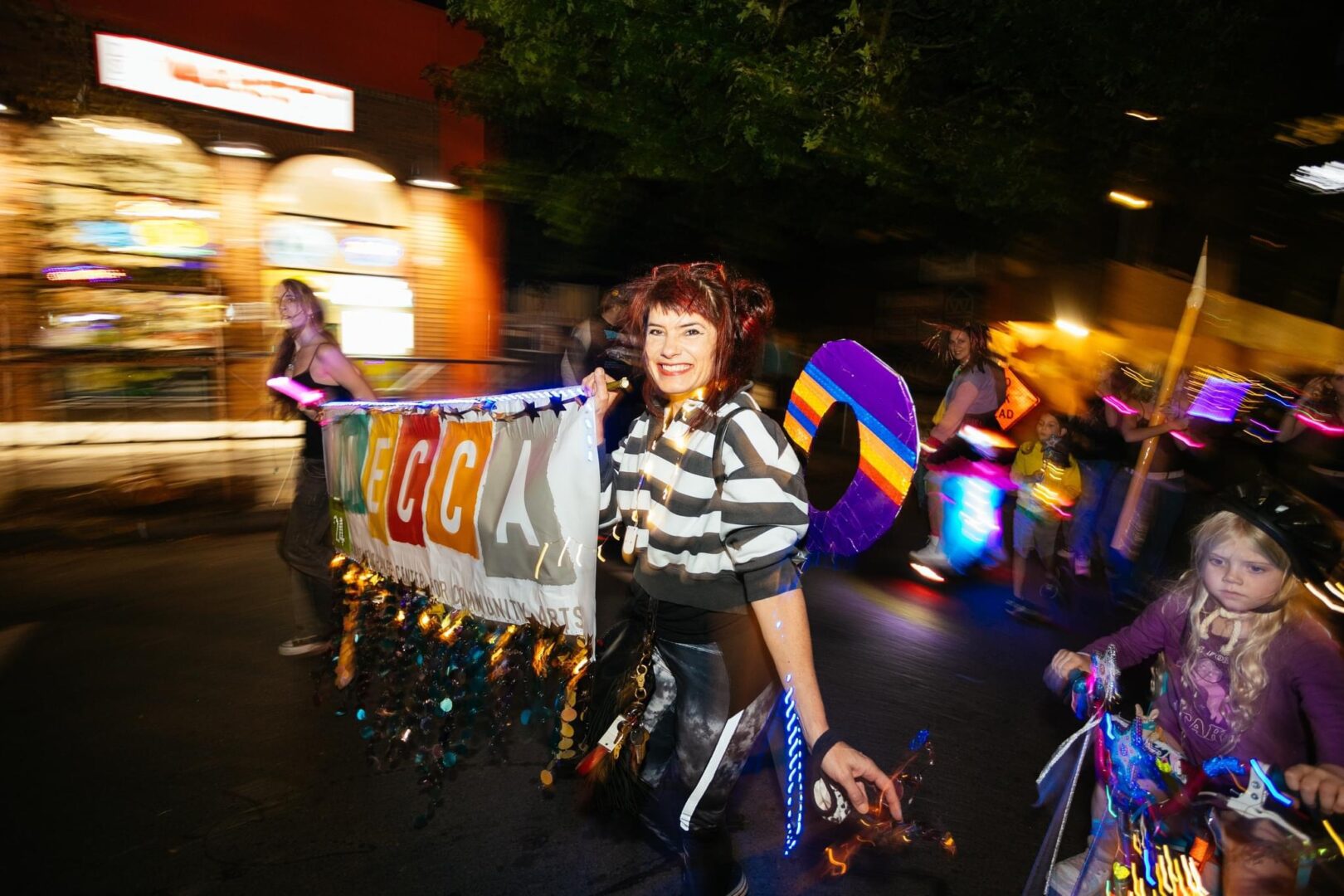
3. I am the community engagement coordinator for a local nonprofit called MECCA – the materials exchange center for community arts. This delightful organization diverts waste for creative endeavors through our second hand arts and craft store. I design programs, and curriculums and produce events to amplify this mission.
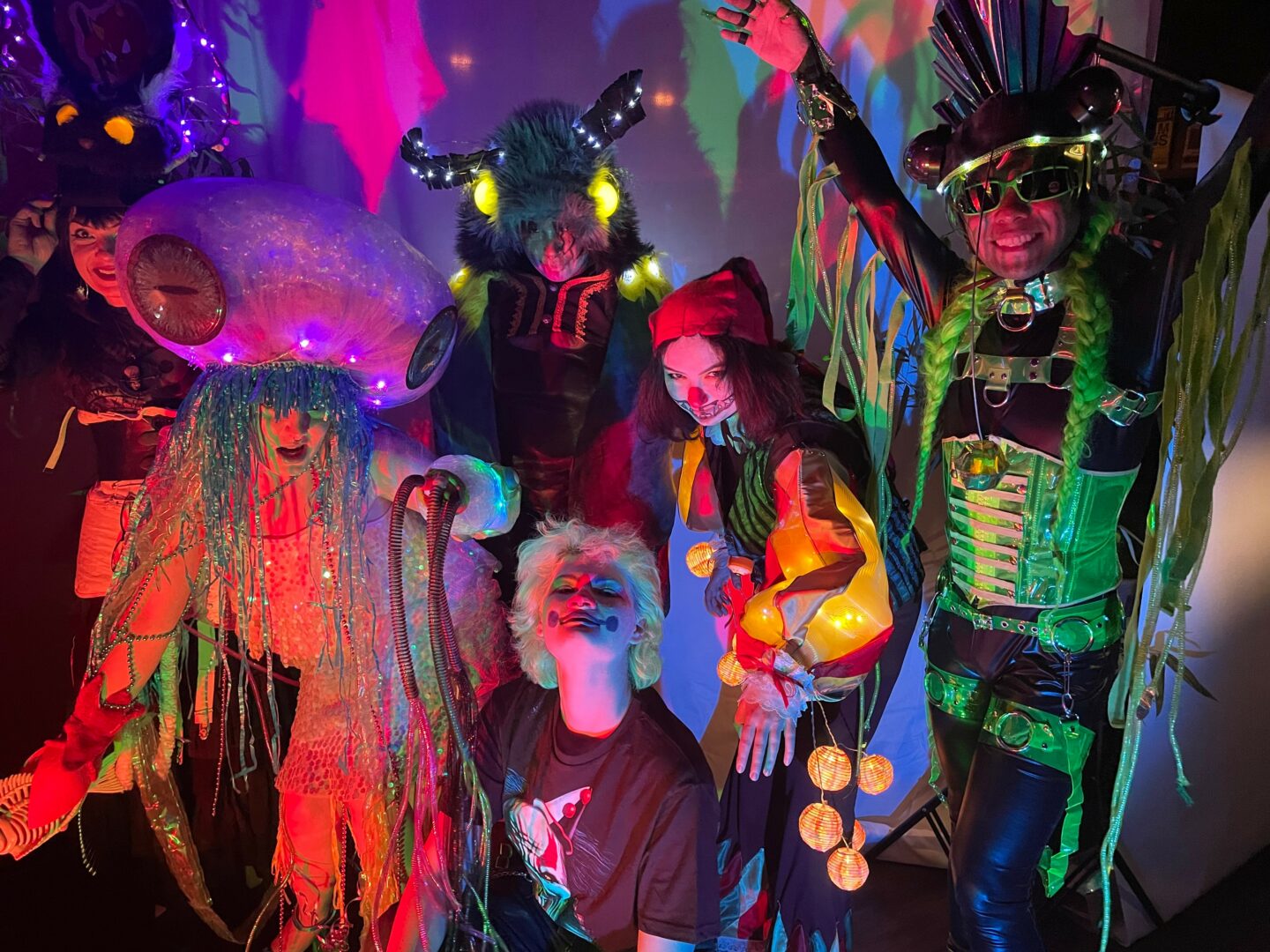
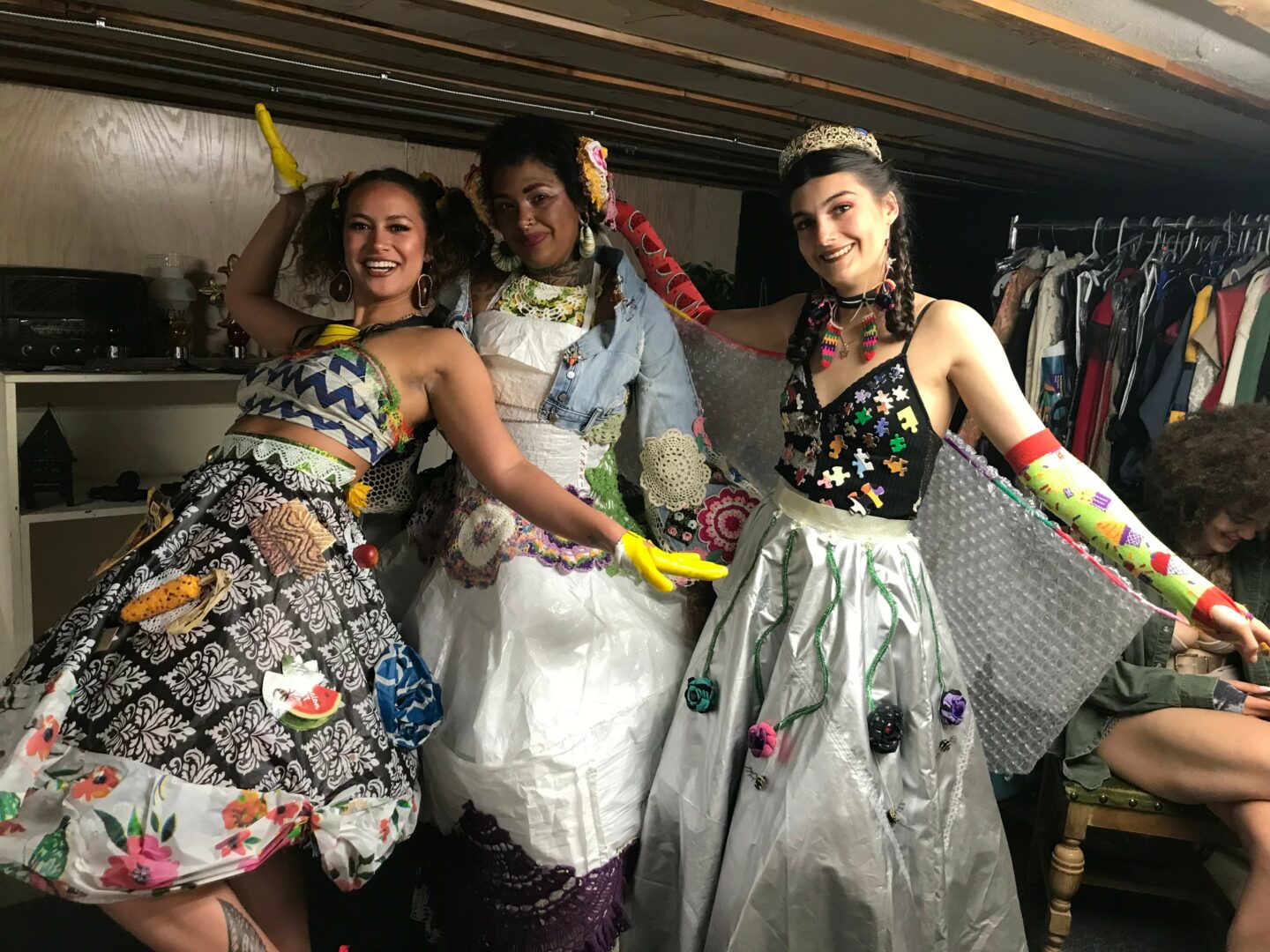
4. I started a nonprofit called Viking Textile Maker Hub that teaches industrial sewing and Upcycling to unhoused folks living at local shelters. We also have an industrial sewing makerspace. We produce two fashion shows locally to create a platform for local designers to share their artistic work with the community. Proceeds benefits for our nonprofit.
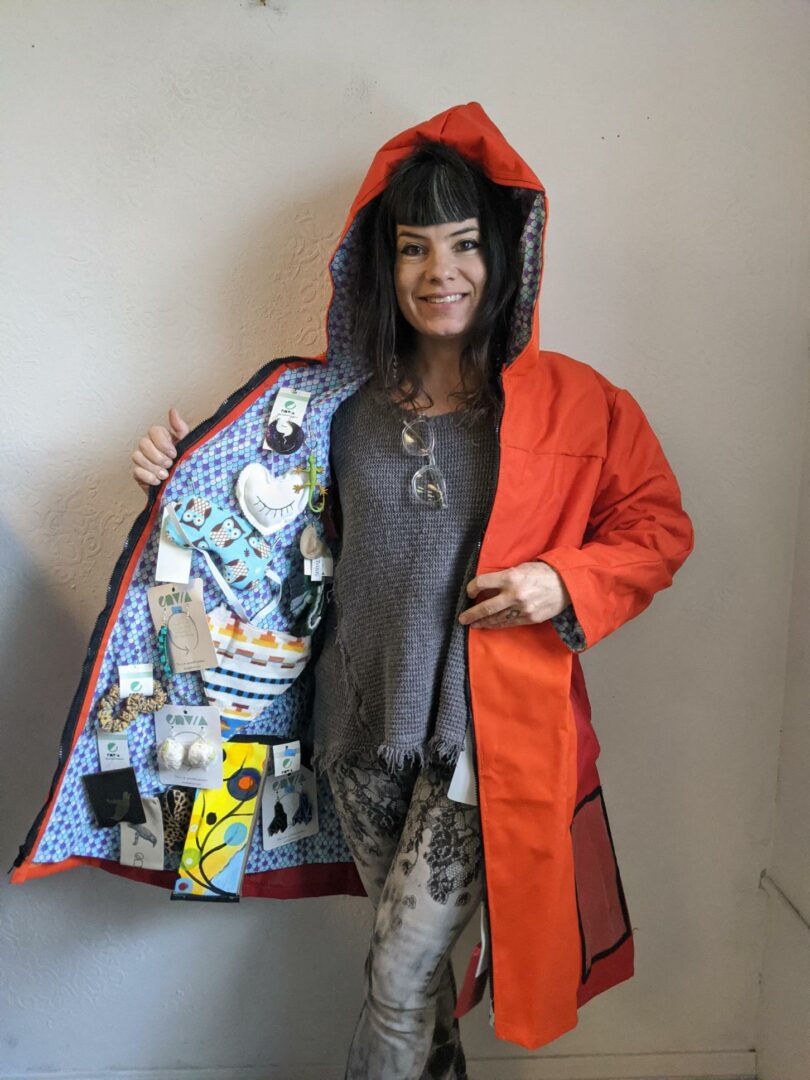
5. I have a for-profit business called. Discard Upcycling where I do custom upcycle design and teach upcycling to others. I have created an online, go at your own pace course teaching anyone how to do what I do.
Looking back, what do you think were the three qualities, skills, or areas of knowledge that were most impactful in your journey? What advice do you have for folks who are early in their journey in terms of how they can best develop or improve on these?
Creative problem-solving: I use this skill in everything I do. When I run into an obstacle, I check in with my WHY, the motivation/value proposition or end goal, and design an alternative path forward. I love employing my creativity every opportunity I get.
Tenacity: To me, this involves re-framing failure into a necessity for growth. I have “failed” a lot, but through this I have also learned so much. I use this to push forward and improve my future efforts. I al deep keep my eye on the WHY in order to persevere through challenges.
Empathy: I managed businesses for many years. Through this experience I learned I had better results and success with employees, customers and upper management when I empathized with where they were coming from. Design thinking is also called user-based design. This is the method through which I approach all my projects. The first step is to empathize with the end user. Through empathy I have built true compassion for both others and myself.
All the wisdom you’ve shared today is sincerely appreciated. Before we go, can you tell us about the main challenge you are currently facing?
My current biggest challenge is balancing my time/life. I have finally brought about work that is fulfilling to me, but it’s a lot (as one might imagine having 5 jobs). My strategy through this is again to check in with myself about what is most fulfilling and important. I have to make some cuts and this is how I have begun this process. I have had to give up all my volunteer work, but that’s ok (I tell myself I do good things and it’s ok to get paid for that). I have also had to prioritize my self care a bit more to achieve better work/life balance. So far what this is looking like for me, is creating routines and habits that are focused on my well-being and consider myself. These involve yoga, taking walks and bike rides in the country and spending more time with my husband, kids and grandchild. I have taken up meditation and try to be more present instead of always planning for the next thing.
Contact Info:
- Website: https://discardupcycling.com
- Facebook: https://www.facebook.com/share/15pPvKJB6v/?mibextid=wwXIfr
- Linkedin: https://www.linkedin.com/in/mitra-gruwell-59ab10199?utm_source=share&utm_campaign=share_via&utm_content=profile&utm_medium=ios_app
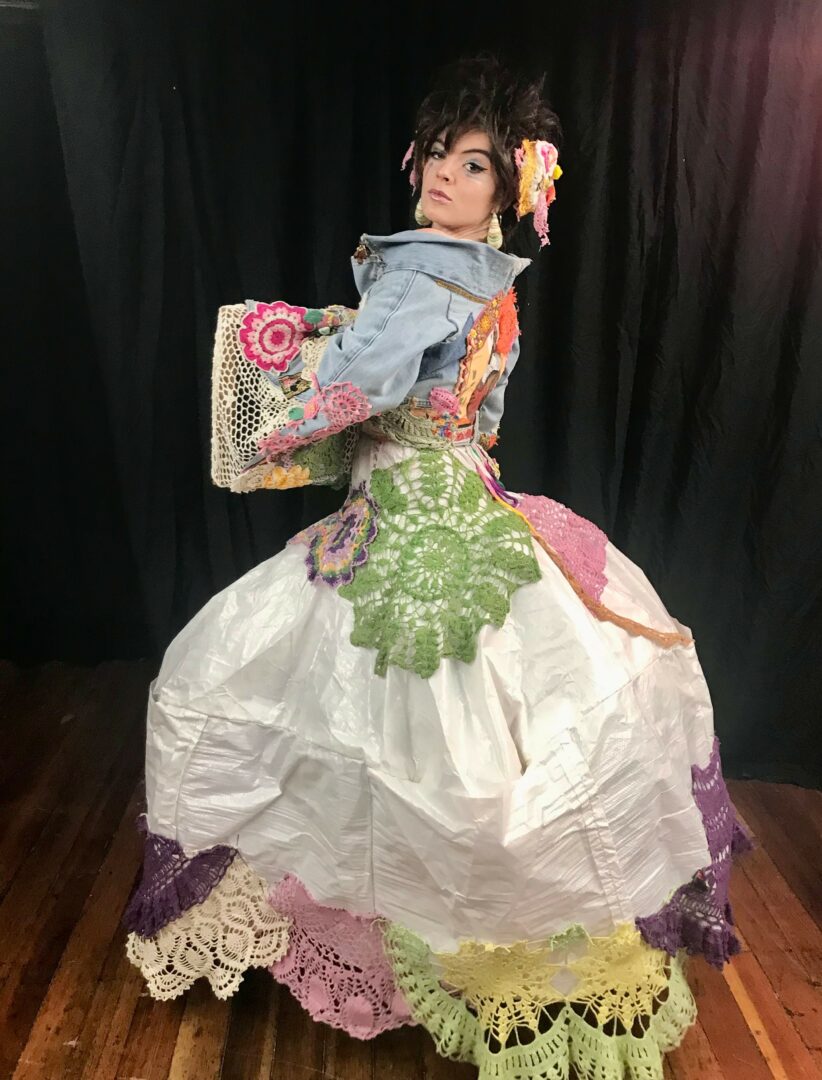
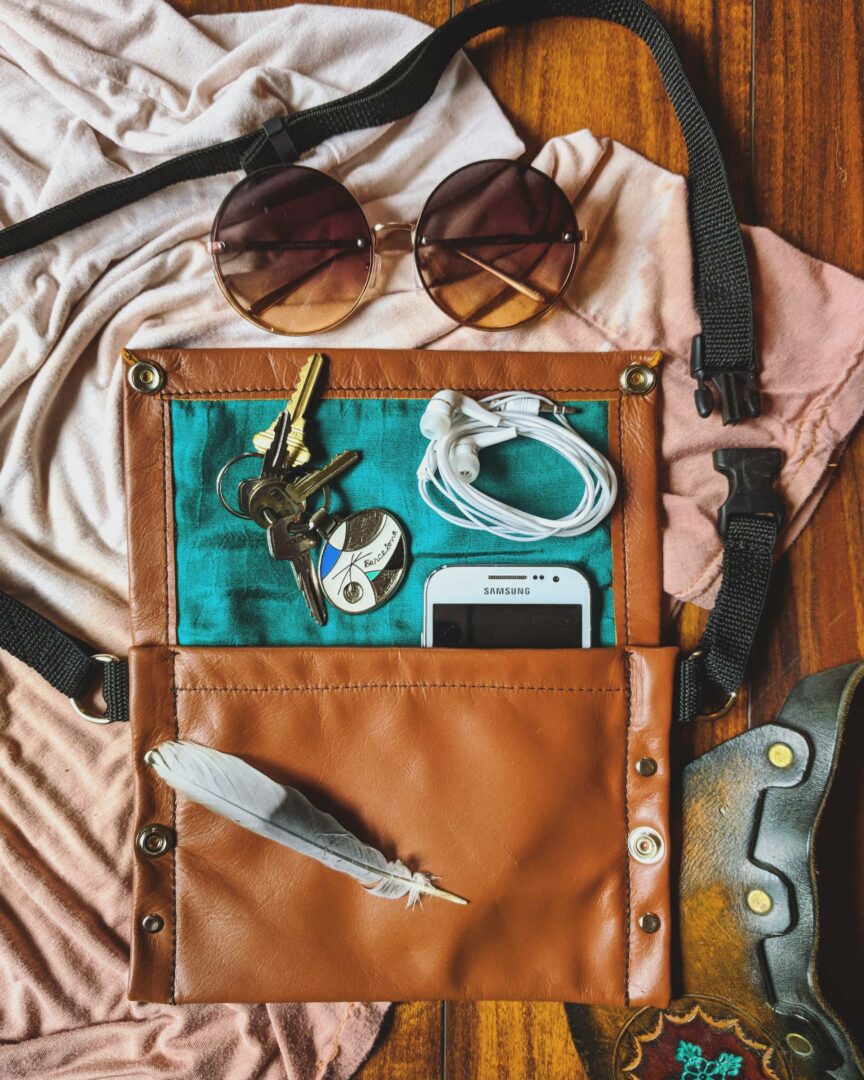
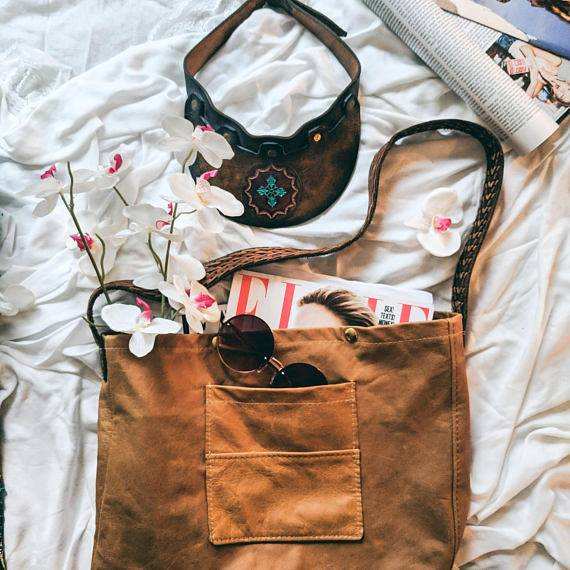
Image Credits
Personal photo- Athena Delene (Delene & co) Photography
Last 2 photos of brand- Tracy Sydor Photography
so if you or someone you know deserves recognition please let us know here.