We were lucky to catch up with Molin Liu recently and have shared our conversation below.
Molin, so good to have you with us today. We’ve always been impressed with folks who have a very clear sense of purpose and so maybe we can jump right in and talk about how you found your purpose?
My journey has always been driven by a desire to uncover and share the truth of human emotions. There is something profound in capturing fleeting moments, distilling them into images that speak to the hidden corners of our souls. I’ve sought to give voice to those whose stories often go unheard, helping them—and us—see ourselves in the purest, most honest light. With this passion burning brightly, my path as a visual storyteller has never faltered, evolving through each medium I’ve embraced—whether as a photographer or a cinematographer. As I’ve grown, I’ve come to realize the power of the unspoken.
To me, it holds a stronger emotional impact than words. It’s like looking at a painting without any descriptions. Cinematography is the same—it’s a mysterious language. Through something as simple as color, like the red and blue in Pierrot le Fou, or the movement of the camera, like in Taxi Driver when the camera shifts from a phone call in a hallway to an empty corridor, we convey raw emotions without needing to explain. This is the most honest way to tell a story. I experience that honesty through cinematography, which to me is a unique, human-only art form. It’s something you feel deeply. And when people feel these emotions, it can subtly change how they interact with the world, often without them even knowing why. I think that’s beautiful—truly a rare and addictive way to create.
I believe that making and watching films is a process of feeling the world. I don’t want to give this pure process any excessive purpose. People go to the cinema not to attend a lecture, but to experience emotions. Similarly, when I make films, I’m not doing it to record something that must have societal significance or to give my work some value or meaning. It’s simply about enjoying the process of expressing human emotions.
Thanks for sharing that. So, before we get any further into our conversation, can you tell our readers a bit about yourself and what you’re working on?
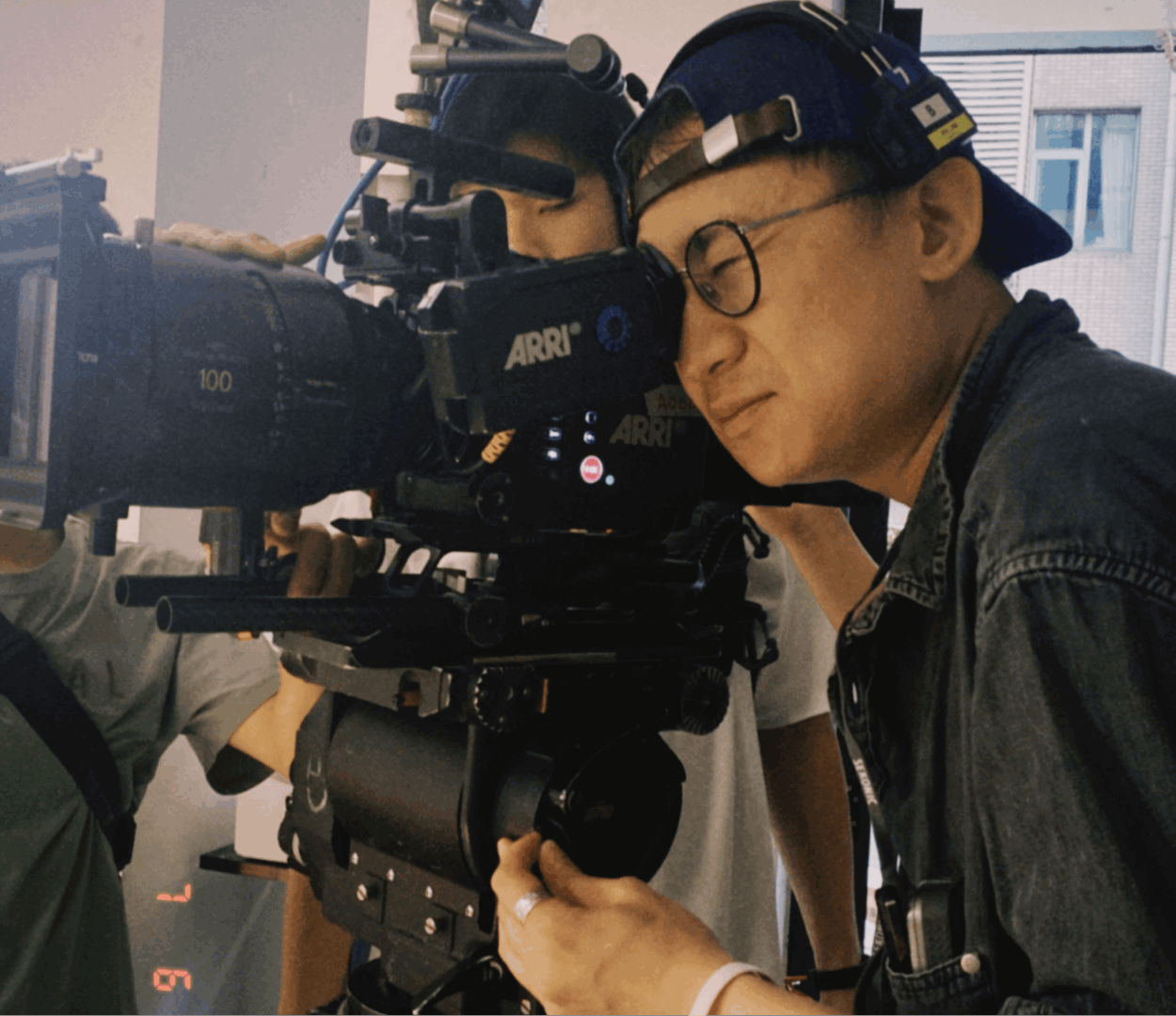
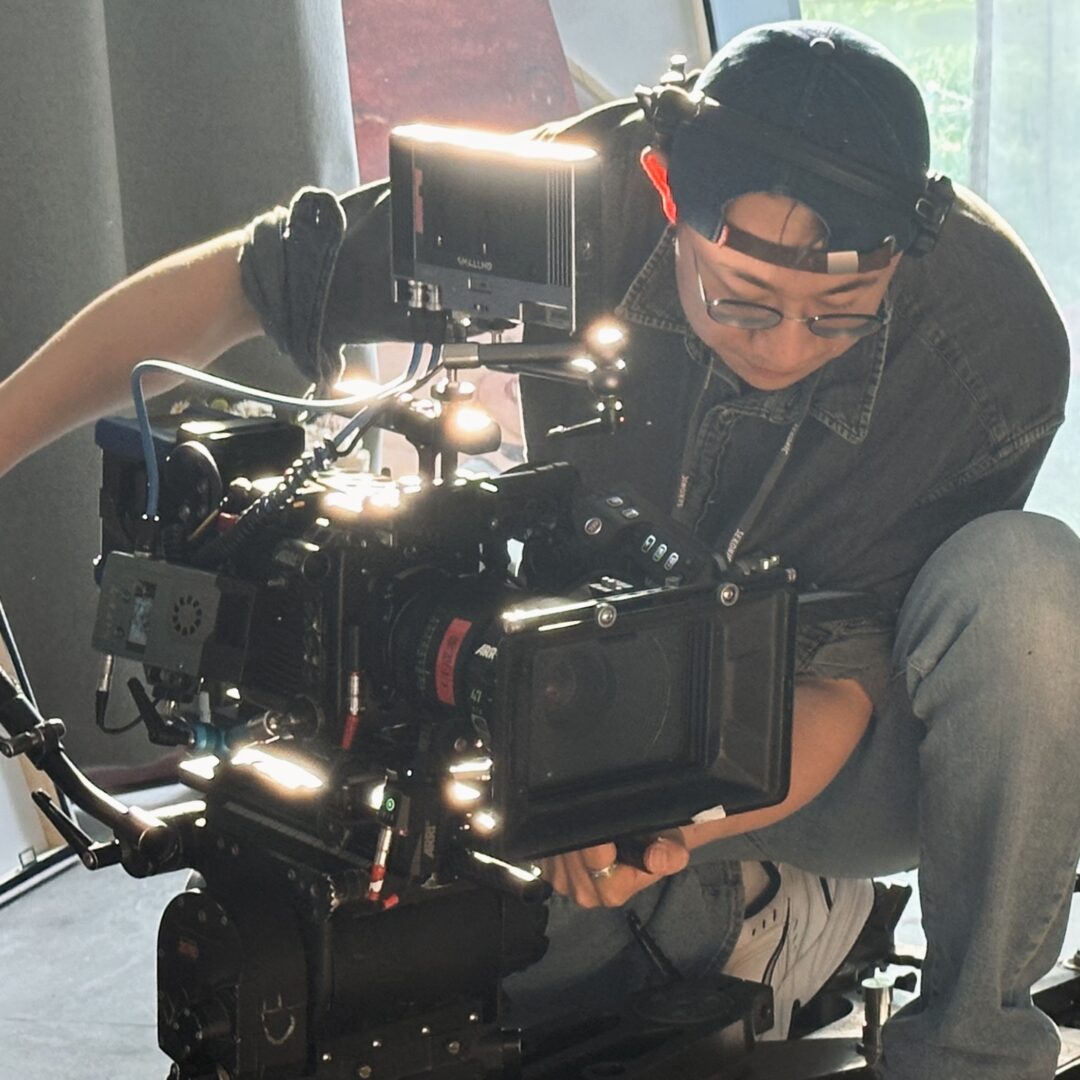
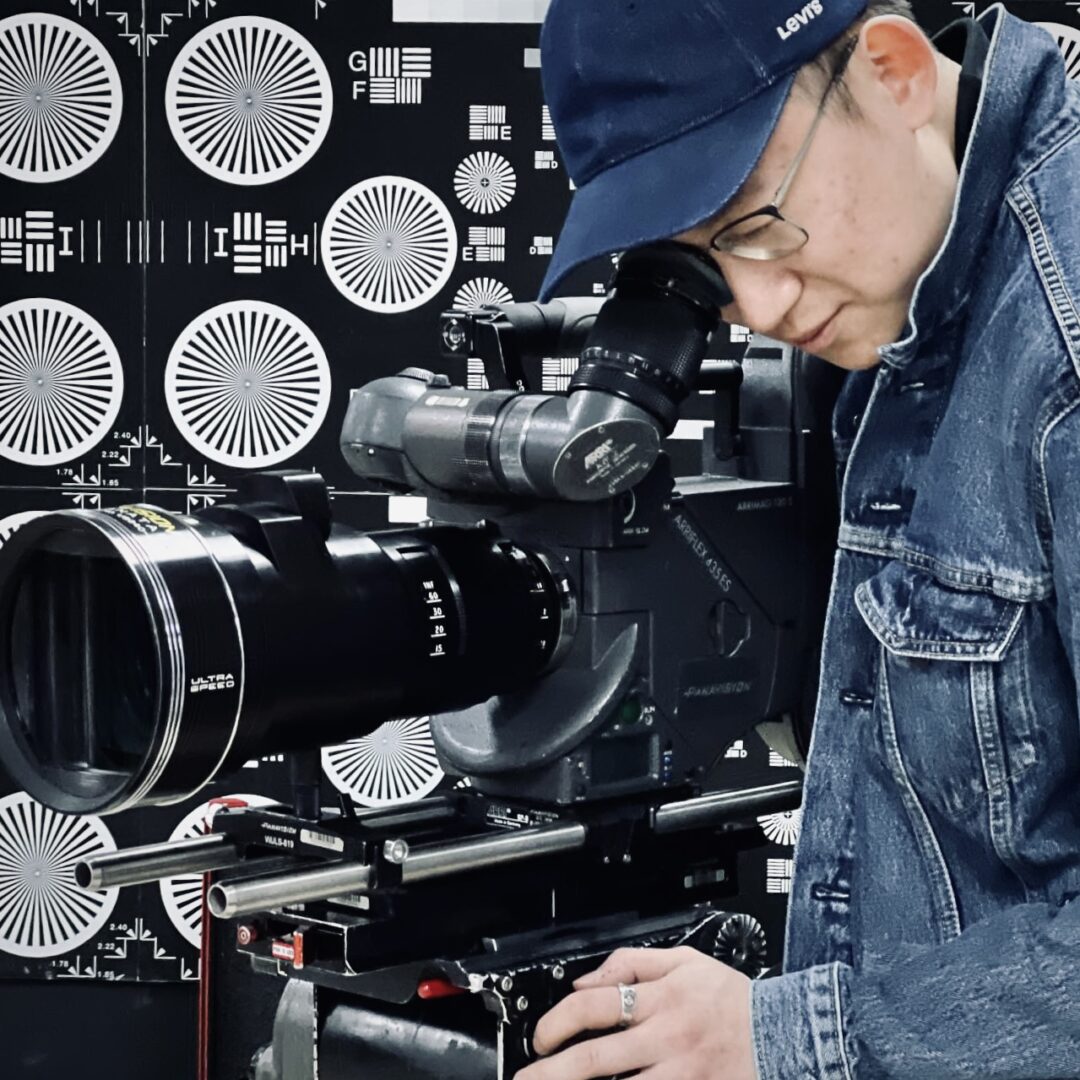
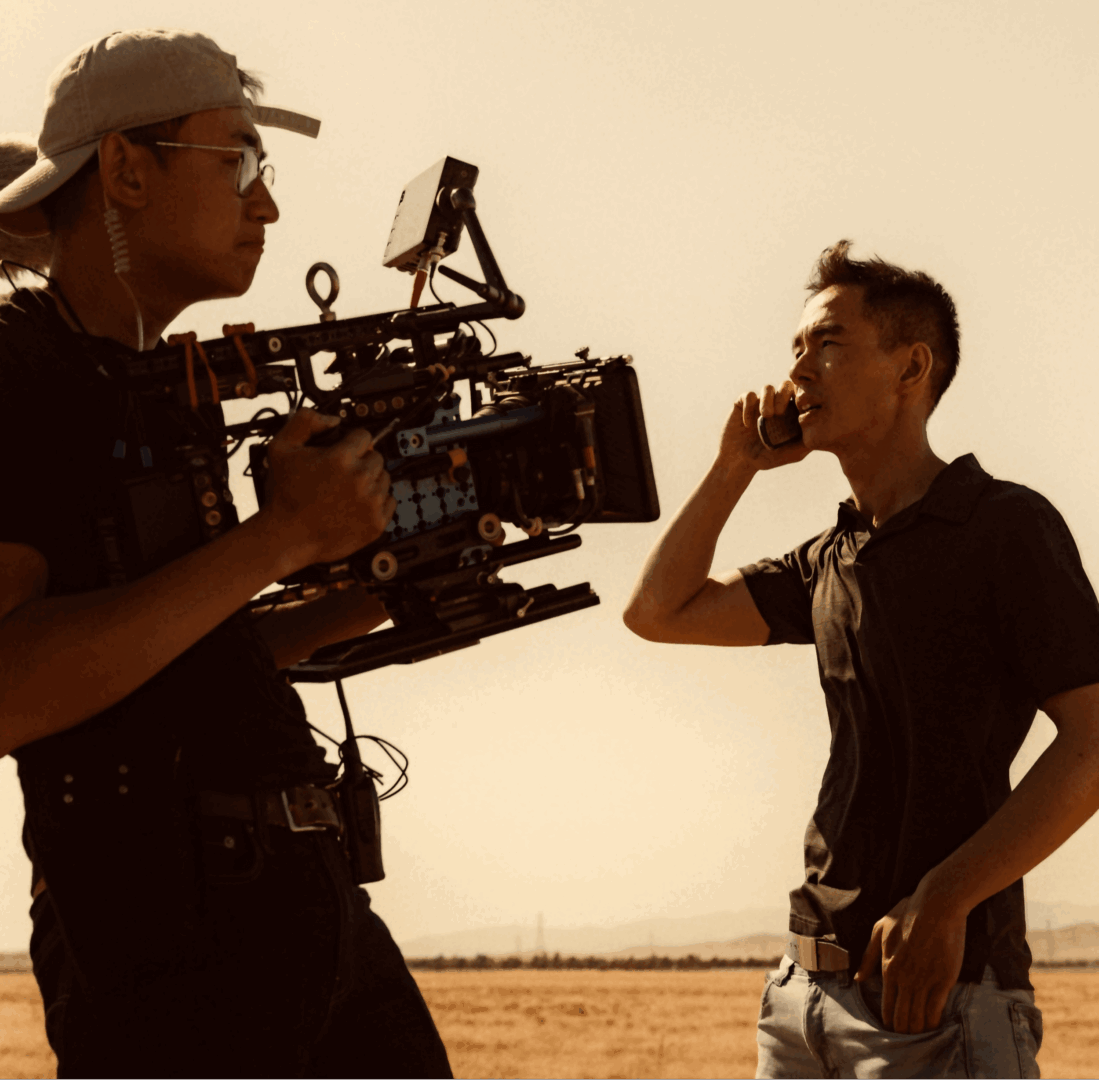
My name is Molin Liu. I was born in Beijing, China, and have lived in places like Hartford, New York, and Boston. Now, I’m based in Los Angeles, working as an independent cinematographer, splitting my time between the U.S. and China. I’m all about capturing the right atmosphere, telling stories, and sparking thoughts about the world around us. For me, cinematography is all about discovering and sharing the raw truth of human emotions.
I got my Bachelor of Arts in Media Arts Production from Emerson College and just wrapped up my Master of Philosophy (MPhil) in Film and Screen Studies from the University of Cambridge. My goal was never to become entrenched in academic theory for its own sake but to appreciate how a comprehensive grasp of history and aesthetics enriches the art of cinematography.
I’ve sharpened my skills through a cinematography masterclass with the Chinese Society of Cinematographers, working with some amazing mentors like Zhao Xiaoding (The Great Wall, Shadow, House of Flying Daggers) and gaffer Kang Xiaotian (Farewell My Concubine, In the Heat of the Sun). Their guidance really took my understanding of cinematography and lighting to the next level.
If you had to pick three qualities that are most important to develop, which three would you say matter most?
I believe a good cinematographer’s most important trait is sharp perception—the ability to intuitively express emotions through images. When reading a script, the right visuals often come to mind, though it’s not always about knowing every technical detail. It’s more about having the instinct to visualize the right angle, color, and lighting. This kind of intuition. After all, film is about feeling. You need to be able to feel the story and intuitively translate that onto the screen, and the process has to be enjoyable.
I also feel that a cinematographer should focus on the overall visual flow, not just individual shots. Sometimes, small compromises, like adjusting lighting, are necessary to keep the story moving forward, and those adjustments help support the bigger picture.
Lastly, I think leadership is key. A cinematographer collaborates with directors, PDs, and the entire crew, and leadership isn’t about control—it’s about finding solutions together and making sure all departments are on the same page.
Awesome, really appreciate you opening up with us today and before we close maybe you can share a book recommendation with us. Has there been a book that’s been impactful in your growth and development?
I enjoy reading books that either resonate with my own experiences or offer a fresh perspective on places I’ve lived. Recently, I’ve been reading New York Stories, a collection of short stories by various authors, each approaching New York City in their own way. One story features a little boy who skips school to work at Carnegie Hall, while another follows a novelist from out of state, struggling with publishers and job hunting. When a character crosses Lexington Avenue, I can completely picture what they’re seeing. Having lived in New York City for three years, and experiencing all sorts of emotions, reading this book feels like re-living the city through fresh eyes—new perspectives, new emotions. It’s my way of keeping that connection to a place I love, resonating with its streets and characters as they go on their own journeys. It’s a true pleasure.
On the flip side, I also love reading books that transport me into entirely new, sometimes impossible lives. One book I’ve been reading recently is Diary of a Void by Emi Yagi, a Japanese novel about a young woman named Shibata who works as an assistant at a publishing company. She’s bored with her job, so she fakes a pregnancy just to leave early every day. As a man, I can’t fully understand her struggles, but this book gives me a chance to experience what it’s like to be a woman navigating work-life balance, loneliness, and societal pressures, especially in Japan. I really value books like this that allow me to feel emotions I might not otherwise experience. Some days, these stories benefit me as a filmmaker, while other times, they’re simply an enjoyable journey, sparking self-reflection.
I believe great books, and great films, don’t always need to present grand ideas or try to teach their audience something. Instead, they should focus on magnifying a single moment or emotion, presenting it in a way that’s meaningful and enjoyable.
Contact Info:
- Website: https://www.molinliu.com
- Instagram: molin_97
- Linkedin: https://www.linkedin.com/in/molin-liu-8818b11aa
Image Credits
Molin Liu
so if you or someone you know deserves recognition please let us know here.