Alright – so today we’ve got the honor of introducing you to Monica Bhyrappa. We think you’ll enjoy our conversation, we’ve shared it below.
Monica, so happy to have you with us today. You are such a creative person, but have you ever head any sort of creativity block along the way? If so, can you talk to us about how you overcame or beat it?
Being in a creative field, I encounter creative blocks quite often. Early on, I used to worry that I had simply run out of ideas—that my “creative juice” had dried up. Juggling multiple projects across different disciplines can be overwhelming, and at times, my brain just shuts down.
Ironically, the best way I’ve found to overcome a creative block is by doing nothing. I take a day off every month to completely unplug—no work, no brainstorming, no pressure to be productive. Instead, I focus on things that help my mind reset, like watching Netflix, cooking, shopping, or spending time with friends. I know it sounds cliché, but these moments of rest help me recharge, even though I sometimes struggle with productivity guilt.
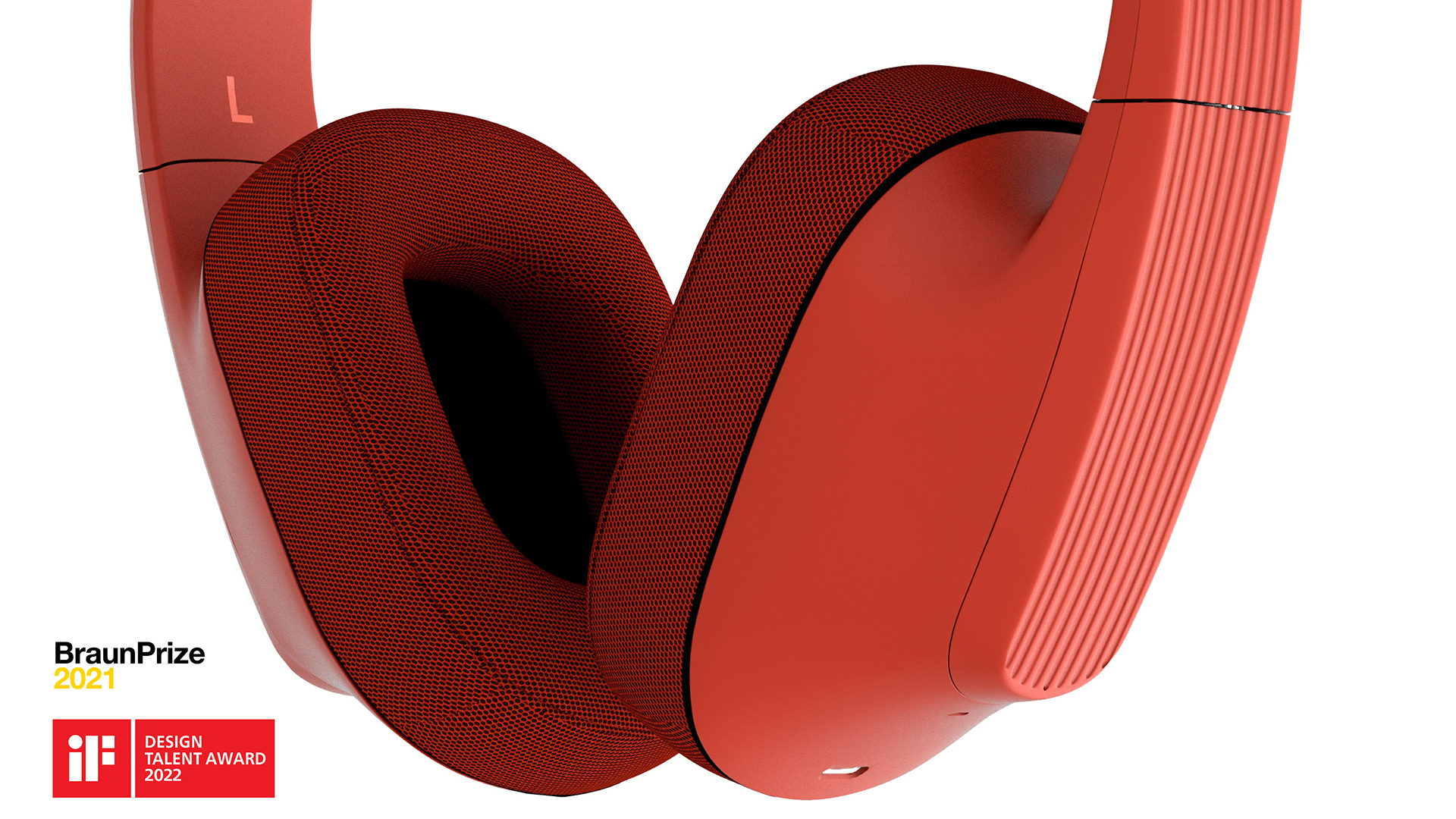
Time and time again, I’ve noticed that my most creative ideas emerge during these slack-off days. For example, the idea for my personal project Spectrum—noise-canceling headphones designed for people with autism—came to me while watching Atypical on Netflix. Stepping away from work allows inspiration to strike when I least expect it, making me more efficient and innovative in the long run.
Appreciate the insights and wisdom. Before we dig deeper and ask you about the skills that matter and more, maybe you can tell our readers about yourself?
I’m an industrial designer with a focus on creating inclusive and sustainable consumer electronics. My work is driven by the belief that design should not only be functional and aesthetic but also meaningful, impactful, and long-lasting.
Currently, I serve as a Design Consultant III at Coca-Cola, designing cooling, dispensing, and vending systems across multiple brands. In this role, I focus on integrating innovation and accessibility into the products I design, ensuring they positively impact both users and the environment.
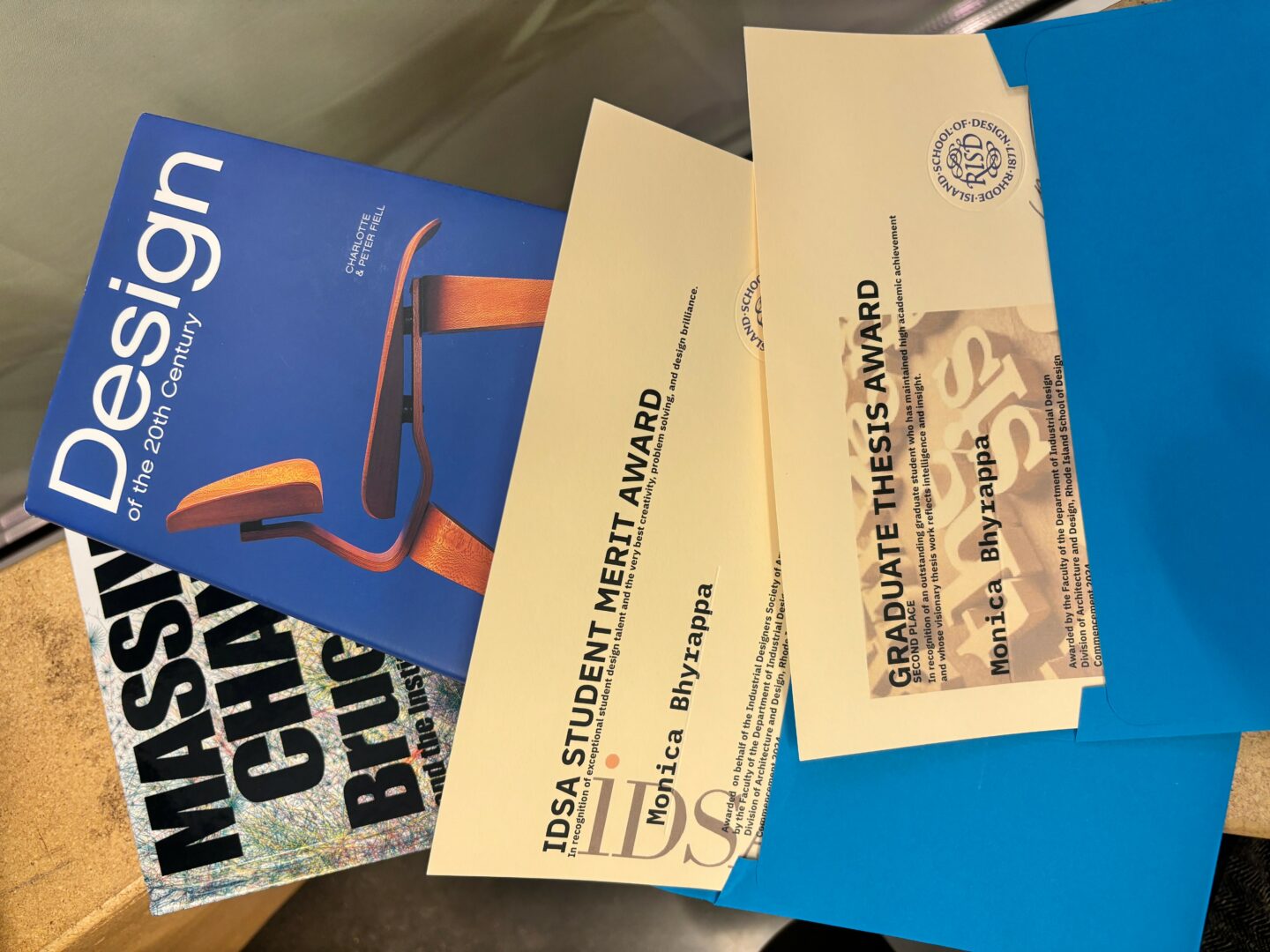
My journey into industrial design began during my undergraduate and graduate studies in Industrial Design, where I worked on several personal projects that deepened my passion for the field. Through these projects, I discovered my true interest in inclusive design and sustainability—areas that became even more resonant as my work gained international recognition. These accolades helped fuel my career growth and led to incredible internship opportunities with top tech companies like Braun, Logitech, and Bose, where I had the privilege of learning from some of the best creative minds in the industry.
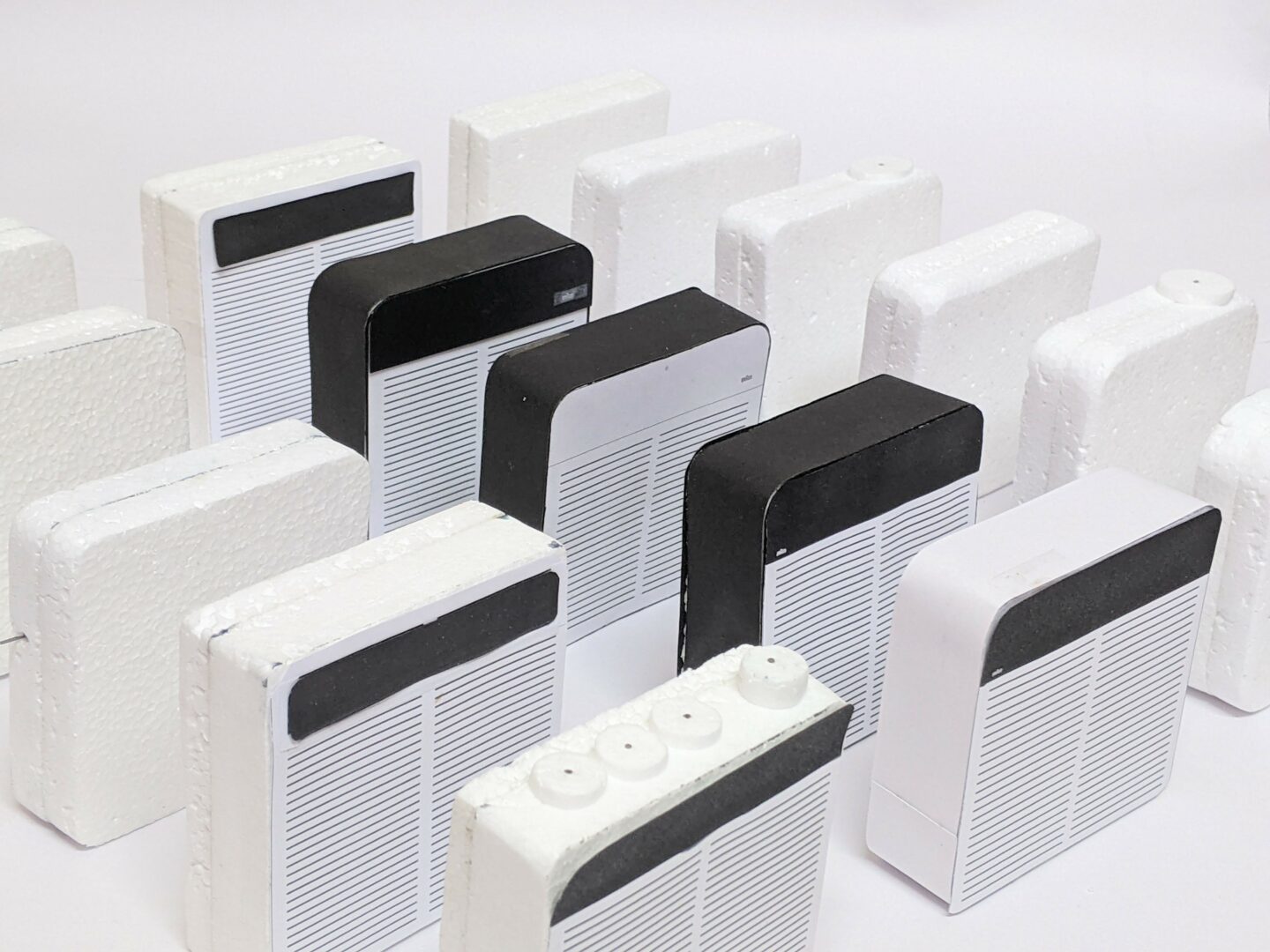
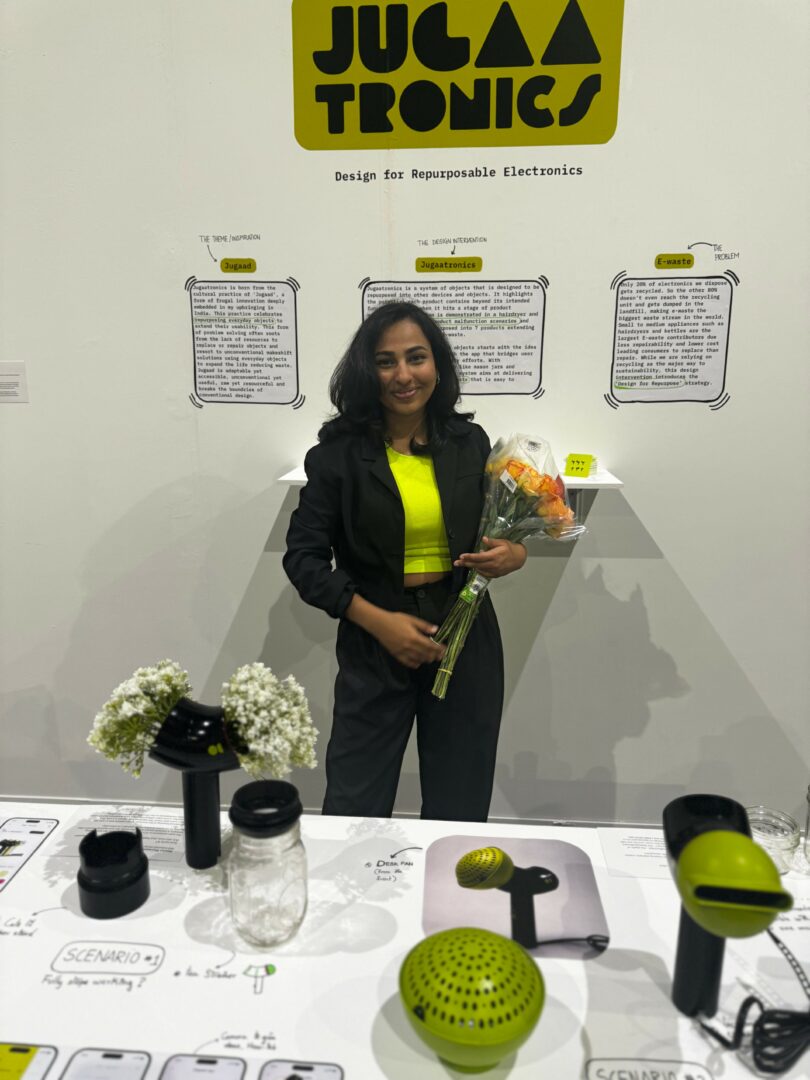
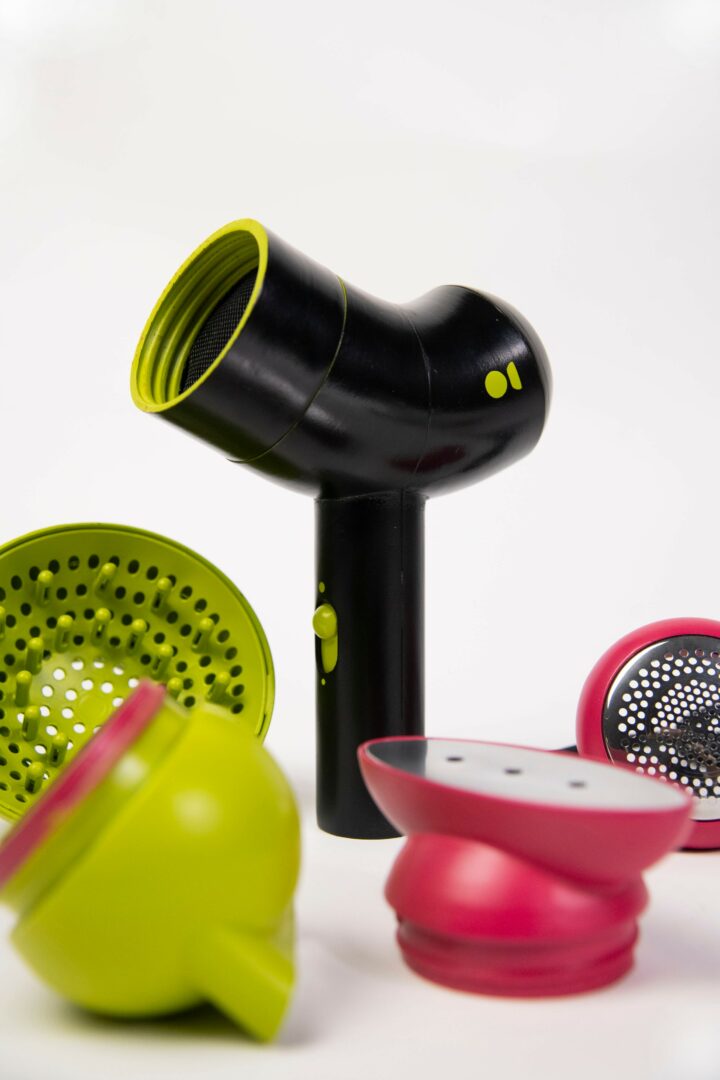
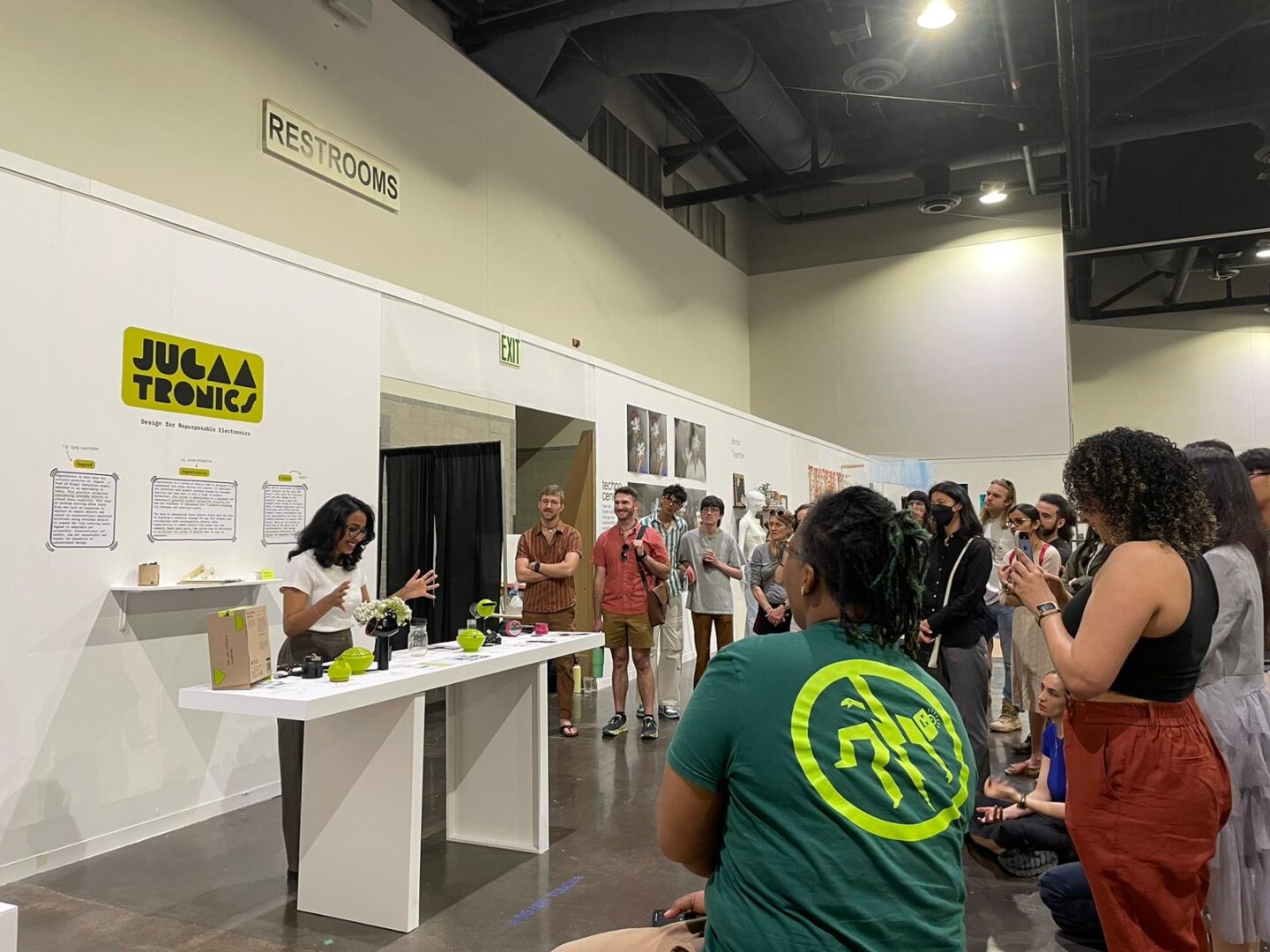
One of the projects I’m most proud of is my thesis project, Jugaatronics. Inspired by the Indian concept of Jugaad, I designed a system for repurposable consumer electronics to reduce e-waste. The goal was to create products that evolve over time, rather than becoming obsolete and contributing to landfill waste.
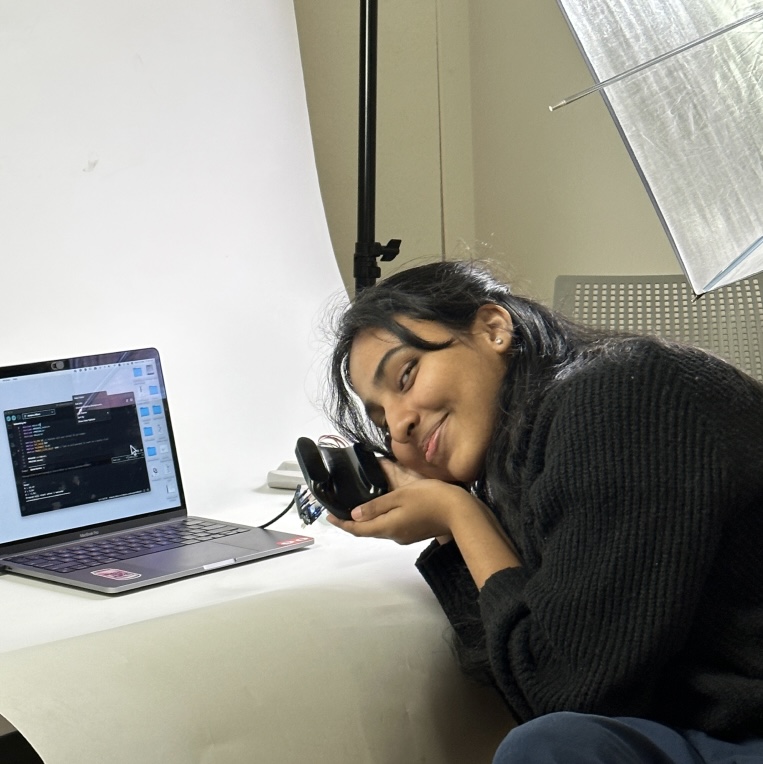
Another project close to my heart is Spectrum, a noise-canceling headphone designed specifically for individuals with autism. I wanted to create a product that didn’t just block out noise but also offered a therapeutic experience by using heart rate monitoring to detect anxiety spikes and trigger calming audio. This project reinforced my belief in designing products that do more than just serve a functional purpose—they can also make a real difference in people’s lives.
Looking ahead, I’m excited to continue working on projects that push the boundaries of sustainable design and accessibility. My goal is to create products that are not only functional and beautiful but also contribute to a more sustainable and inclusive future. Although much of my portfolio work is conceptual, I truly believe addressing these issues is one step closer to creating a more inclusive and sustainable world.
There is so much advice out there about all the different skills and qualities folks need to develop in order to succeed in today’s highly competitive environment and often it can feel overwhelming. So, if we had to break it down to just the three that matter most, which three skills or qualities would you focus on?
Curiosity and Asking Questions: When I was starting out, I sometimes hesitated to ask questions, thinking others would see me as inexperienced. But over time, I realized that asking questions is crucial to growth. It’s natural to feel like everyone knows more than you, but pretending to know everything only leads to missed opportunities. Asking questions forces us to break out of the norm, to challenge assumptions, and often, that’s where true innovation starts. It’s not about being right—it’s about fostering curiosity and uncovering new ideas that others might overlook. My advice to anyone starting their journey: keep asking questions. Don’t ever think you’re too young or too experienced to learn from others. It’s through these questions that new possibilities emerge.
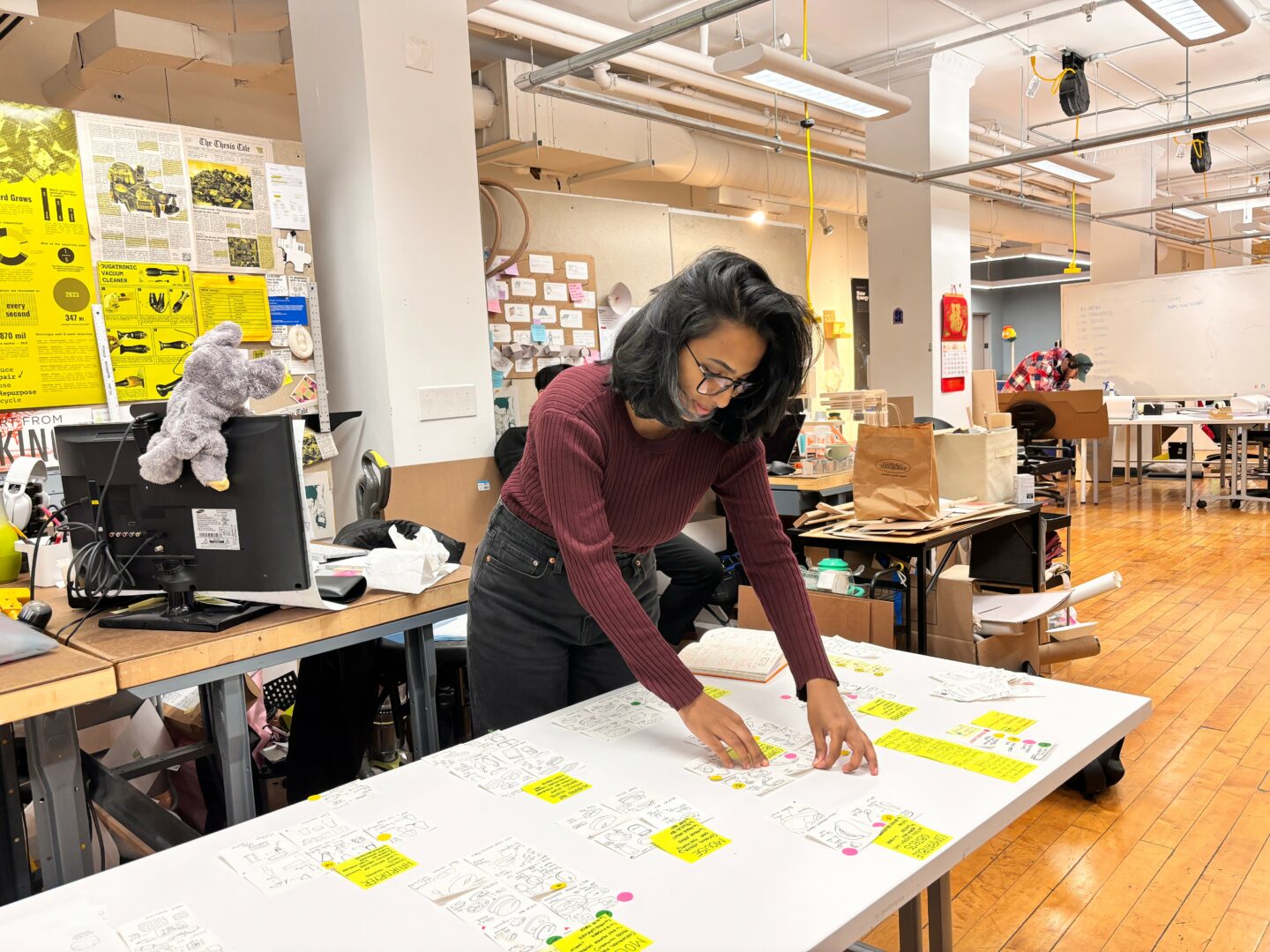
A Focused Portfolio: As design students, we often take a range of classes—furniture, footwear design, prototyping, and so on—which results in a portfolio filled with diverse work. But here’s the thing: a well-curated portfolio tells a clear story of what you’re passionate about. Early in my studies, I made a conscious decision to use the freedom of picking my own briefs to channel my work into my true passion—consumer electronics. Even though I explored various design fields, I always brought my core interest into each project. A focused portfolio not only showcases your skills but highlights what you truly care about and where your strengths lie. My advice: curate your portfolio with intention. Show the world not just what you can do, but what you love doing.
Focus on Microscopic Details: As a designer, the smallest details matter. Even a 0.1mm difference can make a huge impact. 1mm is not something you can dismiss anymore—every detail, from the smallest fillet to the way light interacts with surfaces, plays a role in the final design. When working on physical products, it’s easy to forget how something will feel in real life after spending so much time on a digital screen. I’ve learned that real-world context matters—what looks good on screen often requires adjustments to truly shine in the physical world. My advice: pay attention to the details. Don’t overlook the small changes; they often make the biggest difference in how a design feels and functions.
Before we go, maybe you can tell us a bit about your parents and what you feel was the most impactful thing they did for you?
The most impactful thing my parents did for me was never saying no when it came to my interests. From a very young age, they recognized that I had a natural inclination for design and creativity. I started leaving my creative mark as soon as I could walk—quite literally—by scribbling on my bedroom walls! I was always exploring new creative pursuits, moving from drawing to hands-on crafts like clay modeling, quilling, jewelry making, pottery, and painting.
Even though my parents are PhD scholars with a more traditional academic path, they never tried to push me in that direction. Instead, they nurtured my curiosity and allowed me to explore my interests freely. I’m the only “weird” kid in the family who didn’t follow a typical route, and looking back, I wonder how concerned they might have been, but they never showed it. Their unwavering support and trust in me have been crucial in shaping my journey.
It took a couple of years for me to prove what I was capable of, but they never stopped cheering me on. I feel incredibly lucky to have had such supportive parents who believed in me, even when the path wasn’t clear.
Contact Info:
- Website: https://monicabhyrappa.myportfolio.com/
- Instagram: monica_bhyrappa
- Linkedin: https://www.linkedin.com/in/monicabhyrappa/
- Other: Behance – https://www.behance.net/monicabhyrappa
Masters Thesis – https://digitalcommons.risd.edu/cgi/viewcontent.cgi?article=2338&context=masterstheses
so if you or someone you know deserves recognition please let us know here.