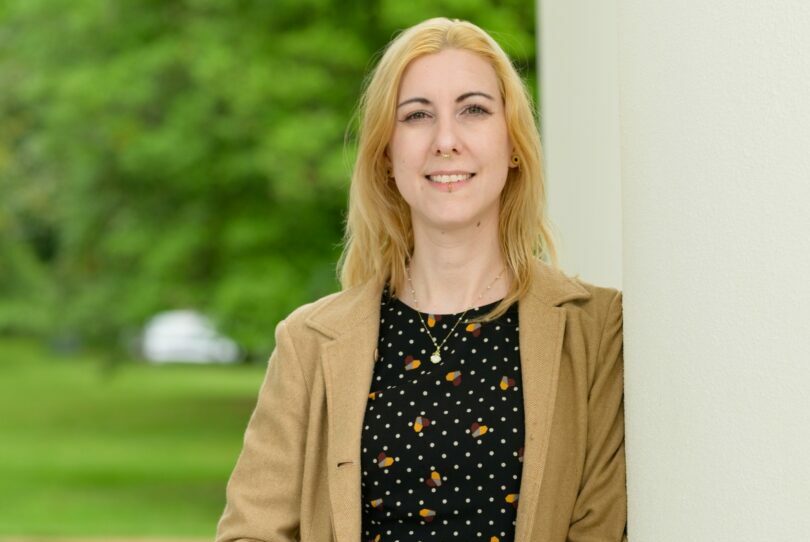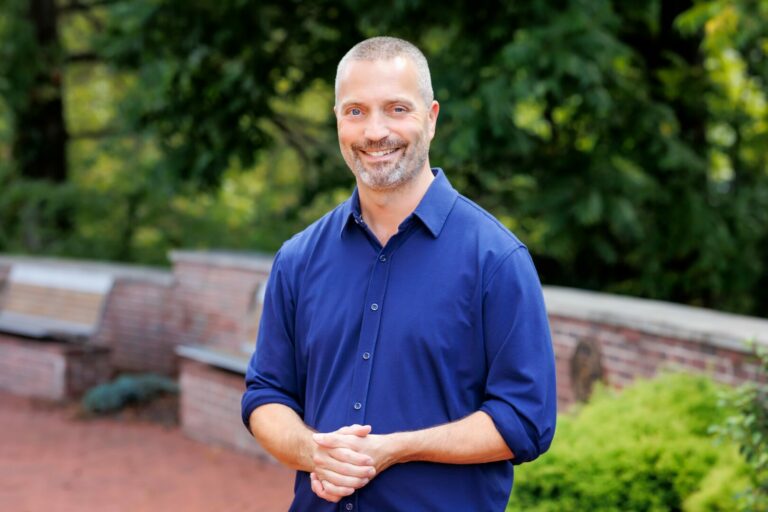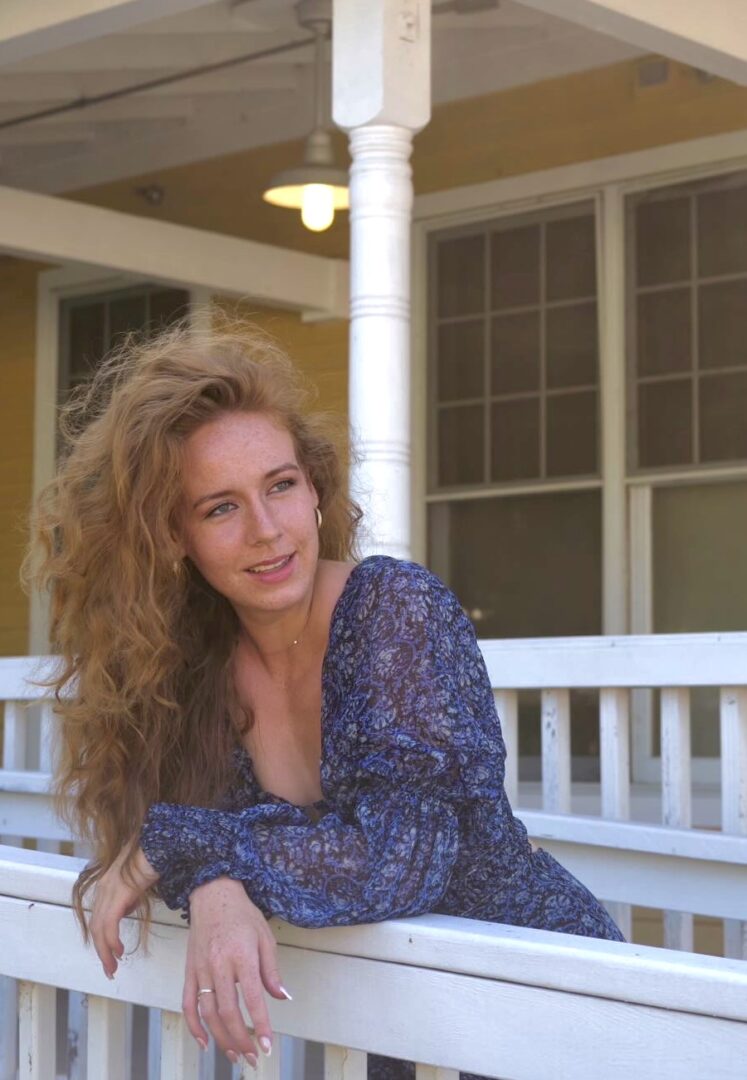
We recently connected with Moriah Joy and have shared our conversation below.
Moriah, so excited to have you with us today. So much we can chat about, but one of the questions we are most interested in is how you have managed to keep your creativity alive.
It was October 13th and I was having dinner with a group of artists before heading to see a performance of The Piano Lesson on Broadway. I soon jumped into conversation with Malik Yoba, who’s known for his work on NYPD about the artistic world and his wisdom for those just entering it. Throughout our discussion, I jokingly called myself a “starving artist”, but he quickly spoke an important truth I will never forget. He reminded me that I am not a starving artist; I am someone who can choose to see the field as a deep well rather than a dripping faucet of opportunity – the water’s there, just maybe not in the form you thought it would be; expand your skill-set and try your hand at everything. That conversation was what restructured my mindset on creativity.
I’ve come to value taking inspiration from a variety of sources, realizing that creativity has more to do with combining than inventing. The older I’ve gotten, the more I’ve seen my creativity nurtured when exploring multiple artistic avenues. Growing up, I fell in love with musical theater. The stage became my second home and soon enough I found myself being the proud owner of a college degree in playing pretend. However, I also love science – an equally as artistic career path, just in a different font. Some might have seen these different interests as a fork in the road, but I chose a both/and approach, believing in the power of compliments over substitutes.
Over the course of three years, I enrolled in two universities and earned a B.A. in Musical Theater and a B.S. in Speech & Hearing Science. Currently, I’m on track to earn my M.S. Ed. in Speech-Language Pathology by 2027. At the end of the day, these degrees are just pieces of paper but what they’ve inspired in me is priceless. Giving my brain more creative outlets has repaid me with new opportunities and perspectives. Understanding a scientific field has given me a logic-driven mindset, allowing for my artistic work to have a sense of clarity and order: any script analysis, self-tape, or character work is now done with thoughtful calculation. And vice versa. A degree in musical theater has infused my work as a future Speech-Language Pathologist with music and creativity: client appointments, resource creation, and treatment planning are now influenced by theater techniques and music theory. As Hannah Montana says, it really is “the best of both worlds.” These seemingly polarized fields have so much to do with each other and putting myself on a daily treasure hunt to find their crossovers is what keeps my creativity alive.
Great, so let’s take a few minutes and cover your story. What should folks know about you and what you do?
I am a Chicago-based actor, model, and playwright who happened to fall in love with the performing arts on an ordinary Saturday. My grandma decided to take me to the Steel Beam Theatre to see The Wizard of Oz and my gap-toothed, six-year-old smile guided us inside. I held my program tight and sat down in a modest theater house with my eyes fixed on the stage. The moment the lights dimmed and the actors walked on stage, I whispered not so quietly to my grandma, “Can I do that?”. As I took in the magic of playing pretend, theater took up real estate in my soul.
Since that formative experience, I’ve had the privilege of working on a variety of artistic projects: two favorites have been The Actor’s Workout led by Sarah Tolan-Mee and #HereToo directed by Laramie Project founder, Barbara Pitts McAdams. I’ve also secured roles in short films, commercial shoots, and won the Jim Jacobs Scholarship. In a different artistic vein, I studied under Professor Paul Amandes at Columbia College Chicago and, through his guidance, was able to get my original 10-minute play Color published in Anthology, RENAISSANCE. But the last thing I want to leave anyone who reads this with is a laundry list of my resumé experience. Because what isn’t mentioned are the abundant no’s, silences, and “we regret to inform you” emails. But what has kept my creativity alive in the midst of opportunity droughts is the other kindle in the fire: Speech-Language Pathology.
Growing up, I viewed my mom as a superhero I shared a home with. She was the first in her family to earn a doctorate degree, let alone start a business and make strides for female representation in the healthcare industry. She also was the first person to introduce me to Speech-Language Pathology (SLP). For anyone unfamiliar with this career path, I like to describe the SLP world as teaching people how to talk back. This can range from pediatric private practice to geriatric rehabilitation in a hospital setting. Currently, I work as a Speech-Language Pathology Assistant (C-SLPA) at a pediatric private practice. My case load primarily consists of patients with an Autism Spectrum Diagnosis (ASD) who often use alternative forms of communication, such as ASL or AAC devices. These kiddos have changed my life. Whether it’s watching a non-verbal client functionally communicate for the first time or seeing a child’s face light up when they correctly produce a phonetic sound, their wins have become my joy.
In the future, my goal is to open up a small theater company for children with speech impairments. The scripts used would be written to provide speech therapy for a variety of disorders, and music would be used as a tool to promote fluency development. Can you imagine a room full of children who typically don’t go near a stage using acting and song to improve their communication skills? Such an empowering opportunity would erase preconceived limitations of the neurodiverse community and instead replace restriction with inclusion.
My LinkedIn will tell you that I’m a Chicago-based actor, model, and future Speech-Language Pathologist. But beneath those ambitions is the red-headed little girl who found herself through theater, now eager to provide that same experience for others. Sustaining a busy, complicated career path isn’t easy, but having the chance to empower those around me makes the late nights and early mornings more than worth it.
There is so much advice out there about all the different skills and qualities folks need to develop in order to succeed in today’s highly competitive environment and often it can feel overwhelming. So, if we had to break it down to just the three that matter most, which three skills or qualities would you focus on?
– Be honest with yourself. Expectations without communication is premeditated resentment. This principle is applicable to so many situations, but I view it in the context of a relationship with myself. Subconscious, unrealistic expectations toward yourself will be the thief of all your joy. So ask internal probing questions: “What do I want? Where am I on that journey? And how am I currently trying to get there?”
– Remain teachable. The moment you feel you’re done learning, change your environment. Look to be in rooms filled with mentors who remind you why your passion is your passion.
– Create a roadmap for your goals filled with proactive steps: contact another artist about collaboration projects, film your favorite 32 bars to have for agency submissions. Above all, make it attainable. If all you document are the mountain tops, the journey there will feel void of accomplishment. Set milestones that will put wind in your sails.
If you feel like you’re just starting out as an artist or Speech-Language Pathologist, welcome, I’m right there with you. So far, the best advice I have for this early part of the journey is to celebrate every step, squeeze every learning opportunity out of failure, and remember the privilege of the opportunities you’re pursuing.
What has been your biggest area of growth or improvement in the past 12 months?
Five minutes of scrolling through my Instagram reels reveals how well the algorithm knows me: I’m a Type A eldest daughter who does in fact love pilates and lemon water. However, behind the curated perfection of 5am morning routine vlogs and career goal quotes is a long history of creating impossible standards of success for myself, which was catching up to me. Burnout and I were becoming close friends. However, over the past 12 months, I’ve seen a mindset shift in how I view success thanks to this sentence: small wins are still wins. It’s common sense, but this concept was revolutionary for someone who wrote her life trajectory in a way that left no room for error. This year, I started a note on my phone to write down any type of win, big or small, that I experienced as an artist. Doing this simple exercise has allowed me to truly celebrate the footsteps it takes to get to the long-awaited victories. It has also reignited my child-like passion for art. The same giddiness that I had rushing home from 3rd grade theater camp is what I now feel when I see a self-tape request. I’m no longer waiting for the industry to validate my potential but choosing to find joy that comes from any movement forward.
Contact Info:
- Instagram: @moriah_joyy
- Linkedin: www.linkedin.com/in/moriah-gilman
- Other: Agency Resumé: https://resumes.breakdownexpress.com/2034686-5710988-20284
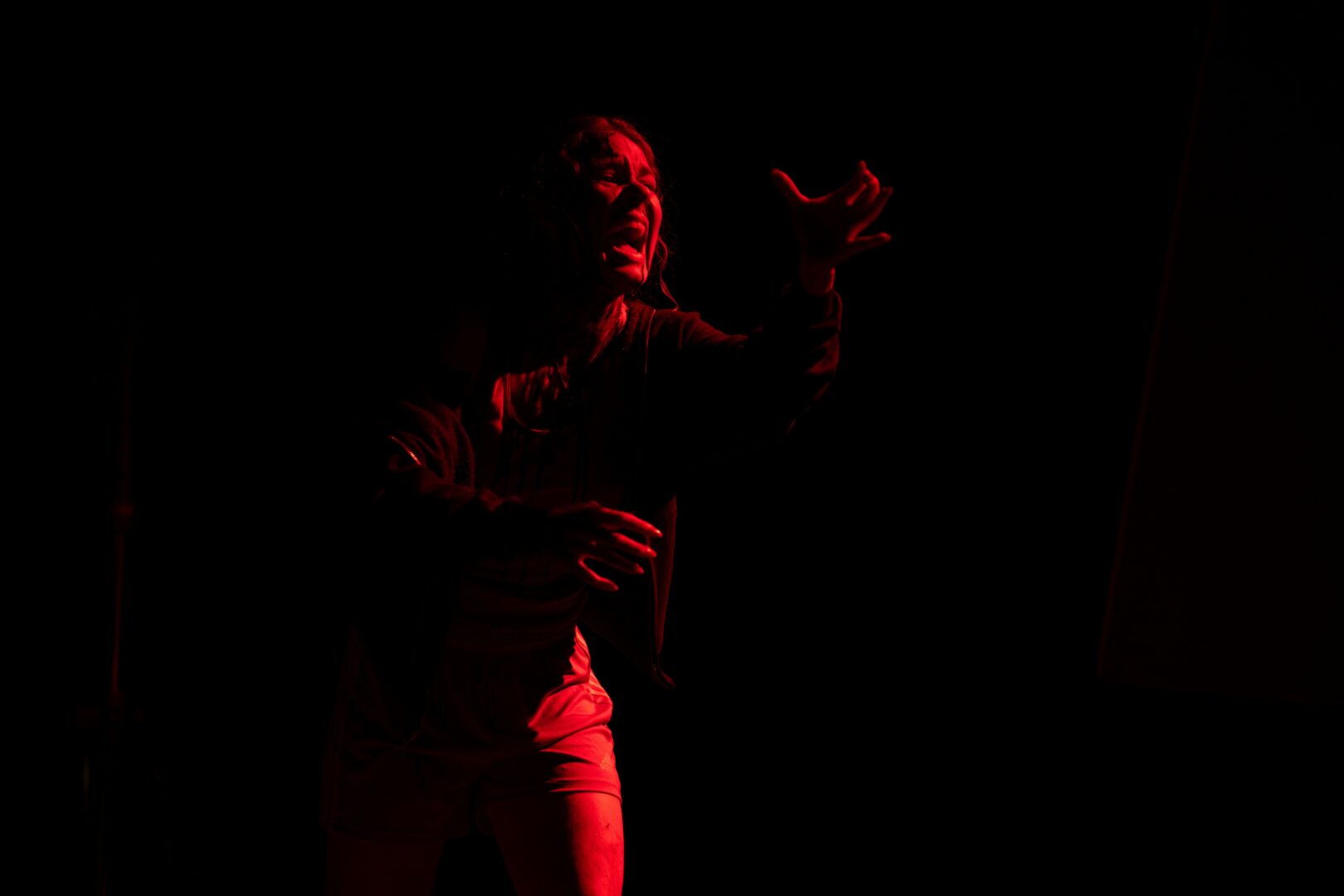
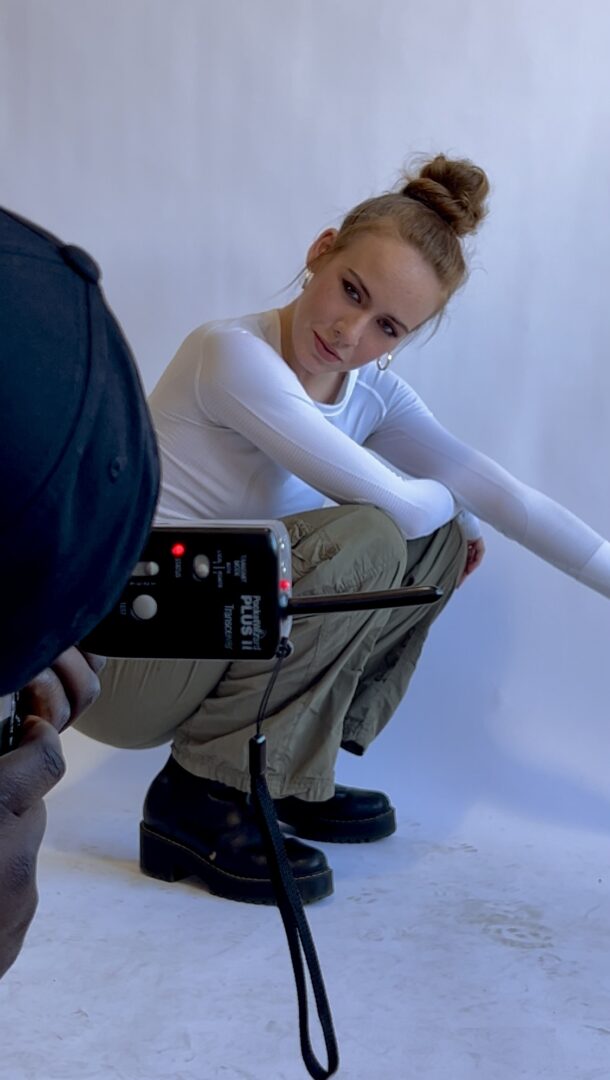
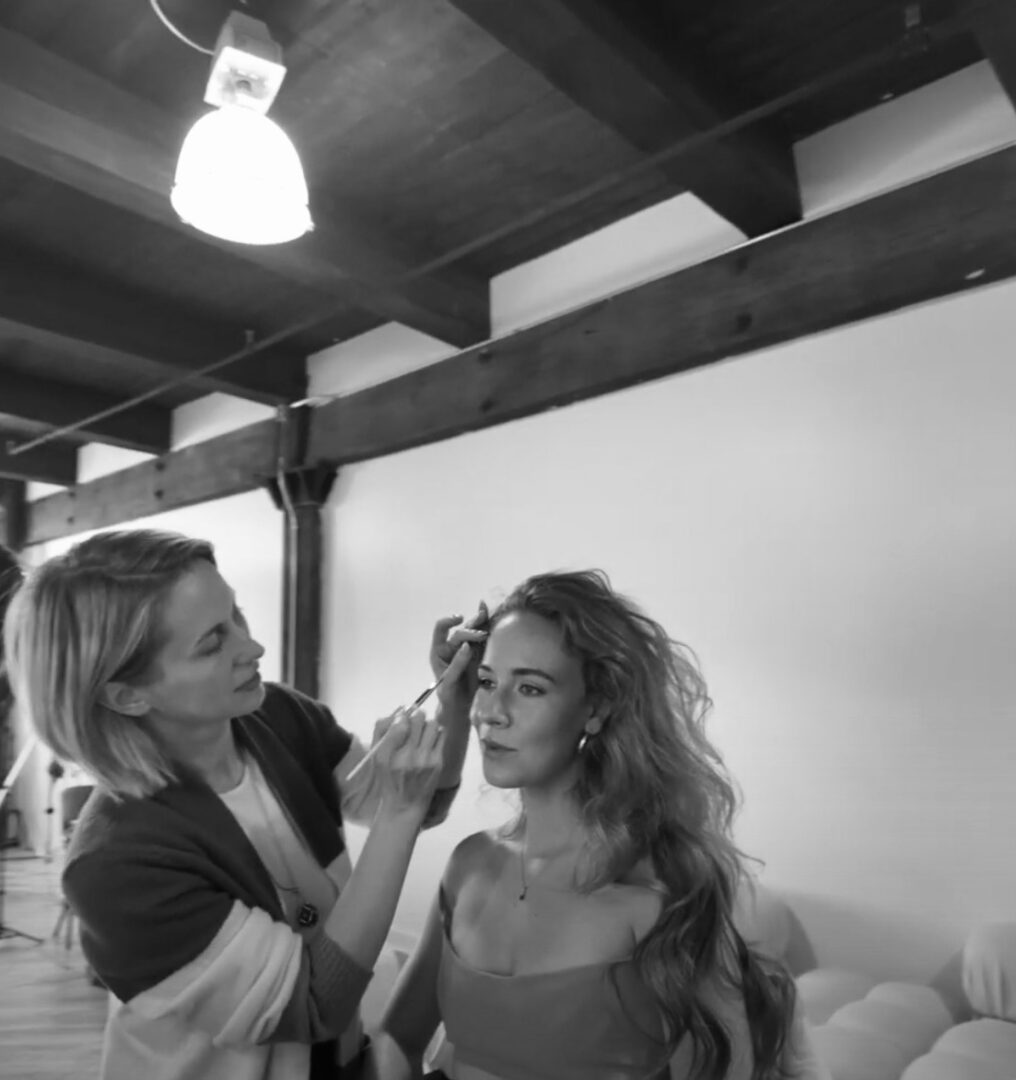

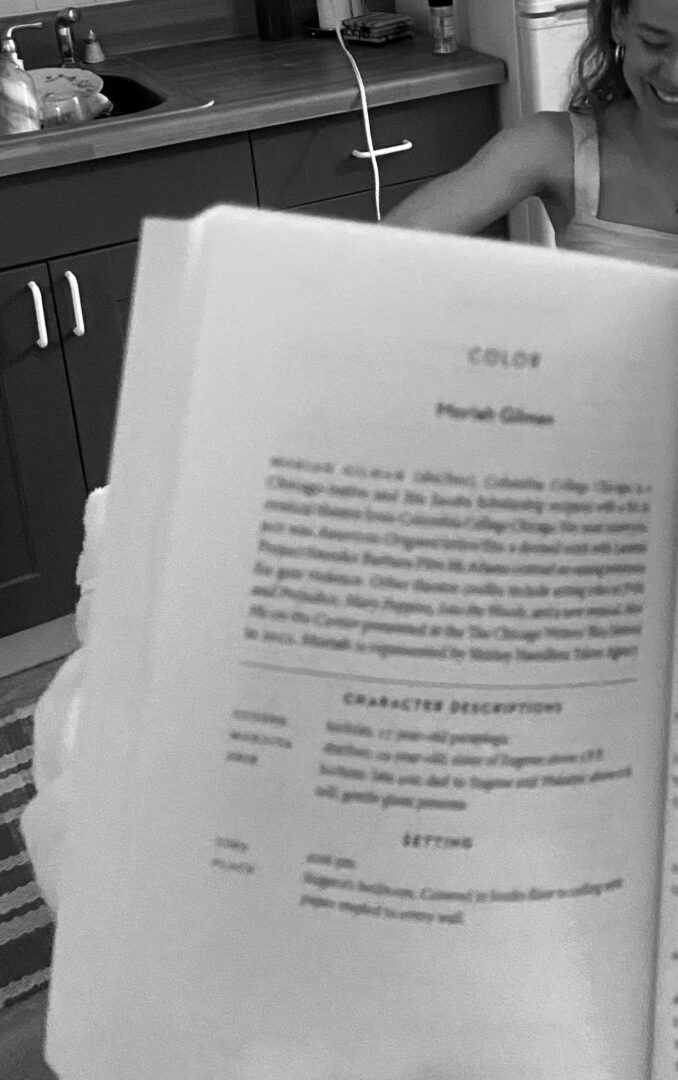
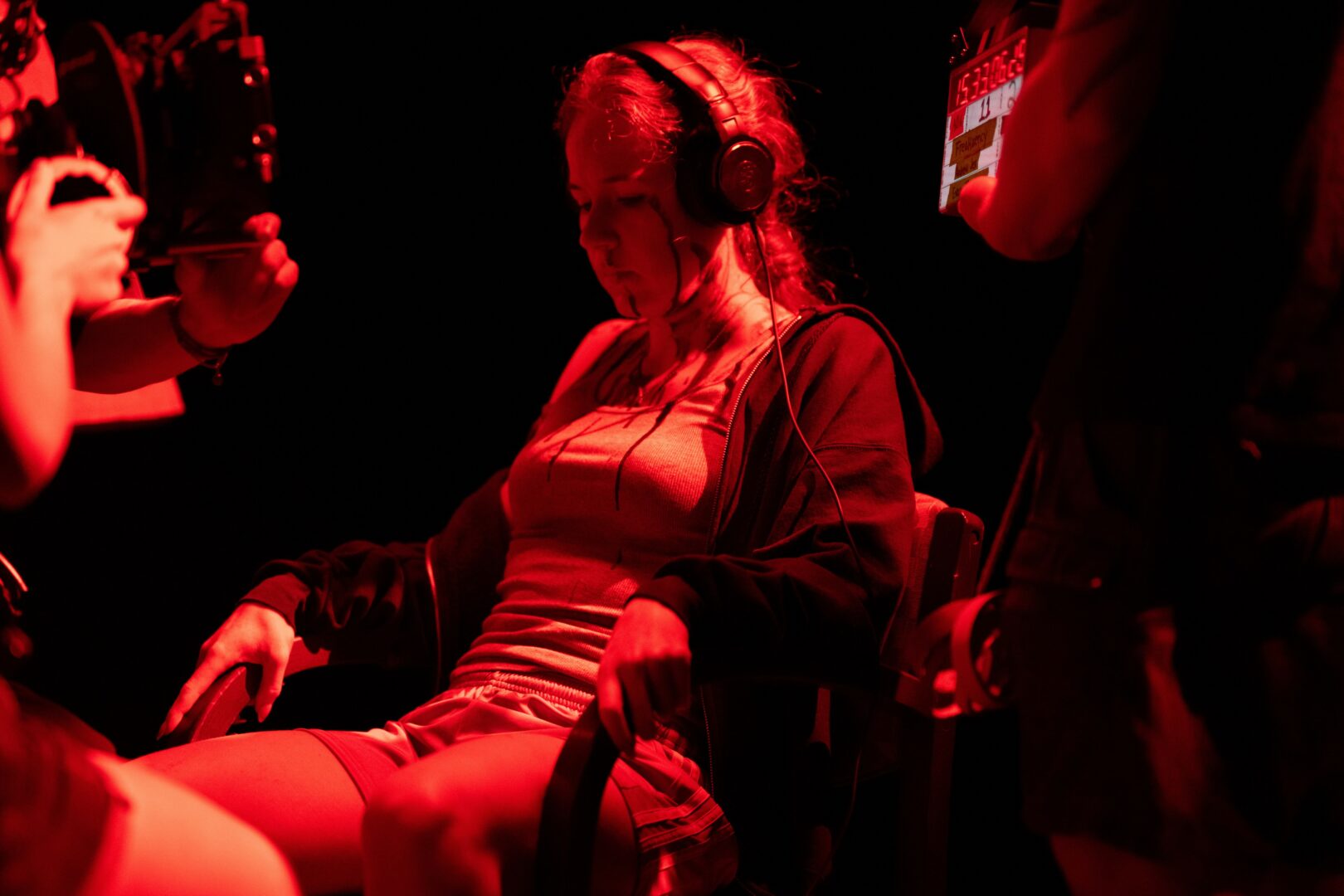
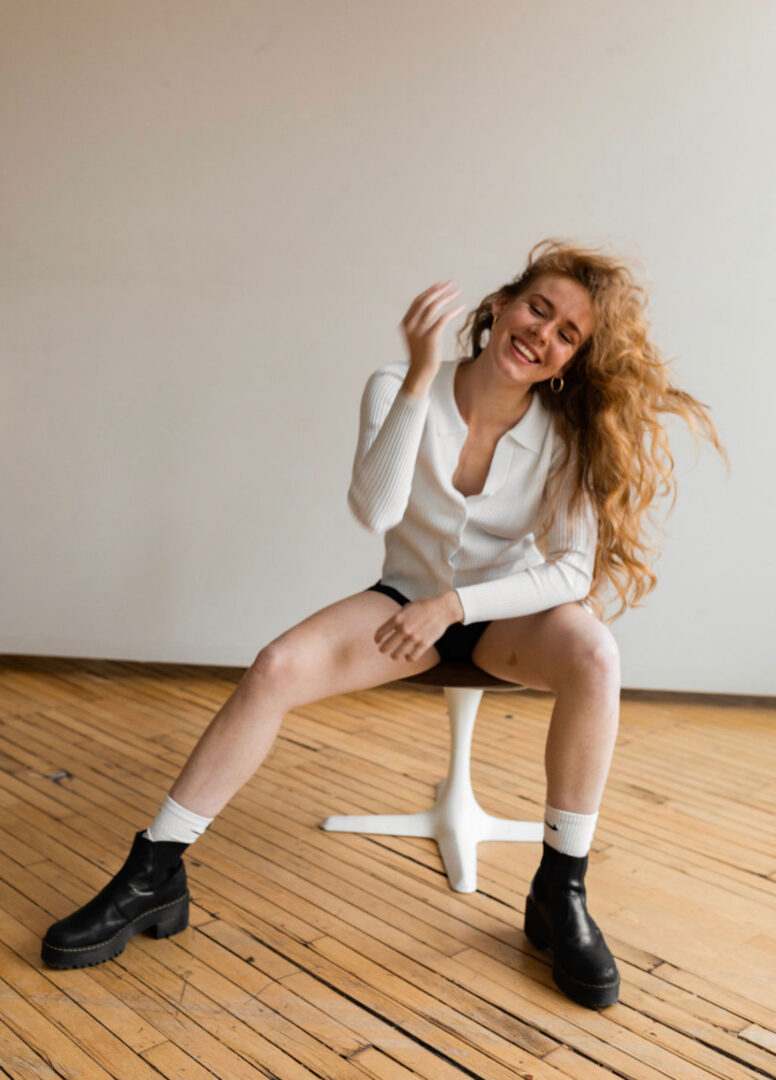
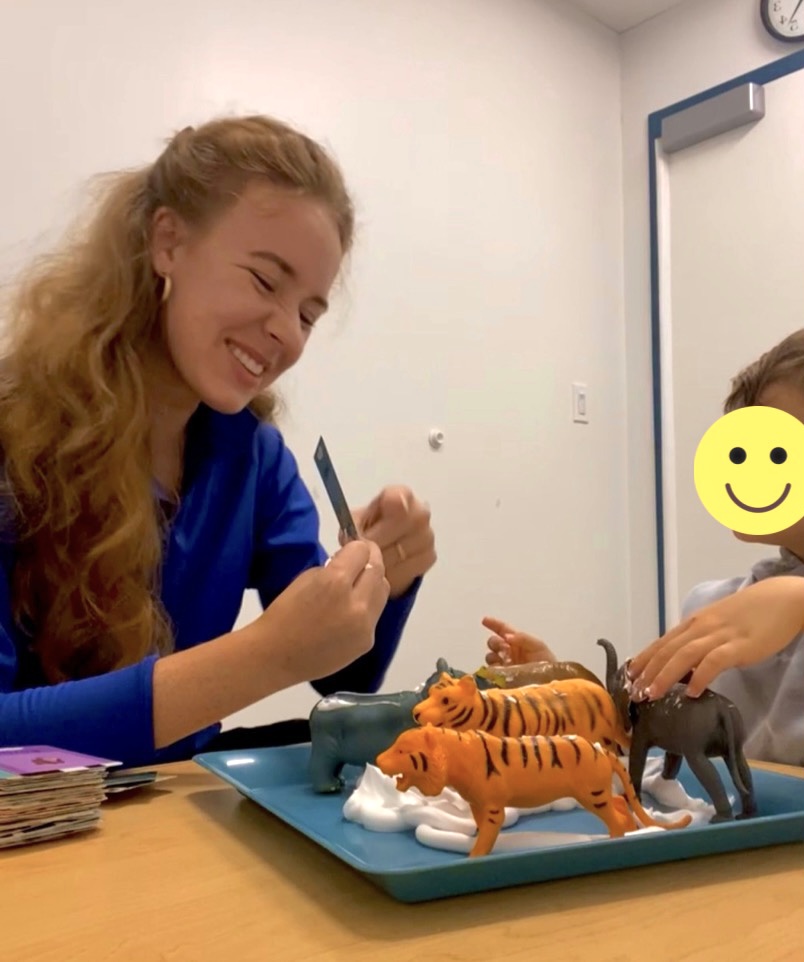
Image Credits
AJ Studio, Emily Davis Studio, Ty Grove, Chris Smith