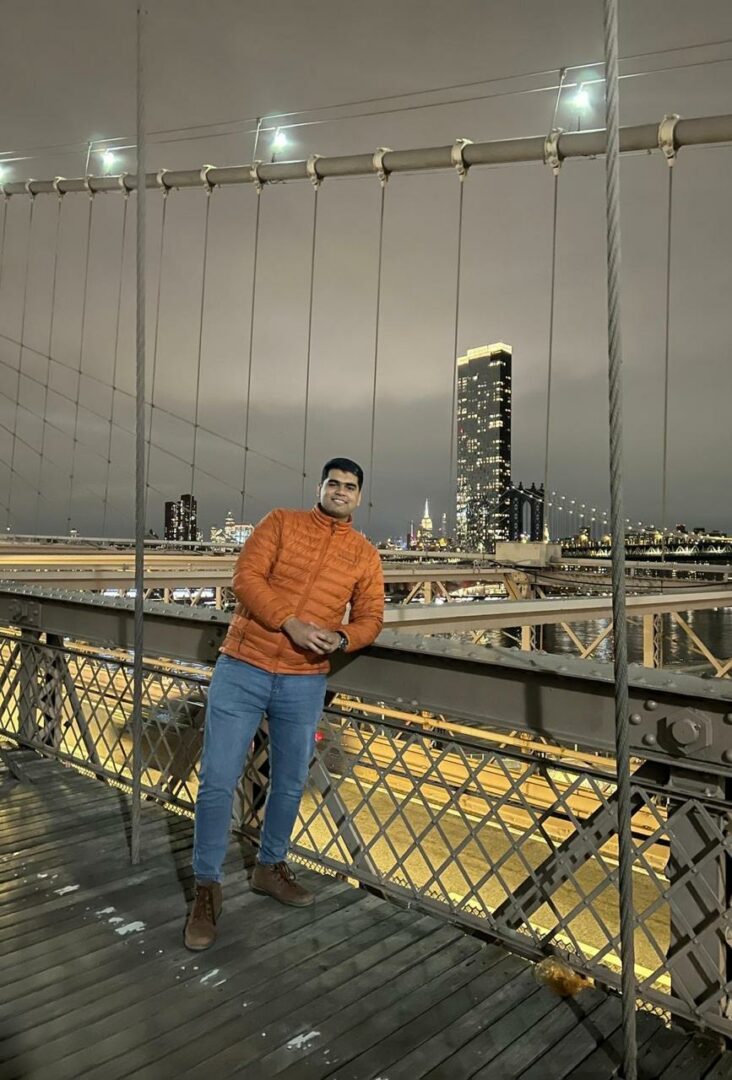
We were lucky to catch up with Mustafa Bin Javed recently and have shared our conversation below.
Hi Mustafa Bin, thanks for sharing your insights with our community today. Part of your success, no doubt, is due to your work ethic and so we’d love if you could open up about where you got your work ethic from?
I think my work ethic comes from growing up in an environment where storytelling wasn’t just entertainment, it was a way of making sense of the world. In my family, people didn’t always articulate emotions directly, but they expressed them through anecdotes, memory, and humor. Watching that taught me early that stories require care, responsibility, and intention.
When I began filmmaking, I carried that same sense of responsibility with me. I’ve never been interested in doing things halfway; if someone trusts me with their story, their time, or their resources, I feel an obligation to honor that trust with rigor and discipline. That’s why I work the way I do consistently, attentively, and with a commitment to finishing what I start.
My work ethic is less about perfectionism and more about respect: respect for the craft, respect for the people who collaborate with me, and respect for the communities and histories that appear in my films. That grounding keeps me focused, even in the most demanding phases of production.

Appreciate the insights and wisdom. Before we dig deeper and ask you about the skills that matter and more, maybe you can tell our readers about yourself?
I work across directing, producing, writing, and editing, but at the core of all my work is a commitment to telling stories that sit at the intersection of personal memory and cultural history. My films often explore how intimate experiences, grief, migration, family archives, and spiritual inheritance can echo across borders and generations. What excites me most is the challenge of transforming those private truths into cinematic works that speak to a global audience.
Much of my artistic practice involves building narratives out of fragments: home videos, diary entries, recorded conversations, small rituals, and overlooked details that reveal the emotional architecture of a life. When those elements start to align, something powerful happens: the film becomes a space where audiences can recognize parts of themselves, even if their experiences are entirely different from mine. That connection is what drives me.
Professionally, I’m focused on expanding my impact as both a filmmaker and a creative collaborator. I’m currently working on Papa’s Diary, a feature documentary that navigates fatherhood, loss, and legacy through the lens of South Asian masculinity. At the same time, I’m working on narrative projects that build on my interest in cross-border identities and the cinematic potential of everyday memory.
Across all of this, I’ve been building a body of work that is both artistically driven and strategically positioned, screening internationally, working with institutions, and partnering with organizations that value socially conscious filmmaking. I aim to create films that move people emotionally but also broaden the cultural imagination; I want my work to open windows into worlds that remain underrepresented in global cinema.
Whether I’m crafting a documentary, shaping a narrative, or collaborating with other filmmakers, my goal is always the same: to make work that stays with people long after the credits roll.
There is so much advice out there about all the different skills and qualities folks need to develop in order to succeed in today’s highly competitive environment and often it can feel overwhelming. So, if we had to break it down to just the three that matter most, which three skills or qualities would you focus on?
Looking back, the three things that shaped my journey most were clarity of vision, adaptability, and a deep respect for craft. Knowing why I’m making a film guides every decision, but being adaptable, especially in independent filmmaking, where plans shift constantly, keeps the work alive rather than rigid. And investing in craft, whether that’s writing, editing, or producing, gives me the tools to execute ideas at a high level. For anyone starting, I’d say nurture these three areas in parallel: stay honest about the stories you feel compelled to tell, stay flexible enough to let the process surprise you, and keep sharpening your skills so that when opportunity arrives, your work can speak for itself.

How would you spend the next decade if you somehow knew that it was your last?
If I only had a decade left, I’d spend it creating work that feels urgent, intimate, and necessary films that preserve personal and collective memory and give something meaningful back to the communities that shaped me. I’d divide my time between making a few projects that truly matter, traveling with the people I love, and reconnecting with places that formed my identity. I’d want to document my personal stories, support younger artists who remind me of where I started, and use whatever platform I have to champion narratives from the margins. More than anything, I’d focus on living deliberately: fewer distractions, deeper relationships, and a body of work that reflects exactly who I was and what I cared about.
Contact Info:
- Website: https://mustafabinjaved.com
- Instagram: https://www.instagram.com/mustafabinjaved/
- Facebook: https://www.facebook.com/mustafabinjaved
- Linkedin: https://www.linkedin.com/in/mustafabinjaved/
- Youtube: https://www.youtube.com/@MustafaBinJaved

so if you or someone you know deserves recognition please let us know here.