
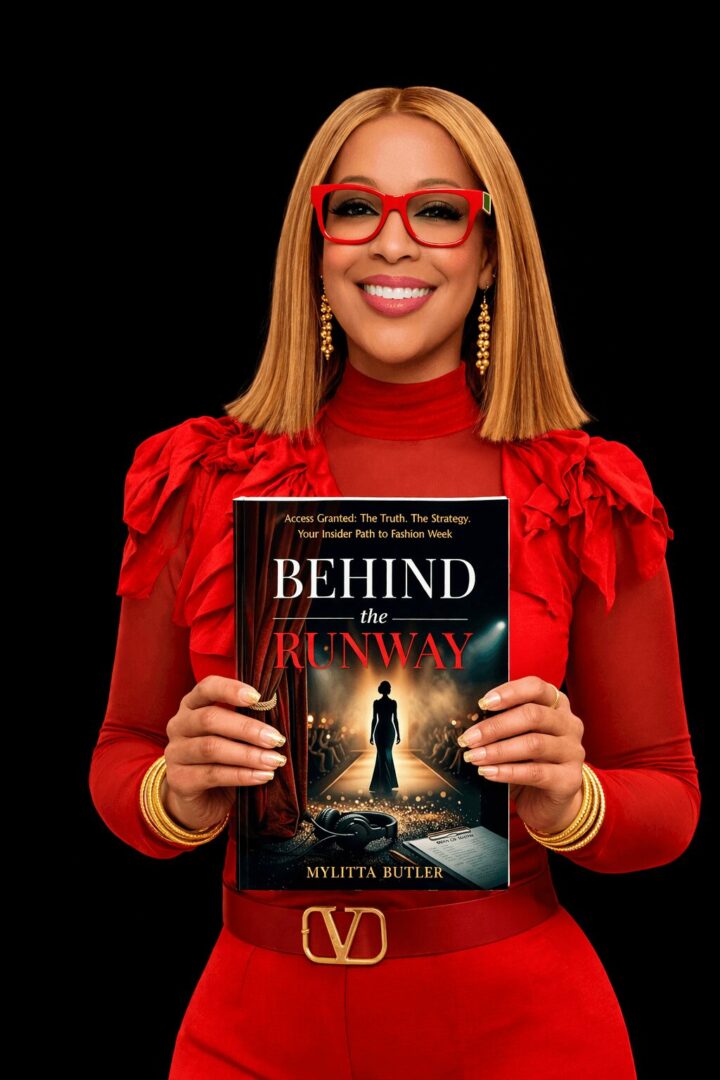
We’re excited to introduce you to the always interesting and insightful Mylitta Butler. We hope you’ll enjoy our conversation with Mylitta below.
Hi Mylitta, so excited to talk about all sorts of important topics with you today. The first one we want to jump into is about being the only one in the room – for some that’s being the only person of color or the only non-native English speaker or the only non-MBA, etc Can you talk to us about how you have managed to be successful even when you were the only one in the room that looked like you?
There have been many moments throughout my career where I’ve walked into rooms and realized I was the only Black woman—or one of very few—in leadership positions. Early on, that could feel intimidating. But over time, I learned that being different is not a weakness—it’s a responsibility and a strength. A boldness that comes from knowing who you are, and you’re worth.
I learned very quickly that I could not allow my presence to simply be symbolic. I wanted my leadership, expertise, preparation, and execution to speak for me. In high-pressure environments, especially in fashion production and large-scale events, people look for stability, clarity, and confidence. I’ve learned to lead with calmness under pressure, decisive leadership, and the ability to bring people together in challenging moments.
At the same time, I never forget what it means to stand in these spaces as a Black woman. I carry the understanding that I’m standing on the shoulders of ancestors who made unimaginable sacrifices so the next generation could have opportunities they never did. That perspective keeps me grounded, grateful, and purposeful.
I’ve also learned not to shrink myself to make others comfortable. Authentic leadership matters. I don’t believe leadership is about being the loudest person in the room—it’s about consistency, excellence, resilience, and integrity.
Most importantly, I’ve learned that being “the only one” is not just about breaking barriers for yourself—it’s about making sure you leave the door open wider for those coming behind you.
Let’s take a small detour – maybe you can share a bit about yourself before we dive back into some of the other questions we had for you?
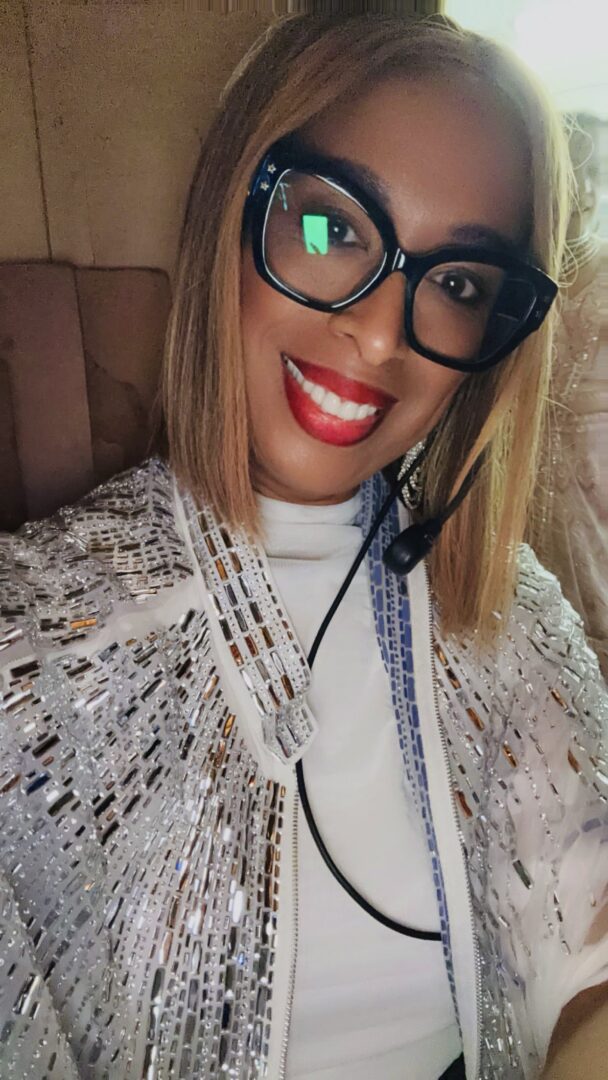
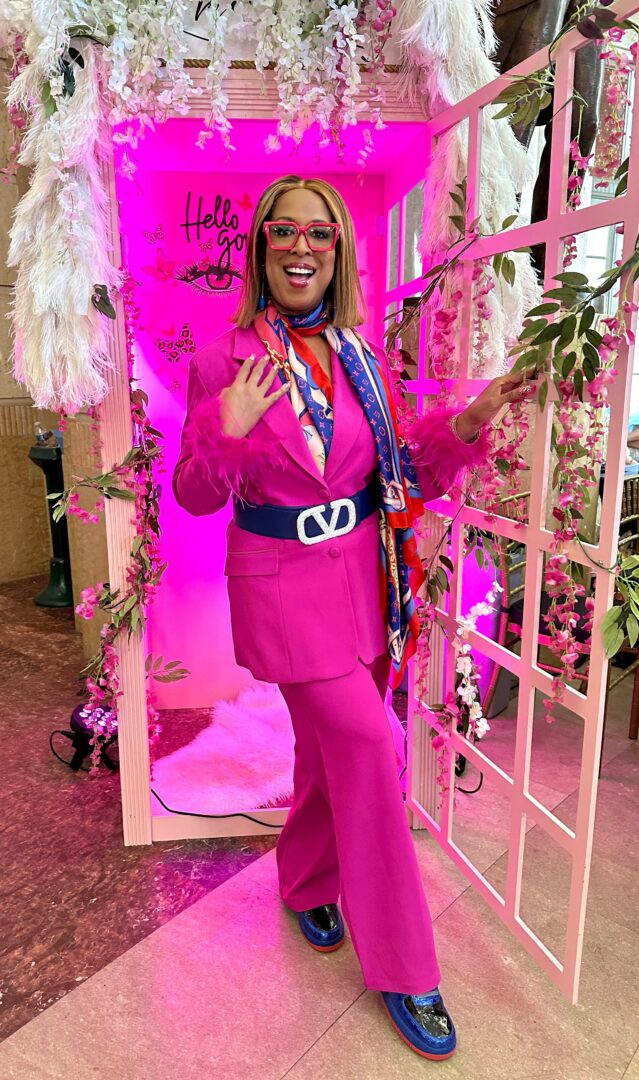
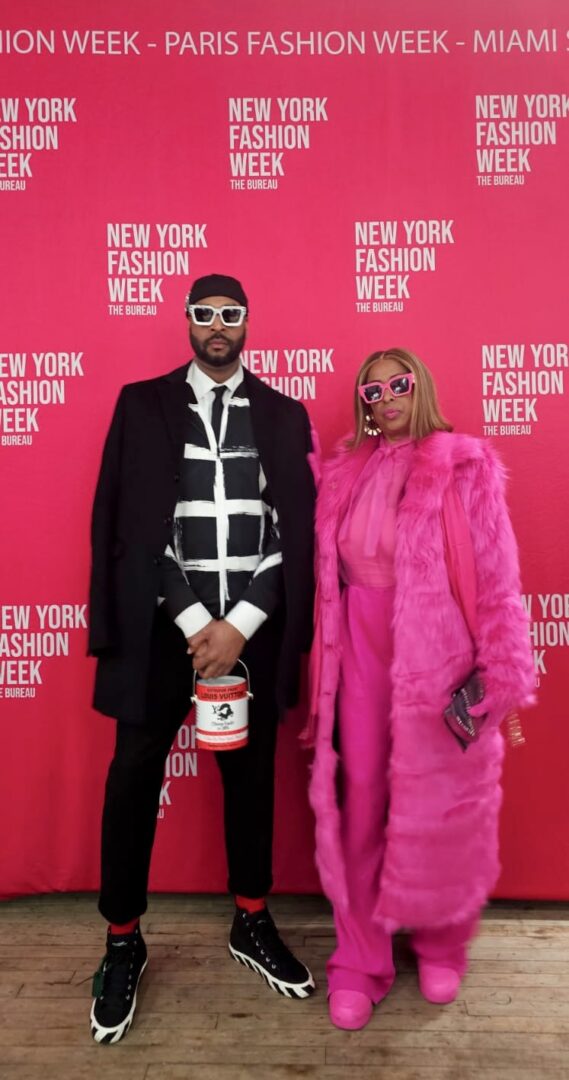
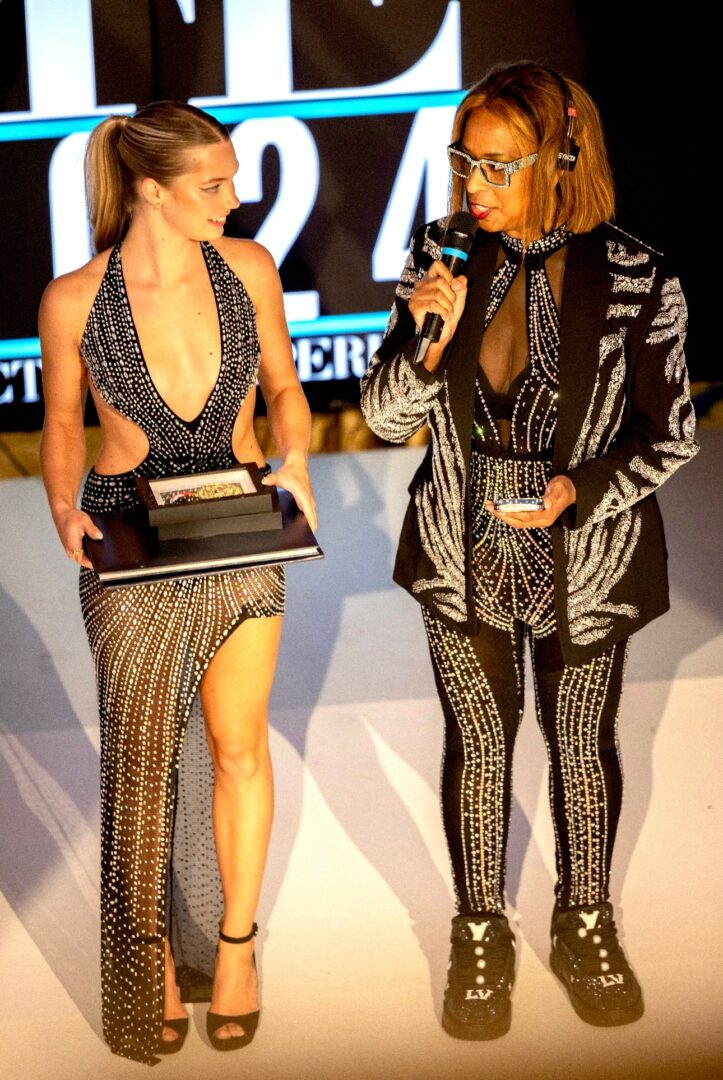
I am a Fashion Week executive, entrepreneur, author, and mentor with a passion for building platforms that create opportunity, visibility, and impact. Over the years, I’ve had the privilege of helping lead large-scale fashion productions across major cities, working behind the scenes to bring together designers, models, creatives, sponsors, media, and production teams in high-pressure environments where leadership, precision, and vision matter deeply.
What excites me most is that my work is about far more than fashion. Fashion is the platform—but mentorship, empowerment, and legacy are the mission. I truly believe that success is not just about how far we go individually, but how many people go farther because we chose to reach back and help them. That belief shapes everything I do.
One of the most meaningful parts of my journey has been creating opportunities for emerging designers, creatives, and young professionals who may not otherwise have access to these spaces. I’m passionate about helping the next generation understand that they belong in these rooms and that their voice, creativity, and leadership matter.
In addition to my work in fashion production, I recently launched my new book, Behind the Runway, which gives readers an inside look into the realities of Fashion Week leadership, production, professionalism, and personal growth behind the scenes. The book is especially meaningful to me because it’s not just about the industry—it’s about resilience, preparation, leadership under pressure, and creating pathways for others.
I’m also continuing to expand my work in mentorship, speaking, and leadership development, particularly focused on empowering women, creatives, and future leaders to walk confidently in purpose, excellence, and authenticity.
Looking back, what do you think were the three qualities, skills, or areas of knowledge that were most impactful in your journey? What advice do you have for folks who are early in their journey in terms of how they can best develop or improve on these?
Looking back, I believe three things have been most impactful in my journey: the willingness to constantly learn, the ability to lead under pressure, and the discipline to build meaningful relationships and networks.
First, I’ve always believed in mastering your craft. No matter how much success you achieve, you should never stop being a student. I’m constantly studying, learning, evolving, and looking for ways to improve—not only creatively, but professionally and personally as well. Industries evolve, leadership evolves, and the people who continue growing are the ones who remain valuable and effective over time.
Second, learning how to remain calm and decisive under pressure has been incredibly important in my career. In high-level production and leadership environments, people look for stability during stressful moments. I learned that leadership is not just about giving direction—it’s about having the emotional intelligence, preparation, and resilience to navigate challenges while still moving the vision forward.
Third, I would say relationships and networking have been priceless. Your network is directly connected to your opportunities, your growth, and often your ability to access rooms you could never enter alone. One thing I always encourage people to do is surround themselves with individuals who are smarter than them, more experienced than them, and capable of stretching their perspective. If you are always the smartest person in your circle, it may be time to increase the circumference of that circle.
For those early in their journey, my advice would be this: stay teachable, stay consistent, and stay intentional about the people around you. Knowledge, wisdom, mentorship, and proximity matter. Never allow pride to stop you from learning, asking questions, or growing. The right people, the right environment, and the right mindset can completely change the trajectory of your life and career.
Thanks so much for sharing all these insights with us today. Before we go, is there a book that’s played in important role in your development?
One book that has had a profound impact on my personal and professional development is The Body Keeps the Score by Bessel van der Kolk. The book explores how trauma affects the mind, body, emotions, and nervous system—and, more importantly, the importance of healing rather than simply surviving.
One of the greatest lessons I took from the book and it strengthened my understanding was that true wealth is good mental health. In today’s culture, people often become incredibly successful professionally while silently carrying unresolved pain emotionally. We can become high-performing “machines” externally while internally feeling exhausted, overwhelmed, anxious, or broken. Eventually, unresolved trauma surfaces—and nervous breakdowns rarely schedule themselves conveniently. They often appear unexpectedly, sometimes at the height of someone’s career or during seasons where the pressure to “hold it together” feels overwhelming.
What resonated with me deeply is the idea reflected in the title itself: the body keeps score. Especially for women, there can be tremendous pressure to appear polished and put together on the outside—hair done, makeup done, successful career, beautiful image—while silently struggling internally. But what is unhealed internally eventually reveals itself externally if it is never addressed.
This book reinforced something that transformed my own life: you cannot outrun pain forever. Healing begins when we stop running, turn around, face what hurt us, and intentionally decide to heal from it. For me, confronting and healing from childhood trauma changed not only my personal life, but also the way I lead, communicate, build relationships, and navigate high-pressure environments professionally.
I believe unhealed trauma impacts confidence, leadership, decision-making, relationships, and long-term career growth more than many people realize. This book helped deepen my understanding that healing is not weakness—it is one of the greatest forms of strength and self-leadership a person can pursue.
Contact Info:
- Instagram: @mylitta_butler
- Linkedin: Mylitta Butler
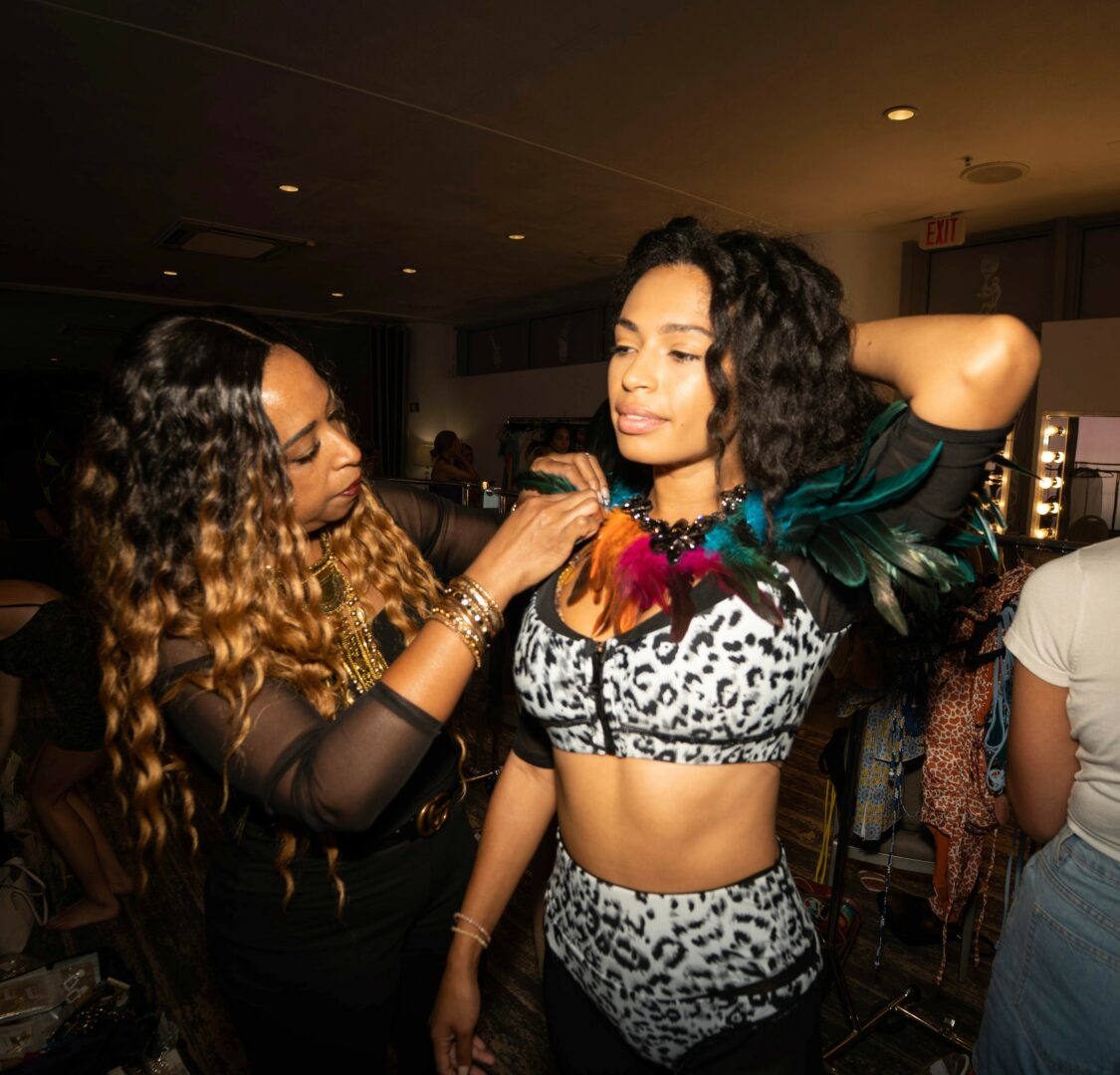
Image Credits
N:a
so if you or someone you know deserves recognition please let us know here.


