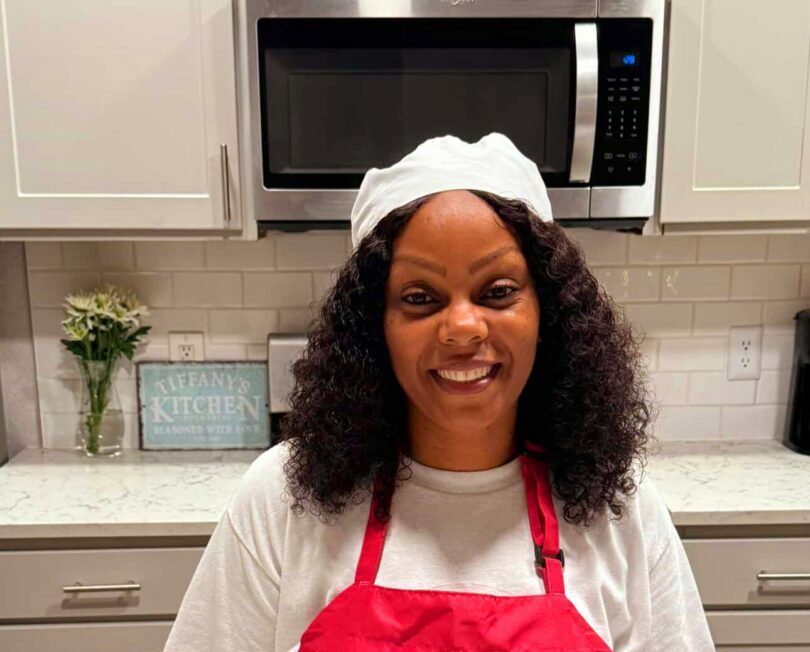
We recently connected with Natalie Capano and have shared our conversation below.
Natalie, first a big thank you for taking the time to share your thoughts and insights with us today. I’m sure many of our readers will benefit from your wisdom, and one of the areas where we think your insight might be most helpful is related to imposter syndrome. Imposter syndrome is holding so many people back from reaching their true and highest potential and so we’d love to hear about your journey and how you overcame imposter syndrome.
Imposter syndrome is common amongst therapists and I believe that I will experience it in waves throughout my career. I won’t say that I have fully overcome imposter syndrome, but I’ve made strides in building my self-confidence and talking myself through worries around my work performance and capabilities. I have overcome bouts of imposter syndrome by reminding myself of the work that I have done to make it this far in my career. I remind myself of everything I learned in graduate school and my fieldwork opportunities, and the trainings I have participated in over the years. I think about lessons I have learned from mistakes that have turned into teachable moments over my thousands of hours working with clients. I reflect on my participation in supervision and consultation and remember that there is always room to grow, which helps me feel like a more competent therapist as I acknowledge that I will never know it all. I also consider forms of feedback I receive from my clients like hearing them recount their progress from our work together, receiving thanks for my suggestions and perspectives, and remembering that my clients make conscious decisions to continue our work together. I have many ways to measure my success, and I also acknowledge that there will be more moments of imposter syndrome in the future.
Let’s take a small detour – maybe you can share a bit about yourself before we dive back into some of the other questions we had for you?
Being a therapist feels like an absolute privilege and honor every single day. I am so glad to do this for a living! There are so many dialectics in my work and my role as a therapist – two opposing things are often existing at once. I am lucky to know what to expect most days in terms of my schedule and who I am seeing, while also having the element of surprise. No two sessions are quite the same from client to client, even if we are discussing the exact same topic or issue. Sometimes I expect and prepare to go down one path but I am thrown a curve ball with something new being revealed. I am constantly amazed by the resilience and deep emotional journeys that I get to witness in my work. I sometimes feel like I bear great responsibility in holding space for my clients, yet I remind myself that I am only one hour of their week and I am a much different part of their support system as our relationship is professional and will not feel like their relationship to a family member or friend. In my work with individuals, I am one half of a unique relationship where I know my clients so deeply in a way that they do not know me. I sit with them in their most intense emotions, guide them to uncomfortable places that they must explore in order to heal, and also have the joy of hearing positive news and progress too.
I started my private practice last month after working in group practice settings for the past few years to gain hours for my independent counseling license. Launching my private practice has been a goal of mine for quite some time, and I put countless hours into the process. I feel so incredibly proud to have my own brand and to be able to operate the business side of my work exactly the way that I want to. I feel that I have done my best clinical work since I began working for myself.

If you had to pick three qualities that are most important to develop, which three would you say matter most?
Three non-negotiables in my professional development were fostering empathy, understanding my own biases, and acknowledging my limitations. My personal life and identity informs my work as a therapist and how I show up with clients, so it’s important that I am consistently engaging in my own self-reflection to understand how my past experiences and world view could impact the work I am doing each day. I am glad that my graduate program emphasized the need for us as students to “do the work” as we were preparing to help others do their own work. I like this idea in the therapy world that we can only take clients as far as we have gone ourselves, which is where empathy and limitations come in. As a young therapist in training during my internships, I remember clients questioning how I could help them if I had not gone through similar issues or life experiences that they were facing. My sense of empathy bridged that gap in a way and allowed me to sit with them in their feelings even though I may have not felt the same things myself. Sympathy only goes so far, while empathy takes my work further. I balance my empathy with remembering my limitations as a therapist. I cannot create change for others despite trying to create an environment that encourages and sets the stage for change. I prevent burnout and frustration by acknowledging that my clients will do what they believe is possible for themselves, and what they want to do is solely their own decision. It is not my responsibility to decide what should happen or do the work for them. I encourage counselors in training to take advantage of supervision opportunities and bring up the topics of fostering empathy, exploring their own biases, and identifying limitations. There will be inevitable moments where early-career therapists may feel or do “too much”, become frustrated if they work harder than their client does, or uncover a personal bias that will impact their work with clients. These can be learning opportunities and crucial experiences in learning how to work through personal challenges or blocks to avoid doing harm.

All the wisdom you’ve shared today is sincerely appreciated. Before we go, can you tell us about the main challenge you are currently facing?
This is a vulnerable topic for me, which means it’s important to explore. My desire to do things perfectly has grown since I began my own practice. I tend to set high expectations for myself which can be a great motivator to do the best work possible, but I know realistically that constant perfection is impossible to achieve. I try to overcome this desire by reminding myself that I am human and it is simply inevitable to experience human error. When I make a scheduling mistake or say something the wrong way, I try to remind myself of the times that I have been successful and all of the mistakes that have ended up working out. I do find relief in leaning in to things that don’t go as planned by making them teachable moments for my future self. I encourage my clients to give themselves grace and practice self-compassion, so to do anything less than that for myself would feel hypocritical.
Contact Info:

so if you or someone you know deserves recognition please let us know here.