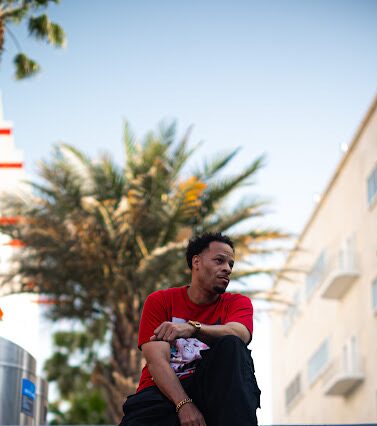
We recently connected with Nic L. Kelly and have shared our conversation below.
Hi Nic L. , we’re so appreciative of you taking the time to share your nuggets of wisdom with our community. One of the topics we think is most important for folks looking to level up their lives is building up their self-confidence and self-esteem. Can you share how you developed your confidence?
Confidence, for me, has always been something in development rather than something I consciously pursued. From an early age, I had a strong belief in myself—sometimes before I had the skills to fully support it. That belief was noticed by teachers and family long before I understood it myself.
Growing up in urban environments teaches you quickly that nothing is handed to you. You learn to fight—not always physically, but persistently—for what you want. Early experiences reinforced the idea that effort, consistency, and resolve could change outcomes. That understanding became foundational for me.
As I moved into the arts, confidence became a necessity rather than a luxury. In entertainment, your value is questioned constantly. You hear “no” far more often than “yes,” and your abilities are scrutinized at every stage. I noticed that confidence was often treated as something to be tempered or diminished, especially when ambition ran high. That only strengthened my resolve.
What sustained me was a deep, sometimes blind belief in my potential—especially during periods when my skills were still catching up to my vision. Over time, that belief was reinforced by work, discipline, and growth. Confidence isn’t about being right all the time; it’s about trusting yourself enough to keep going, even when external validation is absent.
That belief has carried me through setbacks, rewrites, rejection, and reinvention. It remains the foundation of my creative life.

Appreciate the insights and wisdom. Before we dig deeper and ask you about the skills that matter and more, maybe you can tell our readers about yourself?
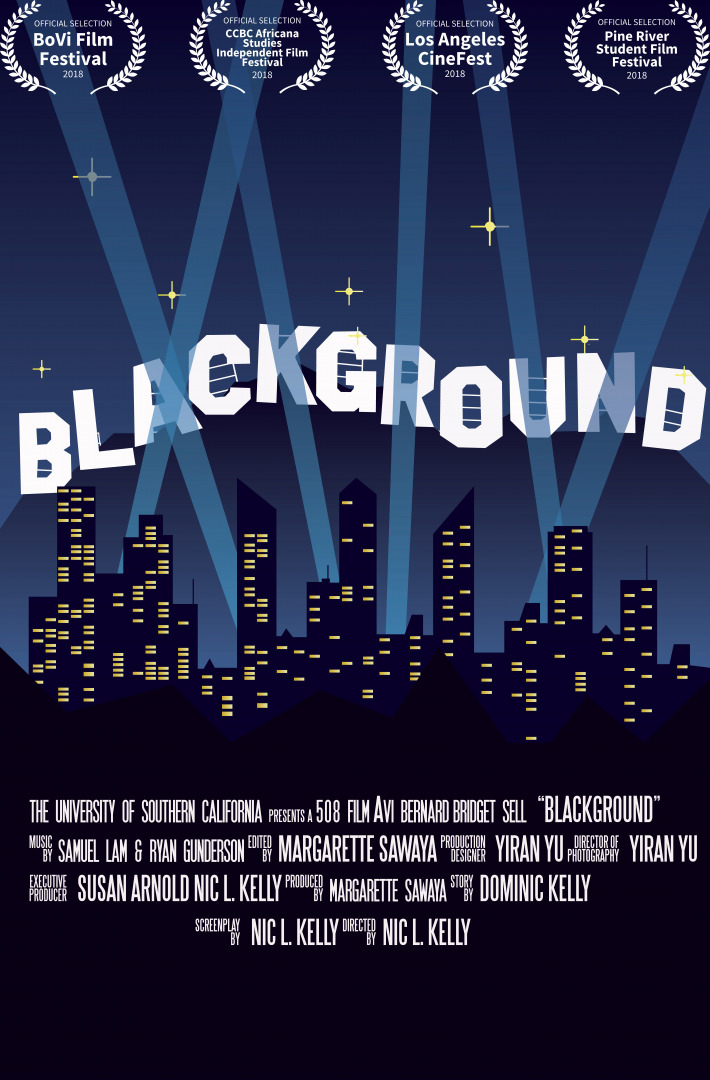
At the core of everything I do is a commitment to longevity. My work—whether in film, television, or music—is driven by the question: How will this hold up over time? I don’t create based on trends or outside noise. I focus on substance, craft, and intention, because hype fades quickly, but meaningful work endures.
As a writer, I primarily work in comedy, but my approach is rooted in realism. I’m interested in making people laugh while also asking them to think. Humor has always been a survival tool for me—it’s how we process difficult truths and navigate complexity. I believe comedy works best when it’s grounded in honest human experience, and that philosophy guides my storytelling.
Across my film and television projects, I’m developing stories that reflect my experience as an American in a very specific, individual way. I don’t often see truly distinct voices represented in media anymore; everything can feel flattened into a single, indistinct noise. Part of my mission is to push against that—to create work that feels authored, intentional, and personal.
Music operates differently for me, but the values are the same. I see hip-hop at a crossroads, and I’m interested in challenging artists to reconnect with depth, soul, and experimentation. The albums that endure are the ones rooted in substance, not momentum. Whether I’m producing or collaborating, I’m always searching for artists who want to make something that lasts.
In the past year, I’ve also spent time supporting other artists—helping develop scripts, music, and ideas beyond my own projects. That experience sharpened my skills and reinforced my belief that collaboration, when done thoughtfully, pushes the work forward for everyone involved.
If you had to pick three qualities that are most important to develop, which three would you say matter most?
When I look back, I realize my path was less about luck and more about preparation. Different disciplines fed one another, but only because I took the time to study each seriously and independently.
The first quality was refinement. At one point, I stepped away from music for over a decade to focus entirely on becoming a filmmaker. I needed to build that muscle properly. Growth requires space, and refinement only happens when you’re willing to examine your missteps and improve honestly. Whatever craft someone chooses, depth matters. Great work comes from patience and sustained focus.
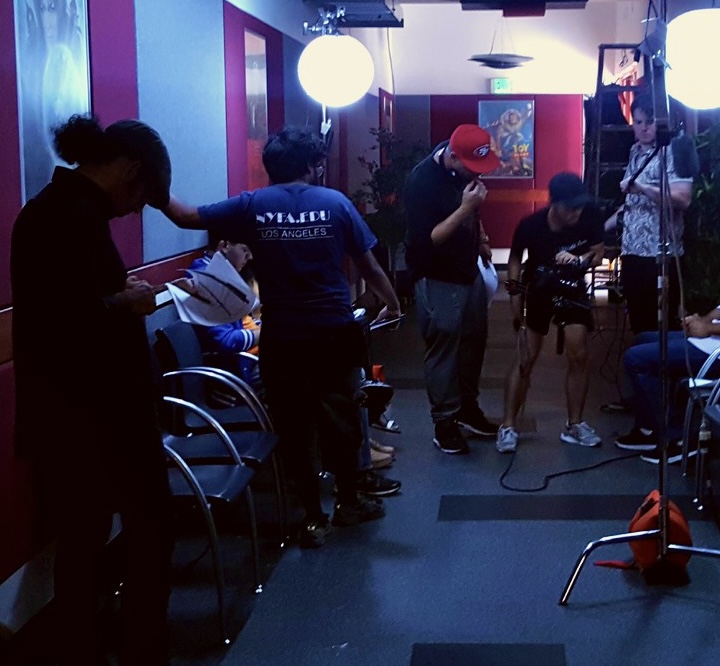
The second quality was tenacity. I can’t recall a time when I pursued something creative without encountering resistance. Early feedback—especially in music—was often brutal, and I learned quickly that people respond to art based on their own fears, incentives, or limitations. In film, I was questioned for wanting to compete at the highest level, for aiming too far. But competition is where growth happens. You have to develop the ability to absorb rejection without internalizing it, and to keep moving forward despite noise, doubt, or discouragement.
The third quality was self-trust. I’ve often found myself ahead of the curve creatively, which can be isolating. Ideas aren’t always embraced when they arrive early, but that doesn’t make them wrong. Confidence, especially in the arts, is less about ego and more about alignment—knowing who you are, what you’re saying, and why you’re saying it. If you wait for consensus, someone else will always move first. Being comfortable going in a different direction is a skill that takes time to develop, but it’s essential for originality.
For anyone early in their journey, my advice is simple: study deeply, stay resilient, and protect your voice. Individuality is rare, and that’s precisely why it matters.
What would you advise – going all in on your strengths or investing on areas where you aren’t as strong to be more well-rounded?
I believe you lead with your strengths, but you study your weaknesses. There’s a difference between trying to master everything and understanding enough of each discipline to communicate clearly and make strong decisions.
Storytelling has always been my foundation. I knew early on that instinct alone wouldn’t sustain a career, so I invested heavily in learning craft—especially writing. I spent much of my formal education focused on story structure, character, and language, even though I entered film wanting to direct. That decision shaped everything that followed, because without a story, every other skill eventually gets exposed.
The same principle applies across disciplines. In music, I don’t aspire to be an engineer, but I’ve studied engineering deeply enough to speak the language and understand what I’m hearing. In fashion, I’m not trying to be a traditional designer in the Karl Lagerfeld sense. I’m more aligned with creative directors like Virgil Abloh or Pharrell—people who may not sew every garment themselves but have a clear vision and know how to articulate it. That said, I still want to strengthen my fundamentals. Taking a sewing class isn’t about becoming a master tailor; it’s about understanding process, limitations, and possibilities.
For me, investing in weaknesses doesn’t mean becoming a jack-of-all-trades. It means developing enough fluency to collaborate well, communicate clearly, and protect the integrity of the work. Craft is as much about knowing what’s required as it is about learning how to execute. That philosophy has guided my career across film, music, and fashion, and it’s how I continue to grow without losing focus.
Contact Info:
- Instagram: https://www.instagram.com/__diamonds_3.0/
- Youtube: @nicdiamonds3.0
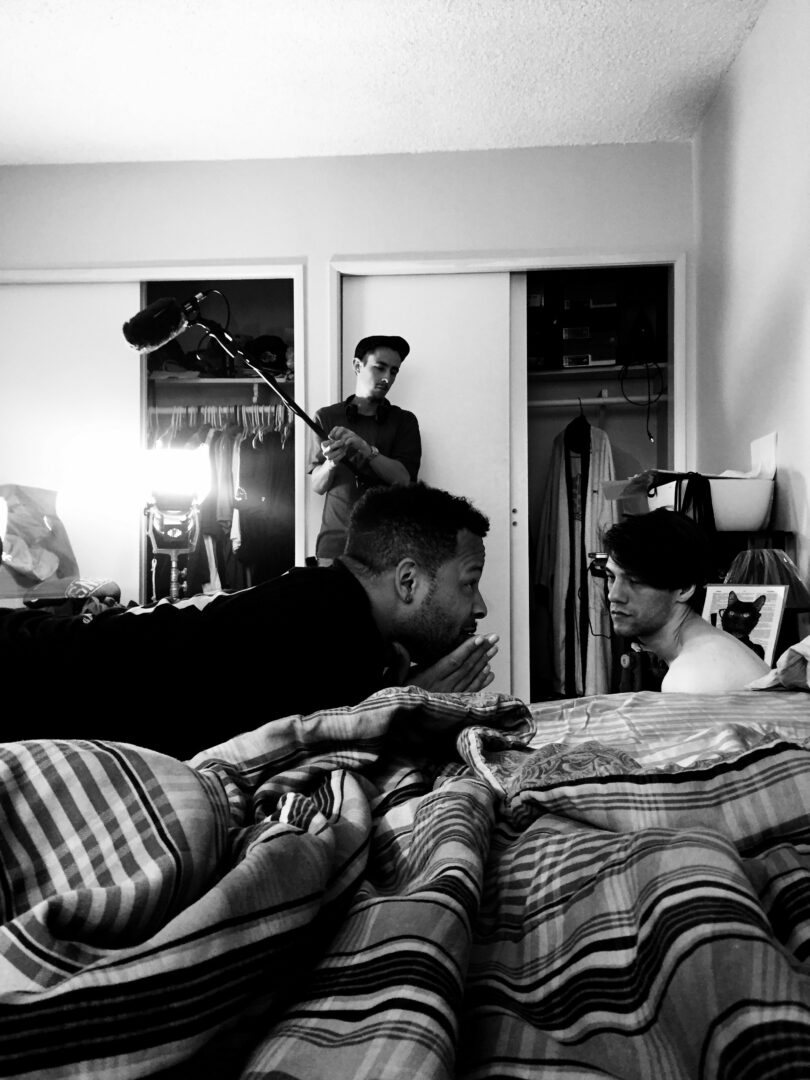
Image Credits
All photos are credited to Steven Vera, except for the on-set photos.
so if you or someone you know deserves recognition please let us know here.