We’re excited to introduce you to the always interesting and insightful Nicholas White. We hope you’ll enjoy our conversation with Nicholas below.
Nicholas, so excited to have you with us today. So much we can chat about, but one of the questions we are most interested in is how you have managed to keep your creativity alive.
Creativity is helped partially by secure funding and advantages provided. When there is no budget, creativity becomes louder and more experimental, doing different things to move fast and break things, in the words of Silicon Valley philosophy. Fiercely creative industries not supported by a budget are dangerous and can feel as though there is nothing left to lose. To go back and forth between these systems is how I keep my creativity alive. One helps to give the other life. I have always been comfortable in some subculture elements of entertainment. This is where I gravitate creatively. Photographing graffiti art in South Central is generously allowed as a space for creativity to flourish.
Informally, I adopt the theory that many great things in human history have been created by people under age 25. Without decades of professional influences sanding off the edges, the new-eyes philosophy is how I try to channel challenging social conventions, usually a denial of the directly preceding style.
Finally in the process, I bring in the more selective and skeptical critic part, which reins in unbridled expression.
Ultimately, I find a way to use the creative inspiration that no one else but me has.
Going between the two perfects my creativity.
Appreciate the insights and wisdom. Before we dig deeper and ask you about the skills that matter and more, maybe you can tell our readers about yourself?
I’m a content creator who has specialized in photographing the lush graffiti art around downtown and South Central L.A. during the past nearly nine years. This scene is a jewel in the crown of a city known globally for entertainment. I try to bring a signature, dramatic style to my photos, in a crowded field of graffiti photographers, some of whom have much better equipment and technical know-how than me. I’m also a longtime journalist who has been published in LA Weekly, Variety, Us Weekly, PEOPLE, a360Media,Entertainment Weekly, Celebuzz, TVGuide.com, Xfinity, and others. My niche has been in high-visibility entertainment news interviews. In recent years, I have specialized in writing stories about social and charitable causes at the intersection of Hollywood, including stories about Black business ownership, Latin and Asian representation in Hollywood, mental health, multiple sclerosis, and gender equity.
It’s no secret that in its current form, journalism is like a battleship sinking slowly. Many content creators have had to adapt; some in corporate roles, others in smaller roles away from journalism.
I found graffiti art as a surprisingly under-covered part of L.A.’s glorious artistic layers. Decades of L.A. graffiti go back through World War II and beyond, linked to families and traditions that have continued. I dove into this open lane.
Survival in journalism is helped by having a combination of skills others can’t mimic.
There is so much advice out there about all the different skills and qualities folks need to develop in order to succeed in today’s highly competitive environment and often it can feel overwhelming. So, if we had to break it down to just the three that matter most, which three skills or qualities would you focus on?
The top three qualities are contacts, humility, and a trust-but-verify policy. Nearly every job I’ve ever had came from contacts. Networking is everything in finding work and business opportunities. I’d love to stay home most days. Without networking, my career would dry up quickly. It’s easier to become marginalized without strong contacts. Photographing graffiti art, I learned quickly that building bridges with community artists can mean everything. Then comes humility, a pure virtue that needs to be practiced despite expecting nothing in return.
Trust but verify is a phrase known by journalists as a reminder to double-check facts to ensure that information can be trusted. Likewise with people – pretty much everyone – grace should be extended and verified.
Thanks so much for sharing all these insights with us today. Before we go, is there a book that’s played in important role in your development?
Top 9 books:
DisneyWar, James B. Stewart
Ambling Into History, Frank Bruni
City of Quartz, Mike Davis
The Men Who Would Be King, Nicole LaPorte
The Game, Neil Strauss
Ecology of Fear, Mike Davis
No One Left to Lie to, Christopher Hitchens
Plan of Attack, Bob Woodward
What Happened, Hillary Clinton
Mike Davis’, City of Quartz and Ecology of Fear, both late 20th Century-era nonfiction studies of Los Angeles, gave insight into how I could find my place in the city. Environmental devastation, social divisions, private security staffs, homeless deterrence – this was a neo-punk take on a city (L.A.) that from the outside could be sensed but not explained. Natural disasters that regularly light up Southern California – wildfires, flash flooding, earthquakes – mix with social dangers — crime, poverty, income inequality – for a live tinder box waiting to combust.
It was an education in urban planning, and it programmed in me a sense of how cities think about themselves.
Contact Info:
- Instagram: https://www.instagram.com/nicholas.e.white
- Facebook: https://www.facebook.com/nicholas.e.white/
- Linkedin: https://www.linkedin.com/in/nicholasewhite/
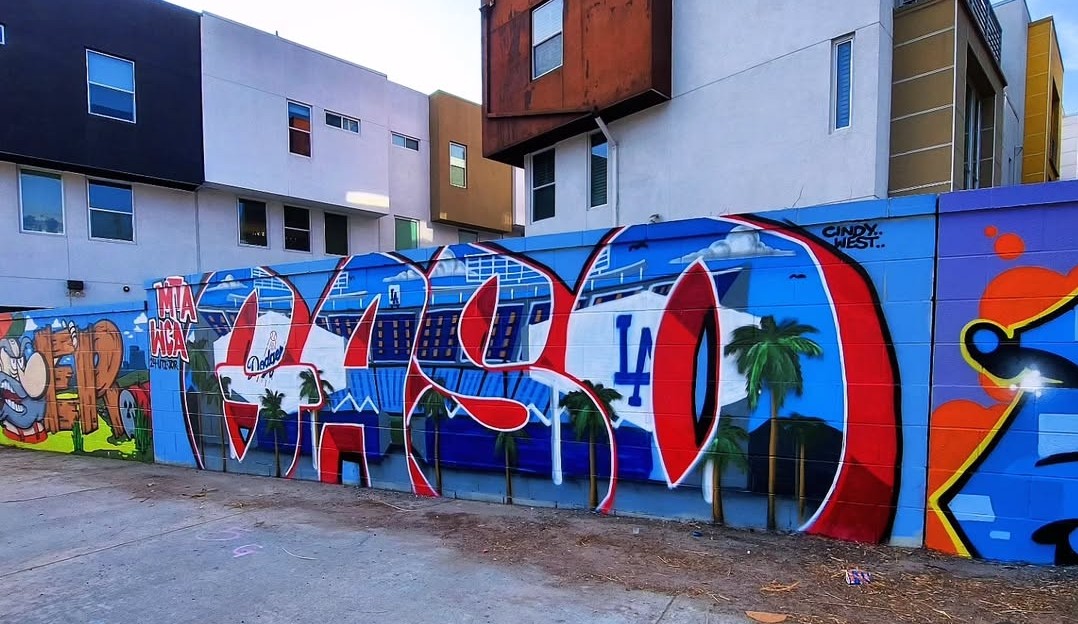
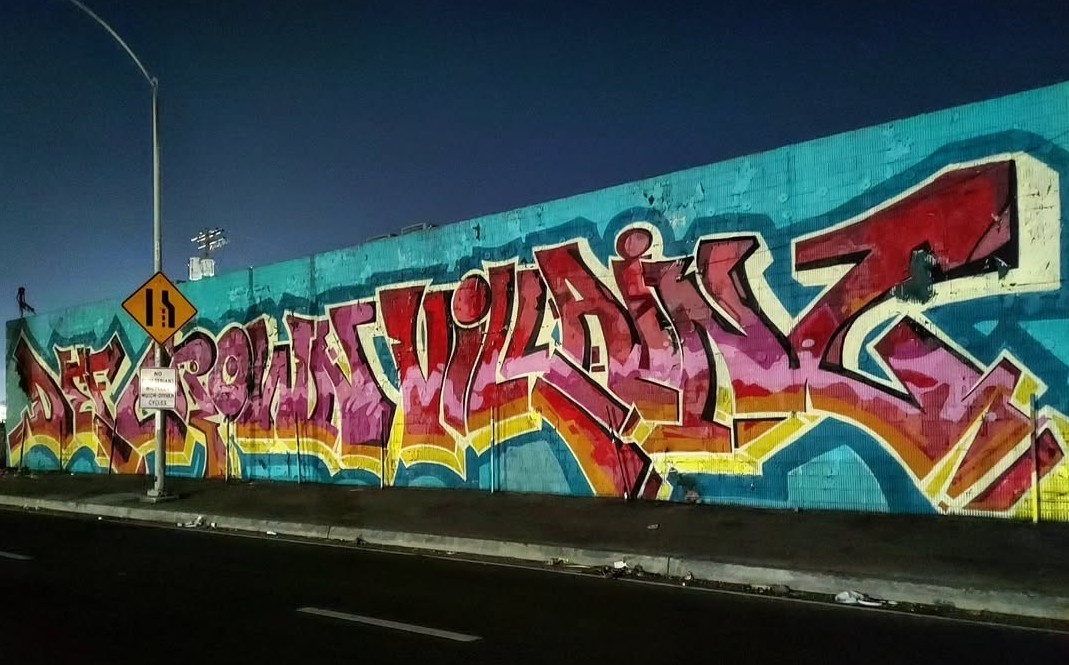
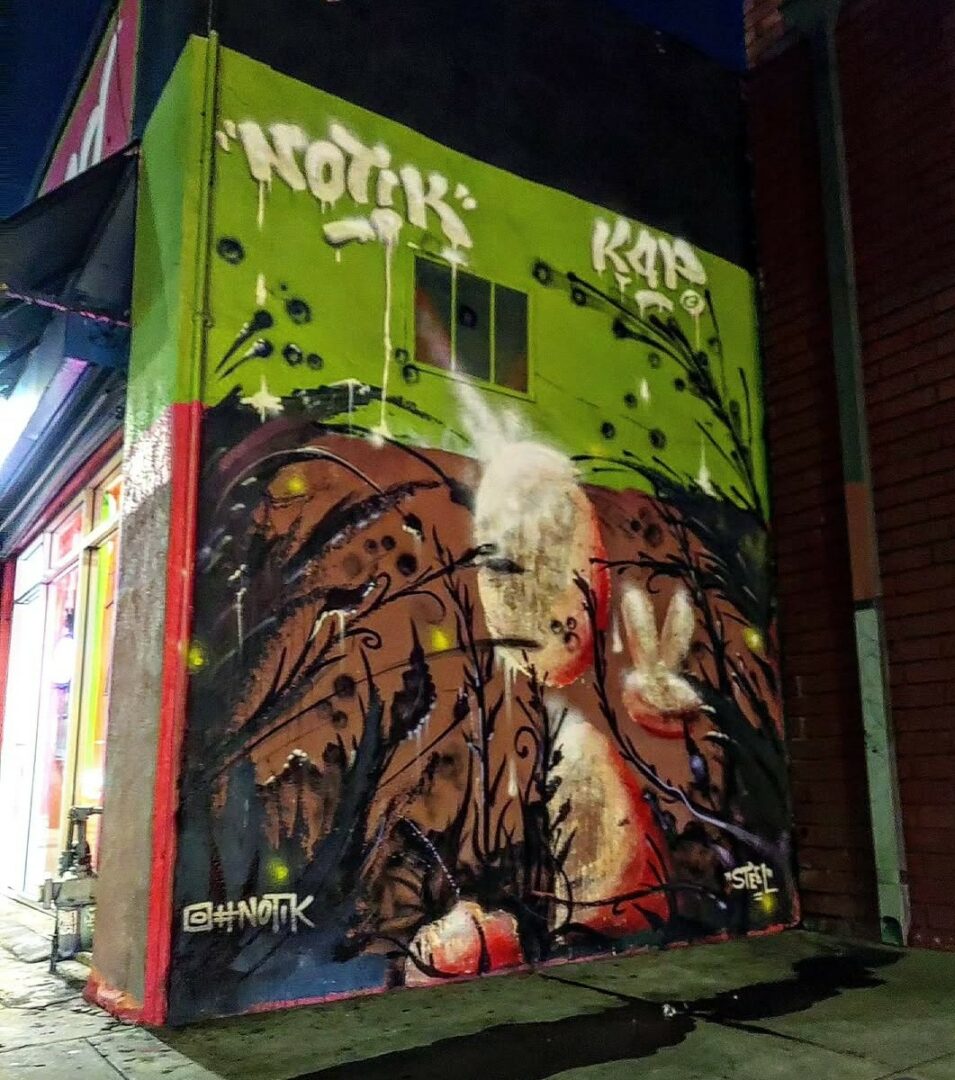
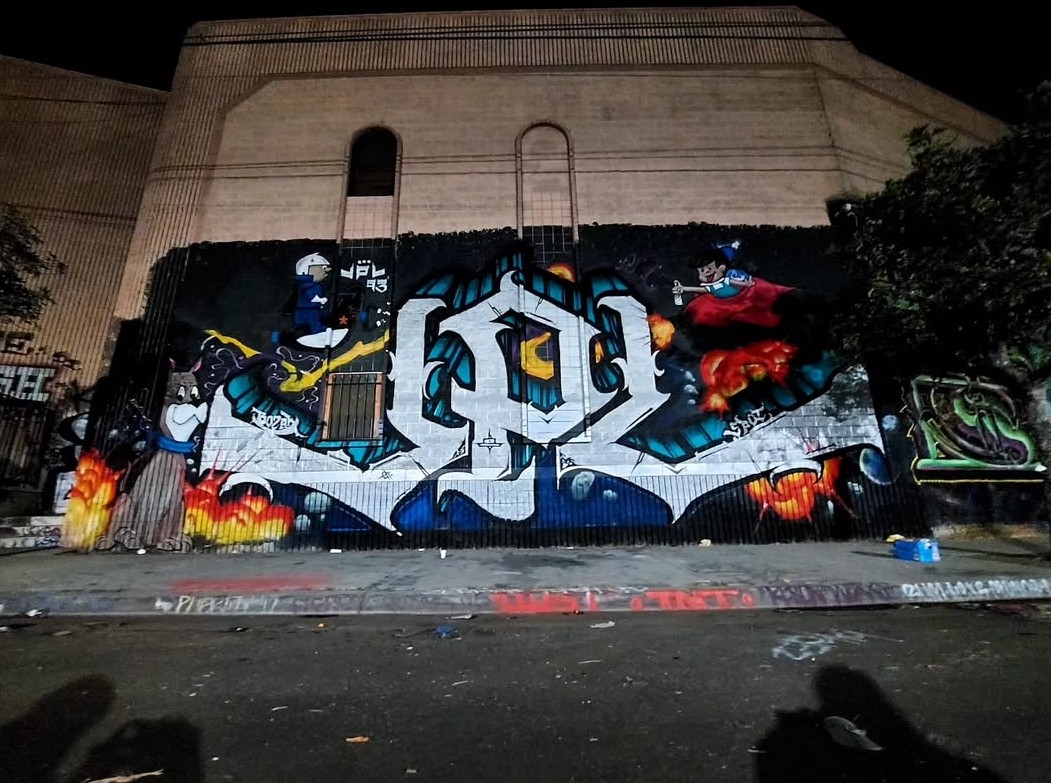
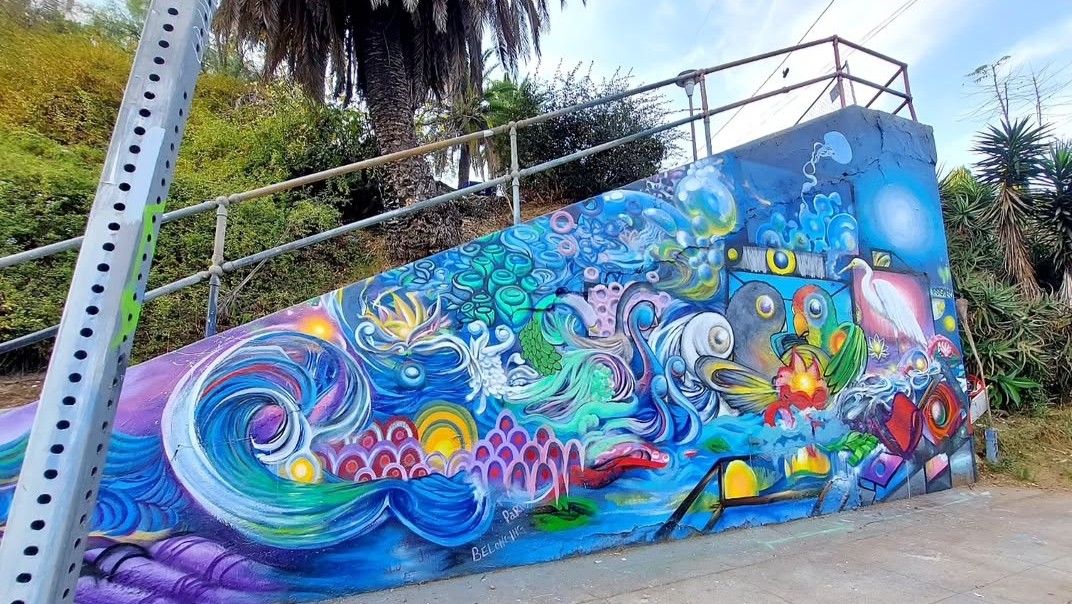
Image Credits
All photos are mine. Artist credits: 1) Gaso (@superunleadedgasoline78) 2) Fearo and DCV Crew (@fearo153, @dcv_crew) 3) Notik (@pinche_notik) 4) Loser One (@lewzer_one) 5) Sigie (@sigil213)