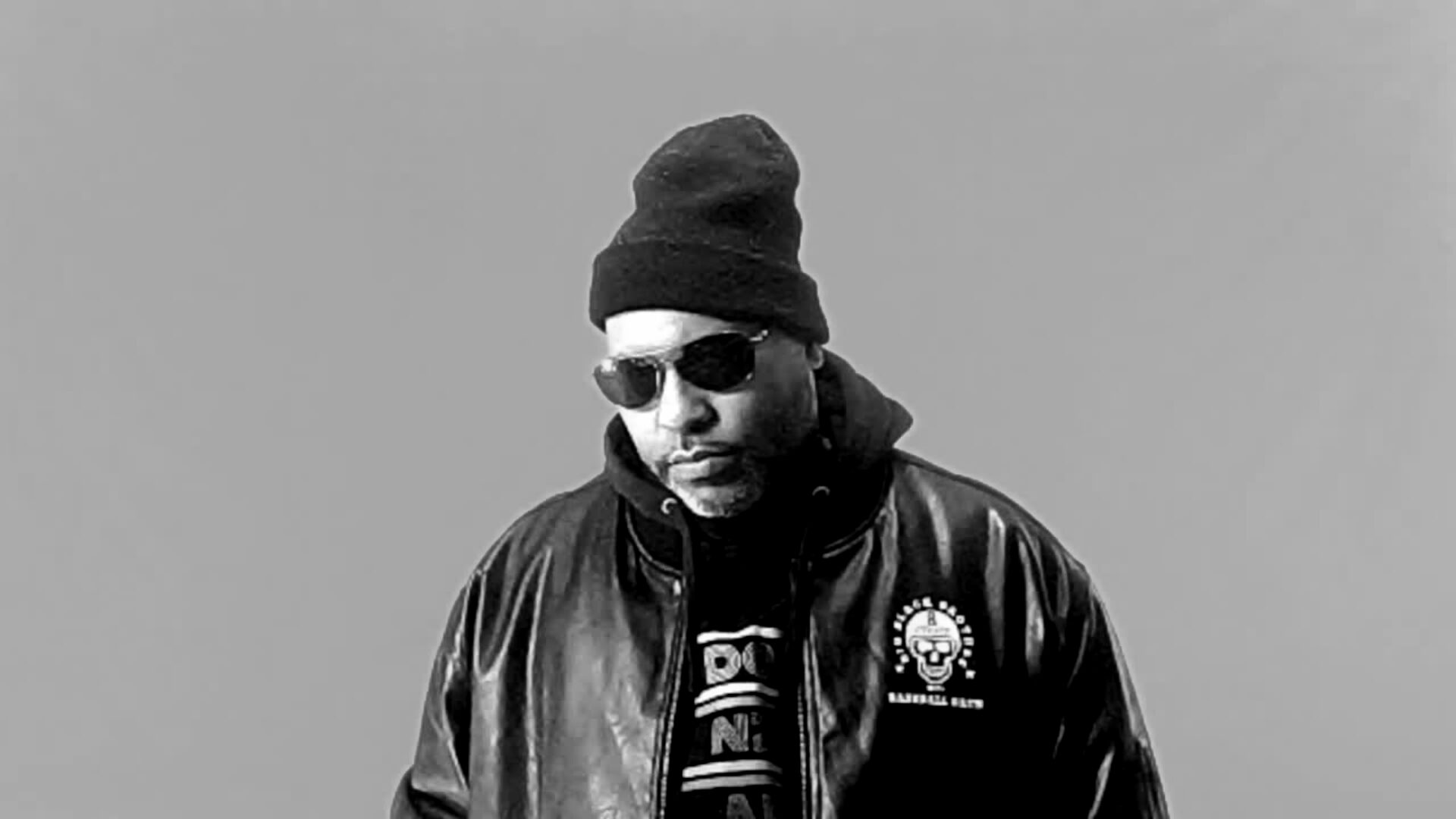
We recently connected with Nick Patterson and have shared our conversation below.
Nick, so great to have you on the platform and excited to have you share your wisdom with our community today. Communication skills often play a powerful role in our ability to be effective and so we’d love to hear about how you developed your communication skills.
Effective communication can only be developed through two mechanisms. The first being a command of the language through which you’re communicating, and a high enough emotional intelligence to “read a room” as they say. My emotional intelligence has always been my superpower, though it is still evolving, but to grasp the concepts of words and their different levels of efficacy from conversation to conversation, that only comes from reading.
I have been a fervent consumer of the written word from the time I was able to read, which was at a very young age. These days you will hear; From respected business professionals and “success guru’s”; that listening to a podcast performs at a rate equivalent to reading books, to inform oneself. But even without data in front of me, I would disagree with that advice. There is no sufficient substitute for reading. Although I am busier these days with getting an organization off the ground and into viability, I still read close to 20 books per year. As far as the second mechanism, or trait, I believe high EQ stems from a value system.
Thankfully, I had a parent who challenged me to think critically, yet through a fairness lens about the world around me, thus my values developed to see things as they are and not suffer any delusion about what I’d like them to be, though it remains in context of my worldview. When I see a person, I register their tone, their vocabulary, I quickly assess the power dynamic between us, their facial expression, my mood, and I visualize the different ways the conversation can go.
Perhaps a book exists to train on this ability, but my superpower is my inherent ability to converge these elements, analyze the situation, and adjust my communication, on a dime, if necessary.
Let’s take a small detour – maybe you can share a bit about yourself before we dive back into some of the other questions we had for you?
I founded RapVeterans because I had no other choice. Coming from Chicago and building my music career in Kansas, I didn’t have the luxury of lifelong connections or social capital in the local scene. Despite having stronger plans and ideas, I was left to figure things out on my own. No one was offering help, and the hip-hop community here was fragmented and misunderstood. So, I had to learn every part of this industry myself—booking shows, marketing, networking, producing projects, videography, graphic design, and even web design and recently, AI automation, while navigating the politics that come with hip-hop.
What I realized early on is that hip-hop makes the politics of the music industry more visible. You can see the game being played in ways that other genres might not notice. That’s both a burden and a gift. If you can survive and thrive in hip-hop, you can navigate any part of this industry. That understanding fueled my desire to build RapVeterans—to give independent artists the knowledge and tools to move smarter and more effectively.
RapVeterans isn’t just about making music; it’s about strategy, ownership, and resilience. It’s about teaching artists how to bypass the traps that are waiting for them—bad deals, shady promoters, and gatekeepers. I wanted to create a platform where artists could learn to run their own tours, market themselves, and own every part of their craft.
Empowerment is survival in this game. the rap scenes around the country were born out of necessity, out of doors being slammed shut. Artists had to carve out their own spaces and build their own movements. That mindset is still critical today. In Kansas and Missouri, where hip-hop is sidelined in favor of classic rock and country, that self-made mentality is even more important. The scene here is marginalized and boxed into stereotypes—rap is seen as music for gang culture or nightclubs, and only those styles are expected to thrive.
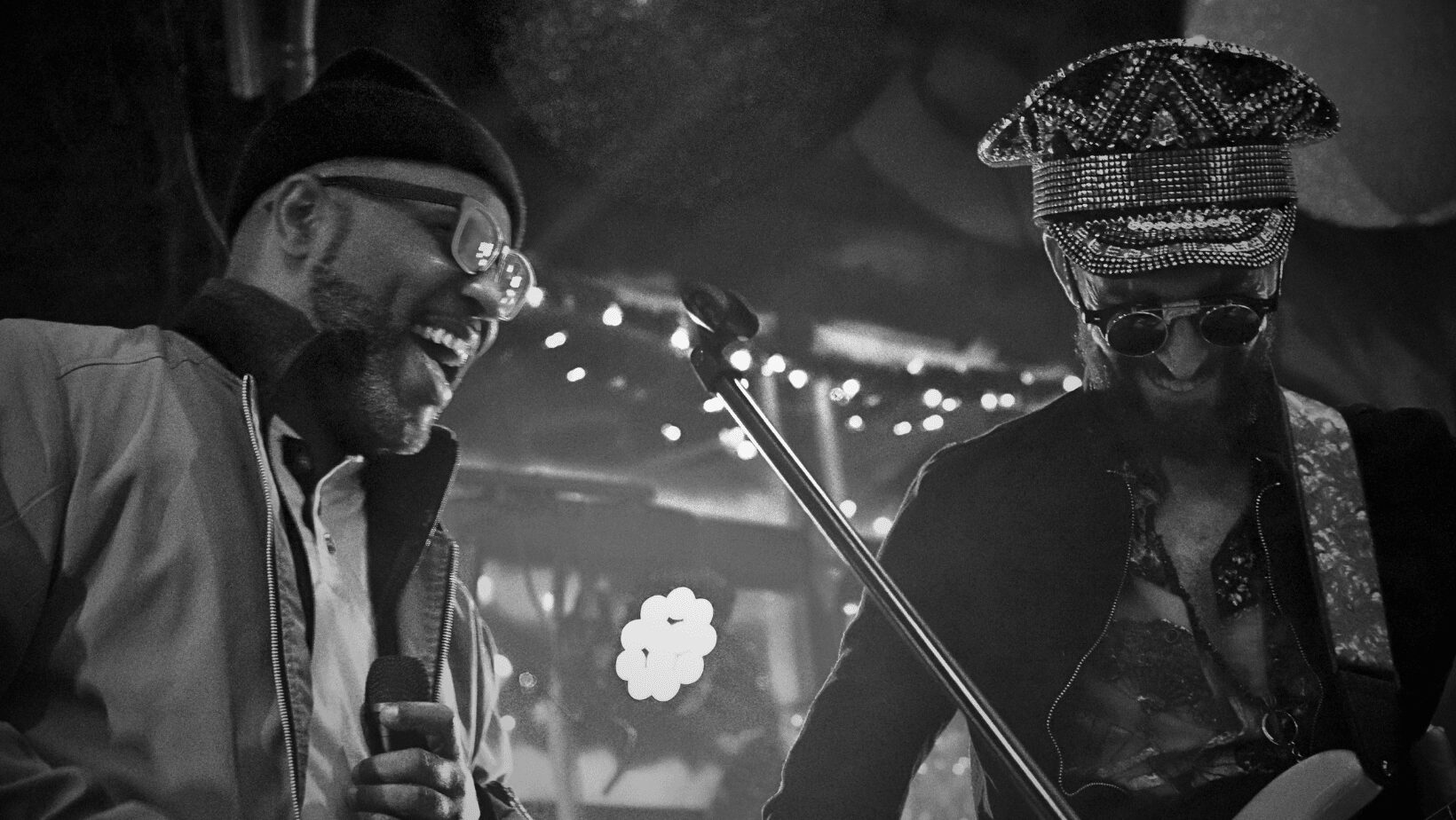
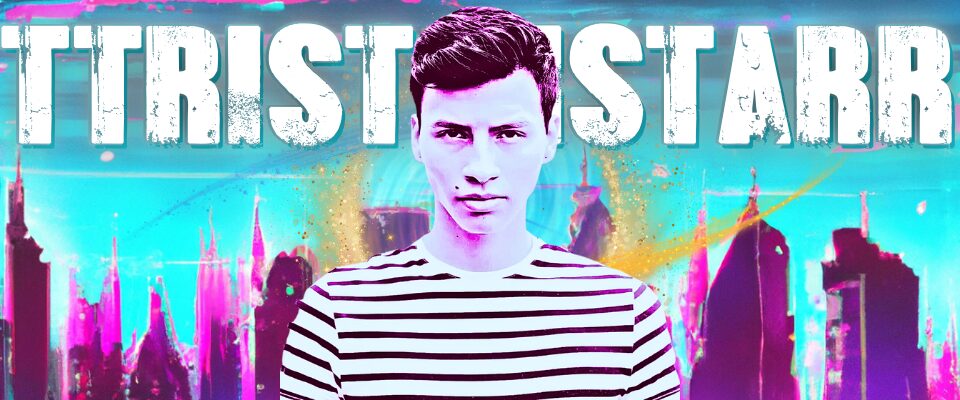
But we refuse to be put in a box. RapVeterans is about breaking those walls down. Our roster is diverse, spanning hip-hop, R&B, pop, and avant-garde sounds. Our flagship artist, TtristanstarR, embodies the heart of what hip-hop was meant to be—socially conscious, poetic, and impactful. His upcoming six-part EP series, “Saltburn,” is a testament to that mission.
We’re up against what I call “The Pre-Existing Condition”—the ingrained biases against hip-hop in this region. To overcome that, RapVeterans must be so innovative, so unique, that we can’t be ignored or dismissed. Despite our name, we’re building something that doesn’t fit into any existing category, forcing the industry to pay attention.
Empowering artists to own their music, their brand, and their business is how we level the playing field. When artists stop chasing validation and start building their own legacies, that’s when the culture shifts. That’s why RapVeterans exists—to turn independence into influence and to make sure our voices are heard, no matter where we are.
I have been so deadly serious about what my organization means to independent artists across the nation since before it come to be. I don’t know any other way to eloquate this “passion”.
Looking back, what do you think were the three qualities, skills, or areas of knowledge that were most impactful in your journey? What advice do you have for folks who are early in their journey in terms of how they can best develop or improve on these?
My utmost skill is in my ability to learn new things. I pride myself on the continued plasticity of my brain. I hold a firm belief that the day I stop being willing or able to learn is the day I begin dying. I am a friend to ignorance, I do not shy away from, nor do I misrepresent to myself, that I am ignorant of something. Once I find out that I simply do not know something, I set out to learn it. Without this skill, no other skill I acquire will be totally useful to me.
Another skill that has proven valuable to my journey is accountability. That would be more of trait, unless it is at the forefront of your philosophy. Everyday, I have a choice to “pass the buck” or not take responsibility, and everyday I fail to fail in that regard. Accountability is the only way you can be honest about your mission, honest about your positioning, and honest about what is required of you.
Adaptability, I believe everyone should have some experience in sales, which strengthens adaptability like no other opportunities have, ever.
My advice to anyone at the outset of their journey is to be honest with themselves and while your vision needs to remain central to your day-to-day activities, you also need to understand and identify what steps are needed to reach milestones and continue moving towards the vision…
In other words: Keep your light glowing at the top of the staircase so you can see where the steps are at the bottom, because we all should know that staircase is never a straight line.
What was the most impactful thing your parents did for you?
My mother had me in scouting and learning a foreign language at young age. Sadly, I have suffered atrophy with German, but I was able to travel to Germany as a child. The experiences I gained from being in another part of the world at such a young age has always shaped my worldview and serves as a reminder of two things: 1. I am nobody in the grand scheme of things, and this humility has been pivotal in driving me to build a name out of positive citizen-of-the-world approaches to dealings. And 2. I want to travel the world again. Anything I can do ethically to reach this goal, is what I’m about.
With scouting, I was able to learn first-aid. Did you know, every “first step” to first-aid is to bring the stress level down by taking control of the process. Remaining calm under pressure is the most valuable lesson I carry with me. It allows me to see beyond the problem and formulate solutions, rather than be in a constant state of reaction and panic.
I didn’t want to do either of those things, it wasn’t seen as “cool” in my social circle, and since all my friends would wake up on Saturday and watch cartoons, I would be learning German or attending a first-aid meet for scouting. It was hell, I was ridiculed for these “nerdy” things. But in the end, I became the most interesting person out of that group of friends… Thanks mom.
Contact Info:
- Website: https://rapveterans.com
- Linkedin: https://www.linkedin.com/in/njpatterson80/
Image Credits
Robin Cremer
Justise Mongold
so if you or someone you know deserves recognition please let us know here.