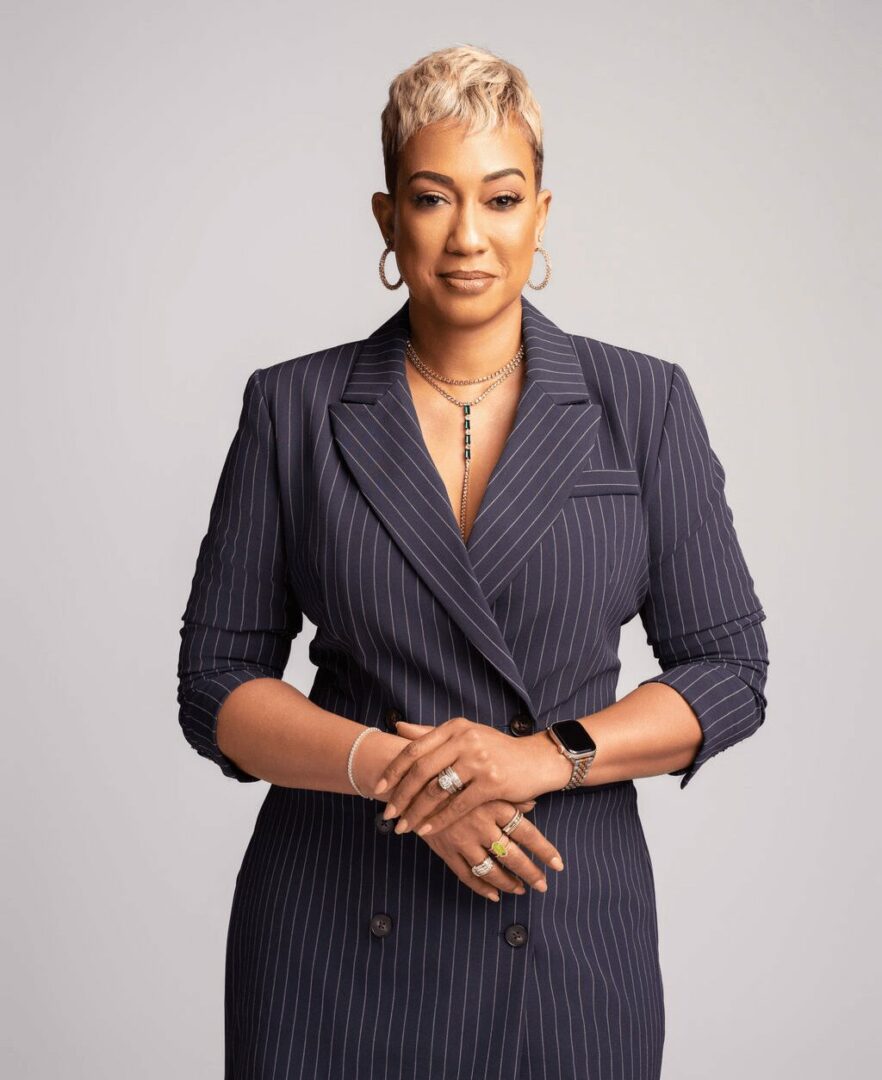
We caught up with the brilliant and insightful Nicole F. Smith a few weeks ago and have shared our conversation below.
Nicole F., so good to have you with us today. We’ve got so much planned, so let’s jump right into it. We live in such a diverse world, and in many ways the world is getting better and more understanding but it’s far from perfect. There are so many times where folks find themselves in rooms or situations where they are the only ones that look like them – that might mean being the only woman of color in the room or the only person who grew up in a certain environment etc. Can you talk to us about how you’ve managed to thrive even in situations where you were the only one in the room?
Being the only one in the room—especially as an attractive woman of color in the leadership and emotional intelligence space—has shaped how I lead. In this field, you don’t see many people who look like me at the front of the room, so I’ve had to learn how to hold my ground while staying true to who I am.
I know people form opinions before I speak. I’m aware of the assumptions, the extra scrutiny, and the unspoken expectations. Instead of reacting to that, I stay centered in my identity and in the value I bring. That clarity allows me to show up with confidence even when the room isn’t built for me.
I’ve learned to read the room without losing myself in it, manage the pressure that comes with being underestimated, and let my expertise speak louder than anyone’s projections. My presence and my work do the heavy lifting.
What’s at stake if I don’t operate this way is simple: I shrink, or I don’t performing. And neither serves me or the people I’m called to impact.
The benefit is that I walk in grounded, prepared, and fully aware of the unique perspective I bring. And it matters now more than ever—because thought leadership and emotional intelligence can’t be taught from a single lens. This field needs more representation, and I’m committed to being part of that shift.
Thanks, so before we move on maybe you can share a bit more about yourself?
A big part of why I do this work comes from my own upbringing. I grew up in an emotionally chaotic environment where regulation wasn’t modeled and expressing emotions often came with consequences. I had to learn—on my own—how to manage big feelings, how to pause instead of react, and how to communicate with intention.
Later, in the workplace, I saw a different kind of chaos: leaders with authority but no self-awareness, no emotional discipline, and no understanding of how their behavior shaped the culture around them. And I wasn’t exempt from the impact of unaddressed emotion either. I reached a breaking point early in my career and called a VP of Finance a bad word in a moment of pure overwhelm. That moment taught me how quickly trauma can walk into the workplace with you when you don’t have the tools to regulate it. It was a turning point. It pushed me to take emotional intelligence seriously—not as a trend, but as a necessity. It’s why I’m committed to helping leaders understand the weight of their presence and the ripple effects of their behavior. It’s personal for me, and it drives everything I do.
This is why I started JMS Creative Leadership Solutions, a leadership development and emotional intelligence firm built around my trademarked EQ Impact® Framework. My work centers on helping leaders communicate with clarity, manage their emotions under pressure, and build trust in a world that’s moving faster than most organizations are prepared for.
What excites me most is watching leaders finally see themselves clearly—sometimes for the first time. When a leader realizes that their self-awareness, emotional mastery, and relational skills are just as important as their technical skills, everything shifts. Teams communicate better. Conflict gets handled sooner. People feel seen. And leaders start showing up with a level of confidence and intention they didn’t know they were capable of.
What makes my work special is that I don’t teach emotional intelligence from theory. I teach it from lived experience. There aren’t many women of color in this industry, let alone those who are leading it. That perspective matters. It allows me to connect with people in a real, human way and help them apply EQ where it actually counts—everyday conversations, high-stakes moments, team dynamics, and personal growth.
My brand is bold, direct, and rooted in real transformation. I’m not interested in check-the-box training. I’m focused on helping people build emotional habits that change how they lead at work, at home, and in their communities.
Right now, I’m expanding the entire EQ Impact® ecosystem. I’ve released the full EQ Impact® Workbook Series and a second edition of my #1 bestseller, 20 Golden Leadership Nuggets | Refined by EQ Impact®, which now includes updated research, deeper leadership lessons, and new tools to help readers apply emotional intelligence in real time. I’m also preparing for expanded corporate partnerships that include fractional learning and development support, high-impact keynotes, and leadership programs that will start rolling out in 2026.
Everything I do comes back to one goal: helping people lead with emotional brilliance, not just titles or authority. Because when people understand themselves, they show up differently—and that’s where real impact begins.
Looking back, what do you think were the three qualities, skills, or areas of knowledge that were most impactful in your journey? What advice do you have for folks who are early in their journey in terms of how they can best develop or improve on these?
The three qualities that shaped my journey the most were self-awareness, emotional discipline, and the ability to read people and situations with precision.
Becoming self-aware changed everything for me. I had to learn who I was, what I valued, and what triggered me because without that clarity, I kept repeating the same patterns.
Advice: Slow down long enough to notice your reactions, your habits, and the stories you tell yourself. You can’t grow past what you refuse to acknowledge.
Gaining emotional discipline wasn’t natural for me. I grew up around emotional chaos, and I carried that into adulthood until it cost me a moment at work I’ll never forget. Once I learned how to regulate my emotions instead of being ruled by them, my leadership transformed.
Advice: Build small habits that strengthen your pause such as, breathing, journaling, reflecting before responding. Emotional discipline is built through repetition, not perfection.
Social intelligence helped me be able to read the room, understand dynamics, and navigate people without losing myself has been a critical skill. It helped me become effective even in spaces where I was the only one who looked like me.
Advice: Pay attention. Watch how people engage, shut down, avoid, or connect. Don’t just listen to words—listen to patterns. The more attuned you are, the more influence you have.
For anyone early in their journey, here’s the truth, you can’t skip the internal work. Skills and credentials matter, but your emotional intelligence determines how far you can actually go. Invest in knowing yourself, managing yourself, and understanding others. That’s the real competitive advantage.
What’s been one of your main areas of growth this year?
The biggest area of growth for me in the past 12 months has been expanding my mindset to match the level of impact I’m stepping into. I’ve always been confident in my expertise, but this past year forced me to think bigger, lead bolder, and stop playing small in rooms I’ve already earned my place in.
Professionally, I’ve been moving into larger organizational partnerships—corporations, universities, and enterprise-level L&D work. That required me to strengthen my systems, refine my messaging, and build a leadership ecosystem that scales beyond just me. Creating my EQ Impact® Workbook Series, releasing my book 20 Golden Leadership Nuggets | Refined by EQ Impact®, and expanding the EQ Impact® Labs pushed my leadership and my creativity forward.
But the real growth was internal. I had to let go of the habits that kept me operating like a solo practitioner and start thinking and acting like the CEO of a growing leadership development firm. I had to confront my own bias about being “the only one in the room,” trust my voice more, and regulate the self-doubt that shows up when you start aiming higher.
My podcast, “Blow Your Mind(set)”, played a big role in that growth. Speaking openly about perspective shifts, confidence, and emotional intelligence forced me to hold myself accountable to the same principles I teach. It kept my mindset strong, my voice consistent, and my purpose clear.
The past 12 months stretched me. They required emotional discipline, strategic thinking, and a level of visibility I once avoided. And that growth is exactly what prepared me for the bigger work I’m stepping into next.
Contact Info:
- Website: https://www.thenicolefsmith.com/
- Instagram: https://www.instagram.com/thenicolefsmith
- Linkedin: https://www.linkedin.com/in/nicolesmithatjms
- Youtube: https://www.youtube.com/@thenicolefsmith
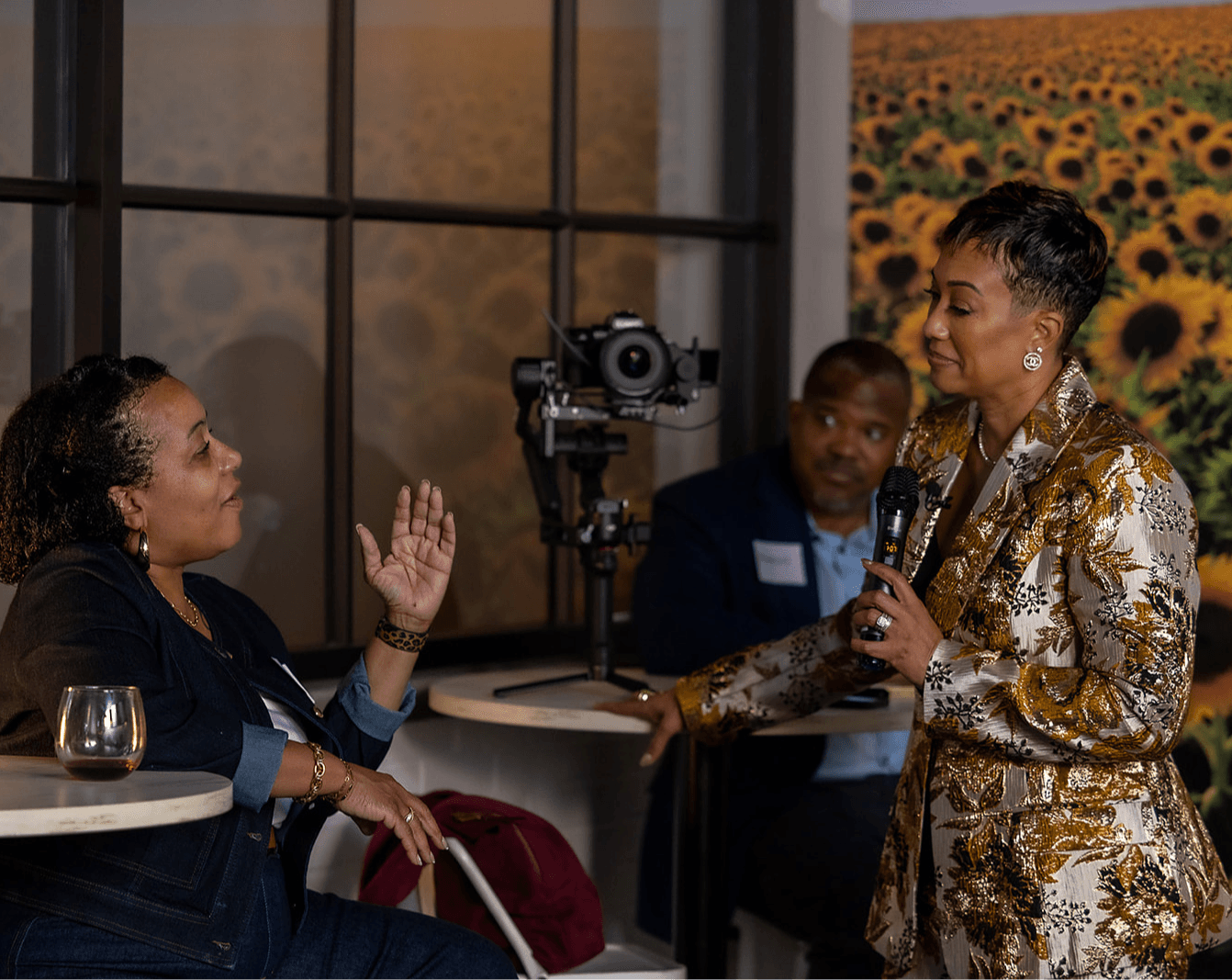

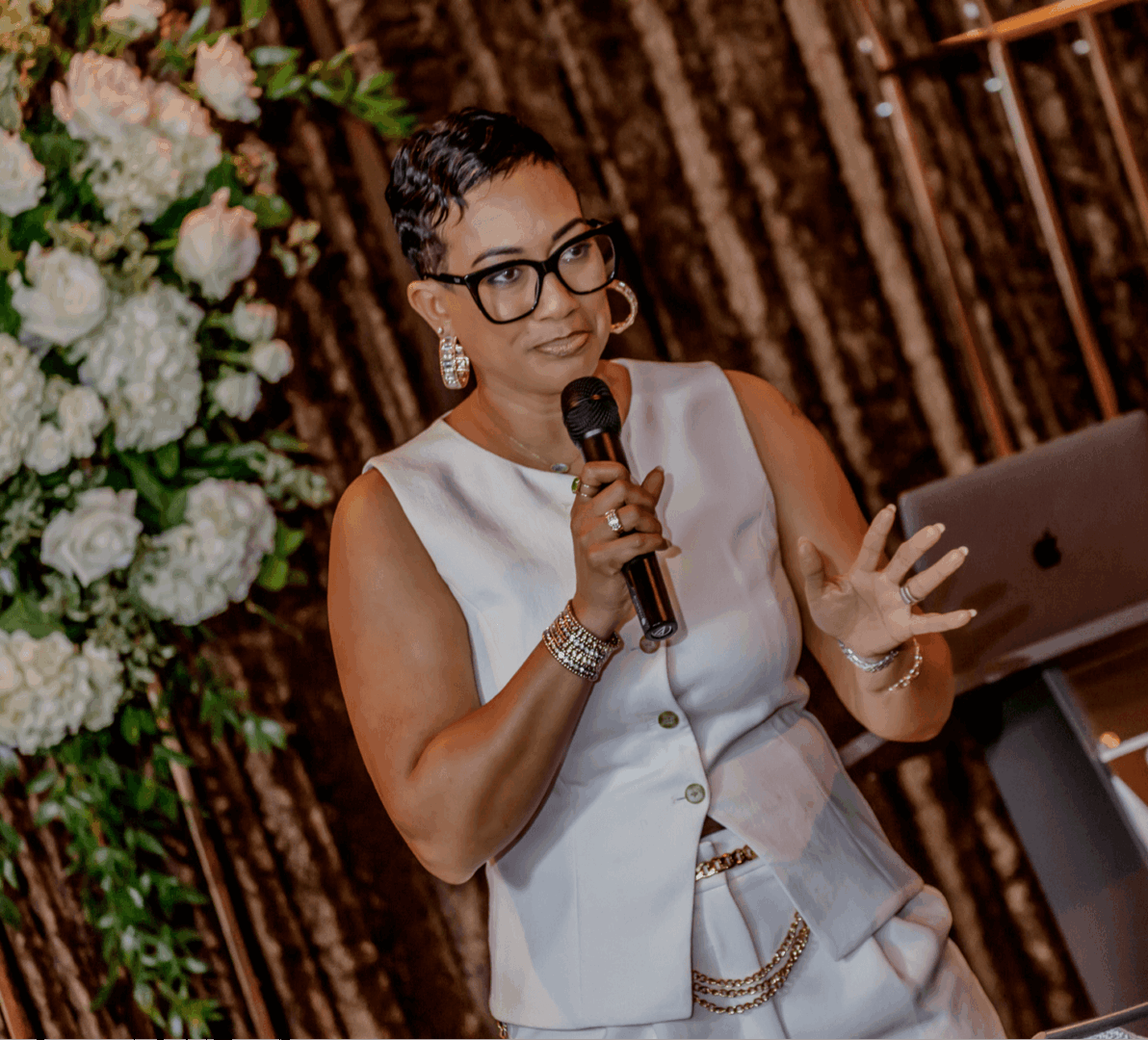
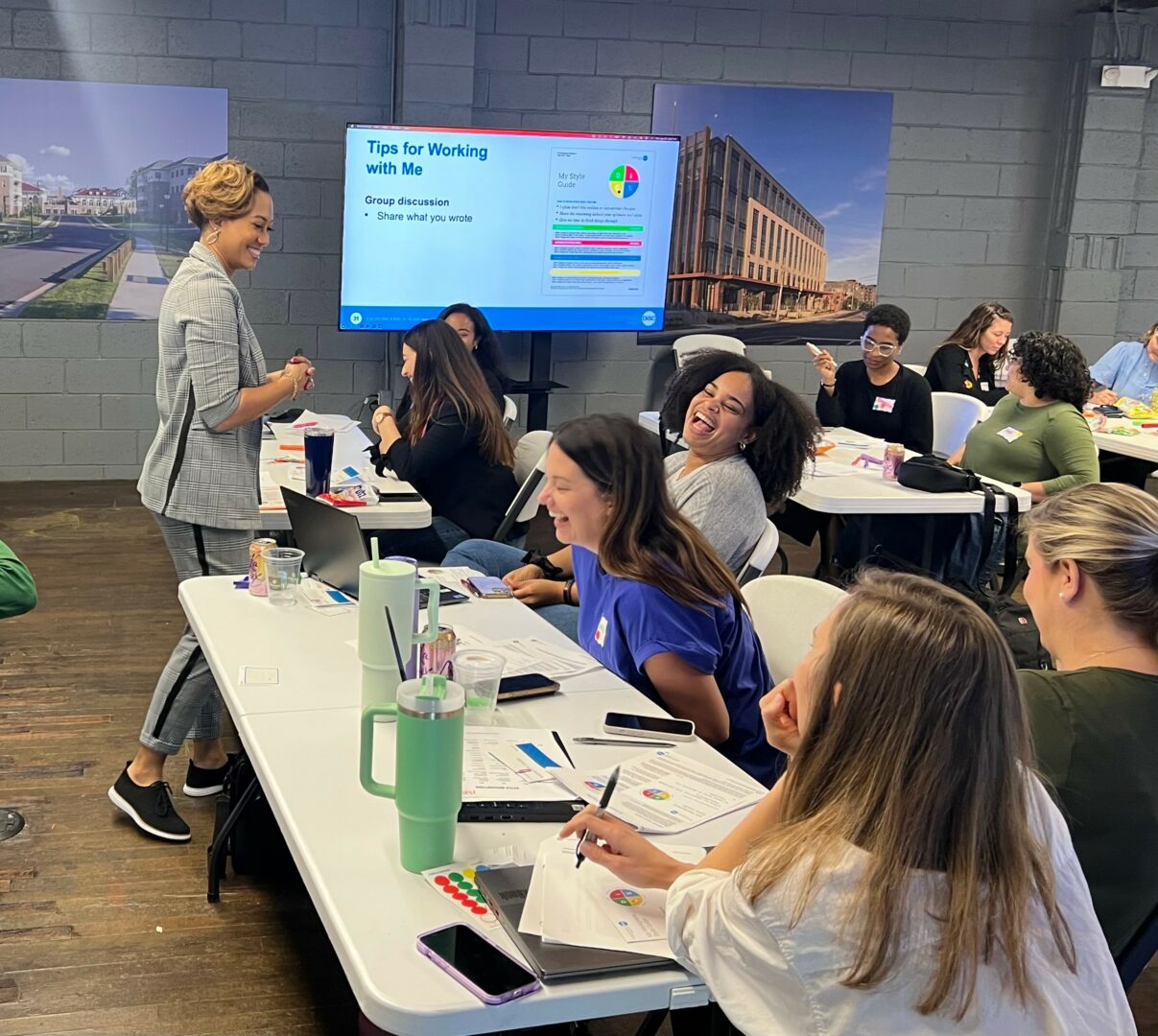
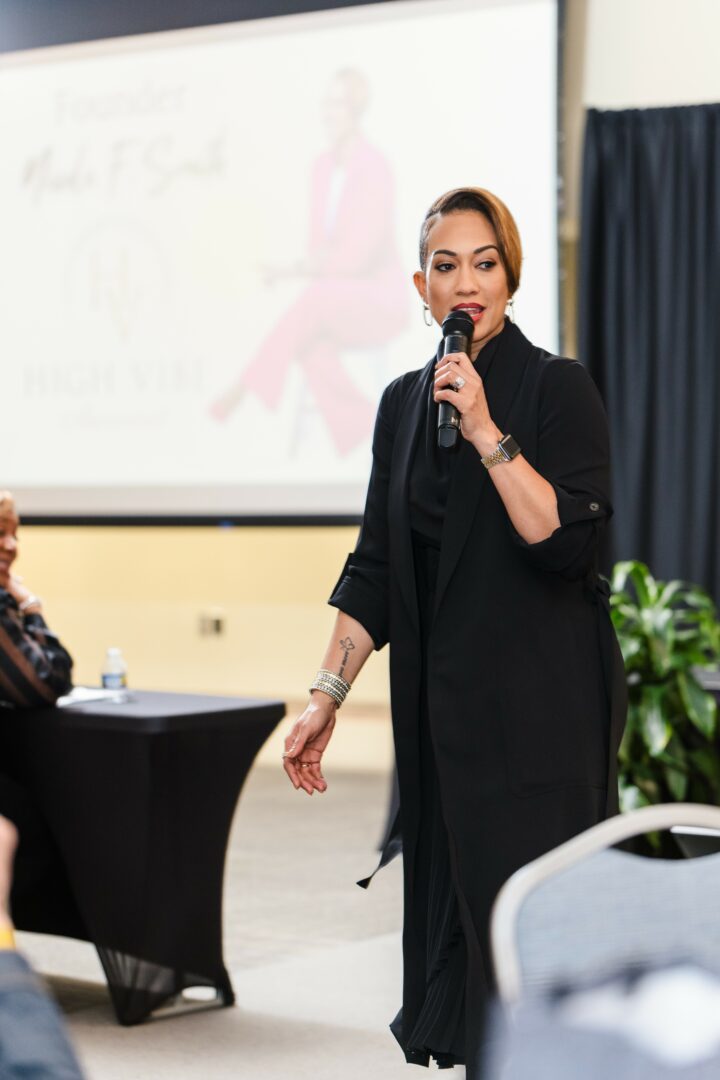
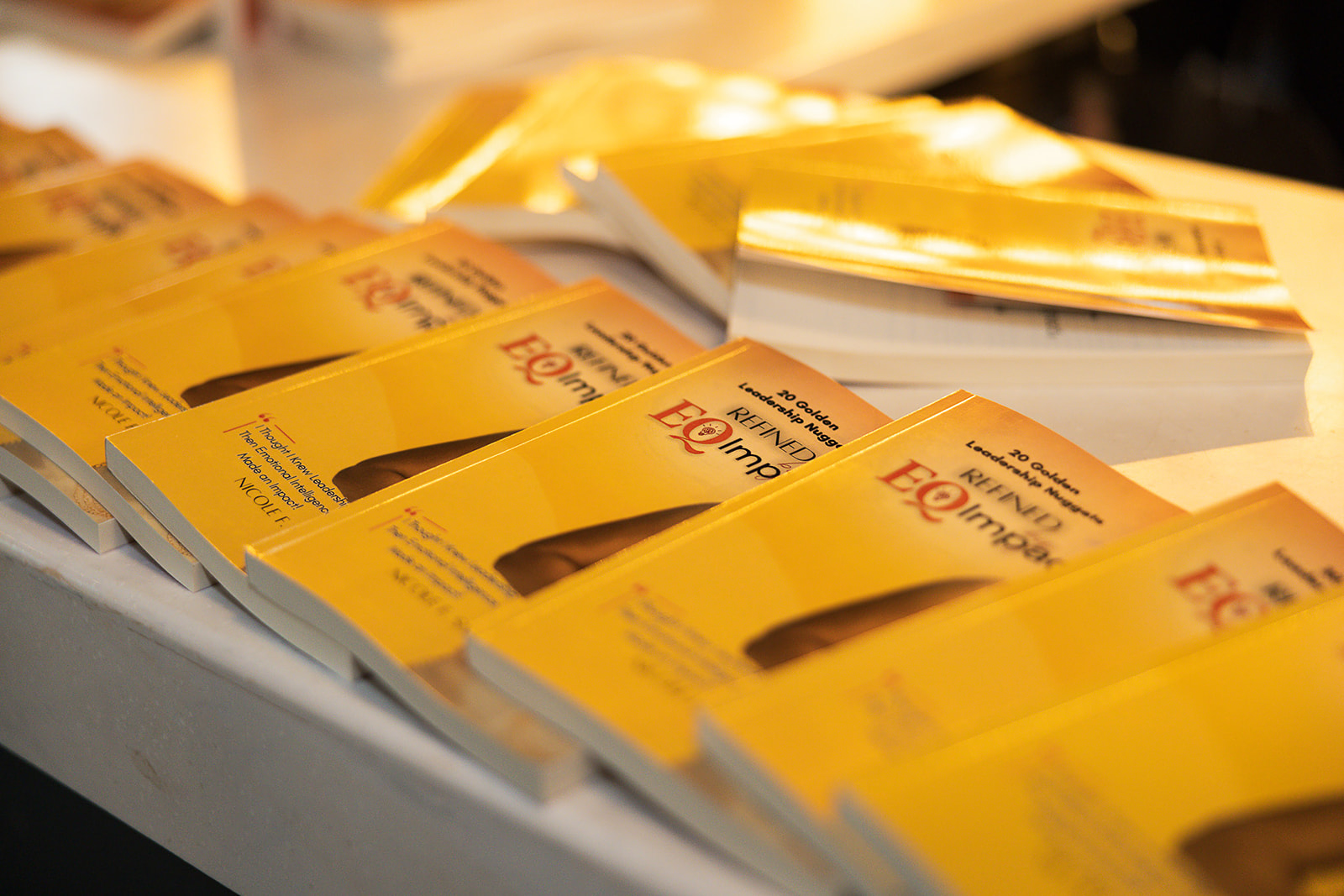
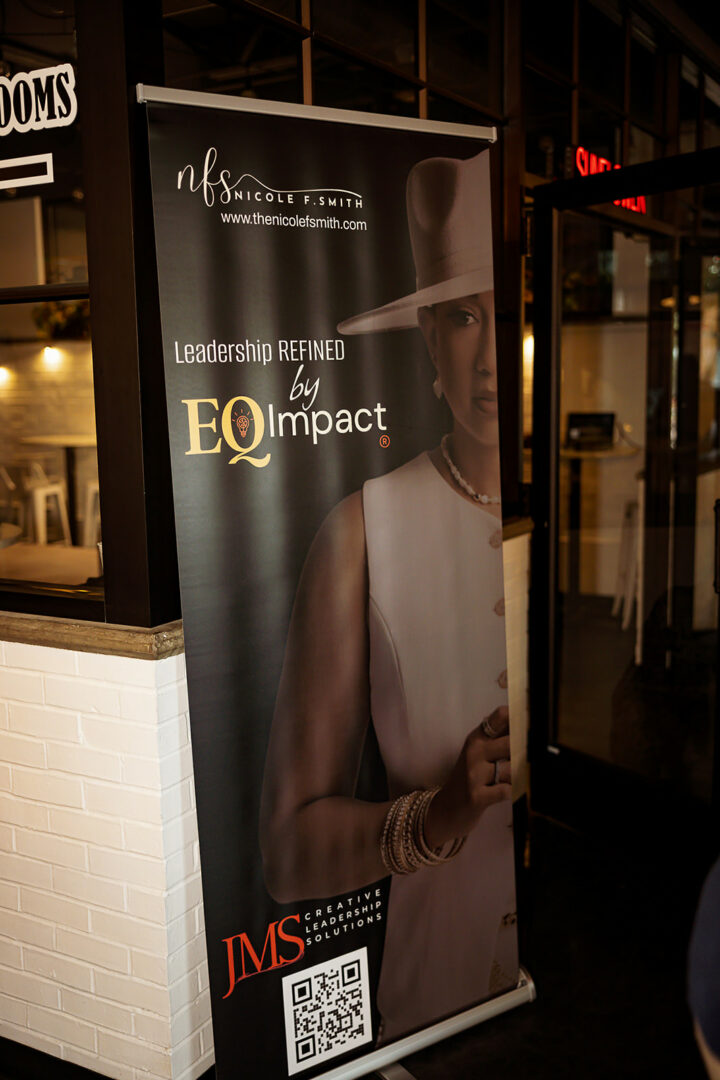

Image Credits
MoonKing Moments Photography | Charlotte, NC
180 Productions | Charlotte, NC
Justin Marcus Smith | Charlotte, NC