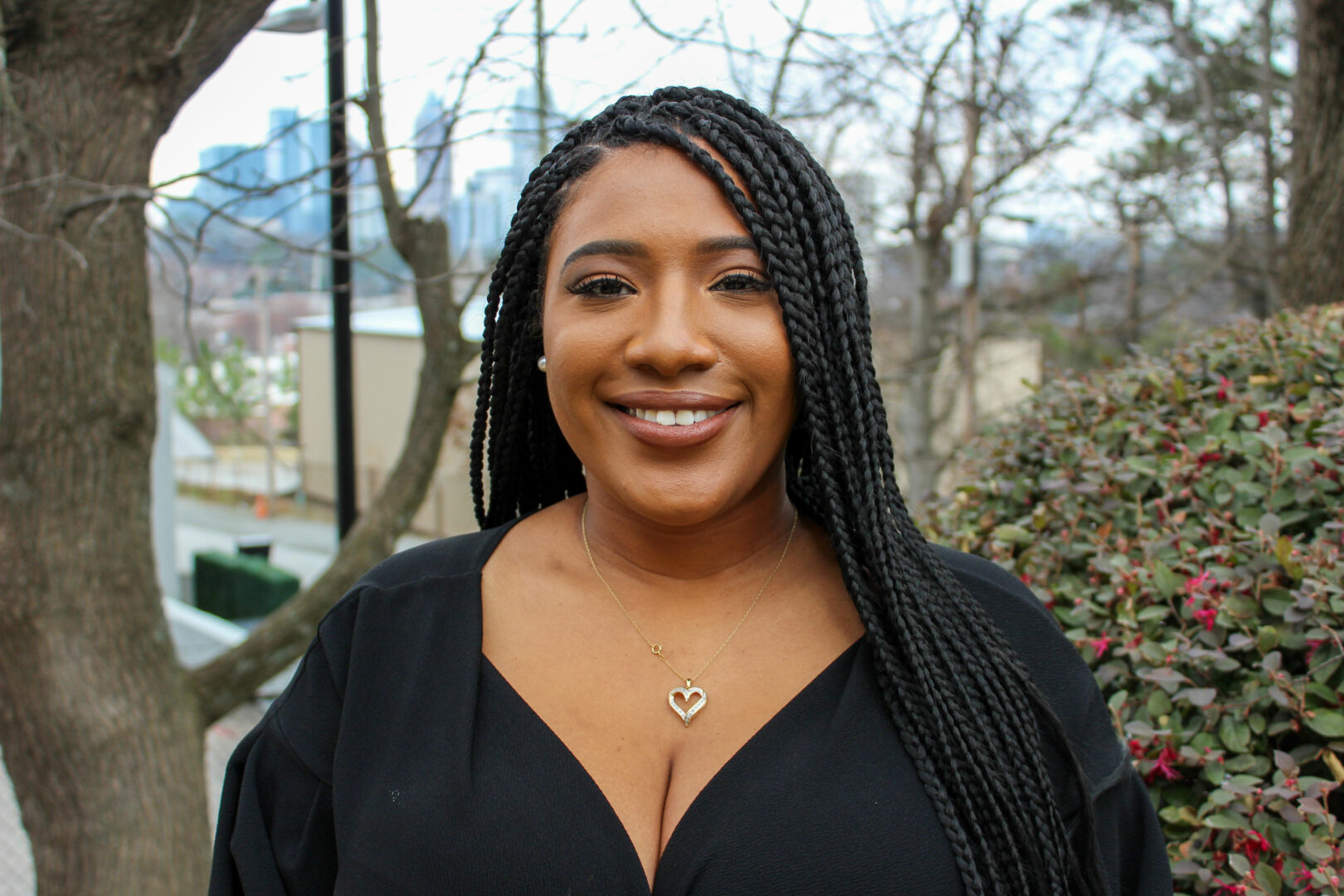
Alright – so today we’ve got the honor of introducing you to Nikki Terry. We think you’ll enjoy our conversation, we’ve shared it below.
Nikki, we’re thrilled to have you sharing your thoughts and lessons with our community. So, for folks who are at a stage in their life or career where they are trying to be more resilient, can you share where you get your resilience from?
My resilience comes from two women: my mother and my paternal grandmother.
I grew up as an adult child of addicts, always attuned to emotional shifts and unspoken danger. As the only girl and a middle child, I learned early how to make myself small, how to anticipate conflict, and how to smooth things over before they built up. That instinct followed me into adulthood as a people-pleaser and overcome with self-doubt. My mother lived most of her life undiagnosed with Bipolar Disorder, and for years I felt tethered to her mental health, learning boundaries only after I had already been depleted.
Art became the place where my resilience began to take shape. Before returning to making work, I felt emptied out. The first time I encountered a Mark Rothko painting, I felt an immediate stillness from the scale, the color, and his quiet emotional weight. His work taught me that feeling deeply is not a weakness, and that healing comes from allowing emotion to exist without explanation or defense. Through art, I learned how to sit with myself and redirect pain into care.
My paternal grandmother, born in 1925, was our family’s matriarch. A devout woman of faith, she raised seventeen children with discipline, compassion, and unwavering belief. Her strength was quiet and constant, shaped by responsibility and endurance rather than recognition. Watching her taught me that resilience doesn’t always look like resistance; sometimes it looks like survival carried with grace.
Today, resilience means reclaiming my voice. It means interrogating inherited silence and choosing to speak anyway. Writers like bell hooks helped me understand that healing is both personal and cultural, especially for Black women. My resilience exists so that the women who came before me are remembered not only for what they endured, but for the strength they passed down. Through my voice, my art, and my healing, I offer recovery to their stories — and to my own.
Appreciate the insights and wisdom. Before we dig deeper and ask you about the skills that matter and more, maybe you can tell our readers about yourself?
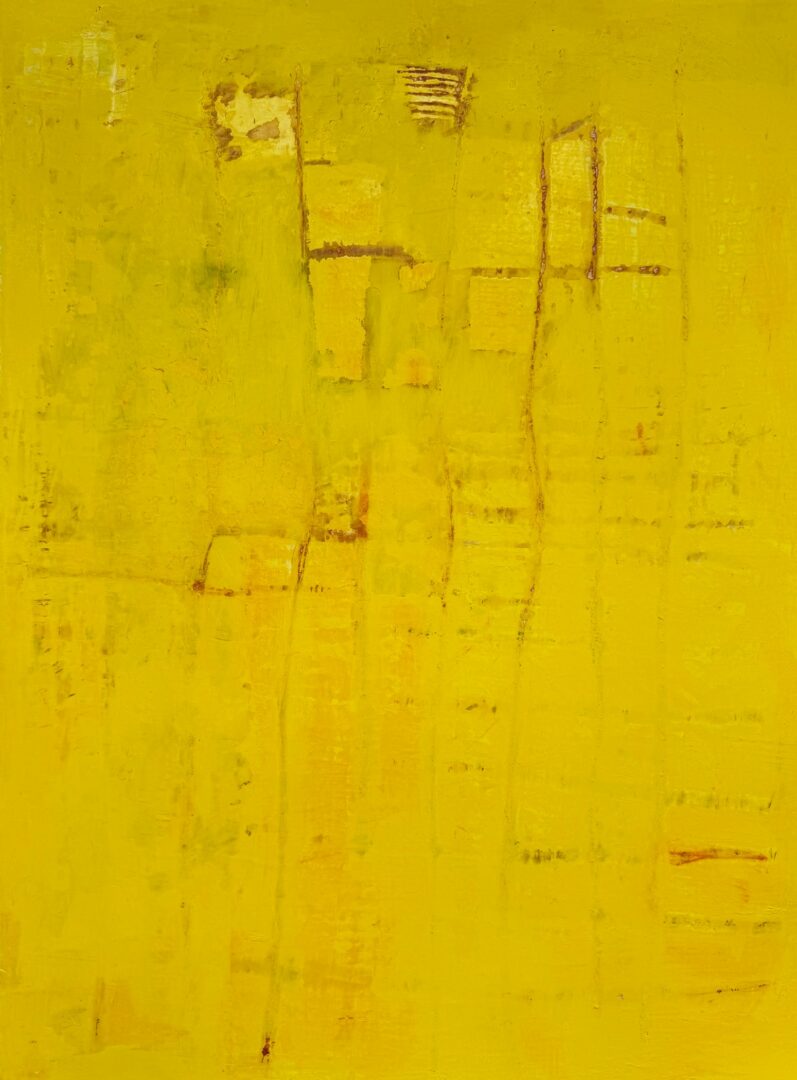
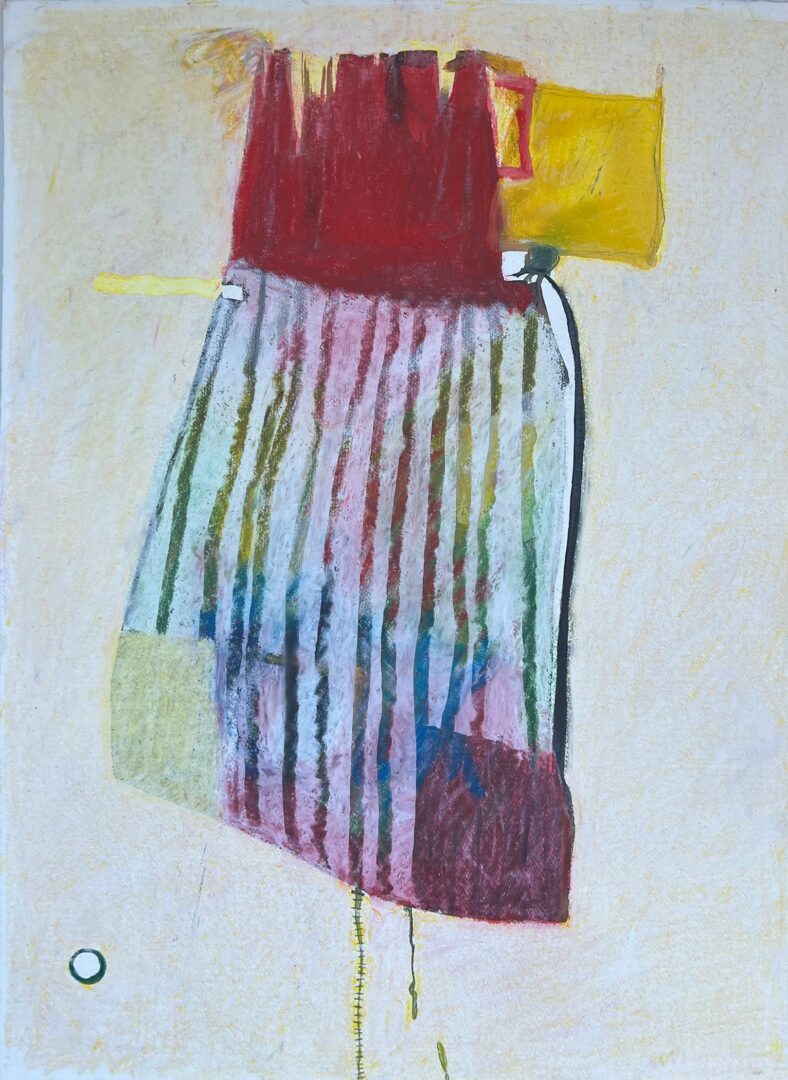
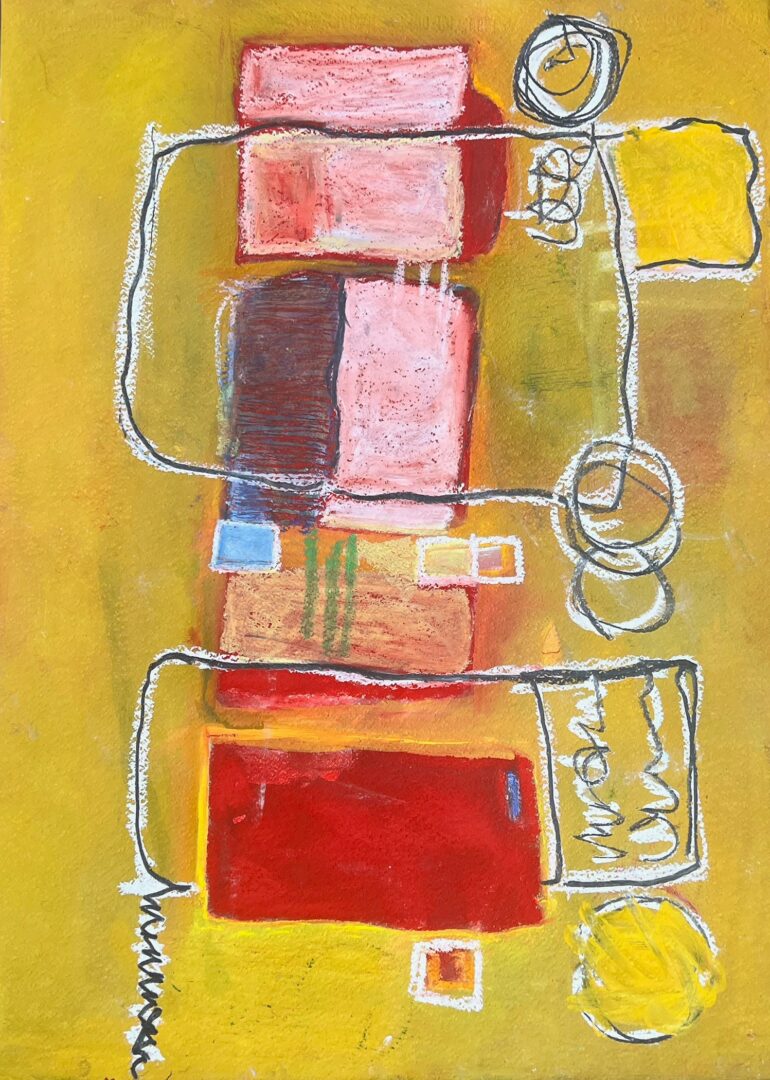
I’m a multidisciplinary creative whose work centers care, clarity, and interiority especially for women. While I’m an abstract painter, my practice extends beyond the studio into organizational work, website design, and writing, all guided by the same intention: creating spaces where people feel seen, supported, and emotionally safe.
My paintings explore what it means for Black women to keep something for themselves: tenderness, self-love, and interior life within and against cultural expectations. I work abstractly because emotion doesn’t move in straight lines. Through layering, imperfect forms, and intuitive color, I create work that prioritizes feeling over explanation and rest over performance.
Professionally, my background is as an executive assistant, where I’ve supported leadership, managed complex workflows, and helped organizations operate with care and clarity. Over time, that work deepened my interest in how programs are built, sustained, and experienced by the people they serve. Supporting systems, not just individuals, became a meaningful extension of my creative values.
Alongside this, I also work as a website designer, helping artists and organizations translate their missions into clear, thoughtful visual stories. Design, like my paintings, is a practice of listening, making room for complexity while ensuring accessibility and ease.
Lately, I’ve also been turning toward writing personal essays as a way to process lived experience and break long-held silence. Writing allows me to speak to other women who may be navigating similar histories, offering connection rather than resolution. Across painting, organizational support, design, and writing, my work is rooted in preservation of interior life, emotional truth, and care.
At this stage, I’m especially interested in program assistant or coordinator roles within organizations that support women, the arts, and community-centered healing spaces where care, creativity, and infrastructure work together to help people feel held rather than managed.
Looking back, what do you think were the three qualities, skills, or areas of knowledge that were most impactful in your journey? What advice do you have for folks who are early in their journey in terms of how they can best develop or improve on these?
Resilience comes from surviving and navigating environments that often silenced or minimized me. It’s the skill of returning to yourself after difficulty, of setting boundaries, and of trusting that your voice matters. One lesson I carry closely and I want to emphasize, especially for women, is this: if something happens that leaves you feeling unsafe or unsettled, trust your feelings without shame or guilt. You don’t need to overanalyze or doubt your experience; acknowledging your own discomfort is a form of strength. Practicing this self-trust, along with self-care and affirming your own perception lays the foundation for true resilience.
Curiosity has been essential — curiosity about art, people, systems, and myself. It’s what pushed me to explore painting, web design, organizational support, and writing. Early in your journey, remain relentlessly curious. Ask questions, try things that scare you, and allow yourself to fail. Each experiment builds a broader toolkit and reveals parts of yourself you wouldn’t have known otherwise.
Finally, the ability to hold complexity, embracing contradictions, emotions, and multiple perspectives at once has been transformative. Growing up, I learned that life, people, and even my own feelings are rarely simple or linear. Developing this skill takes reflection, openness, and honest self-examination. For those beginning, I suggest a meditative practice like yoga, and immersing yourself in work so that you can challenge yourself to sit with nuance rather than seek easy answers.
Together, these qualities have allowed me to navigate both personal and professional challenges, and to translate lived experience into creative work, supportive structures, and writing that can resonate with others. My advice to anyone early in their journey is to cultivate them intentionally: resilience through care and self-trust, curiosity through exploration, and complexity through reflection.
All the wisdom you’ve shared today is sincerely appreciated. Before we go, can you tell us about the main challenge you are currently facing?
One of the greatest challenges I’m facing right now is navigating grief while caring for my mother as she declines from dementia and congestive heart failure. My relationship with her has always been complicated. I would often say, “I love my mother, but I don’t like her.” That came from years of resentment, from trying to protect myself in the midst of her undiagnosed bipolar disorder, and from not understanding the forces that shaped her behavior. My mental and emotional life was fragmented as a result, and I spent decades building walls to preserve myself.
Becoming her caretaker shifted everything. She apologized to me in a way that changed our dynamic: “Nikki, I don’t know why I treated you the way I did for all those years, but I am sorry. You didn’t deserve it.” That apology opened a new emotional space for me, one in which I could begin to dismantle the protective structures I had held up for so long. It’s been both liberating and destabilizing. As those walls have tumbled, I’ve had to confront layers of identity, imposter syndrome, and grief, all while witnessing her gradual decline.
This challenge has been different from others I’ve overcome because it touches the core of my emotional life and my sense of self. I am actively doing the work: re-regulating myself, setting boundaries, seeking support, and allowing myself to feel without judgment. I approach it with the same resilience that has carried me through earlier challenges, but I also recognize that grief is ongoing, layered, and requires patience and care.
Through this experience, I’ve learned that resilience isn’t only about endurance. It’s about presence, self-compassion, and the courage to face the spaces we once avoided. This work informs not only my personal life but also my creative and professional endeavors, reminding me of the importance of empathy, emotional attunement, and care in everything I do.
Contact Info:
- Website: https://www.nikkiterry.com
- Instagram: nikkiterryart
- Linkedin: https://www.linkedin.com/in/nicole-slota-terry-825a7051/
- Other: website design portfolio- www.orangecustard.com
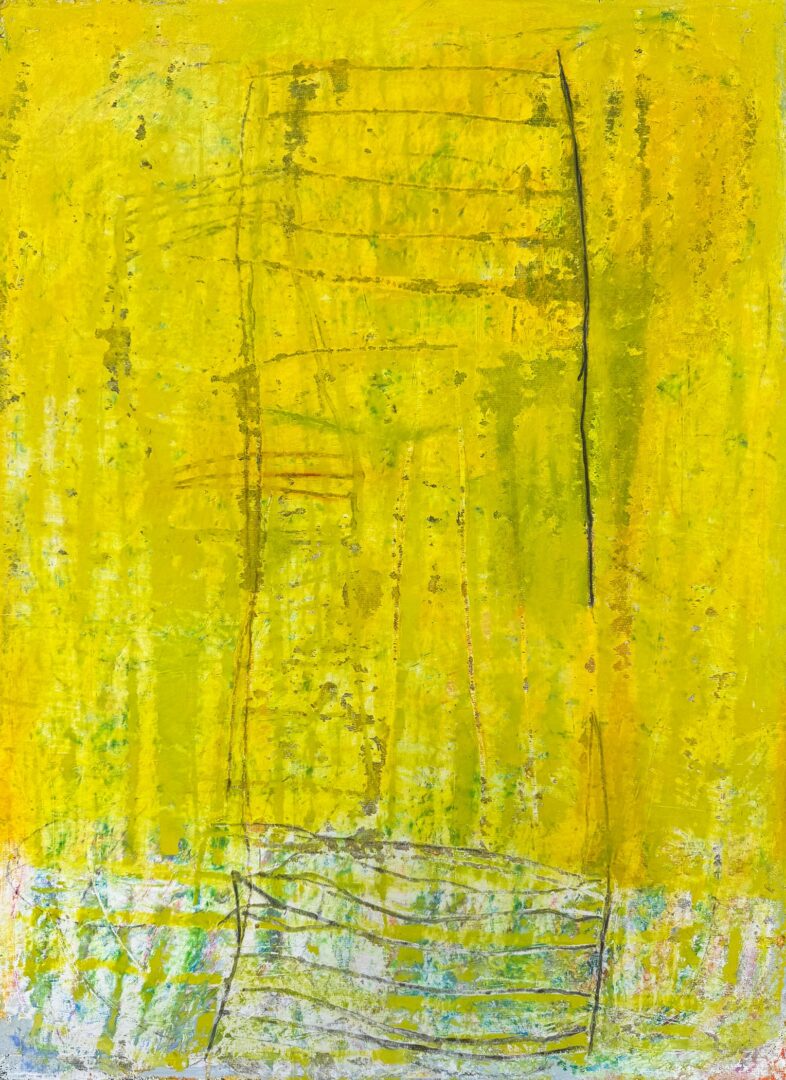
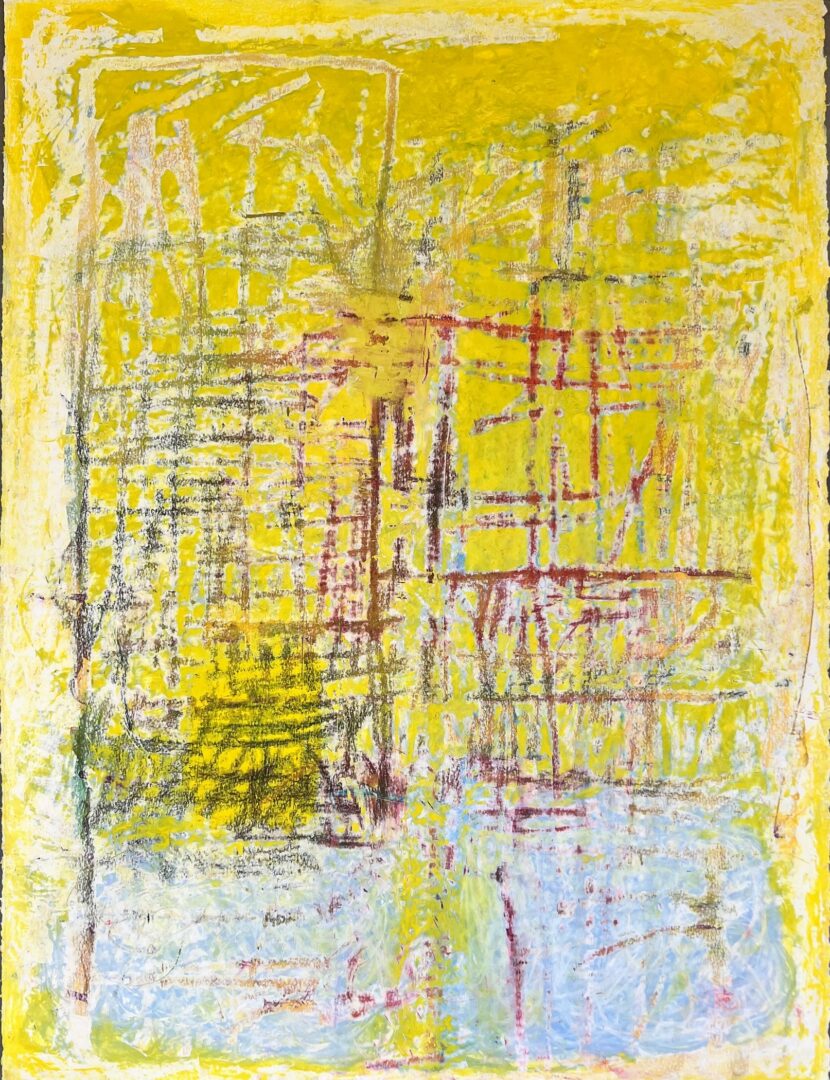
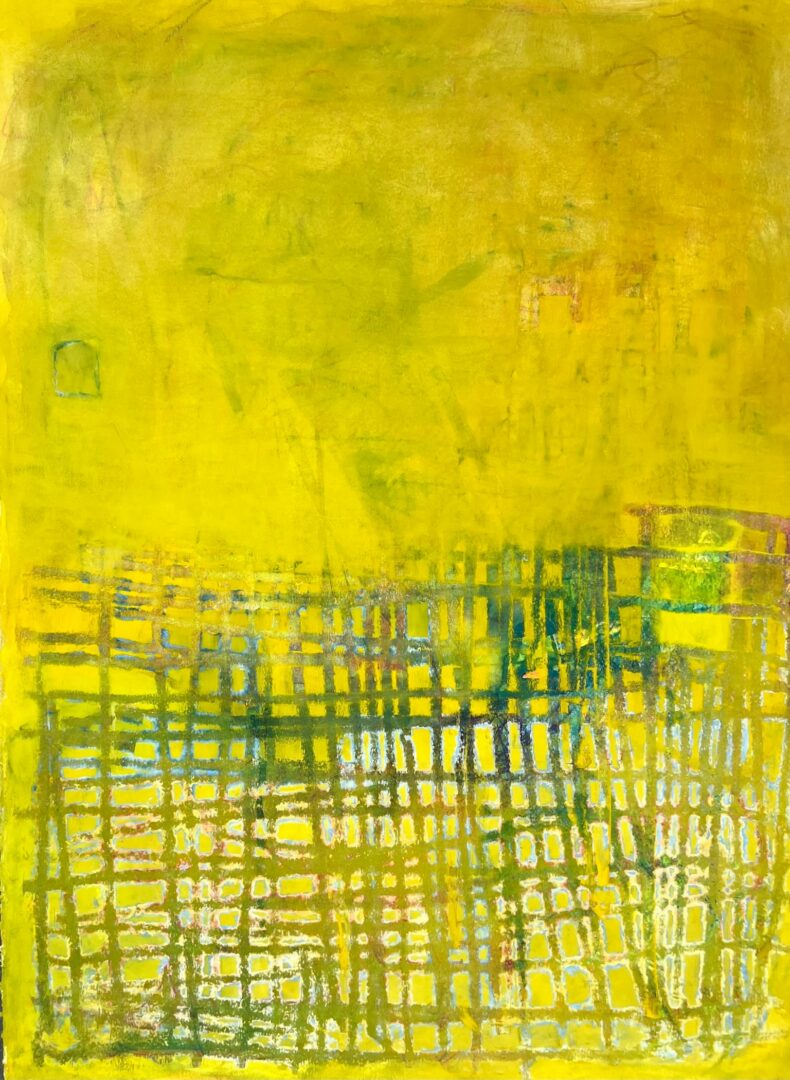
Image Credits
Photo of artist by Kato
so if you or someone you know deserves recognition please let us know here.