We were lucky to catch up with Nirmayee (Nemo) Dighe recently and have shared our conversation below.
Hi Nirmayee (Nemo), thanks for sitting with us today to chat about topics that are relevant to so many. One of those topics is communication skills, because we live in an age where our ability to communicate effectively can be like a superpower. Can you share how you developed your ability to communicate well?
My ability to communicate effectively started long before my career. As a kid, I loved debate and elocution competitions. I loved the stage, the mic, and the exchange of ideas. I learned early that communication is not about being the loudest voice, but about being able to take a thought, shape it clearly, and deliver it in a way that makes people stop and reflect. Those experiences taught me confidence, presence, and the importance of choosing my words with intention.
As I grew into my career, especially in data and technology, I realized that effective communication is really about translation. Data by itself does not inspire action. Technical explanations do not create alignment. What makes the difference is the ability to bridge two worlds. When AI tools like GPT began automating parts of my work, I suddenly had the space to focus on a different skill: learning to speak multiple languages. The language of business and the language of tech. The analytical and the human. The numbers and the narrative.
This became my strength. I communicate best when I step back and ask, “What does this person need to understand to feel confident making a decision?” Then I tailor the message to that need. Sometimes that means simplifying. Sometimes it means storytelling. Sometimes it means asking a better question before giving an answer.
Another important part of effective communication came from mentors in my workplace. They helped me face my own imposter syndrome and taught me that clarity is a form of leadership. They encouraged me to speak up even when I felt like the only one in the room, and to make room for others whose voices also deserved to be heard.
Today, communication is not just a skill for me. It is something I practice with purpose. Whether I am presenting data, guiding teams through AI adoption, speaking on stage, or mentoring someone one on one, my goal is always the same: create clarity, build connection, and make people feel seen and empowered.
Thanks, so before we move on maybe you can share a bit more about yourself?
My work is about transforming how organizations use data to make smarter, more human-centered decisions. I sit at the intersection of data strategy, AI adoption, and organizational change. What excites me most is helping teams move beyond dashboards and reports and into true insight: using data to tell stories, drive alignment, and empower people to make better decisions confidently.
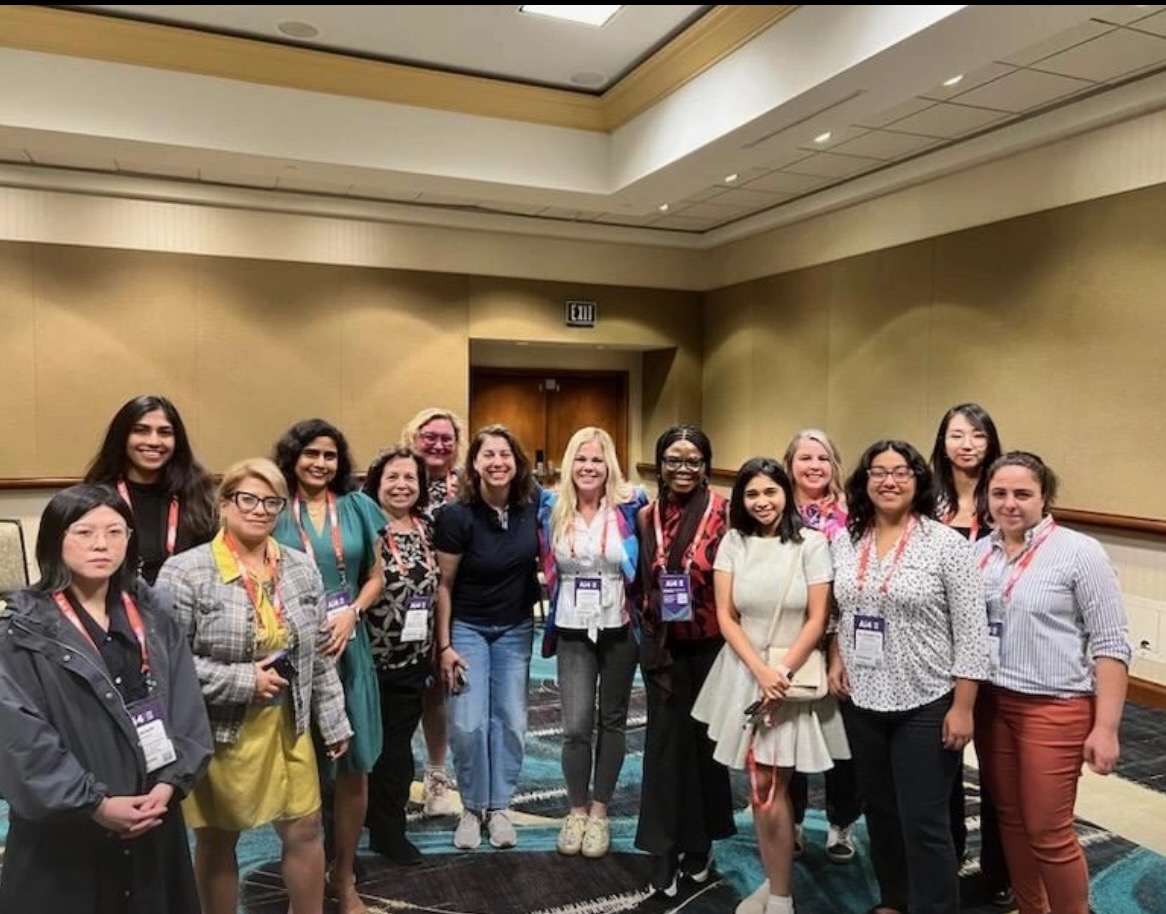
In addition to my corporate role, I am deeply committed to community and professional development. I serve as a Mentor at Women in Agile, supporting early and mid-career professionals who are navigating layoffs, career transitions, and growth opportunities. I also serve as the Director of Professional Development at PMI Buffalo, where I help create learning experiences that build modern and future-ready leaders.
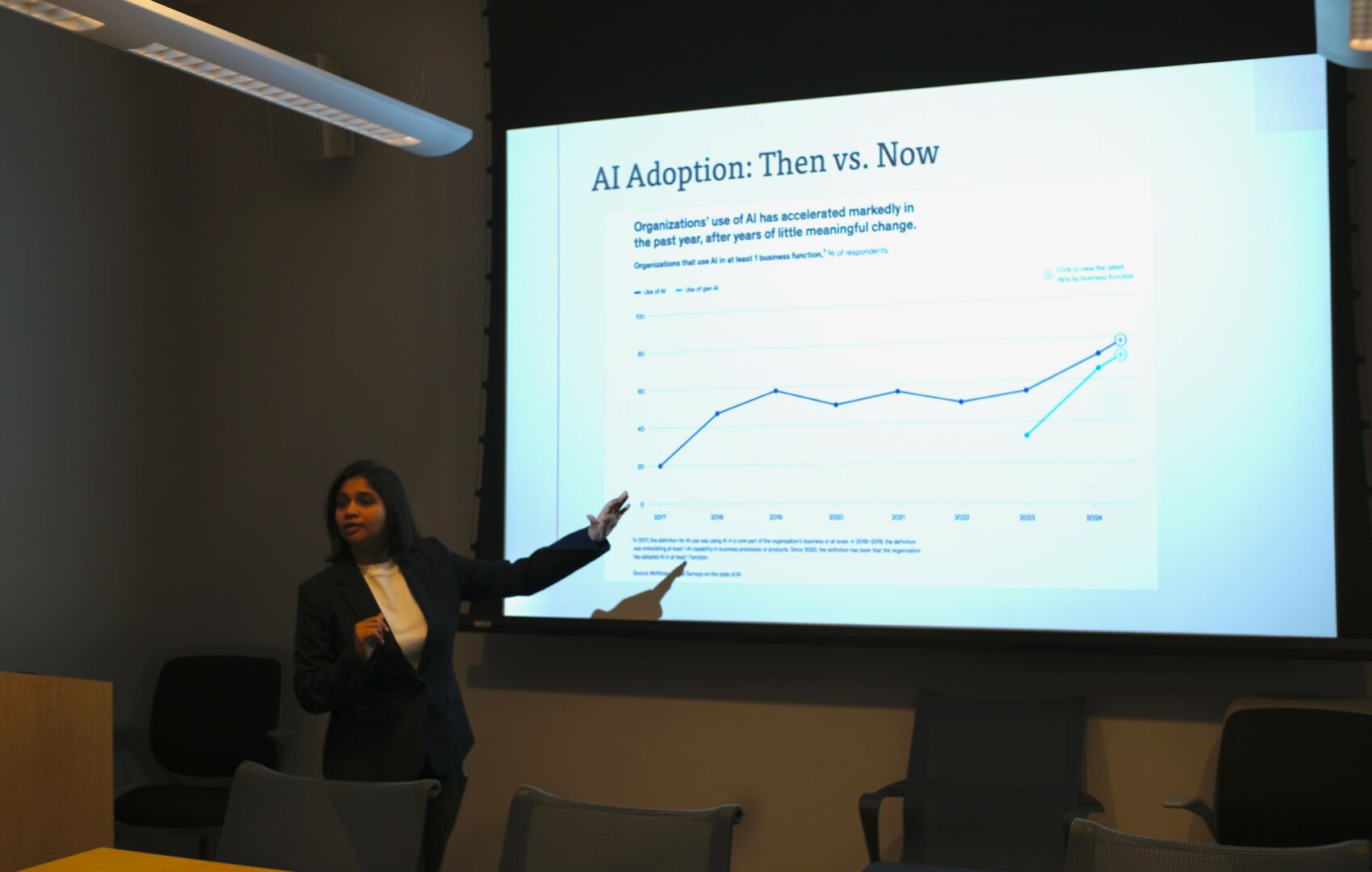
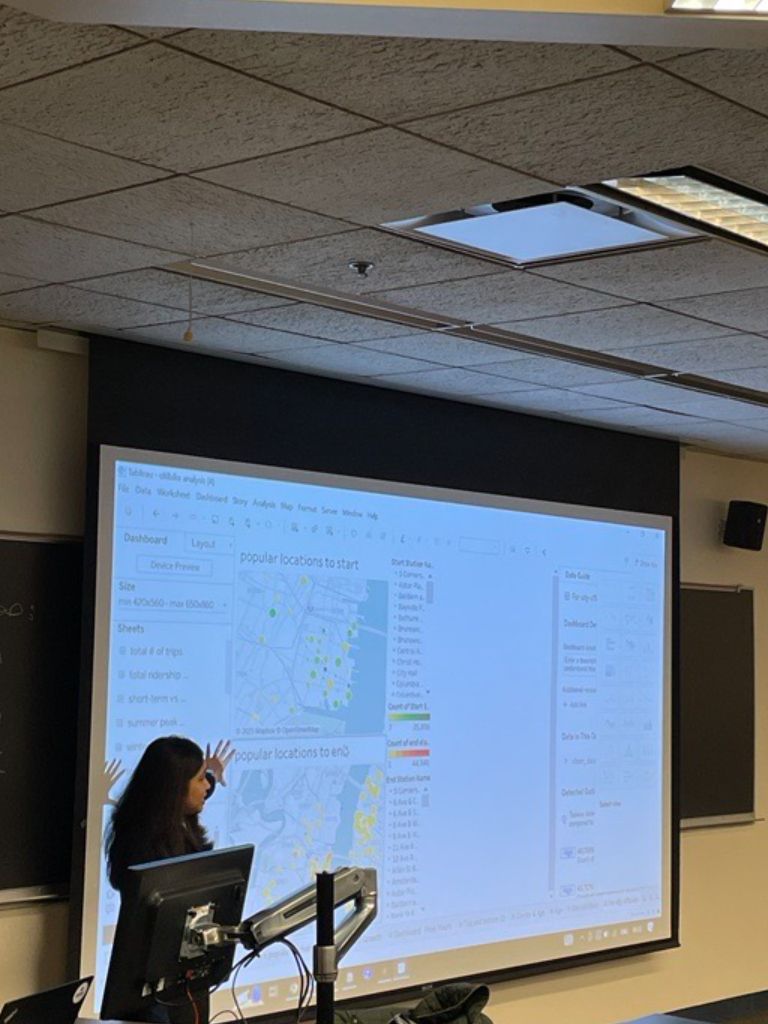
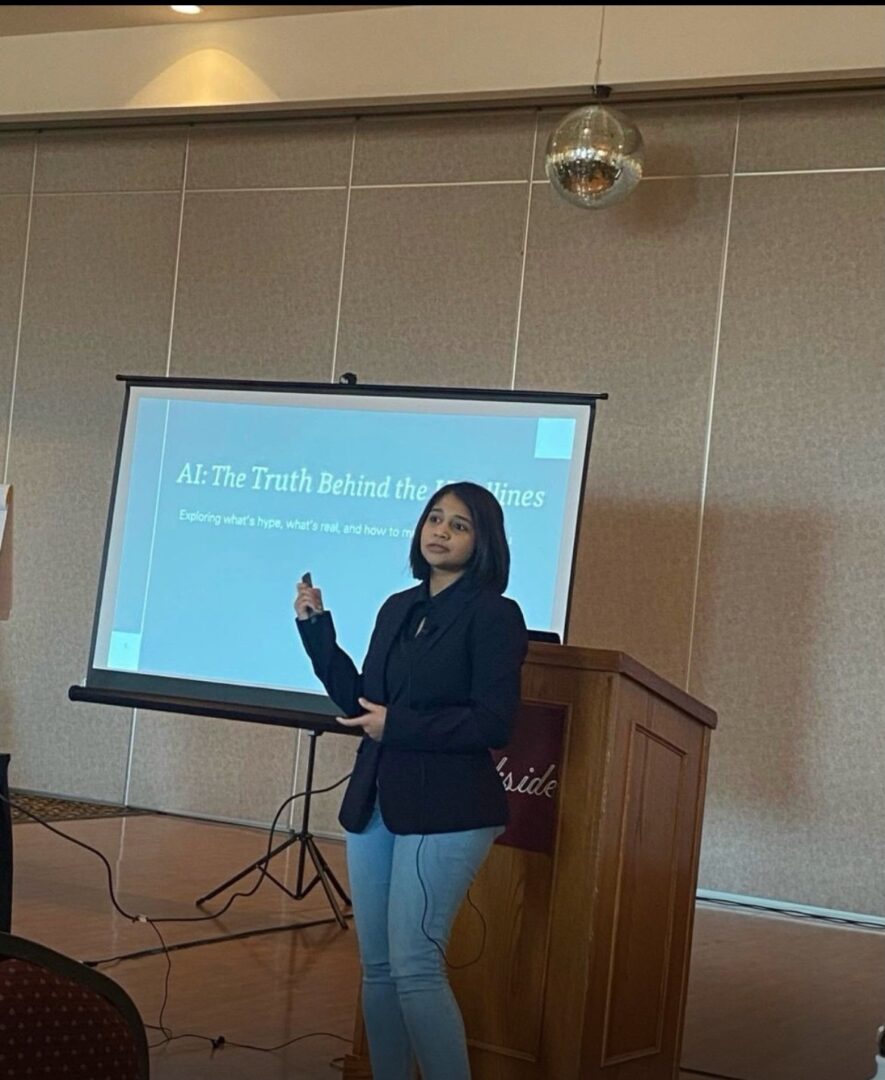
Outside of my day-to-day role, I am a speaker on Data Strategy, AI Adoption, Leadership, and Career Growth. I have had the privilege of presenting at conferences and I am passionate about making technical topics accessible, inclusive, and inspiring. For me, speaking is not just about sharing knowledge. It is about building confidence in others and showing them what is possible.
I have also recently taken up writing and have begun publishing articles centered on AI & Data Strategy, and data storytelling. Writing has become a way for me to share insights, reach broader audiences, and inspire professionals who may not always see themselves reflected in leadership or technical spaces.
What feels most special about the work I do is the blend of impact. I help organizations evolve through data and AI, and I help individuals grow into the leaders they want to become. My brand is rooted in clarity, empowerment, and representation. I use my voice and experience to open doors for others.
I am also expanding my speaking topics to focus on AI readiness for business teams and collaborating with community organizations to build programs that support professionals who are navigating career pivots in a rapidly changing market. I am continuing to create content around practical AI adoption, especially for teams that want to innovate but do not know where to start.
At the core of everything I do is a simple belief: when you combine data, empathy, and leadership, you create environments where people and organizations can truly thrive.
Looking back, what do you think were the three qualities, skills, or areas of knowledge that were most impactful in your journey? What advice do you have for folks who are early in their journey in terms of how they can best develop or improve on these?
1. Curiosity and the Courage to Ask Questions Curiosity has shaped every stage of my journey. From debate and elocution competitions as a kid, I loved exploring ideas and asking the questions no one else thought to ask. Later, when I entered tech and the industry began shifting with AI tools like GPT, curiosity helped me adapt quickly. It guided me toward new skills, new roles, and a deeper sense of confidence.
Advice: Ask questions even when you feel unsure. Curiosity opens doors, builds clarity, and helps you discover strengths you did not know you had. Start small. One thoughtful question a day can completely shift how you learn and lead.
2. Building Real Connections, Not Just Contacts
The most important opportunities in my career came through genuine relationships. Mentors who guided me. Leaders who challenged my thinking. Colleagues who believed in collaboration over competition. These were real connections built on trust, not transactional contacts.
Advice: Take time to understand people. Follow up on conversations, offer help when you can, and stay curious about others. Strong relationships will carry you further than any job title ever could.
3. A Habit of Continuous Upskilling
Technology evolves fast, and so did my path. When AI started automating parts of my work, I had a choice. I could feel threatened, or I could use the time it created to grow. That shift allowed me to develop a new skill: speaking the language of both tech and business. It became my advantage and shaped the leader I became.
Advice: Do not wait for permission to grow. Take one course, read one article, try one new tool, or practice one new skill each week. Upskilling is not about learning everything. It is about consistently learning something. Every small improvement compounds over time and creates opportunities you cannot predict.
What has been your biggest area of growth or improvement in the past 12 months?
My biggest area of growth in the past 12 months has been learning how essential storytelling is in data strategy and AI adoption, and understanding how to embody it in a way that creates real impact. As I continued to upskill in emerging technologies and AI, I realized that technology alone is never enough. Data can sometimes be inaccurate or carry bias, and AI tools, even when powerful, always need a human in the loop. A tool cannot replace how a human thinks, questions assumptions, or understands context. That is why storytelling has become such an important skill for me.
This year, I practiced storytelling in very practical ways.
1. I started by understanding my audience.
For example, when working with business stakeholders on an analytics initiative, I realized they did not need a technical explanation of the model behind the dashboard. They needed a clear picture of what the numbers meant for strategy and decision making. Instead of walking them through metrics, I walked them through the story: what happened, why it mattered, and what action would move us forward. Engagement instantly improved because I met them where they were.
2. I learned to speak the right language.
When I worked with technical teams, I shifted the message again. I focused on the logic, the data quality, the assumptions, and the risks. With leadership, I focused on impact, timelines, and outcomes. With cross-functional teams, I focused on alignment. Speaking each group’s language built trust and helped reduce the friction that often comes with AI or data projects.
3. I used visuals to make complexity easier to understand.
One of the most powerful shifts was learning to simplify with visuals. Instead of long explanations, I created simple diagrams showing workflows, or before-and-after snapshots of processes, or data visualizations that told a clear story without extra noise. I remember one meeting where I replaced a dense slide full of text with a single visual showing the customer journey. Suddenly, the conversation became clearer and more productive, because everyone could see the same picture.
This combination of understanding my audience, adapting my language, and using visuals transformed the way people received information. It also made discussions around AI adoption feel less intimidating. Instead of focusing on the technology, people focused on the story, the purpose, and the opportunity.
Over the last year, I grew from simply presenting information to creating connection, context, and clarity. Storytelling helped me lead better conversations, support teams through change, and make AI and data strategy feel more accessible for everyone involved. It has been the most meaningful growth in my professional journey so far.
Contact Info:
- Website: https://digheni.wixsite.com/mysite
- Linkedin: https://www.linkedin.com/in/nirmayeedighe/