We caught up with the brilliant and insightful Noam Platt a few weeks ago and have shared our conversation below.
Noam, we’re thrilled to have you on our platform and we think there is so much folks can learn from you and your story. Something that matters deeply to us is living a life and leading a career filled with purpose and so let’s start by chatting about how you found your purpose.
I find that most people want to use education as a way to give back. They go to school to become productive members of society, and make a positive impact. When I became an architect, my goal was to create a better society for everyone. The reality is that real opportunities to make this impact can be difficult to find. When I started working in assistive technology, I realized that this is such a nascent field, that a minimal amount of time invested can bring about huge positive change for many people. People who make things have a massive, outsized role in our society. Architects, designers, and engineers decide the shape and form of our entire world. It is a huge responsibility that goes unnoticed or unrecognized by most people. When we make thing, and we make them accessible, we are literally creating a more accessible future.
Thanks for sharing that. So, before we get any further into our conversation, can you tell our readers a bit about yourself and what you’re working on?
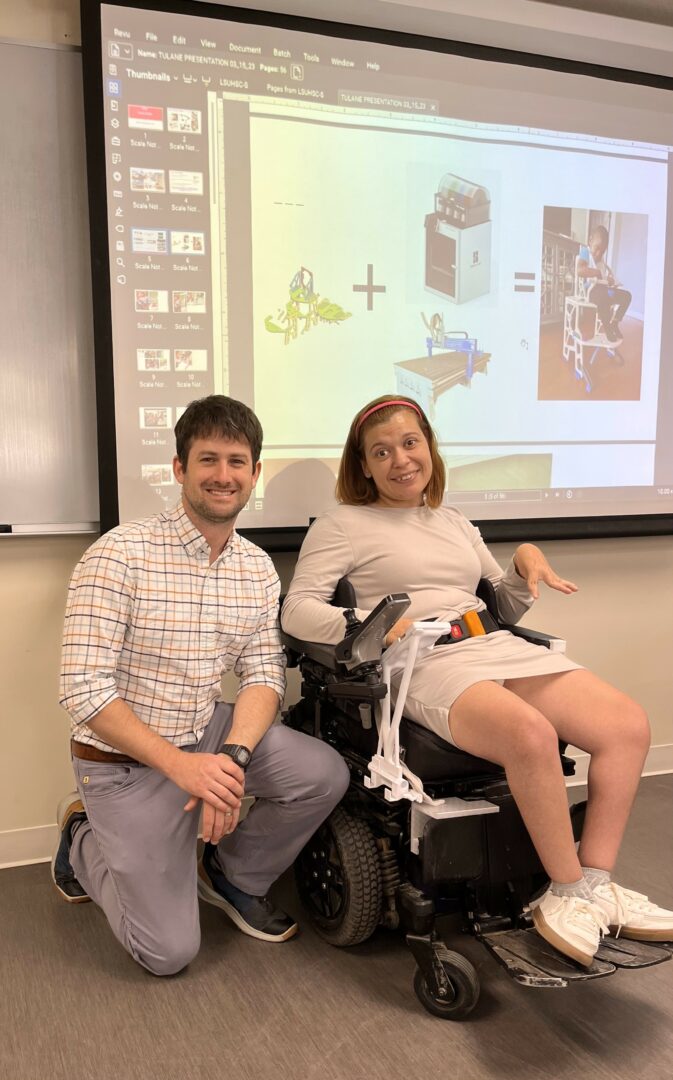
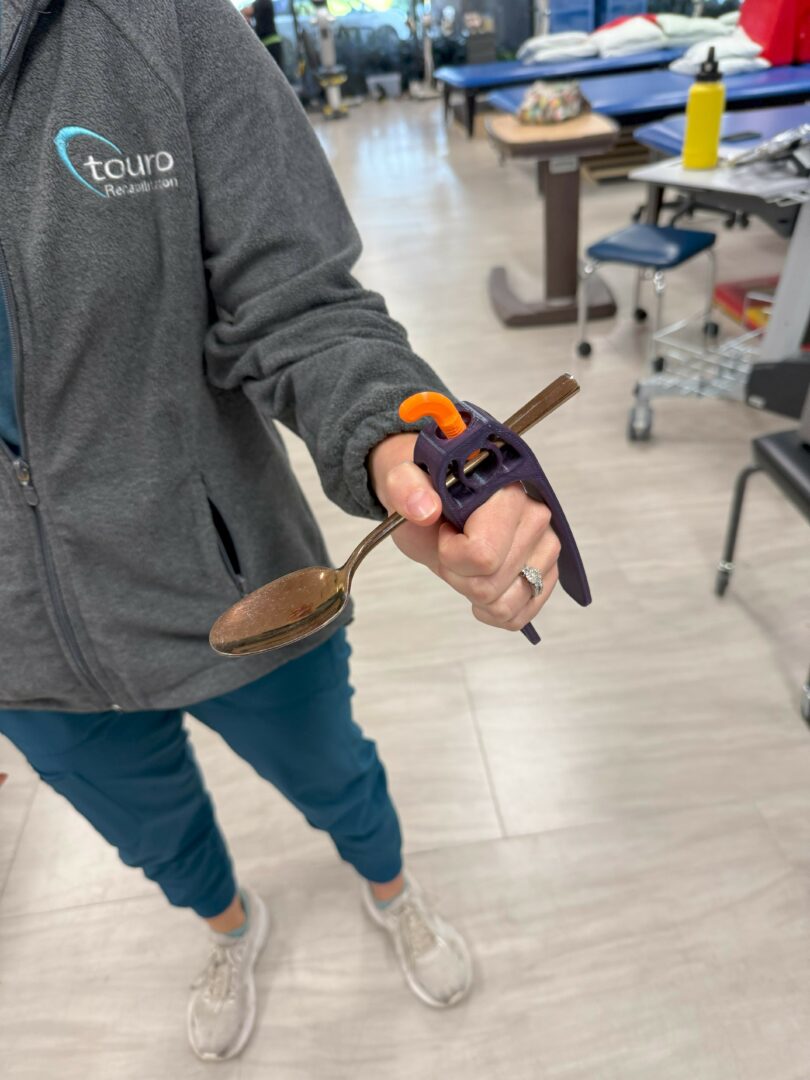
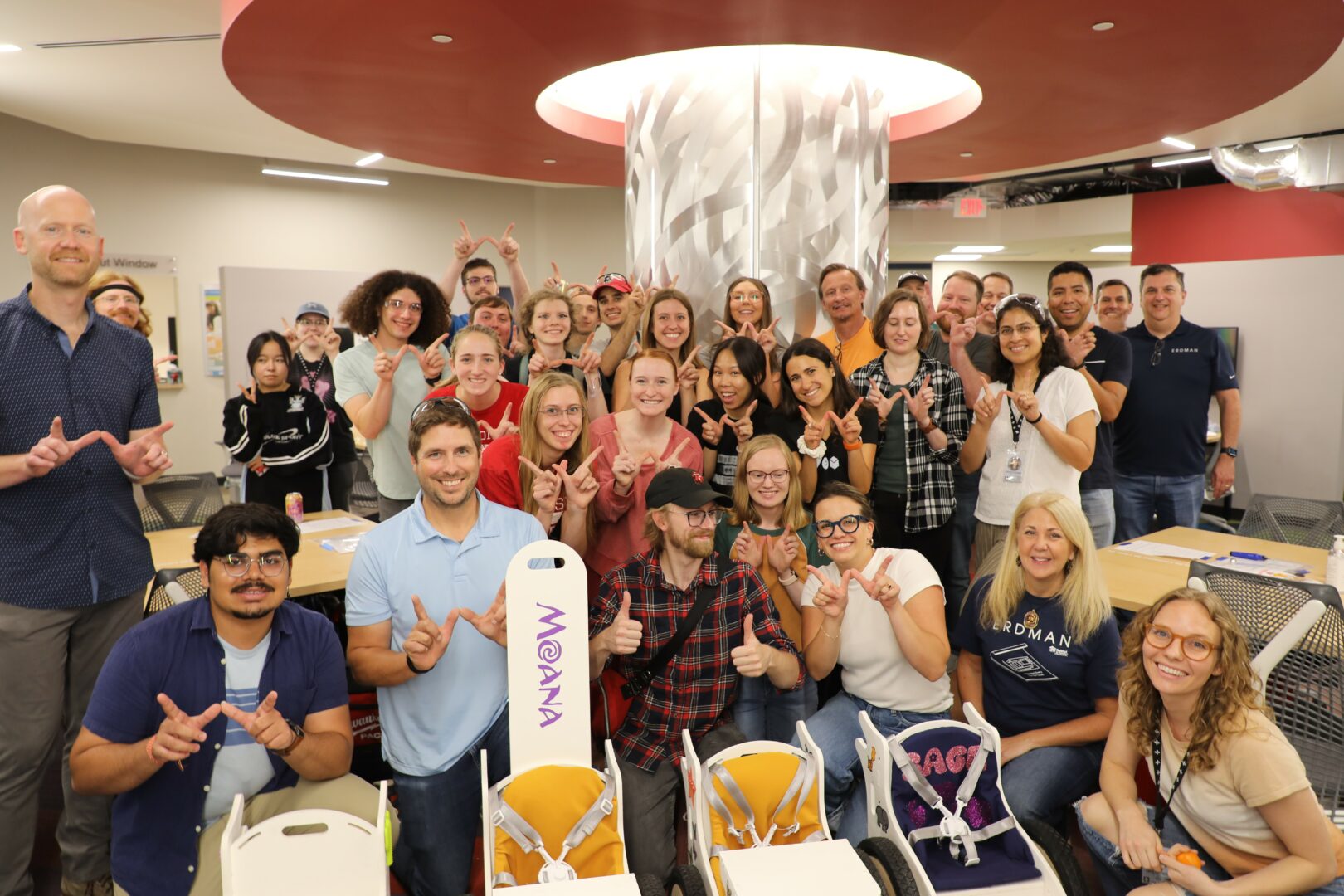
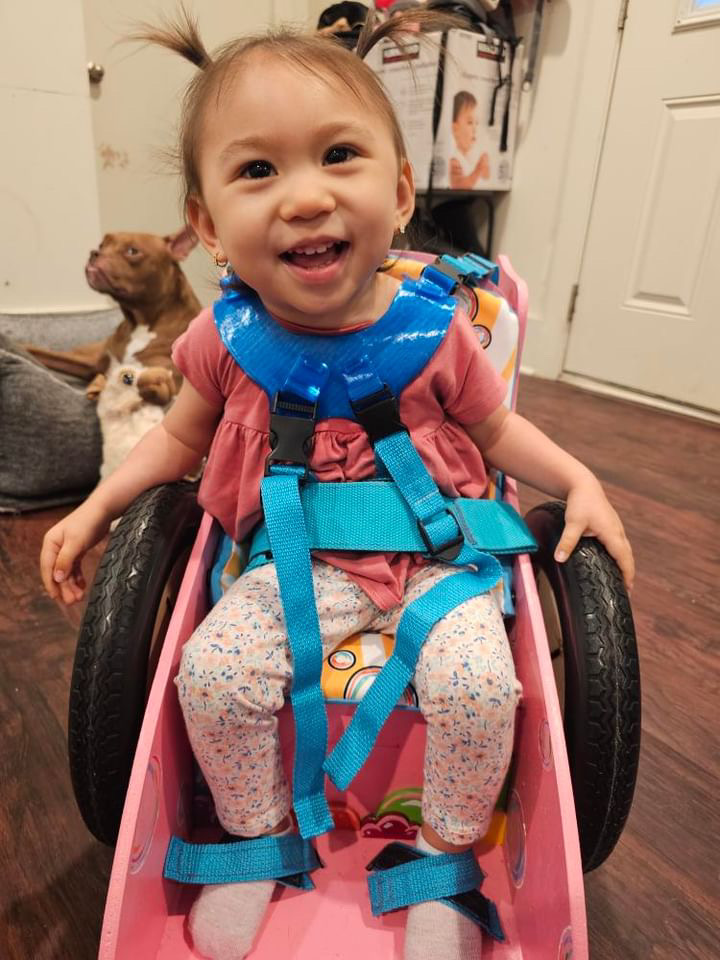
I am a licensed healthcare architect and assistive technology inventor. Healthcare architects design and help build our healthcare facilities, such as hospitals, surgery centers, and clinics. I fell into working in assistive technology when a friend asked for help designing an adaptive toilet seat for her son, who has Cerebral Palsy. Both fields, healthcare architecture and assistive technology, share a common thread: Design is what matters. We started with the toilet seat project, and continue to work on a huge variety of projects and initiatives, all focused on designing with the disability community. MakeGood was founded to change how people access and use assistive technology. We also provide educational activities focused on design thinking. The field of assistive technology needs more people and talent focused on solving these relatively simple problems. We utilize 3D printers to create very low cost, yet very effective, assistive technology for a huge variety of people. We are very excited to be welcomed by both the academic, commercial, and scientific communities, who understand that creating more accessible tools and systems will improve access for everyone, whether that be in the classroom or in a commercial science lab.
Looking back, what do you think were the three qualities, skills, or areas of knowledge that were most impactful in your journey? What advice do you have for folks who are early in their journey in terms of how they can best develop or improve on these?
The best quality to have is a voracious sense of curiosity. Most design problems can be solved very simply, but one must ask the right questions to figure out the main problem that needs solving. This is the core of our design thinking methodology. Everything that exists was designed by someone, that person brought all of thier flaws and assumptions to that design. Everything is up for redesign and re-evaluation. One project we did was reinvent how people manage shoelaces. ‘LaceAble’ is my first commercial product. It stems from a questioning of why and how we tie our shoes. This constant questioning is the most important skill. Additionally, the drive to try something when when you know it will fail is extremely important. We learn from failures and experimentations. The iterative process of trying, testing, and trying again is the most important tool we use in our design work.
Alright so to wrap up, who deserves credit for helping you overcome challenges or build some of the essential skills you’ve needed?
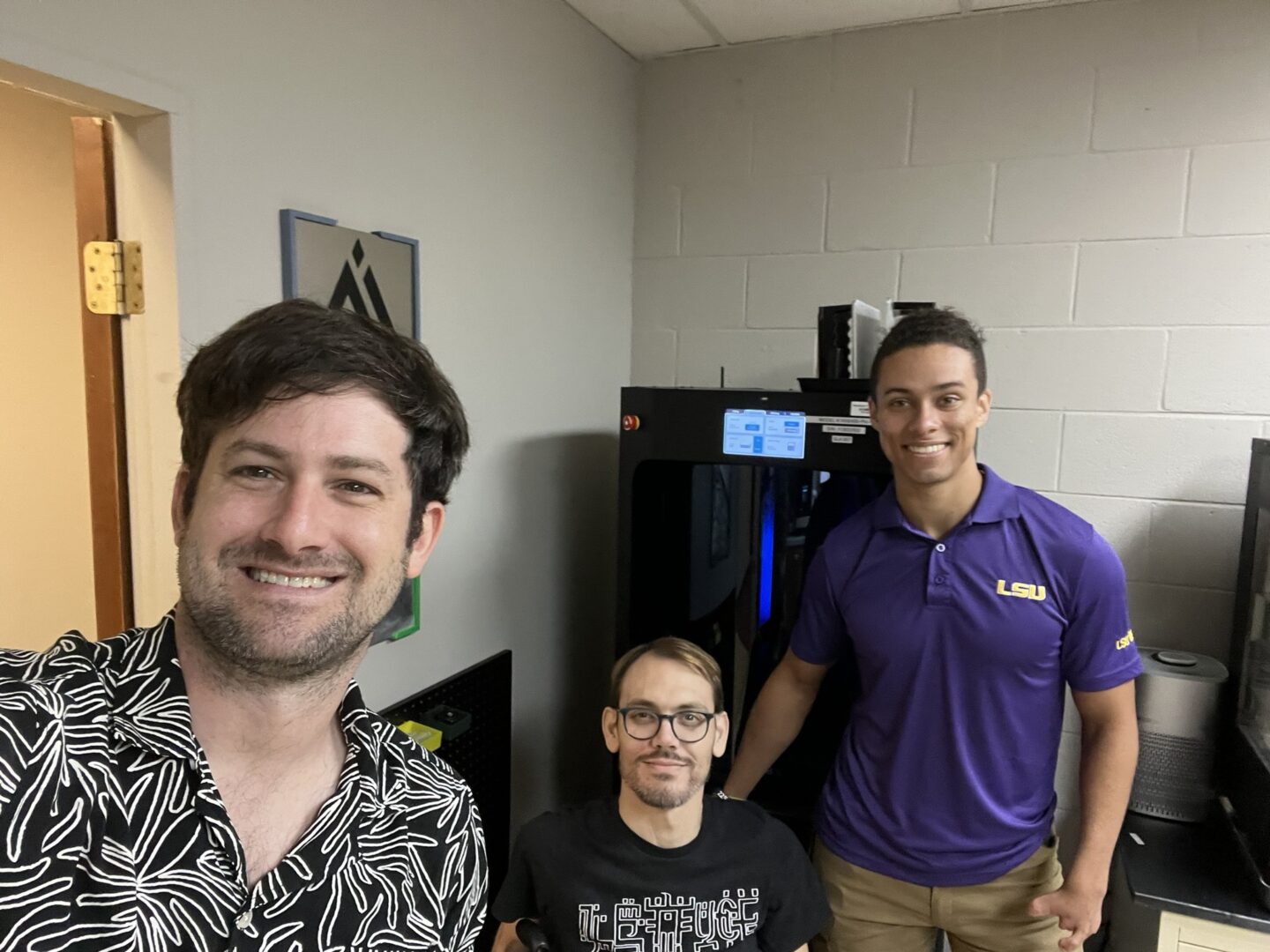
The disability community is the most extraordinary group of people. This is a community in which we will all count ourselves as part of at some point. I have found that every time, the environment is the disabling factor for people. We cannot change the human body, we cannot escape age or injury, but we CAN change our environment. This is the most valuable lesson I am learning. The MakeGood design and community staff is sourced directly from our disabled users and community. Individuals like Philip and Ashley have a wealth of experience and knowledge about the longstanding problems in the built environment and assistive technology. I am so lucky to be able to learn from them every single day. They have taught me true selflessness, tenacity, and perseverance.
Contact Info:
- Website: https://makegood.design
- Instagram: https://www.instagram.com/makegoodnola/
- Facebook: https://www.facebook.com/profile.php?id=100068870911818
- Linkedin: https://www.linkedin.com/in/noam-platt-92085344/
so if you or someone you know deserves recognition please let us know here.