We caught up with the brilliant and insightful Noelle Cordeaux a few weeks ago and have shared our conversation below.
Noelle, first a big thank you for taking the time to share your thoughts and insights with us today. I’m sure many of our readers will benefit from your wisdom, and one of the areas where we think your insight might be most helpful is related to imposter syndrome. Imposter syndrome is holding so many people back from reaching their true and highest potential and so we’d love to hear about your journey and how you overcame imposter syndrome.
How to Handle Imposter Syndrome (as a coach)
Some 70% of people experience imposter syndrome at some point in their lives, according to research from the International Journal of Behavioral Science.
“Imposter syndrome is a feeling of inadequacy that makes you think that you’re not good enough or won’t succeed,” said Sam Parr, founder and CEO of The Hustle.
Factors contributing to imposter syndrome are different for everyone; however, anxiety, depression, family expectations, our relationship with education, or even skewed ideas of what folks in given roles are supposed to look like, are typical culprits.
What happens when we experience imposter syndrome? Feelings of inadequacy and insecurity, self-sabotaging behaviour that manifests fears to reality and kills originality, as folks look to others for feedback or modeling. This slows productivity with second-guessing and fear.
In terms of goal setting, folks never start or worse, leave behind things and areas where they are genuinely talented and could have an impact.
We see this in coaching all the time.
Some things to keep in mind to combat imposter syndrome as a coach: Coaching is a new and emerging field – everyone in the space is truly just figuring it out as they go. You are good enough, and your ideas are important. If we all had the same voice, discourse would quickly grow stagnant in the space. Diversification is imperative to progress beyond a white-washed, corporate-dominated field. Comparison is the killer of joy, and don’t believe what you see on Instagram.
Social construction can work to your advantage if you reverse it… Instead of listing the things you think a coach is supposed to be… ask yourself – why not something different – why not me? If everyone has ever presented a fresh idea and been successful, why not you?
Supportive environments will help you drown out the voices in your head. Mentorship, partnership, and community are game changers. Seek role models that remind you of yourself. Finding similarities between you and those you admire will bolster your “I can do it too,” self-concept. Keep in mind that everything – even a false start -can be rewritten and any perceived misstep can likely be corrected. Walk forward with open eyes and an understanding that everyone makes mistakes, judges themselves, and is a bit rusty out of the gate. Think about the people you were meant to serve. There is room at the table for all of us in the space of coaching. We need your voice and your story to create ripples.
Thanks for sharing that. So, before we get any further into our conversation, can you tell our readers a bit about yourself and what you’re working on?
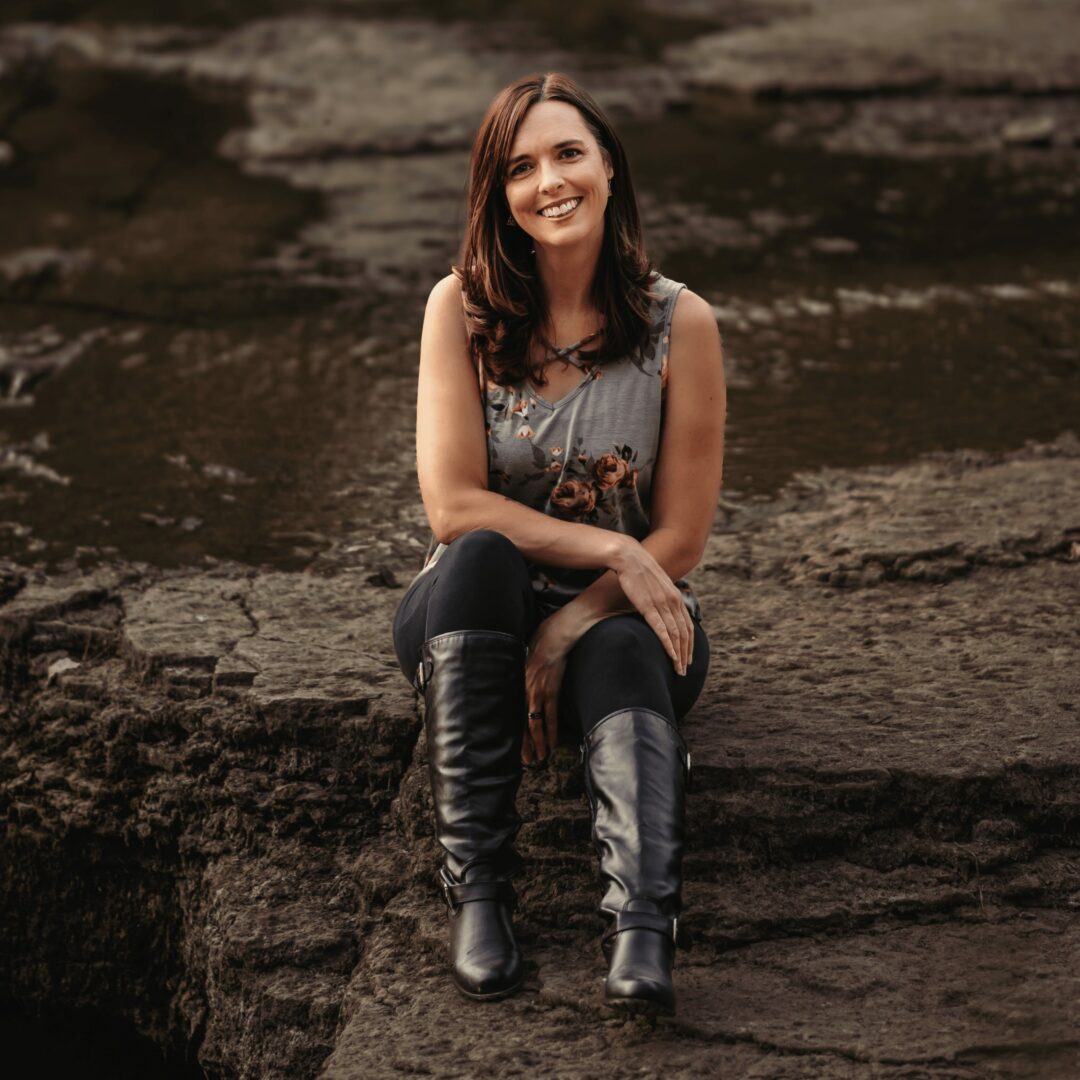
I’m Noelle Cordeaux, CEO and co-founder of Lumia Coaching. My background is in executive coaching, positive psychology, and clinical sexology, with a little bit of law sprinkled in. I have been at the helm of Lumia Coaching for ten years and have worked with thousands of folks to break into the space of coaching. Likewise, I have coached for hundreds and hundreds of hours. What I focus on the most in my work is the relationship we each have with ourselves and others. Coaching became my calling because I saw firsthand how powerful it can be to have research-backed tools for change, and now my mission is to expand access to really solid, high-quality coach education so more people can do this work out in the world.
What excites me most these days is how much the coaching and wellness space is evolving. On our podcast, Everything Life Coaching, I’ve been talking a lot about shifts like the “Great Digital Detox” and what they mean for how we show up as coaches. To me, the most powerful thing any coach can do is bring their whole, authentic self into the work. That’s where the magic happens—not just for clients, but for coaches building a sustainable practice.
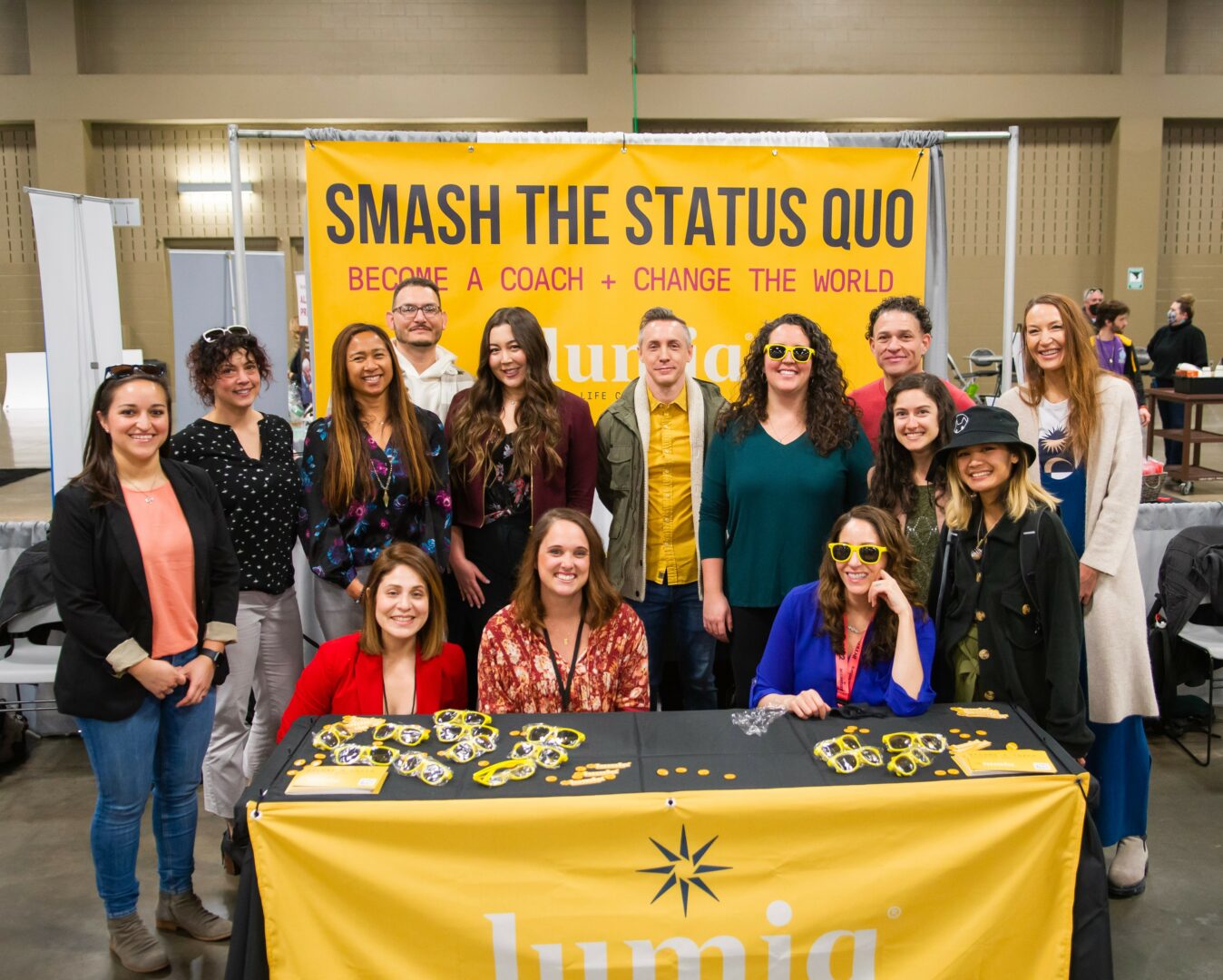
Day to day, I run Lumia Coaching, which I co-founded with John Kim over a decade ago. We’re an ICF-accredited Level 2 coach training school, and we’ve built programs that give people evidence-based tools, real community, and the support to launch ethical, thriving practices. We also host a big, ongoing conversation through our podcast and community about what it really takes to succeed in this field without losing yourself in the process.
As a brand, Lumia is all about rigor, community, and authenticity. Our Signature program is a 35-week training that prepares graduates to pursue professional credentials with the International Coaching Federation. But more than that, it’s designed for people who don’t want a cookie-cutter approach—they want something human, research-driven, and supportive for the long haul.
Looking ahead, my focus is on broadening what’s possible in coach education, continuing to bring research into practice, and championing authenticity as the foundation of good business. At the end of the day, it’s about helping coaches thrive while helping clients flourish—and doing it in a way that feels deeply human.
There is so much advice out there about all the different skills and qualities folks need to develop in order to succeed in today’s highly competitive environment and often it can feel overwhelming. So, if we had to break it down to just the three that matter most, which three skills or qualities would you focus on?
Looking back, what do you think were the three qualities, skills, or areas of knowledge that were most impactful in your journey? And what advice do you have for folks early on in their journey about how to develop or improve on these?
Such a great question. When I reflect on my own path, three things stand out as absolutely pivotal.
First, soft skills. Things like empathy, active listening, and presence. These aren’t “extras”—they are the real superpowers in coaching. The ability to truly listen, to sit with someone’s story without rushing to fix it, and to create a space where people feel seen and safe—that changes everything. My advice? Practice listening more than you speak. Try to notice not just what people say, but how they feel underneath the words. That skill alone will elevate your coaching.
Second, authenticity. Early on, I thought I had to present myself as polished and perfect. The truth is, people connect with you when you’re real, not when you’re flawless. Clients and communities respond to humanity. The advice I’d give is to start small—share a piece of your story, admit when you don’t have all the answers, or let people see your growth in process. That vulnerability is what builds trust.
Third, community. I would not be here today without the support, accountability, and inspiration of other coaches and peers along the way. Coaching can feel isolating if you try to do it alone, but when you surround yourself with others on a similar path, momentum builds. For anyone just starting out: find your people. Even if it’s just a handful of peers or one mentor, invest in those connections. They’ll keep you grounded, motivated, and moving forward.
So, if I could sum it up—it’s soft skills, authenticity, and community. Develop those three, and you’ll be setting yourself up for a journey that’s sustainable, meaningful, and deeply impactful.
Awesome, really appreciate you opening up with us today and before we close maybe you can share a book recommendation with us. Has there been a book that’s been impactful in your growth and development?
What book has played an important role in your development—and what were the most valuable, impactful nuggets of wisdom?
I’ve got to say, Creating Your Best Life by Caroline Adams Miller is a book that truly marked a shift for me. It weaves together gritty realism, positive psychology, and practical tools in a way that transformed how I approach both my personal growth and my work as a coach.
Here are a few of the most powerful lessons I took from it:
1. Goal-Setting + Happiness = Flourishing
Caroline demonstrates that the way we set goals isn’t just about achievement—it’s about cultivating happiness and purpose along the way. It reframed how I think about goals: not as future payoffs, but as pathways to living well in the present. If your goals don’t increase your flourishing, you might be missing the point.
2. Self-Efficacy is Everything
She teaches that what truly helps us reach goals isn’t just motivation—it’s believing we can do it: self-efficacy. Caroline offers tools and life-list exercises that help build that inner confidence, one small success at a time. Over the years, that’s become a foundation of my coaching approach: help people build mastery experiences incrementally, and that belief in themselves grows.
3. Design Your Life Ecosystem
It isn’t enough to want things; you need an environment that supports them. Caroline shows how we can design our lives—our routines, our spaces, our emotional context—to help those goals actually stick. That’s something I incorporate constantly now: creating coaching habits and structures that make change not just possible, but likely.
So what’s my advice to folks early on who want to embody this wisdom?
Set goals that feed your flourishing—not just your to-do list. Ask yourself: “Will this goal make my life more meaningful or joyful today, not just someday?”
Track your wins—even the small ones. The little wins build momentum and confidence. Celebrate them. Build your self-belief brick by brick.
Shape your environment with intention. Surround yourself with cues and habits that remind you of your goals—people, routines, physical spaces—that support growth rather than derail it.
All in all, Creating Your Best Life changed how I coach—and how I live. It gave me a framework that felt both deeply personal and scientifically grounded. If you’re looking for something that helps you act, feel strong, and become more of who you want to be—this book is a steady companion on the journey.
Contact Info:
- Website: https://www.lumiacoaching.com/
- Instagram: https://www.instagram.com/lumiacoaching/
- Linkedin: https://linkedin.com/company/lumiacoaching/
- Other: https://www.lumiacoaching.com/podcasts
Image Credits
Headshot: Kyle Brashers
Other shots: Lumia Coaching
so if you or someone you know deserves recognition please let us know here.