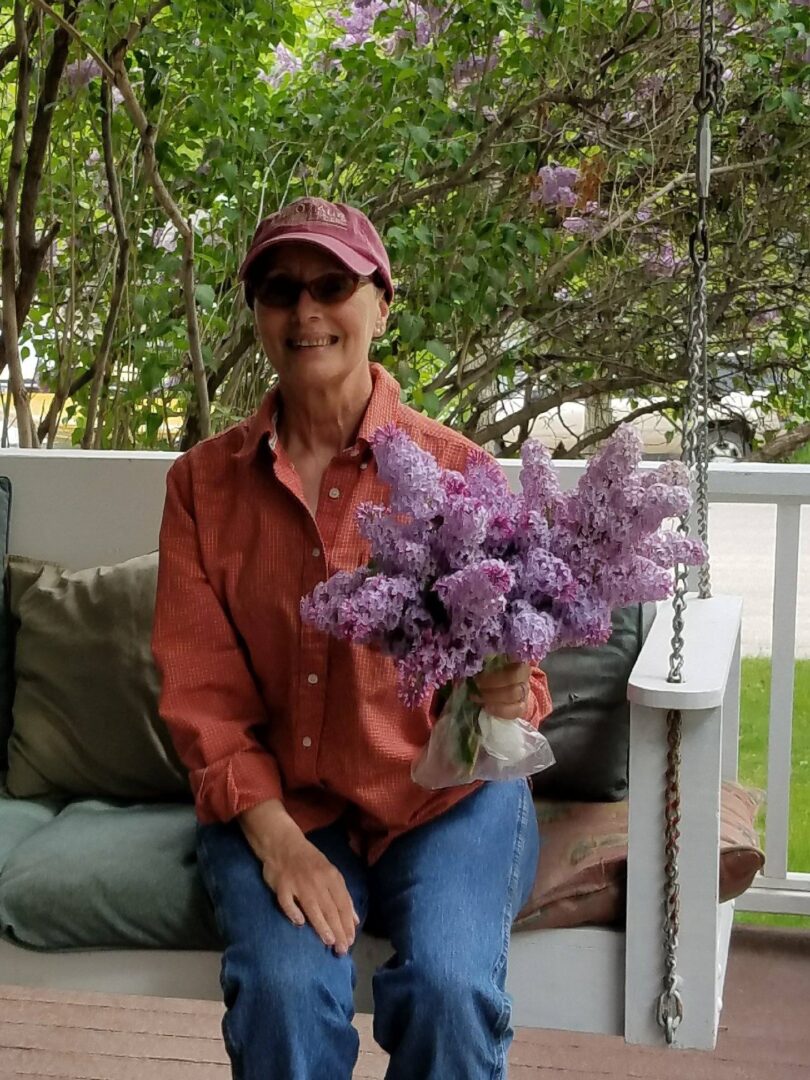
We were lucky to catch up with Nolcha Fox recently and have shared our conversation below.
Hi Nolcha, so excited to have you with us today, particularly to get your insight on a topic that comes up constantly in the community – overcoming creativity blocks. Any thoughts you can share with us?
When I first started writing poetry and hit a writer’s block, I thought I would never pen another poem. I was devastated.
Then I learned to write about not being able to write. Sometimes that was enough to get the creative juices flowing again. But not always.
I’ve since learned a couple of new tricks:
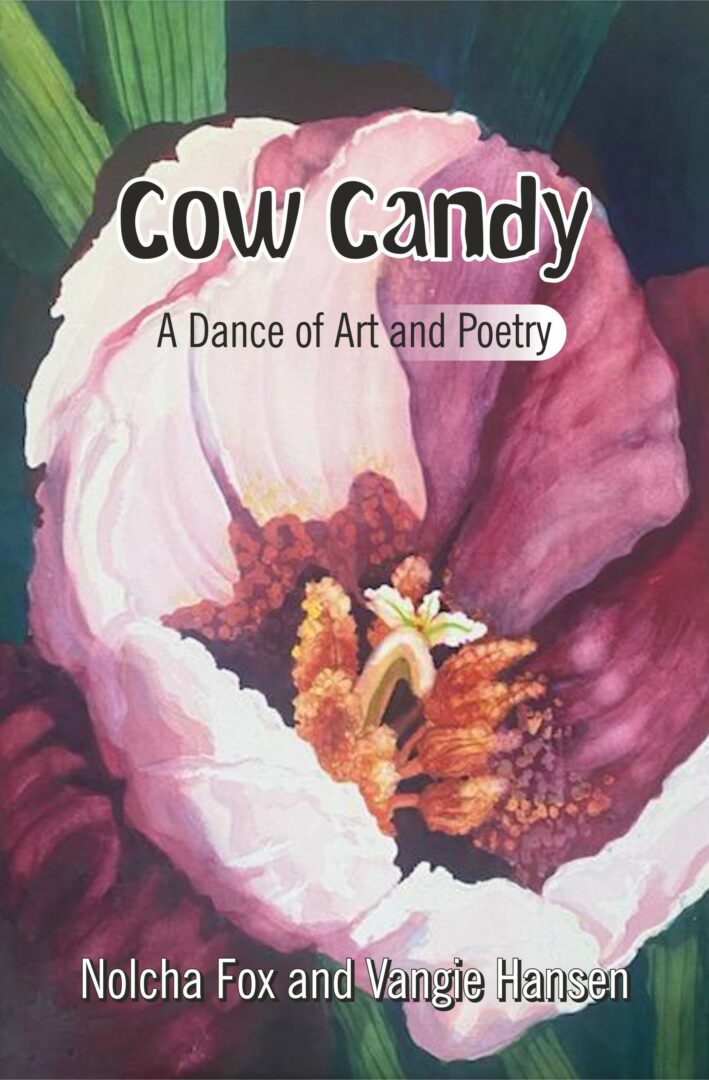
* I collaborate with someone(s). I feel more relaxed when I don’t have to write an entire poem, and working off someone else’s stanzas keeps my writing fresh.
* I write to prompts. I found websites that regularly post prompts. I don’t have to worry about coming up with a new idea, and I’ve fallen into a lovely community of prompt poets.
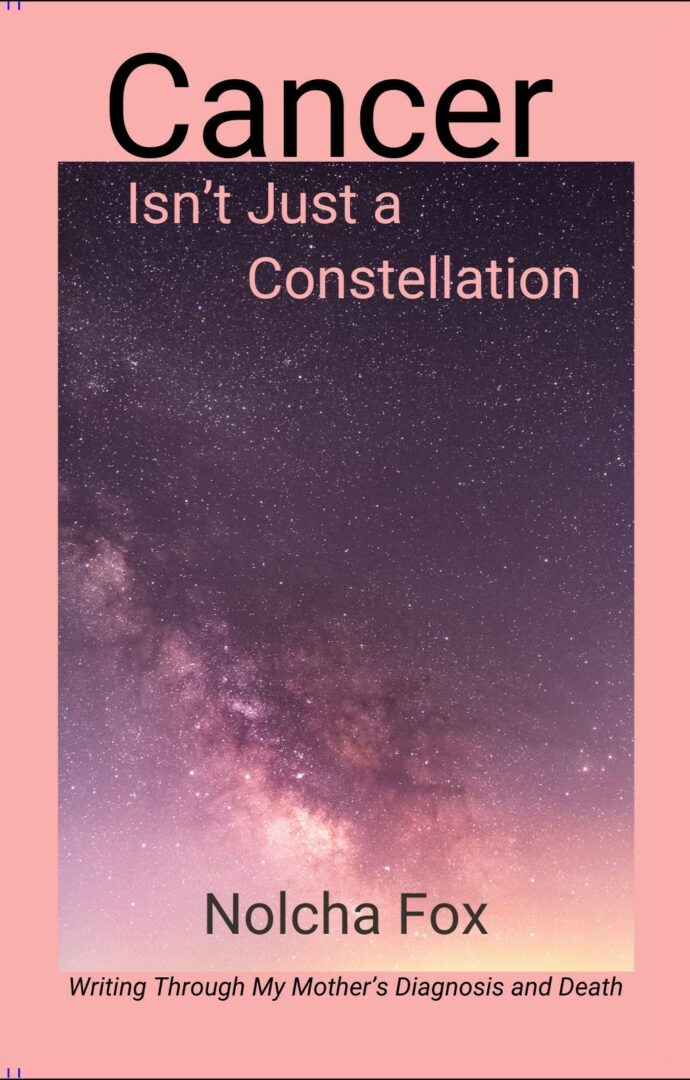
Thanks, so before we move on maybe you can share a bit more about yourself?
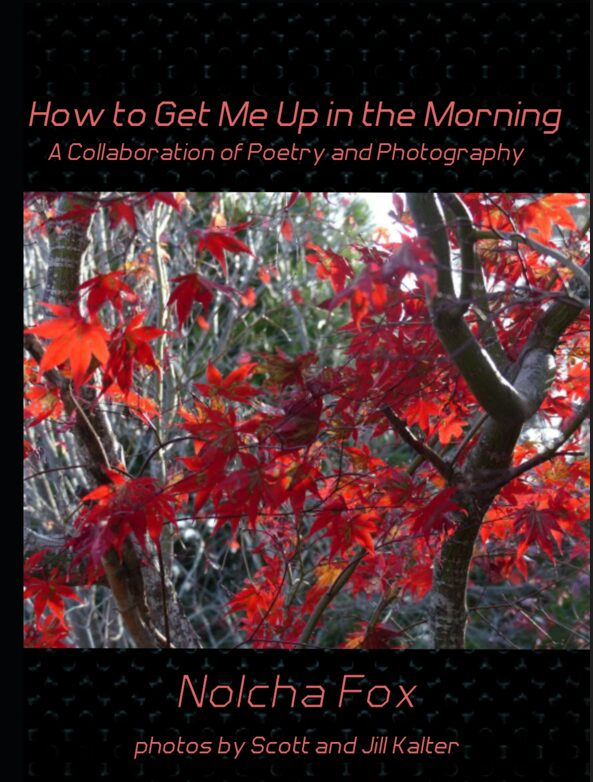
Not only do I write poetry and author poetry books, I’m also editor of Chewers by Masticadores (https://chewersmasticadores.wordpress.com/) and co-poetry editor of LatinosUSA (https://latinosenglishedition.wordpress.com/).
I’ve always loved to write, so getting poems published and compiling poetry books is lots of fun. I’m a harsh critic of my own work, so putting poetry books allows me to see that my writing isn’t so bad.
I love being editor of literary magazines because I can help other writers and artists get their work out into the world as other editors help me in the same way. I also develop satisfying relationships with my contributors.
Looking back, what do you think were the three qualities, skills, or areas of knowledge that were most impactful in your journey? What advice do you have for folks who are early in their journey in terms of how they can best develop or improve on these?
I was a technical writer for over 20 years, and it taught me to write every day, and write simply and succinctly. Perfect skills for writing poetry.
Technical writing also taught me to persevere and to find creative ways to tackle challenges. It taught me how to accept criticism with grace.
It’s important to write regularly so that you can develop your own style. Whatever you choose to write, read, read, read the works of others in your genre. What do you like or not like about how others write? What draws you in (imagery, unusual themes, for example), and what makes you lose interest or puts you off?
When you submit your work for publication, don’t take rejection personally. There are so many literary magazines and book publishers. What one might not like, another will.

Before we go, maybe you can tell us a bit about your parents and what you feel was the most impactful thing they did for you?
My parents had a bookshelf that ran the length of a hallway. I probably read every book, some several times. Those books taught me to love words.
My parents nurtured and supported my creative attempts until they died.
Contact Info:
so if you or someone you know deserves recognition please let us know here.