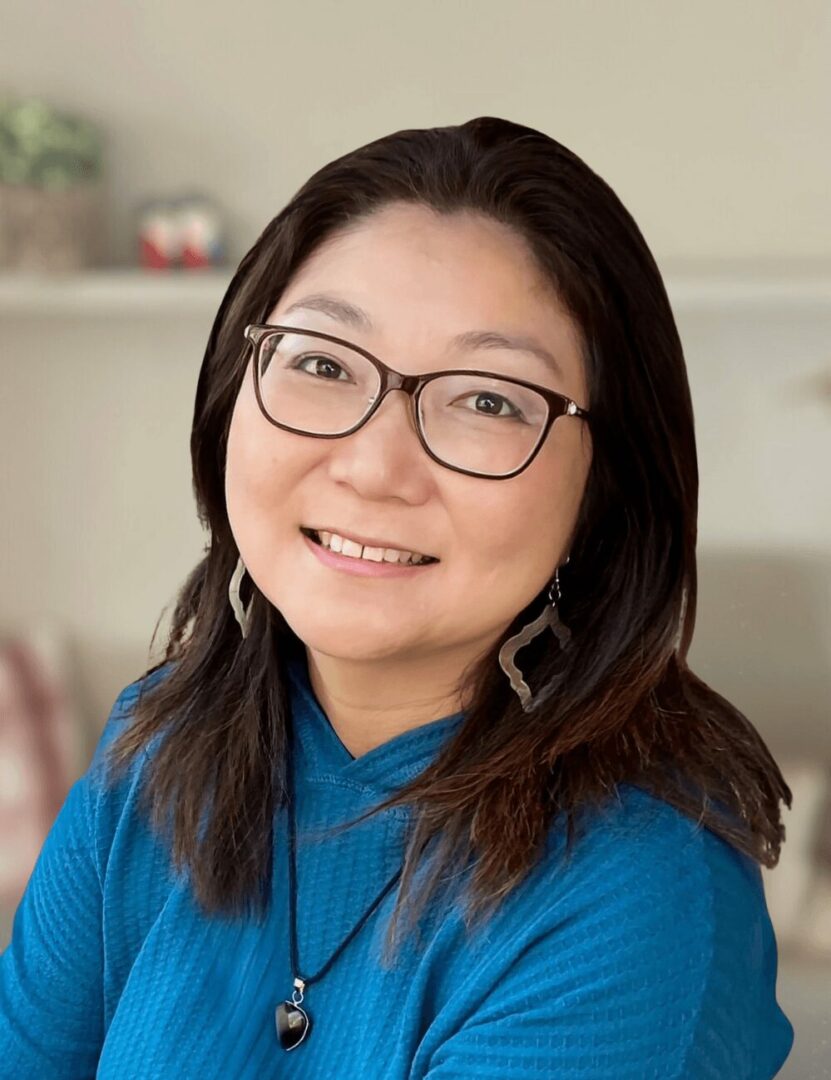
We were lucky to catch up with Noriko Abenojar recently and have shared our conversation below.
Noriko, so good to have you with us today. We’ve always been impressed with folks who have a very clear sense of purpose and so maybe we can jump right in and talk about how you found your purpose?
How did you find your purpose?
My path began as an undergraduate student at University of California, Davis. I saw a small ad for a part-time job at Davis Summer House, a group home for adults with developmental disabilities. I was 18, had no experience, and wasn’t sure what drew me to apply.
Those years changed how I saw people and community. I witnessed how each resident—despite their challenges—lived full, meaningful lives with goals, joy, and relationships. The staff modeled respect, empathy, and patience. They didn’t just provide care; they believed in each person’s potential and had fun fostering those relationships. That experience has shaped how I view growth and human connection ever since.
After college, I worked at PRIDE Industries, supporting adults with disabilities gain employment. I then earned my Master’s in Social Work and Pupil Personnel Services credential to become a school social worker. Students spend most of their waking hours at school, and I loved being in a role where I could connect with them daily and see real progress in their social and emotional growth.
When I later moved back to Davis, this time as a mom, simple moments at the park shifted my direction again. I noticed I rarely saw children with diverse needs playing there. I knew they were part of our community—so why weren’t they at the park? As a young social worker and a new mom, that question stayed with me.
As I dug deeper, I realized that for many families, “a simple trip to the park” isn’t simple at all. It takes real emotional and logistical effort for both the child and the parent to go somewhere social when challenges like anxiety, sensory needs, or social uncertainty are part of daily life. I hadn’t truly understood that before, and honestly, I felt embarrassed by what I didn’t know—but that realization ignited something in me.
It became my mission to create a space where kids and parents could gather—not only to build skills but to lean on each other for support and to experience a genuine sense of belonging. That idea at the playground grew into a career I’ve devoted my life to for more than 15 years.
That’s when it became clear—my purpose is to help people feel seen, supported, and capable by building confidence and community through meaningful connection.
That’s how Social and Cognitive Learning Center began—first small, then steadily growing into a thriving center. Over the years, I’ve supported more than 500 families, helping kids, young adults, and parents strengthen the social and emotional foundations that allow them to feel confident and connected.
In my work with kids—young and grown—my focus is part skill-building and part support-building. Many come in believing they’re the only ones struggling to make or keep friends. Through group sessions, they start to see they’re not alone, and a sense of belonging naturally takes root.
In 2024, I launched Parenting Redefined to extend that same support to parents, world-wide. It’s an online space that helps parents understand social growth more deeply and learn practical ways to nurture their child’s friendships with confidence and clarity.
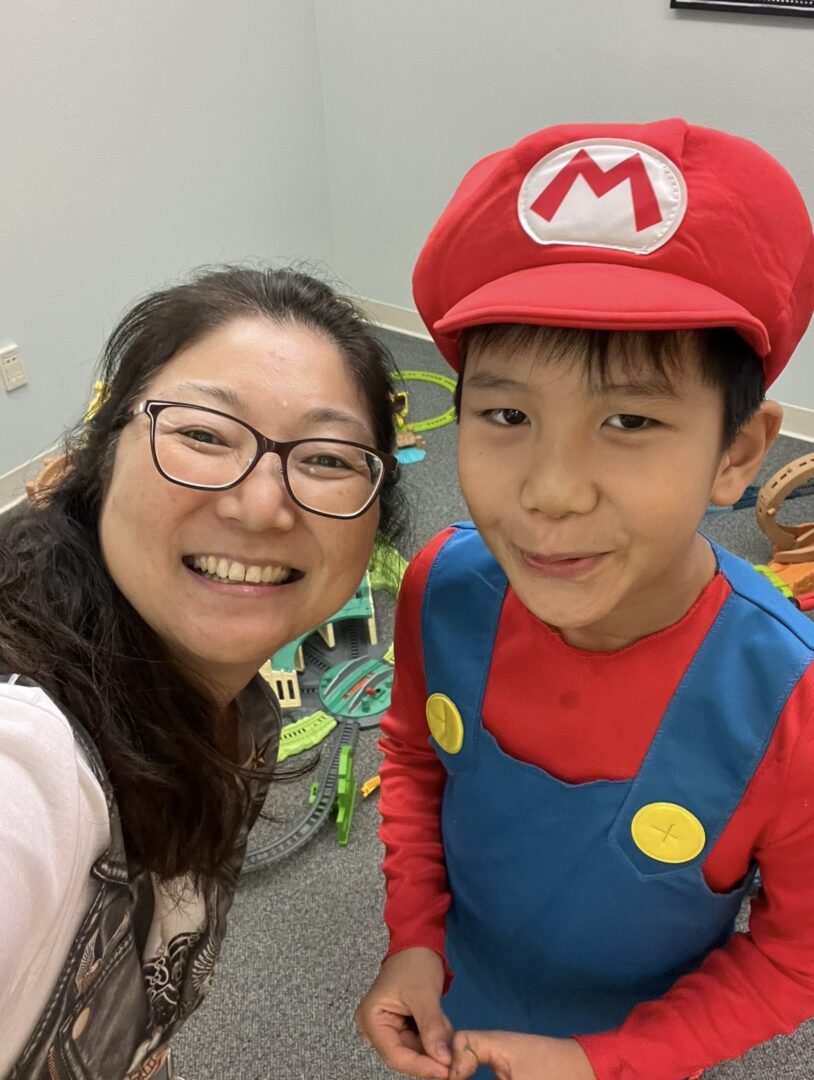
Thanks, so before we move on maybe you can share a bit more about yourself?
Supporting Real-World Growth at the Social and Cognitive Learning Center (SCLC):
At my Social and Cognitive Learning Center in Davis, California, I work directly with children, adults, and parents to strengthen the social and emotional foundations that help them feel capable and connected in everyday life.
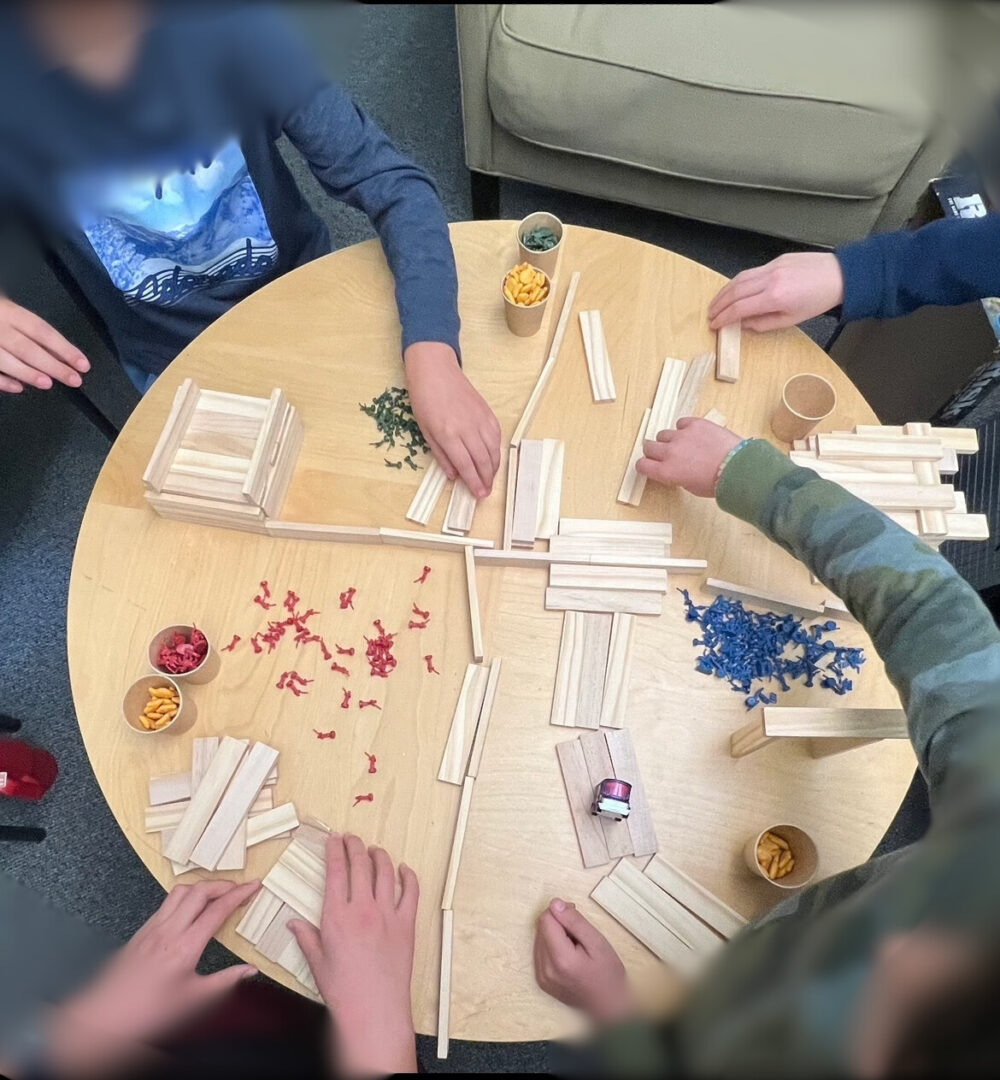
Through a mix of one-on-one and small-group sessions, I focus on friendship development, communication, flexibility, and confidence. Each session is hands-on and practical—whether we’re practicing how to join a game at school, navigate group conversations, or recover from a social misstep. What makes this work meaningful is watching skills and relationships come to life in real moments, not just through role plays or hypothetical situations.
My first goal with every person I meet is to build a foundation of trust. Whether in one-on-one or group settings, I know that meaningful growth requires a willingness to stretch, to try new things, and to be vulnerable—and that can only happen when someone feels safe with you. Over the years, I’ve learned that real progress doesn’t come from moving quickly but from moving with trust. That awareness has shaped how I approach every relationship. When something feels off or progress stalls, I always return to that foundation first. It’s the most reliable compass I have.
Every child and adult I meet comes with their own story and goals. My approach always begins with understanding the whole person—their environment, strengths, and what feels hard right now. Collaboration with parents, teachers, and care teams is woven into everything I do, because social growth doesn’t happen in isolation. It’s built through trust, patience, and steady, supported practice.
Guiding and Supporting Parents Alongside Their Children:
Parent coaching is an integral part of my work. I help parents feel more confident supporting their child’s growth at home and in the community—offering both one-on-one coaching sessions and a group coaching membership that combines education with connection and discussion. Parents often tell me that having a space to reflect and share experiences helps them feel less alone and more equipped to support their child’s needs.
Extending the Work Worldwide through Parenting REdefined:
In 2024, I created Parenting REdefined to make this support accessible to families worldwide. It’s an online learning and coaching space that provides clear, doable tools for guiding a neurodivergent child’s social development. Resources include free newsletters, short, on-demand classes like Friendship Foundations™ Mini-Course and The Friendship Navigator™, as well as a monthly group coaching membership where parents learn, connect, and grow together.
Across both SCLC and Parenting REdefined, my goal is the same: to help children and parents build confidence through understanding that leads to connection, trust, and lasting change. I focus on making complex, often confusing social and emotional concepts feel clear, tangible, and doable—translating them into small, meaningful mini-steps that help growth feel achievable for every family I support.
If you had to pick three qualities that are most important to develop, which three would you say matter most?
1. Having a patient presence
Patience, for me, is an active practice—an awareness of when to step in and when to stay back. In group sessions, I’m constantly observing before deciding whether to guide, redirect, or simply let things unfold. It’s a balance that feels more like a dance than a decision—always shifting, responsive, and guided by what each moment calls for.
If I intervene too quickly, I risk taking away their chance to dig deep into their own skill set to figure things out for themselves. If I wait too long, I might miss an opportunity for growth. Over the years, I’ve learned that real progress happens when individuals feel ownership of their insight—when they realize, “I did that.” That sense of self-discovery builds confidence faster than any direct instruction ever could. My patience is intentional and measured—it’s how I make space for genuine learning to happen.
2. Creative Problem-Solving as Connection
Creativity has always been a core part of my work. I love finding ways to make learning feel personal, doable, and—most importantly—fun. Fun isn’t a nice byproduct; it’s the key that opens the door to growth. When people are laughing, relaxed, and enjoying themselves, they’re more open to learning, taking risks, and connecting with others.
No two people learn the same way, so I’m constantly adapting—modifying games, creating visuals, or using real-life examples to help a concept click. That flexibility keeps the process human. It helps me connect deeply with each person I work with and find approaches that truly fit them.
Whether it’s helping a child find the courage to join a group or guiding a parent through a tough moment, having a curious and creative mind allows me to meet people where they are and lead them forward with empathy and clarity.
3. Translating Complexity Into Clarity
So much of social and emotional learning lives in the abstract—concepts like “friendship,” “boundaries,” or “self-regulation” can feel vague or impossible to teach in real life. One of my favorite parts of this work is breaking those ideas down into clear, practical, mini-steps that children and parents can actually use.
Parents often tell me what a relief it is to finally hear concrete, achievable ways to support their child in a world that can feel anything but clear. The great part about breaking things into mini-steps is that it allows you to celebrate small wins along the way instead of feeling disappointed about not reaching the bigger goals right away. Those small moments of progress build confidence, momentum, and hope—for both the child and the parent.
Making that path visible—turning the uncertain into something doable—is what helps families move from confusion to confidence.
Looking back over the past 12 months or so, what do you think has been your biggest area of improvement or growth?
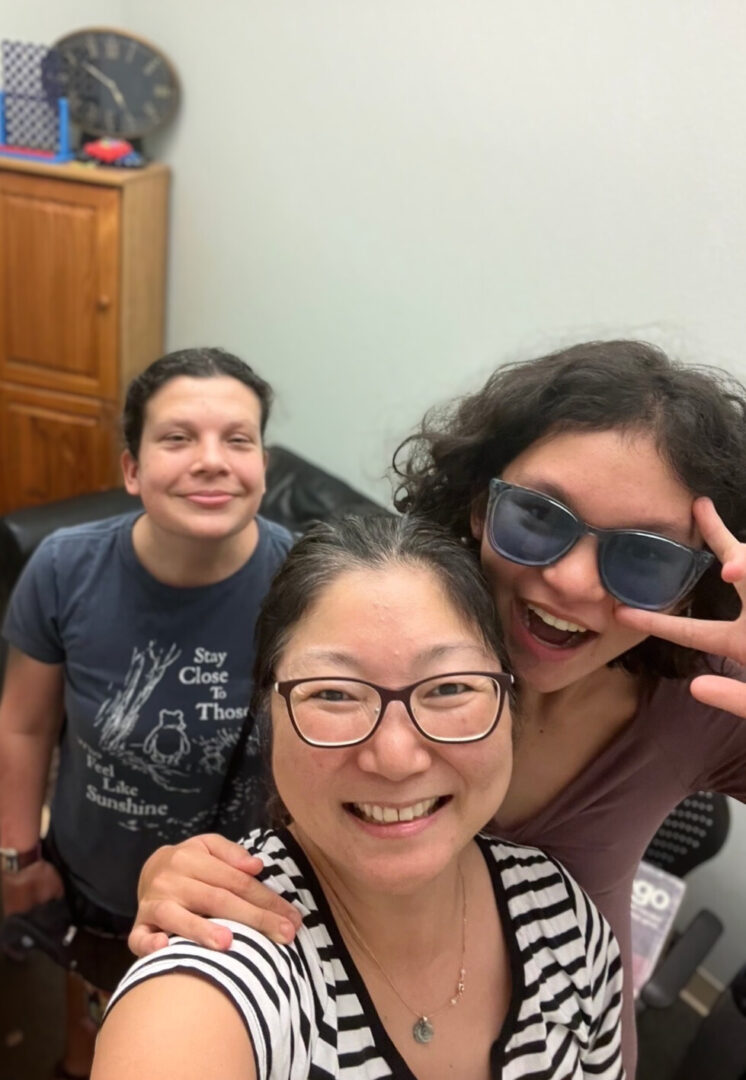
Over the past year, one of my biggest areas of growth has come from something completely unexpected—becoming a community advisor for Project MindConnect, a student-run club at UC Davis.
It all started when three students I had never met emailed me out of the blue. They said they wanted to create a club to support my clients at the Social and Cognitive Learning Center. At first, I was confused. Next, I was worried that involving others might take focus away from my kids and families. I was used to working on my own, and I wasn’t sure how it would all fit together.
They started with a concept—no name, just ideas and a lot of Zoom meetings. Now, Project MindConnect has grown from those three founders to over 80 active members and is officially part of the UC Davis Psychology internship program. Having students shadow my work, integrate into my sessions, and learn how and why I do what I do has been deeply meaningful. It helps me pause and articulate my work in a way that can be understood through fresh eyes.
I’ve told the founders that Project MindConnect has been something I didn’t know I needed in my life—a true gift that has made me a more thoughtful coach and leader while enriching the lives of the kids and adults I work with. Connecting and sharing my stories and insights with the students has been a truly rewarding part of my work.
It’s an incredible feeling to know that this opportunity will shape how these students—our future doctors, teachers, therapists, and business owners—see and treat people in the future, just as Davis Summer House did for me over 30 years ago. Watching them develop a deeper understanding of neurodivergent kids and families—their strengths, potential, and desire for genuine connection—is the kind of ripple effect that will continue long after they leave UC Davis.
This experience reminded me that sometimes, growth comes from taking on new challenges you weren’t looking for. It might surprise you and end up becoming one of the greatest assets in your life.
Contact Info:
- Website: https://www.NorikoAbenojar.com
- Instagram: @NorikoAbenojar
- Facebook: NorikoAbenojar https://www.facebook.com/norikoabenojar
- Linkedin: https://www.linkedin.com/in/norikoabenojar
- Other: My in person work at Social and Cognitive Learning Center in Davis California is www.SocialandCognitiveLearningCenter. Both websites are linked so www.NorikoAbenojar.com is a better one to share.
Image Credits
Noriko Abenojar
so if you or someone you know deserves recognition please let us know here.