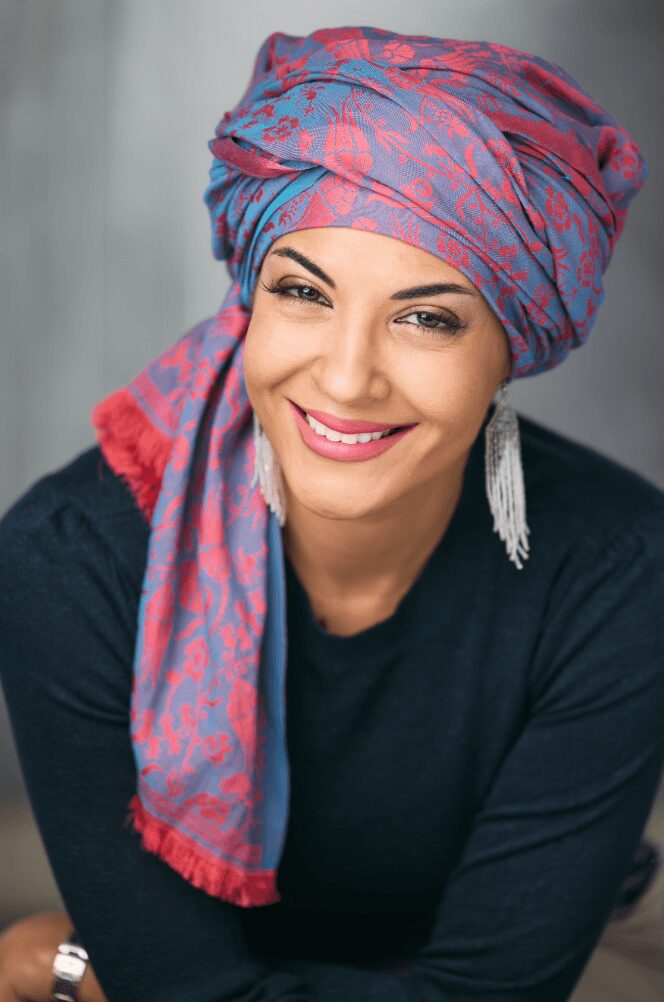
We’re excited to introduce you to the always interesting and insightful Nyla Hazratjee. We hope you’ll enjoy our conversation with Nyla below.
Nyla, thank you so much for joining us today. Let’s jump right into something we’re really interested in hearing about from you – being the only one in the room. So many of us find ourselves as the only woman in the room, the only immigrant or the only artist in the room, etc. Can you talk to us about how you have learned to be effective and successful in situations where you are the only one in the room like you?
I wish there were only one thing that made me unique when I walk into a Hollywood room. Depending on the day, I might be the only woman. Or the only person over 40. Often the only mother. Definitely the only physician-turned-filmmaker. And almost always—always—the only South Asian American, the only Pakistani American, and the only visibly Muslim, headscarf-wearing professional in that space.
For a long time, that kind of isolation can feel like a weight. Now, it functions more like a compass.
The first thing I learned was to practice what I preach: I belong. I don’t walk into rooms asking for permission; I walk in understanding that my presence is earned. When you carry that truth, people respond to it. They adjust. They make space—not because you asked, but because you showed up fully.
Second, I stopped treating my differences as liabilities. They’re my advantage. They give me a perspective that injects freshness into spaces that can become creatively stale. When I speak from my lived experience, I’m not an outlier—I’m an asset. I’m doing the room a favor by being there.
And finally, I’ve realized I’m not actually the only one who feels like “the only one.” Everyone is navigating something—fear, discomfort, self-doubt. The minute you remember that, you stop feeling alone. Empathy levels the room. I may be uniquely visible, but that doesn’t mean I’m isolated. If anything, being comfortable in my own skin gives others permission to be comfortable, too.
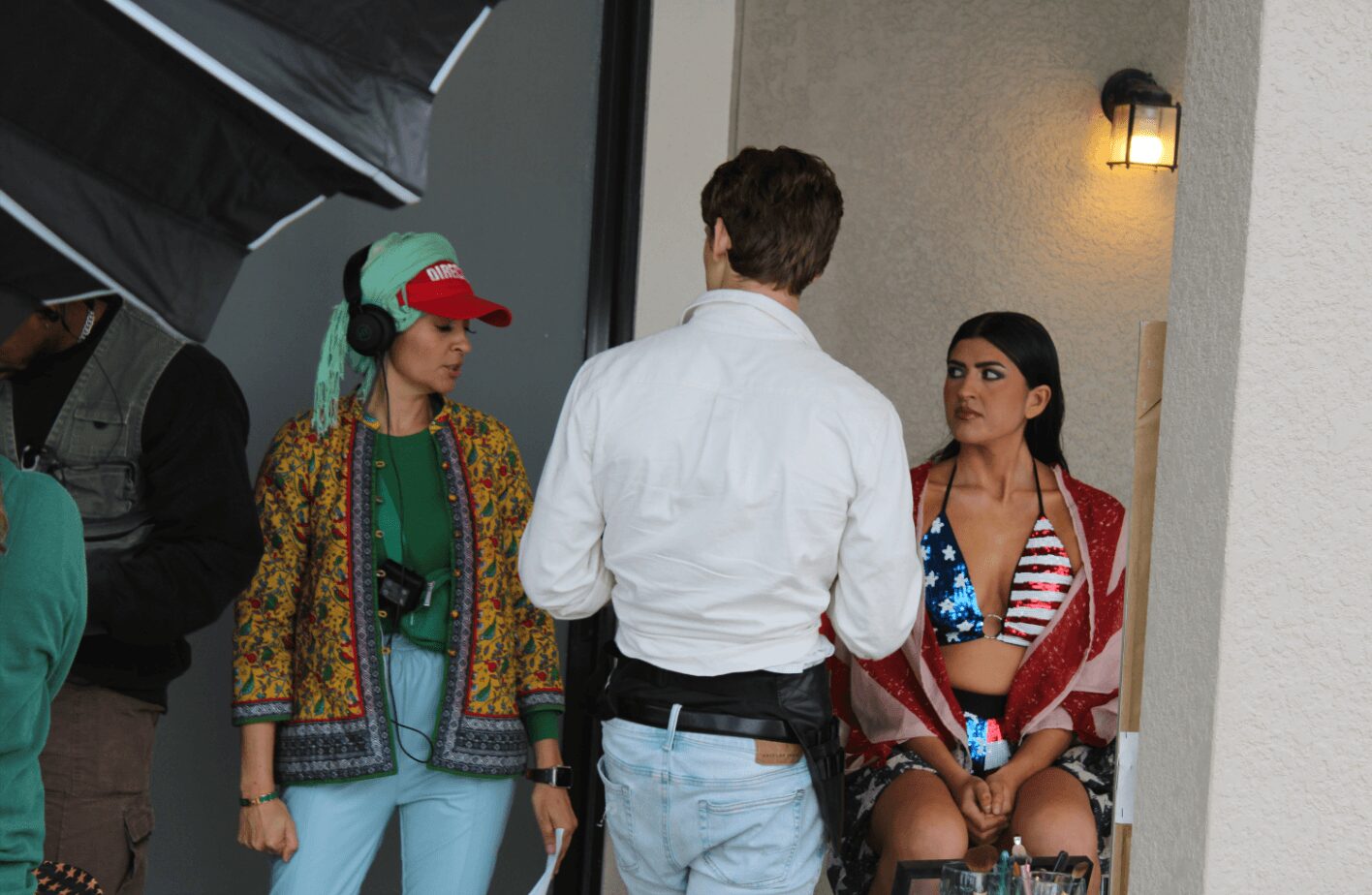
Thanks, so before we move on maybe you can share a bit more about yourself?
I’m the founder and executive director of NY/LA Production, a non-profit, independent woman-centric creative agency specializing in the production and promotion of local, regional, and national MENA, Muslim, and South Asian voices and stories. As rates of islamophobia increase across the nation, NY/LA is dedicated to changing the narrative of the MENA community in film and television through independent media.
We offer project development, marketing & promotion, speaking engagements, and fiscal sponsorship.
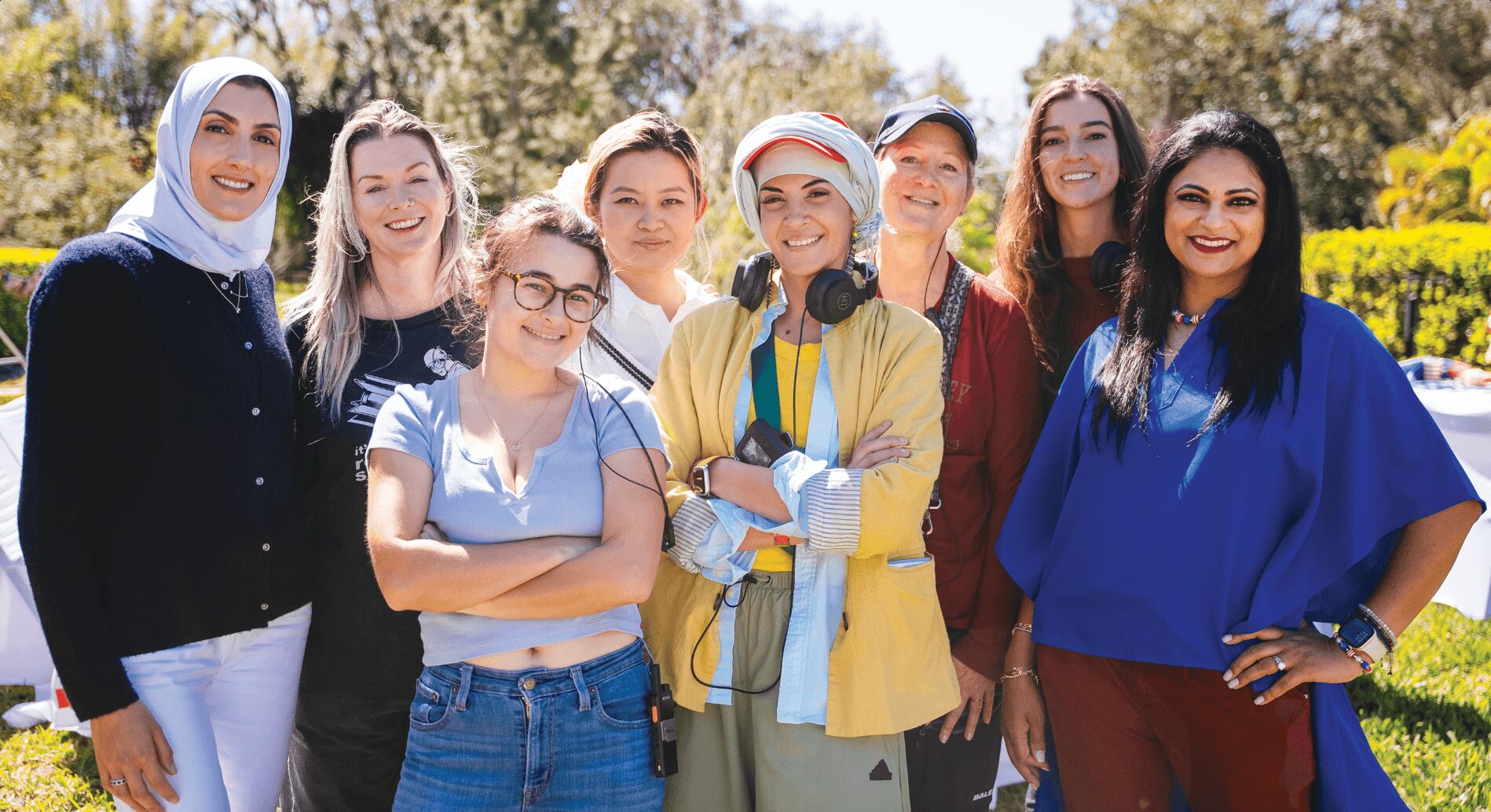
Looking back, what do you think were the three qualities, skills, or areas of knowledge that were most impactful in your journey? What advice do you have for folks who are early in their journey in terms of how they can best develop or improve on these?
1. A Reality Check From Outside the Industry
Before filmmaking, I was a doctor. Medicine is serious business—relentless, competitive, and rooted in competence, compassion, and accountability. Your mistakes have consequences, and your successes are rarely glamorous.
That perspective has been invaluable. When you come from a field where life and death sit on either side of your decisions, Hollywood feels… manageable. Creative failure doesn’t carry the same stakes. It reminds me that getting to tell stories is a privilege, not a burden.
My advice:
Expose yourself to experiences outside the industry. Live a full life. Work in environments that challenge you, humble you, or stretch you. Perspective is one of the most powerful tools you can bring into a creative career.
2. Being Multifaceted & Mastering the Multitask
Being a mom is like running a traveling circus with unpredictable performers and a constantly shifting schedule. You learn to juggle chaos, anticipate disasters, and keep everyone alive and fed—all while holding onto your own identity.
And that multiplicity—mother, partner, individual, entrepreneur, creative—feeds my storytelling. The more roles you occupy, the more emotional vocabulary you have to draw from. It lets you infuse characters and narratives with lived truth instead of generic tropes.
My advice:
Don’t shrink yourself to fit one identity because you think the industry demands it. Bring your whole self. Every role you play in life adds another layer to your work. The more multifaceted you are, the richer your creative voice becomes.
3. Optimism, Tolerance & Empathy
This industry is built on rejection. Even the most talented people hear “no” far more than “yes.” And on top of that, you will meet people who are stressed, overwhelmed, or unkind. If you take every comment personally, you won’t last.
Optimism keeps you moving. Tolerance keeps you collaborative. Empathy keeps you human. Being able to see multiple sides of a story—and not be offended by every misstep—helps you navigate the emotional terrain of this field with grace.
My advice:
Develop thick skin and a soft heart. Learn to separate your work from your worth. Remind yourself that most people are carrying stress and fear you’ll never see. When you stay grounded and compassionate, you not only protect your own peace—you elevate every room you enter.
All the wisdom you’ve shared today is sincerely appreciated. Before we go, can you tell us about the main challenge you are currently facing?
The biggest challenge I’m facing right now is funding. The current climate has shifted dramatically: support for Muslim stories and DEI-driven work has contracted, arts and humanities funding has been reduced, and nonprofit grants that once sustained community-centered creative projects have become far more limited. At the same time, individual donors are stretched thin. With economic stress, global crises, and urgent humanitarian needs around the world, many people simply can’t invest in the arts the way they once could, and the resources they *do* have often go toward family or causes that feel more immediate. All of this creates a landscape where the funding streams that used to be reliable are now inconsistent or gone entirely.
To navigate this, I’m leaning on optimism, adaptability, and a willingness to rethink how we operate. I genuinely believe the pendulum will swing back. Funding climates shift, priorities shift, and the value of DEI and the humanities will be recognized again when more stable and sensible leadership prevails. In the meantime, my goal is simply to keep us afloat—treading water, supporting one another, and making sure we don’t drown while the tides are against us.
Practically, that means expanding beyond traditional filmmaking. NYLA Production is intentionally multifaceted: we produce live events, develop podcasts, handle AV production, and lead educational talks and community discussions. Every dollar from these parallel avenues is reinvested directly into our creative work. If one door closes, we build three more. It keeps us nimble and allows us to sustain our mission even when traditional funding dries up.
Flexibility has become a virtue. The funding still exists, but it’s living in different buckets. If the trend leans toward documentary, we explore documentary-driven storytelling rooted in our communities. If grants shift toward education, social impact, or cultural preservation, we adapt projects that authentically align with those goals. Trying on a slightly different creative hat can be refreshing, and it keeps us connected to the heart of why we do this work in the first place.
So yes, funding is the obstacle—but it’s also the thing forcing us to innovate, collaborate, and operate with more resilience than ever. And in an industry built on reinvention, that feels like its own kind of opportunity.
Contact Info:
- Website: https://www.ny-la-production.org/
- Instagram: https://www.instagram.com/nylaproductionorg
- Linkedin: https://www.linkedin.com/in/nyla-hazratjee-7408b1356/
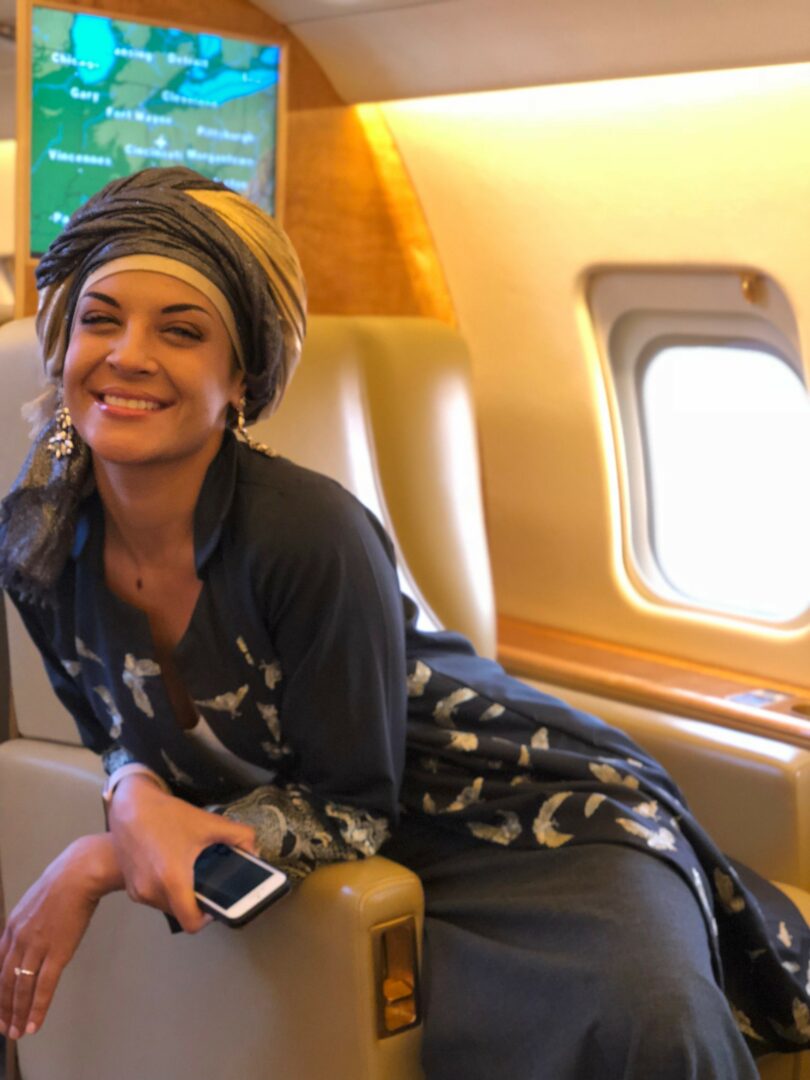
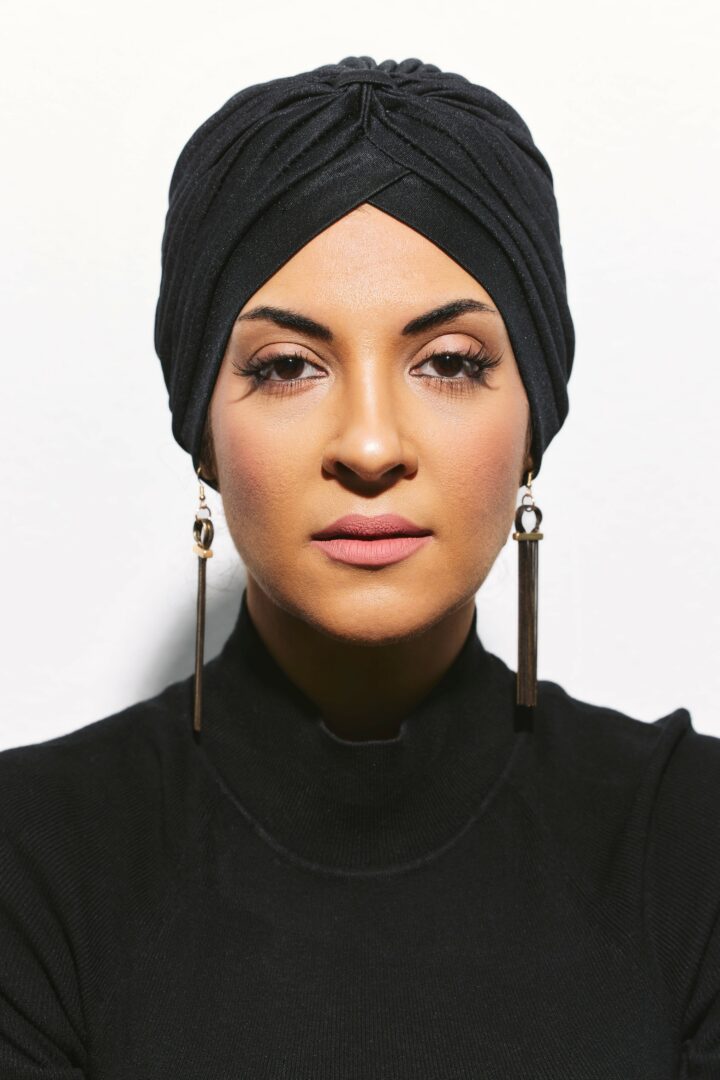
Image Credits
1-New Tampa Neighborhood News
2-New Tampa Neighborhood News
3-Getty as on image
3-Getty as on image
so if you or someone you know deserves recognition please let us know here.