Alright – so today we’ve got the honor of introducing you to Olivia Jeanne Autry. We think you’ll enjoy our conversation, we’ve shared it below.
Hi Olivia, really happy you were able to join us today and we’re looking forward to sharing your story and insights with our readers. Let’s start with the heart of it all – purpose. How did you find your purpose?
My purpose was born from a long period of hiding. Because I was neurodivergent and carried trauma, I faced a lot of bullying. My survival strategy was to become invisible—to tone myself down and never claim my own power, because that felt too dangerous. The relief was temporary, but the self-betrayal was a heavy price to pay.
I realized my purpose wasn’t about fixing myself; it was about using that experience. Now, my work is about giving my students the safety and permission I craved: to step into their power, to be seen, and to be fully themselves through their singing.
Appreciate the insights and wisdom. Before we dig deeper and ask you about the skills that matter and more, maybe you can tell our readers about yourself?
I grew up at the crossroads of jazz and punk—my mother a professional jazz musician, my father a punk rock drummer. Our home was a beautifully chaotic symphony. I was a visual artist first, but in a desperate bid to get into the performing arts high school (HSPVA), I auditioned for music on a whim and got in.
But I quickly became a square peg in a round hole. As a neurodivergent kid, my intensity wasn’t understood. I slipped through the cracks, and it led to a profound mental health crisis. My move to Houston at 18 was a rebirth. I clawed my way back, fiercely dedicated to music as my lifeline.
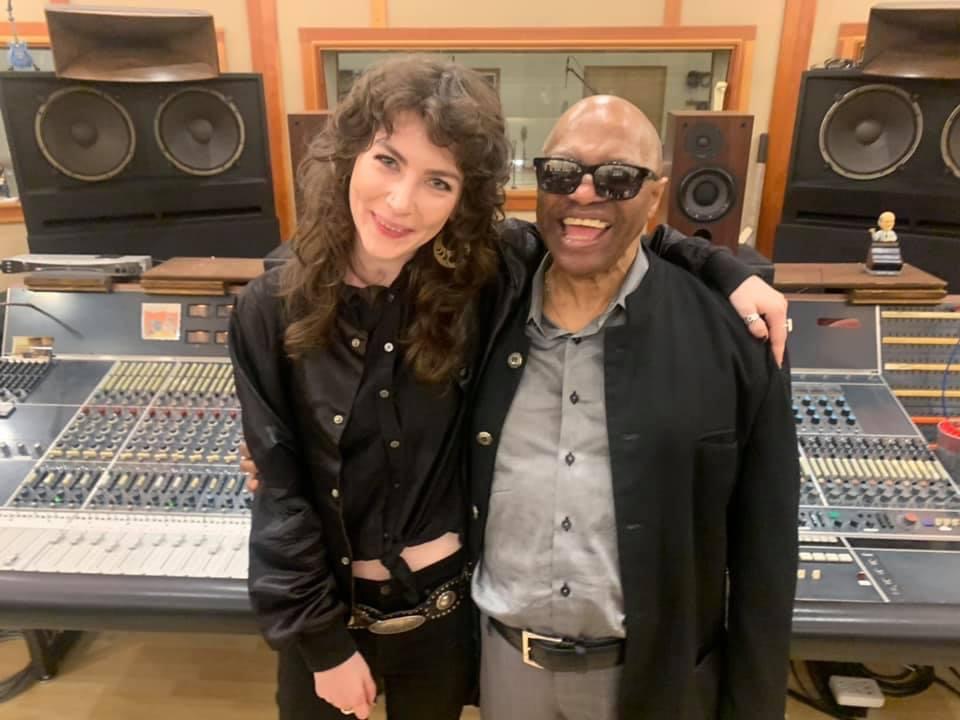
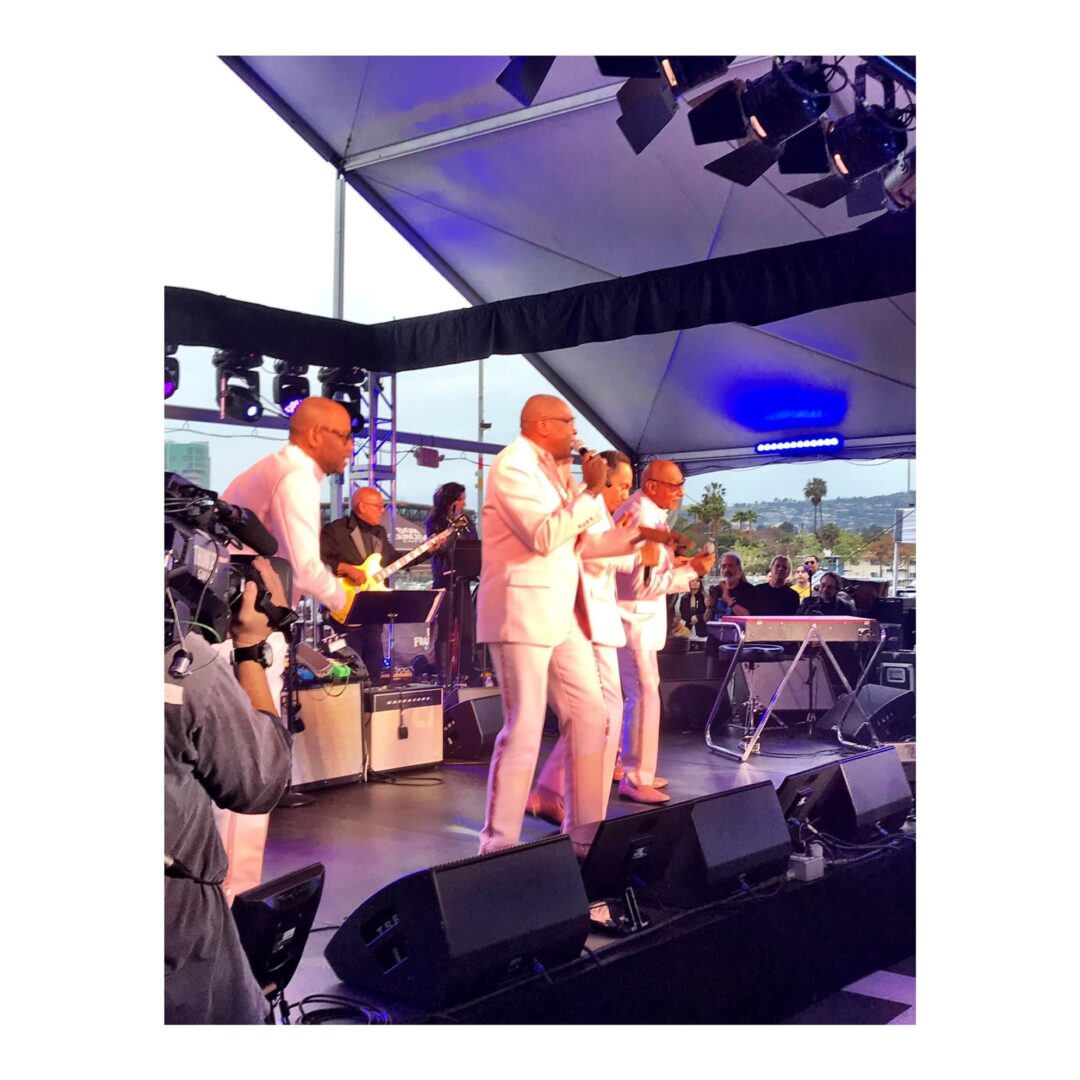
That dedication led me to a New York stage, singing background vocals for Billy Gibbons on television. But my real turning point was recording my first single at 25. The honor was beyond belief: I was featuring the legendary Ellis Hall.
Ellis is a virtuoso who lost his sight as a teen and met his fate with incredible grace. He taught himself to play in a closet, learning by touch and sound until the world went dark. By then, he had already transformed sound into color. A protégé of Ray Charles, he was everything I aspired to be as an artist. Recording with him on the legendary Neve board from Sound City at Studio 606 felt like stepping into history.
That experience, and all I had overcome, clarified my path. I became interested in teaching, but I wanted to learn from the best. I sought out Tom McKinney in Houston, the vocal architect behind icons like Beyoncé and Solange. Studying with him showed me that the most beautiful way to share my gift was to teach others.
Because of my past, I am highly attuned to those who need an advocate. My purpose isn’t just to teach voice; it’s to champion the underdog. It’s to give others the permission I needed—to be seen, to be intense, to be fully themselves, and to claim their power, just as Ellis Hall claimed his.
Looking back, what do you think were the three qualities, skills, or areas of knowledge that were most impactful in your journey? What advice do you have for folks who are early in their journey in terms of how they can best develop or improve on these?
What a powerful question. My journey has been anything but linear, but when I look back, three pillars stand out: Resilient Self-Awareness, Active Apprenticeship, and Purposeful Advocacy. These weren’t just skills I had; they were lessons I lived.
First, Resilient Self-Awareness. This is the courage to truly know yourself—your neurodivergence, your triggers, your intensities, your core needs—and the resilience to honor that truth, even when it feels like the world is asking you to change. For years, I tried to be invisible to avoid judgment, and the cost was a profound sense of self-betrayal. My turnaround began not when I “fixed” myself, but when I started to build a life that fit the person I actually was. My advice is to get curious, not critical. Treat your sensitivities and frustrations as data points, not failures. For me, this meant journaling and therapy—turning my pain into a map of my own inner world. Your uniqueness isn’t a bug in the system; it’s the very code of your contribution.
Second, Active Apprenticeship. I mean this not just as formal training, but as a mindset of consciously placing yourself in the path of mastery. I was apprenticing as a child, surrounded by the jazz and punk of my parents. It was seeking out a teacher like Tom McKinney, who taught Beyoncé, to understand the architecture of greatness. And it was the profound lesson from a virtuoso like Ellis Hall, who taught me that our greatest limitations can be transformed into our most powerful tools. I sought out these masters not to imitate them, but to understand their process and their character. My advice is to be intentional about who you learn from. Find your “Ellis Halls”—those who embody the grace or skill you aspire to—and soak in their philosophy. Learning the “how” is technical, but learning the “why” is transformational.
Finally, and most importantly, Purposeful Advocacy. For a long time, I didn’t have the strength to advocate for myself, and I slipped through the cracks. But that experience gifted me a radar for others who are struggling to be seen. My purpose crystallized when I realized that my greatest power was in championing the underdog—in giving my students the permission to claim their voice that I so desperately needed myself. This shifted my career from a solo pursuit to a shared mission. My advice is to find a cause or a community within your craft that needs your voice. Start by mentoring one person. You will find that in advocating for others, you heal a part of yourself and solidify your own purpose in a way that personal achievement alone can never match.
Your journey is your own, but building it on these pillars—knowing yourself, learning from the greats, and lifting others as you climb—will give it meaning, resilience, and an impact that echoes far beyond you.
What do you do when you feel overwhelmed? Any advice or strategies?
Whenever I feel overwhelmed, I pause. I breathe deeply to identify the trigger and listen to the fear-based story my mind is telling. My practice is to meet that inner critic not with judgment, but with compassion and healthy detachment. From that calmer space, I gently redirect myself to surrender control and the need to know the outcome. It’s a difficult but necessary practice, rooted in the deep knowing that even if the worst happens, I have the resilience to be okay.
Contact Info:
- Website: https://OliviaJAutry.com
- Instagram: Cosmystic
so if you or someone you know deserves recognition please let us know here.