We recently connected with Olivia Scott and have shared our conversation below.
Olivia, we’ve been so fortunate to work with so many incredible folks and one common thread we have seen is that those who have built amazing lives for themselves are also often the folks who are most generous. Where do you think your generosity comes from?
Giving is a practice. My grandmother, Navonia Allen Johnson, exemplified generosity. My grandmother crafted a life in Florence, South Carolina that was centered on family, service, and community. Through her work with Southside Middle School, Savanah Grove Baptist Church, and Alpha Kappa Alpha Sorority, Inc my grandmother navigated communal networks and social organizations to help shaped schools, families, and communities. She gave even when fortunes were not on her side. My grandmother helped others see that gifts of time and energy could create abundance where financial constraints persisted and everyone was cash strapped. I learned at a very early age that excuses were never to be tolerated, that change was a tangible, and that one person could change the world. I have vivid memories of sitting at overflowing tables, reflecting on the bounty, and offering verbal thanks to my grandma, her reply was always “thank the Lord” — a few decades of living later and I am beginning to understand that she understood deeply how all goodness came from beyond her and continued after her. I believe that positioning is a requirement for generosity.
Thanks for sharing that. So, before we get any further into our conversation, can you tell our readers a bit about yourself and what you’re working on?
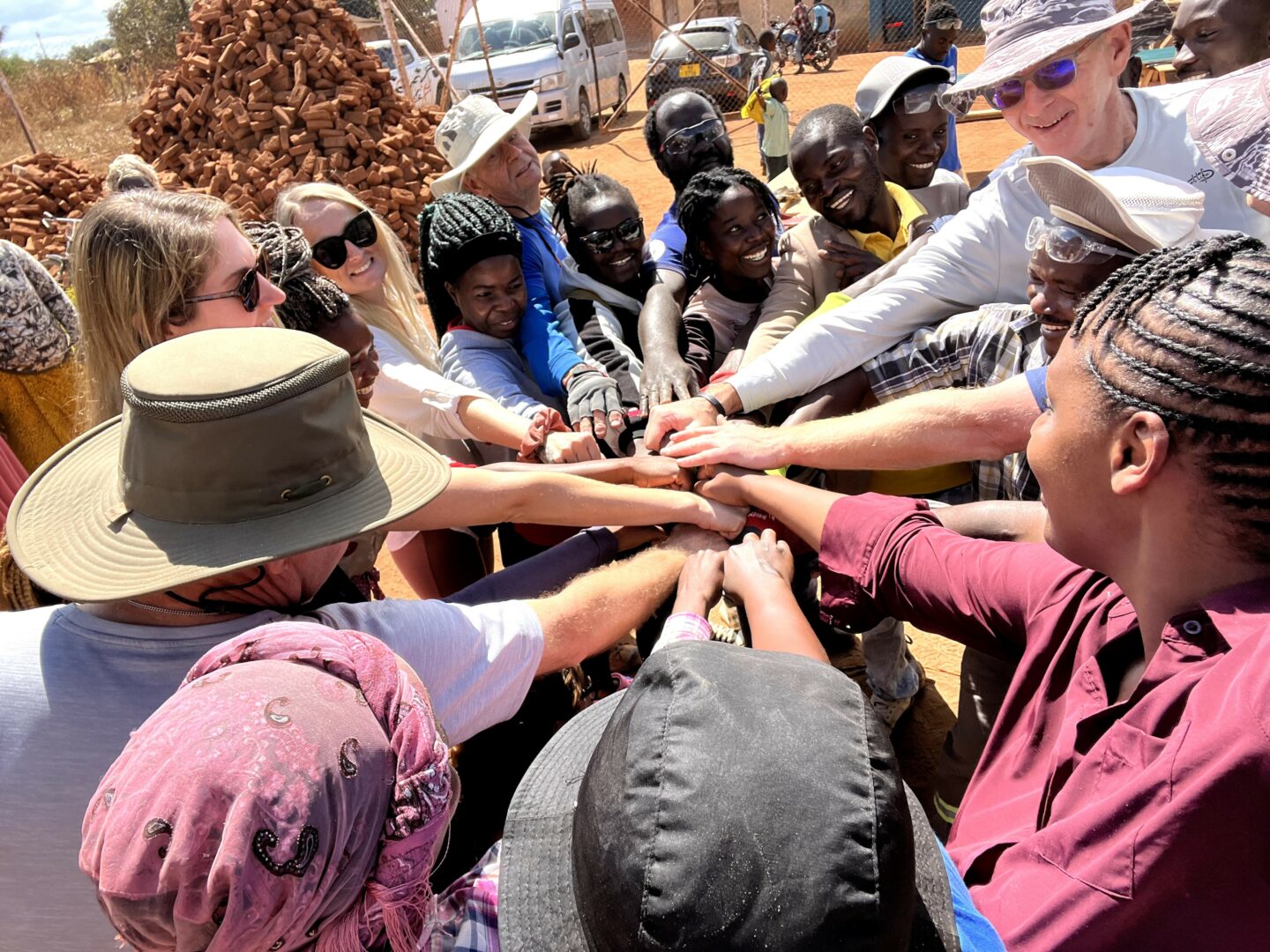
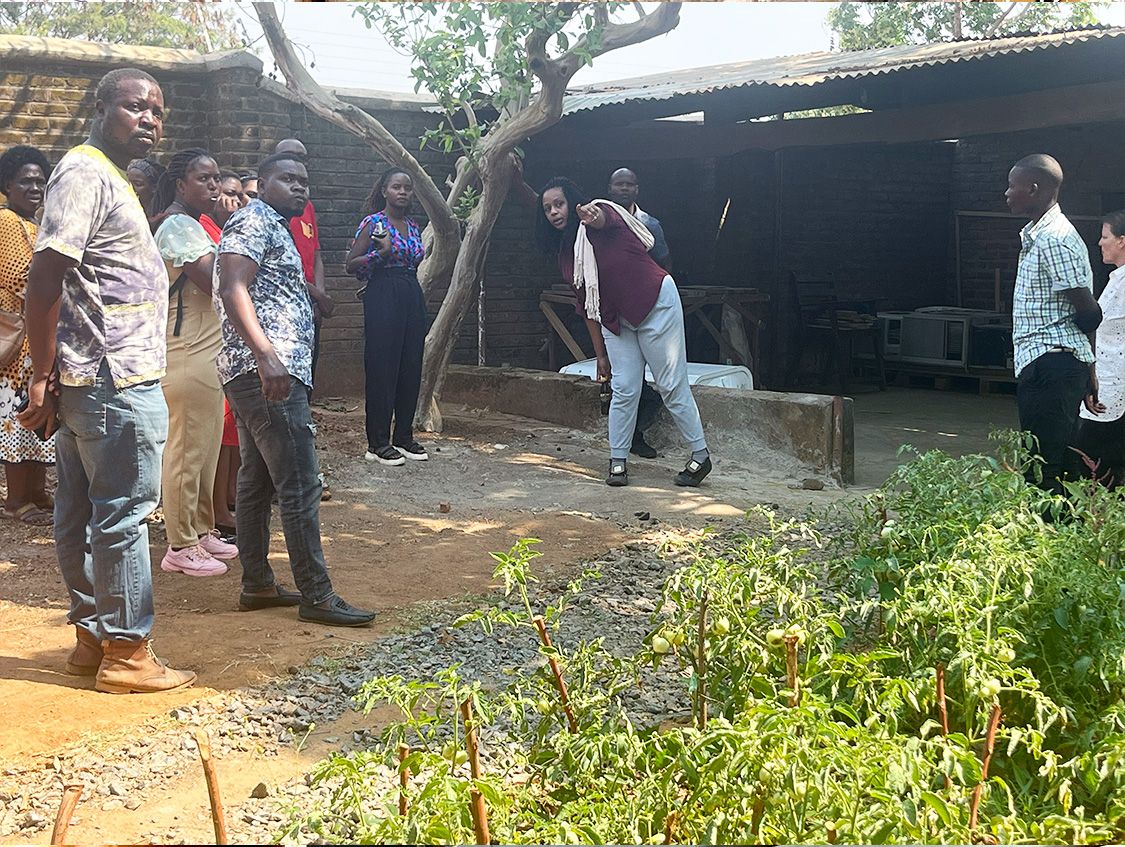
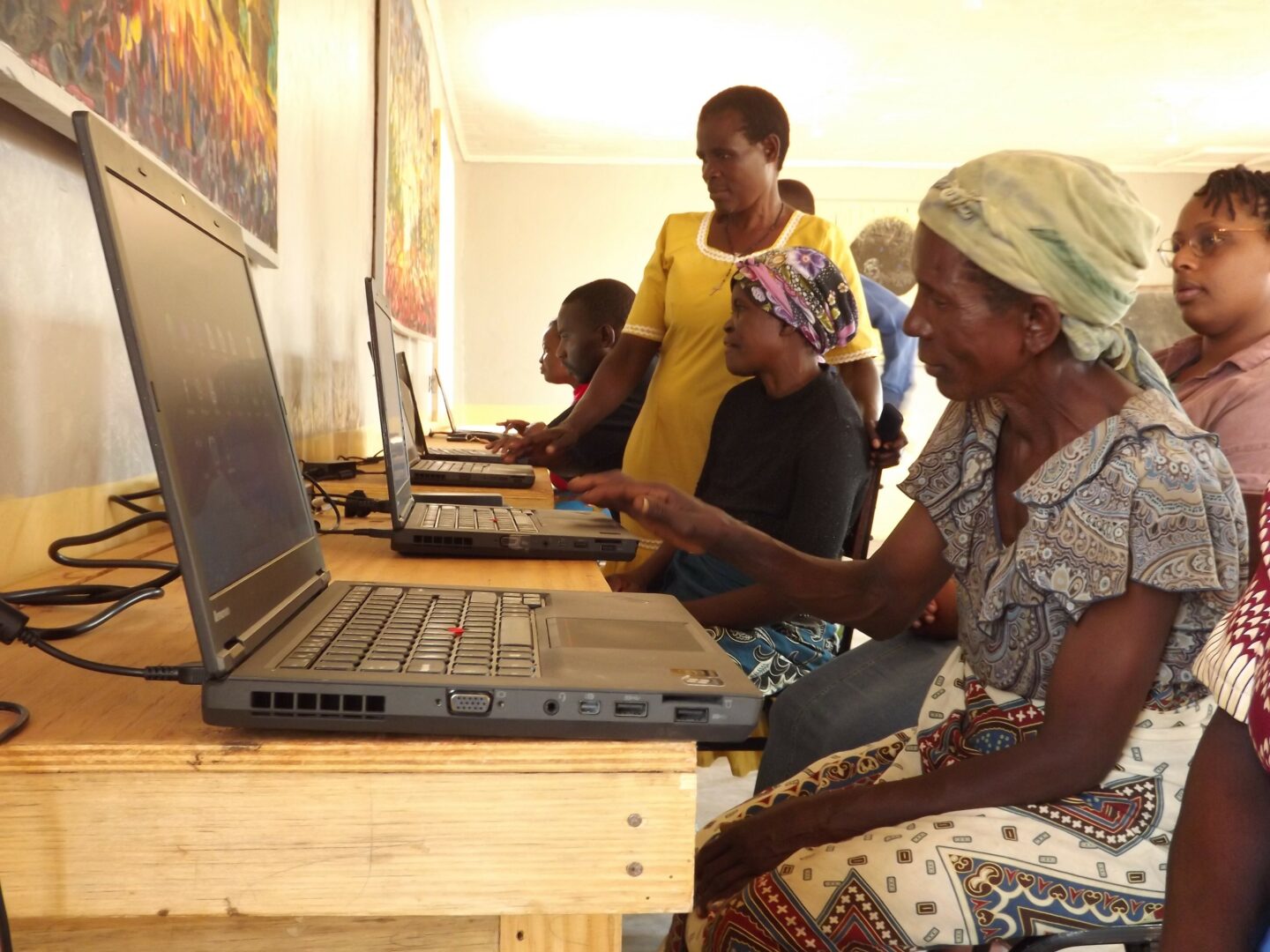
My work sits at the intersection of education, equity, and international development, with a deep grounding in community building and cultural storytelling. I am currently the Executive Director of the Moving Windmills Project, a nonprofit in Malawi that supports local innovation through sustainable infrastructure and educational access.
My research and practice are rooted in a lifelong commitment to reimagining what aid to education in Africa can look like—centered on people. I use tools from cultural studies, performance theory, and community-based participatory development to ask critical questions about how education is administered, and to whom. I also challenge organizations and individuals to think deeply about history, their place within it, and their role in shaping more just futures.
My passion for education started in Charlotte, North Carolina, where I attended West Charlotte High School—a place that, during my time, was battling accusations of “academic genocide.” That experience ignited a personal and scholarly mission to understand the systemic inequities in public education. As an undergraduate at Dartmouth, I studied African and African-American studies and began to explore education reform on a global scale. My master’s in International Education focused specifically on Malawi, and my Ph.D. in Cultural Studies and Literacies examined educational inequalities through both African and U.S. lenses.
What excites me most about my work is the opportunity to build spaces for real dialogue—whether through teaching, research, or creative practice. I curate conversations that invite students and communities to speak from experience and imagine new possibilities. In my classrooms, I intentionally decenter traditional hierarchies and uplift non-canonical voices, including music, film, and art from underrepresented creators and in conversation with “canonical scholars”.
Outside the classroom, I’m a certified drone pilot and trained in GIS and geospatial data mapping. These tools help us collect better data in rural Malawi and guide development initiatives that are responsive, not extractive. I’ve worked with USAID, the Malawian Ministry of Education, and local leaders to ground educational reforms in lived realities. I’m proud to be learning Chichewa and to work alongside a global network of changemakers every day—not as subjects of research or aid, but as partners and co-creators.
What’s new for me professionally? Our team at Moving Windmills is launching a major building campaign that will expand our impact in Malawi. The Innovation Center will be Malawi’s first purpose-built community gathering center on this scale. It’s a bold step toward realizing our mission of inspiring local solutions to global problems. We’ve launched a 10 year campaign and are 50% of our goal towards construction of Phase 1 which will build the heart of the Innovation Center, student housing, community gathering spaces, public utility access, and a machine shop. I am also continuing to write and publish on the politics of aid, globalization, and agency—bringing stories from my lived experiences into broader global conversations.
In everything I do, I aim to be a bridge: between disciplines, across borders, and among generations of thinkers and changemakers. My work asks: What does it take to build equity—not just imagine it?
If you had to pick three qualities that are most important to develop, which three would you say matter most?
1. Put People First
One of the most valuable lessons I’ve carried with me—from high school JROTC to multilateral negotiations with USAID—is that nothing is more important than the people in the room. Relationships, respect, and listening well are non-negotiables. Whether you’re working in a rural classroom or a policy boardroom, success hinges on how well you engage with others, honor their experiences, and collaborate toward shared goals. There is no good you can impose on a population, all solutions must involve those they purport to uplift. I encourage others to practice empathy, and don’t just network—nurture. Begin each day, every meeting, all emails with the individuals you are addressing in mind.
2. Always be Ever Learning
At Moving Windmills, one of our core values is to be “ever-learning.” I’ve come to believe there’s no substitute for a curious mind and a willing heart. Whether you’re leading a team or implementing new technology, staying teachable opens doors that credentials alone never could. Lifelong learning isn’t just about acquiring new knowledge—it’s about embracing humility and allowing yourself to be shaped by each experience. The temptation is to think that you’ve seen it all or done this before, reject all such notions and instead cultivate a posture of openness. Listen actively, read widely, ask good questions, and surround yourself with people who challenge your assumptions. Growth cannot happen in echo chambers and the world is full of unknowns.
3. There is no substitute for a strong foundation
I stand on the shoulders of many. My family, church, and community—especially in Charlotte, Florence, and Sumter—poured into me from a young age, instilling a sense of purpose, pride, and responsibility. They exhumed greatness. We spoke in detail on the triumphs of previous generations and the importance of the path they trod. That foundation continues to anchor me, especially in difficult moments. When starting anything, never skip fundamentals. Invest in your foundation and the early stages of anything you care about; respect roots and tend to them carefully. In a world that often demands adaptation, a strong foundation is an invaluable compass.
How can folks who want to work with you connect?
Yes, we are absolutely looking to partner and collaborate with folks—especially through our Moving Windmills Fellowship and Residency programs. We’re in the early stages of building a community of creative problem-solvers, and we welcome individuals who are curious, grounded, and eager to roll up their sleeves in service of something bigger than themselves.
We’re looking for fellows and residents who share our core values—people who believe in human-centered design, who recognize the brilliance embedded in local knowledge, and who understand that appropriate technology and sustainability aren’t just buzzwords—they’re a necessity. We want team members who are ever learning, humble enough to listen, and bold enough to act.
This is ideal for someone who’s ready to step off the sidelines and contribute meaningfully at the grassroots level. Whether your strength is clean energy, community engagement, curriculum design, agriculture, public health, or you bring a new idea entirely—we invite you to join us in Kasungu, Malawi, where resilience lives and possibility grows.
If this speaks to you, let’s talk. Visit www.movingwindmills.org and explore the “Fellowship and Residency” section. Applications are reviewed on a rolling basis. You can also reach out directly to our team via the contact form on the website to start a conversation.
Whether you want to apply, collaborate, or support a fellow or resident financially, there’s a role for you to play in shaping a more sustainable future—from Kasungu to the world.
Contact Info:
- Website: https://oliviascottphd.com
- Instagram: @movingwindmills
- Facebook: @movingwindmills
- Linkedin: http://www.linkedin.com/in/olivia-scott-phd
- Twitter: @movingwindmills
- Youtube: https://www.youtube.com/@movingwindmills
- Other: https://www.movingwindmills.org
so if you or someone you know deserves recognition please let us know here.