We recently connected with Olivia Yin and have shared our conversation below.
Olivia, appreciate you making time for us and sharing your wisdom with the community. So many of us go through similar pain points throughout our journeys and so hearing about how others overcame obstacles can be helpful. One of those struggles is keeping creativity alive despite all the stresses, challenges and problems we might be dealing with. How do you keep your creativity alive?
I stay creative by constantly trying new things. Experiencing new games is great, but I find inspiration in exploring diverse areas. I love to travel and immerse myself in natural environments, new stores, and restaurants I haven’t visited before. I also draw inspiration from other interactive or artistic media, such as exhibitions, movies, and immersive theater. Staying curious and continuously learning in various fields fuels my creativity. These experiences offer fresh perspectives and ideas that I can incorporate into the immersive experiences I create. By broadening my horizons and embracing different environments and artistic expressions, I keep my creative energy vibrant and dynamic.
Appreciate the insights and wisdom. Before we dig deeper and ask you about the skills that matter and more, maybe you can tell our readers about yourself?
I’m a game designer specializing in level design and world-building for a AAA video game. My current focus is on designing events in open worlds to make the environment more alive and immersive. By creating ambient events, I aim to enhance the player’s experience with rich, engaging content that brings the game world to life.
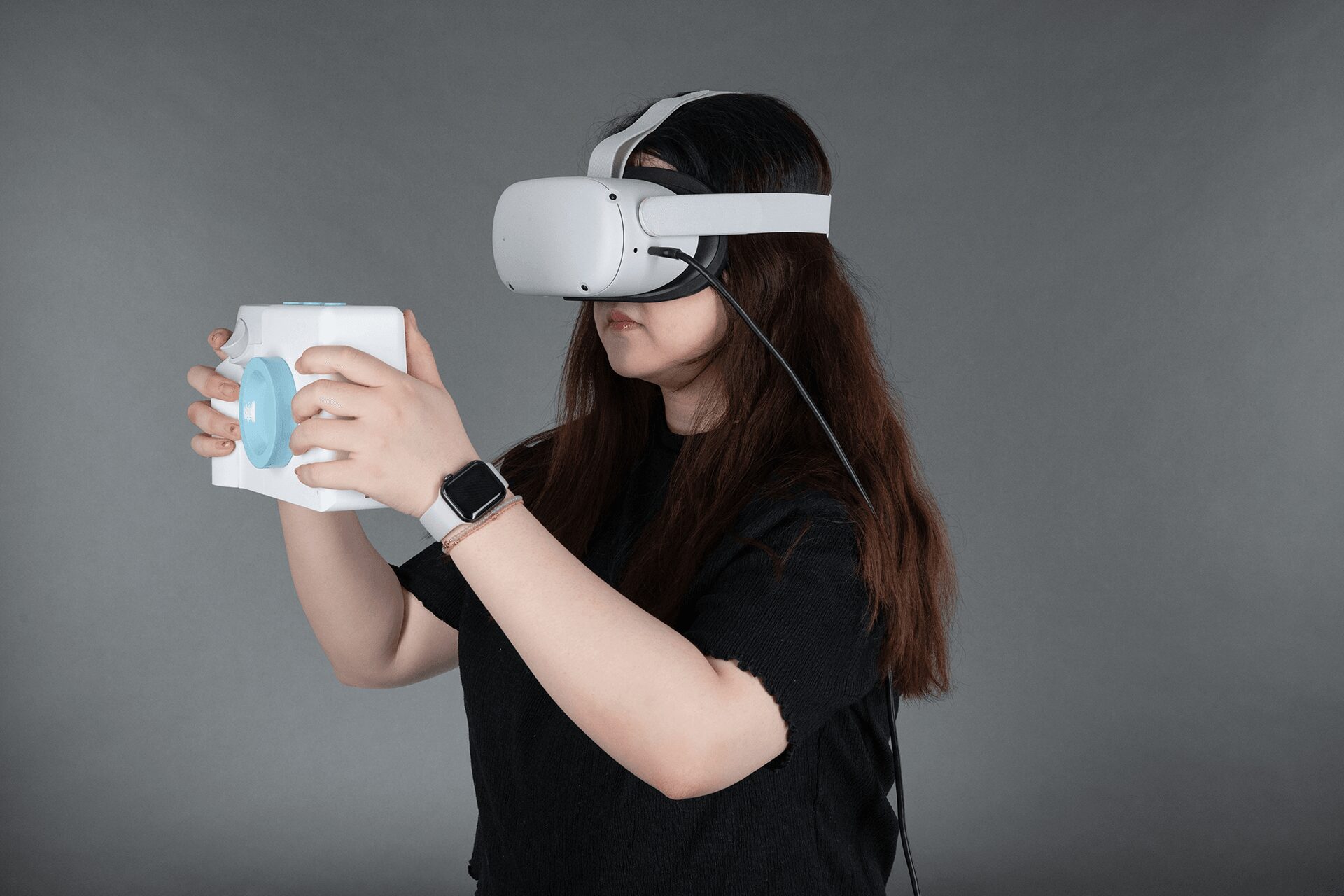
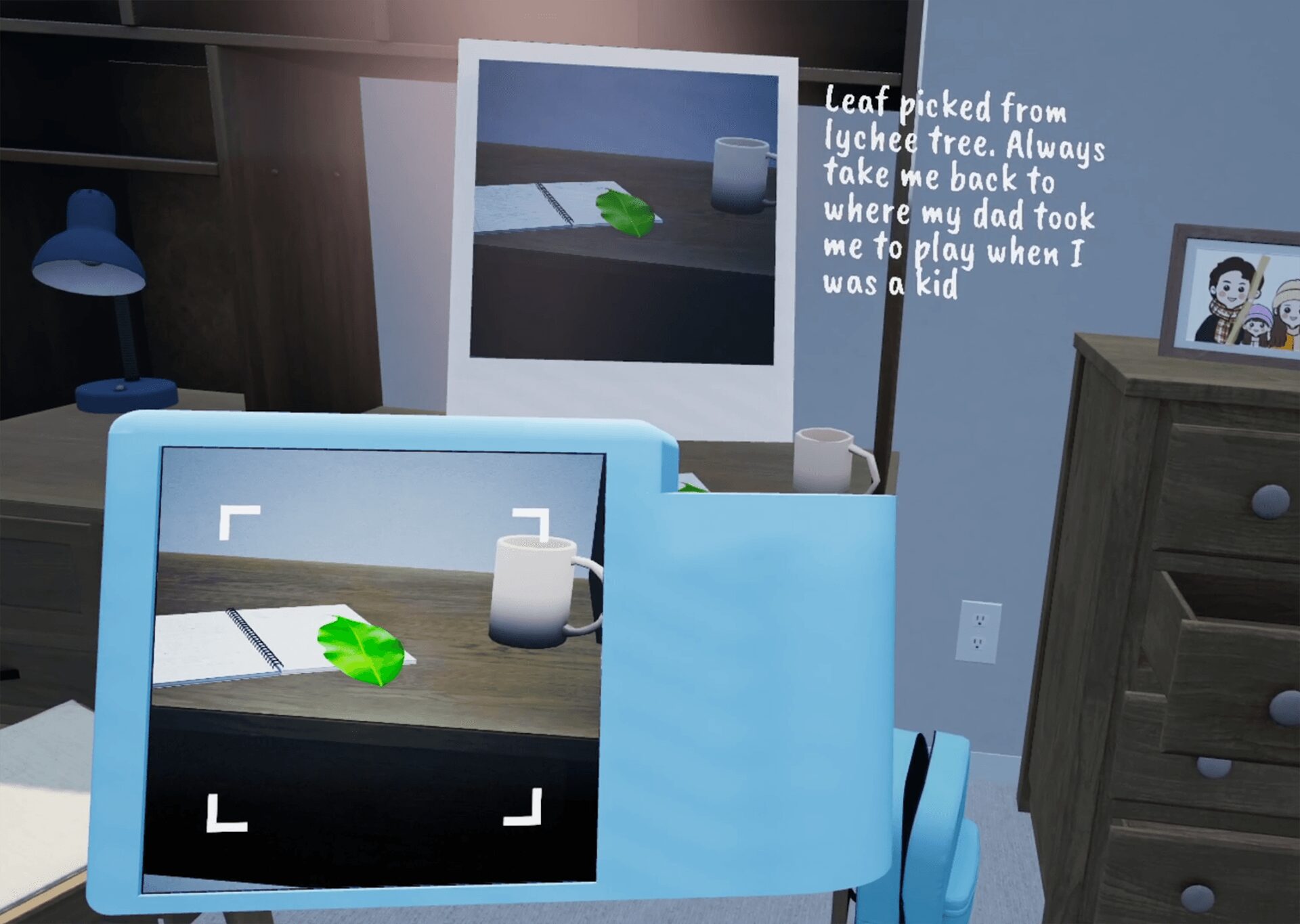
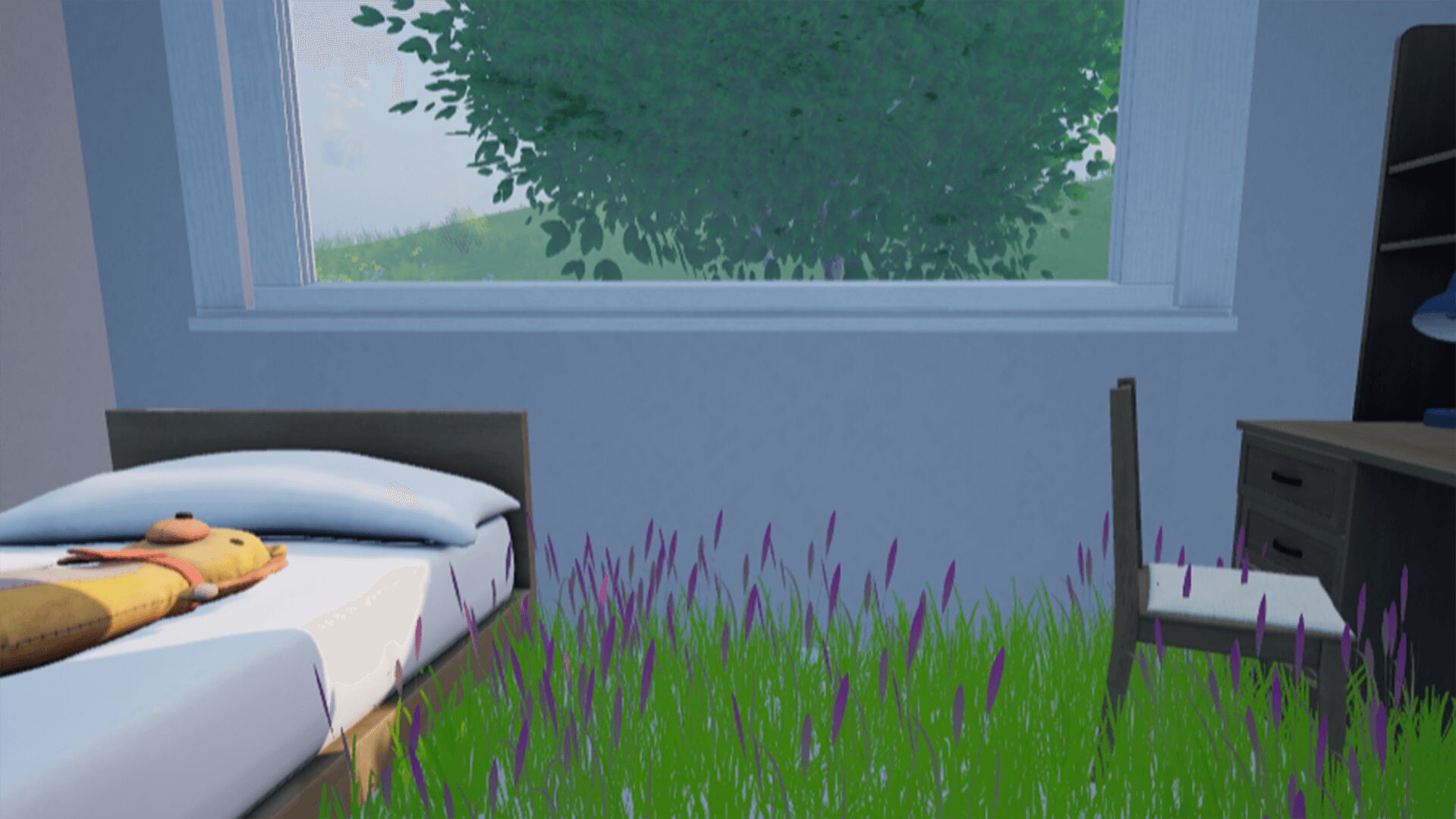
Before entering the video game industry, I created several interactive projects. My most meaningful project is “Smell like Home,” which successfully integrates the sense of smell into an immersive virtual reality experience. The sense of smell, deeply linked to emotions and memories, became a powerful storytelling tool. I developed a scent-release device shaped like a camera, which recalls memories through pictures. As players “take” a picture of an object within the virtual environment, the device triggers the associated story and releases a corresponding smell. This multi-sensory approach enhances immersion, creating a deeper emotional connection. The project incorporates my own memories and emotions, reconstructing my childhood memories into several three-dimensional environments. These environments resonate with the audience through three unique odors, each designed to evoke specific memories and emotions, making the virtual world more tangible and relatable.
Throughout my academic and professional journey, I‘ve always been driven by the desire to tell compelling stories and evoke emotions through these virtual worlds, enhancing the immersive experience in creative ways.
Looking back, what do you think were the three qualities, skills, or areas of knowledge that were most impactful in your journey? What advice do you have for folks who are early in their journey in terms of how they can best develop or improve on these?
I transitioned from architecture to video game level design which was a challenge that required me to learn an entirely new set of skills. With no prior experience in coding or game engines, I started my journey of self-education. For example, I had a 100-day learning with Unreal Engine, and I documented my progress daily on social media, which built me a solid technical foundation for my future projects.
On top of learning new technical skills, transitioning from player to designer changed my perspective on games. Previously, I played games without much thought about the intentions behind the designs or the process behind the iterations. Once I started developing games myself, I began to reverse engineer my favorite gaming experiences. This involved breaking down and analyzing the design logic behind them, which not only deepened my understanding but also inspired me a lot in level design.
During my graduate study at New York University, exploring extended reality (XR) opened my eyes to its potential for creating immersive experiences that break the conventional boundaries of the screen. I always ask myself what makes an experience more immersive, this led me to integrate sensory elements into my designs in XR experiences.
Any advice for folks feeling overwhelmed?
When I feel overwhelmed, I take a break from work to focus on my emotions and mood. I find walking outdoors and connecting with nature to be calm. I like walking to my favorite restaurant and enjoying a meal, which helps stabilize my mood. Once I feel more balanced, I return to work and prioritize my tasks. By addressing the most important tasks first, I find that the number of pressing issues decreases, making me feel less overwhelmed. This approach helps me manage stress and maintain productivity.
Contact Info:
- Website: https://oliviayinjx.com/
- Instagram: https://www.instagram.com/oliviayinspace/
- Linkedin: https://www.linkedin.com/in/oliviajxyin/
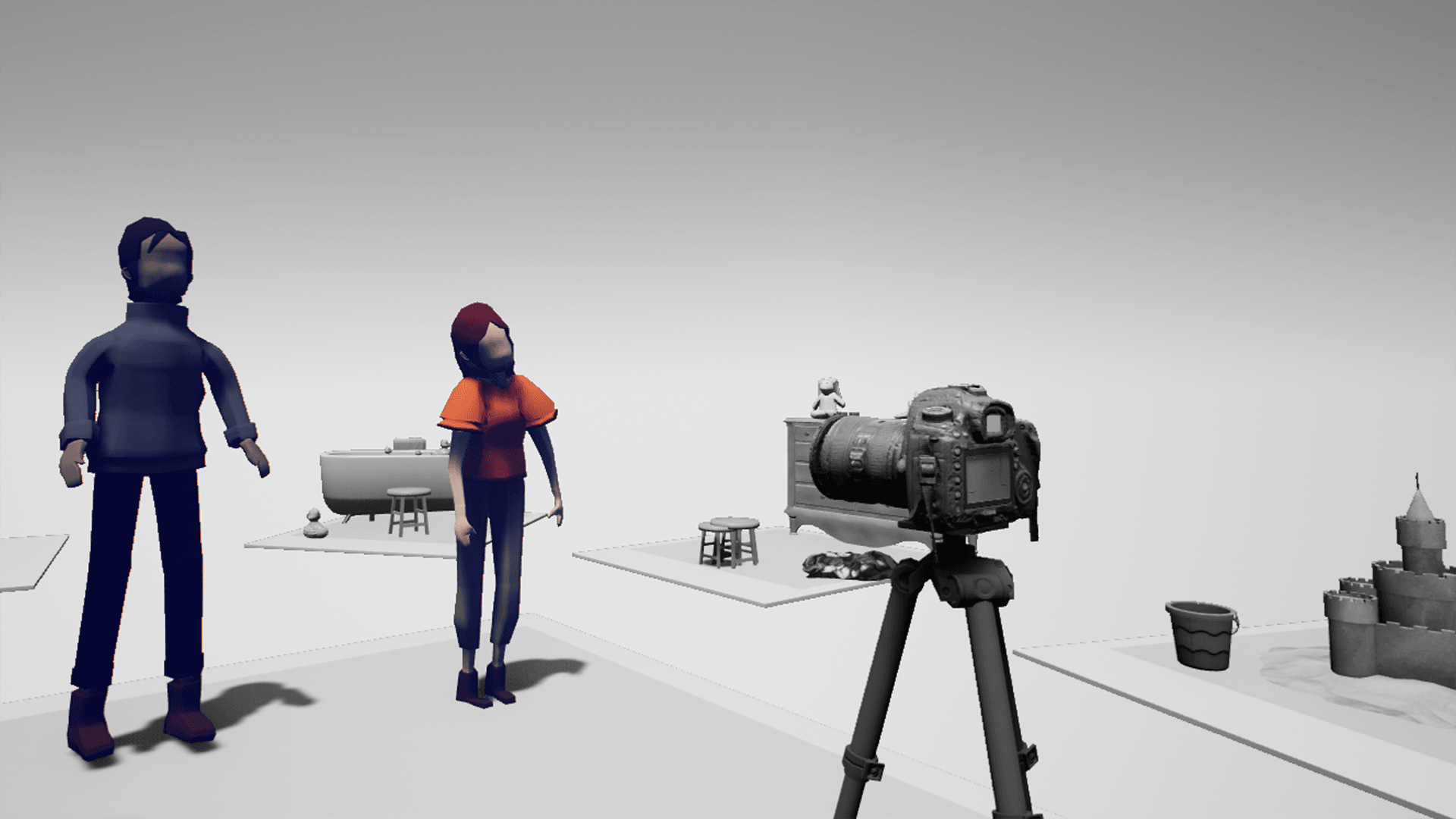
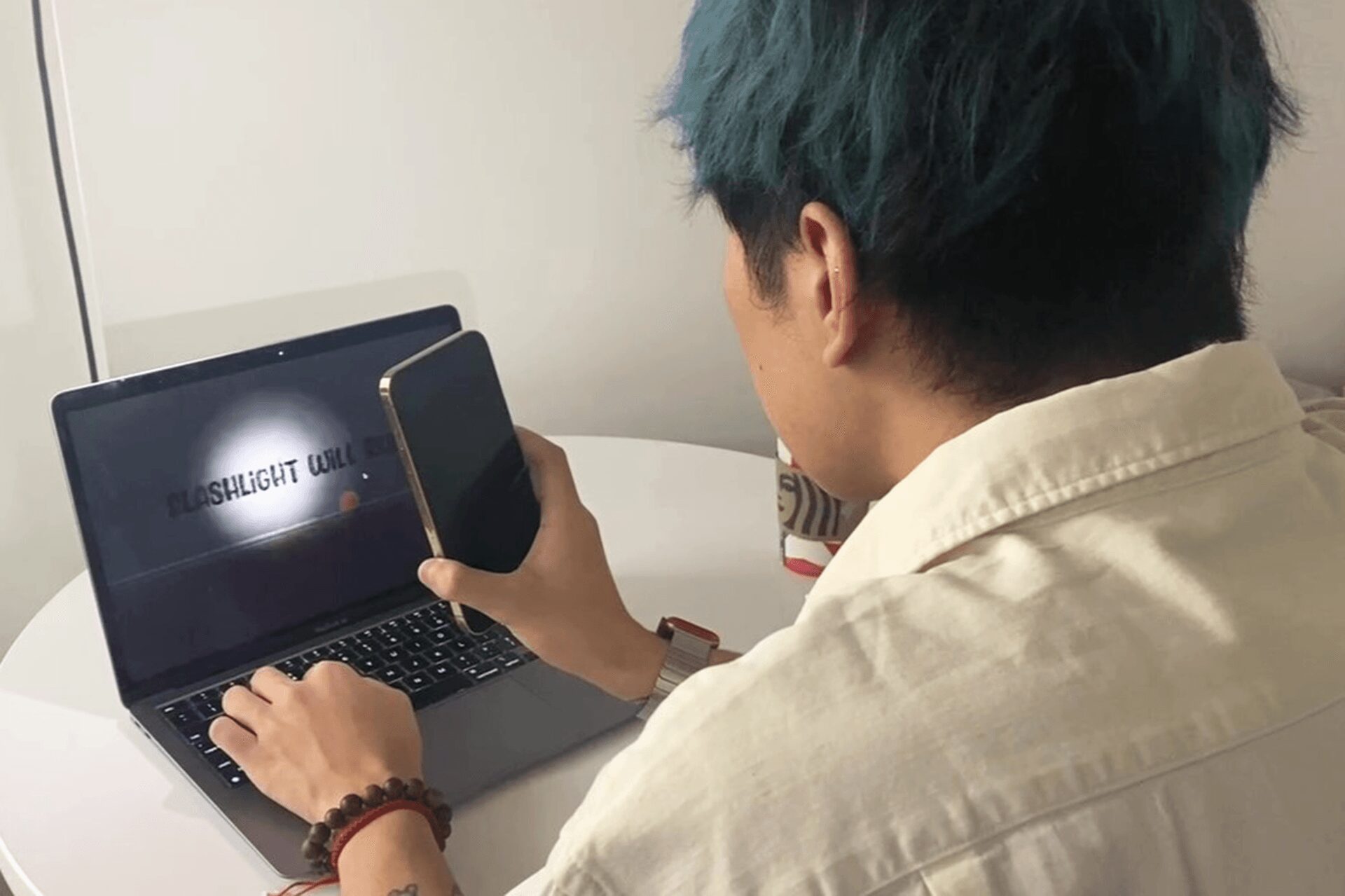
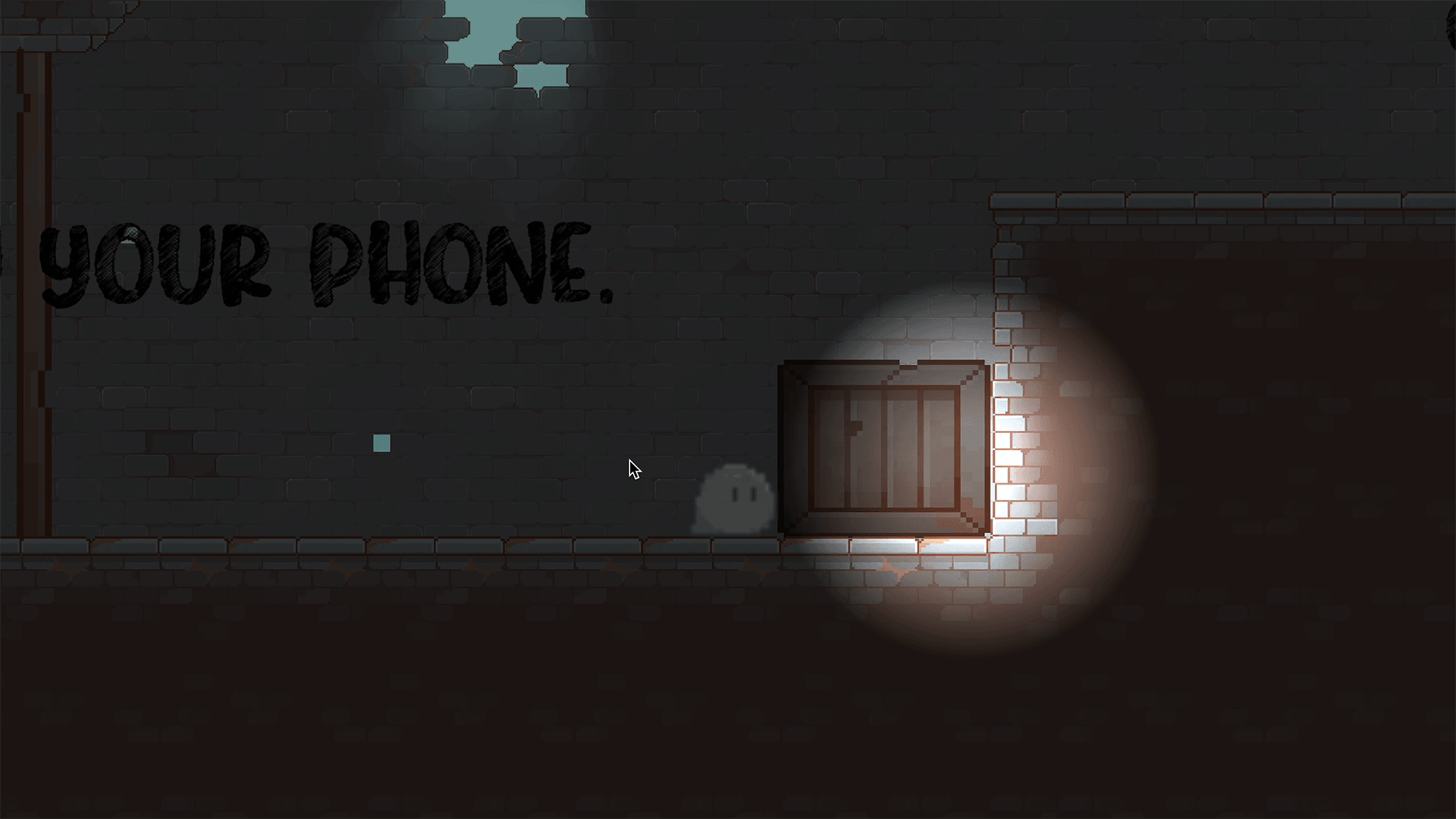
Image Credits
NYU ITP Documentation Lab
so if you or someone you know deserves recognition please let us know here.