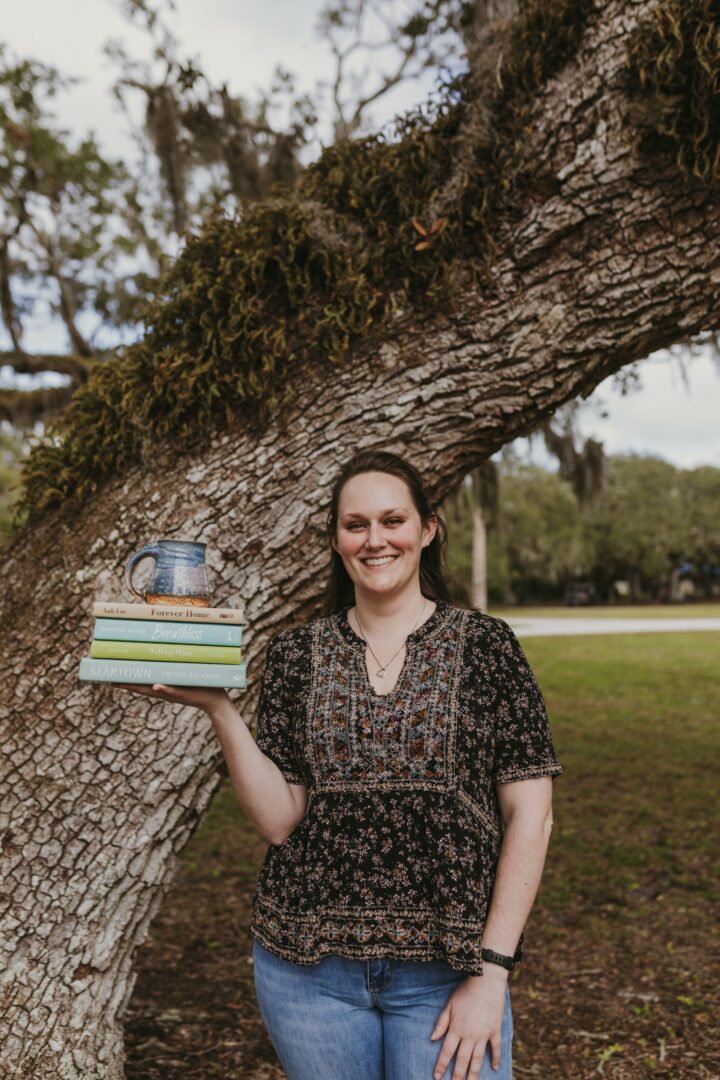
Alright – so today we’ve got the honor of introducing you to Olivia Zugay. We think you’ll enjoy our conversation, we’ve shared it below.
Olivia, thank you so much for joining us. You are such a positive person and it’s something we really admire and so we wanted to start by asking you where you think your optimism comes from?
My optimism comes from a hard-earned understanding that life almost never unfolds according to plan.
For a long time, I measured my life against timelines I thought I should be meeting: where I should be by a certain age, what success was supposed to look like, how quickly things were meant to happen. When reality didn’t match those expectations, it was discouraging. But over time, I realized many of those benchmarks weren’t truths at all—they were social constructs I’d absorbed without questioning.
That shift changed everything.
Once I stopped viewing detours as evidence that something was “wrong,” I began to see them as information. Each challenge taught me resilience, perspective, and patience. I learned that situations are rarely permanent—and that growth often happens quietly, long before it becomes visible.
My optimism today is grounded, not naive. It comes from knowing that change is inevitable, and that improvement is possible when you stay open, curious, and forward-looking. I’ve seen firsthand how mindset shapes experience: when I approach situations with hope and intention, I’m far more likely to notice opportunities, take meaningful action, and create momentum.
I also believe deeply in personal responsibility. Optimism, for me, isn’t passive wishful thinking; it’s an active choice. It’s deciding not to stay stuck in a negative loop when a more constructive perspective is available. Life is challenging enough; I’ve learned I don’t need to make it harder by assuming the worst.
At its core, my optimism comes from trust—trust in my ability to adapt, trust that progress doesn’t have to be linear, and trust that things can, and often do, get better.
And when they do, it’s usually because I chose to believe they could.
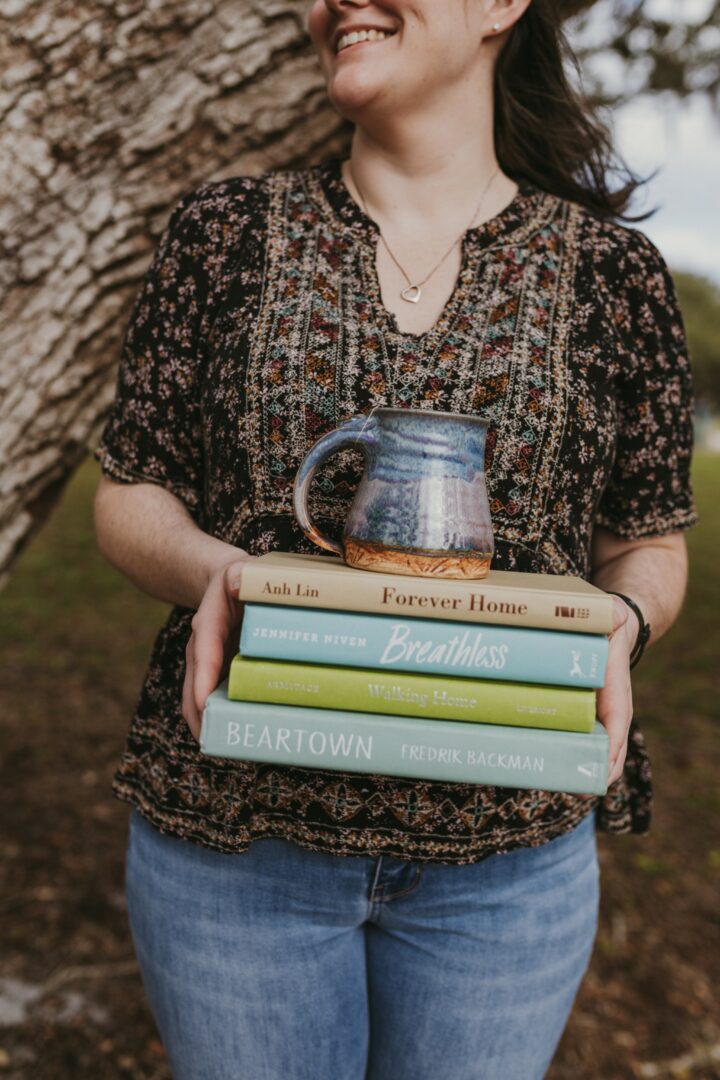
Thanks for sharing that. So, before we get any further into our conversation, can you tell our readers a bit about yourself and what you’re working on?
At the heart of what I do is helping authors shift how they think about publishing. Most people are taught how to publish a book, but very few are taught how to build a sustainable career around their writing. What excites me most is teaching authors to see their work not just as a creative project, but as a business that can support the life they actually want to live.
I work with fiction authors at all stages—from debut writers to established, full-time authors—and help them understand how to sell their books, find and grow an engaged readership, and create long-term income from their work. Publishing a book is only one piece of the puzzle. Knowing how to reach the right readers, build trust with them, and continue selling books over time is what allows authors to write full-time with freedom and stability.
That focus comes directly from my own journey. For six years, I hustled hard—working nights, weekends, and sacrificing parts of my personal life to keep my business moving forward. I learned a lot, but I also learned how exhausting and unnecessary that grind can be when you don’t have clear mentorship, alignment, or a true understanding of who you’re serving. Looking back, I don’t regret that season—it gave me the skills, perspective, and empathy that allow me to support others now—but I also know how much smoother the path can be with the right guidance.
What makes my work different is that I act as a full-service system and strategic partner for authors. I teach them how to publish their books, how to hire and work with the right service providers, and—most importantly—how to build an audience that genuinely wants to be part of their author journey. An audience that doesn’t just buy one book, but grows with them over time, release after release.
For more established authors, I also step in as a right-hand partner—helping plan launches, refine marketing strategies, analyze data, and handle the backend strategy—so they can focus on what they do best: writing. My goal is always to reduce overwhelm and replace guesswork with clarity and confidence.
Beyond strategy, though, the most meaningful part of my work is helping people believe that their creative dreams are actually achievable. Many of the authors I work with are building careers that weren’t on any “safe” or predetermined path. Watching someone reach financial stability, creative fulfillment, and freedom through something they once felt unsure was even possible—that never gets old.
That combination—business strategy, creative support, and belief—is what drives my work. I get to help people turn the stories they love into careers they can sustain, and that’s incredibly exciting to be part of.
Looking back, what do you think were the three qualities, skills, or areas of knowledge that were most impactful in your journey? What advice do you have for folks who are early in their journey in terms of how they can best develop or improve on these?
Looking back, there are three qualities that have had the biggest impact on my journey: determination, strategic thinking, and an understanding of human behavior.
First, determination.
There were many moments when the path forward wasn’t obvious, progress felt slow, or quitting would have been easier. What carried me through wasn’t talent or luck; it was the decision to keep going. Determination isn’t about forcing hustle at all costs; it’s about staying committed even when growth feels quiet or nonlinear.
My advice: early on, focus less on speed and more on consistency. Small, repeated actions compound over time. If you can build the habit of showing up—even imperfectly—you’ll go much farther than someone who burns bright and burns out.
Second, strategic and logistical thinking.
One of my strongest skills is the ability to look at a situation, identify the end result I want, and map a realistic path to get there. That way of thinking has shaped everything—from how I built my business to how I help clients plan book launches, marketing strategies, and long-term growth.
My advice: start practicing outcome-based thinking. Instead of asking “What should I do next?” ask “What am I actually trying to achieve?” Then work backward. This builds clarity, reduces overwhelm, and helps you make decisions that move you forward instead of sideways.
Third, understanding human psychology.
A huge part of my work involves anticipating how people think, feel, and behave—whether that’s readers, customers, or clients. Understanding what motivates someone to engage, buy, or stay loyal allows me to design strategies that feel natural and effective rather than forced or salesy.
My advice: get curious about people. Pay attention to patterns. Listen more than you talk. Whether you’re writing, marketing, or building relationships, empathy and observation will take you further than any trend or tactic.
Ultimately, these skills didn’t appear overnight. They were built through experience, reflection, and a willingness to learn from mistakes. For anyone early in their journey, I’d encourage patience. You don’t need to have everything figured out—you just need to stay open, intentional, and willing to grow. Over time, your strengths will reveal themselves, and they’ll become your greatest asset.
How can folks who want to work with you connect?
Yes—collaboration is a big part of how I approach my work, and I’m always open to partnering with people who genuinely care about strengthening the author community.
I’m especially drawn to collaborators who value education, transparency, and long-term impact over quick wins. While visibility and promotion are part of any collaboration, my priority is always creating something that truly benefits authors—whether that’s through shared resources, workshops, conversations, or early-stage guidance. I believe strongly that generosity begets generosity and that philosophy shapes how I run my business and who I choose to work with.
I love collaborating with service providers in the publishing space—editors, cover designers, formatters, marketers, coaches—who want their clients to feel informed, prepared, and supported beyond just one step of the process. One of the biggest gaps I see for authors is that they’re often working with excellent service providers, but no one is helping them understand the full picture: how publishing, marketing, audience-building, and business decisions all connect.
That’s where I come in.
I’m particularly interested in collaborations that happen early in an author’s journey—before or alongside publication—because teaching authors how to think strategically about their business makes everyone’s job easier. When authors understand the overall process and what comes next, service providers can focus on what they do best without having to educate clients on every downstream step. It creates better outcomes for authors and smoother workflows for the professionals supporting them.
I also enjoy collaborating with people who have an engaged audience of writers and want to bring in thoughtful, practical education—whether that’s through podcasts, workshops, panels, memberships, or community spaces.
If you’re reading this and feel aligned, the best way to connect with me is through my website or on Instagram, where I’m most active. I’m always happy to start with a conversation and explore whether there’s a meaningful way to work together in the service of authors and the broader book community.
Contact Info:
- Website: https://www.storyflowsolutions.com/
- Instagram: https://www.instagram.com/storyflowsolutions/
- Facebook: https://www.facebook.com/storyflowsolutions
- Linkedin: https://www.linkedin.com/in/olivia-zugay/
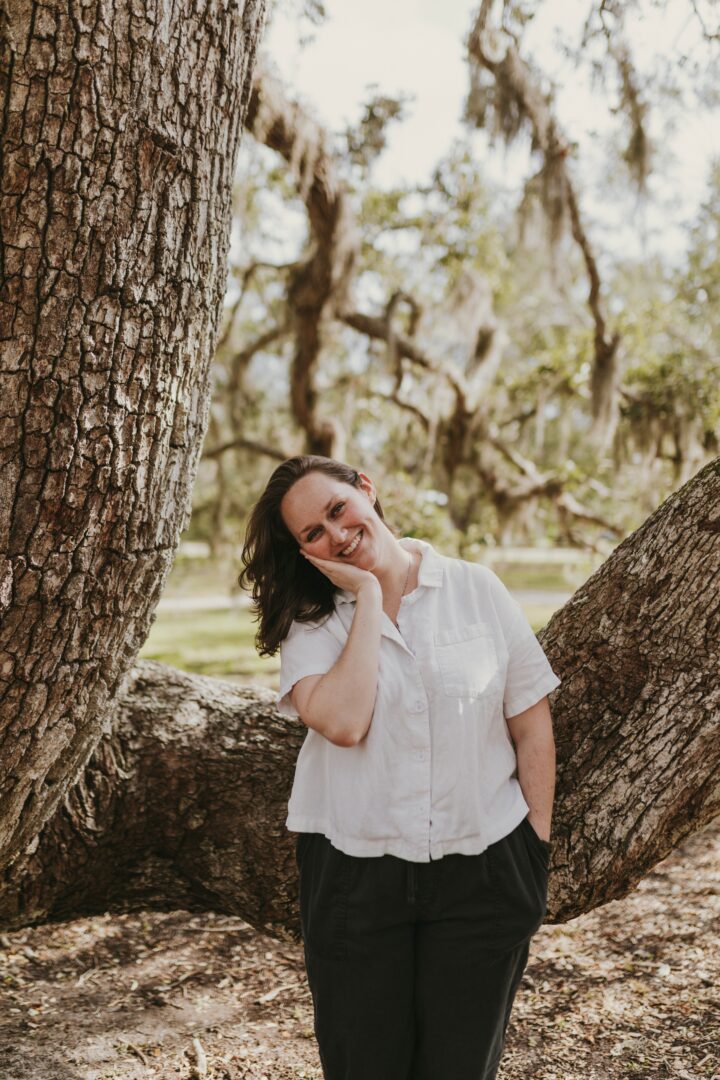
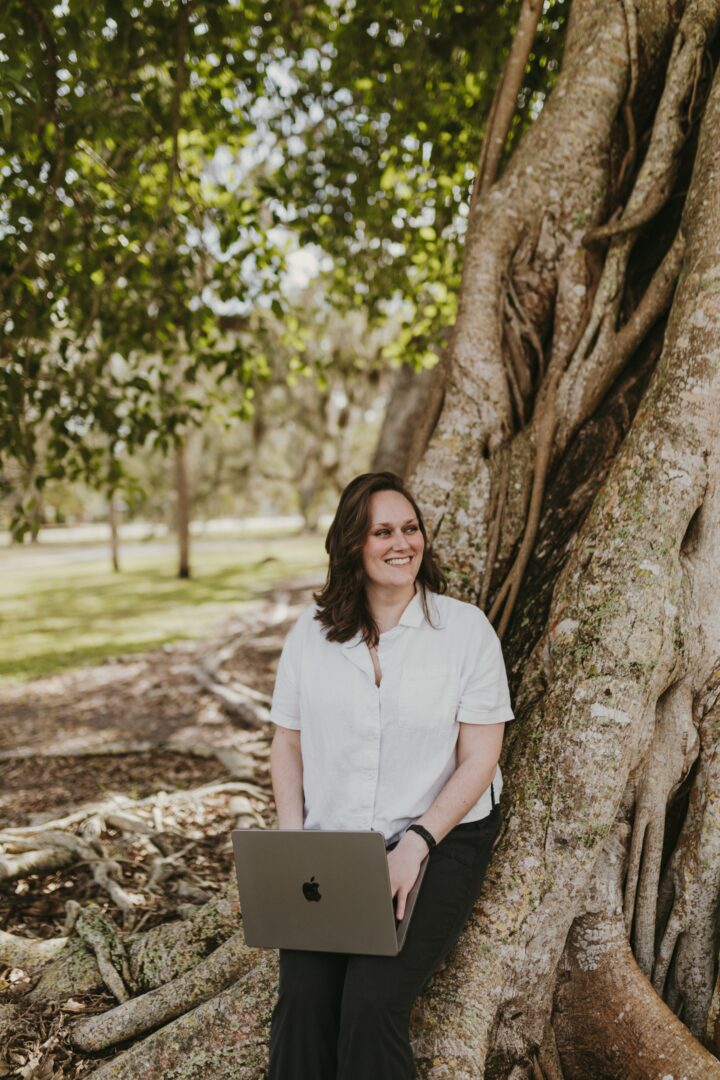

Image Credits
Nicole Leiner Photography
so if you or someone you know deserves recognition please let us know here.