We recently connected with Pamela Maurer and have shared our conversation below.
Pamela, thanks so much for taking the time to share your insights and lessons with us today. We’re particularly interested in hearing about how you became such a resilient person. Where do you get your resilience from?
I’m going to answer a handful of these in one, but focus on resilience and optimism.
My resilience, my optimism, my ability to overcome obstacles, to stand in a room as the only woman/femme person in a male dominated field on construction sites, my generosity, my ability to push past imposter syndrome—all of it—boils down to my intuition, skills, and imagination. It’s the belief that I have more to do on planet earth, the ability to imagine what that might look like, and every day living from my values (also, shout out to therapy, couldn’t recommend it more to EVERYONE).
For me, optimism comes from an attachment to beauty, nature, and my love for the material world. I grew up in a rural corner of the southwest, and the sun, the land taught me how to look at the world with curiosity. I carry the mountains with me, and through my teens and twenties I really struggled through several traumatic losses – my dad and his sister to cancer in 2001 and 2003, and a close friend to domestic violence in 2005. Each of these losses could have knocked me into a spiral of destructive choices, but at my heart I am a creative, and creatives are meant to create not destroy.
When I stay grounded in whats real, what’s everywhere and all around, and when I stay excited by my imagination, I find it hard to feel anything but optimistic, resilient, strong. If you look at the world with a heart full of love for everything in it, it’s hard not to be optimistic. Being a creative is a defiant act of optimism. When you look at the world from these points of view, your job, your work is to imagine what’s new and next, to solve problems, to cultivate comfort. Design is an act of generosity, and generosity requires optimism.
My resilience comes from a combination of this spirit of optimism and a penchant for rebellion. A favorite mantra is ‘this or something better’ and when things get hard I know I can push my mind to focus on that ‘something better.’ I think when people expected me to be sad, it was an act of defiance to be happy. My imagination allowed me to dream about the things I would prefer. Instead of letting the darkness overwhelm me, I was able to get myself on track by simple things like growing plants, drawing, really observing the world. Resilience is necessary for a designer because you have to risk failure, not be too attached, allow yourself to be surprised. When you understand the world is impermanent, that the universe and life are both chaotic, and you can only control you and your immediate surroundings, you can let go of the fear and worry that we all carry. You can let go of the dark times and focus on the things you want because your optimism allows you to believe there’s more to come.
My favorite new expression I learned recently from a taxi driver I met traveling — “Shit happens and then you get to heaven.” It’s an acceptance of light and dark as equal parts of life. At our core we all want to play, to find the hidden secrets of the universe, to be comfortable and happy, and the more I lean into that instead of the stress and competition and the ‘rat race’ of modern life, the happier I feel.
Let’s take a small detour – maybe you can share a bit about yourself before we dive back into some of the other questions we had for you?
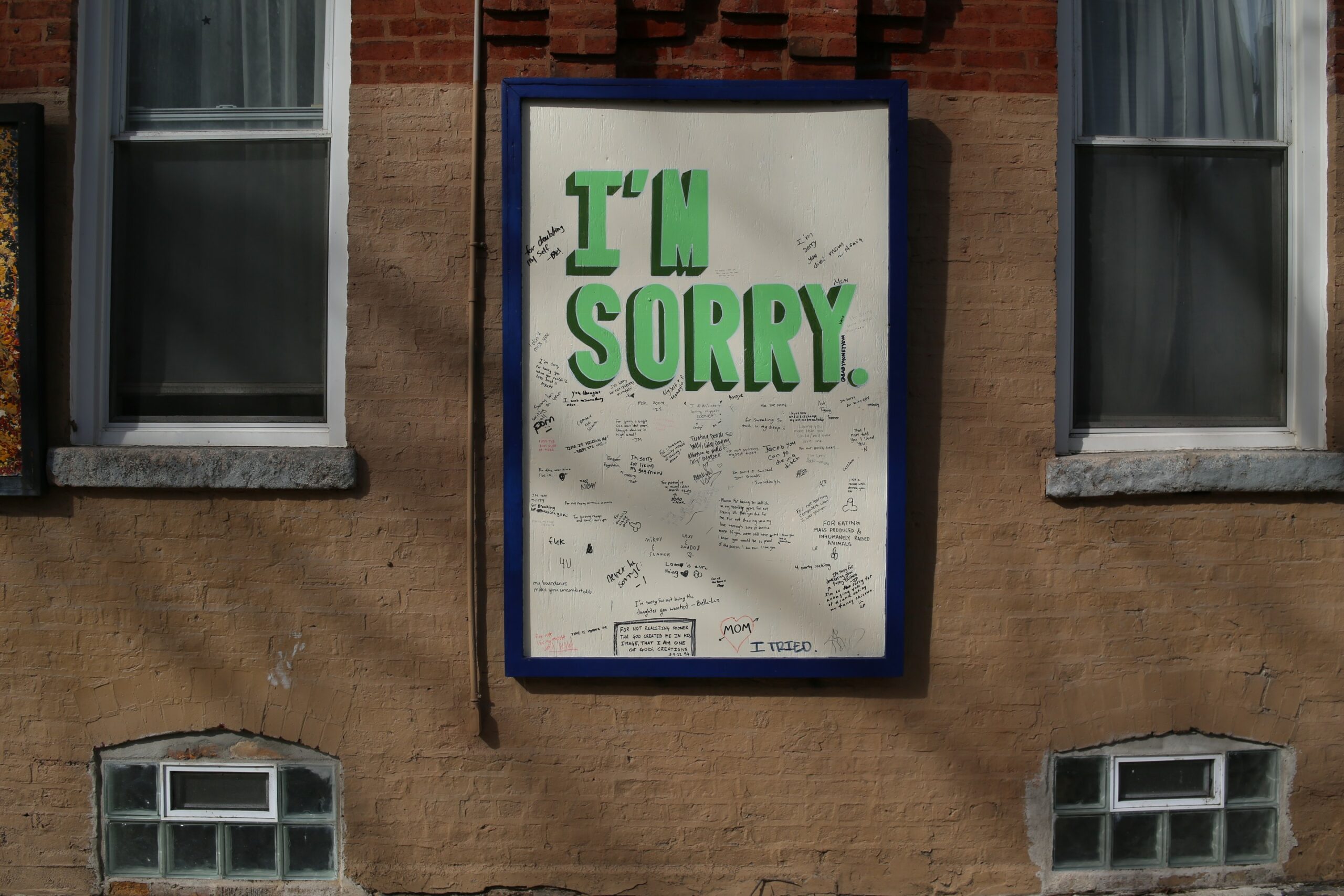
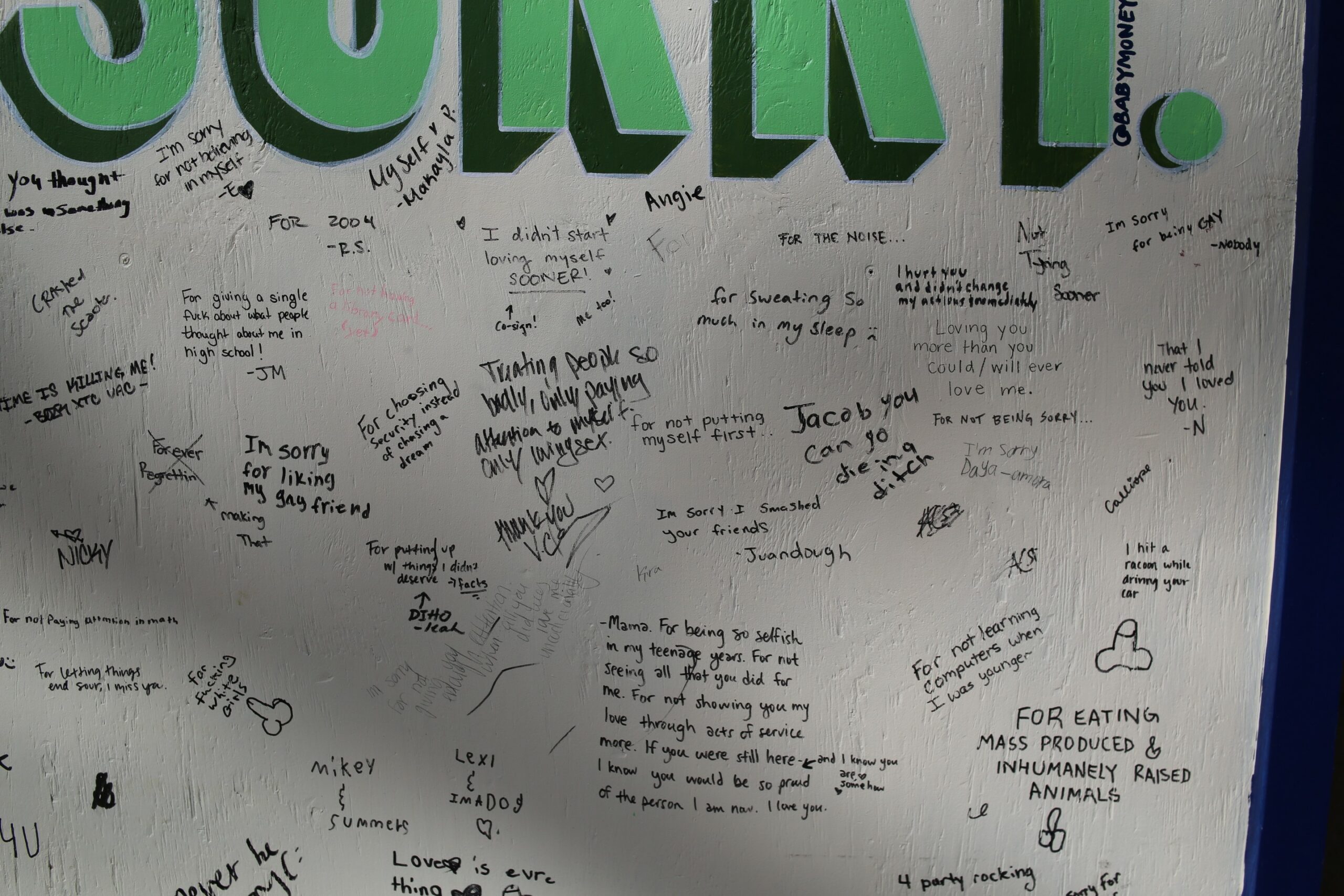
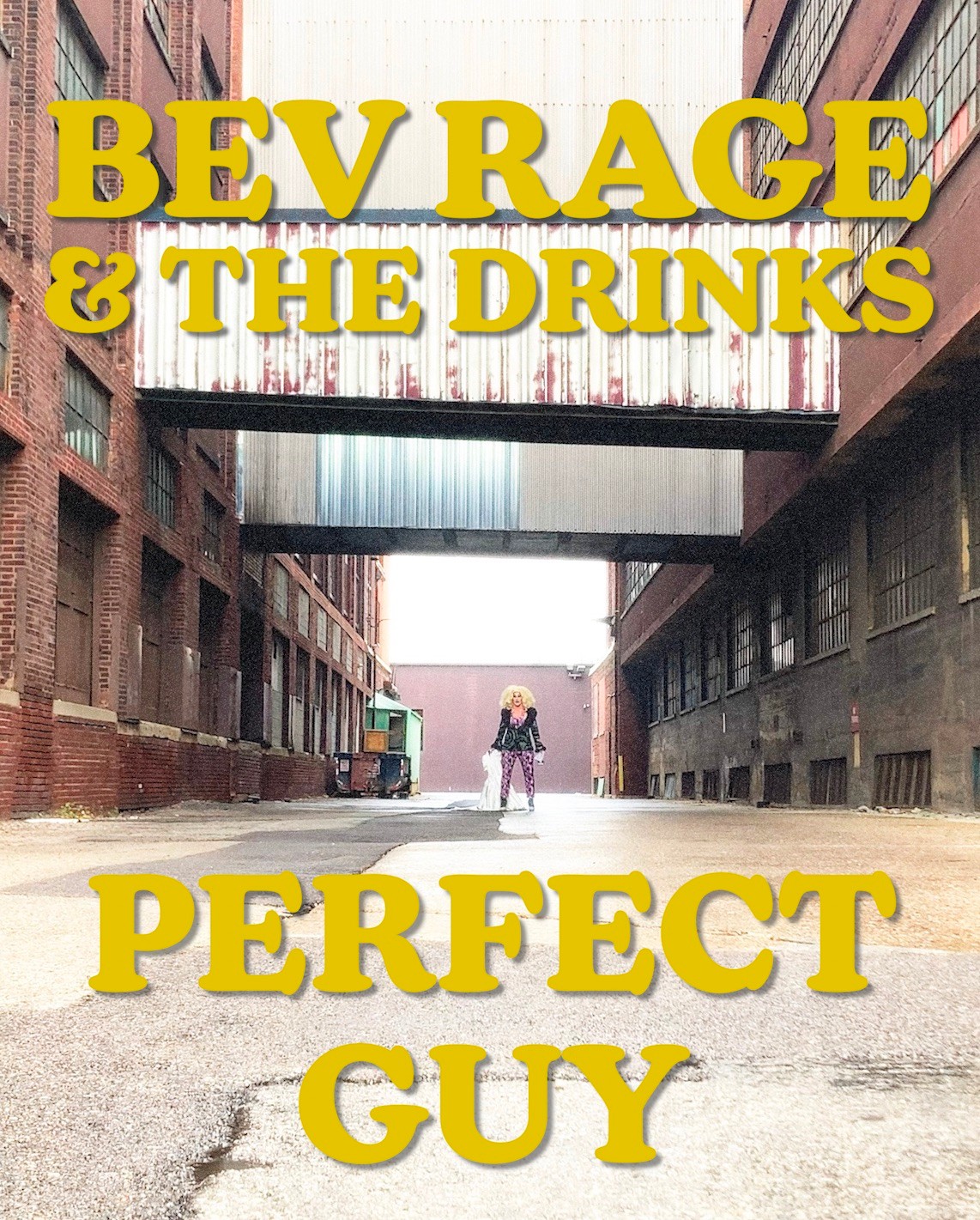
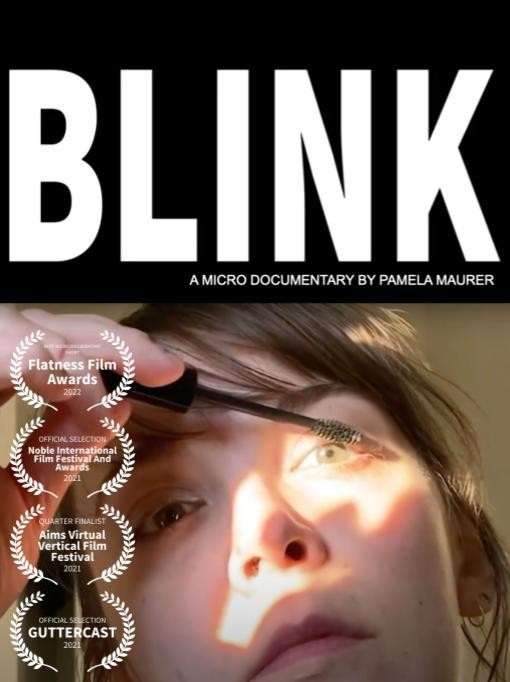
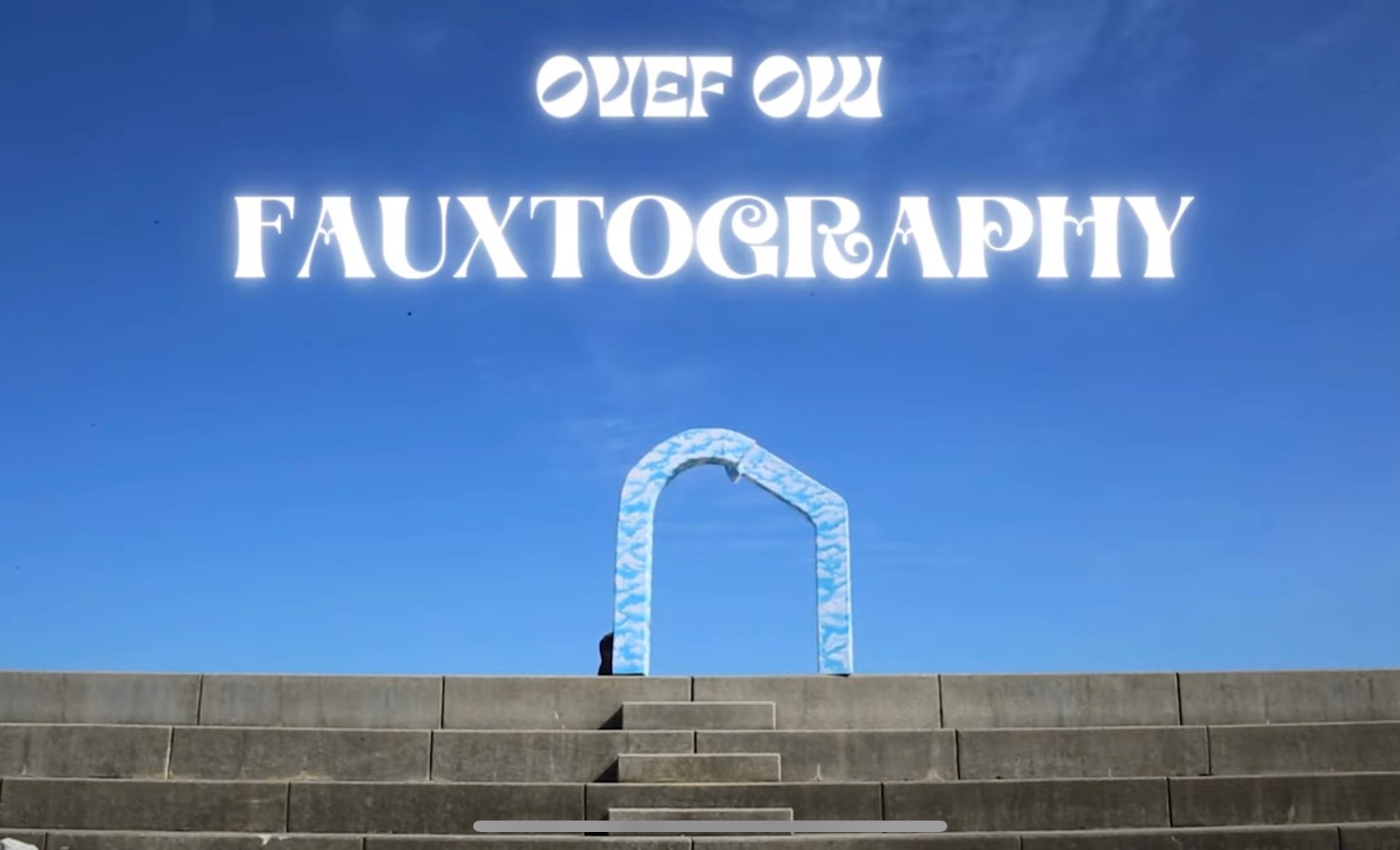
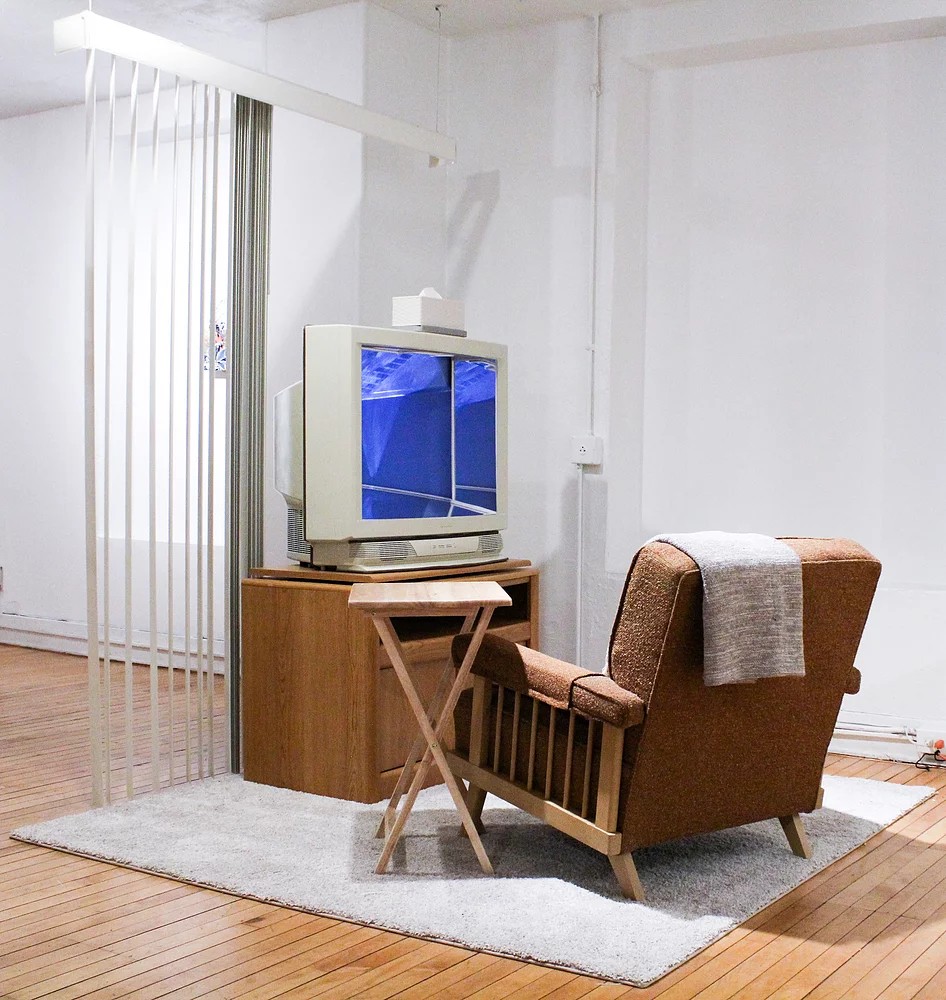
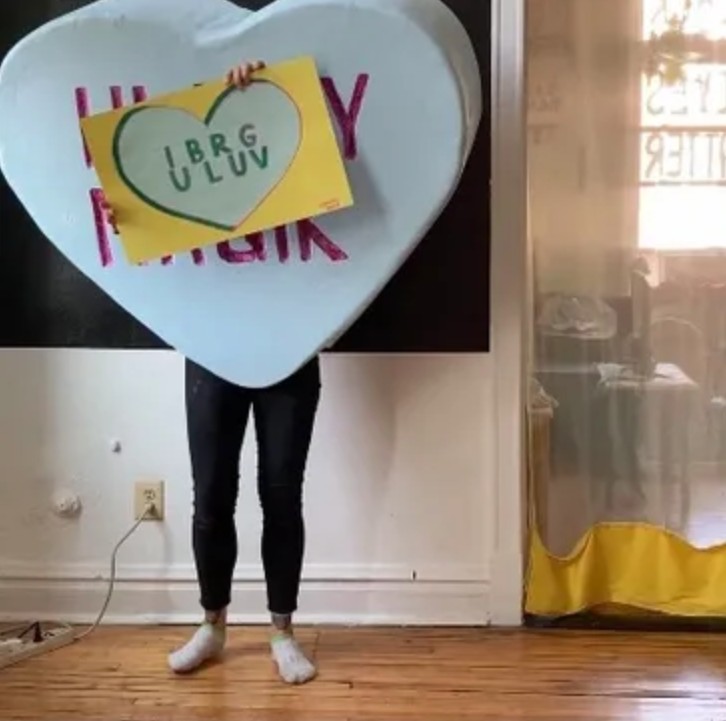
I am a multimodal/multimedia artist and designer from Durango, CO, specializing in experiential installations, environmental design, sculpture, and videography. My work explores storytelling in 3D. For the past 15+ years, I’ve worked in Chicago, IL and throughout the Midwest as a commercial artist: designing/fabricating environments for Harpo Studios, Field Museum, Anthropolgie, Kehoe Designs, etc. Simultaneously, I’ve pursued a career as an independent designer, artist, and performer, creating original art installations, music, art objects, new media, and music videos, and appearing on over a dozen albums as a vocalist and multi-instrumentalist.
My goal is to help create what’s next in the world of art and design, and it’s my belief that design and art can elevate three dimensional space to give viewers emotional connections to the world, to each other, and to story. I’m currently in the middle of a series called ‘Am I Dead?’ which is an artistic investigation with several interactive elements. It is my goal to ask myself and others: am I/are you dead or alive? and how do you know really and truly? How do we as individuals and culturally define and describe life and legacy, and how is our world shaped by our perception of reality, life, death, and existence? How do we really know for sure that we’re not all living in a dream, or a science fiction style reality, or something else? What science, philosophy, personal beliefs guide us to these conclusions?
There will be several pop ups of interactive/performative sculptures this summer around Chicago, and you can always interact digitally at amidead.life!
Looking back, what do you think were the three qualities, skills, or areas of knowledge that were most impactful in your journey? What advice do you have for folks who are early in their journey in terms of how they can best develop or improve on these?
Discipline, imagination, curiosity.
Discipline: I studied piano from age 6 to age 18. I was obsessed with my mom’s small electric keyboard from about the age of 4, and my parents signed me up for lessons with our church organist after hearing me pluck away for a couple of years. The discipline of learning music, reading the notes, playing the instrument and seeing yourself getting progressively better week by week is something I will always cherish. One of the best parts of having a regular art practice is that you are building in time to fail and experiment with no end goal. To do poorly at first and through time improve takes practice and a softness of heart towards your own growth.
Imagination: My favorite mentor in college would say ‘imagination iis a muscle,’ and I think about it every day. If you commit to that idea, you have to nourish it, stretch it, work it out just like maintaining fittness in the body. It’s important to see things and experience things that make you feel, practice thinking outside t he box, play games, work on puzzles, try new things.
Curiosity: In my opinion, the more open to new information and experiences, the better. My curiosity is how I’ve cultivated some of my more valuable skills – drafting, drawing, construction, sculpting and painting for me all started as wanting to understand how things were made. I love looking behind the curtain, turning objects upside down to see the ‘guts.’ I am always trying to learn new materials, new software, etc. because our world is constantly evolving. I ask a lot of questions and try to keep my opinion out of my own way. I think a lot of younger designers and artists are taught to do things one way by their schools or even by their parents, and they stick to it too rigidly. As individuals I think it’s important to respect those lessons and take from them the things that work, but also to be curious about ourselves and understand our individual ‘why,’ our preferences, etc. This allows us to grow into fully realized versions of ourselves, and allows for continual growth.
What is the number one obstacle or challenge you are currently facing and what are you doing to try to resolve or overcome this challenge?
My work focuses on experiential installations. I design artworks and environments for stores, events, museums, etc that are public facing and hopefully connect the audience with a brand or idea depending on the project. My biggest challenge is connecting to funding for my personal brand/work. As a designer/artist for hire I usually get opportunities to help others elevate their brands, but my own identity needs to be put to the side when I am working for others. I would like to do more of my own work, but without commercial entities commissioning things, it can be very difficult to fund. This year, I expanded my insurance to allow me to apply for public park installations and other types of public facing shows. I am applying to fewer gallery shows and grants, but focusing on ones that maybe require more documentation, but are asking for work more like mine. I have found this is starting to help me get some traction. Often galleries have connections with corporate sponsors and etc, and cultivating relationships with other artists and galleries has been immensely helpful! Hoping to find more collaborators in the future and keep growing my own brand.
Contact Info:
- Website: pamelamaurer.com
- Instagram: pamela.makes.art
- Youtube: @babymoney4eva
- Other: spotify: Hlday Magik Baby Money and the Down Payments