We were lucky to catch up with Patrick Kerssen recently and have shared our conversation below.
Hi Patrick, so happy to have you on the platform and I think our readers are in for a treat because you’ve got such an interesting story and so much insight and wisdom. So, let’s start with a topic that is relevant to everyone, regardless of industry etc. What do you do for self-care and how has it impacted you?
The concept of self care is a difficult one for a lot of the full time musicians I know, myself very much included. It can often feel like taking any actual down time for self care, no matter how needed or deserved, is a bad use of your time, because you can literally always be practicing and improving, or working on booking gigs, or learning the music for your next gig, or writing, or marketing, or whatever else.
It can get to be a lot of pressure, especially when you’re playing full time to pay your bills. I still often feel this way, even now, when I have plenty of stable work playing and teaching privately. A whole lot of people would have to fire me before I’m actually unable to pay my bills, but taking time for self care is still something I have difficulty with.
I’ve found the best way for me to deal with this and actually practice self care is to actively schedule days off. I look four to six weeks ahead in my calendar, and that far out, I usually have five or six fully open days with nothing on the calendar. I mark four of them as days off and don’t take any gigs, students, or rehearsals on those days.
I try not to do much playing on these days off, but if I do, it’s only on my own music and projects. I’m hoping to record an album with my jazz trio this year, so I’ll work on those arrangements a lot. I’ve got a New Orleans band I’ve put together recently, so I’ll write arrangements for that. I’m enthusiastic about some of the work I do giving concert/lectures at libraries, so I transcribe music to add to those. Projects like these are for me and my own love of music and playing the piano, as opposed to for the next gig, so I actually enjoy doing them on an off day.
That said, with these days off, I largely try to choose non-piano based activities. I love going to local triple-A baseball games by myself on a nice night off, or playing a round of disc golf, or just reading outside in the hammock with a glass of iced tea for a few hours. These provide necessary time away from the constant playing and marketing and practicing. I also try to maintain one or more general self improvement types of hobbies. I’ve been studying Spanish on my own for two and a half years, so I try to watch baseball games on the Spanish feed, or put on a Spanish language podcast while I play disc golf, or read news in Spanish. I also try to dabble in other instruments from time to time, or sketch in a sketchpad here and there. The Spanish helps me enjoy the learning process in a way that piano no longer necessarily does, and the other instruments and sketching allow me a creative outlet at which I can be terrible without professional consequence, as is not often the case on piano.
Let’s take a small detour – maybe you can share a bit about yourself before we dive back into some of the other questions we had for you?
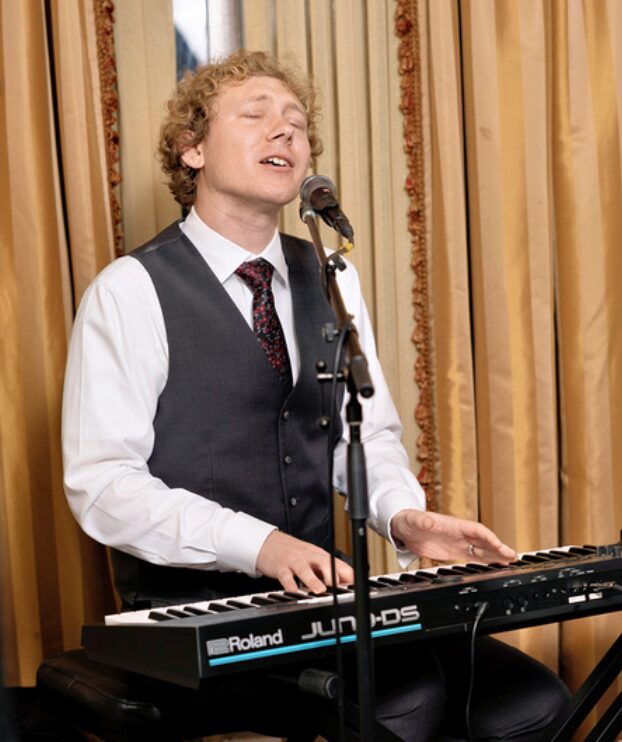
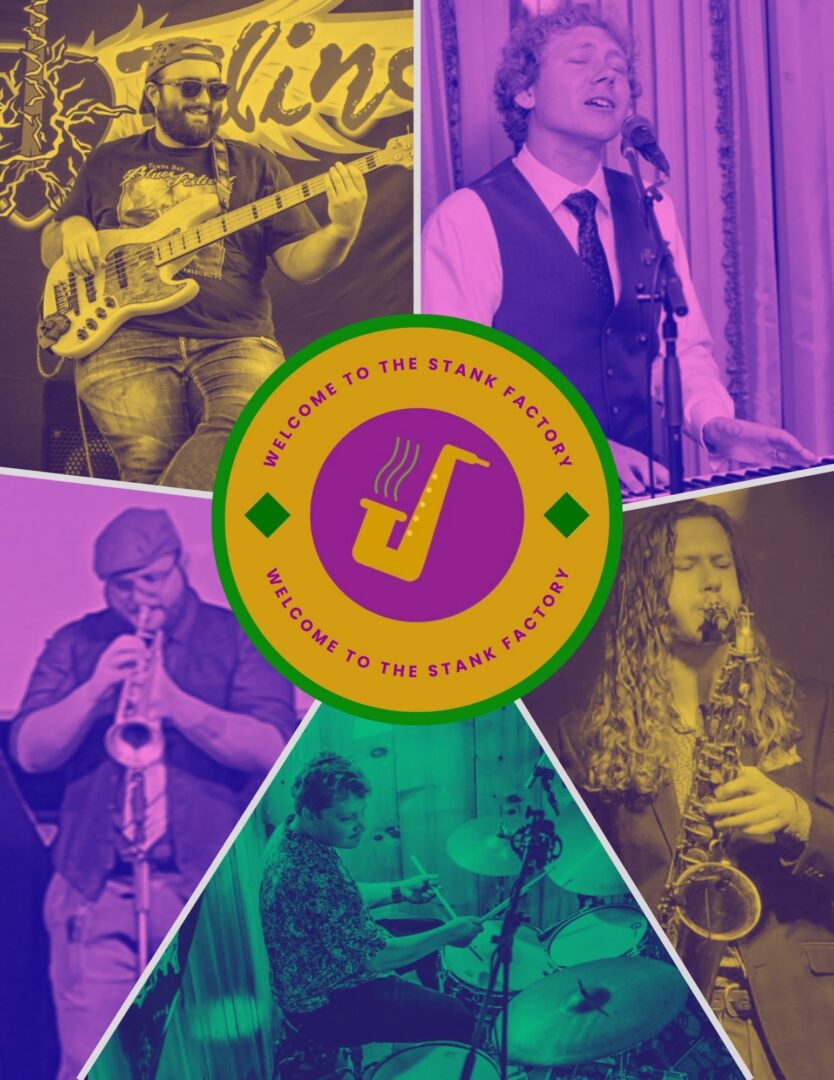
I’m originally from northern New Jersey, and began taking piano lessons around ten years old. My brother is also a musician, and we did some of our first gigs when we were young teenagers. I continued gigging through college, and after receiving my music education degree in 2018, I became a freelance piano player in the northeastern PA and NJ area. I’ve been a full time music professional since then, largely making my living through freelance gigs with all sorts of bands at all sorts of venues, teaching private piano students, accompanying choirs at high schools, and playing at churches. Right now, I’m trying to focus on my own groups, the Patrick Kerssen Trio (a jazz piano trio) and The Stank Factory (a New Orleans soul/blues/jazz quintet formed with my brother Alex, also a music education grad and full time musician). My goal is to work enough with these two groups to make the majority of my living as a bandleader rather than as a hired gun.
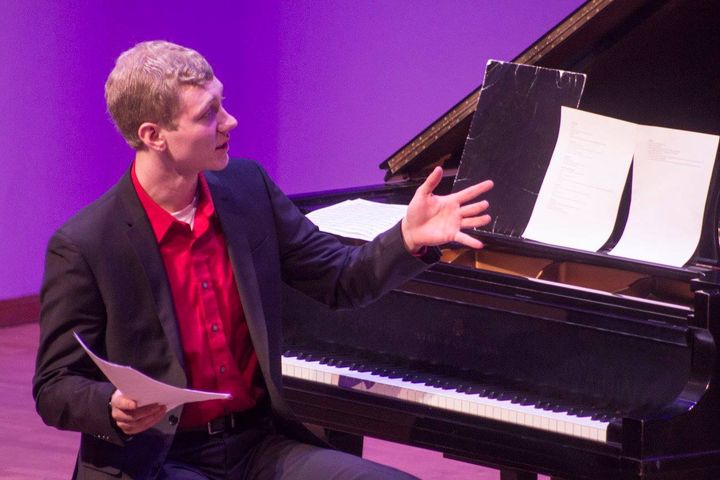
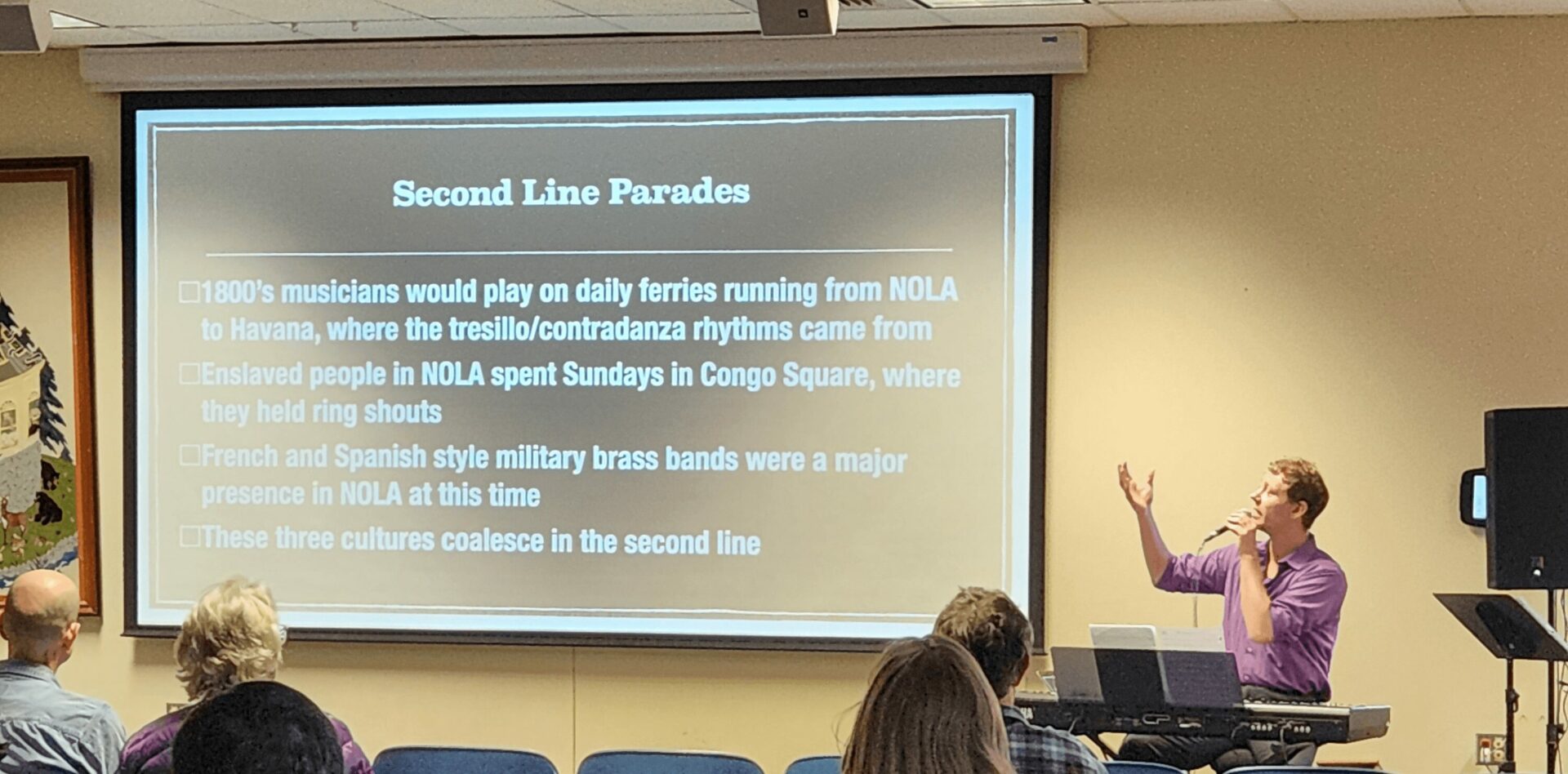
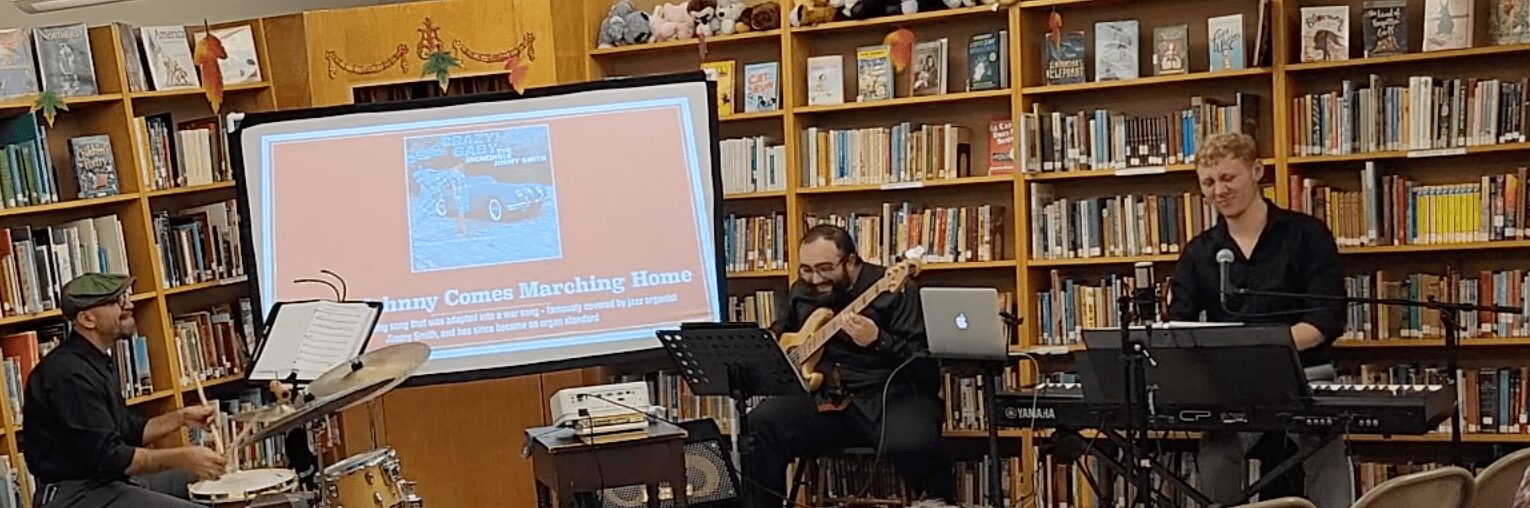
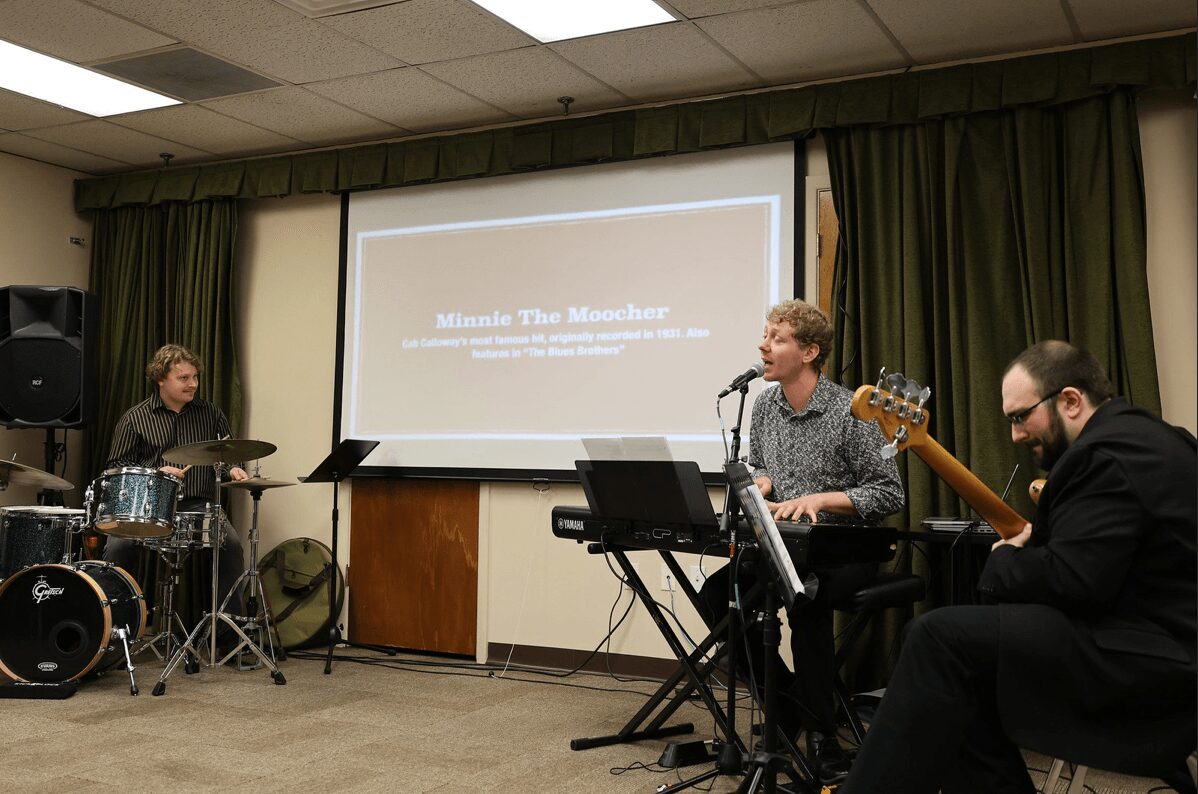
With the trio, I am largely focused booking multimedia concert/lecture programs at libraries throughout PA/NJ/NY on different historical topics. So far I’ve designed eleven different programs on topics like Vince Guaraldi and the music of A Charlie Brown Christmas, the connection between jazz and baseball, the making of The Sound of Music, the music and cultural impact of New Orleans, and Pennsylvania’s historical impact on jazz piano playing. Each program is based around a live performance by the trio, a slideshow with historical information and visual examples, and active audience participation. I really enjoy doing these, and I find it very fulfilling to learn deeply about music and history and to share that knowledge with an audience while also playing music I enjoy.
With the The Stank Factory, I’m hoping that we can be doing small one or two week tours two or three times a year at festivals and small music venues. This is a new group that my brother and I put together in October of 2024, and we just had our first gig in late April. It was a blast, and I have five or six gigs lined up for us in August of this year, including a short three day mini tour through PA and MD. I’m deeply excited about this group. It’s essentially me and four of the musicians I most enjoy playing with and hanging out with, and we’re playing all of the New Orleans music that I love so much.
There is so much advice out there about all the different skills and qualities folks need to develop in order to succeed in today’s highly competitive environment and often it can feel overwhelming. So, if we had to break it down to just the three that matter most, which three skills or qualities would you focus on?
Without a question (in my mind, at least), the most important skill a musician can have is the ability to be a self starter. Even if you’re the best player on your instrument in a 50 mile radius (which, if you’re like me, you aren’t), the only way to get work is to find it or create it for yourself. That means going out and meeting other musicians at jam sessions or open mics, sending emails to venues that might want to book you, putting a website together, putting a band together, putting a recording together of that band to send to venues, getting better at your craft, and so much more. None of that happens because of what you can already play. It happens by deciding what you need to do, and making it happen. Pick one thing and start it, and it’ll snowball from there to the next thing. Thinking and brainstorming are great, but actually starting tasks and acting on the ideas are what will build a career for you.
Flexibility and versatility would probably be number two on my list. To get as much work as you’ll need to make a living at this, you can’t just be a jazz player, or a classical player, or a rock player, or a blues player. You have to be all of those plus a reggae player, a salsa player, a country player, a folk player, a funk player, or soul player. Perhaps even more importantly, you have to be flexible enough to want to play all of that music. The amount of work that comes my way because better and more experienced jazz pianists didn’t want to play on a non-jazz gig they were offered is genuinely staggering. It’s probably fully half of my sideman work. The more kinds of music you’re willing and able to play, the more work you’ll get. And you’ll be surprised by how much you enjoy it. I did a reggae gig in 2021 that one of my college professors was offered and didn’t want. It was the first reggae gig I’d ever done, and I couldn’t name one reggae artist outside of Bob Marley. That was four years ago, and since then I’ve done dozens and dozens of well paid gigs with that band, come to deeply enjoy playing reggae music, and become such good friends with the members of the band that they were all at my wedding last year.
I think number three on my list is social skills and a willingness to be social. I’m not a social butterfly by any stretch, but I have one rule that I follow without exception: if someone asks me to hang out after the gig, no matter how tired I am, no matter what time it is, no matter how early I need to be up the next day, I say yes. Every single time. The best way to get hired back isn’t to be a great musician. It helps, obviously, but after a certain point, everybody plays well. The best way to get hired back is to be a great hang. If you’re someone that people want to hang out with, you’re someone people want to play with, because at the end of the day, the music is secondary. It’s all about the hang. I think that’s true for any field, frankly. The work isn’t the point, the people are. And in all honestly, I’ve enjoyed my time as a musician much more because of my one rule. Every year in the first week of January, I compile a list of my top 20 gigs of the previous year. Most of the time, it just ends up being a list of gigs where the whole band hung out for three or four hours after the gig and had a great night. As I’ve thought about this question, I think this actually should have been number one on my list. Reflecting on the seven years I’ve been doing this full time, the hang is the reason I continue to do it. You can burn out on music, or any kind of work, but you’ll never get tired of being with people you enjoy being with.
Looking back over the past 12 months or so, what do you think has been your biggest area of improvement or growth?
I’ve really refined my efficiency skills in the past year or so. A lot of my work as a musician is more tedious than one might think. To send personal emails to 200 libraries, you need to send 200 emails. To learn 45 songs for a wedding gig that you got the call to sub in for in five days, you need to sit and learn 45 songs without sheet music from a YouTube playlist. To learn a pile of choir accompaniments for a high school choir concert in a week, you need to sit with 100+ pages of sheet music and learn it. This stuff used to take me hours and hours, but I’ve gotten really great at streamlining all of the processes by creating “infrastructure” that I reuse over and over. I have drafts and form letters of everything: emails for libraries, emails for performing arts centers, sheet music for popular music, marketing flyers for my trio and The Stank Factory, and more. I also have master documents and folders for choir pieces I’ve marked up and played before, popular wedding standards I’ve played before, and piano transcriptions I’ve done before. A little extra time up front creating these systems and documents has made my life infinitely easier now, and I’d highly recommend thinking about what things you do over and over and figuring out a way to streamline the process for next time.
Contact Info:
- Website: www.patrickkerssenpiano.com
- Instagram: @patrickkerssenpiano and @the_stank_factory
- Facebook: Patrick Kerssen Piano