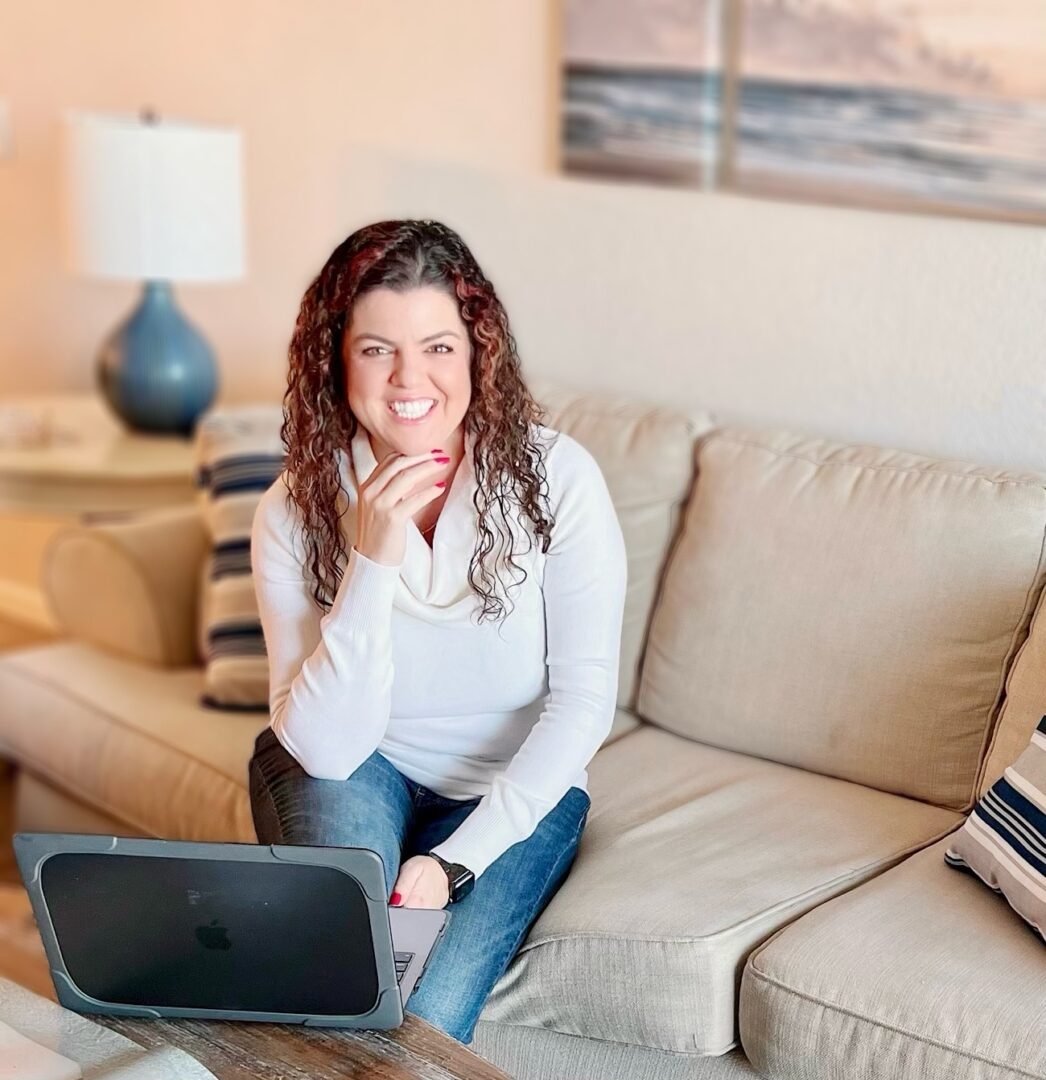
We caught up with the brilliant and insightful Patty Bennett a few weeks ago and have shared our conversation below.
Patty , so good to have you with us today. We’ve always been impressed with folks who have a very clear sense of purpose and so maybe we can jump right in and talk about how you found your purpose?
My journey into purpose started long before I ever had a job title.
In 1997, while studying early childhood education, I attended a seminar that changed how I saw the world. We were learning how to identify signs of trauma in children through their drawings, how a missing detail, a shape, or even a color could reveal an untold story of pain. I remember thinking, “This is how trauma speaks.” Not always in words, but in behavior, silence, energy.
That moment lit a fire in me.
I wanted to understand why people react the way they do, how trauma shapes our nervous system, and how those early experiences follow us into adulthood, into relationships, into leadership, and yes, even into the workplace.
After moving to the U.S., I began studying neuroscience and volunteered at UCLA, researching how early experiences affect human connection and leadership. I thought I’d write a thesis on trauma and communication, but life had other plans. My daughter’s survival became my whole world, and I hit pause on my education to care for her.
Eventually, I returned, stronger, more focused, and even more passionate about creating change. I earned my master’s degree in Human Services, specialized in life coaching, and pursued multiple certifications in trauma, leadership, and workplace wellness. But my true education came through lived experience, both my own and the people I served.
As a leader of a team of 250+ women, I saw firsthand that the biggest challenges leaders face aren’t always strategic, they’re internal. Stress, burnout, self-doubt, fear of being seen… or not being seen at all. These things were rarely named, but they showed up in communication, behavior, and culture.
That’s when everything shifted for me.
I realized: If leaders aren’t well, teams can’t thrive.
But when leaders begin to heal—everything changes.
I began to focus on what was beneath the surface. I created space for boundaries, reflection, and real connection. And the results? Teams strengthened. Communication improved. People stayed.
Later, when I stepped into the anti-human trafficking field, I saw the same patterns: dedicated staff, exhausted systems, blurry boundaries, and leaders carrying unspoken emotional weight. Even trauma-informed programs weren’t always trauma-resilient. That gap was everywhere.
So I built the bridge.
As a labor trafficking–domestic servitude survivor and leadership expert, I created the Trauma-Resilient Leadership™ approach, a framework that helps organizations build psychologically safe, sustainable cultures rooted in structure, compassion, and accountability.
This work has led me to serve on advisory councils, partner with nonprofits, law enforcement, medical teams, government agencies and social justice organizations. I’ve helped leaders understand how trauma shows up not just in clients, but in their staff, communication patterns, and workplace culture.
Through my consulting firm, Brave Connection coaching and consulting LLC, I’ve been able to bring this work to life in real-time—helping mission-driven teams shift from surviving to thriving.
So how did I find my purpose?
By listening to what wasn’t being said.
By following the patterns that others overlooked.
And by choosing to lead with courage, story, and structure, because I believe healing and leadership are meant to go hand in hand.
Thanks for sharing that. So, before we get any further into our conversation, can you tell our readers a bit about yourself and what you’re working on?
At the heart of my work is a simple belief:
Healing and leadership are not separate journeys, they’re deeply connected.
I’m the founder of The Brave Connection coaching and consulting LLC, a consulting and training firm that helps businesses and mission driven organizations and leaders build trauma-resilient workplace cultures where people can lead with integrity, connection, and productivity without burning out in the process.
My signature framework, the Trauma-Resilient Leadership™ approach, was created in response to a gap I kept seeing over and over again: well-meaning teams with powerful missions, but very little structure or support for the people doing the work. I saw brilliant, passionate leaders struggling behind the scenes with compassion fatigue, unclear boundaries, emotional overload, re-traumatization, and burnout. I’ve lived it. And I knew there had to be a better way.
What makes my work different is that it’s not just informed by research or leadership theory, it’s shaped by lived experience. I’m a labor trafficking–domestic servitude survivor, a seasoned leader, a trauma practitioner, and a coach. I’ve led large teams, relaunched and structured national programs for survivors, built systems from the ground up, and worked directly with survivors, nonprofit leaders, and public sector teams to create real, sustainable change.
I believe workplaces can be both productive and healing spaces, but only when leaders are supported in doing their own inner work and equipped with practical tools that meet real-life complexity.
That’s where the S.H.I.F.T. Model™ comes in; the model guides leaders in building supportive, inclusive, flexible, human-centered cultures grounded in transparency and trust.
What’s most exciting right now is seeing how this work is expanding. I’m currently working on my upcoming book (more on that soon!), training leadership teams across sectors, and launching The Trauma-Resilient Leadership™ Program as a full curriculum with digital tools, facilitator guides, and live sessions.
We’re also expanding partnerships with business, non-profits and anti-trafficking organizations and workforce development programs that are committed to hiring survivors, but need more support creating workplace systems that are trauma-aware, practical, and resilient.
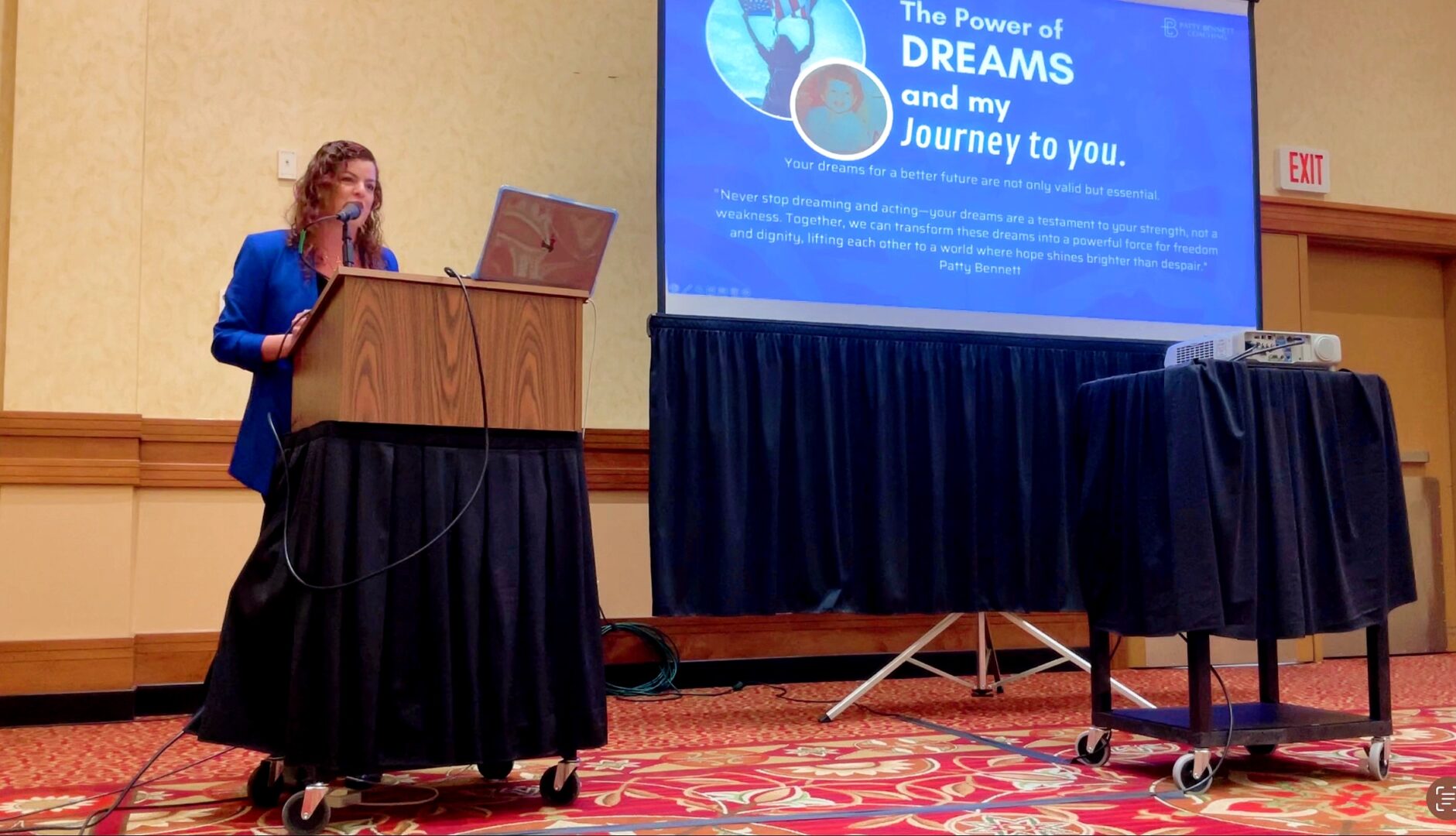
Whether I’m training a team of frontline advocates, consulting with a national nonprofit, or speaking at a leadership summit, my focus stays the same:
Helping people lead in a way that doesn’t cost their or others well-being.
Because when we create spaces where people feel safe, valued, and supported, everything changes. Teams thrive. Retention improves. Communication flows. And the mission becomes sustainable.
That’s the heart of my firm we believe that, We don’t just build better leaders, we help people build workplaces where everyone can rise.

If you had to pick three qualities that are most important to develop, which three would you say matter most?
Looking back, there are three things that have shaped my leadership the most, and they didn’t always come from a textbook.
They were formed through experience, failure, healing, and deep reflection. And the truth is, I’m still growing in all of them.
1. Self-awareness and nervous system literacy
Early in my journey, I didn’t realize how much my nervous system was running the show. I was constantly striving, over-giving, and ignoring my own limits. I thought it was discipline—but it was actually dysregulation.
When I began to understand how trauma lives in the body, and how our nervous system affects everything from leadership to communication to decision-making—it changed everything. I started to pause before reacting. I learned how to regulate, repair, and realign.
Advice: Start paying attention to how your body responds in stress. Learn about nervous system states. Read books like The Body Keeps the Score or Accessing the Healing Power of the Vagus Nerve. Build practices that help you return to calm, clarity, and connection. That’s where real leadership begins.
2. Boundaries and compassion can coexist
For a long time, I thought I had to choose between being kind and being clear. I didn’t want to hurt people, so I let things slide. But what I’ve learned, especially working with trauma survivors and mission-driven teams, is that compassion without boundaries leads to burnout, and boundaries without compassion create disconnection.
The healthiest leaders I’ve seen are those who can say “yes” with intention and “no” with integrity.
Advice: Practice setting small boundaries first, time, energy, space. Use phrases like “I can’t commit to that right now, but here’s what I can do.” Honor your limits, and teach others to do the same by modeling it yourself.
3. Cultural humility and lived-experience wisdom
I’ve worked with people from all walks of life, survivors, professionals, executives, and leaders across the globe. One of the most powerful things I’ve learned is that we don’t need to be the expert in someone’s life to lead them well, we just need to be willing to listen, learn, and honor their story.
As a survivor of Labor Trafficking, I know what it feels like to have my voice dismissed or tokenized. That’s why I lead with curiosity, humility, and respect. And that’s also why I created Trauma-Resilient Leadership™, to bring dignity and structure to spaces that often ignore the impact of trauma on both leaders and those they serve.
Advice: Don’t just collect certifications, seek out voices from the margins. Read stories, attend trainings led by those with lived experience, and ask yourself: Whose wisdom is missing from my circle? That question alone can unlock a new level of depth in your leadership.
I’ve come to believe that leadership isn’t about having all the answers, it’s about creating the safety and structure for others to bring their best. And that always starts with doing the inner work first.
One of our goals is to help like-minded folks with similar goals connect and so before we go we want to ask if you are looking to partner or collab with others – and if so, what would make the ideal collaborator or partner?
Yes, absolutely—I believe leadership transformation is never meant to be done alone.
I’m always open to collaborating with aligned individuals and organizations who are passionate about creating trauma-resilient spaces where both survivors and professionals can thrive. Whether you’re in business and the nonprofit world, education, the faith community, or a corporate leadership role. If you’re ready to move beyond performative wellness and into real, sustainable culture shift, I’d love to connect.
Right now, I’m especially seeking collaborations in the following areas:
Organizations hiring staff who need guidance in building healthy workplace systems, leadership training, or survivor-centered programming.
Leadership teams looking to embed trauma-resilient practices into their structure, culture, and communication.
Fellow consultants, trainers, or clinicians who bring lived experience or culturally responsive approaches and want to co-create spaces that prioritize safety, connection, and impact.
Foundations or funders interested in workforce wellness, economic empowerment, and leadership development, especially for marginalized communities.
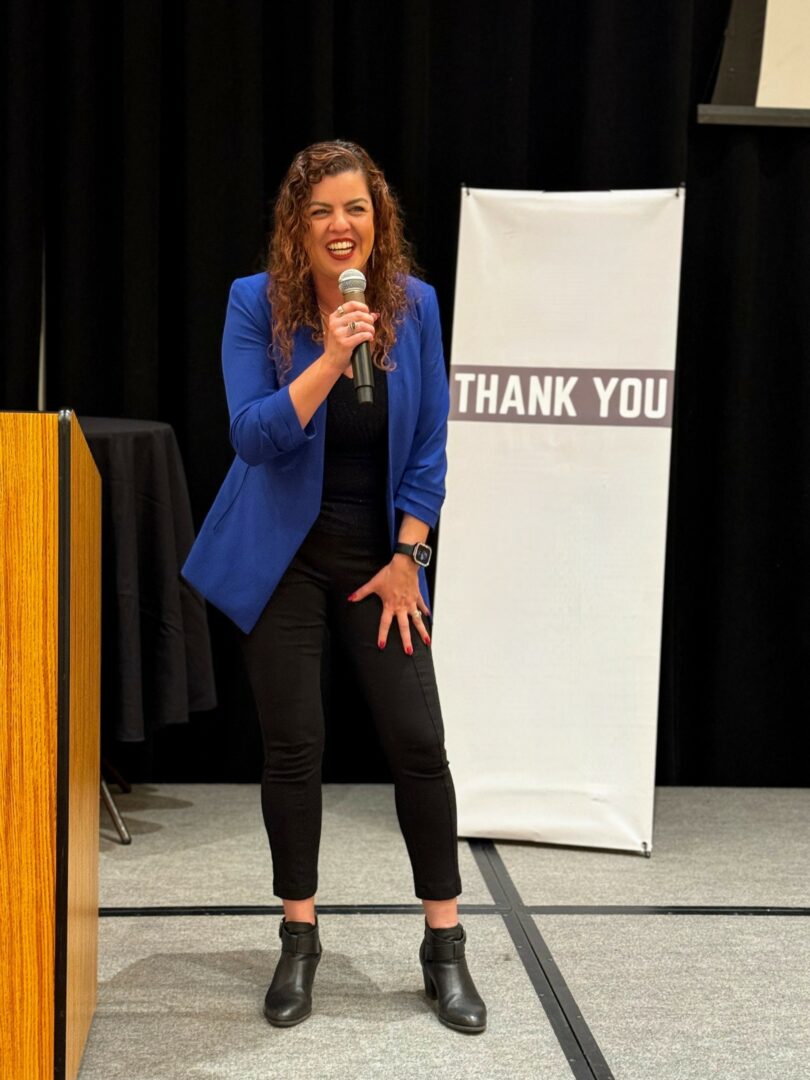
Event organizers or summits seeking keynote speakers, panelists, or trainers who can speak on trauma-resilient leadership, workplace wellness, boundaries, and team transformation.
If what I’ve shared resonates with your mission, or if you’re working on something that aligns with the heart of this message, I’d love to explore how we can partner to create change that lasts.
You can reach me through my website: www.pattybennettcoaching.com or connect with me on Instagram @pattybennettcoaching.com and my email is [email protected]
Love building cultures that are not only effective, but deeply human, resilient, and rooted in care.
Contact Info:
- Website: https://www.pattybennettcoaching.com
- Instagram: @pattybennettcoaching
- Linkedin: https://www.linkedin.com/in/pattybennettcoaching/
so if you or someone you know deserves recognition please let us know here.