We were lucky to catch up with Paul Matelski recently and have shared our conversation below.
Hi Paul, thanks for sharing your insights with our community today. Part of your success, no doubt, is due to your work ethic and so we’d love if you could open up about where you got your work ethic from?
I think my work ethic came from growing up in a small business family.
My father owned an outdoor sporting goods store in New York State where I grew up. From a very early age, I would help out in various ways such as running the cash register, restocking shelves, or putting a dozen bloodworms at a time in plastic bags (if you don’t know what a bloodworm is, consider yourself lucky).
However, the most important part was interacting with customers. This taught me a lot about people and forced me to learn how to work well under pressure. When the store gets busy – you’re busy! There’s no taking lunch when the shop is packed full of fishermen.
The reality of a small business environment is that it’s not always very structured. You do what you need to do to get things done whether that means working later, harder, or scarfing down lunch in 5 minutes.
I think these skills go a long way toward a successful life in any career and they certainly helped me with my music career – especially in recording studios where the work environment is surprisingly similar to a shop such as my Dad’s (minus the bloodworms!).
Thanks, so before we move on maybe you can share a bit more about yourself?
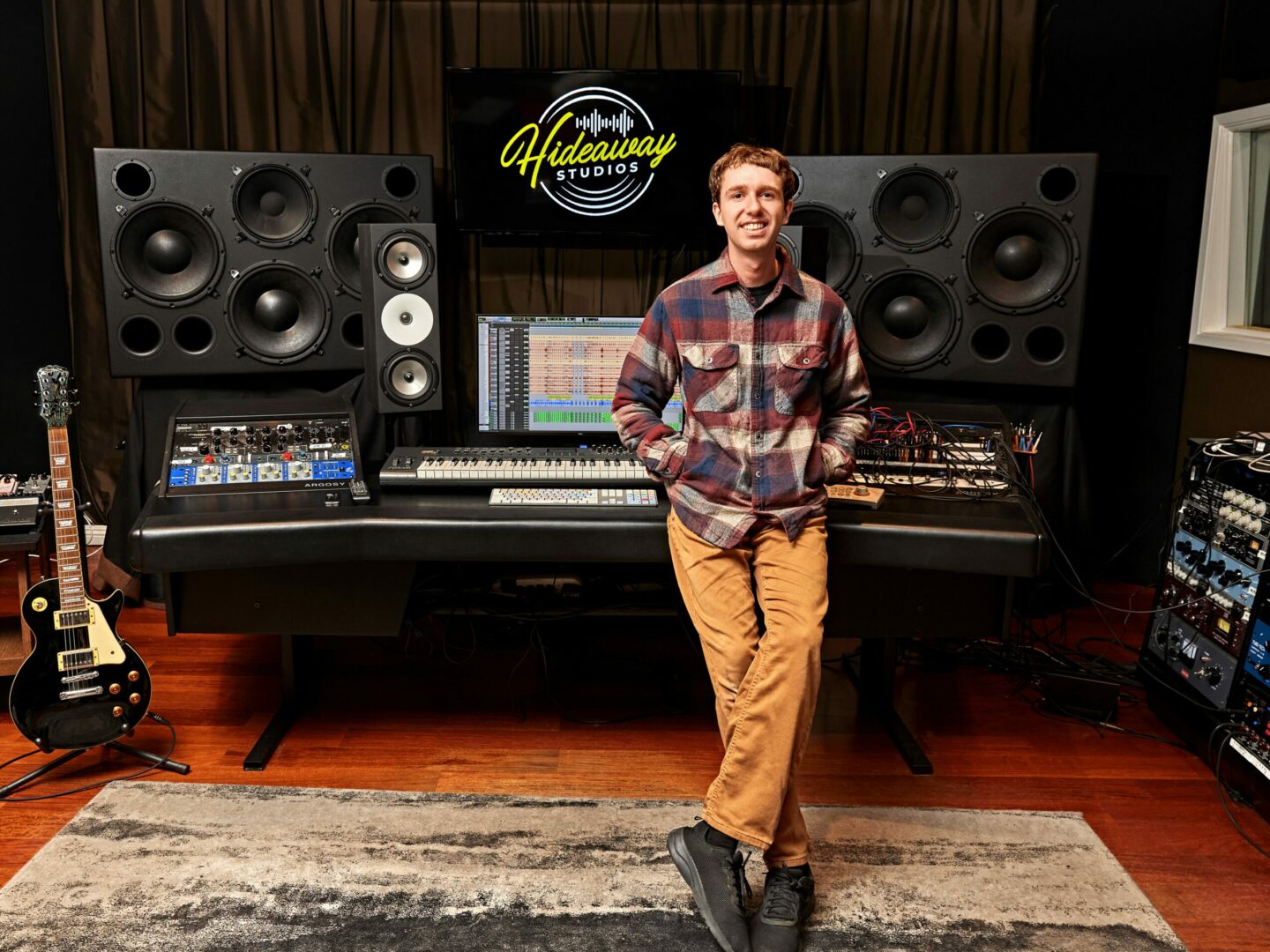
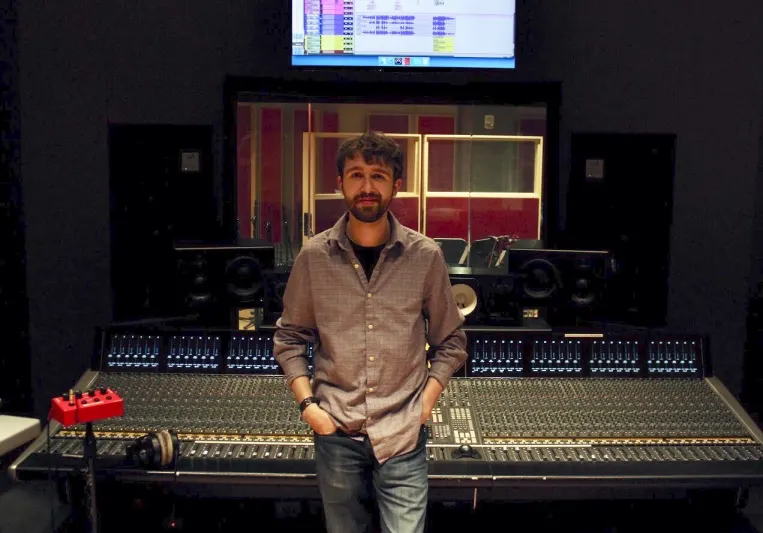
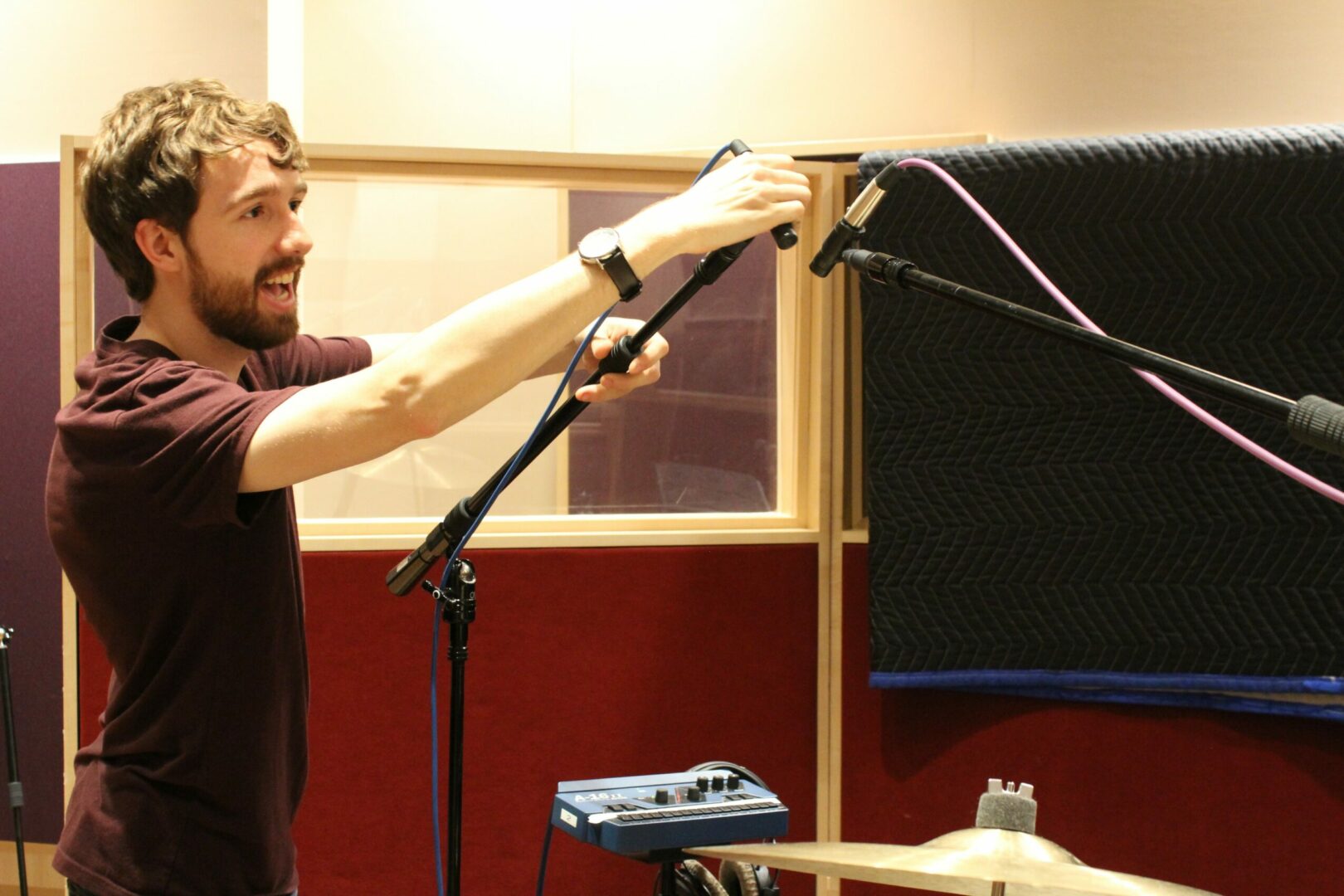
I am an audio engineer and music producer. In short, I work in recording studios where I record, edit, and mix music. Sometimes I have a hand in writing and arranging the music.
Audio engineering is quite an exciting profession as you get to interact with a variety of music in a very hands-on way. I’ve always said that my profession is a mixture of technicality and art. There are of course the technical elements of audio and the equipment used in audio production as a physical phenomenon but you have to remember that you are also working on music, which is an art form.
Oftentimes, the most “technically correct” method of doing something is not always the most artistically satisfying option. A lot of times, you have to break the technical rules to suit the musical taste of your client/yourself. It’s this balance between the technical and artistic which keeps the profession interesting and uniquely challenging from day to day.
Looking back, what do you think were the three qualities, skills, or areas of knowledge that were most impactful in your journey? What advice do you have for folks who are early in their journey in terms of how they can best develop or improve on these?
I’d be happy to give one example of each: one quality, one skill set, and one area of knowledge.
One quality would be the fact that I like to listen more than talk. Of course, as an audio engineer, your job is to listen to the audio you’re working on but the same is true for listening to your clients. As far as I’m concerned, they’re the star of the show and I have found that it is always beneficial to listen to your clients, whether that be regarding the job at hand or in personal discussion.
One skill would be the ability to edit video in a basic capacity. Everything is visual these days and the ability to understand and perform the basics of video editing tasks has come in very handy and has landed me additional work as a result.
One area of knowledge that has actually come in quite handy has been knowing the history of recording technology such as analog consoles and tape machines. Some of my clients come from that generation of recording and to be able to converse with them about that technology has been very helpful.
My advice for those who are early in their career journey (or anywhere in their journey for that matter) is to make up for what you may lack in your skill set with conscientiousness. I’ve noticed that most people tend to really appreciate it if you show that you care and that you’re willing to put in the extra effort to make something happen for them, even if you don’t really know what you’re doing. If you show that you’re trying, you will likely find that people will overlook any deficiencies that you may have in your skill set.
Okay, so before we go, is there anyone you’d like to shoutout for the role they’ve played in helping you develop the essential skills or overcome challenges along the way?
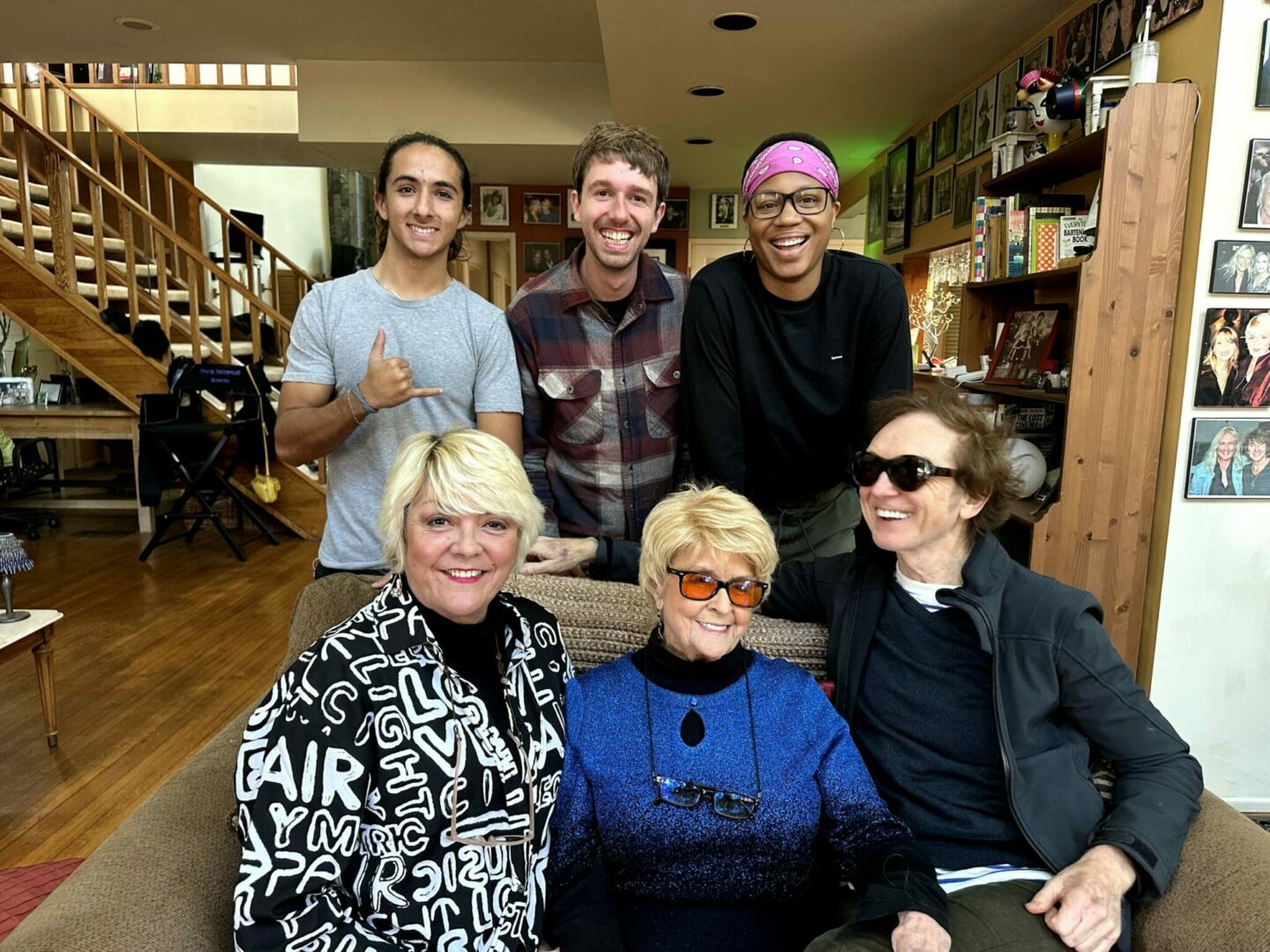
There have been a lot of mentors in my life along the way and I am very grateful to all of them for helping me in my journey. However, I actually feel that my wife has been very instrumental in helping me work on a lot of areas of where I may struggle. Honestly, I sometimes struggle with believing in myself enough and she encourages me to keep going.
Contact Info:
- Website: https://www.paulmatelski.com
- Instagram: @paulmatelski
- Facebook: https://www.facebook.com/paul.matelski.7
- Linkedin: https://www.linkedin.com/in/paulmatelski/
so if you or someone you know deserves recognition please let us know here.